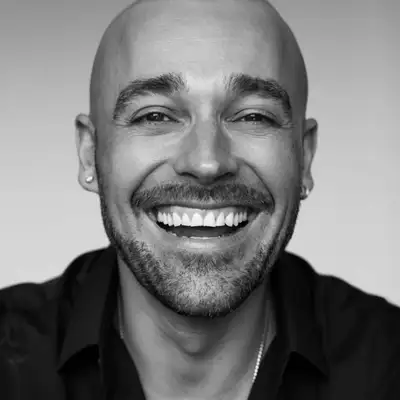
You can live in a full house and feel lonely. You can be in a relationship and feel lonely. You can have a group chat that never stops and still feel like no one really knows you. And you can be home alone on a Friday night with nothing but a book, a movie, or a playlist and feel completely at ease. So many of us confuse being alone with being lonely, treating loneliness as a headcount problem instead of a deeper signal about connection, presence, and being seen. In this episode of Right Here, hosts Christopher Mooney, LCSW and Kenyon Phillips, LMSW explore the difference between solitude and loneliness, and why loneliness can show up even when life looks full from the outside. Drawing from conversations around relationships, parenting, digital connection, role-based living, recovery, adolescence, self-judgment, and the nervous system, Christopher and Kenyon examine how loneliness often points to the experience of feeling unseen, unknown, or unable to be fully yourself with the people around you. The conversation looks at parenting loneliness, partnership loneliness, teen loneliness, the in-between loneliness that can come with growth or recovery, and the quiet shame people often feel when they think they shouldn't be lonely. The episode also offers a practical path toward more real connection: naming loneliness without judgment, looking for depth rather than simply more contact, taking one small "honesty risk," creating consistent anchor points of connection, and learning how to be alone with yourself in a way that feels restorative instead of numbing. Loneliness isn't a judgment about who you are. It's a signal about what you need. And listening to that signal can become an act of wisdom.
To book a free consultation with Christopher, Kenyon, or the other providers at Lumen Therapy Collective, visit lumentherapycollective.com.
Follow Right Here on Instagram: @lumen_therapy_collective
Subscribe, share, and review Right Here on your favorite podcast platform!
Right Here is a podcast partnership with WPKN 89.5 FM in Bridgeport, CT. This content is for educational and informational purposes only and is not a substitute for therapy, diagnosis, or treatment. If you’re experiencing a mental health crisis, please contact local emergency services or a trusted mental health professional.
What is Right Here?
Right Here is a mental health podcast that explores the psychological patterns shaping our relationships, choices, and inner lives. Hosted by therapists Christopher Mooney, LCSW, and Kenyon Phillips, LMSW, each episode offers grounded, compassionate conversations rooted in clinical insight and real human experience. No jargon. No judgment. Just clear, thoughtful dialogue designed to help listeners better understand themselves and the people around them.