Subscribe
Share
Share
Embed
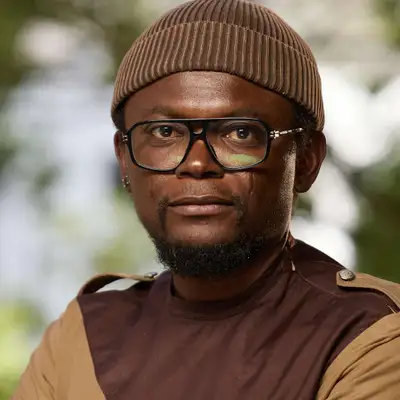
Send us a text Shahidul Alam (b.1955) is a Bangladeshi photojournalist, teacher and social activist. He has been a photographer for more than 40 years. His life and work can invariably be summarised as a service to society, culture and humanity. In 2014, he was awarded the Shilpakala Padak by the President of Bangladesh. In 2018 he received the Humanitarian Award from Lucie Awards. In the same year, he was named one of the Times Persons of The Year by Time Magazine. Alam fou...
Shahidul Alam (b.1955) is a Bangladeshi photojournalist, teacher and social activist. He has been a photographer for more than 40 years. His life and work can invariably be summarised as a service to society, culture and humanity. In 2014, he was awarded the Shilpakala Padak by the President of Bangladesh. In 2018 he received the Humanitarian Award from Lucie Awards. In the same year, he was named one of the Times Persons of The Year by Time Magazine.
Alam founded the Drik Picture Library in 1989, the Pathshala South Asian Media Institute in Dhaka in 1998, “which has trained hundreds of photographers”, and the Chobi Mela International Photography Festival in 1999. These platforms have been steadfastly sustained throughout these years. As such, they have become, in Alam’s words, the units straddling the three prongs – education, media, and culture – through which they have been able to exact pressure on the political sphere, therefore, instigating tangible change in the Bangladeshi reality through photography.
In August 2018, Shahidul Alam was arrested and detained shortly after giving an interview on Al Jazeera during which he criticised the government's violent response to the 2018 Bangladesh road safety protests. There was a global call for his release led by many International humanitarian organisations, news media and notable personalities.
In the 7th Episode of Nkata Podcast: Art & Processes, Emeka Okereke visited Alam in his home in Dhanmondi, Dhaka in Bangladesh – same apartment from which he was arrested. They had an extensive conversation about his life and work starting from his childhood to his parents, family and dedication to social justice in Bangladesh.
He also touched on his special relationship with his partner – his best friend and his fiercest critic – Rahnuma Ahmed, who is a journalist in her own right. Shahidul owes much of his continued belief in his cause; its strategic carefulness of self-care as a form of protest (as inferred by Audre Lourde) to Rahnuma. He made a point to note that the name “Rahnuma” is Persian for “the one who shows you the way”.
Listen to the full episode on nkatapodcast.com
Also available on Apple Podcast, Spotify, Google Podcast, Tune In and more. Subscribe on your preferred platform of listening to get notifications on subsequent episodes.
There are timestamps to help the listener navigate different parts of the podcast.
Hi, amazing listeners! Emeka Okereke here. I am the founder and host of this show. If you’ve enjoyed the stories, insights, and creativity we bring to this podcast series, I invite you to join my Patreon community at patreon.com/EmekaOkereke. 🎉
NKATA is an Igbo word from the language spoken by the Igbo people of Nigeria. It simply means "Conversation". Thus this podcast series will feature conversations with selected individuals (artists, cultural operators, and creatives) whose work I have known – some over many years and others, a little less so. What sets them apart is that I consider them and their works to be compelling, engaging and relevant to the time. The idea of this podcast is to have in-depth but also accessible conversations about who these individuals are, their life’s journeys and how this translates into their vocation as creative people. Conversations will depart from exploring the background of the artists' personal history while meandering through key themes, positions, and ideologies central to their works. Each episode will feature one conversation with a selected artist. Emeka Okereke (Host).