In this Therapist Thursday episode, Sue Doyle, PhD, OTR/L talks with Cathron Sterling, an occupational therapist and home safety specialist from San Antonio, about building a mission-driven home modifications and DME practice after decades in traditional clinical roles. Cathron shares how her experiences in pediatric home health, care coordination, and caring for her mother after multiple strokes shaped a business focused on access, safety, and dignity at home.
What you’ll learn in this episode:
- How Cathron’s 27-year OT journey—from acute care and inpatient rehab to pediatric and adult home health, liaison work, and caring for her mother after strokes—led her to start a home safety, accessibility, and wheelchair/DME-focused company in 2020 and go full-time by 2023.
- Practical ways she blends an OT lens, public administration training, and lived family experience to assess home safety, navigate limited resources, coordinate services, and creatively modify spaces (like converting a garage into an accessible apartment).
- Business and career insights on channeling grief into meaningful work, using community connections and care-coordination networks to build a referral base, and creating a home mods/private practice path that offers more autonomy and a sustainable alternative to burnout in traditional healthcare roles.
Guest details and links:
Resources mentioned:
Connect with The Home Accessibility Therapist:
Creators and Guests
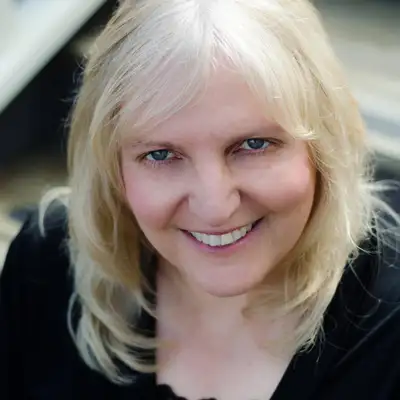
Host
Sue Doyle PhD OTR/L
Owner of The Home Accessibility Therapist
What is The Home Accessibility Therapist Podcast?
The Home Accessibility Therapist Podcast delivers tips, training, and interviews for therapists who are changing lives at home. Each episode turns real-world home modification challenges—like falls, hoarding, and disaster preparedness—into clear, practical strategies you can use on your next visit. You’ll hear Therapist Thursday interviews, research-based blog-to-audio episodes, and “Office Hours” Q&A focused on evaluations, documentation, and funding. The podcast’s goal is to build your confidence and skills as a home accessibility therapist so your recommendations are safer, more effective, and more likely to be implemented.