Subscribe
Share
Share
Embed
Celebrate the joy of reading with the Book Love Foundation podcast. This is a show filled with information and inspiration from teachers and leaders across grade levels, states, and school systems. We interviewed authors and educators for the first five years and now turn our attention to leaders in public, private, and charter schools. Find out more at booklovefoundation.org or join our book-love-community.mn.co of 2500 educators from 28 countries. We sustain joy together, one kid and one book at a time.
Penny Kittle 00:04
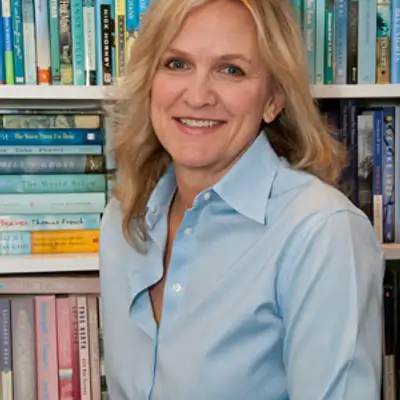
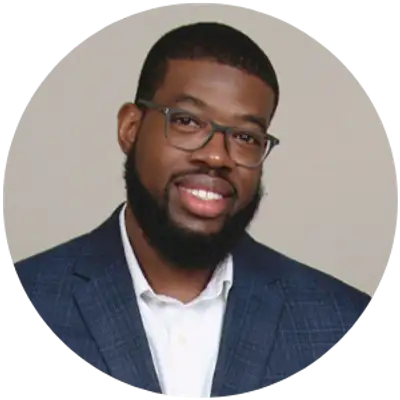
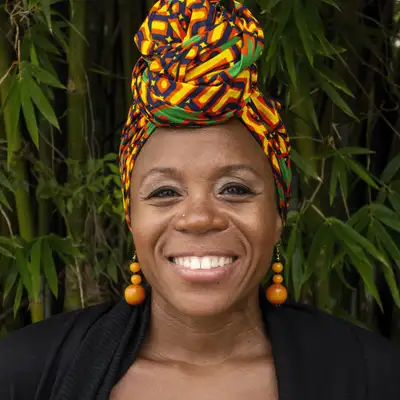
Welcome back to the Book Love Foundation podcast. We're finally back. It's been more than a year, and we have been gone for two really important reasons. The first is that our producer, Kevin Carlson, accepted a job with an educational publisher that's full time, and meant that he had to give up helping us produce these podcasts. Kevin is a truly wonderful human being, and his guidance and his support for this project helped us grow all of the first three seasons, 30 episodes, that he produced just because he's a good human being. I first met him when I was collaborating with Don Graves on a project called inside writing. Kevin was doing the filming, and his professionalism and his vision and his love for kids was evident every time we met. He then went on to create all of the video work for Write Beside Them. He is all about elevating teachers, and I have been blessed to work beside him for so long. So thank you so much, Kevin. We are moving forward with a new producer, Steph George from Heinemann, thank you so much, Steph. So the Book Love Foundation has crossed another huge milestone in this last year, and that was we gave away $500,000 to over 200 teachers in the last seven years, and hitting that half million mark has felt like we have crossed one of what we hope will be many hurdles towards reaching more classrooms where teachers need books to connect kids to reading. So thank you for your support. Today we're going to listen to a podcast, an interview between Julia Torres and Chad Everett. Julia is a Denver librarian and national speaker, as well as a co founder of the disrupt text movement. Julia is known for her joy and powerful workshops. She presents on equity, anti racist education, culturally sustaining pedagogies, and she's just a wonderful person who has agreed to be a new board member for the Book Love Foundation. She will be in charge of grant winner support today, she's joined by Chad Everett, an assistant principal at Horn Lake Middle School in Horn Lake, Mississippi. I got to be in that middle school for two days in February, and I got to tell you, watching Chad in action, he is excellence in leadership in every way. Chad is a writer, a national speaker and a brilliant thinker. Julia and Chad focus on leadership today, in this time of distance learning, due to the pandemic.You're going to find this inspiring, engaging, and most of all, you're going to learn a tremendous amount from these two professionals.
Julia Torres 02:47
All right, so Chad, thank you so much for joining us today, everybody. My name is Julia Torres, and I am here on the Book Love podcast with Chad Everett. He is an administrator, and I'm going to let you talk a little bit more about the work that you do, but I will let folks know that one of the things that inspires me the most about you is that you give very freely of your time to do educational leadership as well. And so I look to you as a national leader who provides learning, specifically with regard to literacy instruction, but other areas as well for so many people. And that's how I found you, and that's how I can continue to be inspired by you. So I would love it if you would talk a little bit about your work.
Chad Everett 03:26
Well, thank you so much, Julia. I'm so excited to be on the podcast. So my name is Chad Everett. As you said, I am a middle school administrator, first year middle school administrator, grade six through eight. My building is around 1100 kids. Before that, I was a middle school English teacher, a literacy coach, and then I also did, like, two years working in student discipline. That was just say, I like the classroom a lot better.
Julia Torres 03:51
I totally get it myself. I was in the classroom for 14 years, for any viewers who aren't familiar with the work that I like to do, and I'm now a librarian, so I completely understand what you're saying, Chad, about missing that connectivity that you're able to have with the students, one on one when you're a classroom teacher, but also feeling called to do something different, and that's what my career trajectory has taken. Can you tell us a little bit more about your district, where you are geographically, and just some challenges that you might be facing in this time of coronavirus and the with the transition to online learning.
Chad Everett 04:27
Yeah. So my district is the largest school district in the state of Mississippi, with the very tip top about 20 minutes outside of Memphis. So I was joking to say in sessions like I can get from the front door of my school to Downtown Memphis in 20 minutes on a Friday, if that's what I have to do, that's nice. Yeah, our district has 42 campuses, 30 something odd 1000 students that we serve. So in terms of Mississippi, like, we cover a lot of area in comparison to, like, other states, like Georgia, we don't seem as large, but for us, we're, like, we're a big district, the school that I work in we often like to say we're like a suburban school with urban issues in terms of where we're situated, where our population tends to be a lot more transient for families moving through as opposed to moving there to stay.
Julia Torres 05:11
Thank you so much for that. I'm also in a district that's classified urban. I'm in a title one location, so a location with a lot of Title One schools. I serve five schools right now, but I hear what you're saying about sort of a suburban feel, but having urban concerns as well, as far as the demographic and then some of the similar challenges that we might have to face.
Chad Everett 05:34
Right, for one thing about how we serve families, right, like that, I can't the way we adapt. So it's interesting to be in a district where the vast majority of the students live, in a very suburban way, and just thinking about, from my building, like, how we adapt our leadership, or how we adapt our teaching, like we all should, but within a district that covers that much land area, what that looks like for us to adjust. And so I think that leads me into, like, your first question, so what does that mean for us as we transition into distance learning? One of the first things that I thought about as an administrator was just first, like, all the roles that my district may play in the live or my building may play in the lives of students. And so, like, how do we transition that online? It's honestly, like, right out of the gate, I think, like, there's just some things that we do in places that we serve students you can't transition online. And so I think going into those first meetings, just being really honest and transparent with teachers, right? Like, as administrators in this time, like in a field that often cranks the pressure up the further you own classroom teachers just being really honest about it this time, like, there are things you do for your students, and there are roles that we play as a school that you can't transition online, and that's okay. We just need to be honest about that and figure out how we move through that. So if we couldn't deliver, and I'm not talking about my building, but like education as a whole, if we weren't truly delivering an equitable education before coronavirus, like covid 19 and moving online, how are we going to do that as we think about not just device equity, but then thinking about access to internet and then within homes, and then thinking about the families who receive free and reduced lunch like I'm fortunate to be in a district where we're Still doing food pickup, but I know that there are places that have suspended that. But then for those families who, like parents, work during those hours. So those were the phone calls as an administrator, the second we transitioned, that I started to get like, Hey, I work during those hours. What am I supposed to do about that? And then there's the whole conversation of thinking around like, is it truly equitable for one student to be getting quote, unquote online distance learning, and another student to be getting a packet right? And if we're just honest about that with families to say it's not possible, you can't and just being honest and saying, like, I get that you want your student to have access to the same level of education that they were getting before. But if we're just again, that we're honesty and just transparent and vulnerable to parents and say, like, we're figuring it out alongside you, I think alongside you, I think we'd see the anxiety go down on both sides, where teachers weren't feeling that pressure to try to recreate what they were doing online, and then parents would all of a sudden feel this pressure, or this notion that we give that you can recreate school online without that expertise and that training and those years of experience. So for us, the biggest adjustment, or the thing that I think about the most, is just, how do I ease teachers concerns as an administrator? How do I ease family's concerns as we think about transitioning to quote, unquote, distance learning, whatever that means, during this time.
Julia Torres 08:12
So if I'm hearing you correctly, you did have some distance learning aspects to instruction in your district before, it wasn't like everybody had to adopt distance learning from scratch. Can you talk a little bit about, what if there are any benefits you might see to, you know, things like mass device distribution? Any of that? Are there any benefits right now? It's hard to see it, because I am in the same situation. I'm looking.
Chad Everett 08:42
I don't know if like around device distribution, no, here's what I've seen that I think is beneficial. Like I'm seeing teachers intentionally think about and dig into what does it look like for me to connect with the kids that I serve beyond the time that they're in my classroom? So what does it look like for me to create own like the ones that I've seen be successful and actually enjoy this, and students be responsive and families be responsive. What are the ways that I can leverage tools to make that happen for my kids, where I can still connect with them and give them that connection with me, and then that connection to their peers, right? But that's not something that's around the device. Those are the questions that we should have been asking also, when they were in front of us, like for those hours that my students aren't with me, how am I still providing that space for them to reach me. Or, I think, like, as we moved into, like, these digital spaces, where I see teachers really showing their humanity in ways that maybe they haven't before. So even, like, beyond that first day of school, where you're like, here's a picture of me and my family and my goldfish, right? Or where we're thinking about, like, here's what I'm doing today. Here's what I'm feeling as a teacher principals that are doing that same thing, like we're figuring this out alongside you, and all of a sudden, like we're really being thoughtful about how we're responding to families, but that's not around the device, right? That it's just forced us to face that in a way that we can't get around and so again, benefits to packet distribution or online learning, whatever the questions that we're. Now asking ourselves in the ways that we're now trying to connect to families and kids outside, and asking those questions, like, who are my kids I haven't seen and all of a sudden we're teachers are like, Hey, I don't want to send that packet home, like, I want every kid in my classroom to have access to the same level of learning, right, regardless of what the parent or the family is able to provide. So what does it look like for me to do that for them? So those questions and seeing teachers do those things, and I think I'm fortunate in you, and I know, like a lot of teacher advocates around us, but just some of those newer voices, and some of those voices that are now coming to the top of teacher ad of teacher advocacy, where they're saying, like, No, this isn't going to work for my students, and being honest with families about that. So I even think about just in terms of, like, homework, right? Like, for all this buildings and all the classrooms where homework is one of those big things that happens without much or that was sent home without much regard from is there going to be someone in this student's household who can assist them with assist them with this, and if they get stuck, then what and how much is too much? Right? That with distance learning, all of a sudden, we see districts saying, cut that work in half. There may not be someone at home that student may not have a device, like, you can't do that to them, or students who don't have access for all of a sudden, districts that were sort of closed, handed around their devices are now saying, hey, come pick this up. Please. Absolutely. And one of the things, and I'll stop talking, right? It's even for teachers, like, as an administrator, when I'm thinking about like, do my all of my teachers have equitable access to technology, and not just assuming my teachers must have a computer at home with a webcam where they can zoom or phone where they can zoom or internet access. So even just signing out devices to teachers. And what does that first layer look like? And then, sort of as a joke, the biggest thing is that question. Well I asked, like, Does this really need to be a face to face meeting, or can this be an email? Right? Like that's the thing.
Julia Torres 11:42
I love that, yes, all of a sudden people are evaluating and having a much cleaner view of what their practices might look like for our most vulnerable students, a clearer perspective about how they need to advocate. I am also seeing a lot of people step up and advocate for our most vulnerable students, which is beautiful to see, but awful that it took this to make that happen. So yes, I love that on those same lines, you know, I'm a librarian, so I'm having to think in new ways about what that means when my physical space, the library is not accessible. We can't do that. I also have hundreds of books in circulation right now, so that means hundreds of books in students homes that may or may not come back. So I need to think about what does that mean for us as a learning community. So I wanted to ask you, what your from your perspective, what can teachers and librarians do to facilitate and maintain a successful culture of school wide reading in this distance learning environment.
Chad Everett 12:43
One of the things that comes to mind first, and I promise, I'm going to answer your question right. What this moment did was reveal if you did not have a culture of school wide reading like before this, because in this moment, like, where we're scrambling and trying to say, like, do my students have access to text in their homes? How do I ensure like that they have that even during this because I think, like moving forward, what does this look like during the summers, continuing to ensure access to students and meeting them where they are, for getting those books back and still providing access to those things, or even for the places where, like teachers and librarians have opened up digital collections, and all of a sudden all these companies are saying, Oh yes, we can give you all of our resources for the next two to three months. What now I'm saying? What you could have been doing that every summer for students in some parents, what could it potentially have been budgeting, or districts thinking about device distribution for saying, like, oh, well, I'll make sure. Or if I can make sure, like, this year, during Christmas or for birthdays or whatever, like or grandparents or whoever, like families come around, I'll make sure they have a device that can allow them to access those kinds of things. So um, in this moment, like, What can teachers and librarians do? So I think one of the biggest things My Librarian, like, I love her, love her, love her. I could not I told you, as a classroom teacher, I couldn't do what I do without her. As an administrator, I couldn't do what I do without her. And like her tireless efforts to make sure that students have access to books that they can and want to read, like I always joking and say, like in our building, there's no such thing as an obstacle to a kid getting a book that they want to read, because Ms Lindemann will make it happen, whether or not she's and I tell all the time, stop spending your own money. I will spend mine, where she's like, Yeah, this kid wanted this book so and I couldn't. I didn't want to wait on the official purchasing process, so I just bought it. Or she's like, I put up an Amazon wishlist and someone bought it. So, like, for a while there at the beginning of the school year, like I said, you were keeping Amazon in business, because just book after book after book and box after box after people buying her Amazon wish list, honestly, like, the honest answer the question is, I'm not sure what that looks like number one, because I've never worked at his library, and I think he's a classroom teacher. Like, if I had been one in, like, a one to my district who had no idea this was going to happen, so you didn't have that day that you could put books into distribution or come in and say, like, hey, hey, I want all y'all to grab something. So I think, like, for me as an administrator, like, Where does my mind immediately go? Like, does it look like for me trying to figure out how to make a little free library happen in my community? Honestly, I'm to the point where I'm ready to walk in my office, grab books off my shelf, get in my truck and just start go put them in mailboxes.
Julia Torres 14:58
I hear you. I hear you same thoughts, yes.
Chad Everett 15:03
Right, but I think, like, maybe one of the things for me is like, as an administrator, thinking about what, how does my role shift and what does that look like during this time, but an administrator that believed in, like, connecting my students to text and what does that look like? So read aloud was one of the things that we've done during lunch in my building. So like, those are things like, of course, operating inside copyright that I can still do for my students, like Instagram Live or whatever, like, Hey, I still want us to have that read aloud with with one another.
Julia Torres 15:28
But we'll figure it out together, right? We're gonna have to solicit from the kids. What was your favorite thing about our school, wide reading culture in our building. So how are we going to figure this out? Because it's gonna have to look different, like you say, you know, going around and delivering books, I am in that energy right now, but we can't, because the governor has said everyone has to stay home.
Chad Everett 15:49
Yeah, so like those things, we can move online. But I think that conversation now moving forward, are those questions we're asking around access to text for students year round, that that's something that I hope we hold on to. So even in this moment is we're figuring it out and we don't feel like we're nailing it, that those are the things that we're putting up like. So on our planning for next year charts, we start to think about, Okay, what does text access look like year round for our students? So that if we found ourselves in this situation, or even if we don't like what does it look like for us to make sure the students always have access to text and even if it's not dependent right on me. I think one of the things that's so powerful for us as classroom teachers is like, I practice around conferring, so I can sit down face to face with that student and say, like, tell me what you're reading now. Are you enjoying that? Tell me where you like where you are on your journey as a reader this year. Where do you want to go next? Oh, let me walk you over to these unfortunately, in a district where students like have access to a lot of physical copies of text, let me walk over and hand you that book off the shelf. Whereas now, what does that look like for me? If I was a teacher with strong conferring practice to think about that my students like Google Forms, for example, what are you reading now? Are you enjoying it? Is there? Are there any recommendations I can make? So we may think to just move into like digital recommendations with all these companies that have opened up those resources, and for those students who can't like honestly, I might be that administrator that sneaks out of the house and I'm shoving books in the mailbox.
Julia Torres 17:01
Amen. I love it. So that kind of brings me to another question that I had, which is related to a blog post, one of my favorite blog posts of yours, where you talked about the fact that there is no such thing as a diverse text. And I'm bringing that up because there's so much forward momentum that people seem to be making with regard to the way they see what texts are worthy of academic study and worthy of bringing it into our classrooms, not just for independent reading, but for students to study. So can you talk a little bit more about that language, specifically the fact that there is no such thing as a diverse text, and then how people's thinking and practice and language might change around that.
Chad Everett 17:45
I was jokingly say, like when I pass away, that's the thing they will put on my headstone, no matter what work I do between now and the time. There's no such thing as a diverse text. We all know that blog post. So that blog post started as a result of a conversation I was having with Julian Highcee like, down a hall in NCTE one year where all of a sudden there was this crop up obsession where there were a lot of conversations and some newer voices and some others coming into the conversation around like, we need more diverse text, and my students need access to diverse texts. And I said, well, there was something about the way the word was being diverse has been used that bothered me, but I couldn't figure it out. So, like, I went back and sat down, and, of course, like we try to do with our writing, just writing to figure out what I'm thinking. And I was like, it's because the way the word was being situated that it was centering like heteronormative whiteness, like we weren't asking that question, diverse for whom, or diverse from what, but the second we did, or the second at least, that I had to, did I recognize all of a sudden, like, oh, it's centering whiteness and it's centering heteronormativity. So how do we dismantle or disrupt that in systems? Right? Like, because, again, it was being centered as the norm and not just the norm on our shelves, right? The norm in our curriculum. Like, I stand on the shoulders of Dr Louise Rosenblatt in her work, and so just thinking about, like, that transactional theory of comprehension. But I think my thinking also evolved to the point where I said also, like, it's the diversity of a text is realized in the transaction with the reader. So you don't know until that book is in the hands of a reader, like, where that is to borrow language from Dr Rudy Sims Bishop, like, whether or not that book is a window that's providing a look into a life that's different from that students, or whether it's a mirror text where their students really seeing themselves like you don't know that until it's in a reader's hands. And the beauty of text, right, is that when it goes back on the shelf, it shifts, or it changes for the next reader that picks up that text. So I as a teacher can't determine, or is another reader can't determine what role that's going to fulfill for students. I really just wanted to push folks thinking around that, because literally, I walked into the exhibit hall and I won't say at what conference, but I walk into the exhibit hall and I won't say and I won't say what publisher, but like, they had a diversity and inclusion shelf. And so one of the things that I started to answer, right?
Julia Torres 19:50
And that's, you know, you've often said too, if you if your shelf is diverse, but your life isn't, then I mean, what kind of progress are we actually making here? So I hope. People will continue to do the work of you know, becoming more knowledgeable about the ways that individual learners engage with text. And it's not always going to be like, Okay, I'm going to get Julia a diverse text. What does that even mean? What does that mean, right?
Chad Everett 20:15
And so that, that's the question that I started to ask myself and get into with like colleagues and friends. And so there was a second blog post that I wrote, like, as I write like, once a once a year.
Julia Torres 20:25
I like your blog post a lot, even if it's once a year, I don't care I like it.
Speaker 2 20:30
So there was this one beyond our shelves, right? Because the the whole point right is to think about, how does this impact the way that I live my life? Because I think a lot of the conversations with the way I saw it being framed in some places around, quote, unquote, the use of diverse texts, around this idea of cultivating and developing empathy for those whose lives or experiences are different than ours. And I'm like, empathy is not enough. It's not just an emotion or a feeling, or at least, that's not the end of empathy. The end of empathy is action. So you can't tell me, like, oh yes, you know, I read All American Boys, so I know what it's like to be a black male in America experiencing police brutality, or I know what it is to be black like, No, you don't, and that's okay, right? Because my goal is not that you feel a particular feeling. My goal is that you shift the way in which you live your life. So now what I started to say is, is like if your life is, quote, unquote, diverse, right? If you're surrounding yourselves with others who are different or have different experiences than you, we don't have to have as often that conversation about your shelves, because you want your shelves to be reflection, or a reflection of the life that you live. Very often, what we're figuring out, or what you know I'm figuring out, is that our shelves are reflections of the life that we live and that we have lived. So what does that look like for to transition into truly, like, authenticity of relationship, not just, Hey, I've done the work of putting the book on the shelf. The work that we're doing on the shelf is just the beginning. Because, like you said, that next piece is, talk to me about your curriculum, what's worthy of study, right? Because then we're starting to move into thinking about the system, right? Not just the individual teacher in what they're doing in their classroom, but when we sit down in PLC meetings, or we're sitting down in summer committees, or for those of us, in district leadership, or building leadership when we're heading, setting vision for like, what do we believe around teaching and learning? Which is, if it hasn't worked its way into your discussions around curriculum, it's not there yet. So I think it's great that you can go in and put that book on your shelf, right? But that's only one marker of the progress that we ultimately need to make.
Julia Torres 22:31
Yes, and I love what you say about how that's the beginning, right? So if we're transferring this to digital shelves, then you still need to continue to do that inner work, whether it's a physical shelf or a digital shelf, that's just the beginning, making sure that it looks right, because that's the piece that a lot of folks don't think about. Right is that the cosmetic stuff is the easiest, the things that the outer world can see and look at, that's the easiest. So getting, you know, quote, unquote, uncomfortable, and even the language that we use to talk about difference. I'm getting to the point where I'm a little exhausted with people talking about having difficult conversations. It's not difficult in the same way, and it's actually not very difficult for me. Sometimes it's liberating and it's refreshing for me to talk openly about certain things. So assuming that it's difficult for everyone because it's difficult for you, is also a white, centered view of things. So I would really love for us to shift our language about critical conversations. I love that calling them critical conversations because they are critical. They are overdue. And I love your blog post. I know you say everyone's heard of that one, so what it will stay around, and I will continue to reference it, because I really am appreciative of you for calling that out. So anything else you want to add about disrupting the way that we talk about challenge, discomfort, things that are quote, unquote uncomfortable for some of us in these shifts.
Chad Everett 23:57
The first piece is like decentering ourselves, and we talk so often about like that being the first step to any of our work. Like I'm a believer, like coming into a classroom as a first year teacher, first year administrator, whatever it's de centering yourself and what you zone up until this point, what you think you've known so that you can that unlearning and relearning like that. Those are two things that, like we've got to commit to. So in this shift to like online learning or digital learning, or distance learning, or whatever it's being called, in whatever spaces of folks that are hearing this, which is just like, who's at the center? Because I think, like, what we're discovering in this idea that this may not be working, truly for any of us, is that if you had a really teacher centered space, then all of a sudden you're discovering like, that doesn't work, because the kids can't find themselves in that online digital learning, and now they can just and now they can just truly turn you, quote, unquote, turn you off and walk away from it. If you had a curriculum centered space and you're trying to recreate that online, then you're probably just overwhelming students and their families, and they're still turning away, right? But if you for those teachers and leaders and coaches that have figured out like. You have a student centered space, and in the midst of this, you're asking your students in their families, like, what do you need? What's been working for you in terms of our learning? What hasn't been working for you? Like, has this been overwhelming? Has it not been overwhelming? What resources and tools do you feel like you need to be more successful on these assignments? Like, another thing that I hope we hold on to and that we're doing at this moment, for those who have been successful, is who's at the center of what we do? And so as we come back like that conversation around shelves or diversity or whatever, is that students are at the center right, and not just our students, but thinking of our students as global citizens. So as we think about discomfort, if I decenter myself, and I begin that process of trying to support my learners in decentering themselves right, where they're reading and studying about those who don't look like or live like them, then we're on that journey of empathy, quote, unquote, right?
Julia Torres 25:49
I love that. Yes, you're absolutely right. And it's going to take a lot of empathy and grace to, you know, wander through this uncertain time that we find ourselves in. I know that those in school leadership have very specific ways in which they're expected to measure achievement. Given the fact that so many exams have been canceled or forced to go to online administration at home, no less, there will no doubt be changes to the ways in which we have used test scores to inform policies and practices. What positive transformation do you hope to see coming from these changes. And I read that question because it's a heavy one. You know, we're going to be changing a lot, hopefully, probably we have to because, not only because what we were doing isn't working, but because, if you are entering into the idea of what is a teachable text with the idea that it will be then a testable item, then we know that's problematic for so many reasons. So I would love to hear your thoughts on, you know, positive transformation that can positively come from people rethinking what we have done.
Chad Everett 26:50
Right. For some, I think that first layer of transformation is recognizing what teachers can teach without having a high stakes test at the end of the year and actually know what's best for their kids. And now you can't circumvent going to a teacher and saying, What do your students need? Because that differs from classroom and classroom, and now we're being forced into that place. Second thing is just recognizing like we're not just waiting on to go back to business as usual. This is like we've got to start to think about, how is this going to shift what we call our business as usual or our norm? And so I love the energy again, that I'm seeing from teachers, when they're like, Oh, we're canceled testing for this yes, this year, yes. Now I can teach. Now. Watch me give my students what I knew they needed all along. And so like, in this, this shift, and thinking about as we move forward, like again, like we're having conversations around, or what I hope, like as we move deeper into this, conversations around, how's that working for your kids? Like, what you're doing? Are they engaging? Are they not engaging? What do we need to do? It's one of the reasons. Again, like, I push back against that notion of packets, if you have no way of still getting feedback and engaging with those learners to figure out if it's working for them, instead of just saying, like, I've given you this thing, I know that it works because the learner's not at the center. The curriculum is at the center. So again, like, as we move forward, just holding on to that idea, like, please, please, please, let students stay at the center of what we're doing as a building administrators, I think about, how do my conversation shift around, like data and talking about data informed instruction? I think hopefully, one of the things that also comes of this is that we shift how we define and say what data is and what's that, what data is worthy of discussion. Because, you know, we may have been talking about like how students performing on Oreo point 8.1 but now like, if we're talking about like that student who was in that online discussion, and they were talking about what that article made them feel, or what they took away from it and they citing those specific lines. We're not worried about that test item anymore, but we're truly worried about like, how that student is taking that information in, and how it's shaping and informing their thinking, and how are they changing as a result of this. I think one of the first things that I saw pop up online when it was clear that a number of our districts in states were going to move to distance learning was first and foremost helping our students understand that they're living for they're living through a historic moment in a historic time. But I think one of the things that we take for granted, sometimes recognize that's always happening, like, that's not something that's new in this moment, that we're living through a historic time, and all of a sudden saying like, have students journal that and keep track of their thoughts and what they're feeling and thinking in this moment, like, oh, wait, that's something that I hope we hold on to again, like, what's driving what what we do? And then that expanded definition of not only data, but then what does achievement look like? Yes, and how we define achievement. Because now, hey, I don't have a multiple choice item to determine that, and an essay prompt. Can't do it now. So what does achievement look like? What does achievement look like for the student that has the packet what does the achievement look like for the student that has the laptop and fiber Internet to the home? Like for each one of my learners? What does achievement look like? And then how do I engage with their families? To figure that out? Because one of the things. Now that, I think, recognize we've always known this and just in some spaces, like we hadn't done a good job of it, but the family has to be, or is an integral part in talking about that student and what achievement looks like and what they need in terms of support. Because I have no idea like, and I can't pick up the phone now and call my eighth graders like the students themselves. So like, now I'm calling family, and is there any, is there anything you need? How's it going for Sam? Like, is he, what does he need in terms of math instruction or whatever, in this moment? So again, also, like, truly recognizing that families are our partners in this work, and very often, like, whoever's in the home with that student knows the student much better than we ever could, and so listening to them, getting feedback from them, and valuing that right, like not asking so we can check the box and say that they were in the meeting, particularly, I think about our students with individualized education plans, and what does it look like for us to meet the needs of those students in terms of Distance Learning or packets or whatever, and lacking can we truly do that? And I don't know that we can, but I can tell you one thing for sure is that we can't do it without their families.
Julia Torres 31:10
Yes, they're partners with us in this work, and that's something that I think we say performatively quite a bit, but very literally. Now, families are all on top of each other. My daughter is upstairs dyeing her hair and having a FaceTime with her friends right now. So you know, families are going to be in the background and all in the mix of what we are doing, and I think that is going to necessitate some shifting as well. But there's so much beauty that can come from including our families more in the way that we holistically educate students and participate as partners in their education with them, and I, especially as a librarian, look forward to what it can look like to have whole family and whole communities involved in a community of literacy, in a culture of literacy in our building, so that it's not just performative or cosmetic, but it actually is real, and It's actually something that everyone has a role in sharing, not only responsibility for, but the enjoyment, you know, the privilege of doing. Because, as people have said, we've got what, maybe 1314, years in the education system, and you know, that's a relatively small portion of someone's life, and then they go out into the world and do what they're going to do. So making that as enjoyable as possible and worthwhile, and making that, you know, an experience where people can express curiosity and grow is only made possible through, you know, amazing leadership, as I believe, you demonstrate and exemplify, but then also the input of all the stakeholders, as you mentioned, at every level. So I want to wrap things up, but I want to just open it up in case there is a book that you are reading right now that you would want to share with folks that you recommend or that you're particularly enjoying.
Chad Everett 32:51
It feels like me and I guess everyone that I follow on social media. So I just finished Stamped Racism, Anti racism and Youth, Dr Ibram Kendi and Jason Reynolds at young readers adaptation. And so I'm just so excited to think about the possibilities. And notice, I'm not gonna say like, not when we get back to the quote, unquote, physical classroom, but like, what does it look like now? Like, like for that text in the hands of students with narrative delivered in a way that's going to engage and connect with students with language that pull them in, just so beautiful. Like, I'm not going to talk about, like, buy it from your local bookseller, get it in, read it. I'm excited about Dr Sonya Cherry Paul's Learning Guide to Go Alongside it During This Time. And like, what does it look like for us to take a tool like that. And I think, like, as an administrator in this moment, here's the beauty of it, right? Like I was talking about, like, connecting with kids. And what does it mean for me to be an administrator and still connect with kids? Because again, you realize the full scope of the work that you've been called to do. Like, if you thought your days were nothing more than discipline in meetings, hey, well, guess what? Now you feel like you're completely useless. But if your days were filled with like, what does it look like for me to connect with kids? Well, okay, so let me think about, was it like me move that digitally? Or now always talk about, only get to teach in the classroom, you know, every so often as an administrator, but now, like Mr. Everett, can pick up Stamped, like in move to digital learning online with his learners. Or figure out, what does it look like to distribute physical copies of work for students, and then ways for them to give feedback, but just like teaching with that text. So that's I'm just fired up and excited about that and thinking about the possibilities of that in the hands of young readers everywhere and older readers everywhere, readers period.
Julia Torres 34:34
Yeah, everybody, right. I very much share your enthusiasm for that text. I'm very excited about it as well. I just gifted a copy to my almost 90 year old great aunt. So very much agreed that it should and can be read by people of all ages, and that brings us to a close, Mr. Everett, thank you so much. Thank you very grateful for your time today.
Chad Everettt 34:54
So much fun. Thank you.
Penny Kittle 34:59
Thank you for being here today. The Book Love Foundation is currently accepting grant applications until April 15, and our funding depends on kind teachers like you, sharing our work with others. Thank you again and happy reading.