Behavioralist Schlomo Benartzi defines a default as “what happens if you do nothing.“ If we’re too busy, distracted, or fatigued to make a choice or decision, the default wins the day. And because we’re often busy, distracted, or fatigued we want to be careful and intentional about which defaults are operating on our lives. In this episode, we’ll show you how to do that.
Show Notes
Behavioralist Schlomo Benartzi defines a default as “what happens if you do nothing.“ If we’re too busy, distracted, or fatigued to make a choice or decision, the default wins the day. And because we’re often busy, distracted, or fatigued we want to be careful and intentional about which defaults are operating on our lives. In this episode, we’ll show you how to do that.
Takeaways
- Some default mechanisms are imposed on us by society, employers, software, etc. Others we create and implement for our own benefit.
- Like habits, default mechanisms can be very powerful--both in ways that serve us and ways that don’t.
- Because defaults are often somewhat invisible, we may not always notice them. But it’s important to be aware when a default is operating in our lives.
- Defaults represent the path of least resistance. But does that path (still) lead where we want to go?
Lab Experiment
Option 1:
Step 1: Identify a default mechanism that is currently in place in your life (whether it’s one that you designed or one that was put in place by someone else).
Step 2: Ask yourself: does this path of least resistance lead somewhere that I want to go?
Step 3: If not, how can you disable that default mechanism?
Option 2:
Step 1: Identify a goal or outcome you want to create. (For example, saving a certain percentage of your income, not reading emails during certain hours, eating more vegetables).
Step 2: Ask yourself: What default mechanism can I put in place to make that happen? (For example, setting up an automatic savings plan, changing the settings on your email client, or subscribing to a produce delivery).
★ Support this podcast ★
Creators and Guests

Host
Monica Reinagel
Monica Reinagel has been helping people create healthier lives for more than 15 years through her Nutrition Diva podcast, books, online coaching programs and in-person workshops. As a licensed and board-certified nutritionist, her approach is grounded in science but is also practical and realistic. Monica is also a former professional opera singer.
Editor
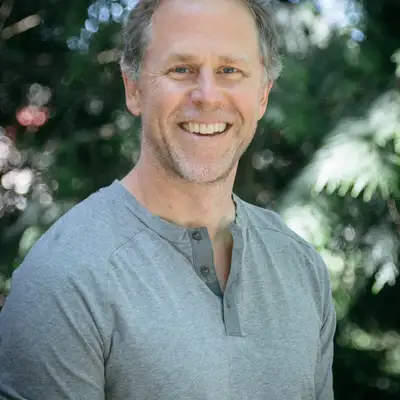
Brock Armstrong
Brock has been working in audio since the 1980s (the late 1980s to be sure) and has focussed his expertise on podcasting since 2007.
What is Change Academy?
Learn how to cultivate a more productive mindset, form sustainable habits, and create a lifestyle that supports both your goals and your wellbeing with host, Monica Reinagel. Drawing on decades of expertise and experience, Monica provides guidance on navigating the challenging process of behavior change in a fun and accessible way. Learn more and find show notes for every episode at https://changeacademypodcast.com