RevOps teams aren’t only supporting change anymore. They’re being asked to lead through constant transformation while the business keeps moving.
In this episode of The RevOps Show, Doug and Jess explore how RevOps teams can operate in a fast-moving environment shaped by AI, process shifts, organizational change, and evolving customer expectations. They dig into how to avoid getting stuck in the “messy middle,” why defining clear outcomes matters, and how prioritization and first principles help teams stay focused. The conversation covers balancing iteration with stability, aligning departments around shared customer goals, and managing change beyond technology adoption.
For updates on new episodes, follow us on:
Creators and Guests
Host
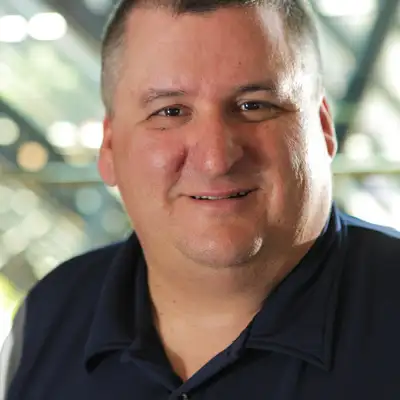
Doug Davidoff
Doug is the Founder & CEO of Imagine. For more than 20 years, Doug has been advising small and mid-market companies that are committed to serious growth who want to hear the truth about achieving it. Doug’s worked, firsthand, with more than 1,500 companies (and seen their financial statements), so he knows the difference between what works, and what sounds good and doesn’t work.

Host
Jess Cardenas
As Imagine's Chief of Staff, Jess is responsible for enhancing the efficiency and effectiveness of Imagine's sales development programs and aligning these programs with marketing. Jess strives to continually develop and improve processes that enhance growth for her clients' businesses.
Producer
Hannah Munoz
Hannah is Imagine’s Community Manager. On the daily she works to expand the Imagine Platform both externally with client acquisition and internally with new hires.
What is The RevOps Show?
What is Revenue Operations? Revenue Operations (or more commonly referred to as RevOps) started off as a hot trend, but now every growth focused company needs RevOps in order to be successful. But what does that entail?
The RevOps Show is here to help you navigate! Go on an adventure every week with Doug and Jess as they work through common questions, scenarios, and issues companies are facing today to find solutions that will make an impact so you aren't solving your upstream problems downstream.