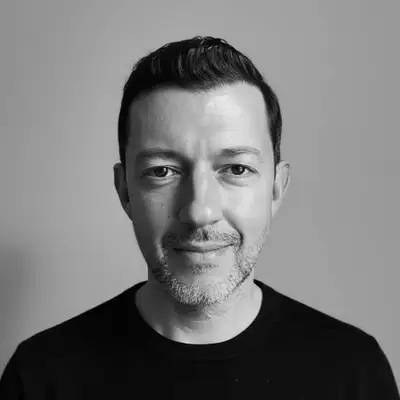
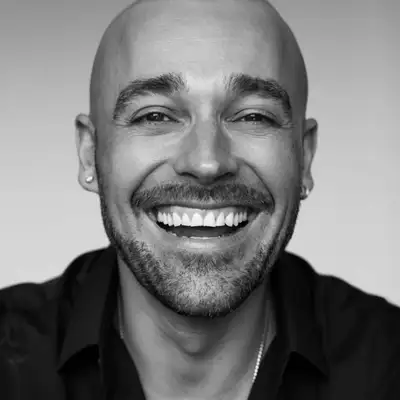
In part two of "The Inner Critic," Right Here hosts Christopher Mooney, LCSW and Kenyon Phillips, LMSW continue exploring the voice inside us that says we’re too much, not enough, already behind, or bound to fail. This conversation looks at the real cost of living under that voice: hiding instead of connecting, avoiding new risks, choosing unavailable relationships, attacking progress in recovery, shutting down creative work before it begins, and losing the ability to rest, receive joy, or accept a compliment. Christopher and Kenyon examine how the inner critic often disguises itself as humility, realism, or self-improvement, when it may actually be shame, fear, and old protection strategies running the show. They also explore the connection between self-criticism, perfectionism, comparison, anxiety, depression, obsessive negative self-talk, and the painful isolation that can come from believing the worst things we say about ourselves. The episode offers practical ways to work with the inner critic rather than trying to erase it: noticing it, naming it, externalizing it, asking what it's trying to protect, looking for the younger part of you it may be defending, bringing in kinder and more accurate voices, and practicing the simple but surprisingly difficult act of receiving a compliment with “thank you.” The inner critic may not disappear completely, but it doesn't have to run your life. You're not the voice that attacks you. You're the one who can hear it, question it, laugh at it, and begin writing a different next chapter.
What is Right Here?
Right Here is a mental health podcast that explores the psychological patterns shaping our relationships, choices, and inner lives. Hosted by therapists Christopher Mooney, LCSW, and Kenyon Phillips, LMSW, each episode offers grounded, compassionate conversations rooted in clinical insight and real human experience. No jargon. No judgment. Just clear, thoughtful dialogue designed to help listeners better understand themselves and the people around them.