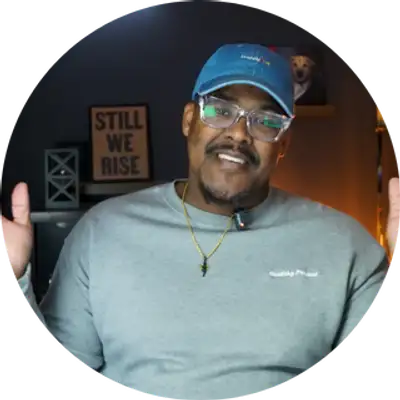
We've been told that if we just show people the data on racial health disparities, change will follow. It hasn't. In this episode, Corey sits down with Dr. Sarah Gollust (University of Minnesota) and Dr. Neil Lewis Jr. (Cornell University), researchers with the Collaborative on Media and Messaging for Health and Social Policy (CommHSP), to unpack why the numbers alone never move people — and what does. They dig into the fear of "backlash," why context changes everything, and the surprising finding that the communities most affected by inequity are often the most ready to act, yet are routinely left out of the research about them.
Show Notes
Why does telling people the facts about health disparities so often fail to create change? Dr. Sarah Gollust and Dr. Neil Lewis Jr. have spent two decades studying exactly that question — how media and messaging shape what the public believes about health, race, and who deserves care. In this conversation, they make the case that data without context can backfire, while stories grounded in lived experience can mobilize people across racial and political lines.
In this episode:
- Why "just show them the data" is an incomplete strategy — and what people actually need to understand the why behind health outcomes
- The moment a governor called COVID "the great equalizer," and why it crystallized the urgency of getting health communication right
- The study that found 94% of racial-equity messaging research relied on majority-white or all-white samples — and what that bias erased
- "Beyond fear of backlash": why explaining the causes of disparities removes defensiveness instead of triggering it
- How America's individualistic culture pushes people toward blaming individuals ("just eat healthier," "just exercise") instead of seeing systems
- Why people of color, often excluded from the research, turn out to be the most willing to mobilize for change
- The power of narrative transportation — and why Neil opens academic papers with a quote from Dr. King's The Other America
- How the collapse of local health journalism makes community-grounded stories harder to tell, and why independent platforms matter more than ever
Key takeaway: Don't go quiet because the conversation is hard. You're likely in the majority — and the right words, with real context, can bring people in rather than push them away.
Connect with our guests:
- CommHSP: https://commhsp.org/
- Follow the collaborative on LinkedIn for new research and accessible summaries
Connect with The Healthy Project:
- Subscribe to the Live, Work, Play, Pray Substack for more on population health, advocacy, and community wellness
This episode touches on heavy topics, including structural racism and health inequity. Take care of yourself as you listen.
A Word From Our Sponsor
This episode is brought to you by Goodfeed.
Good conversations like this one deserve a place to live and grow — and that's exactly what Goodfeed is built for. If you're a creator, advocate, or community builder who's tired of fighting the algorithm just to reach the people who actually want to hear from you, Goodfeed gives you a better way to share your voice and connect with your community on your own terms. No gatekeepers. No noise. Just your work, reaching the people who care about it.
★ Support this podcast ★
What is The Healthy Project Podcast?
The Healthy Project Podcast explores the powerful intersection of health, society, and equity through real conversations with changemakers on the front lines of social impact. Each episode features thought leaders, researchers, and advocates who unpack how social structures — from policy to culture — shape the health of communities.
Topics we explore include:
Health equity and structural determinants
Community-driven research and innovation
Lived experiences of marginalized populations
Public policy, systemic bias, and health outcomes
Whether you're a public health professional, social science researcher, policymaker, or community advocate, this podcast brings you grounded insights, bold ideas, and practical tools to drive change where it matters most.