Subscribe
Share
Share
Embed
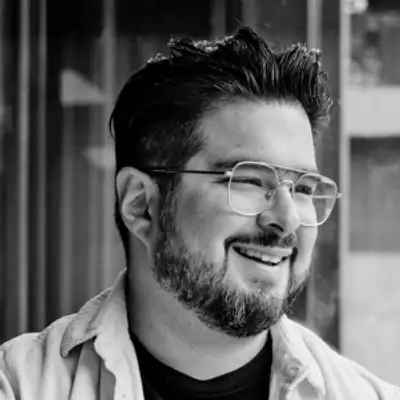
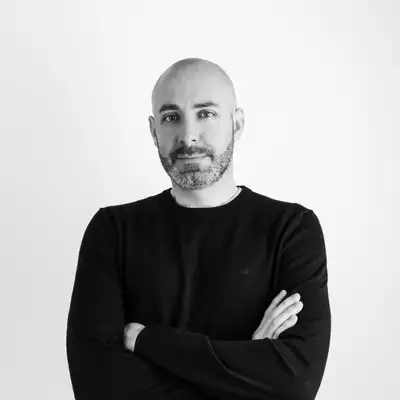
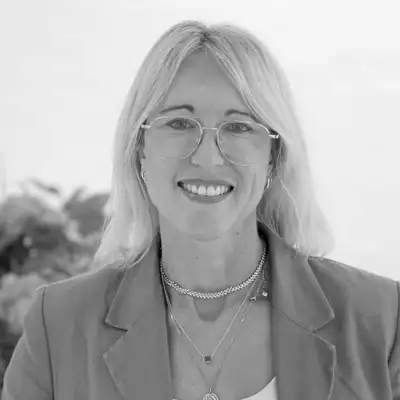
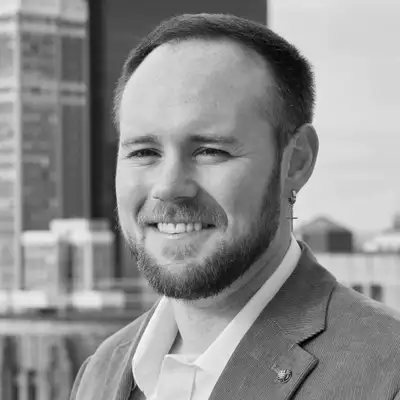
Discover what’s in store for us in the next 25 years of digital marketing and how the first 25 years of this century shaped our industry (and the world), in Hard Refresh.
This limited 10-episode series from Australia’s best marketing conference, State of Social, looks ahead at what trends, technologies, cultural shifts, and maybe even controversies, will define digital marketing over the next 25 years. Andrés López-Varela (a.k.a. ALV), one of Australia's most experienced marketing educators, is joined by a cast of industry leaders picked from the ranks of this year's State of Social speakers to unearth what's next for digital marketing.
Join them as they press F5 to discover a refreshed perspective on everything from the next evolution in social media to the role of marketing in culture, from the future of digital audio to the changing role of online video, from the era-defining impacts of AI and automation to the brave new world for marketing agencies, and much more.
Hard Refresh is recorded and produced on the traditional lands of the Whadjuk Noongar people, the Awabakal people and the Gadigal People of the Eora Nation.
Hello, and welcome to Hard Refresh, the official podcast from State of Social 2025. And what are we doing here, you might ask? Well, we are polishing off our standard issue State of Social crystal ball, and we're diving deep into the trends, technologies, cultural shifts, and maybe even the controversies that are likely to shape digital marketing in the next twenty five years and maybe society at large. My name is Andrees Lopez Varela. You can call me ALV or my mates do.
Speaker 1:And today, we are recording on the traditional lands of the Wajuk Noongar people live at State of Social twenty twenty five. Coming up in this episode, we do a hard refresh on influence. Influence has changed dramatically over the past twenty five years. We've gone from celebrities fronting glossy ad campaigns to to everyday creators shaping consumer behavior and cultural trends. But what's coming next?
Speaker 1:Well, we're gonna explore whether authenticity still means anything when everyone is actually just performing it, whether younger generations will tolerate advertising at all, and what it means for brands when creators and communities become their own economic force. And with AI generated avatars entering the chat, we'll ask if human influence still matters or if trust itself will be redefined online. And joining me in the studio to talk all things influence is Dan de Sousa, team lead and senior community manager at Quip, an online community building and social media management company. Dan, hello. How are you?
Speaker 2:Good. How are Yourself?
Speaker 1:Very good. Thanks for being here.
Speaker 3:Yeah.
Speaker 1:Sharyn Smith, founder and CEO of leading influencer marketing agency, Social Soup. Sharyn, welcome.
Speaker 3:Hello.... Joining
Speaker 1:us. And Tyler O'Day, the director of social media at Empire State Realty Trust, the company perhaps best known for the Empire State Building in New York City. Tyler, welcome to Perth.
Speaker 4:Thank you for having me. It was quite the journey, but I'm here.
Speaker 1:You made it. I've made Yeah. Yeah. I always feel that's the furthest you can travel around the planet is from New York to Perth.
Speaker 4:Every other trip from now on will be very easy.
Speaker 1:Very easy. So easy. Excellent. Excellent. I mean, you know, you guys also not from Perth, should say, so welcome to Perth.
Speaker 1:Thank you. But, you know, seems less dramatic when you're coming from the East Coast Of Australia, I guess.
Speaker 2:A little bit less.
Speaker 1:A little bit less. Yeah. Yeah. Yeah. Yeah.
Speaker 1:Alright. Everyone ready?
Speaker 3:Let's do it.
Speaker 1:Time to do a hard refresh. Alright. Since the year 2000, influence as a medium or as a tactic for reaching audiences has kind of shifted from just being about big brands, of that Nicole Kidman, Chanel number five, Baz Luhrman type ad thing to, like, endorsements from micro creators about all manner of products and services and movements and and, you know, lifestyles or whatever it might be. If we zoom in on the last five years, and Sharyn, I wanna start with you. What's the single biggest shift in the way that influence is used in marketing that feels permanent to you, structural, that might last into the future rather than just like, you know, a fad or a passing moment?
Speaker 3:Yeah. Look, I think the last five years is, well, post COVID, isn't it? And the... You know, during the COVID era was the... Was really the ascendance of TikTok.
Speaker 3:Yeah. That was kind of... We're all stuck in our houses. What else do people do when they create dances and and watch what each other's doing. So I think the the kind of less polished content is what happened and video forward is what happened in the last five years.
Speaker 3:When when kind of the the influencer industry as we know it probably began ten... Well, fifteen years ago when Instagram began. It became that kind of ecosystem of influences. And it began in flat lays. Like that was kind of where influence...
Speaker 3:We were like, who can create the the best looking flat lay? And it was very, you know, one dimensional, very just highly curated, highly polished to where we are now, is raw, authentic. That's the stuff that that cuts through and and gets noticed and and has that human connection, which is ultimately when influence works best.
Speaker 1:And is that a structural change that you can see happening or are we maybe cycling back to flat lay vibes?
Speaker 3:Don't... Part of
Speaker 1:me misses the flat lay.
Speaker 3:Who knows? Will we go back to tape decks and Yeah. Probably not. No. I think the the video is here to stay.
Speaker 3:Yeah. You know, the the realness of that, the the humanness of that, obviously, there's challenges with AI, which I'm sure we're gonna talk about. But I think that that that is what's here to stay and and that kind of more live connected feeling.
Speaker 1:Yeah. Excellent. Tyler, in the work that you do, obviously, the Empire State Building is got its own sway and influence self. What do you think is is, you know, something permanent that's changed and will continue to inform this kind of work in the next five, ten, no longer years.
Speaker 4:Yeah. I I think before TikTok, I think, you know, your Facebook, Instagram, Twitter, your influence was so greatly tied to how big your audience was. But now that the fence has come down, I guess, it really doesn't matter how many followers you have anymore in places like Instagram or a place like TikTok or now even YouTube shorts. As long as whatever you're making is touching that cultural zeitgeist Mhmm. It's gonna break through the noise.
Speaker 4:I think, especially on the Empire State Building front, in our first few years there, we were really looking at, okay, how much of an audience does someone has? How much reach is that gonna get us? But now, we're much more interested in being involved with someone who is really touching upon that that cultural moment at the time. I think one of our best examples was there are these two folks named Marty and Missy in New York City. They're both wait staff at a restaurant in Bernie's...
Speaker 4:In Brooklyn called Bernie's. And they just had created these kind of post shift characters that speak in this almost like broken backwards Eastern European type type dialect. It's it's English, but it's not English. And they really just... They had a moment and they came to the Empire State Building.
Speaker 4:So finding moments like those were were the characters or the the trends that folks have created for themselves are really striking. The cultural moment is kind of where we're leaning towards as opposed to, alright, how many followers does does somebody have?
Speaker 1:That's interesting because then that implies that then influence becomes more transient rather than something evergreen that you as a personality or creator hold. Is that is that fair to say?
Speaker 4:Yeah. Yeah. I think so. And I think that is simultaneously an opportunity for folks, but also a challenge for people to continue to find ways to reinvent themselves and and find new ways to to maintain that. Because you can see, you see it all the time.
Speaker 4:Someone has 4,000,000 followers on TikTok, but their last 20 videos have 300, 400, 500 views. So Yeah. Some at some point a disconnect was made and they just have to find a new way to kinda reinvent themselves.
Speaker 1:Sounds exhausting.
Speaker 3:Yeah. Think it I think it also comes back to what style of influencer they are. Like, some influencers are incredible at building communities.
Speaker 1:Yes.
Speaker 3:Yes. They don't think about... They they can... They think about themselves as obviously a brand that has a community behind them. And and they maintain that connection.
Speaker 3:It's probably not as much about the content that's got to perform on the day to day basis. Whereas some influences are more cultural moment, are more entertainment led and every piece of content's got to deliver to connect to the audience because their audience isn't a community. Yes. So it it is different depending on the style of the influencer, I would say. And that nuances is really important.
Speaker 1:That's a good difference to make, I think. And often, like, brands say, you know, sounds like a good example of this where they want sort of authentic creators that sort of are doing their own thing, that sort of emerge in their own ways. And that that is why, you know, they are influential, I guess. And, you know, not just to to say, to your point, Sharyn, not just like those little moments, but broadly speaking, they might be influential for a period of time or, you know, for a particular community or for a particular topic. But it does seem like we're sort of in a space where it's difficult to determine what is actually authentic or what is performative authenticity.
Speaker 1:So, you know, I don't wanna get too philosophical, but, you know, clearly, the the the algorithm, the big bad algorithm, loves some authenticity vibes. Does that sound right to you, Dan? Does that sound like the word authenticity still actually means anything Sharyn other than in an algorithmic context? A little bit. Like,
Speaker 2:talked in her presentation about relevancy and recency rather than reach. Yeah. And I thought that was a really good point in terms of that authenticity. Like, it's it's no longer about having 5,000,000 followers, it's about how relevant is this to the... What we're searching for right now or what everyone's everyone's looking at, what's buzzing in the algorithm, and how recent is it as well?
Speaker 2:Like, one cares for something that was six months ago if it's already died.
Speaker 1:You know,
Speaker 2:it's that forty eight hour window that you wanna try and attack.
Speaker 1:Yeah. And so is authenticity about timeliness then now more than anything?
Speaker 3:Well, I
Speaker 2:think it's still about showing a real human being. But having said that, and obviously, we mentioned we're gonna dive into this, AI influences is a really fascinating thing to me because there's some AI influencers not so much in Australia, but in in other countries. And I know we talked the other night about I'm studying Brazilian Portuguese.
Speaker 1:Yes. Yes.
Speaker 2:There's a huge AI influencer in Brazil, and it started as a chatbot in 2009. It's called Lou Domugaloo, which is magazine Luisa. Mhmm. And 8,100,000 followers on Instagram. She just featured in a music video with Anita and DJ Alok.
Speaker 2:Wow. Like, huge cultural relevance within Brazil, but obviously, that's a Portuguese speaking market, so it doesn't come over here. We haven't haven't seen it yet here. But it was just mind blowing to see that kind of following going from 2009 to still being so relevant.
Speaker 1:Yeah. That is nuts, especially...
Speaker 3:Yeah. I think it's a blend... It's a blending of kind of... As you point, it's... Are they influencers, but they certainly have some sort of cultural relevance, and they probably stand out because there's not many of them.
Speaker 2:Yeah. Well, there isn't. In their market, there seems to be quite a few. But I mean, they're doing partnerships with McDonald's, maybe, Yeah. Like
Speaker 3:So it's it's more like a character. Yeah. If you think about how characters
Speaker 1:Yes. You know,
Speaker 3:you know, and and we can differentiate between that. And there's a lot of digital AI creators out there now beginning and they sort of create content like they're at the... At Wimbledon and they sort of put them in context and things like that. And I think it's interesting for people and I think people are engaging with it now.
Speaker 1:Mhmm.
Speaker 3:If the... If social was to be flooded with that, I think we would we would react very differently
Speaker 1:to that.
Speaker 2:Yeah. Yeah. Found it interesting as well that the the data so far is showing people love the AI influencer if it's obvious that it's an AI influencer. But when they try and make it too human or try and pretend that it's not, that's when people switch off as well. So they still look for the...
Speaker 2:You know, they're fine accepting an AI influencer. Yeah. They don't they it's authentic. Yeah. Known as an AI.
Speaker 1:Yeah. That's interesting. That's interesting.
Speaker 3:But I think that's when the challenge happens. Right? Because the... If I know that, but then when I see that piece of content that's just been served to me in my for you page or in the algorithm. And I saw this only this week where it's an AI influencer and I know it's an AI influencer.
Speaker 3:But all the reactions in the comments were not reacting like she was an AI influencer because they're just being served this beautiful woman Yeah. In this content and they're thinking she's real because they're not clicking on her part. And then it's clear when you click on the bio, she's an AI. It says she's an influencer. But if you're just looking in the feed and you're just looking in the moment in that content, you don't know.
Speaker 3:Yeah. Well, So... Yeah. It's it's... If people don't dig deeper and people often don't.
Speaker 1:They don't. Not... Yeah. When was the last time you dig deep on a on a
Speaker 3:I do. That's my... You know, what I do. But I think the vast majority just see something in your feed and you respond and react
Speaker 1:to it. Yeah. Viscerally in some way. Yeah. Well, look, was gonna say this for later, let's let's stare deeply into this part of the crystal ball now.
Speaker 3:Right? Yeah.
Speaker 1:Or the abyss. Yeah.
Speaker 3:Alright. Let let Content Armageddon.
Speaker 1:Let's pretend that it's it's the 08/27/2035. Right? Ten years in the future. I said the other day that we had our hoverboards and someone was like, well, do we? Maybe we don't.
Speaker 1:Human influence is still around, but, you know, that mix of the AI avatar, if you like, creates scale and maybe even allows brands to build their own influences and communities that maybe are less about cultural moments, as Tyler mentioned, but more about long term communities, as mentioned. Does that sound like a feasible reality, desirable reality, interesting reality? What do you think, Tyler?
Speaker 4:In the sense that there's just more of a a co mingling of of both as opposed to...
Speaker 1:Correct. It's more of a co mingling of both. Yeah.
Speaker 4:And how did you frame it? What type of reality? An acceptable reality?
Speaker 1:Is it acceptable? Is it compelling? Is it troubling?
Speaker 4:I I think to what Sharyn said before, I think it lies in, you know, it lies in disclosure. I think if I think... And this doesn't just apply to AI. I think when people are trying to be deceptive on the Internet in any capacity, I think it's it's extremely dangerous.
Speaker 1:Yeah.
Speaker 4:And I think that goes, you know, over the last... It's gotten better and I can't tell whether that's because I just keep commenting angry things at it or Mhmm. Because Meta's actually trying to weed it out. Some of the
Speaker 1:I think it's definitely you. Yeah. Yeah. Yeah. But
Speaker 4:Some, you know, some of the things that I I would see on on Facebook, especially over the last year of, you know, and it's clear, you can tell what's going on. They're trying to figure out who are the most easily deceived, so they can then take what is happening on this AI thing and then try and scam them in other capacities. So that is what really worries me. I think, you know, we spoke about media literacy yesterday, especially with the 16 Australian ban. I think on the other side of that coin, I think there is, you know, a media or especially not necessarily media, but you know, digital literacy issue, especially with, you know, the elderly populations that are that are on the Internet.
Speaker 4:And those those who might have been susceptible to phone scams before are now gonna be susceptible to the digital scams that might be happening on these platforms. So again, I I worry about, you know, I think there's absolutely a place for AI and social. Think especially for a lot of the kind of, you know, remedial things that we might do day in and day out. They can help a lot of our careers be easier. But the full blown AI content creation just...
Speaker 4:The proliferation of it worries me where those type of things happen. So again, it's all about, you know, how much you can control it, how much you can regulate it, But also not regulate it to the point where it's it loses that creative Yeah.
Speaker 2:Edge and aspect.
Speaker 1:Yeah. Your your own workflow, Sharyn, obviously you're working to connect brands with those communities that are Mhmm. You know, bound together by a certain personality mostly. Right? Yeah.
Speaker 1:If that community is being bound together by an AI, you know, creator or influencer or avatar, and the brand still wants to access it, do you facilitate access?
Speaker 3:Yeah. I think it really depends on the community and and the... As you said, the disclosure that's with that. I mean, I follow a lot of AI influencers who are more in the fashion space. And Yeah.
Speaker 3:I know it's not real, like... But I love the creativity and I love the style that somebody behind that has created. Right? So if there was an AI influencer and I'm a fashion brand and I'm trying to tap into that community, then I think that's totally acceptable and appropriate because it's it's a known thing. I mean, I often say, you know, we don't stop watching Jurassic Park because we know the dinosaurs aren't real.
Speaker 3:What? Good idea. Yeah. They're not real. You know, we know they're CGI.
Speaker 3:Yeah. We know they're not real. We still are entertained by that.
Speaker 1:We suspend disbelief?
Speaker 3:We suspend... Well, not even... Yeah. We just... It's it's just...
Speaker 3:It's the show. Yeah. Right? So are we there to have a show? Are we there are we there to be entertained?
Speaker 3:But I think the line when it becomes blurred, and I do think the platforms are struggling with this. And I I don't think it's being talked about a lot, but I do know it's been happening behind the scenes that you can amplify an AI influence. And that what... That's what I mean when the the platform allows you to put paid behind it.
Speaker 1:Yes. Yes.
Speaker 3:Because they have a lot of rules and regulations about what they'll allow you to put paid behind. So they'll they'll allow you to put paid behind an AI influencer, but not if that influencer is pretending to wear your product. Like if they're saying, oh, I'm putting on your lipstick. Well, that they're not clearly putting on
Speaker 1:your lipstick.
Speaker 3:Right? So that's... Somebody's... Okay. So they're influencing something but it's a fake influence moment.
Speaker 1:Yes.
Speaker 2:It's not.
Speaker 3:Someone can't talk about the the lipstick and how it feels and
Speaker 1:It's literally advertising.
Speaker 3:It's literally... Yeah. But it's not it's not... Someone's not having that personal experience. No.
Speaker 3:That's interesting. I think the platforms are really struggling with where they're gonna draw the line here.
Speaker 1:Yeah. Tyler, can shout at them all.
Speaker 3:Yeah. Yeah.
Speaker 2:Like it's okay for them to wear the clothes, but not to talk about the feel of the material or the the feel of cosmetics.
Speaker 3:Yeah. So when their when their influence is not real. Yeah. Or their personal experience Their
Speaker 1:experience isn't real. Real.
Speaker 3:Yeah. Think it's gonna come down to again how the how the platforms and how they moderate this. Because everyone's gonna try everything because everyone wants cheap content. Right? Content's everywhere.
Speaker 3:And I said this yesterday, but influence, actual influence is very rare.
Speaker 1:Yes. I will say
Speaker 2:to this, I wonder if there's... Like in the the early days of music history, you know, forties, fifties Yeah. There were those singers who labels didn't think would sell because of their looks or because
Speaker 4:of their weight
Speaker 2:or because of their ethnicity. Yeah. So they used an avatar, another human being to go out and perform those songs and sing those songs. And then the same thing happened with like Milli Vanilli.
Speaker 3:Oh.
Speaker 2:So Milli Vanilli, they had these great songs, the guys couldn't sing. So they got them to go out and lip sync the
Speaker 3:whole thing. But it didn't it didn't really work out well
Speaker 1:for them.
Speaker 2:Well, no. And that's that's my point is you get these eras where you almost... It almost democratized the idea of being a creator. Like someone who maybe isn't societally attractive or who isn't confident in themselves can create an AI and go out and be their personality because they might have a sparkling wit. Yes.
Speaker 2:You know, they go out and they create this this AI that's still their personality. It's just a persona that they've got in front of them. Which I think is kinda cool because you're democratizing that ability to access influence. But if it comes out like a milli vanilli and someone finds out that's not the real you Yeah. Then complete authenticity.
Speaker 2:Yes.
Speaker 1:Because then then otherwise... Then again, it goes back to the point about performative authenticity. It's like, oh, this is me, but I'm performing this character in in in sort of, you know, with this AI this AI advertised performing.
Speaker 3:If it's known and disclosed though, right, you can be a character.
Speaker 4:You can
Speaker 3:be a of Sia. Like, does anyone know what she looks like? But she hides behind a character. Yeah. You know?
Speaker 3:So I think that's probably okay if that someone chooses that methodology, but it's known that they're a character.
Speaker 2:They're open about it.
Speaker 3:And they're open about Like a pseudonym or
Speaker 1:a Yes.
Speaker 3:Yeah. It's... I mean, look, I think that is interesting.
Speaker 1:That is interesting. That's
Speaker 3:probably what will happen and people will be entertained by that and probably okay. As long as they know.
Speaker 4:I think one one thing that gives me pause in in the whole AI theme and it kind of goes beyond that. I was watching... I'm I'm a bit of a political nerd. I was watching the BBC like Prime Minister's Questions years ago.
Speaker 3:Oh, wow.
Speaker 1:Yeah. That's a big cut. For an American, it's big cut. Yeah.
Speaker 4:And they were talking about...
Speaker 1:You should see ours. It's brutal.
Speaker 4:I I love them all. I wish we had in The United States. But they were talking about studying loneliness. And I I didn't, you know, I kinda thought, oh, that's that's interesting. But what has kind of started to show itself, and I'm not sure if they've proliferated down here at all, but in The United States, like these neighborhood Facebook groups, or these town Facebook groups are really really popular.
Speaker 4:And you see people go in there to ask questions or do things that you would think they would have a contact in their world already where they would go and do that. Mhmm. So I think there is a loneliness epidemic going on. And I think again, with this whole AI thing, I think people can... Could get into these pitfalls where they are leaning on, you know, these AI bots, avatars, etcetera, to fill that void.
Speaker 4:And part of it's like, oh, it's good that there is some type of companionship there. But again, it's not, you know, it's not real. It's not organic. Mhmm. So again, it just provide...
Speaker 4:Gives me gives me a little there was
Speaker 3:that case recently of the guy in The US where he went down a real rabbit hole when the AI... I think he was...
Speaker 1:Oh, shared delusion about mathematics?
Speaker 3:About mathematics? Yeah. He kind of...
Speaker 1:He came... There was a shared delusion between the two of them, between chat GBT and...
Speaker 3:The issue there was like an AI tool should pick up when someone's having a manic episode. Yes. Mhmm. Yes. And go, woah, woah, hang on minute.
Speaker 3:Yeah. Yeah. Yeah. Yeah. Yeah.
Speaker 3:It's a tricky one to manage as long as the models need to
Speaker 4:be Better.
Speaker 3:Better trained for these things.
Speaker 2:South Park did an episode this week or the last week
Speaker 1:that
Speaker 2:came out and it was basically on that it was chat GPT and Randy was having marital troubles and he's like in bed with his wife and he he says, we we really need to talk to someone, honey. And she's like, I'm so happy to hear you say that. That's amazing. And he pulls his phone out, ChatGPT, we're having marriage troubles. And she immediately switches off.
Speaker 2:And Chat... He says, my wife won't talk to you, Chat GPT. And Chat GPT says, well, at least one of you is working on the marriage.
Speaker 1:God. That's great. That's great.
Speaker 3:Oh, yeah. It's true. I mean, that... Yeah.
Speaker 1:Talk about the zeitgeist. Right? South Park, it's like been on the on the finger on the pulse for like
Speaker 2:Every time. A quarter
Speaker 1:of a century.
Speaker 2:But that was... Throughout the episode, multiple characters were like, my business is failing. What do I do? And chat GPT is like, you're smart. You've got great ideas, you should do this, you could take over the world.
Speaker 2:And it was saying it to every single one of them.
Speaker 3:Yeah. The sycophantic kind of...
Speaker 1:Yeah. Yeah, yeah. All this reminds me of... I guess, you know, and correct me if I'm wrong, you know, guys. It feels like influencers are increasingly looking like shop windows with, you know, affiliate links and their own TikTok stores and commission codes and all that kind of stuff.
Speaker 1:You know? And Dan, you know, you obviously... In your work, you're you're very concerned with sort of the health of online communities. And and, you know, I I wonder, like, do you think in that context, has that method of communicating and engaging with people in in building communities been overly commoditized? Or is it maturing into a real commercial model with economic power?
Speaker 2:I think it is maturing. I mean, technology's always evolved and everything changes. One of things coming back to authenticity and and sort of the COVID era was creators used to have to have, like, three point lighting and they had to have beautiful titles, nice animations, and slick sound, and perfect mics. And then it became this thing of creators talking to their phone in their car. And that became the new model of authenticity.
Speaker 2:And now that's become performative authenticity because now everyone's like, well, why did you pull your phone out in that moment?
Speaker 3:Are you brushing your hair while you're...
Speaker 2:Yeah. Yeah. And that was a real thing, it was like if you want to... Creators will say, you know, the videos that sort of educate people on how to become a better creator, we're like, how will it if you brush your hair, then people think this is authentic, and if you're applying makeup, you you'll get x many seconds longer views.
Speaker 3:Yeah. I think it's just that content format evolving. Yeah. When people don't... It's it's uncomfortable to watch someone just standing there talking.
Speaker 3:So it's like if you're doing something else, it's like it's it's easier to watch.
Speaker 1:Yeah. Yeah.
Speaker 3:Your brain is like watching the movement rather than just looking at that individual. So I mean, it is how, you know, how TV's made. Like, it's kind of, you know, moving more into sort of that sort of slice of life, which is much easier to watch and slip into.
Speaker 2:So Yeah. I remember as a Snapchat a few years ago, there was a trend where people were using Subway Surfer. I don't if you remember that video game. Yeah. So it was like a Subway Surfer, someone playing Subway Surfer or someone playing Minecraft.
Speaker 2:And while they're playing, there was someone doing a voice over of a story. Oh, Reading a little post or, you know, and that became a huge thing. It was like the only way to keep people engaged long enough to listen to the story was to have that visual element there that just distracts the brain a little bit.
Speaker 1:But I I think Interesting. I guess what I'm really curious about is is the commercialized, like, the fact that they're turning into shop fronts Yeah. To a certain extent. Yep. That is...
Speaker 1:Maybe it's maybe it's an evolution of format or is it an evolution in the commercial model where they realize they have economic power. And so instead of just being a connection between brands and a community of interest to those brands, they go, well, actually, why don't I sell some of your stuff and clip the ticket on the way through?
Speaker 3:I I think there's a number of things happening in the way that the market is evolving. Yep. On one end, to your point, there is creators who are absolute storefronts. And they're kind of more positioned what they call UGC creators.
Speaker 1:Mhmm.
Speaker 3:And they aren't necessarily looking to get a following, but they are contracted by brands because they're, you know, ordinary looking person who's good at holding a camera and telling a story. And they will create content for that brand on a very specific brief, on very specific messaging, and they will become the storefront for that brand. Where that brand will probably use it in their pay, they will probably put money behind That credit doesn't need a following. But when the credit needs a following and they need a community that they're gonna connect to, over commercializing that and if every post was...
Speaker 1:You never believe what I bought yesterday, can't you?
Speaker 3:It's... They'll switch off. Right? So creators are very conscious of that and they're very protective and and they're they're conscious of who they work with and who they partner with if they're going to maintain influence over that community. They don't wanna just work with any brands, and I think this is something I talked about yesterday is they don't wanna just switch between brands as well.
Speaker 3:They want longer term partnerships. They want to, you know, partner with a set of brands that they genuinely believe and connect with. And they use them in their everyday life and they can talk about them Mhmm. Because they're they're they're really endorsing something that they believe in.
Speaker 1:Mhmm.
Speaker 3:So I think it's when a creator loses that and will just take the money, then that... They know that that hurts their audience. Yeah. Hurts their connection. Yeah.
Speaker 3:But at the same time, I think, you know, influence is anyone. Anyone's an influencer. Yeah. And I think Tyler said this yesterday, that I thought was a good point that your... The way you set up content around the Empire State Building is to to every visitor you want to become a content creator.
Speaker 3:So I think that'd that'd be interesting to talk about.
Speaker 4:Yeah. And and that's how we approach our influencer partnerships. We we don't we don't pay any anyone, but we also think we can offer, you know, folks something unique that they can't get anywhere else. But in that same vein, we absolutely, you know, there's a few red lines you can't cross when you make content at the Empire State Building. I'm sure you can guess what they are.
Speaker 4:But beyond that, we we don't put parameters on what people wanna do there because, you know, we show on our channels what a great vessel it can be for content creation and we wanna offer other people the same same venue to do. And yeah, like you said, we we're always trying to find ways to make our experience, you know, more shareable and social. And because it's not, you know, interactivity when you talk about museums anymore. It's not necessarily about touching a touch screen or doing something dynamic. The interactivity is sharing that externally for folks who aren't even even there with you.
Speaker 4:Interesting.
Speaker 2:Yeah. I was intrigued actually yesterday. You mentioned that the building has 16,000,000 colors that you can light it up in. Yes. Yes.
Speaker 2:Yeah. What decisions are made on how to do a custom light show for someone or like is this something someone would come to you and pay to create that light show or would you say, hey, we know you've got this thing coming up, we'll create this for you. As you say, you don't pay creators.
Speaker 4:Yeah. So the so the lighting, they're kind of... Light shows and lighting the building are kind of two different animals. Like the building tower lightings themselves are handled by a completely different secret society at the Empire State Building. Because if folks don't get their lighting that they want, people are upset and we don't want anyone to have to
Speaker 1:To deal with that.
Speaker 2:To deal
Speaker 1:with that. Yeah.
Speaker 4:The light shows themselves though, those we work much more hand in hand because those are typically with brand partners of ours. Like the one we did last week was with Netflix for Demon Demon Hunters. And so... But the money exchange there is really for a lighting design team.
Speaker 1:Right.
Speaker 4:A guy named Mark Brickman who used to do the lighting designs for Pink Floyd and the Grateful Dead is also our our in house lighting designer, his team for for our tower light shows. So... They're and always finding new ways to up update our LEDs and do newer newer cooler things. And
Speaker 3:for something like that, do you... So if you're working with Netflix and you've got the Demon Hunters activation, do do they come to you and go, we've got a night where we wanna do media and influencers. We're gonna have, you know, 50 influencers in here. Is that something you often get with with the brands you work with? That they will bring a set of content creators to activate what they're doing?
Speaker 3:So that that... So it's broadcast to a lot more people.
Speaker 4:Lesser so on that side because the thing that the thing that is tough about the Empire State Building is it is it's it's limited space really for for something like that. So what we did with the Demon Hunters cast is they came to the building. We did a lighting ceremony downstairs. And then, you know, with the cast who was there, we created created content with them in in tandem with Netflix. If someone comes with us with something like that, well, that's absolutely something that we can look into.
Speaker 4:But typically, it almost over complicates the process because we're trying to move, you know, even moving 20 people through the building just because we're so dependent on elevators.
Speaker 1:Yes, of course.
Speaker 4:Yeah. If you build build it up to 80, it just takes Yeah.
Speaker 1:Takes long. Forever. Yeah. Yeah. Yep.
Speaker 1:I I wanna I wanna stare back into the crystal ball, I wanna talk about the kids, you know, the youth, as we were saying. Generation Alpha. The first generation to be one completely in the twenty first century. I think the oldest of this group is, like, turning 15 now, they're beginning to shape as consumers. Oh, I can't believe I said that as a human being, but also as people.
Speaker 1:Also as people. Wow. People. Tell me you're on a marketing podcast without telling you. Right?
Speaker 1:But they're growing up, I guess, with these more exceptional bullshit detectors given they're exposed to AI avatars, given this is like a native thing, media is not prevalent... Traditionally, it's not prevalent in their in their, you know, field of view. You know, so all this stuff is part of their DNA in a way that even for Gen Z, it it it isn't. Do you think this generation will, I guess, reject influence altogether, understanding that it is a brand mediated way of, getting entertainment, getting content? Or do they go back to a more purer form of influence than perhaps we're seeing now?
Speaker 2:A good case example at the moment is the Rizzler. Oh, yeah. So I'm really intrigued by his success because he's everywhere. He's like on Jimmy Fallon a week ago and he's on Theo Vaughn's podcast and he's on, you know, every every podcast you see. But his family who he came up with, they've all fallen off.
Speaker 2:Some like people saw through the inauthenticity of the dad pushing the family, but they love the Rizzler. And he's of that generation, so I kind of... I'd look at him as an example of of the first big name in that generation that I can see.
Speaker 3:I think the point is if there's a there's a number of research studies that have been done recently and the the number one career aspiration of, Generation Alpha is to be a content creator. A YouTuber or whatever. That... That's the number one. It used to be an astronaut.
Speaker 3:It used to be...
Speaker 1:Secret agent.
Speaker 3:Yeah. Whatever. But it's to be a content creator. So that... I think that's a pretty good indicator of what they think of it.
Speaker 3:And I saw a Deloitte study recently that... And I was surprised by this, that thirty percent of all Gen Z say that they've got some sort of side hustle in content creation.
Speaker 1:Mhmm.
Speaker 3:So Gen Alpha's just grown up in it, they're amongst it, they're naturally content creators. They wanna be one. And they, you know, they will look up to those that that are. And at the same time, Gen Z... I mean, I've got a Gen Z daughter.
Speaker 3:And they have a response to this as well, but it's much more taking it into private spaces.
Speaker 1:Yes.
Speaker 3:So they're aware of the dangers and the pitfalls of...
Speaker 1:The observation.
Speaker 3:Too much online. Yeah. And they retreat to private spaces. Yeah. Whether that be snap snap chat or, you know, DMs.
Speaker 1:DMs. Yeah.... Closed chats.
Speaker 3:Yeah. Think there will always be that broadcast. But I think a lot of the influence for that generation will be what we call dark social
Speaker 1:Mhmm.
Speaker 3:Where we won't be able to visibly see it, but it will be happening at scale. And that's a very different way for brands to engage.
Speaker 2:Yes. Yes. I wondered about this when I was on the panel yesterday talking about the youth social media ban, and there was someone I spoke to in the Green Room yesterday who was talking about Meta has rolled out WhatsApp stories Yeah. In the Australian market, specifically because the ban's coming in. They think that that younger generation, because they're no longer allowed on Facebook, YouTube, LinkedIn, Instagram, wherever.
Speaker 1:They'll miss LinkedIn for sure.
Speaker 2:Yeah. Jen, obviously, hate that.
Speaker 3:Private group stories. Yeah. That's kind of what they do.
Speaker 1:Share their
Speaker 3:their close friends. Mhmm. And and a lot. They share a lot. Constantly.
Speaker 3:It's a it's a constant stream of sharing.
Speaker 1:Constant stream of consciousness then.
Speaker 3:Yeah. Yeah. So...
Speaker 2:I wonder how that relates as well to what Tyler said before about the loneliness epidemic because, like, there's a human need to be seen and to feel like you're appreciated. And if everyone's not communicating so much in real life offline, is that their... That's where they get that that need fulfilled, the constant sharing?
Speaker 1:That's a great question for us to end on. Thank you, Dan. And, well, actually, before we wrap it up, we have just enough time to do the refresh round. So these questions are wide open. Give me your hottest hot takes.
Speaker 1:The hotter, the better. You know? And in fact, I've been getting lots and lots to some of this. So I'd like to understand if I get something different today. In 2050, will brands as we know them still exist or will we have hit refresh on that whole idea?
Speaker 4:I think some will be gone. Think a lot of it... I spoke yesterday in the the legacy side of things. I think there are a lot of... You can look.
Speaker 4:I'm not gonna name names because with my luck, they'll like wanna partner with the Empire State Building next year
Speaker 3:and they'll But find
Speaker 4:you can look at some legacy brands who have tens of millions of followers on Instagram or Facebook, and they get less than one, you know, 0.1% engagement on their So their slow death is already happening. I don't think it's gonna be an across the board extinction. But I think at eventually, you see it all the time, brands will spin themselves into the ground long enough on social media that they'll be really screaming into the void. So Yeah. Some will absolutely peel away, but not not all
Speaker 1:of them. Okay. Okay. What's one marketing buzzword you'd refresh straight into the garbage?
Speaker 3:Oh, marketing buzzword. Gosh.
Speaker 4:Oh, unhinged.
Speaker 1:Unhinged. Yeah. Unhinged. Like unhinged...
Speaker 3:Unhinged content?
Speaker 1:Yeah. Yeah.
Speaker 4:Think it's become a catch all.
Speaker 1:Right.
Speaker 4:For anything that's not like straight down the line corporate.
Speaker 2:Yeah. Corporates
Speaker 1:maybe aspire to being unhinged, which is when you know that that should go in in the garbage. Right? Yeah. That's a good point.
Speaker 3:And I do think, to your point, that's kind of the the brain... What they call the brain rot content.
Speaker 2:Yeah. Yeah.
Speaker 3:Means Yeah. Yeah.
Speaker 2:Brain rot.
Speaker 3:Nothing. Garbage. But it just is trying to get people's attention. Yeah. Yeah.
Speaker 3:Imagine if that was all that you were seeing. Yeah. Like that would definitely be brain rot. Yeah. So maybe brain rot needs to die.
Speaker 2:I'm with you on that one.
Speaker 1:Alright. If AI got a chance to refresh your job description, what would it throw out? What would it say, I don't need to do this anymore?
Speaker 2:That's a tough one.
Speaker 1:It's gotta be something.
Speaker 2:Probably the moderation aspect for my job. Yeah. Yeah. Yeah. Imagine AI is like, I'll take on with that.
Speaker 2:Yeah. But I just... I don't see it happening yet. It doesn't get the nuance.
Speaker 3:Yeah. Yeah. Any admin. Like, I hate admin.
Speaker 1:People have said that, Sharyn. I think that's what they want AI to say. Wonder if that's what it actually Every would
Speaker 3:bit of admin from my life.
Speaker 1:Yeah. Yeah. If you could refresh the internet for the better and get rid of one platform or channel, what would it be?
Speaker 2:4chan. 4chan? Yeah. Okay. Yeah.
Speaker 1:Yeah. That's actually probably... You've done the internet service there. Yeah. Exactly.
Speaker 1:Yeah.
Speaker 3:Gone. I mean, look, I'd I'd I'd say... We... It was... Someone in the sessions yesterday were making a really good point about...
Speaker 3:Or was it maybe it was you, Dan, about the fact that it's actually a bit scary what's happened with X or Twitter in that it it wasn't a... Oh, no. Maybe it was... Anyway. That it was a deliberate strategy from Elon to try and get the sort of more progressive
Speaker 2:That was Mig. Yeah.
Speaker 3:Mig out of it. So it becomes much more of a one sort of side and and actually influencing vehicle. Yeah. Yeah.... If that is what potentially could have happened and is happening, think it's probably better for it just to go.
Speaker 3:Yep. Totally. Yep. So that you can't... There's no way for anyone to, you know, know, coalesce around that area.
Speaker 1:Yes. Yeah. Yeah. Yeah. I mean, they certainly feel very similar for China next now.
Speaker 2:Yeah. I thought it was an interesting point Meg made because she's like, if if that's a deliberate strategy, it wasn't just I'll drive them to this one platform, it was I'll separate them. And so they can't divide and
Speaker 3:can't overnight. So they can't come back together and mobilize
Speaker 1:Mobileize. Against.
Speaker 3:Yeah. Whatever's there.
Speaker 1:And speaking of Gen Alpha, when they refresh marketing, they look back at us. What are they gonna roast us for the most?
Speaker 3:Everything. I
Speaker 1:think they're gonna roast us most for white papers. That's what I think. Think that's for white papers and ebooks. For white papers. All those ebooks.
Speaker 1:Lead magnets and downloadables.
Speaker 3:Yeah. Yeah. Yeah. Yeah. The funnel.
Speaker 3:They'll probably really roast us for the Did you ever think it worked like that, people?
Speaker 1:Yeah. Yeah. I hate
Speaker 2:my nephew roasting people for using songs with lyrics that are specific to what you're doing. Oh, yeah. So he's like, it's so so cliche.
Speaker 1:Like like, you're on the road trip, but you you... He's on the road again with him. Yeah. Exactly. Yeah.
Speaker 3:Oh, I love that.
Speaker 1:Be more creative.
Speaker 3:I love coming up with a song for whatever you're talking about.
Speaker 2:Yeah. I enjoy going through like, oh, this song fits it. But, yeah, some people are like, the specific lyric that relates to exactly what I'm doing.
Speaker 1:It's too literal.
Speaker 2:Yeah. Yeah.
Speaker 1:It's gonna be tough out there really, really.
Speaker 3:That's because they probably don't have the breadth of listening that we do. Like, because they're being funneled down the... Again, the algorithms
Speaker 1:just TikTok sounds.
Speaker 3:A very narrow stream of music.
Speaker 2:I loved your music yesterday, by the way.
Speaker 3:Oh, thank you. But I'll put it.
Speaker 1:Well, this has been an excellent chat. Like like, thank you so much. It's been really interesting. Thank you for joining the studio to talk about this. Dan de Sousa, Sharyn Smith, Tyler O'Day.
Speaker 1:Enjoy the rest of State of Social. Thank you.
Speaker 2:Thanks.
Speaker 3:Thank you. Welcome.
Speaker 1:If you like this refreshing conversation, you're gonna love the rest of Hard Refresh. Join me and the smart minds of the State of Social twenty twenty five crew as we get into all the big topics to show us where we're headed in the next twenty five years of digital marketing. All episodes are now live on all your favorite podcast players. And don't forget sharing is caring, so tell a friend if you like what you hear and give us a rating and a review so the show can be found by more people. Hard Refresh is a co production of State of Social and Original Audio.
Speaker 1:The show is produced by me, Andrees LopezVarela, and Aaron Matthews from Original Audio. A big thanks to Cal McClain for production support and to our executive producer, Meg Coffee. I'm ALV. Join me next time when we hit refresh all over again.