We hear it again and again on this show: neighborhoods that are presumed less likely to fight back are taken advantage of by huge corporations and monopolies. Through predatory decisions and massive market power, a chain grocery store erodes a historically black neighborhood into a food desert. Amazon locates a massive warehouse, and its associated noise, congestion, and pollution, into an already vulnerable area of town. The Target in the BIPOC neighborhood is demonstrably worse than the Target in the rich, white part of town. Now we’re seeing the same pattern play out with the question of where to put AI data centers and their enormous environmental demands. The tech companies making these decisions seek out the neighborhoods that have the least political capital, neighborhoods that Brenda Platt calls “areas of least political resistance.” And she would know. Brenda Platt, director of ILSR’s Composting for Community Initiative, has been fighting for sustainability, recycling, reuse, and composting for a bit longer than I’ve been alive. Throughout her nearly 40 year career, Brenda has taken a leading role in shifting the waste industry away from expensive, polluting, and inefficient trash incinerators. Today she’s working tirelessly to not only encourage sustainable waste alternatives like composting, but she’s fighting to ensure that such programs remain under community control and influence. Compost, she says, has to be local by default. It’s silly to ship banana peels across the country, so it’s best to figure out local and sustainable waste alternatives. Here to catch us up on her recent work, Brenda is today’s guest. Listen in to hear the story of her influential work, her reflections on how the incinerator fight resonates today, and her memories of working with beloved ILSR co-founder David Morris. For transcript and related resources, see the episode page at https://ilsr.org/articles/blp-why-solving-waste-has-to-be-local
Creators and Guests
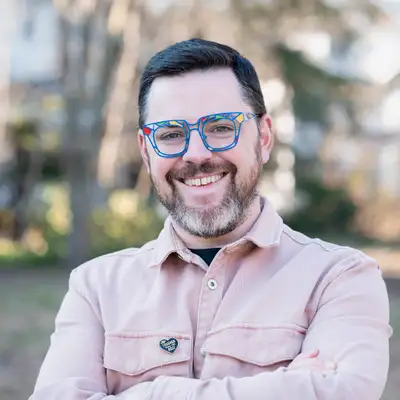
Host
Danny Caine
Author, former bookseller, and passionate antimonopoly advocate Danny Caine loves to talk to the people fighting monopoly power in their communities.
What is Building Local Power?
Building Local Power brings you thought-provoking stories and new ideas for breaking the hold of corporate monopolies and expanding the power of communities to chart their own futures. We deliver insights from trailblazing lawmakers, scholars, business leaders, and advocates. Plus, conversations with in-house experts at the Institute for Local Self-Reliance help reveal the patterns and policies that shape our economy and communities. These stories and conversations help map solutions that distribute power to everyday people.
Our newest series, The Data Centers Are Coming, brings listeners into the stories of local communities fighting back against Big Tech, corporate greed, bureaucratic secrecy, and a system that prioritizes scale at all costs.