Faith Lab

For most people, faith means believing without evidence. A leap. A feeling. Something you are told to accept rather than question. That isn't how the scriptures talk about faith.

Show Notes

For most people, faith means believing without evidence. A leap. A feeling. Something you are told to accept rather than question.
But what if that is not what faith meant at all?

In this conversation, Nate and Shelby sit down with Shane Rosenthal to explore why the New Testament idea of faith was rooted in trust, eyewitness testimony, and public events rather than blind belief. They unpack how faith slowly became detached from evidence, why that shift matters, and how it helps explain why so many people deconstruct today.

This is not about winning arguments or turning Christianity into an academic exercise. It is about recovering a version of faith that expects questions, invites investigation, and gives real reasons to believe.

You can find Shane’s work at humbleskeptic.com, and be sure to check out this recent video he released on whether archaeologists have discovered biblical Bethsaida⁠.

If you have ever wondered why doubt feels inevitable, or why you were never taught this side of the story, this conversation is for you. Become a premium member: faithlab.supercast.com
★ Support this podcast ★

Creators and Guests

Host
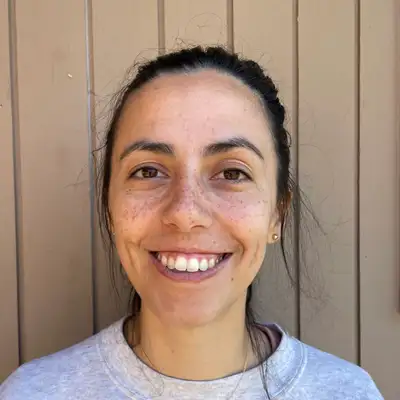
Nate Hanson
Co-host of Faith Lab
Host
Shelby Hanson
Co-host of Faith Lab
Guest
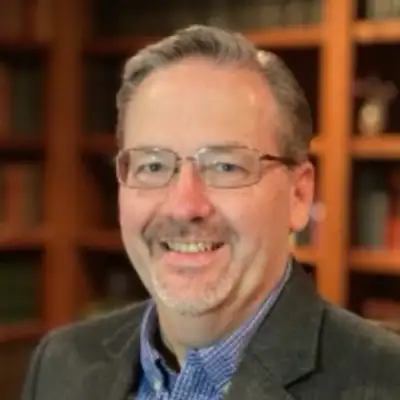
Shane Rosenthal
Founder & Host of The Humble Skeptic Podcast

What is Faith Lab?

What if Christianity could handle your toughest questions?

Most Christians have never heard the depth of evidence that exists for the faith they already hold. Faith Lab changes that. Every episode, scholars like N.T. Wright and Tim Mackie explain what they've spent their careers studying about Jesus, the Bible, and the origins of Christianity, in conversations you can actually follow.

Hosted by Nate and Shelby Hanson. Nate spent years in ministry alongside Francis Chan before a season of deconstruction led him to question everything. What brought him back wasn't blind faith. It was the scholarship.