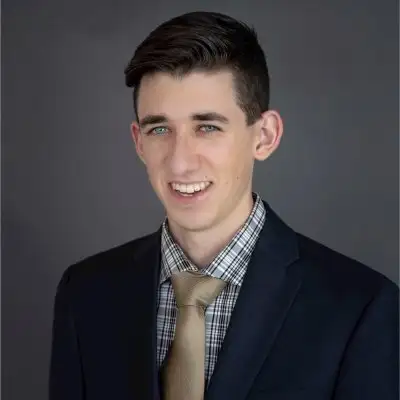
Dr. Mark Bonta reads the obituary section every weekend. Not morbidly. But because when he cares for patients in the hospital, he sees them in a blue gown having their worst day. He never knows their life, their legacy, or how they wanted to be remembered. The obituary fills in the gaps.
Katie Engelhart, a Pulitzer Prize-winning journalist and contributing writer at The New York Times Magazine, does something similar. She finds the stories medicine doesn't tell. The ethical dilemmas playing out in ICUs and hospital rooms that the public never hears about. Medical aid in dying for eating disorders. Covert consciousness in patients diagnosed as vegetative. Dementia patients timing their own deaths before losing capacity to consent.
Her work challenges the way medicine operates. Not the science. But the values, the judgments, the institutional culture that shapes standards of care without public input. She spends months, sometimes years, with patients and families navigating impossible decisions. And she lets the stories stay messy because real life doesn't fit tidy narratives.
Mark and Katie talk about how she finds the people whose stories need to be told, how she earns trust over months of conversations, and why she has respect for doctors and medical science but not deference to the way things are in medicine.
If you've ever wondered how medical journalism actually works, why certain stories get told and others don't, or what happens when families navigate end-of-life decisions without the ethical support they need, this conversation will give you a behind-the-scenes look at one of the best medical writers working today.
Katie Engelhart: https://www.katieengelhart.com/
Episode Takeaways
1. Standards of medical care are shaped by value judgments, ethics, institutional culture, and history — not just science and mathematics. The public is often unaware of why policies exist or how they came to be.
2. Katie's reporting process involves months (sometimes years) of conversations, thousands of pages of medical records, and cross-referencing with family members and experts to verify every detail.
3. Covert consciousness research shows that about 25 percent of patients presumed to be in vegetative states are actually aware and can perform tasks like imagining playing tennis, but families making decisions rarely have access to these tests.
4. What "better" or "recovery" means to an ICU physician is often very different from what it means to a family member — even medical terms are shaped by values, not just facts.
5. Katie finds people to profile by spending months building trust with providers, writing letters they can share with patients, and navigating institutional barriers that either support or block her work.
6. The healthcare system lacks ethical support for patients making major moral decisions, leaving millions of people to face these choices alone even though their neighbors are going through the same thing.
7. Patients will do their own research, and clinicians need to accept that and expand conversations to include it rather than dismissing skepticism as uninformed or pseudoscience.
8. Choices that seem unfathomable from the outside become completely understandable when you spend time with the people making them and walk through their reasoning step by step.
Episode Timestamps
04:48 – Why Katie Is Drawn to Medical Writing
08:24 – Telling Robert Munch's Dementia Story Without Making It About Dementia
15:22 – Covert Consciousness: A Quarter of Vegetative Patients Are Actually Aware
19:32 – The Ego and Humility Problem in Medicine
22:56 – What "Better" Means to Doctors vs. Families
28:17 – Finding the People Whose Stories Need to Be Told
32:05 – How Katie Vets Sources and Verifies Information
37:38 – The Existential Crisis of Our Own Mortality
DISCLAMER >>>>>> The Ditch Lab Coat podcast serves solely for general informational purposes and does not serve as a substitute for professional medical services such as medicine or nursing. It does not establish a doctor/patient relationship, and the use of information from the podcast or linked materials is at the user's own risk. The content does not aim to replace professional medical advice, diagnosis, or treatment, and users should promptly seek guidance from healthcare professionals for any medical conditions.
>>>>>> The expressed opinions belong solely to the hosts and guests, and they do not necessarily reflect the views or opinions of the Hospitals, Clinics, Universities, or any other organization associated with the host or guests.
Disclosures: Ditch The Lab Coat podcast is produced by (soundsdebatable.com) and is independent of Dr. Bonta's teaching and research roles at McMaster University, Temerty Faculty of Medicine and Queens University.
What is Ditch The Labcoat?
Candid conversations between healthcare experts, every Wednesday at 5am EST on Labcoat.fm, your destination for evidence-based insights into the world of medicine, with no holds barred debate about hot topics in healthcare.
This is for all the closet doctors, nurses, pharmacists and all others who are deeply fascinated about medicine but view the headlines with science-based skepticism.