Subscribe
Share
Share
Embed
Some Goodness is hosted by Richard Ellis, a seasoned sales leader passionate about inviting top business minds to share their wisdom. Each episode is only 15-20 minutes, perfect for your commute or workout.
SG EP 48
===
[00:00:00] Richard Ellis: Too many B2B sales teams still treat solution consultants like a downstream function. The AE opens the deal. The SE proves the product works, and everyone hopes technical validation helps close the business, but that view is outdated In a market where buyers can get product information on their own, the technical seller has to do far more than walkthrough features.
[00:00:22] Richard Ellis: The real job is helping buyers see what matters, understand what changes the business, quantify value and picture success. That means storytelling, qualification, commercial judgment, and stronger influence earlier in the deal. The uncomfortable truth is that many companies still enable the AE and under develop the se, even as the SE becomes one of the most trusted voices in the buying process.
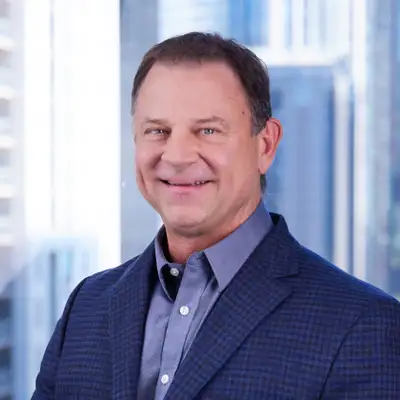
[00:00:46] Richard Ellis: Welcome to some goodness where we talk with leaders and operators about the ideas, decisions, and habits that shape real business outcomes. My guest today is Rob Huffstetler. Global head of pre-sales at Sitecore, [00:01:00] Rob's career has been built around a rare ability taking in a complex situation, organizing the signal from the noise, and building a strategy that helps teams move forward the right outcome.
[00:01:10] Richard Ellis: He has applied that ability across technical architecture, marketing, business process, and enterprise content management with experience spanning healthcare, education, financial services, and entertainment that makes him an ideal guest for this conversation. Because pre-sales now sits at the center of some of the hardest questions in B2B growth.
[00:01:30] Richard Ellis: How do technical sellers create value? Not just validate features. How do they tell a story that helps customers make sense of change? And how do they help teams move from product complexity to customer clarity? Rob has spent years working in that tension and he brings a sharp point of view on what the role needs to become.
[00:01:49] Richard Ellis: Well, Rob, welcome to the show.
[00:01:51] Rob Huffstedtler: Hey, thanks for having me.
[00:01:52] Richard Ellis: Well, let's dive right in. We're gonna talk about ses and just to get nomenclature out there, so we're aligned. [00:02:00] We're talking about the technical seller, right? So sometimes they're called solutions engineers, sales engineers, solution consultants. I think for today's purposes, we'll call 'em ses, but is that fair game for you?
[00:02:11] Rob Huffstedtler: Absolutely. I mean that, that's quite far the most common term, but you know, like you said, I, I think I like to use the term technical seller. 'cause it puts that emphasis back on selling as the verb of what they're doing. I think a lot of the conversation we go through here, we'll get to, uh, some of the nuances of how they're perceived and how they perceive themselves.
[00:02:31] Richard Ellis: Right. And, and I do like that it's more descriptive. So, you know, let's talk about the technical seller and, you know, just start off by kind of the tendency for them to get relegated as demo support. Uh, or product support. Tell me why, why is that kind of the old picture and, and why is that no longer enough these days?
[00:02:52] Rob Huffstedtler: Yeah. Well, let, let's start with why it's bad, which is, you know, first the customer doesn't need that. The customer can do a lot of research on their [00:03:00] own. The customer wants to do the research on their own. Depending on the kind of product, the customer may even want to move, move in more of a product-led growth direction.
[00:03:07] Rob Huffstedtler: They may want to be able to do a, a trial in a sandbox or do download it or whatnot. That's not appropriate for every kind of product. Those that require a lot of consultation and, and customization to really derive value from PLG doesn't work for. Um, but there is really this notion of like, is the cus are you their first encounter with the product?
[00:03:30] Rob Huffstedtler: Probably not, right. It may be the first time they've seen it live, but they've definitely at least watched some videos, read reviews, talked to other customers or whatever before you're engaged. So that's part of the problem. I think it also, it goes to how both the technical seller and their AE partner sees themselves.
[00:03:49] Rob Huffstedtler: A lot of SCS allow themselves to get relegated to that because they're more comfortable with the tech than they are with the buyer. SE really needs to be [00:04:00] as much of an expert on the buyer, that individual buyer, as well as generically the industry and the role as they are on their product. Because at the end of the day, what they're doing is helping the buyer through the buyer's buying process, giving them the information they need.
[00:04:19] Rob Huffstedtler: In order for them to make the best decision they can for their business.
[00:04:23] Richard Ellis: Well, and I've, you know, as I imagine you have seen just a lot of rockstar es over the years that, you know, they're extremely passionate about the product. You could tell they love it. They believe in it. They believe in the value, and they wanna communicate all that to the client, to the prospect.
[00:04:38] Richard Ellis: But sometimes they over rotate on the. Technical aspects of the features and capabilities and kind of miss some of the, you know, opportunity to contribute to the sale or the storytelling. So, uh, let's kind of move into that. 'cause I'd, I'd, I'd like to see what you are seeing and, um, your perspective is starting with, [00:05:00] you know, what roles should these technical sellers play in pipeline and opportunity generation?
[00:05:05] Rob Huffstedtler: I think it depends a little bit on whether you're talking about a net new motion or an install-based motion.
[00:05:10] Richard Ellis: Okay.
[00:05:11] Rob Huffstedtler: In an install-based motion, it's often the case that the SE will have more of a relationship with the customer than the AE does, because se tend to stick in roles much longer than account execs Do you know, I know people who have worked with the same customer for 5, 6, 7 years and they've had two or three account executives over that time span.
[00:05:33] Rob Huffstedtler: The other thing, and this is kind of the the positive flip side of what we talked about just a minute ago. Not being perceived as a seller becomes a superpower in sales. Mm-hmm. 'cause the customer tends to inherently trust the SE more than they trust the account executive. Um, the SE is perceived.
[00:05:52] Rob Huffstedtler: Correctly or incorrectly is, you know, more likely to tell the truth, sometimes more than they need to, and more [00:06:00] invested in the long-term success of the customer rather than in making this individual transaction happen.
[00:06:05] Richard Ellis: A a lot of times that can, you know, just come from just the real. Facts that, you know, they're not compensated like the AE is on closing that deal, right?
[00:06:17] Rob Huffstedtler: Yeah. A lot of people use pooled models where, you know, you're across your entire territory or whatnot, and, and it's typically a much smaller percentage of the, the total comp. You know, back to that notion of an install base, because you've got that longer relationship, you're going to see the customer at events, you're going to have plenty of chances to do QBR and that sort of thing.
[00:06:36] Rob Huffstedtler: Call in and, and participate in that. The risk there is over rotating in that so that you forget that you're ultimately here to, to drive commercial success. You know, you, you want to make the buyer successful and you want answer their questions, but you always want to have your ear open for is there an opportunity to expand our footprint?
[00:06:56] Richard Ellis: Yes.
[00:06:56] Rob Huffstedtler: Is there more they could do that's going to mean they need to increase [00:07:00] entitlements. Are there other groups in the same customer have similar problems that maybe we could get introduced to? Start expanding laterally. The more solution consultants will embrace that, I think the more will be seen as a really vital part of the selling organization.
[00:07:13] Richard Ellis: And I see that as a, a gap that is worth filling. Uh, but you have to do that intentionally. And what I mean by that is. You know, just like we were saying, the, the SE wants to delight the customer, you know, answer all their questions, show how cool the tool is and what it does, and how it can impact their business.
[00:07:31] Richard Ellis: But if they're not careful, if they're not intentional about saying, and oh, by the way, here's some other things it can do, or Here's how it can impact other parts of your business. Right. They're missing that opportunity to contribute to that opportunity creation or that pipeline generation.
[00:07:47] Rob Huffstedtler: A hundred percent.
[00:07:48] Rob Huffstedtler: And listening is key, right? Like you, you learn a lot more when you have your mouth closed and your ears open. You've gotta learn to ask good, engaging questions and sit and give the customer time to think rather than. Pushing them [00:08:00] forward and suggesting an answer for them.
[00:08:01] Richard Ellis: And do you see that as being just a lack of intention and awareness that they need to play that role and contribute in that way?
[00:08:11] Richard Ellis: Or is there some resistance because they don't see themselves as a seller or they don't want to come across too salesy?
[00:08:17] Rob Huffstedtler: It's definitely both. I think for some people, like you said, they get excited about the tool and they're looking to answer a tool question. Right, rather than to ask follow on questions.
[00:08:28] Rob Huffstedtler: And I, I've been guilty of this myself. One example I can think of, you know, I, I had a customer who said they were having problems with publishing, being slow, and I had just come out of another situation where I talked to a different customer and what they meant was the actual technical piece of publishing, how long that publication task took to run in the system wasn't at all what this particular customer meant.
[00:08:53] Rob Huffstedtler: What they meant was. The whole human workflow, end to end of which the technical [00:09:00] piece was a tiny step. They had governance problems, they had workflow construction problems, and they wanted to solve a business problem. But because I had had the other conversation recently, I was locked in on, oh, it's easiest, speed that up.
[00:09:14] Rob Huffstedtler: So I think there's a little bit of a desire to appear smart, um, rather than to, to make the customer the star. And it is a little bit just. Sometimes people don't ask them to do it, right? So it's gotta start with preparation and planning. Like I think the ad and the se, if they're not having a good conversation before every customer conversation, where they're anticipating what the customer wants to get out of it and what they want to get out of it, it very easily turns into, let's talk about all of our favorite features.
[00:09:47] Rob Huffstedtler: All of our favorite features,
[00:09:48] Richard Ellis: right? Yes. And, and that leads to a different kind of pre-meeting prep between, you know, the AE and the SE to just coordinate and kind of be more [00:10:00] intentional about, you know, creating new opportunities, uncovering needs, helping the customer see unknown needs and things of that nature.
[00:10:07] Richard Ellis: And you've worked with SES for a long time, I know. And, and helped to kind of solve this problem. Do you see that there's just a natural resistance to developing sales skills for this, the technical seller? Or is it, you know, that's not my job. What are some, I, I think some kind of obstacles that get in the way that might be helpful to talk
[00:10:25] Rob Huffstedtler: about?
[00:10:25] Rob Huffstedtler: I, I think a lot of it starts with the recruiting profile, right? Because
[00:10:29] Richard Ellis: Okay.
[00:10:29] Rob Huffstedtler: I, I didn't even know that there was. Such a job as sales engineer until I started in web dev many, many years ago, right outta college and, you know, eventually moved to a solutions partner for one of the big content management companies, uh, at the time and.
[00:10:45] Rob Huffstedtler: That was the first time I ever encountered an SE that was a role they had. I'm like, this is actually kind of a cool role. It's funny though, being on the solutions consulting side, I, I still had a little bit of a bias against them even then, and it was that, do you really know [00:11:00] enough here or you just know enough to pull the wool over the customer's eyes?
[00:11:03] Rob Huffstedtler: There's always that tension. Yes. But then. When we hire ses, we're often hiring from solutions consulting partners. So you've got people who have that depth of engineering expertise they've been through implementing in the real world. That brings some great capability to the role because you can talk about real outcomes you've seen with real customers where you live through the whole process.
[00:11:28] Rob Huffstedtler: That can also lead to a desire to share all the ugly bits that you don't need to share in a sales conversation. To remember that that is the solution consultant's job to work through, and it can lead to knowing too much and wanting to share too much. And I think when we bring people into the role, we don't onboard them as well.
[00:11:47] Rob Huffstedtler: As we should, and I'm not saying us as a company, I'm saying as an industry.
[00:11:51] Announcer: Sure.
[00:11:51] Rob Huffstedtler: You know, it's, you sort of assume that they either have the sales skills or that they'll just pick them up. And I think there needs to be, for people coming from a non-selling [00:12:00] role, you really have to lean into setting some expectations and giving them the tooling to do well in it.
[00:12:04] Rob Huffstedtler: I would say if you're starting, if you've got like an associate level role. We've had great success in finding either either younger folks or folks who are making a career transition, who've had experience with programs like the pre-sales collective, like they come with those bits, and then teaching them the product specific bits.
[00:12:25] Rob Huffstedtler: Much, much easier.
[00:12:26] Richard Ellis: Okay. Right. That makes sense. And you know, just kind of talking about sales skills for the technical seller. You know, everybody knows that telling good client stories is a key success factor. And good storytelling skills is something you want all sellers to have. And, and what I find is that a lot of times our technical sellers can be your secret weapon because they've seen so many ways the clients have been using.
[00:12:52] Richard Ellis: The product getting value out of the product, uh, what the features do that's different than the com competition. And they just, they can just [00:13:00] talk about how this has impacted this client or that client without it coming across like a sales pitch. And let me tell you what we did for client A, B, C, you know, and, uh, and sometimes I see that's a missed opportunity for sales teams and for the AE to lean on that technical seller to, to tell some of those client stories.
[00:13:19] Rob Huffstedtler: A hundred percent. And it, it needs to be a really paired thing. Like if, if there's good interplay, you know, you can let the SE handle a lot of the detail and then flip back to the AE to go, and here's why that mattered. And translate it up the stack from kind of a workflow impact to an operational impact to a strategic impact.
[00:13:38] Rob Huffstedtler: But I find that many AEs are weak, even on that point. They get stuck at the workflow level too. We're gonna make this thing you do so you can do more of it.
[00:13:46] Richard Ellis: Well, let's, let's transition a little bit about kind of today's world, right? Uh, ai, everybody's talking about how AI is influencing and changing, you know, different workflows and processes and roles.
[00:13:58] Richard Ellis: What are you seeing in terms of some of the [00:14:00] big changes in technical sales?
[00:14:02] Rob Huffstedtler: Yeah, we're doing a lot to help with research. You know, that initial, if you, if you haven't had a chance to do discovery yet and you're prepping for your first discovery call, it used to take a lot of time. You'd go like, find their annual report, you would.
[00:14:14] Rob Huffstedtler: You go find news articles, et cetera, you'd spend hours reading and trying to compile some set of themes. Whereas if you develop some good prompting, a lot of that can be condensed, so you have much less to read and you can get to some insights that you, that can then validate with the customer when you're.
[00:14:32] Rob Huffstedtler: Face-to-face, or you know, virtually face-to-face. It can also be helpful for summarizing notes and transcripts. You have to be a little bit careful with that because some of the value is the process of building that summary rather than having the summary. So I think that, you know, A, you've always gotta double check it, but B, you've gotta like not use it as an excuse to check out.
[00:14:53] Rob Huffstedtler: Like I still more often than not will get up the the notebook and
[00:14:57] Richard Ellis: there you go. Take
[00:14:58] Rob Huffstedtler: live notes just [00:15:00] to, so I know what to come back and look for. I think gong for those who have used it, you haven't used it. Go buy. Um, you're a fan thank me. Later. Their integration of AI with conversational intelligence, you know, is if you're a manager, even if you're reviewing your own call, to be able to go back and say, what were the next steps?
[00:15:20] Rob Huffstedtler: Did I remember to ask about business impacts, et cetera. You can speed up that review process so much and use it as a chance to really accelerate your own development.
[00:15:30] Richard Ellis: Certainly I've seen, you know, the AI tools really help us be more efficient, more effective in many cases. Right. Certainly speed up things like research.
[00:15:37] Richard Ellis: But you bring up an interesting point that if you lean on it too much, you miss the opportunity to internalize that research and that intelligence so that when you're in the meeting, it's not top of mind and you're not being able to kind of speak their language and their industry workflows and terms because you just kind of gathered your AI research and ran with it and, and didn't really do much with it.
[00:15:57] Richard Ellis: Are, are there any other kind of. Flip [00:16:00] sides to AI, where the, the human element we still need to be careful about and we still need to preserve in terms of the technical seller's job.
[00:16:08] Rob Huffstedtler: It's too wordy for one. Uh, you know, I think that it in some ways doubles down on our, our worst impulse to say all the things.
[00:16:19] Richard Ellis: Yes.
[00:16:20] Rob Huffstedtler: Um, and you really gotta encourage it to dial back as you're, you're doing your prompting. So I think that's a big one. And then just the developing true empathy as opposed to, you know, kind of fake AI empathy. Where Richard, that's, that's a great point. I'm glad you made that, you made that point because you're the absolute best and I'm so glad to be working with you on this.
[00:16:38] Rob Huffstedtler: Like
[00:16:39] Richard Ellis: Right.
[00:16:40] Rob Huffstedtler: It can be a bit over the top. It, what it doesn't do is a good job of like, oh wow. That sounds like it was really hard. Can you tell me more about how that impacted you and the team?
[00:16:48] Richard Ellis: Yeah, and kind of getting beyond that surface level knowledge and, and also just, you know, that that technical seller applying judgment to all of the different context within that account, that [00:17:00] sales motion, what led up to this particular meeting or demo and, and being able to, like you said, not just.
[00:17:05] Richard Ellis: Throw everything at the wall, but you know, be judicious and prioritize and make sure you're credible and tailored to who's in the audience.
[00:17:14] Rob Huffstedtler: That's probably the key thing. In all the conversations I've had about AI over the last three years, the biggest misconception I've seen is that there's a path to getting to the unknown unknowns, if you will.
[00:17:28] Rob Huffstedtler: Mm-hmm. So I, I've had people like, can't we have it write our documentation? Well. Maybe if you've got some upstream stuff to use as a source, but if you think it's going to just imagine stuff, it's, it's happy to do that
[00:17:41] Richard Ellis: and hallucinate along the way.
[00:17:43] Rob Huffstedtler: Exactly. When, when you're thinking about the most important things about your customer, back to sort of the, the research going into discovery.
[00:17:50] Rob Huffstedtler: No customer presents the full unvarnished truth. No one does. You don't expect it in a conversation if somebody comes and dumps all their dirty laundry at your feet when you first [00:18:00] meet them. Your instinct is that this person lacks boundaries. Um, and same for customers. Like you've got to develop trust with them where they start going, Hey, we say that everything is really awesome, but we're actually struggling with these three things.
[00:18:14] Rob Huffstedtler: And if we could change those, it would have a material impact on the business.
[00:18:18] Richard Ellis: Right.
[00:18:18] Rob Huffstedtler: Getting to where. You can elicit those. It's not just out there for the AI to consume until you have the conversation and get it into a transcript or your notes or somewhere else.
[00:18:29] Richard Ellis: Very good. Well, we're running near the end of our time.
[00:18:32] Richard Ellis: There's a couple of things I wanted to dig into before we close out, and that is there's a couple of key handoffs that I think are important from a technical seller standpoint. One is a handoff to the AE when they're kind of done with. All, all the technical stuff and the AE is kind of bringing the deal home.
[00:18:47] Richard Ellis: The other is the handoff to customer success or delivery or those who are gonna implement the solution. Let's talk about each of those just briefly. Um, in terms of handing off to the ae, okay, we've got the [00:19:00] solution scoped, we've done all the demos and dog and pony shows and, and they're happy. Is there any kind of critical success factors or misses that people need to watch out for in that handoff so that the AE can go really close that deal well?
[00:19:13] Rob Huffstedtler: Yeah, I, I don't really see that one as much of, of a handoff. I mean, both at the sort of macro level across the deal, and even in the individual conversation, I think you have a lot more success if the SE and the a e are very tightly coupled with each other and in those individual conversations can kind of weave in and out and, and reinforce what each other is saying.
[00:19:35] Rob Huffstedtler: As you're thinking about the progression along your sales stages, whatever they happen to be called, wherever your listeners live, when you've ended that technical proof section, you know the, the key two things that the SE does are they take a business pain, they translate it down to a technical problem that your product is capable of solving.
[00:19:55] Rob Huffstedtler: Transition from there to showing the customer, here's how our problem solves that [00:20:00] technical problem, and how it ladders back up to the business impacts. So then it's just a matter of the salesperson, the ae, really reiterating those, checking off that every single thing that is a required capability to deliver that business impact.
[00:20:15] Rob Huffstedtler: The customer agrees that, yes, you guys showed us that your product does that. And we've given sort of social proof things like references, things like case studies, so they know that they don't just have to take our word for it. And then it should be a pretty clear transition into, can we now put this on paper?
[00:20:34] Rob Huffstedtler: Can we take it to whoever the other required approvers are? You know, in today's world, you don't always get access to the decision maker. You want to make it happen. If you can. If you can't, then I think the key handoff in the sales cycle is for the AE and SE together to empower your champion to be the internal sales person with the capital committee or whomever it might be to land the business case, get the [00:21:00] budget if you needed access to discretionary funds.
[00:21:02] Rob Huffstedtler: If it wasn't a discretionary fund thing, it show that if you're not the cheapest option, that you're the best option. So that procurement doesn't say, well, why don't you go with. Column B, it seems good enough.
[00:21:12] Richard Ellis: No, that's great. Okay. So they really need to stay coordinated throughout the end and, and the true handoff is with that internal champion and equipping him or her to go sell the value, tell the right stories, et cetera.
[00:21:25] Richard Ellis: That's really good. And then from a service delivery standpoint, you know, obviously we want to delight our customers. We want them to use the product, get the value out of it, retain those customers so that we can grow them. Do you see any missteps or just opportunities for improvement from a technical seller contributing to that going well?
[00:21:41] Rob Huffstedtler: Yeah, at, at a minimum. At least if it's a product that requires heavy customization or implementation work, you know, if it's not something that is basically the same for every customer. You flip the switch on, they go through a tour the first time they log in and they're, they're off and running. If there's anything that's required to make it their tool, then [00:22:00] the SE really needs to be the one to convey that either to your professional services organization, to an implementation partner, or to help a little bit to hand off to the customer's own team if the customer's going to, to be the ones to do it.
[00:22:13] Rob Huffstedtler: I'm a big fan. If you're going down that last route you need, you need an offering where. Your services are still gonna be engaged from an advisory model and your SE should hand off to them. But not everybody goes that way.
[00:22:23] Richard Ellis: Sure. Very good. Well, we've talked about a lot. I think, you know, the role is, while it might not be, you know, drastically changing, it is evolving.
[00:22:32] Richard Ellis: Right. And I think there's more influence that we can put, uh, in the hands of the technical seller to really generate. More healthy pipeline and, uh, you know, improved win rates when we're more intentional about where's the choreography? What are some of those best pro practices that they need to lean into?
[00:22:49] Richard Ellis: So thank you for sharing your insights today. Time just flew by. As we wrap up, you know, our, our show is called Some Goodness. I'd love to just ask you, what's something that's brought you a little goodness lately, [00:23:00] either professionally or personally outside of technical sales?
[00:23:02] Rob Huffstedtler: Well, uh, outside of technical sales, well.
[00:23:06] Rob Huffstedtler: It's goodness that's coming up. I am heading off next week to Copenhagen, Oslo with my son and two of his best friends. We're doing his kind of senior trip as he's graduating, so.
[00:23:18] Richard Ellis: Wow.
[00:23:19] Rob Huffstedtler: To spend some time with him before he decides that he's too cool for us.
[00:23:23] Richard Ellis: That's awesome. A guy's trip, uh, for a senior trip.
[00:23:26] Richard Ellis: How fun is that and is there a big activity that you guys are looking forward to, or is it just the opportunity to see a foreign land? What's, what's your son?
[00:23:34] Rob Huffstedtler: Well, we picked it because of where the, uh. The miles trips were the cheapest for Delta, but little known fact Copenhagen has the oldest, uh, continuously operating amusement park in the world, including the oldest rollercoaster in the world.
[00:23:48] Rob Huffstedtler: So
[00:23:48] Richard Ellis: I
[00:23:49] Rob Huffstedtler: had no
[00:23:49] Richard Ellis: idea.
[00:23:50] Rob Huffstedtler: We'll try, we'll see what the weather's like. We may decide. No, that's not what we're doing this time.
[00:23:53] Richard Ellis: Right. Be safe. Well, thank you again for, uh, being on the show today. It has been a real pleasure.
[00:23:59] Rob Huffstedtler: [00:24:00] Awesome. Thanks for you for having me.
[00:24:02] Announcer: Some goodness is a creation of revenue innovations.
[00:24:06] Announcer: Visit us@revenueinnovations.com and subscribe to our newsletter.
[00:24:15] I.