Subscribe
Share
Share
Embed
#BeAGoodFriend and check out episode #124 of #FeeneyTalksWithFriends featuring Steve Boyle.
It was great to talk with my good #friend, Steve!
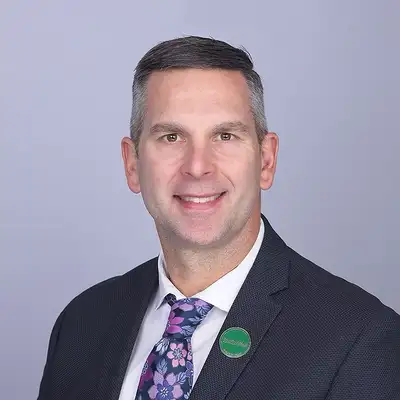
Steve is the Co-Founder and Executive Director of 241 Sports Camp.
We talked about:
How 241 got started (minute 2)
241 in Africa (minute 7)
Podcast sponsors (minute 10)
3 Keys (sponsored by West Hartford Lock) to being CoFounder/Executive Director (minute 11)
Steve’s wife and father in-law (minute 15)
Receiving the Catalyst Endowment Fund (minute 19)
Thinking On Purpose - T.O.P. (minute 22)
Physical Literacy Pals - P.L.P. (minute 29)
Writing grants (minute 34)
The Blue Jean Mile (minute 36)
Exercise helps mental health (minute 41)
Dancing (minute 45)
Being an Honoree for the Hartford St. Patrick’s Day Parade (minute 47)
Steve has his Irish Passport (minute 49)
Winter Carnival at Bushnell Park (minute 51)
Sports Sampling Day on August 29th - The 241st day of the year (minute 53)
Upcoming events (minute 55)
EXCLUSIVE: Feeney joins 241 Sports Camp (minute 57)
Our “walking” meeting at J Rene (minute 49)
Steve’s favorite teacher (minute 1.01)
Steve’s favorite moment with a friend (minute 1.05)
Being a Girl Dad (minute 1.06)
Recommendations (minute 1.08)
Steve’s hoop story at Eisenhower Park when he was “The OG” (minute 1.12)
Podcast Sponsors:
Donut Crazy - www.donutcrazy.com
The Fix IV - www.thefixivtherapy.com
West Hartford Lock - www.westhartfordlock.com
Keating Agency Insurance - www.keatingagency.com
Goff Law Group - www.gofflawgroup.net
Parkville Management - www.parkvillemanagement.com
Luna Pizza - www.lunapizzawh.com/lunas-menu
PeoplesBank - www.bankatpeoples.com
Float 41 - www.float41.com
Eric Feeney talks with #friends! Eric is the founder of the nonprofit organization Friends of Feeney. Their mission is to help children and families who need assistance after heartbreak and tragedy. www.friendsoffeeney.com
All right, all right.
Feeney Talks with friends.
Episode 124.
I'm really excited about our guest today.
What's up? Steve?
How are you? Great to be here.
This is amazing.
Feeney talks with friends.
I use this podcast.
Feeney talks with friends,
and I talk to wonderful
people in the community
that are doing great things.
And, Steve, I mean, how fitting is it?
It's it's episode 124, and you represent.
Two for one. You got it.
Two for one.
Life's too short for one, sport.
That's an amazing slogan.
I mean, where can we start?
We're so excited.
How did how did that model get started?
Where's two for one?
Well,
you know, I've told this story many times,
and actually
probably this is one of the closest places
to where it happened, where I,
got to tell it.
So you might know, I, you know,
I was working as a counselor and a coach
right here at Hall High School,
not too far from where we're doing this.
And my wife was athletic director
at the Watkinson School,
and we had a young family,
and I was coaching different sports
over at Hall, and Sarah's
coaching soccer, and my,
my oldest daughter, who's now,
you know, going to be 29,
was trying out for the local travel soccer
team as an eight year old.
And, you know, we just didn't
want our kid to be bad at sports, right?
You know, we just weren't because we knew
how life giving it was to us.
So we'd hope she'd make the team.
Well, we get the call after the tryout.
Guy says to us, your daughter's
our number one prospect.
And I
was like, dude, she's eight years old.
She's nobody's prospect.
But, you know, still,
you know, it was it still made
you feel good that your kid was good.
Right?
And so she starts to go on
about the Brazilian style of play
that she's going to fit in into a system
and the whole thing.
And after about 20 minutes
or so of like him
talking about the commitment and all this,
I said, well, look,
Elena
showed some interest in playing lacrosse
because my wife
played lacrosse in college, you know,
and I've always thought of soccer
as a fall sport.
But I knew knowing that there was
some commitment in the spring and some.
Right.
As soon as I say that he goes radio silent
kind of
gets angry and says, hold on a second.
And then literally,
as if he's talking to the guy
in the back of the car dealership,
he comes back on like 20 awkward seconds
later and says, we're no longer
interested in your daughter,
simply because as an eight year old,
she was showing
some interest in another sport.
So I said some things
that I probably shouldn't
say on a friend's podcast to this guy.
And I said to my wife that night,
you know,
we're in a position
to do something about this.
Like, you know,
we could shout from the mountaintops,
or we could
actually think about bringing back
the three season athlete, the whole thing.
And we came up with the tagline
that night,
life's too short for just one sport.
And we actually started as a, summer camp
mom and pop camp just for girls.
We had three daughters.
We had a bunch of friends
who had daughters.
We knew we could get them
to at least send their kids, get 64 girls
the first the first summer
over at Watkinson and moms and dads
showed up holding the hands of their sons
and said, we do this for boys.
And to be honest, you know,
I was coaching girls, we had daughters.
I didn't know if we could get boys.
And I said, if you send them,
we'll run the camp for boys.
So we did single gender
our first two years, believe it or not,
three years actually, because then we did
alternating weeks of girls and boys.
But we outgrew Watkinson, the facility,
just when it rained,
there was no turf
and we were eating up the grass.
So luckily
Kingswood Oxford took us over there and
in 2014, it was
maybe five years after we started
the Aspen Institute in Washington
DC contacted us and said,
would you mind if we recognized you
as one of eight model programs
in the United States as like this.
They had a seminal report
called Project Play.
It was reimagining youth sports.
So the elite organizations
were organizations
like Special Olympics, Pop Warner,
the Tony Hawk Foundation,
USA, hockey,
and then Little two for one sports.
And it was crazy like, so I go and I,
you know, Billie Jean King
is there and Michelle Obama is there.
And then there's me like,
and I was like, Mr.
Smith goes to Washington.
But it really
there was no one doing it anymore.
Right?
There was like,
it didn't seem like a novel idea to us,
but we were just like kids playing
more than one sport, not specializing.
That's that's not brilliant.
It's just what we believe in.
Yeah, but no one was programing for it,
so it elevated us to the national stage.
And you know,
I know I'm going on about this, but like,
sometimes I look back and I'm like, wow,
how did this happen man?
Like given given the scope
of what we're doing right now.
I know it's amazing.
And to grow, they always say
like Coca-Cola was once sold
for a quarter here and now it's global.
And now you're all over.
You're international now.
Yeah, yeah, yeah.
So you have again, two for one.
We're with Steve Boyle.
He's the executive director
and co-founder of two for one.
Got my swag, you know.
How do you like it? Two for one.
I'm honored to because
as you can see,
there's some partners on the back.
Yeah, there he is.
The bottom fringe of Fini. Yes. All right.
Very excited to have you.
This a long time coming.
I know we we've talked about getting you
on the podcast and it worked out.
I wish I could say I set it up
that it's 124, but I'm just.
Glad we didn't wait for two, four, one,
two right to do it.
I mean. It's a while away. Yeah.
So it says here
that you can't started in 2008.
So you're going on 16.
What's that. Right.
16 years.
This will be our 17th. 17 years. Yeah.
It goes from ages 5 to 14.
You're at 21,000 kids.
16 states and five countries.
Yeah. Wow. Yeah.
What are the five countries.
So we had, we've done, we have direct
programing going on in Canada.
We've been in outside of Vancouver
for coming on six years.
And then we do programing
in Zambia, Africa and Kenya.
And so, we've consulted
to Australia and India, Mexico.
And while it's not a country,
we actually right now
in conversations we're bringing program
to Puerto Rico as well.
And so we're excited about that.
We did a lot of during Covid,
we became sort of a,
a program that different countries
reached out to because,
we were one of the first to do real
programing with kids during the pandemic.
And part of the way we convinced
some of the schools was like,
you got to let us try it
because you're going
to try to open school in the fall
so we can do some trial and error stuff.
And we we really were able
to, based on best practice
and science, put together
really good quality programing.
And, that was that was crazy, actually.
Just when I look back at that
not too long ago, as far as states go,
you know, we've got really good footprint
in Colorado.
We've been in Boulder
and the Denver area for a long time.
Charlotte, North Carolina,
we're in Englewood, new Jersey,
as well as Englewood, Colorado.
We've,
during pandemic, we did programing
in Indianapolis, Indiana.
You know, our model is one
where we always quip that kids are kids
no matter where you go, right?
You know, regardless of their zip code.
And, we're trying to be more strategic
about where we go.
It used to be
we would chase the tail a little bit.
Someone said, hey, come to Colorado,
we'd be like, okay, we'll come.
That sounds cool.
But now you know, our with our board
and with our growth, we're able
to be more intentional about those places
where we're trying to, to do programing.
So yeah. No, that's amazing.
I mean, and Africa.
So how does that work?
How do you do you reach out to someone
or does someone reach out to you?
I, I'm so interested on how that worked
out. Well.
I'm so grateful that, you know,
you get these sort of random spam
emails, right?
And so and you can usually tell
by the way they're formatted or how,
like dear sir or something like that,
but I got one and that was
it said physical literacy in Kenya.
And I looked up the website
of the gentleman who had sent the email,
and they were legit, you know, but knew,
what they call NGO or not non-governmental
organizations, the equivalent
of being a nonprofit in, in Africa.
And so I set up a zoom call with him.
And this when we started, we were, an LLC.
We were a small business, if you will.
It's kind of a side thing that my wife and
I had been doing all these years.
We looked
and smelled a lot like a nonprofit
because we were giving scholarships
and we were clearly mission driven,
but it was just the way we had set it up,
and we'd always wanted to go nonprofit.
And so in talking with this organization
called wellness for greatness,
we actually before Covid, we were
we were looking to figure out a way
if we could start
a nonprofit arm for them,
and then we would go over and do training
and let them know sort of a two, four
one way.
And then Covid came
and conversations died on the vine
a little bit, and then we rebooted.
And then Omicron came
and Omicron started in South Africa.
And it worked its way up the continent.
And so then during that time in 2021,
we actually did decide to go nonprofit.
So we applied for our 501 C3 in
December of 21.
We were approved in August of 22.
And that is absolutely more
than quadrupled our reach.
It's just because we now
still live in the, in the world
where we are doing,
you know, anti specialization in places
like West Hartford and Denver
and you know, our traditional
what we call parent pay camps, we now are
probably have I don't know multiply times
ten done grant funded programing.
So we're programing year round in places
like Hartford
and New Britain
in in, in in underserved communities.
And two of those underserved communities
are Nairobi, Kenya and Kitt Way, Zambia.
So, last year Carrie and I went over,
we did training.
We have since hired someone to sort of
lead our projects in Africa.
And we're we're down the path
with some organizations
that we could really scale there
because the need is just,
as you can imagine, just so great.
I know it says that you went in January
2024 and, you know,
they predominantly played soccer,
but you introduced ultimate Frisbee
and some other fun sports.
So that's so cool. Yeah, two for one.
Any sport, you know.
No. It's great.
I'm going to shout out some sponsors,
please. Yeah.
So we're here at Maximum Beverage.
Thank you. Maximum beverage.
The Whitney's are excellent sponsors.
Thank you
Direct Line Media Stephanie and Dave.
Thank you.
Keating agency insurance
Brooke golf law group
I'm already for getting keating agency
lumina pizza
the fix ivy float 41
people's bank in parkville market.
Thank you so much for your sponsorship.
Truly means the world.
We're here and West Hartford lock.
So West Hartford lock Eric and Yuri
with West for lock.
What are three keys that make you great
at being the executive director?
Two for one. Wow.
I thought you brought me
with all the hard questions, but,
three keys. So,
I think what's interesting about
even my team.
But, you know, I went to that team is that
we have a just a wealth of experience.
And, you know, I,
we do programing in communities.
We do them in schools. Right.
And so I've spent my whole life
around kids
and working with institutions
and understanding
what are those things that are challenges
for schools and communities,
and what are those things
that can be a value add.
And so whenever we go into places,
we're always trying to find what's the win
win situation for the kids,
but also understanding it's educators
who are delivering it,
or there's community
based organizations
and there's challenges with that.
So I think I think our experience around
understanding
governmental agencies, understanding
public schools, private schools, the
how schools run and then what
the needs are for families as well.
I think that's important.
I'm a I come from a family of eight.
I'm the I'm the oldest middle child,
as I like to say, because I got,
you know, there's three older brothers and
then there's three, two girls and a boy.
They're younger than me.
And my my brother
David are the middle are the middle ones,
and I'm the oldest of the middle ones,
but I'm kind of the classic middle
child, right?
Like,
I, I worry about everybody, you know?
And so I want I want people to be happy,
you know, and,
and in my family
that was they people just sort of knew it.
And in fact, my we lost my mom
two years ago this week and I got I,
the family asked me to do the eulogy.
Right.
You know, so I think I think I come
from a place of empathy and,
worrying about
others and I think they're there to value
in a nonprofit space, right, to really
want to be concerned for what's happening
in other people's lives
and making sure that they're happy.
Three keys.
You know, it's funny.
I, you know, there's a guidance counselor
for a long time, and I would often say,
like, you know, when you get an interview,
like one of the things I would always
people would ask is like in an interview,
what's your greatest strength?
And I'd say my competitiveness,
you know, and I was an athlete. Right.
And so and I had all these brothers
and so we fun.
And what's your greatest weakness.
My competitiveness.
Right.
Because and in fact, in the work we do now
around social emotional learning,
it's really how to manage your anger,
how to channel it.
And competitiveness
and anger can be two separate things.
So I really think that, you know, I,
I'm driven.
But I think I'm driven in a mission
driven way,
you know, that it's not for, you know,
owning a certain house or having things.
It's really for leaving a legacy.
You know, I'm at that.
I'm approaching my 60s and, you know, I,
I realize we're on to something here
in terms of being able to change lives and
change communities and change cultures.
And so,
I think my competitiveness
helps in that case
because I'm driven to like,
make sure we get good stuff done
before I'm gone
and that there's systems in place,
you know? So I love it.
Yeah, yeah.
So I've heard empathy, knowledge and,
drive and motivation competitiveness
I like it.
Yeah. So middle child.
Yeah I'm the oldest child.
So what's that say?
I don't know,
I thought that's why I went into teaching
because I was, I don't know, so funny.
The middle child.
Everyone has a drive in a way a story.
Yeah. Exactly. Yeah. Oh, it was great.
Your three kids were amazing.
That's so good.
Thank you. Two for one.
Executive director and co-founder.
Who are you co-founding it
with? My wife, Carrie.
Yeah. So, Carrie grew up in Baltimore.
Her mom,
believe it or not, was Miss New Jersey
in the Miss America pageant.
And brilliant woman and her dad.
I wrote a blog once
called them the original two for one.
Or, he was a Golden Gloves boxer.
He was, college basketball,
football and baseball player.
Cheese. He was a teaching tennis pro.
Just an amazing guy.
But he was a long a 44 year teacher
coach at the Gilman School in Baltimore.
People might know Gilman
because there's a recent
alumni there named Luigi,
but we won't go into that right now.
Okay.
And, he was Senator
Paul Sarbanes longest standing advisor.
So Paul Sarbanes, Sarbanes
Oxley act people sometimes will know that,
so he, he was like
and he was a good friend to me.
And I'm not just saying that
because on this podcast,
like I really miss him
when he's been going on with a decade.
So one of the things we're doing
this year is we're,
we're starting a pilot in Washington, DC,
but we're also going to look
to do a program
in Carrie's dad's name in Baltimore,
because that's where he's from.
He was
he was known as a civil rights activist.
Helped integrate
a lot of schools down there.
So we're going to try to bring our model
to Baltimore and raise funds
in his honor, to, to get programs
starting down there.
So, you know,
so Carrie grew up in a sports world.
Heard her.
Are you New York Giants family? Yes.
So her,
her godfather's guy named George Young.
He'll go hired Bill Parcell.
He was the general manager of the Giants.
Yeah.
Yeah, yeah. So, yeah.
So he was the general manager.
He wound up, leaving the Giants and headed
NFL Europe before
they were doing all that stuff started.
Get it started. Yeah.
But he
he passed away about 15 years ago or so.
But she's just,
you know, my our first date was 50 yard
line of the New York Giants
versus Minnesota Vikings.
So yeah.
Yeah. Beat it. Yeah.
It's awesome. Yeah. Go Giants.
Great. Go Giants man. Yeah.
So your father in law was an amazing
human being. Jeez.
Yeah.
Boxing. Basketball baseball. Football.
Oh my god.
And you know,
and so Carrie always joked
that she couldn't date anybody from,
you know, because she was in there
all girl school
across the street from where he was.
And no one wanted to date
Coach Slaughter's daughter because he was
he was old school tough guy,
you know what I mean?
But he used to call me a snack
and I go watch a snack.
He goes, you're a sensitive new age guy.
Oh, okay, I like that.
No names for that.
No, but. Smell right here. Yeah.
That's so funny.
Yeah. He was
he was a good man, a good man.
And we're excited
to actually do something in his honor.
It's great to pay tribute to him
and honor his his legacy.
That's amazing. Yeah.
And I think he motivated us
to do this, right?
I mean, he
he was stoked when we started it, right?
Because he was sort of like,
oh, that's great.
But he was frustrated as well like that.
It was a need because for him especially,
you know, the era he grew up in,
it's just the idea
of not playing more than one
sport was crazy.
He had a great line.
We walked into FSA one day
and, you know, because our kids were doing
the travel soccer thing
and he walks in and he looks around,
kind of does a slow roll.
He goes, you know what this place is?
He goes,
this is a shrine to Overinvolved parents.
And I thought very fitting.
But again, you think about it,
you know a guy from that generation that,
that to have an indoor sports
arena to play an outdoor game
and it's packed
with parents on the sidelines
screaming at coaches and cheering
their kids on or yelling directions.
It was we used to call that a park, right.
And, you know,
regardless of the time of year.
So anyway,
he had a lot of influence on us as well.
Nice. Yeah.
Well, I'm glad you get to honor him.
That's great. Yeah.
And also congratulations.
I mean, it's a year late, but you received
the catalyst endowment fund.
Actually, no, that was this year.
That was this year. Yeah.
We applied in the, in the fall,
and we won November.
Yeah, yeah, yeah,
we received a two year grant. So,
Yeah.
So the Catalyst Endowment Fund
is part of the Hartford Foundation
for Public Giving.
You know, that's the new thing for us
two, right?
Is that we we had been lifelong educator.
So this idea of writing grants and,
you know, finding
what are the sources of funds and who
who would be interested in being a donor.
So we have to constantly be on the lookout
and also work really hard to put forth
good grants
because the they're competitive
and the qualifications for them.
You got to make sure
like you're doing things that are,
you know, budget and the whole piece.
And so this year's grant like fit
the like the theme each year
that catalyst Group has a different theme
and it just fit us
because it was really around
access to youth sports,
and developing
leadership through youth sports.
And that we do that in Hartford right now.
And with a lot of Covid money,
Esser money,
you know, people would call it
stimulus money, what have you.
Those funds have all dried up
in the last 12 months.
And so we're becoming more
and more dependent on
on grants and corporate ownership
and individual ownership.
And so, we applied for 69,000.
They awarded a 64,000.
So it's going to allow us
to start a brand new, full year program
at the Sand School in, in Hartford.
It's going to allow us to continue at West
Middle School.
These are both community schools.
Like when I say community schools,
they're like in Hartford,
you've got magnet schools,
you got charter schools,
you got neighborhood schools
or community schools.
Community schools are where kids walk,
you know, like there's very few busses.
And so, and they tend to be poorer
schools, and with less resources.
So we're so psyched to have gotten that.
The other thing
it's going to allow us to do
is increase our partnership with the center for Healing and Justice through Sports.
They're a national organization
that, does coach
training through a trauma informed lens.
And so because we do so much work around
social emotional learning and sports,
but we're programmers and their trainers,
they've become a great partner of ours.
So they're going to come into Hartford
and do two live trainings.
For anybody in the Hartford community
that wants to come,
we're already partnering with Active City
Hartford, with Crec coaches, with,
Hartford Public School
coaches, with UConn.
We're hoping to get 150 people to come do
this training free for everybody.
Well done with this funding.
But the other thing it's really cool
is that they're going to help us digitize
our our training platform.
So like in the next week,
I've got I'm training people in Norwich,
Hartford, East Hartford, Washington
DC, Africa all delivering our program.
We can't do live training
as much as we'd like to do.
So they're going to help us digitize
our online modules in a way
that we're not going to lose efficacy
in terms of it, there's
nothing better than in-person training,
but as we scale, there's a reality to it.
Center for Healing and Justice
Through Sports is partnered.
In fact, they're up there at Nike
headquarters in Oregon right now.
They're they're backed by Nike.
They just
got they're just so good at what they do.
I mean, you and I are lifelong
teachers, right?
We all know there's like,
good professional development
and there's like, why am I sitting here?
Professional development.
They do the best professional development
I've ever been a part of.
I'm not just saying that
like we did one, in Hartford last year.
They came up and it was 5:38 p.m.
on a school night.
Teachers and coaches in there,
some of them were told they had to go
and the first people were in the back.
Like all right,
when's this going to be over?
It was 830 for a PD that ended at 8:00.
No one had checked their watch
and people were literally angry
when they saw what time it was
because we had to end.
We had to get out of the school
we were in.
It was just that good.
It was that engaging.
So yeah. We're there's a. Lot.
Yeah, we're super stoked.
And the fact
that we got some funding, through, through
this grant is huge for us.
Yeah.
That's amazing. Yeah. Congratulations.
Thanks, man.
Yeah. What's top stand for?
Top thinking on purpose. All right. So,
crazy story on her on how this one
started.
Right. So,
I'm in my mid mid 30s teaching
and coaching over and over at whole.
I got a young family and,
I actually was involved in the rescue of,
in a faculty meeting.
A colleague had a heart attack.
She flatlined, and,
I and another colleague did CPR
in such a way that we were able to
the defibrillator was able
to do what it's supposed to do.
And so they say that 3% of all people who,
flatlined make it to the hospital alive.
And of those 3%,
only 3% don't have any brain damage.
Well, this colleague called me three days
later to say I'm okay.
And so I didn't know it at the time,
but I then developed
I had a I had a PTSD response to that,
not realizing.
And I went up in the hospital myself
four times.
The first three times they checked me
for heart issues and the whole thing
because I was having chest pains and race
and thing. And the fourth time they said,
you got to go to the psychiatrist.
So little did
I know I was having a panic attacks.
I'd always suffered from anxiety,
but I didn't know that.
And I manage it through emotion and humor
and just ways that young guys do.
Right.
And so,
it was really humbling for the counselor
to have to go see a counselor. And,
but it literally
is changing thousands of lives
around the world because that happened.
So we I had to learn what's called
cognitive behavioral therapy.
And it's basically allowing yourself to
to not let the anxiety creep in to like,
use your brain to tell yourself
this is what's happening and use
strategies to distract yourself from it,
and to prevent it from consuming you.
So tap came from that.
So we created this sort of a marriage
of different social
emotional learning platforms
that are out there.
A lot of people are familiar
with a ruler. Second step,
and we created this one
to have a sports sort of focus on it,
but it used.
So the strategy that I learned
that helped me the most was
when I felt the anxiety coming on
would be able to quickly do some breathing
that would take me to my favorite place
in the world, which was up in Maine,
on the beach with my family.
And so I had started to talk to people
about wanting to do this with the kids
I was working with
and bringing it into the school.
And so a lot of people like, well,
that mindfulness or that, you know,
mindfulness, brainwashing and I'm like,
no, it's not.
So someone said, you know,
what they call it in, the Army,
they call it strategic thinking.
And I thought to myself, all right,
that's kind of cool, because then anybody
that's like
anti, you know, mindfulness or whatever.
So I came up with the idea of top
thinking on purpose.
Right.
There's an intention ality of, you know,
John Kabat-Zinn definition of mindfulness
literally says
thinking on purpose in there.
So we got top self.
And so what we do is we help kids
identify the emotions they're feeling.
No judgment.
Right. You're angry,
you're anxious, you're whatever.
And I always just lead with kids.
And I get anxious a lot.
I get nervous
and that helps calm them down.
And then we just give them strategies
for how to go from how they're feeling
to how they want to feel.
And there's an emoji based image
that we have it up on our website.
We have that poster
hanging in all the schools that we do.
So we start all of our programs
just normalizing social
emotional learning, right?
That it's okay to get angry.
It's okay to be nervous.
It's okay to feel sad.
It's just not okay to live in that space
if you can do something about it.
And the reason it works so well is because
sports are the most authentic classroom
for teaching school, right?
Kids get they get nervous,
they get upset, right?
And they get upset about different things.
He fouled me.
He pushed me.
She's not
she's not passing the ball to me.
My mom and dad didn't come to the game
and they told me they were going to,
you know, like there's
all different emotions that happen.
Whereas a school counselor
I used to go in and have to do a lecture
on social emotional learning.
So I'd be like, all right,
make pretend you're angry right now.
You know, like that's not helpful.
And then you leave and they don't forget
what you taught them in our program.
They really are angry.
They really are upset.
They really.
And then they can use the strategies
that we used to start the lesson.
And it's it's every day, right.
We start every day with it.
But it's 2 or 3 minutes. We normalize it.
We help them understand, like,
you know, superheroes have anxiety.
NBA stars, why do they take a deep breath
before they take a foul shot?
Why does the kicker try
to calm themselves down?
Why do people get hyped up before a game
so that they can understand the value
of controlling
and regulating their emotions?
So you don't want to get a technical foul
or a yellow card?
Yeah.
Or yell at your coach
because he pulled you out of the game.
Yeah. Yeah.
Now it's so interesting in the breathing
is a very helpful mindfulness breathing.
Yeah.
You know, as a teacher like you deal with
you probably there's so many teachers
now, especially coming out of Covid
that say so much of their work
is really on self-regulation and classroom
management, behavior management.
And the PE teachers
that we've been doing this program
with, it's a before after school program.
They ask us, can I use this
during my PE or health class?
We're like, absolutely.
And every single one of them does it
because while they have other things
they've been trained
in, they said, nothing works like this
because it's just quick, you know,
That's awesome.
Thinking on purpose top.
Yeah.
So we just presented
at the Castle conference in, in Chicago.
So Doctor Julie Goldstein, who used to
she was principal of, Breakthrough
Magnet South, which was number one
magnet school in America in 2015.
She then was, principal at Hartford
Magnet, Trinity College Academy,
where we poached her.
She's now our, chief program officer.
We actually just changed her title
to director of strategic Initiatives.
She she got her
doctorate studying top shelf.
And, so it's now research
back, evidence based.
And we were the only youth sport
development program at Castle in Chicago
this year, presenting our research.
And, you know, we've got
every all the schools we're going to now,
that piece is obviously a big sell
for them because,
you know, social emotional learning
is something it's not a buzzword.
They realize how important it really is.
So we do second step in schools.
Yeah yeah yeah.
It's similar. It's just you know, it's
in my opinion because I know all of them.
It's just a little more authentic,
especially for our setting.
And you're
the goal is to get to home base.
So there's a sports
sort of analogy with that.
So we have emojis on the outside.
And then it's like
how do you get to home base.
And people know home base and hide
and seek.
It's a safe place in baseball or kickball.
It's you're trying to score there, so
you're always trying to get to home base.
That's the strategy we use.
Well, what's PLP plps.
All right.
So that's another kind of cool acronyms.
Yeah.
Cool thing
we added into our program that just,
I had always known
as a teacher and a coach
that if I could get my players
to teach a skill that I had taught them,
they would own it more.
All right.
The other thing is, we were
trying to figure out a creative way
to get more kids involved in our programs.
So PLP stands for Physical Literacy Pal.
So when we got that Aspen
Institute recognition,
we also helped write the United States
White paper on physical literacy.
So we're contributors to that.
And people have seen myself
in our organization as sort of experts
in this concept of physical literacy.
Physical literacy
definition US is ability, confidence
and desire to be active for life.
A lot of sports, it's about it.
It's about skills.
It's about the, ability piece.
But I was always drawn
to the affective pieces of confidence
and motivation or confidence
and desire to want to participate.
Like how do you make that happen?
So it's kind of a catchy name, right?
Pop physical literacy.
People think of them like reading buddies
at school, like walk out.
Maybe your oldest kids go down
and read to the kindergartners.
In this case,
we train the oldest kids in the school.
So in a K-5 school, we
train the fifth graders to be these pops.
We interview them, they sign a contract,
they have to commit to coming.
And what they do is they're there either
sometimes we call them like
the assistant coaches to the to the adult
that's working or like the captains.
And so their jobs are essentially to help
organize the games, welcome the kids
upon arrival, sometimes lead to the top
self social emotional learning piece.
But what happens is once
because a lot of times
kids don't know how to organize themselves
anymore, right?
You get ten kids to say,
okay, split sides and play a game,
and they'll look at you like
you got to head right
because they don't know how to pick teams
or at least do it fairly.
So by giving them these responsibilities,
what's happening is two things.
At recess,
they're going outside and they're
organizing themselves for the first time.
And these stories are crazy.
Teachers are telling us that,
you know, Eric, who's a trained PLP,
see, Steve starting to lose his cool,
who hasn't been in the program?
Eric starts to teach Steve top self,
this is how you come down.
You don't want to fight that kid.
You don't want
to get kicked out of whatever.
And so we're seeing now
like giving these kids
this leadership role, it's a big deal.
It's impacting school culture.
And they're just better citizens
in the school.
You know, nothing works better
than giving a kid a leadership role.
So they love that.
And we don't always give it to those kids
that are like the rock star kids
that are already
getting all the accolades.
Like, what we try to do is
we say to the people that administrators
are the fifth grade team who are those
kids are on the cusp, right?
That, you know, we often say at risk,
but who are who's that promise, right.
Who's that kid that you know that
given the right
leadership, it's going to change.
It's going to change their life.
And it's really like it's it's
a core component of the program's amazing.
You got a lot of good stuff
going on at two for one.
Where can someone reach out to you
if they want to work or apply or.
Yeah.
So have their kid join.
I, myself and Carrie used to,
you know, receive all that.
So, you know, our website is, 241 play.org
when we went from 241 sports
LLC mom and Pop camp to sort of global
nonprofit, we went to 241 care.
But people were getting confused.
So now we say
we put play back into sports.
So our easy to remember 241 play.org.
There's some
you know those questionnaires on there
like if you if you want more info.
Usually we let our camp directors on site
to the hiring of staff for,
for particular sites.
And then when we get grants
and we just open things up,
we send it out to the general population.
Jessica from our team handles,
you know, our staffing
for all of our parent pay camps.
And then, Carrie,
usually we'll do our grant funded programs
in terms of, you know, hiring for that.
Nice. And it's the mailing address.
1424 Park Street.
That's right.
8114.
Yes, you can get that on our website.
So we have an office, office
space down there.
And, you know, it's our headquarters,
right into Hartford.
Address. But, you know, truth be told,
we're programmers.
We're we're
we're not spending much time in an office.
We're out at schools
and in the community all the time.
What do you have for suggestions
on someone that's,
a nonprofit
that's looking to start writing grants
like the Hartford Foundation
for Public Giving?
Do you have a suggestion for I.
Do I you know what drives me crazy
sometimes is how like, guarded
people can be about
not wanting to share our stuff.
We have found that, you know,
you and I are a perfect example.
Like partnering
is where the magic happens, right?
We don't do what you do
and you don't do what we do.
And so it's it's finding those people
that are like
minded that you can collaborate with.
Now, would we struggle to find a grant
we could write for together?
Probably. Right.
But that doesn't mean
I can't share with you.
Like, hey, here's a good grant.
I heard about that. I think you did.
But center for Healing and Justice
three sports, that's a perfect example.
Like there are people that want to compete
with them as opposed to join with them.
It's crazy to me, like we're serving kids.
And so a lot of, grantors
love it
when nonprofits collaborate, right?
Because they know
they're more powerful together
and the dollars
can, can get more spread out.
So that would be my first
piece of advice is to find likeminded,
partners that you can help fill each
fill gaps like we're partners
with Active City, Hartford.
That's been a huge partnership for us.
Some people could see us
as essentially competitors, but
we don't look at things that way.
Like we don't
we're not fighting over kids, right?
If you're doing good work
and we're doing good work,
there's plenty of kids to go around.
And so,
that's the mentality we've always had.
So I'd lead with that.
Thank you.
Yeah.
And speaking of partnership
and collaboration, what happened on May
11th, 2024?
The blue Jean mile.
So, that was our second
annual blue Jean mile.
And so, the story behind that is,
most people in West Hartford
at least know, Stephanie Blowzy, who,
was the owner of Fleet Feet, for, for
many years, she and I shared in common.
Jason Hannigan, who was,
a guy who grew up in town
that everybody love, personal trainer,
but struggled his whole life
with mental health issues.
We were both, friends with Mary Painter,
his wife.
And, Jason used to play basketball
with me, and,
you know, I can't say, like,
we were, like, the best of friends, but,
you know, he's one of those guys that once
you met him, you were his guy, right?
No matter what.
So I took him in the Whole Foods, and
I get your newsletters about two for one.
I love what you're doing.
I always, you know,
I'm always pumped about it.
Well, sadly,
he died by suicide shortly after Covid.
And, for those who knew him well, it was
devastating, but not a shock, right?
Because they knew what his struggles were
and because we
were doing so much work
around, around mental health.
But really our,
our we're in the prevention space, right?
We're not in the intervention space.
And what I mean by
that is the work we do with top
self is to get kids
to never get to that point, right.
That they have strategies
to either ask for help or to self-regulate
to a point where they would never
get to that, you know, situation.
And so, Stephanie
and I, Stephanie said, you know what?
This guy Johnny Gregoire,
lost his brother to suicide with?
Johnny Cork is a world class runner.
And what he did remember his brother,
he came up with this idea,
the blue Jean mile.
And so what it is,
is you run a mile in blue jeans.
And the reason he chose that is he said
that was the closest equivalent
he could get to describing his brother's
pain.
Right?
That his mental health
pain was like trying to run a mile in blue
jeans, just the,
you know, just sweating in your,
you know, like scratching you
in the hole, like, why would you do it?
But until you've experienced
something like that, you know,
I as a lifelong anxiety sufferer, it's
hard to tell people what it feels like.
Right?
And so we heard about this and we thought,
I wouldn't that we should do a local
blue jean mile and we we approached Mary,
Jason's wife, and, she jumped on board.
And, the first year we raised $10,000
and it was just it was a really good
feeling community event.
It was a great place
for everybody to come together.
And then the next year
we tried to grow it.
And that's when we reconnected
with our friend at friend Tiffany
and, as soon as you all heard about it,
you jumped right on board.
You guys came. You set up a photo booth.
You got a chance to, welcome, the group
that was there.
Let them know about your mission.
And I remember being so impressed
with how well you articulate
what your mission is like.
You just.
It it flows, and it's clearly so
natural and again,
I think that's a perfect example of like,
yeah, we can find ways to partner.
Right.
We and there's going to be opportunities
I know that are going to happen
as a result of the work
we're doing in parallel with each other.
Know I'm here.
I wanted to thank you for that opportunity
because I still see people
and they're like,
oh yeah, we remember you from the blue
Jean.
Yeah, yeah.
And we have a photo booth pic.
So we took one as a group.
Stephanie is going to put it up here,
but yeah, we had the.
Oh that's. Right.
Yeah, we had a little photo booth.
Both logos are on there.
Yeah yeah yeah.
We raised we raised $15,000 that day
and that and the money went directly to,
us being able to do a season
and a half at West Middle School
and the Asylum
Hill, neighborhood of, of Hartford.
And a lot of the, the donors
from that, came over and saw the program
and they were so impressed.
So we're actually in a move that event,
this spring to Bushnell Park.
We had thought we had to have a track,
but no one's going to run a 406 mile.
We don't think so. We're not worried
about the unofficial market over.
Yeah, no, what we'll do
is because most people walk it, probably.
I think about 85% of the people
did it last year.
Walk the mile, which is great.
And then,
then we have like two heat to have, like,
I want to run it for time heat.
And then we have like an elite heat and,
but we think it'll be a good spot to do it
this year because we run, free programing
at Bushnell Park in the evenings.
One of them is a run club,
and so we're going to have all the kids
in the run club participate in it.
We'll, hopefully you guys can come back
and set up a booth and, you.
Know, the date.
We don't have, we haven't secured it yet
because we got to sort it out with,
the city of Hartford,
plus the Bushnell, Park Foundation,
who have been wonderful partners of ours.
But, and we also want to look at things
like, legislative sessions,
what's going on at UConn,
you know, like things like that,
because we don't want to pick a date
that is, we think we think
the last Thursday in April, but,
which is the 24th, I believe.
But we'll we'll make sure that doesn't.
Yeah, I appreciate it. Yeah.
Like you said, that partnership
and collaboration is powerful.
And it goes a long way when
people come together.
So yeah.
And thank you for being a good friend
and inviting us.
Thank you for everything.
Yeah. You're doing great things. What?
How do you feel for exercise?
Helping mental health.
Oh, my God.
You know, it's interesting because,
you know, I shared my own stuff, struggle
with anxiety and,
you know, I, I grew up playing everything
and even into my young adult life,
I was training for marathons,
and, I,
just before the time
I was telling you about
when, I did the CPR
and I started to have my own panic.
I had gotten a little bit injured,
and so I went from exercising
probably an hour
and a half to two hours a day
to maybe 3 or 4 times a week
for 45 minutes or so,
because I'd gotten some severe knee pain.
I put on a few pounds.
I my schedule was just not what it was.
And so I think what happened
was I had spent my whole life
having exercise, manage my mental health.
And then when I stopped exercising,
I didn't know that.
And so that's when all of a sudden
I'd be having these episodes of
and sometimes it was sadness
to watch like,
and I didn't know where it was coming
from.
And it's interesting because as someone
who went through the process.
So SSRI eyes are the drugs
that people get typically for depression
or for anxiety
when they give the same drug for a reason.
People know me as Lexapro or Zoloft,
so those are sort of the more common
names were basically
what the way was described to me is that
your brain should is here ideally right.
When you're anxious, you're you're up here
when you're depressed, you're down here.
What the drug does, is it takes the
it takes the anxious and brings it down,
and it takes the depression, brings it up.
But you know what?
Exercise does the exact same thing.
Right.
And so and and for me to have learned
that was super powerful with my recovery
because then I sort of knew like
it was just brain chemistry
that was messing with me.
So when I had to do the CBT stuff,
I could tell myself that
that's just your anxiety talking,
that's just your sadness talking.
Right.
So and then I,
I that's why everybody says like
it's putting the shoes on
is the hardest part.
Once you actually do the exercise,
everyone's like,
I mean it was hard, but you're you're glad
you did it in most in most cases.
But I'll tell you, even as a counselor,
I when I first
started in West Hartford,
it would be the random 10th or 11th grader
who was on medication
for different things.
And then, 2008,
which was the start of this.
Right?
It started to creep down into freshman
year.
Then middle school,
and then even elementary school kids
that are being put on medication
because they're not moving as much.
They're just not they're not regulating
their body with exercise.
And look, I don't I'm
not sitting here to be an be an expert.
A lot of it is just done on my own
personal experience, my own research.
But exercise is the best medicine for
for mental health.
And when I say exercise, let people hear.
I push ups.
And, you know,
you know, like calisthenics.
I mean, play like, I mean,
because the other thing about it
is, is that it's belongingness.
Like when you play,
you're with other people,
you're making social connections, right?
You're learning
how to belong to something.
You're learning empathy,
you're learning social skills
and if you're if you're on your device,
you're not.
How to be a good winner,
how to be a loser 100.
Percent.
Yeah. Social media and phones, man.
That's a
that's a whole podcast for another day.
Yeah. No exercise.
I cosign that personally.
I find that, you know, this Saturday
I was feeling lethargic.
Down and out.
Let's go for a run. Yeah.
Get the dog.
Go for a run
or you know, let's just do ten squats,
ten pushups, get that blood flowing.
And it's hard because unless you sort of
have experienced the positive outcome,
if you're feeling lethargic,
sometimes you just want to go deeper
into the lethargy. Right.
And so you have to be able to help kids
experience the power of of that
and be really intentional
about helping them to recognize
how good playing and moving
makes them feel.
Joy. Dancing is great. Dancing.
Yeah, yeah.
Listen, you're talking to a dancer, I.
Believe me, I know you just don't.
You don't think I brought that up
intentionally?
Thank you for that.
We shared last podcast
with whole videos out there on 123.
If you want to see the award
winning dancing performance.
Very.
Easily, Robert Rivera my,
my my co partner from, Juniper Homes.
I meant to say juniper, but, Kerry,
Kerry and I love to dance.
And so, we, in fact,
I purchased some ballroom dance stuff
from Playhouse on Parks auction that have
still been sitting there because,
you know, when you get these auction
items, you're like, oh, got it.
This is be so fun.
This will be cool.
So you've now prompted me
that I got to follow up with them?
Yeah, I.
That motivated me
to sign up with my wife too,
because it was like something
to do with your loved one.
Yeah. You're in touch.
You're learning something new.
You're vulnerable.
I loved it, I. Mean,
it's like built in date night.
Yeah, yeah, built in date night.
And it's, like, scheduled.
You have to go. Yeah.
You're you're going to do it. You make it.
Make time for it.
But yeah, Nicole and I have done it
once before it Arthur Murray
and we're going back.
Yeah, we've we've offered dance
at a number of our programs
because, you know, at the end of the day,
that's a sport to meet you like.
Yeah, that's great.
So my two sisters run the largest Irish
dance school in all of Washington, D.C.
area, Boyle School of Irish Dance.
You can look it up and, you know, it's
a little bit cultural, right?
Growing up, Irish immigrants,
the girls
danced and the boys played sports.
But I loved the dance.
In fact, I was decent at Irish dancing
until my brothers just made fun of me
for being in a kilt. Like, literally.
That's how it was when we grew up.
And I, you know, I look back at it now
and I really wish I still had
that as something that I did.
But my sisters are great athletes,
like my Irish dance.
It's tough. Right? Calves are oh my god.
Yeah. Just yeah.
And I like how their upper body.
Oh yeah yeah.
It stays tight. Yeah.
You know why the arms stay down there.
Because I guess they danced in bars
and they were tight.
It was a small area, so even you couldn't
wave your hands around or in pubs.
I think you're just. You hurt.
You read that on the internet.
Abraham Lincoln told me was on
the internet is true.
And speaking of which,
Irish night at the town hall.
Are you going to come?
I am, that's the 24th.
Yeah, it's coming up. Right.
I already have a table, I don't. Oh,
you want to see what? Our table.
I would love to sit at your table. Right.
All right. Yeah.
The Boyle's. In the. Holstein here.
All right.
I was, I was too.
I was on a reality ten years ago.
It was
a long time, but it was really nice.
My mom and dad came.
My brother from Mexico surprised me.
It was really cool.
Yeah, I think it was around 2014
or somewhere else.
The brother and Mexico rank of the eight.
He's the youngest middle child.
Oh, yeah. Yeah, yeah.
You threatened them to come.
You know, Carrie surprised me.
I didn't know anybody was coming.
Yeah.
And, everybody showed up at the bar, and,
and we walked over to town
hall from there.
Yeah. Nice.
All right. Yeah.
Join us.
We'll have a, That's awesome for.
You. That's this weekend, right?
It's the 25th.
Two weeks. So fall for a cure.
Are the honorees this time okay? Reynolds.
Yeah. Jameson and a couple other people.
But, yeah, I was an honorary once, too,
so that was awesome.
A couple years ago.
Honored and proud of my Irish heritage.
You still got your shillelagh?
You still got.
No, I didn't give me a shillelagh.
I got a, Yeah, yeah, okay.
I think I think you did.
I heard that back in the day.
Yeah, yeah, yeah. I'm
going to call I'm going to talk to John.
So I'm, I'm actually during Covid, I,
I became a member of the European Union.
I got my Irish passport.
See. Yeah.
And that's been on my things to do list
forever.
Yeah.
My grandfather was born in Waterford,
Ireland.
I have his death certificate.
Birth certificate?
Everything. Yeah, I just been.
You just got to do all those things.
I just kind of getting it off.
In. Years now.
To what extent I'll use it.
I mean, we travel a fair bit.
So, you know, if, God forbid, I,
you know, got hurt,
I think that would be the one
good thing is, like,
you know, I could get the health care
when I'm over there, but, but it's just
it makes me feel proud to have it both.
Like, my mom and dad were both born there.
So nice. Yeah. I'm first generation.
Yeah, that's.
The main reason I wanted it.
Just for the pride and. Yeah,
yeah, yeah. No.
It's cool.
Very cool. Where was your family from?
So my dad's from County Donegal,
which is in the northwest.
And a couple counties below that is
Leitrim, which is where my mom's from.
But how many times
have you been to the motherland?
Probably ten to both of our daughters.
I, went to school there, for a semester.
Sharon went to, University of Dublin
in, in Dublin.
And then, Michaela
went to University of Galway
and, yeah, it was,
you know, great study abroad stuff.
And then, Did they just.
One semester once? One semester? Yeah.
And I still have a number of cousins
that live there.
In fact, my cousin still lives in
the and works
the farm where my dad was born and raised.
My my mom was one of 13
and my dad's one of 11.
I have 77 first cousins.
Yeah.
Yeah, my dad's one of eight.
And, my sister had a pen pal,
which was a cousin when she was little.
I don't know
if they still continue to write, but
yeah, I went there once with my wife
before we married.
Fluent to Dublin.
Did the horseshoe flew out of Shannon?
Yeah, yeah. Best time of my life.
I can't wait to go
back. It's awesome. Yeah. Yeah.
So. Yeah.
All right. Cool. 25th.
All right. Any other upcoming events?
You're so.
You're Bushnell. It's
kind of like your home base.
Well, we've got winter carnival coming
up. Yeah, we've got that.
And so Winter Carnival is one
we came up with last year.
Sort of a version of like.
It just drives me crazy
that I drive around town
and there's nobody ever outside playing
like I love.
I grew up in upstate New York and I loved
playing football in the winter,
you know what I mean?
Just like, you know, tackle
with my brothers or whatever,
just going sledding
and we would play soccer.
We'd play anything, you know, I'd scrape
the driveway and shoot hoops and,
so really what we were trying to do
is to help kids understand, like,
you're not going to die like you playing
outside is actually good for you, right?
Yeah. Build your immune system,
get your heart rate going.
So just for an hour,
we just essentially do what we do an hour
before an after school program.
We do on the.
And it was awesome. Last year.
So Mayor Brown
indicated was in the program.
He lived right across the street.
We just basically we play
team handball, we play touch football,
we play a version of baseball.
And last year it was it was golden because
it snowed on the first day we did it.
And a lot of times it's like,
oh, snow, we got to cancel.
We're like, no, we're not cancel it.
Like,
you know, I was safe enough for people.
You know, it's a choice.
We tell them, like basically, you know,
we're not anything to, like,
tell you not to or to tell you to.
We're going to be there.
If you can get there safely,
then come on over.
And a lot of kids walked.
So, yeah, it's outdoor program
we call Winter Carnival
because we want it to sound fun,
but we also want people to know
it's going to be outside.
We got we got some funding from Dick's
Sporting Goods.
So if kids don't have gloves or hats,
they just send us a discreet
email, tell us what size, and we show up
with gloves and hats for kids.
So cool. Yeah.
So we, I mean, it's our it's our, like,
park home base because
we've, we have just found it a good spot
for us to do very general things we do.
Like we have a partnership
with USA fencing.
We, we have a way to teach fencing at 2%
of the cost of traditional fencing.
We do that there.
Once a week, in the, in the winter.
And I'm sorry, in the fall, in the spring.
Yeah. So we're in, it's just.
And then usually the foundation
will come and open the carousel
on the last night of our event,
and let kids have free carousel rides,
which is cool, too.
Can't beat it. Yeah. Winter
carnival. Yeah.
So cool. Yeah.
Well, a couple other upcoming events.
Do you have any other upcoming events?
We have so much going on right now
that, you know, when you say event.
We, we had,
August 29th, you know what day that is?
It's the 241st day of the calendar year.
So okay,
so we got it declared National Sports
Sampling Day by the National Day calendar.
So we are looking to make that
an annual event as a as our
you know how people got giving Tuesday
and you've got you know blue Jean mile.
But we want to make our that day
be our annual giving day.
And because it
it is named in our, in our honor.
So we're going to be thinking about
what are some things
we can do leading up to that.
We're really excited
about this partnership
with fight for children,
which is a DC based organization
that sort of oversees
all, youth sports in Washington, DC.
We just partnered with Boston Afterschool
and Beyond, which is a similar cohort
of outside of school time programing
that partners with Boston Public Schools.
We met today with Achievement First
in Hartford.
Hoffman Auto Group
has committed a large amount of fund
to help us start
new programing in East Hartford.
And in Hartford.
And one of them is a music and movement
program.
So, we are we're we're looking to,
combine our top shelf sports
with, music sampling
program at Achievement First in Hartford.
So, yeah, when I you ask what we got
going on it, it really is a lot.
Yeah.
No, it's, it's great you got.
The three on three in Hartford.
East Hartford.
No, that actually was a was a, one of the
other recipients of the catalyst grants.
Low is a different nonprofit
that they got a $5,000 grant.
There were $69,000 available.
We got a large chunk of that.
And then they, you know, it's
based on what we asked for it, you know?
So, yeah.
Yeah.
Yeah. So big.
Irish night, January 25th.
Wolfpack game. What?
Friends of Feeney, February 28th.
If you're available, come join us.
I think we are available.
And Kerry and I have been talking about
wanting to get to a Wolfpack game.
Oh, we do have a grant
that's out there right now
through Liberty Bank
that we're pretty confident about.
You know, you just never know.
You know how many other people
have asked for grants?
So one of the things we're looking to do,
we're going to use that money
to support Grace Academy in Hartford,
to bring our model
and support their athletics.
But we want to do a sports sampling day
in May with Hartford Athletics.
So Hartford Athletic
has been a really good partner of ours,
and I'm only thinking of it now
because of the Wolfpack.
You just brought them up. Yeah.
And that it would be on site,
but we would welcome
all kids from all of our programs.
But it would be kind of be hosted by
Hartford Athletic and by, Grace Academy.
So it'll be it'll be grant pending,
but that'll be sometime in May.
Very cool.
Then we have Parkville Market.
We're going to have a presence there.
We are the
Be a Good Friend concert series sponsors
every Saturday there's a band in there.
We collaborated with the Greater
Hartford Arts and got a grant.
And then Travis Moody Blues,
my good friend,
is going to be playing,
so please join us February 22nd.
Okay.
And then our golf event September 13th.
Yes, fourth annual Friends
of Fini golf tournament that dunks.
Do you golf?
I, I have been known to try to swing
a club, but, I'm not sure I did this year.
But I don't slow anybody down.
But I won't break any records. Yeah.
You're perfect.
You're perfect person
we need at our tournaments.
All right. Great.
You'll keep.
Keep me in the loop on those dates, and,
and again, maybe there's a
there's an opportunity
for a joint fundraiser at some point
where we would love to collect funds
for each other's works together. So.
Well, I think you're doing great things.
I consider you a good friend.
You know, two for one.
I've been a teacher for 21 years.
What minute are we at?
Stephania?
You're at 97.
We're at 97.
Whoa. 57. 57.
Like. Well, we've been talking for an hour
and a half hour.
We're at an hour,
so it's perfect time to drop an exclusive.
Two for one.
I'm taking my talents to South Beach.
Yeah.
The LeBron James.
No, I don't know.
What did you want to share?
Well, yeah. Well, I mean, I'm
so excited about this.
Like, I feel like we,
you know, we stepped in it a little bit.
I know how
how popular you are as a teacher in town.
How many people know you in town
for the good work you do at French Feeney?
But also,
that you've done summer program
and quality summer programing
at a great camp for many years.
And so,
you and I had met almost a decade ago to
talk about two for one for the first time.
And at that point, I didn't
really have anything for you. Right.
Because we were still relatively small,
and it was based on revenue
we were bringing in.
And so it just never happened.
Now we're at a in a position where we know
every summer we have so much work
and we are always looking for quality
educators, quality teacher coaches.
And so, we're here to announce that,
Eric's going to be working at least
four weeks for two for one this summer.
We're not quite
ready to declare what his role will be.
Because last year, I would have had
you be a utility player
at some of our grant funded programs.
There was a lot of young teacher
coaches, paraprofessionals, behavior
techs who could use mentorship,
who could use some guidance.
We probably would have had you support
in some of those programs. But,
we're committed to having you
as many weeks as you are available.
We have at least eight weeks of programing
that are going to happen this summer.
It'll be a combination of parent pay camps
here in West Hartford.
We have two weeks at Kingswood.
Actually, we have two weeks
at the University of Saint Joseph's.
We're really excited about that.
In August, first time ever.
We have two weeks in Farmington
at Farmington High School.
We have two weeks up in Suffield,
but last year we employed
almost 250 people across our network.
We we got a giant grant from the State
Department of Education
to serve 750 kids in the correct system.
We were in three schools there.
We've always been
in the New Britain schools
for the past decade
doing summer programing.
If this summer's like any other summer,
we're going to need it.
You know, ten more of you
if you can replicate.
So, but we're just we're thrilled
to have you on board
and make the announcement
of where you'll be
and what you'll be doing
when the time comes.
I'm honored. I'm excited. I'm motivated.
So I'm. Really.
And your daughters
are welcome to work with us as well.
Nice. Yeah.
Bring the trouble along. Yeah.
No, they're excited too. Great.
So this is great. Yeah.
No, I remember our meeting. Jeremy. Yes.
And you were like.
I was ready to sit and talk
and have coffee.
You're like, I prefer walking meetings.
And I was like, I like this guy.
And we walked all the way down Park
Road, took the left down
what runs parallel to Park Road
and went all the.
Way around Boulevard?
Yeah, Boulevard. Yeah.
We almost did a full mile. Yeah.
Talking and chatting and catching up.
First time I ever met you. And I was like,
that stood out.
So if I ever meet with anyone, I'm
doing walking meeting.
It's so funny cuz
my kids would make fun of me there.
You're like Mr.
Physical Literacy doing walking meetings
all the time.
That's stood out forever.
Yeah.
And, so I remember that day.
And, so ten years later, here we are.
Yeah. I'm excited to join the team.
That's great.
Really looking forward to it.
Thank you.
Thank you very much. Yeah. Of course.
Well. Welcome aboard.
Yeah, yeah, yeah. So, yeah,
we got the two for one.
Got the.
Yes. We got all sorts of,
you know, swag for you.
The United Colors of two for one. Yeah.
And I will say that I am a competitive guy
and I see way more be a good friend magnet
than I see two for one Magnus's day.
But I have each on my car and I would
I would expect
nothing
less of the of the Feeney vehicles.
Two honorary swag. Yes.
All right. Yeah.
The trade.
The trade stand. There we go.
Be a good friend. Thank you.
And, Yeah.
So let's
let's get let's get be a good friend.
Friend to Feeney.
And two for one.
Magnets on thousands more cars
this year. Let's do it.
Yeah. No, your website has quite the swag.
You know,
you have pillows, bottles, scarves.
Travis. Matthew polos.
Come on, that's good stuff.
Carhartt hats.
Yeah, yeah, it's hoodie.
To be honest, no one uses that store.
We got to you know and it's it's
one of those sort of squat locker
sort of things
where you go on and they do the logo.
So yeah. Yeah. So yeah not yeah.
We don't use it as a fundraiser.
Yeah. No it's good stuff.
But we've, we've waited we want to try to
because people are like they see it now
and it's a noticeable brand.
Can we travel or people like whoa
a cool shirt
or just they like the tagline, you know?
And so yeah, thanks. Can't beat it.
So being
a teacher 21 years,
my favorite teacher of all time was Mrs.
Joel, my fifth grade teacher.
You know, beside my mom,
most important person in my life,
she kind of motivated me
in the right time.
My parents were going through a divorce.
Do you have a favorite teacher?
I do, in fact, I've reconnected with him.
You know,
it used to always be one of those things
where I would have a kid
that would come back,
or they'd find me on social media
and they'd say something like,
you might not remember saying this, but
you said something to me in the hallway
or in your office.
And that changed my life.
And I thought I would never know that
unless the kid had the gumption, you know?
And then I started to think,
like how powerful we are as educators.
So I reached back out
to, I call him, doctor Kisic.
Coach Kisic. He's not a doctor.
And he wasn't even my coach, but he
he was a coach.
He was my
my English teacher and theology teacher.
And what was kind of cool was that
I didn't know if I was in English class
or if I was in theology class.
So he just he was a Vietnam vet and
he he just had a way.
He was sort of like, the guy from,
got Robin Williams and, Oh, yeah.
Stand on the desk. Yeah.
Why am I your captain? My captain?
How am I forgetting the name of this Dead
Poets Society?
Thank you.
Which I literally used to watch every year
to start my teaching career.
So he just had that sort of way of.
There were no notes, and he.
He would talk about love.
He would talk about,
you know, it was all boys school, right?
And talk about love in a way
that like, was philosophical.
And so I sent reconnected with him and
we get together on a fairly regular basis.
He lives up in, Saratoga, New York,
which is the town my brother lives in.
And, he's he kept all of our yearbooks.
He kept news clippings of me and,
and also just randomly
send me a note once in a while,
just saying how proud he is of me.
And two for one and what we do,
and he just he's just.
That guy's a motivator.
And his John and Kerry's
dad was a lot like that.
Like, there's so many people that showed
for Kerry's dad's funeral.
So he carries.
Dad was not my teacher,
but he was a teacher.
And he had a huge impact on my life, too.
Yeah.
So Coach Kissack and, Coach Schlueter.
Nice. Yeah. That's amazing.
And our newest question,
based on our podcast, last episode
with Stephania one, two, three.
Who's your favorite superhero
or what's your favorite superpower? Ooh.
I got to go with Superman and flying.
Yeah.
I mean, I think if, you know,
I was when I was little, like,
if the idea of being able to fly
would be like, oh, that's pretty cool.
Yeah, yeah.
So have we touched on?
Is there anything that I've missed
that you want to share or talk about?
Any questions for me. Yeah.
Anything that I missed.
Well, you had you had asked about,
an experience with a friend and,
when we were,
we were talking about doing this,
and so I want to
I did want to share with you
my favorite moment, you know,
just because I had thought about it a lot.
And, like, I have an incredibly good
relationship with my wife, like.
And so we work together.
We found at this together.
We love to travel together.
Our our girls.
I think it's
literally a challenge for them
because we have such a high crossbar
with relationships
that they sometimes will say, like,
okay, how are we going to find someone who
gets along as well as the two of you do?
And that's not to say
that we haven't had our, you know, stuff.
But I will say when we,
I had a moment
when we were in Nairobi, Kenya,
and we had done a training the day
before we were on this
literally just Dust Bowl
dirt soccer field with 115
kids from Nairobi, all wearing
two for one shirt in different stations.
And we made eye contact
and we had this look to each other, like,
how did we get here?
You know what I mean?
And so to be with my best friend
in a setting like that,
knowing we were impacting
the globe was really powerful.
And so when you asked that question,
when you reached out to me,
I wanted to share that story.
That's amazing. Yeah.
Give me my feels.
Man, that was good. That was pretty good.
No. Yeah.
It's good to have a partner,
you know, life partner.
And that's that's an amazing relationship.
So 31 years. Congratulations.
Yeah, yeah, I'm in my 19th year.
All right,
keep them coming. Yep, I love it.
And you have three girls.
So you're a girl, dad.
I am a girl, dad. In fact,
I have a girl dad hat.
Yeah, and two of them are teaching
and coaching, in Austin, Texas.
And, the oldest one who tried out
for the local travel soccer
team, my Irish Catholic daughter works
for the National Council of Jewish Women.
She does faith
based organizing around social justice
issues for,
you know, a global, organization.
And, and, you know, it's obviously
with everything going on in the globe,
it's, it's challenging work, but,
she she does good work.
Yeah. It's amazing.
Yeah. Proud dad too.
Good job. Thanks. Thanks.
Thanks, man.
Yeah.
So, any closing remarks, recommendations?
Are you listening to any podcast, TV
shows, books?
Well, we're hoping
actually to maybe start our own podcast.
I think we're going to call it
the Pudding Play Back into sports podcast.
It's a mouthful and probably
too long for SEO, but we'll figure it out.
So I guess maybe that would be a question
I have for you is like,
why did you start doing a podcast and
what's the value add been for you
and and doing great.
Yeah.
I want to thank Dave from Direct Line
Media.
None of this would have been possible.
He invited me into his studio
to do a behind the brand.
I talked about friends with Feeney
and being a teacher and inspired me to
to do so.
And then on the way out,
I said, hey, can I ask the pod?
Can I ask the questions?
And, you know, he took it upon himself
and he opened it up and volunteered
all his time. He's an amazing person.
Thank you Dave,
I know he's going to listen to this
in fast motion,
but he's going to listen to this.
So thank you.
Direct Line Media is amazing.
They're just a great, great group.
Stephanie is all right to check out
our last podcast episode. 123.
I'm kidding. It was great.
No, it helps me.
Like you said, our phones are away.
We're talking one on one.
Yeah, bringing back that social peace.
You're doing great things.
I'm learning something new.
I love learning something new.
I'm an audio learner. Yeah.
You know, I prefer to listen than read or,
you know, so just.
I'm talking with over 120 people.
The mayor, the police chief, Kenny Main,
you know,
some IT people in sports,
the secretary of education.
You can't beat it.
Medal of Honor recipient, you name it.
It was just like such diverse
groups, all doing great things.
And the little. Old me, that's.
For Steve Boyle.
That's very cool. No, but I I'm sure.
I think your podcast would be great, too,
because you have an angle
that, you know, you could
your first guest could be Steve Nash
because he plays soccer and basketball.
Yeah.
Oh, or, you know this Travis Hunter guy?
Well, he's gone both ways in one sport,
but I'm just seen.
There's so many people.
Yeah, I knew Ginobili did both sports.
Deion Sanders you know there's so many Mr.
Jackson all these people out there. Yeah.
And you have that going for you.
So yeah. Exactly.
And I think also there's
the anti specialization piece.
But then there's also the equity piece.
The access piece.
You know like educators like you know,
you you talk to the Secretary of Education
I heard him speak not long after that.
And his whole thing was around equity.
Right. And getting kids the opportunity.
Like it's one thing to be able
to become a college football
player, professional athlete,
but it's another thing
to know how to catch or throw
or know the rules.
To be able to watch those games.
You can engage in society.
So yeah, I think our angles would be,
you know, would be we'd want to walk
both of the worlds we walk
in, obviously getting big names on it,
like Eric Feeney and stuff like that.
You'll be your first guest.
Yeah, right. Yeah.
I caught a two point conversion
freshman year.
My friend. The like through to me.
We still joke about
it was the highlight of my career. Yeah.
And then you did a baseball swing,
so. Right. Yeah. There you go.
I won tallest runner at Toad's Place
for the Shamrock and Run.
Yeah, I did run a marathon
once for four hours and 45 minutes.
God bless you.
Yeah, I only ran a faster
because I wanted to get it over with.
What did you. Do?
I was just about to be under three hours
when the whole left side of my body
fell asleep.
I was in 50th place at the Hartford
Marathon when if the 24.5 mile mark
the left side I crossed,
I crossed with my hand,
my shoes in my hands
at three minutes and 21 seconds.
Yeah.
So I never ran another one. Yeah.
Oh boy. I was on.
I only needed to break 310 and I was just
having a great run and it was hot.
And I think, you know, I had an MRI done
because they didn't know what happened.
They thought I might have stroke.
And, they just said it was probably
a dehydration response
or some compression on the back
or something like that.
So I was I was literally weeping
when I, when I did it.
Yeah, I, I, I was probably a better runner
than I was a basketball player, but,
and I miss it, man.
I really miss it. Yeah. Yeah, man, I did.
I, I got in my fields when I cross too,
because I felt like you
really accomplished something.
Oh my God. Yeah, yeah.
My family was there to meet me
and I like, saw them and I just like.
Yeah, I did it. Yeah.
Like 27 miles, 26 point
something is a long.
Shot a big deal.
And you know why you might all watch
people do marathons.
No. Like the majority of the people
in this world will never even consider
doing one. It's a big deal.
Yeah. It's good I did it. Yeah.
Good for you.
And I'm still trying to play hoop.
So we got to hoop some day.
Yeah, I'm.
I still play in the old man
Sunday morning game.
And, I have some great year just.
And that I missed that during Covid
so much.
And again I think it's one of the things
that motivates me is that I find so much
joy and value in playing sports
even now as an adult,
but I wouldn't be doing it
if I didn't learn those things as a kid.
And when I think about
how many kids out there, Eric,
that don't have the opportunity to play or
their sport experience is so negative
because it's a job at a young age,
I just worry about, will kids be playing
when they're older?
Yeah.
And you do get the folks
that maybe took 20 or 30 years off
and they discover pickleball or whatever,
but that's a long gap.
Like I never really stopped.
And I, you know, you're younger than I am
peers.
You've to haven't stopped either, right?
Yeah.
I can't stop and continue,
like you said, that
the relationships I'm building
at the JCC, wonderful network of people.
Main reason we moved near Wolcott
Park was the park.
Yeah.
I go down and get.
And I jump into some of those pickup
games, and that court still just really.
Yeah, it's.
I have a real funny quick last story show.
So one time I'm like, I,
I was over at Eisenhower.
My, my daughters were playing soccer,
and, like,
I don't want to watch another soccer game.
So there's basketball courts right there.
And I saw some kids playing.
So I get up
and I go across to the bicycle.
I'm going to go
try to get in a game over there. And
and I'm, I'm playing pretty well, like,
you know, like to a point where I'm like,
I'm feeling pretty good.
So some other kids show up
and they had come in from Hartford
and they were younger. And,
all of a sudden one of the guys
that I had been scoring against cause
I got OG
and I was like, devastated.
So I go home that night and I'm like,
I mean, I was killing this kid and he.
Calls me OG.
So I tell him my girls
this story and I'm like, you know,
I mean, I know I'm old, but does
you have to call me the old guy?
They're like, dad,
he wasn't calling you the old guy.
You are. OG.
You're the original. Gangster.
And I'm like, he.
That was like, the biggest compliment
he could have given you.
And I'm like, oh, I feel.
So bad because I was like,
so mad at him for calling me OG.
I love it. The OG.
Yeah, yeah. It's original gangster.
It's like ultimate compliment.
Oh I do for I didn't know so yeah.
Now you know. Yeah.
Well I had such a blast talking with you.
I'm so excited.
Our our future collaborations.
I'm looking forward to this summer.
I learned so much about you
in the program.
Two for one is doing great things
in five countries.
I mean, keep it up.
Thanks, mate.
Thanks. I'm proud to know you,
and I'm really looking forward to it.
We usually end with be a good friend,
but we're going to say two things today.
We're going to say life's
too short for one sport.
Just one sport. Yeah. Oh, excuse me,
I jacked that up.
That's your life's too short
for just one sport.
Just one sport. Gotcha.
And then we'll say be a good friend.
All right.
On three.
One. Two, three.
Life's too short for just one sport.
Be a good friend. Love it.