Subscribe
Share
Share
Embed
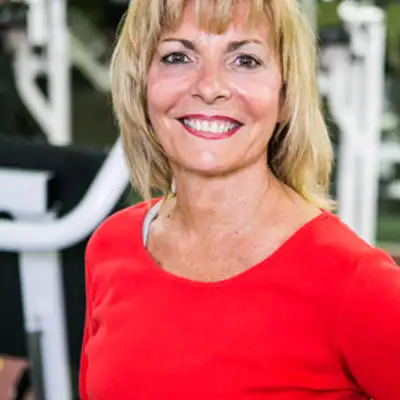
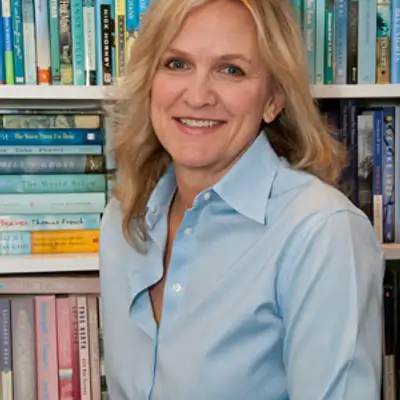
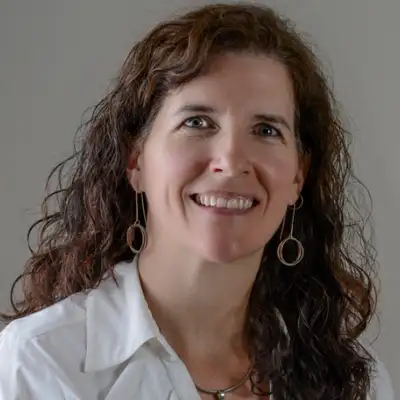
Celebrate the joy of reading with the Book Love Foundation podcast. This is a show filled with information and inspiration from teachers and leaders across grade levels, states, and school systems. We interviewed authors and educators for the first five years and now turn our attention to leaders in public, private, and charter schools. Find out more at booklovefoundation.org or join our book-love-community.mn.co of 2500 educators from 28 countries. We sustain joy together, one kid and one book at a time.
00:00:05:23 - 00:00:24:18 Penny - You are going to love this episode
of Moves Leaders Make a Book Love podcast series for educators shaping
change. We’re grateful to donors like you who have generously
contributed to the Book Love Foundation and made this series possible.
Visit BookLoveFoundation.org to learn more.
00:00:26:13 - 00:00:31:22 Penny - We’ve been talking about all the ways
leaders make moves, and that moves make leaders.
00:00:31:22 - 00:00:54:10 Penny - But this big podcast is really about
moves leaders make that change the course of thinking and the work that
happens in schools. So this morning I’m reading Simon Sinek, who is one
of Elaine’s go to leader, very favorite. And of course I thought of you
because listen to his post on LinkedIn. There’s a story I love to tell
about leadership, but it doesn’t start with the CEO or a general.
00:00:54:10 - 00:01:16:01 Penny - It starts with someone you’ve probably
never heard of, the person who holds the elevator when your hands are
full, who notices when you’re struggling and quietly asks, are you okay?
The person who makes the coffee and remembers birthdays sends birthday
cards to everyone in the building. Just got to say, who gives away
credit and takes responsibility when things go wrong?
00:01:16:03 - 00:01:41:17 Penny - The person who leads not because of a
title, but because of a choice. We live in a world obsessed with
recognition and social media awards promotions. They all tell us that
leadership’s about being seen, being celebrated, being known, but real
leadership, the kind that changes lives and shapes culture, often
happens in the shadows. It’s the leadership of service, humility and
courage.
00:01:41:20 - 00:01:47:17 Penny - The kind that asks, would you still lead
if no one ever knew your name?
00:01:47:20 - 00:01:50:05 Elaine - Gives me goosebumps when I think about
that. Of
00:01:50:05 - 00:01:51:15 Elaine - Would you still lead
00:01:51:15 - 00:01:52:17 Penny - If no one knew your name.
00:01:52:19 - 00:01:54:20 Elaine - No one know your name, would you still.
00:01:54:22 - 00:01:55:12 Penny - Lead?
00:01:55:12 - 00:01:56:10 Elaine - with that.
00:01:56:12 - 00:02:08:01 Penny - With that. Wow, what a day this is going
to be. Because we have on one of my favorite humans and leaders,
Elizabeth Rossini and are you now on Miss Elizabeth? Can we see you?
00:02:08:01 - 00:02:11:07 Elizabeth - Hi. Thank you for having me. Penny -
and Elaine - , I’m delighted to be here.
00:02:11:07 - 00:02:26:13 Penny - the reason that I put you on the list
right away, as someone we had to talk to, is because of your, background
leading very different organizations as an educator. So I hope you will
just introduce yourself to our audience with a few sentences,
00:02:26:15 - 00:02:46:03 Elizabeth - I have worked in public
international and independent schools in 37 years as an educator. I’ve
worked at the university level, too. My educational mantra is I believe
schools should be joyful. I believe in fierce advocacy for the mission,
for the students, for your colleagues, etc. and I believe schools should
be a place of possibility.
00:02:46:03 - 00:02:50:23 Elizabeth - And all those three things shape
kind of how I am as a colleague and as a leader.
00:02:50:23 - 00:02:53:19 Penny - So tell us where you are and what you do
right now.
00:02:53:20 - 00:03:09:15 Elizabeth - I am currently working at the Agnes
Irwin School. It’s an independent K through PreK through 12 girls school
started… we’re in our 156th year here in southeast Pennsylvania, and I
am the assistant head of school. One of my areas of that I oversee is
the academic program.
00:03:09:17 - 00:03:34:14 Penny - And as a person who joyfully spent a day
with you in your school, one of the things I’m always struck by with
you, Elizabeth, is that you are making big moves, one small move at a
time. And what my experience with you in Bangkok at the International
School Bangkok, over five years of visits and work, is that those small
moves keep multiplying.
00:03:34:14 - 00:03:45:13 Penny - So could you talk a little bit when we
think of something as big as an academic program or curriculum design,
where do you start when you decide a school needs to make a change?
00:03:45:15 - 00:04:11:22 Elizabeth Yeah, that’s a really good question.
Something interesting about the three. So I worked as a consultant for
many years. So I work with schools around the world on the same
question. You just asked. But my deep work has been in three different
schools International School in Bangkok with you, I current school that
I’m at, and also two public schools that I worked in and each school had
a different context and expectation and mission, but the moves are the
same.
00:04:11:22 - 00:04:30:21 Elizabeth So one school might be a place that
doesn’t want a lot of structure. Put in, but it still needs to be
coherent. Another school needs structure because they don’t have enough.
It still needs to be coherent. And what’s been fascinating over the past
15 years of my career is that the moves are the same around change
management and around how to move.
00:04:30:21 - 00:04:48:07 Elizabeth And I think you’re so astute by
talking about the big moves of the actual change you want over a number
of years, and you have to plan for where you want to be in said number
of years. But it’s the small moves you make, and it’s the nudges that
you make alongside the accountability. All right. So we’re going to try
this this year.
00:04:48:07 - 00:05:08:18 Elizabeth And we’re going to pilot it. And
then by next year we’re going to and we’re going to support you along.
But then I’m expecting it as a move that we do. If we agree that this is
something that’s going to move our program. So it’s the new idea,
support, etc. alongside the pressure, and it’s where to apply the
pressure with the support and how you move it along.
00:05:08:20 - 00:05:19:10 Elaine - So it’s almost the balance it’s
creating, the leader has the responsibility and should have the
intuitiveness to understand the balance between those things that you’re
talking about.
00:05:19:14 - 00:05:43:02 Elizabeth 100% and thinking about. So, Penny -
has worked with us last year and hopefully she’s coming in this year as
well. We have a three year initiative and our middle school English
program. We basically looked at it and said, it’s we need to we kind of
blew it up, essentially, and being able to say, here’s where we want to
be in three years, what do we do in year one versus year two versus year
three?
00:05:43:02 - 00:06:00:21 Elizabeth And as we’re going through that,
what support as I said, teachers need. But also what are we expecting of
you. And then how do we get teachers to come along in a way that they
feel like they’re partnering with us and they have voice in what we’re
doing, and they have efficacy in what we’re doing. And so it’s not,
admin is saying do this.
00:06:00:21 - 00:06:11:08 Elizabeth It’s more of we’re doing this
together and we’re going to get there at the pace that we believe we
need. But we do have an expectation by a certain date to have realized
this new vision.
00:06:11:08 - 00:06:38:06 Elaine - One of the things that we’ve seen in
our work, in looking at schools and one of the things like Penny - and I
are sitting together again, is that we’re fascinated with we’re just
fascinated with how schools are developing over time. And we look at
some of the things that are hindering the schools and how we can support
schools to be multipliers, of brilliance for a better position.
00:06:38:07 - 00:07:04:06 Elaine - And so and I know that a lot of
teachers now need to let go of past experiences and we as leaders need
to monitor some of that. As you talk about moving forward without giving
in and giving those supports. I’m curious as to what do you do with
teachers who are being challenged by letting go of past practice to get
where you in that theory, in your design?
00:07:04:08 - 00:07:20:04 Elizabeth Yeah, that’s a really good question.
I think with some teachers and we all know this, you’re going to have
your trailblazers that they’re like, let’s go, let’s bring it on. And I
just thrive in trying new things and challenging myself. You have the
people in the middle that you want to try to support, and you know
they’re going to get there.
00:07:20:04 - 00:07:28:20 Elizabeth I try to meet those conversations
with, here’s some research, let’s read this together. Let’s dig into
this. Let’s look into what we know long term practice. What does it say.
00:07:28:20 - 00:07:31:12 Elizabeth sometimes it has to be like, this is
the direction we’re going.
00:07:31:12 - 00:07:40:21 Elizabeth I know you have, you have capacity
and we can do this together. But if this isn’t, where you’re comfortable
moving forward, then we’re going to have a different conversation.
00:07:40:21 - 00:07:48:06 Elizabeth sort of that courageous leadership
to have those conversations, to let people know you believe in them and
that we’re going to move forward. But it’s not optional.
00:07:50:03 - 00:08:15:05 Penny - the other piece that I’ve loved, that
you do so well, not only that, you’re not afraid of those hard
conversations in a respectful I’m careful with how you hold them, but
you also established a way to collect data that was unusual. So in the
Bangkok school, for example, I spent two weeks there, one time
interviewing three kids at every grade level, middle school through high
school, random sampling, and asked them the same ten questions.
00:08:15:05 - 00:08:35:02 Penny - This is a genius move. I know you worked
in assessment for so long, but Matt Glover did the k threes and then I
did more of the upper and then we swapped for three different kids. So
we got to blend. But the key here is your kids the same ten questions
that reflect this initiative. One of them was talk about a conference
you’ve had at the teacher this year.
00:08:35:08 - 00:08:52:16 Penny - And then we had this data point where
some of the kids said, I haven’t have one of those when it was an
established expectation. And you’re not like pinpointing which teacher,
you’re simply saying, here’s our data. And this is why we’re going to
keep working on conferring. Can you talk about like, how did you come up
with that?
00:08:52:16 - 00:08:54:20 Penny - Or like say more about that one?
00:08:54:20 - 00:09:14:14 Elizabeth I think we did it together. The
other the other thing, it’s interesting because an international school
is a different environment than a public or independent school, and an
international school has lots of people that can be transient. So you
might come for a three year cycle and then go somewhere else, or someone
might be there their whole career, but it’s a different need to
establish.
00:09:14:20 - 00:09:39:07 Elizabeth It’s almost like, you’re fighting
against more people saying, I don’t need to do that in an international
school then, and in independent schools where they come in, I know what
I’m doing. I’m bringing what I did at my last place, etc., etc. and so
we had to do a different move there. I wouldn’t need to do that kind of
study here at this school or my previous school because people were
like, I see where we’re going.
00:09:39:08 - 00:10:03:06 Elizabeth I actually agree with it and I trust
the process. But in in the school we were at Penny - , we had a lot of
pushback. And we we needed to have another data point to say, let’s give
you exact data about the student experience. Based on the we talked, she
was referring to the common agreements. One common agreement that we all
set across K-12 is you’re going to confer with students.
00:10:03:12 - 00:10:20:13 Elizabeth You’re going to have a clear body of
evidence of what you accept as to help the learning along. And one of
them is conferring, and we were not getting that as, as ingrained as we
needed it to be. And so we had to come up with other ways to tell the
story of growth for students and what will help them move along.
00:10:20:13 - 00:10:41:11 Elizabeth And the accountability. It gave us
weight. One other thing, we had external test scores that were telling
us our kids weren’t great writers, and I totally refuted that. I’m like,
I know we are doing good writing. And so we also wanted that study to be
able to refute this one data point. We were getting on this external
assessment that was saying, oh, they’re not great writers.
00:10:41:16 - 00:10:49:02 Elizabeth And we were able to say, actually,
we have data to show that they are growing as writers and we can show
their competence. So that was the other reason.
00:10:49:02 - 00:11:05:02 Elaine - I bet that’s such an important piece
for our viewers to hear, because in the States and in the public
schools, it’s all about flat test data, about what kids are doing wrong,
are the skills that they don’t have. And so I loved your comment,
00:11:05:02 - 00:11:16:09 Elaine - To counter that and show, you know and
have evidence of the growth mindset that we’re doing in our schools and
not always focusing on just the flat data that we have.
00:11:16:09 - 00:11:27:10 Elaine - But a lot of our schools, they we talk
about monitoring progress, yet it’s the last thing that is sustained
over time. And a leader has to keep that momentum going.
00:11:27:10 - 00:11:44:18 Penny - Well, one of the things that you smartly
did, it was about the third or fourth trip. I was there was you
connected me to content area teachers, and we took just two things. Kids
need to read more in the content, right? So how do we set up what are
they going to be? Book clubs, which is what most of the content area
teachers chose.
00:11:44:18 - 00:12:07:18 Penny - And then you provided these little
libraries of books that related to their content. I remember a second or
third year teacher in economics who had books from all the entrepreneurs
around the world that kids are interested in, and so you provided
support there. But then the second level was convincing content teachers
to write in front of their kids to do quick writing and revision.
00:12:07:20 - 00:12:34:03 Penny - When a couple of the teachers that I
worked with were like, I can’t do that, I can’t. I mean, that felt like
such a public display. And they were so concerned. But as we were moving
it in to these different content areas, then those conversations outside
of us, right, that’s what you want. You make the small move and all of a
sudden the teacher goes, oh, wait, I do have things I could show them in
revising my own writing
00:12:34:03 - 00:12:49:09 Penny - So that idea of you taking this is a
move that works in ELA, but it will work in content classrooms as well,
kept like this whole school movement towards an initiative that I so
rarely see very much, very rarely over time.
00:12:49:09 - 00:12:49:21 Penny - See.
00:12:49:23 - 00:13:21:20 Elizabeth Yeah. Well, let me back up about how
we sort of set that up. After your second year, which was my first year
of working together, was your second year in Bangkok. But we had you had
worked with teachers across K12 and we had paid really close attention
to the particular modes you were demonstrating and that you were doing
in the lab sites, and you were teaching us, and we had this whole set of
important moves, and we spent that year after you came in the fall, we
spent the rest of that year, I practicing those with our leadership
leaders across K12.
00:13:22:02 - 00:13:39:11 Elizabeth And at the end of the year we said,
okay, these are the moves that we know work doesn’t matter what
developmental stage are and what doesn’t matter works across. So that we
came up with those common agreements and then the next. So that was a
really fundamental step that we did to test these all out. So no one
could say, well, that won’t work in my classroom.
00:13:39:15 - 00:13:56:09 Elizabeth Well, actually, we can show we did
because your colleagues did it. And so that moved set us up for okay.
When we want to create a culture of literacy where students see
themselves as readers and writers and authors with the voice, they have
something to say. How do we have it? Not only be owned by the English
teachers?
00:13:56:09 - 00:14:19:08 Elizabeth And so that’s where we expanded. And
this is where also really strong, teacher leadership. They’re like, yes,
let’s do it. Let’s do this in this socialized classroom. Let’s do it in
the science classroom. And one of the things there was an incentive that
you kind of mentioned was we told any content area teacher that in
middle and upper, if they were going to try this, we gave them some
parameters, but we’re going to put a class library in there.
00:14:19:08 - 00:14:32:08 Elizabeth We are going to spend a big chunk of
change to put these resources in your classroom, but there is an
expectation with it. You have to do some book talks, you have to do some
sustained style reading, and you have to manage their stamina of their
reading.
00:14:32:08 - 00:14:41:09 Elizabeth And the results they saw deeper
vocabulary, deeper conversations, what the in both social studies and
science from that initiative that you helped support.
00:14:41:11 - 00:14:57:16 Penny - You know what I remember the still makes
me laugh is that you were really good about saying, let’s have a
conversation before you arrive for the lab studies with all these
department chairs or people who’ve signed up to do this, and the science
person contacts me. And I said, so in order for me to prepare, what is
the unit you’re currently in?
00:14:57:16 - 00:15:16:00 Penny - And she said, reproduction with 10th
graders. And I was like, no, I’m not. I’m not teaching it. No, thank
you. And she’s like, sorry, that’s what it’s going to be. And I can
remember sitting here going, no, but that idea that you connected me to
people who wanted to do the work, but then, of course, they were still
in charge of what the content was.
00:15:16:01 - 00:15:36:08 Penny - And if you remember, we went with the
social studies department chair that I was sitting with who? A terrific
teacher, a little frustrated with their results on the written portion
of the IB exam. And what I said at just as a like tossing it out into
the thinking was, what if you took it in front of them? It’s a 30 minute
on demand test.
00:15:36:10 - 00:15:51:20 Penny - What if you actually showed them how you
would take it? And and of course there’s released items so it wouldn’t
affect this year’s scores. But do you remember because we sat side by
side and at one point he’s, you know, started the clock. The kids are
taking notes on what he’s doing. He’s making a list of topics and decide
which one to start with.
00:15:51:20 - 00:16:05:04 Penny - And you and I are looking at each other
like, wow, what a model this is. And he turns to the class and goes, I’m
sweating. This is so much harder than I remember authenticity to this
work that you created. It was it was amazing.
00:16:05:04 - 00:16:23:01 Elizabeth To think of in a lower school with
lower school, teachers are taught to do think a lot. They’re taught to
continually do the metacognition for students out loud, to be able to
say, this is the move I making, and this is why we do that lesson middle
and upper. But Richard, the department chair of social studies, he did
that.
00:16:23:01 - 00:16:46:00 Elizabeth He took this test, but he talked out
loud so they could see what the his thinking process was and how he
tackled that problem and how that whole assessment and how he organized
it. It was really invaluable. And one of the things you also taught us,
Penny - , was to write in front of students. And so if students are doing a
quick write right on the board in front of them and let them see your
thinking process.
00:16:46:02 - 00:16:57:07 Elizabeth And we still have teachers today
that are like, use that as a tool. And they’re just like, it’s amazing.
And students will see it and use it as a little bit of a crutch, but
eventually they just they go absolutely.
00:16:57:12 - 00:17:14:22 Penny - Well, you know, and one thing I remember
about that he did as a part of his think aloud was he turned to the
class and said, I just looked at my watch. I got five minutes left. I’m
going to have to cut short this one and get to my conclusion, which is a
strategy they need to know. And then the science teacher, maybe she came
to me after they had done this quick.
00:17:15:02 - 00:17:31:18 Penny - And she goes, I’m walking around and
these kids are actually using the data and they’re using the the
language, the vocab that I want them to use. And I’ve been teaching it
all year and they won’t use it. Why did they use it today? And I’m like,
you used it right up there in context in your quick write.
00:17:31:18 - 00:17:51:22 Penny - And they can stand on that and go,
that’s how I use that vocabulary. So it is such an impactful strategy.
But I have to tell you, as a teacher, all my years in education, I
experienced more often. This year’s initiative is X. Next year we forget
about that one or they give a nod to it. We’re still doing that one.
00:17:51:22 - 00:18:04:22 Penny - But now I’m going to do something else.
How do you like just school yourself? Because have you seen this as
well? It’s teachers are so negative about don’t give me another new
initiative. What is it? This year?
00:18:04:22 - 00:18:19:06 Elizabeth it’s interesting because when I
think about Bangkok as well as my last school, Nueva, and here, one of
the things I did was if you think of two tracks, what are we doing
around curriculum assessment and instruction as a school and what
direction are we following?
00:18:19:06 - 00:18:41:11 Elizabeth So that’s holistically, what are the
expectations we have in terms of your assessment practice? You’re you’re
designing all of your units in your courses etc.. But then we have the
disciplinary growth and disciplinary expectations. And so being super
clear like right now we have a five year, three phase plan for
curriculum assessment and instruction. We spent three years on
curriculum development.
00:18:41:14 - 00:19:00:17 Elizabeth Right now we’re looking at
assessment. Next year we’re going to put it all together with teaching
and learning. And so between that and then this middle school like right
now, the middle school initiative, we’re giving ourselves three years in
middle school English to take a program and make some adjustments to it
for the context that we’re in. And so we’ve got two things happening
simultaneously.
00:19:00:21 - 00:19:21:06 Elizabeth They don’t compete with each other,
but both of them have clear expectations, clear goals. We are constantly
sharing the same message. We’re constantly sharing why we’re doing what
we’re doing, and we’re supporting it along the way. And so it’s, I
think, big for a leader who hasn’t done this kind of work yet, be super
clear where you want to be in set number of years and use.
00:19:21:06 - 00:19:35:20 Elizabeth We used to do 5 to 7 years. People
are doing now 3 to 5 years. Where do you want to be in 3 to 5 years?
Where are you now? You need to know that because you got to compare
every year. How is your growth from where you started and then what are
your success metrics? What are your indicators?
00:19:35:20 - 00:19:59:23 Elizabeth What are you going to hold yourself
accountable to, like you talked about earlier? And then what is your
plan? Year one, year two, year 3 or 4? Year five. And I would say two
other things would be get administrative support from your colleagues.
Like I work for K-12, but I have division directors for each or
principals. Right. So the lower, the middle and the upper school
principals, they have to be on board and believe in what we’re doing in
order to support it.
00:20:00:00 - 00:20:02:20 Elizabeth And then you have to have the
financial resources to sustain it.
00:20:02:20 - 00:20:18:12 Penny - There’s just so much richness to what
you’re trying to do. And I’m already thinking about ways you could
follow up with another conversation, because leaders are looking for
mentors, and that’s what you’re doing right now, is mentoring leaders
who are going to try to do this work.
00:20:18:12 - 00:20:22:11 Penny - So one question that we always ask is,
what are you currently reading?
00:20:22:11 - 00:20:25:04 Elizabeth Well, if you personally or
professionally.
00:20:25:04 - 00:20:26:13 Penny - You know what, you can give us one of.
00:20:26:13 - 00:20:47:16 Elizabeth Each. Okay. So well, I just finished
Malachi, which is sort of personal, and I’m reading the, starting The
Missing Thread. We have a Latin program, so it’s sort of personal and
professional, and it’s The Women’s History of the Ancient World. And I’m
a girls school and I like to get steeped in that. But professionally,
I’m just doing a deep dive into AI, and we’re really looking at what is
the like.
00:20:47:16 - 00:21:14:09 Elizabeth I was looking at Education 4.0, the
OECD, the World Economic Forum, the Skills revolution. Like how well are
we students for this, this dynamic world that is like crazy? And how are
we? Like we’re looking at something like our assessment practices and
how do we in an age of AI, how do we make sure that we are understanding
fundamentally what’s what students know, do and understand and what are
the what adjustments do we make to be do more blue book?
00:21:14:09 - 00:21:20:20 Elizabeth Do we do more writing on demands?
We’re doing a lot of those. So I’m reading a lot about that and then
making the grade.
00:21:20:23 - 00:21:26:20 Penny - Elizabeth, what a pleasure to have you
with us. And you know, we’re going to keep thinking and talking about
this
00:21:26:20 - 00:21:28:02 Penny - for quite some time.
00:21:28:02 - 00:21:39:08 Elaine - two things that I’m taking away is the
importance of common agreements and the way you really implemented
distributive leadership in your school. People are afraid of that. You
embraced it,
00:21:39:08 - 00:21:41:14 Elizabeth Well, thank you for letting me share
a few tidbits.
00:21:41:14 - 00:21:45:17 Elizabeth Every time I have a conversation
like this, I’m learning and growing and it’s just an absolute pleasure.