Subscribe
Share
Share
Embed
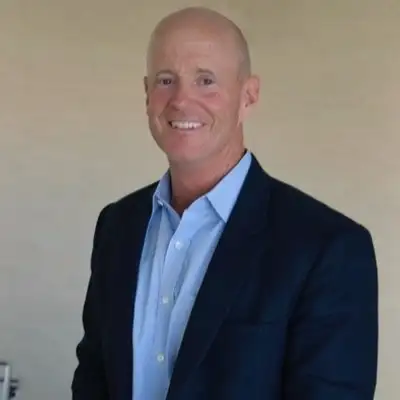
Hot Takes with Jim Baker is where real-world business experience meets honest conversation with Host, Bill LuMaye.
Hosted by entrepreneur, advisor, investor, and CEO Jim Baker, this podcast explores the challenges leaders face every day—from raising capital and managing growth to hiring, firing, sales, culture, leadership, acquisitions, and long-term value creation.
Through the Hot Takes series, Jim sits down with business owners, executives, investors, and industry leaders to discuss timely issues shaping today’s business landscape. These candid conversations offer practical insights, hard-earned lessons, and perspectives you won’t find in a textbook.
The podcast also features the Wisdom Series, in which Jim and Bill interview accomplished guests whose decades of experience offer timeless lessons on business, leadership, success, failure, and life.
Whether you’re a CEO, entrepreneur, business owner, executive, or aspiring leader, Hot Takes with Jim Baker delivers actionable insights to help you build stronger organizations, create greater value, and lead with confidence.
Presented by Sumus Development Group, LLC. Helping organizations enhance value, strengthen leadership, and prepare for what’s next.
33 - Hot Takes - George Besse Wisdom Series
===
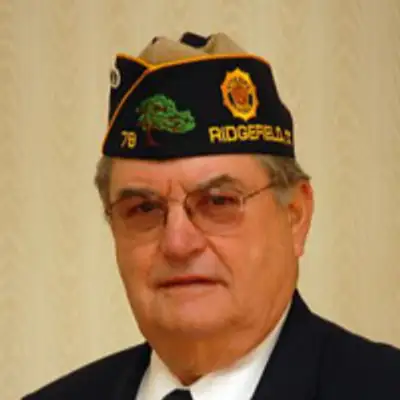
Jim Baker: [00:00:00] Hello everybody, and welcome to another edition of our Wisdom Series, sponsored by Summus Advisory Group. As you know, we made a little bit of a transition away from 50 Cups to Summus, and we will continue with Wisdom, also our Hot Takes, and our new business channel as well. Today though, we are honored to have a special guest, a good friend of mine, George Bessey from Ridgefield, Connecticut.
He's 84 years old and still extremely busy in life.
George Bessey: [00:01:00] Absolutely.
Jim Baker: And I thought it'd be good to have you on the podcast today. So thanks for being here.
George Bessey: Oh, thank you
Jim Baker: How's everything going?
George Bessey: Everything's going very well. Life is good. Um, as you know, I grew up in Richfield for 84 years. I did spend four years away in the...
when I served my country in the Air Force during the Vietnam era. But growing up in Richfield, it's a great place to grow up. Um, a lot has changed as you noticed on your way. But growing up in Richfield was, was super. We didn't, you know, back in my age, we didn't have all the amenities you have today. So when school was out, I mean, you had to find something to do for the summer, and usually that's going out playing with your neighborhood boys, picking up a game here and there.
But interestingly enough, you couldn't go out till your room, your [00:02:00] bed was made and your room was clean. Then you could go out, get on your bike, ride over to Jack's house and say, "Oh, Miss O'Keefe, can Jack come out?" She said don't worry, he'll be out in about 10 minutes," which means he hasn't made his bed yet.
So, but it was great. I mean, all... You look for things to do. You played baseball. You, you get a pickup game. Go in the woods, you know, catch frogs. Now- So we entertained ourselves ...
Jim Baker: and now the year you graduated high school was what year?
George Bessey: 1960.
Jim Baker: And how big was your class back then?
George Bessey: 60.
Jim Baker: 60 people? Yes. And now it's, what, 500 a class or something like that?
Last
George Bessey: year's graduating class was, was 430.
Jim Baker: Okay. And you played baseball too, right?
George Bessey: I played baseball. I played the catcher, and I was a outfielder. Mostly a catcher.
Jim Baker: And then from your family perspective, um, I know you had a mom, dad for a while, and you had sisters, correct?
George Bessey: I, yep. [00:03:00] We grew up with four sisters and no brothers.
So when I got married and had three daughters, I knew all their tricks. 'Cause I seen my sisters try it, so. And
Jim Baker: where were you in the pecking order? You in the middle, the end? No,
George Bessey: I was the second.
Jim Baker: Okay.
George Bessey: I had one older sister and three younger.
Jim Baker: And then when you were in high school, do you know what you wanna do at that point in time?
Are you thinking, "Hey, I'm gonna go into the military when I get out," or are you thinking of- No ... career?
George Bessey: In high school, you know, just had to get through high school, and I didn't... When I got out you know, my father was a carpenter. Didn't have a lot of money, so I couldn't go, couldn't go to college. So I was going, I was working at a gas station and going to school at nights, and I decided Because at one point I thought I wanted to be an air traffic controller.
I wanted to get in, you know, something to do with the airline industry. [00:04:00] And with the, don't forget, the 18, I had a draft card in my back pocket. Cuban crisis was starting to cook up, and I knew things were gonna change quickly. I didn't wanna go into the Navy. I don't swim that well. Didn't wanna go in the Army, and I looked at the Air Force had the best opportunities to go serve my country and come out with some kind of a career.
Mm-hmm. Which actually that's what happened. Mm-hmm. I went in there thinking, thinking I was gonna become an air traffic controller. That's what the recruiter tells you. But then, boom, once you get in- You signed a contract for four years, and it's their wish, it's not yours. Actually, I was considered to be it, but I had a stigmatism in that eye, so the guy said, "No, that's it.
You're not gonna be that. I'm gonna make you a medic." [00:05:00] Oh, I almost jumped across the table at him.
Jim Baker: So did you... When they were testing you, do you have some type of medical aptitude, or why would they-
George Bessey: Oh, yeah, you have physical, they call it your physical profile, and he goes let me look at your physical profile."
I just say, "Okay." "1111112. Uh-oh, that's it."
Jim Baker: But why medic? Like, why not a mechanic or something else? Is that just what they gave you?
George Bessey: It's just, it's just, it's just what they wanted me.
Jim Baker: Okay. So then you go to a little bit of, like, nursing school or something like that? How do they train you to be a medic?
George Bessey: Oh, man, I went through a lot of training.
You go through a pre-med training, and then you wait for orders, and you find out where you're gonna go. After pr- the pre-med, then I was s- sent down to Montgomery, Alabama, because I was chosen for, to become a, a radiology school, X-ray school, and that has set me up for the rest of my life, which was actually a [00:06:00] good thing because I've always been a people person.
Mm-hmm. So I, I liked working working with people, so.
Jim Baker: And then where were you stationed?
George Bessey: Well, I went from, basic training was in Lackland Air Force Base in Texas, and I was to go to tech school. I went to Montgomery, Alabama, and from Montgomery, Alabama, once you, you completed that course, you get your orders, and my orders were to go to Amarillo, Texas, and
Jim Baker: So you had never been out of Ridgefield for the most part, right?
You'd been to New York and some other surrounding areas- Oh, yeah ... but you never- Oh. So what was it like going down South for the first time?
George Bessey: Well, it was unbelievable because when I got down to Montgomery, Alabama, the civil rights has not been passed yet, so it was a deeply segregated city. And for this old Yankee, it was an eye-opening experience to say the least.[00:07:00]
I mean, they still had the signs, you know, white, Black here, this fountain there. When you walked on the sidewalk in Montgomery, if a Black person was coming in, they'd step off and walk in the road, you know, like- Also, this is crazy
Jim Baker: And were you in your class, were you, um, were there more Yankees there or were you kind of a fish out of water down there yourself?
George Bessey: No. My roommate was from Holyoake past South Carolina. He was a good guy. But when I got transferred to go up to
Amarillo, um, two of us went up there and he was from Jamestown, New York, so it was a mix. Mm-hmm. I, I mean, you got, you got a chance to learn about, you know, the whole country and different cultures, different habits, different expressions. But my my roommate was Frank Hawkins. Um, now growing [00:08:00] up down in South Carolina, what he did for a night for entertainment was go out and grab water moccasins and snap their heads.
I said, "Okay. Not me, buddy." So-
Jim Baker: And then during the day when you're in Texas, Amarillo, are you in a clinic and you're just taking the X-rays? Like, what's-
George Bessey: No, I was assigned to the 3320th United States Air Force Hospital Squadron. Everything in, you had squadrons. So my squad, I was in the hospital squadron, I was assigned to a hospital, and essentially it was working like you would in a ho- regular hospital.
Mm-hmm. You know, work of 8:00 to 5:00. Every six days I had to pull 24-hour duty for cellular study coverage. But one thing about being in a hospital, you wore hospital whites and you can tell anybody anything. Whatever you told them that they would do it, [00:09:00] and it really didn't make a difference what their rank was, whether they were a private or all the way up to a general.
Jim Baker: Sound like a pretty good job.
George Bessey: It was. Yeah, the be- number one hospital had the best food on base. We had very nice barracks. So that's how I served my time
Jim Baker: So during that time too, do you have a girlfriend back home?
George Bessey: Yes, I did.
Jim Baker: Yeah, who's now your wife, and- Now my wife ... so what was it like being separated and didn't you eventually get married, then she moved to Texas with you?
George Bessey: She was actually my high school sweetheart, and, um, we do this well, I do towards Veterans Day, we go into the, the, the high school classroom and, and we talk about, we conduct classes. In one class this girl asked me, said, "Well, when you're away, how'd you stay in touch?" 'Cause I told her, you know, Christmas time, you're s- you're standing in [00:10:00] line in, in a phone booth for two hours waiting to call home.
"Well, how'd you stay in touch?" I said, "Well, we wrote letters the old-fashioned way." And that's what we did. E- every Sunday afternoon I would write a letter, and I'd get a letter from Dawn. Now, Dawn's my high school sweetheart, and we've been married 62 years, so. And she was- I came home, got married. We drove back to Amarillo for a year or so.
Had my firstborn daughter, Debbie, was born in, in my hospital And she was the cheapest one of all 'Cause it only cost $5, 'cause I had to pay for Dawn's rations while she was in the hospital. Everything else was covered. So-
Jim Baker: Wow, that's a pretty good deal.
George Bessey: Yeah, it was a great deal. So.
Jim Baker: And so how long were you in the Air Force?
Four years. Four years, and then you decided to get out?
George Bessey: Yep, we got out and came back. Um-
Jim Baker: And are you employed at this point in [00:11:00] time, or are you- Oh, no ... go back and you now start looking for work?
George Bessey: No, while I was, now while, while I was in, um, x-ray techs weren't making a lot of money, and so I thought I'd go into become an industrial radiologist, so I actually took a course at Louisiana State University, two-week course on how, how to handle isotopes and industrial radiography.
And while I was there, there's a fellow whose company sent him there. He was from Danbury, Sperry Products, and they're involved in non-destructive testing, which means, you know, test anything non-destructively through X-rays or ultrasound or whatever. So he was so impressed that I had financed my own...
Everybody down there was, corporate was paying to... He goes, "Well, when you come back, when you get out, come see me in Danbury." I came back, and interviewed for a few places, and I went to see him, and got a [00:12:00] job in Danbury working for the non-destructive testing lab.
Jim Baker: And Danbury's the town right next to Ridgefield.
Exactly. So you had a very easy commute.
George Bessey: That was a good commute. And
Jim Baker: what were you doing then with, with this job?
George Bessey: I was the test I worked in the application lab. Our potential customers would send a product in especially if it has welds on it or they wanna check the integrity out without destroying it.
So I, 'cause I'm the only one who knew X-ray, I, I did all the X-ray applications. Learned ultrasound and other test methods, but, um, we tested all the fin all the blades, the fan blades for aircraft engines- Okay ... and material like that, so make sure there's no what they call porosity or holes in it.
Steering gears. I've been up to Saginaw [00:13:00] Michigan, um, because they had, when they extrude metal, sometimes they extrude it too fast. It'll get separated in the center, you won't see it, but it's what they call, like, chevrons. And goes in the car, that could snap, and you lose control. So that was very interesting.
Now, how I got back i- into medical X-ray was we had a... At that company, we had a, a management training program, and there was w- well, one fellow was working, you know, i- in the application lab with me, and one night we're washing our hands and he goes, "Geez, this recruiter called me. They want... This some X-ray company and they...
I don't know anything about X-ray. I don't wanna take the interview." I said, "You don't?" He said, "No." I said, "Well, give me the guy's name." So I called him up. I met the marketing manager in [00:14:00] Norwalk on a Saturday afternoon, and had a j- job with a, a major X-ray company, um, Philips Medical Systems, and it... That was all diagnostic i- imaging.
So it's... They did standard X-ray, they did MRIs, we had CAT scanners, so. And the job was actually on 42nd Street, only temporarily, because they were building a plant in Shelton, Connecticut. So that's how I got back into medical X-ray.
Jim Baker: And then how did you get into human resources?
George Bessey: Well, I was doing some administrative stuff, and when they m- finally moved to Shelton, they they, they had a- actually a factory and, you know, we had to have company picnics and all that.
And so I got involved doing that, and they needed a good HR guy. They said, "Man, you're very good with people. How would you like to do it?" [00:15:00] I was... So I took that job.
Jim Baker: Been doing that ever since. Yeah. And then obviously as time goes by, you then are representing the company, negotiating with the unions. Yeah.
George Bessey: Um- Well, I had a few times, I was, I was actually employee relations manager, and then because our factory workers got organized we had to deal with the union.
We were... Also our servicemen in New York City was organized by Local 3 IBW, Local 3. So after a while, you know, I got on the negotiating team and we've taken a, taken a couple strikes, but which is not fun.
Jim Baker: Yeah, I mean, d- that must've been... Was that something that was exciting for you, to be able to negotiate?
George Bessey: Oh, yeah, it was very exciting. The, the process itself is a lot of [00:16:00] maneuvering, a l- lot of negotiations, and you know what your bottom line is and what you can afford to do, and you just have to keep working to get them to accept it. I mean, if they don't accept it, then you're gonna- Um, take a strike Yeah And everybody loses on the strike
Jim Baker: So from a just a pure negotiating standpoint back then, did you always start out knowing it'd be a three or four-week process, so we'll start out offering very little, and then we'll continue to- No
move up based on what they're giving back, and then eventually you meet, but you know it's a game on both sides? Yeah,
George Bessey: everybody knows it's a game. You know, like how I was broken in. My boss goes, "Okay, you're gonna make the first offer." I, you know, have to offer them, like, a nickel an hour.
Then you see the, the eyes coming over across the table. [00:17:00] He set me up. So, but it takes a few weeks. You know, you always have deadlines. It gets to the deadline, then this is final and best Pockets are empty. You pull the... That's it. Go back and sell it to your membership
Jim Baker: Yeah, I always wondered why you couldn't, and I understand why, but it'd be great if you could do, like, a 25-year term, where there's escalations, you know, each year, but it always seemed like the agreements were, what, five years on average?
George Bessey: Yeah, usually these are three. Okay. Yeah, a three-year agreement, and they're always, you know, throwing you the cost of living index, and, you know, they always want more in their benefits, you know, more for, more in their pensions, and those things cost, and that's where the big fights usually are.
Jim Baker: So you're doing this, this time now, do you have all three kids at this point, [00:18:00] or...?
George Bessey: Oh, yeah.
Jim Baker: Okay. So Lisa and Diane are born, and then- Lisa
George Bessey: and Di- Lisa and Diane were born here in Danbury, so we drove back with from Emerald with, with Debbie in, in, in the back of our car. Had a little setup for her. It was great.
Now, today You know, you can't have a kid, you gotta have him in some kind of a space suit- ... strapped in the backseat.
Jim Baker: Yeah, that's true. So- I know that feeling. So, it was- Um, so how many years were you at Phillips?
George Bessey: 20, thir- 21 years. 21 years.
Jim Baker: And did they have... I know that back then it was probably, it was a little bit of a competitive environment and s- a lot of these companies were offshoring, being sold.
Um, so were you offered an early retirement at that point in time? Like, what happened?
George Bessey: No. At, at one point in time we were doing what they call [00:19:00] downsizing, and I downsized a lot of people, then I got downsized. So, um, so after that I went into s- started my own recruiting business. And it was, wasn't bad.
It was tough because I had a lot of connections throughout the whole industry and made some very good placements. But all of a sudden I got a- a- another offer that was more attractive, and it was a little company called ASG. So and that's, and that's- Yeah. And that, that
Jim Baker: role was in HR. They, 'cause ASG at the time, my company- We were small
We were small. We had no human resource leadership whatsoever. And, um, then we were big enough where we had to have somebody come in and, and help organize things. So you went from this big company to you being on your own for a brief period of [00:20:00] time, and then coming to this Wild, Wild West small company.
So what was that like?
George Bessey: Well, it's good. I thought I could, you know bring a lot to the table. It, it was a little bit of Wild West stuff. There was some crazy things happening there, but all in all all the people there were, um, all had the same goal. They all wanted to succeed and work hard. So, I mean, it was a, it was a great experience for me.
Jim Baker: [00:21:00] I'm sure you had a couple people that thought they knew more than you did, um, in reference to people and A- and, and human resources in general. Mm-hmm. What kind of techniques? How did you get them to listen to you?
George Bessey: Well, um, firstly, you listen to them. That's the key. A lot of people don't listen, and you just listen to them, and you, y- you kinda weigh out what they're saying, and then you know how to maneuver around 'em and, and convince them, you know, to do the right thing.
So,
Jim Baker: I mean- How do you convince them, though?
George Bessey: Oh, being a nice guy. You know? Yeah, yeah, just going over the facts, figures, everything, and just it's not, it's not, not too hard. Mm-hmm. I used [00:22:00] to being a nice guy, I used to, I call it transition people out of the company or fire them. If you ever had to get fired, you'd want me to do it.
So as a matter of fact, I had a reputation in, in Phillips. I was out doing a tour explaining benefits, all these co- all offices. We had 26 branch offices. So, you know, I met with a administrator. She's in the Huntsville, Alabama, and we'll meet for dinner and, you know. She goes, "George, word is on the street that you're not the man to have dinner with."
So I said, "Don't worry, you're, you're fine."
Jim Baker: Well, I think at ASG, if you were calling somebody into a meeting or you were paying a visit to their home, then you weren't Santa Claus at that point in time. No. Um, so [00:23:00] people knew. So now how do you overcome that? Do you just admit when you see somebody, like, "Well, you know why I'm here, so let's just talk and we can make it easy"?
George Bessey: Yeah, that's what I do. I said, "Well..." I'll ask them, "How do you think things are going?" And they'll tell me all this. I said, "Then maybe you'll understand our point of view that we have to do this." And they're- And, you know, you can't just walk in and bang them, but- Right ... usually I'll start off, "How, how are things going for you?
You know this happened. You, you recognize that? Do you recognize this?" "Yeah, yeah, yeah, I do." I say, "Okay," and "Here's a piece of paper." So yeah, w- you try to do it as gently as possible. Yeah, yeah. And get them to understand, you know, the... I tell them, "I don't make the record. You know, you made it, so let's talk about that."
Jim Baker: And I think some [00:24:00] people, especially in smaller companies that are, let's say, they're owned by the CEO, um, they wanna hire people that are similar to their way of thinking and their work ethic. Um, but I think if that was the case, a lot of people then would be them. They would own their own companies, and they would be doing what they're doing.
But in reality, there are, there are people that wanna run businesses, and there are people that just like being employees. And therefore, if you're an employee, you could be a great employee, but you're just gonna do things differently. So, but I think a hard part for the CEO and the owner is to let people go, 'cause they, quote-unquote, "feel bad."
Um, they feel like they let them down. Um, and I remember you teaching me that it's... if the business can do everything in its power to make that person successful, and at the end of the day, that person just simply isn't grasping it- Mm ... or for some reason, they're not on... they're on the wrong team. Maybe they're better off being on the New England [00:25:00] Patriots than the New York Giants.
So, you know, if you think that way, then you're not gonna... as long as you provided them the opportunity, you're not gonna feel guilty when you have to let them go. So obviously you had a lot of experience letting multiple people go during the years. Um, and I'm sure at night when you're brushing your teeth, you know, you're probably thinking about, you know, some of those experiences.
Not now, but way back then. Um, you know, is there certain things that you, you just felt comfortable with, that you needed to do every time you let somebody go to know that you did them... you treated them fairly, and you didn't feel bad about it?
George Bessey: Oh, yeah. I've had some painful transitions, especially when in a union environment where there...
it, it comes down to seniority. And I actually had this fellow who was working in the warehouse, older guy. He hadn't been there that long. He didn't have a lot of seniority, and they had to do a cutback. [00:26:00] And he actually was pleading with me not to let him go. He, he was on, on his hands and knees in front of my desk.
Mm.
That was tough. But, you know, it's, it's a contract. There's nothing I could do for the guy. And those, those are the tough ones like that. But if... I also had somewhere, I've only had one person try to come across the desk And it was a, it was a lady.
Jim Baker: Really? Yeah. Well, she, she was defending herself, I guess, and- Well- She didn't wanna take no for-
George Bessey: She got caught doing something in, in the warehouse during break that was inappropriate.
And it was, of course, it brought it to my attention, and there's nothing you do. You know, everybody said, "Don't talk to HR." I said, "You talk to me, [00:27:00] you tell me something, I am gonna have to act." So, um, we had to terminate her, and she was... didn't like it.
So, I mean, e- even in, in the tough times when, when we had a lot of drugs and things going on in the company and I had to terminate people I actually had a, had a clipboard, which was actually bulletproof.
Jim Baker: Really?
George Bessey: Yeah.
Jim Baker: So you just pulled that on your chest
George Bessey: or something? No, you have it right in front of you.
They pull a gun out, you put it up there. Just... Those are, those are the Wild West days. Wow.
Jim Baker: Yeah. That's, that's it's combat pay right there.
George Bessey: Oh, yeah. I probably should tell you, we had a small dental division down in Stanford. It was a, really a jungle. They had we, we had to put a undercover [00:28:00] guy in there to find out what's going on.
And there was, there's some, this guy was doing dope. Had a guy, a machinist making, he was making the silencers. He's from the Bronx. They had two Colombians were in the shipping department. They were bringing drugs in. Wow. It was, it was, it was messy. He had a foreman, some... The foreman was a big Irishman and, and he was tough.
If you came in late, he'd take your time card out, put it on his desk, so you had to go in and get your time card from him. And so he did that one day and this one guy must've been out late, came in late, and he had enough. He went out to the car tried to shoot him. Yeah, they, they had a shooting down there, so they sent me down.
So, well, it was funny, um, my... The, [00:29:00] the president of the company, after, he said, "You know, these undercover guys cost a lot of money. He said, "You gotta go shut this thing down." So I leave the office and he tells my boss, "Jeez, I hope he doesn't get shot." So that's something Don didn't know, so.
Jim Baker: Yeah. Wow, that's the craziest story. So you ended up shutting it down?
George Bessey: No, I went, oh, I found it, that they fired 12 people
Jim Baker: And it cleaned up after that?
George Bessey: Yeah, we cleaned it up.
Jim Baker: That's good. That's good. So you finish up with ASG and you, now you're retired retired. Right. And what year was that?
George Bessey: Oh, geez. When did we decide to do that?
Jim Baker: Like 20- 2009, 2010, something like that?
George Bessey: Yeah, something like that. Yeah.
Jim Baker: And then you started your next career.
George Bessey: My next career.
Jim Baker: So tell us about that.
George Bessey: Oh, you mean becoming the, the commander for the American Legion Post- Yeah ... in Richfield? Yeah, I've been doing that for 17 years. [00:30:00] Got one more year to go.
I mean, the American Legion is a w- what we call a veteran service organization, and it's a, it's a v- v- very needy organization because w- what we do, we're there to help protect the Constitution, promote Americanism, and b- be there for mutual helpfulness of other veterans. Um, so when I started- the, the only couple programs they had in place was the Memorial Day parade.
They organized it, ran it, and a Veterans Day ceremony. I, I took over. I, I went to my first meeting with the state was, they said, "Everybody thinks of these, our organization as a bunch of, [00:31:00] um, veterans standing around a bar swapping war stories. You need to get involved in the community. You need to get out and be known that w- what we actually do."
And our, our motto is "Veterans still serving America." So I, I got my marching orders from that first meeting and I've been running the program for, for 17 years. I started doing military honors, which was something that w- was needed. First one we did was for one of our legionnaires, um Frank Montanari.
Yeah. Yeah. So, so we said he had died. So we said, "Well, we got a bugle, and we got rifles. We'll just go over there." And we did, and it was a couple [00:32:00] army guys, they looked and, "Where are you guys from?" I said, "About a block and a half away." He said, "We didn't know we had anybody on this side of the state that does this."
I said "Would you guys be interested?" So brought it before the membership, everybody agreed to it. And they all agreed to, you know, turn the money, whatever we get paid from the state, they turned into the post. Now, the, the post, we're, we're self-funded, so I mean, we were low on funds, so that has become our major revenue stream And we do quite a few a year So for those
Jim Baker: that don't, that might be watching this, they might not understand what military honors is, so- Okay
can you explain that?
George Bessey: Yep. Military honors is an old um, is, is an old battlefield tradition back from the, from Civil War. When, in the Civil [00:33:00] War, they were fighting very close quarters, and, and the battlefield would get so loaded with, you know, all the dead bodies and wounded. They have, actually call a ceasefire, and at the ceasefire they would clear the battlefield.
Once the battlefield has been cleared they would fire three volleys notifying that the other side that the battlefield's clear. So when we fire three volleys at a funeral, it, it means that the person we're honoring, that their battlefield, they would clear all the battlefields in life. And then they play the Taps.
Now, Taps was played by a bugle. In the Civil War, the bugler was the main source of information. He was like their PA system. In the morning, he played Reveille, everybody get up, then you play Call to the [00:34:00] Colors for everybody to fall out to the parade field, and then in battle you play Charge or even, or he played Retreat, and at night in camp he played another tune called Lights Out.
So this general, General Butterfield, one day lost 600 men in one battle, and he, he s- somehow he wanted to h- honor them, so he got together with his bugler and they took the tune Lights Out and they modified it to what is Taps today, which is a very solemn tune. So we honor them, we would clear their battlefield, and obviously lights out, they're gone.
So it's a very moving ceremony. And you'll see when you start playing Taps, you'll see people get emotional or, you know, within, you know, the grieving family, so. [00:35:00] And for us- And how many,
Jim Baker: how many legionnaires do you bring for this? Is it three or four?
George Bessey: No, we bring three riflemen- Okay ... and, and a deta- what I call a detail captain, and the detail captain will play Taps if whatever branch of the service doesn't provide somebody to do that So-
Jim Baker: And does do the branches always show up also, or are they outsourced to you, to your post?
George Bessey: Oh, no. It w- would be the branches.
Jim Baker: Okay.
George Bessey: Um, no, everything is, everything that we do is by orders of, from the Connecticut Army National Guard. They give us or, you know, orders. We usually get... We're supposed to get a 48-hour notice. It's, it's more like 40 or 36. Then you have to put a detail together people.
And we have our own territory. I mean, we will go from Ridgefield all the [00:36:00] way up to Southbury or New Fairfield. We go out to Trumbull and down to Norwalk, and that's our territory. There are 10 other VSOs or service organizations that cover the rest of the state.
Jim Baker: And then you present the folded flag to the- Mm
to the family at the end, correct? If I have
George Bessey: to, yeah. We're, we're prepared to do that. Usually, um, you'll get two people from a, two, maybe sometimes three, from whatever branch of the service they were in, and they would either, you know, they would fold and present the flag. In their absence, we're prepared to do that.
Okay. So, we have a complete ceremony, and our whole goal in doing that, and we're very serious about it, is that we create the best memory we can for the family and the final salute to the to the loved one.
Jim Baker: And how many funerals a year are, do you or does your post do right now on average? [00:37:00] Yeah,
George Bessey: we average 145 to 150.
The most we've ever done in one year was 172. So and that tracks pretty well, you know, based on our territory. As they tell us at, at headquarters that we're on the quiet side of the state. Like last year, oh, statewide there was 2,644 military funerals. It was-
Jim Baker: Wow.
George Bessey: Yeah.
Jim Baker: That's a lot of funerals.
George Bessey: A lot of funerals.
Jim Baker: So I'm gonna give you a lot of credit 'cause I think before you got to the American Legion and it was not as influential, um, you weren't doing as much. And 17 years later, I think it's, it's probably one of the best run what I'll call nonprofits in the town. It's really is not
George Bessey: a profit. And
Jim Baker: What's your secret to success?
How did you get that thing [00:38:00] going?
George Bessey: Um, well- And how'd you get
Jim Baker: people... How, how did you lead those people so they would believe?
George Bessey: Well, number one, you have to be a veteran to be anything. One, one thing is being active in the community. These guys that join us wanna do more than just have a beer and tell a story.
I, I have members from Brewster, New Fairfield, Buffalo, because n- they said, "We, we searched around and you guys doing a whole lot," you know, and they wanna be active. And way they could do, you know, we have so many programs. You know, other, other than doing the parade and the Veteran's Day program, we put vets in the classroom, which is very good.
You know, we had two veterans will go into the senior the junior high school class, social studies class, and conduct each period during the day. [00:39:00] So, and that's, And the school wants us to do that. They invite us to do that. That, that's a good program. You know, we visit veterans. They will go and visit down at Laurel Ridge, which is a healthcare facility.
Mm-hmm. And we meet with all the veterans there. And one year, believe it or not we met the wife of the meteorologist who told General Eisenhower the weather was too bad, that you couldn't invade in D-Day. Wow. So I mean, you get interesting stories- Yeah ... from all these people.
Jim Baker: And you also sponsor a baseball team, right?
George Bessey: Well, yeah, we sponsor two baseball teams. That's another way of kinda promote Americanism. We have a senior, which is 17... They're 19 and under, and the junior team is 17 and under.
We've been making the playoffs, but [00:40:00] never make it all the way.
Jim Baker: So- And for those that don't know, George Steinbrenner was the famous owner of the Yankees. Yeah ... do you feel like you're the Steinbrenner sometimes, having to- Yeah ... recommend new coaches and do some d- things a little bit differently? Well
George Bessey: I- it's tough.
It... the program is suffering a little bit statewide. We, we were in the zone four, which was very competitive. And the kids who, who play American League baseball, a lot of them wanna, wanna play collegiate ball because in, you know, there's a lot of showcases. They are looking for legion players. A lot of Yankees came up through.
My hero, Yogi Berra, played legion ball. Mm-hmm. So did Mark Teixeira Phil, Bob Thaler. So it's a good stepping stone for 'em.
Jim Baker: So you obviously have a very big family now. So tell us about the family.
George Bessey: I had four sisters, no brothers. So when I got married I had three daughters [00:41:00] and no sons.
But now I have seven grandsons, one great-grandson, and two great-granddaughters, so the family has grown.
Jim Baker: It's balanced now, too. You got a lot of males now.
George Bessey: Yeah, I got my boys. I have my boys. So... And Michael's the oldest, and he, he's a, a physical therapist. And let's see, the Daniel is a, in accounting for Eliason, you know, the com- Mm-hmm
so, you know, let's see who comes out. So after we get Daniel, and then we have Eric. Call him Eric the Viking. He's a good football player, but he actually when he was in high school- He's a smart kid, but he didn't like academics. In 10th grade, they put him into [00:42:00] Habit Tech, which is a tech school, and immediately went on the honor roll for the automotive technology.
And left there, he got out of school. He got involved with a, a car dealership over in Mount Kisco, went to, to college, the Gateway Community College. And, and he now works for Ingersoll, which is automotive, the biggest dealer in Danbury. He has, like, three places. He is, They love him there, and they send him to all types of school.
He's been certified as a world-class technician, which is by, by General Motors, and makes a lot of money.
Jim Baker: Well, I tell you what, your other grandkids are gonna be a little jealous, 'cause you've given the Viking a lot of airtime here- ... compared to the others. Yeah.
George Bessey: And then Christopher [00:43:00] is well, Christopher he works he's actually I guess I'll have to call him a cider master.
He works for a farm that makes hard cider. Okay. He's, he's their brewmaster. Okay. So, and Kyle is in marketing down in New York. And, and of course Joseph is, is let's see, he's in, just kind of in high school. His younger brother two years behind. Of course Matthew, my great-grandson, he's four. He's fantastic.
All my kids are fantastic. I love them all. And how about the two daughters? And Caroline. Caroline is the you- newest, and we have Isla, is Eric's daughter.
Jim Baker: Okay. So. Wow. You passed the test today too. Yeah. That's impressive. So, um- All through life, 84 years, if you had to pick out one or two things that have [00:44:00] always motivated you, you know, what would you say they are?
George Bessey: Um, well, I've always been motivated. You know, I'm a people person. I've always been motivated. I love... People motivate me, and I love seeing them succeed, and I do whatever I can to help them. I mean, I've worked working with people since I caddied when I was 12. I was working at a gas station for years and just waiting on people thinking, you know, gas stations, that's when they had someone come and pump your gas- Mm-hmm
wipe your windshield, check your oil. You did all that? I did all that. So, no, I've always been motivated, and I, in being in HR, I was more of a, an employee advocate than, than I was a, a tough HR guy. You know, people always came to me with advice. I'd help them.
Jim Baker: I think all of us, when we go through experiences, we learn stuff about ourselves.[00:45:00]
You know, in your case, what have you learned about yourself over the years? That you're the same as you were when you were 11, or...?
George Bessey: Oh, no. What I learned a, a lot is so, like, you have to be self-reliant. I can't rely on people to solve my problems, and that comes probably from my mother. My mother, when I was getting ready to go out into the world, she'll say something, "When you find a thorn in your bed, you'll figure out how to get rid of it."
So that's meaning she had enough confidence that I would know how to solve my problems. You, you can't rely on everybody to solve your problems. You, you have to step up to the bar and, you know, and think it through and make a decision. E- if it's a wrong decision, learn from it. That's all. You know, go forward.
Jim Baker: Okay.
Um- [00:46:00] In closing, we always ask all of our guests to impart, in your case, five
Virtues, five pieces of wisdom, advice that has carried you through life that you'd wanna share with, let's say, high school kids or other people in general?
George Bessey: High school kids. Well, my advice is, number one always respect everybody. I mean, you don't have to agree with them, but re- ex- you know, respect their opinion.
You can agree to disagree. Always be helpful to someone who needs help, but don't expect a- any rewards from it. A thank you is enough. But you'll find out that those rewards will come tenfold by just helping, helping others. Um, and advice [00:47:00] is, if you become a parent, that's the hardest job in the world.
You gotta do your job right. Make sure that you teach them to be polite, respectful, honest, and always try their best. That, that's your... That's the best because you created a life, it's your responsibility to make sure they'll be able to succeed when you're gone. That's my philosophy anyway.
Jim Baker: And last question, how does faith play into your, your life?
George Bessey: Faith?
Jim Baker: Yeah.
George Bessey: Well- Um, growing up, you always went to nine o'clock mass. Went to all catechisms, so that's been always a g- g- good part of it. But like on Sundays, you went... Our Sunday growing up was you went to mass, you [00:48:00] had a nice big dinner. It was a f- family day, and then you got in the car and you went somewhere.
Don't even think about going out to play- ... 'cause it's all for the family. True family day. So, and we've carried that all through. I mean, my faith I think has carried me through some, some tough times. You know I've been very active in the church. I was an usher for 50 years. I was on the St. Mary's Cemetery committee for 10 years volunteering my time.
The, when they had the St. Mary's Fair, I did the I was the maintenance guy. Set up, take it down. Yeah, I used to call people, volunteers, and as soon as they hear my voice on the phone, the guy say, "Okay, George, what do you want me to lift now?" So, so I had a reputation, but that's all part of giving back.
You know, I mean, you, you, [00:49:00] you have to give back to the community and practice your faith. And so s- I'm still very faithful to my religion. 7:30 mass every Sunday.
Jim Baker: There you go. Good deal.
George Bessey: So, yeah. Yeah, there's a higher power, and I, I think everything, if looking back on my life, that he had some part of all these little...
You know, like just washed my hands when the guy said, "Hey, I don't even know, but actually you wanna take an interview."
Jim Baker: Opportunity.
George Bessey: An opportunity. Yeah. I think he, he did it.
Jim Baker: Well, this is great. I appreciate your time today, and best of luck in your future endeavors, and God bless you and your family.
George Bessey: Well, thank you for having me, and God bless you also for the opportunities you've given me in my life, so. [00:50:00] That's it.
Jim Baker: Great. Thank you everybody. Another sponsored podcast by Summa's Advisory Group. Enjoy the day