Subscribe
Share
Share
Embed
We chat with international accountant Michele Yianni-Attard (Future Insight), video expert Rachel Bryant (Your Video Team), Google Analytics specialist Mark Jennings (Stormchasers Digital), and Desiree Nurse, founder of Cleopatra’s Legacy CIC. The conversation ranges from making the most of exhibiting, to the numbers that really matter — and yes, even boobs get a mention. Along the way, our guests share insights from finance, video and lived experience, all leading to practical ideas you can use to shape a simple, useful numbers plan for your business.Become a supporter of this podcast: https://www.spreaker.com/podcast/the-women-in-business-radio-show--1228431/support.Created and hosted by Sian Murphy with regular co-hosts Michele Yianni Attard, Kay Best, Rachael Bryant and occasionally Adelle Martin.Find out how to be a guest or patron of the show at https://thewomeninbusinessradioshow.com
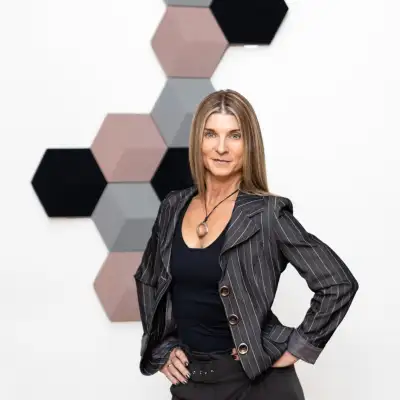
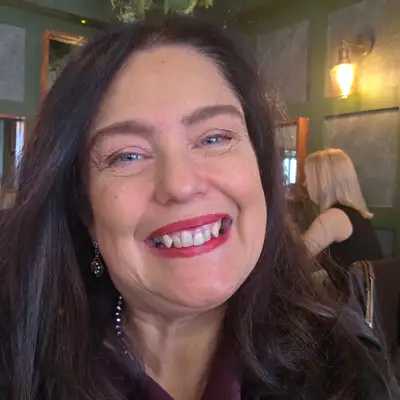
Tune in for fun, inspiration and unfiltered discussions as host Sian Murphy interviews down-to-earth businesswomen sharing ideas, tactics and stories.
Regular features include recommended books, tools, lessons learned and top tips for business.
Welcome to the Women in Business Radio Show with Sean Murphy, connecting women in business around the globe. Hello, and welcome into the Women in Business Radio Show studio. I'm Sean Murphy, and I actually I feel like I need to say something because I could be sounding a bit mad. So after we've had some really big events and things going on over the last couple of weeks, I've been absolutely knackered, actually really really really very very tired. However, that sort of past now, and so I feel like I need to warn people. I'm sort of like in full tiger mode at the moment. So that's it, really really ready for bounce. I'm not sure. I'm not sure I'm entirely grounded, but never mind, let's go forward. So who have we got in the studio today? I'm going to I have to get them to introduce themselves on account of I've written it down so I don't forget it, but I can't read my writing. So let'st. Going. Well, off you go you first, Michael. Okay, So Michael y, Hello, Hello, and where are you from? Future Insight Consultancy. And and Savvy Skills. Can't forget I know, we keep I keep forgetting it as well. But her can we. How can we? Absolutely savvy skills? Definitely, And we're based in Kent, So Lace and Graves So and. I'm Rachel Bryant from your video team. Just your video team is just one of us. And we've got studios based in Saint Michael's Intented. What a good job I got you to introduce yourself because I've got you written down here. I do it every time. Her husband and the other half of her team's Ben, and I think I must have known of Rachel Ben. And You're gonna have to change your name. That's really what would Ben think if my name was Rachel Ben? That would be really creepy. Changed his name as well, be Ben. That's good, okay. And also in the studio. We have Deserteness and I am a business owner for Cleopatcha's Beauty Spot and core Fung Love Cleopatcho's Legacy c I see. And we're based and Chatham. And Lovely Shop and really sort of an inspiring place to come and visit as well. Thank you. So today we're gonna be talking about exhibiting. So we've very recently had the Women in Business Big Show, which is a Kent based event, but it brings together people from sort of all over the southeast. We had local you know, we had all of our local local government there, we had our MP's, we had all sorts of people who are supporting businesses alongside us as a business owners ourselves. And it's a big event, but I think it's a friendly event. That's that's sort of what I wanted. And I think exhibiting is sort of getting your event, getting your business out there, showing what your business does. There are loads of ways that you can do that. You can come on the radio, you could you can come on the radio, you can start your own podcast, you can go to networking. There must be some other ways in the social media. There's social media. There are loads of loads of different ways to get your business out there. But potentially one of the I think some people find exhibiting quite scary sometimes. And I know, even though I run events, if I ever go and exhibit my business, I'm useless, absolutely useless. To be fair, how often are we telling you at your own event to talk absolutely. Actually that's not fear, that's organization. Yeah, okay, is that by the I have a little bit of a problem with time management. Sometimes I think everything will be done in thirty five seconds and so, but what tends to happen when you're running events is that it really doesn't matter how much you plan, something is going to go wrong. And at the moment what happens is that my stuff, my exhibitor, my talk, my bits and pieces are the things that get shoveled to the bottom of the pile. So that that is how I need to organize myself. But it can be one of the most expensive. It's a way that you can end up spending a really thousands, of course you can, and are you going to get your you know, the return on your investments? How do you work out where to go, how do you work out what to do when you get there, what to take, what you need? And so what we're going to be talking about is all of that alongside potentially what it's like to run an event, but also what it's like to sponsor an event. Because mckurl is the sponsor of the event, so is Rachel from your Video your video team, they sponsor the event as well. They also are working at the events also part of the event. That part of the experience absolutely, but other exhibitors get to do and desert. Really, I'm never going to say this right is it? Does it? Okay? Okay? The reason I'm having I want to say, Zira is that okay, And that's why I'm getting confused. That's right, okay. So Zira is a VIP exhibitor and really, to my mind, actually has deals with things that are sometimes really difficult to deal with. Actually, because a lot of her clients have had breast cancer cancer some sort of description. They may have lost their hair, they may have lost part of their breast, they may have lost a lot of stuff beyond what happens to them as part of their we'll call it illness. And that can sometimes be something that people don't want to talk about. You know. Do we want to go to events and then talk about these difficult things? Actually probably we don't. We may need to, but we don't. And what I noticed as I was walking around was this here. I was always talking to somebody. She had a lovely team there. There was always something going on around her stand, and it was always happy and smiling. It was interactive and it was good fun. Thank you so much. But before you go any further, I think when you talk about going out there and doing showcases and exhibits and stuff. I think knowing who is putting it on the exhibition, I think you made that phenomenally welcoming. And I think you've had a lot of work in terms of knowing who to put where the layout. You made it comfortable for people like myself, especially when you're talking about stuff from that level of sensitivity, so they sort of partner in and where you place stalls and exhibitors. I think that is supreme knowledge, which is that's off to you. Amazing, Yeah, thank you, do you know what? I think that makes it easier, and yes, we talk about stuff that people don't usually want to talk about, but I think it also matters in delivery. So I think once here, embrace the conversation and you know it's true to heart. I think once you show people that you're woman welcome in, I think it makes a lot of difference. And it takes away to stigm, money, to boo from all the topics because we because we're all inclusive, because we have that experience, you know, we make it easier. And then we talk about all own health challenges and by doing that, you make people feel a lot more relaxed. Yeah. Yeah, and once you do that, that's it there. Yeah, I think you know, when you're dealing with people's health, there's a lot of fear around cancer, isn't there. It really is. And when you when you're talking with somebody who's been there and understands and guess what is still upright, yes, and doing stuff, Yeah, it can be really really inspirational because it can almost feel like that's the end of it. Well, that's it, that's it's over now, isn't it. It's going to be a steady decline down into the hospice and that is very rarely. You know, that isn't the outcome for most people. But you know, as soon as people start talking about cancer, suddenly everything sort of seizes up. Yeah, and agree, you know, I think sometimes you know, I've heard about people who who may have, say, you know, sort of congestive heart conditions and all of this sort of thing, and yet there doesn't seem to be that sort of scary, scary, sort of panicky alarm around it, and yet the prognosis could actually be far worse. Absolutely, as I said, is having those conversations and showing them because I think again, with the medium particular to sure you're the negative side of it. But because we have those one to one conversations with people, we can then interact with them in a positive way. And what we aim to do is restore that confidence because I think any sort of health challenge that you have in noxic confidence, especially in terms with your aesthetics and how you look and how you present. And we know that as four women sit in here, we know what that looks like. We actually want to just say what it is that the Zier does because whilst we all know we do we know got into that being an amazing woman, other people don't actually know what you Let's say what you sell? So what do you do? So in my we have a salon and inside that salon we have a one sub solution for people who go through cancer, primarily in particular breast cancer because that is the one thing that we've seen with significant rises. So what we have is we do specialize wigs, mostectomy wear, breast forms, adhesive eyebrows, adhesive nipples and everything that you would need in terms of pouches and when they go and phase surgery and how we can support you through that. And one of the main reasons we embark on that outside of all the other illnesses that you might have, is, as I said, the significant number of people that is affected with breast cancer. And in addition to all of that, we do that in a salon base where it maintains a lot of discretion, so nobody knows exactly what you're coming in for. We have a private room that we can do the fit in for you and there's no stigma attached to or she's went in there for breast form, or she went in there for a wake. Nobody can tell. So that is one of the things that most of the clients find, you know, ultimately fantastic. In addition to that, as I said, because of the rise in breast cancer, we've embarked on doing breast health seminars and breast cancer awareness. So we go out into the community anyway that will have us. We go to a women's group, churches, schools, colleges, workplaces, and we do breast cancer awareness. And on the back of that, we want to reduce the amount of people that we see walking through the doors needing wigs and needing mistaketomy where and needing breast forms. And if we could reduce that number because breast cancers wanted the cancers we could actually do something about, do you know what I mean? So why not tackle that head on? And one of the things that in the salon, while we have in customers here on a regular basis, we see repeat people. So people come in this week for their extensions or washing blowsround, they're coming in four in eight weeks. So while we having those conversations, we realize that the lack of knowledge they're have in terms of breast health and all these different things. So we tackle that head on once you sit down in the salon, so we change and re educate people about all these different things, and we touch on a lot of different issues in terms of prostate cancer and everything that can impact one's life. And we also encourage the individuals to encourage their partners, their loved ones to go and do the screening and the checks and stuff like that. So what we do in that salon is absolutely, as they would say, a holistic approach and we tackle it head on. So, hang on, I may have had a misconception here, does that Does this mean that you have a salon a shop as well where people can come in they don't have to have been coming in because they need their their breast sorted out. They can just come in and have their hair done like a normal you could go to any other head I did not know that. It's almost it's almost like shop fronted as a hairdresser and the breast screence. Okay, I've got another question. Does that mean I could come to you and have been measured for a bra? Yes? Right, Yes, it's actually one of the things I'm sort of aware of this myself as an older lady, is that you're you're sort of having a well fitting bra is something that actually really affects your how you looking. So it's one of the things that can i say, spruce you up, but actually make you look taller, more confident, simmer together, which all of these things I'm trying to I'm not necessarily the younger I am. You know, I am what I am. I'm not hiding that, but but it would be good to look like more together. So it's really difficult actually to find somewhere that will measure you. You know, there was a goodness mark suspenses do it. But I'm the sort of person who just rocks up and goes can you say that, and they go, no, I'll book you in madam in the next appointments in seven weeks time. I took that and well, of course that didn't happen to it, Okay, So there we go. There's a solution there. That's that sorted. But just just on the back of that, what we do, especially for people going through the health challenges as were all for free fittings. So we do free fittings for weeks, and we do the free fittings for the mostectomy where and breast form or we ask for his donatians to keep keep doing it because it takes time, but it's free. So you just call us up and we looked at appointment for you and we get out fit and done. So that is that's one of the things that. We do right then. I also because I've had breast cancer and surgery and I was very, very lucky the lady who sorted me out was also a cosmetic surgeon, so I'm not too sort of lop sided, but I am a bit I've got Can we call them boobs? I think we can. I've got one boob that's sort of quite a bit smaller than the other one, so I can't say it bothers me. I'm not I'm not going to be having the rest of the plastic surgery because I don't think I need it. But it is still sometimes a problem when I'm when I'm being fitted for a bra, because it's wait, isn't it. It's a balance and that sort of thing. So you still want to dress nice, you want to go out. Yes, you might have a lower cut top and stuff, and then you wanted to have that busty look in that line and you don't want one to look smaller exactly. Get them out so we can so we can inspect them now. But it's not anything that bothers me that much as far as the look goes, you know, But it is if things are unbalanced, because that can affect your that can affect your back, all of this sort of thing. And it does. Actually I do have you know, I sometimes suffer from muscle muscle pain where I'm working, and you know, some of that could be attributed to having a bra that actually is based on you having two boobs that are pretty much the same size. And my aunt, of course, that confidence comes in so many different ways. And I mean we spoke outside about hair and to me, I would quite happily tomorrow shave my head board. Like hair for me isn't an identifying factor that doesn't bother me. And I love a good wig and I love color and go for it. But my boobs are an identifying factor for me, and they bring me so much confidence. So so if I lose that a part of me, that the ripple effect that will go with that, I could handle the chemo because, yeah, shave my hair, have it, but actually, no, don't take my boobs. Yeah, actually a minor as well. It's so great because mine was rebuilt. It's not I personally don't think it's I. Would never have known. I would never have known if I take If I should have stood there, I've got no clothes on, you you would you would notice. But when I'm dressed you can't tell. You can't. But on the back of what you're seeing is that when I say we, you know, primarily we see more people with cancer. We also see people with uneven breast and that is a thing that a lot of people suffer from. And recently I had a lady with a bea cup and a f cup and that might matter to somebody speakers to somebody listeners here, but that is a significant different. We have a lot of young people that would stuff the braws with socks, and you know they've talked about events where the golfer and the passion and the sucks for and you know what I mean. They also have prosthetics that you can use, and everybody can afford cosmetic surgery. Of course they can't also have people that have reconstructive surgery and it didn't take it. Reasons or they don't want it. I have so I have. I have a small back, yes, but big boobs, and it's very difficult for me to actually find something in the size that I am. Yes, you know, so mark suspenses in theory they have them, but they very often don't have them in stocks. So I ended up with like manky old, where were the elastics? Goes this? Like forty years underwire? It's the night the amount of times you've stab under the army if you could see. It's all now, we're all we're all poking. So we actually have a solution here. I know, I did not realize that you did that. So my solution is to go along and actually get get measured and fitted and get something you know, even if it has to be ordered and in stop and. Have the conversation. As I said, have the conversation. But a lot of people are quite sensitive about stuff like that. And this is one of the young ladies that I've seen. She's thirty eight now and she has had an even breast and I was four person in her life that has seen it, even her partners. She would be under cover and stuff like that. And the confidence that she had when she got the prosthesis that the partial breast form, she was literally over doing. What is you see? You're talking about this and I'm imagining putting a little thing in your brain. Yeah, it have a little bit. So it's different. Yes, so the bras the mistectomy where it's pocketed specialized pocketed bras to keep those in place so you can jump in a festival and I can do what. It doesn't move, but it's a specific material that they used to make that way. And they have different sizes and we have different colors. And equally when I say we're all inclusive, we also see people that is trans transgendering and don't know what size breast they want to go for so they can come for fitting they can get a size and another exactly and it'll be like, okay, I'll keep this, and then in a yes, they're like, I'm not sure what I want, but I want something bigger, and. Then we'll do that. So when I say we see everybody, I mean everybody. And I don't think you have enough time on this radio show for us to go through the lists. But in terms of what we do, what we do is giving your confidence back. We give it back in dignity. And if we can't find a wig, fear, we will get a here piece in place. We will get we will make it. We see people with cocklear implants and people don't think about that, and they're going through Keemo and they lose their hair and they'll come and they'll get a wig and be like, but I can't fit it because I have that. We would make alterations and we would make that work for you. Do you see what I mean? So we would cut into that wig and do what's necessary to make sure that your cochlear implant is fitted, it isn't obstructed, and stuff like that. And the level and the difference of people that we see in that salon, and again maintaining discretion nobody knows. And for a lot of people that like to keep things private, they don't want friends and family know. And I might add especially in the sult Asian community where the very secretive and they here is the pride and joy and they don't want nobody to know. People come in there and have to put the wigs in a sainstory back because they don't know nobody to know is a wig. But it looks like they come for washing a blow dry, do you see what I mean? So the discretion that we offer the salon and we meetainly needs in a lot of different ways in terms of your breast health and all these different things is mind blowing. I mean, if you spend a day dare, you'll literally be in awe and be like, I can't believe this, but that discretion. I think we need to have an outing all sorts of things written down here what we're going to be talking about. Nowhere does it say boobs, But that's the beauty of this show knows what we would be talking about. Interesting fact, you said that you're doing something related to schools. Yes, so are you also teaching the teenage generation that are starting to mature and get you know, to check themselves. So we've actually had a meeting just recently in terms of mid Kent College. But a lady, a lovely lady by the name of Becky Farley, and when she saw how we were utilizing the hear addressing space, invited me to talk to the here addressing classes that they do in terms of how to use that space. But we also go to different schools, even with additional needs, and show them how to check course properly and what to look for because the younger you start and you're familiar with what's familiar what's unfamiliar exactly. So what we try to work on a lot is early detection literally save lives and equally not just save life, but it reduced amount of time you have of you wouldn't necessarily need a mistectomy in terms of rest so anything, because you. Can just do take on a lump do you know what earlier. But if you're familiar with what you have from young and you knowing when to check, so highlighting when you're doing your cycle, you don't check exactly, then you wait a week after so and then you check and you get familiar because you know when your hormones change so we do that younger because again, you know, once it equipped with the knowledge, you know, it changes generations. Especially being diagnosed much young younger. Exactly, monograms are not given to the younger generations. Yeah, because yeah, but unless you've got family. History, and even then even and it don't necessarily give you a mamogram. It depends on how you present. But that we also teach people it's hard to advocate advocate for yourself because if you know you have a family history, and you know somethings of feeling right exact, then you can go in and say, listen, I really needed to check this out, because a lot of the times are like, oh, even though you have a family history, it's like no, well you don't need to is fine? Or you don't need to. And what we find is having those conversations and a lot of people get dismissed quite a lot. I think. I think the other thing is is that you sort of want to be dismissed, don't you. You know, if if you if you've got something that doesn't feel right in your boob. I know when I found that this lump it, I don't know, I can hardly feel anything, and I wanted the doctor to go, don't be silly, you go home. Yeah, fine, it's nothing, it's a little blobby thing. It's assist. That's what I wanted. And if he'd have said that, I would have gone and that would have been it. Yeah. And I think that's another thing if people perhaps don't push to take that further because they're actually being told what they want to hear. Yeah. Yeah, And you know what it's so expensive is the brackle. Yeah, you know, test and see if you've got breast cancer already in your genes, yes, and if you've got family and then they'll check here yes, depending on that, but they should be checking anyway. It's so expensive to the NHS this check. I think, like you say, the discussions of teaching, you know, young girls and things, but I'd also go with like teach teach your sons. Is that teach them as well? Like might like obviously gret Ben knows my boots very well, but he has had and gone, oh is that normal? And I'm like, oh, yeah, no, that's fine. That's always been. But boys, men get breast cancer. And about me as a woman, this is about you, And I mean I always remember, like my mum had a lump a number of times and she would say, right, feel here, can you feel that and see how it moves like. So I was very fortunate and we were a very open family and had that discussion. It was assist. She used to have it trained. Every couple of years it would pop back up again, but she said every time, she'd always say, go, I want you to test it further. I want you to make sure because you just never know when the one you got complacent with your sists. But I funny, sorry, but the funny thing is you said that in from twenty twenty from twenty fourteen to twenty twenty two, we've seen over four hundred people that was referred to us from Midway Hospital with one type of cancer or not. Eighty percent of that was breast cancer. And of that eighty percent, sixty three percent was partners that fung the lump by accidents. So when we go out we also address. Men in terms of what to look for, on how to check and increasingly is breast cancer in men on the rise in the yuki, so letting them check themselves. But I think again, more you know when you a'm them with the information and the sort of like the tools until of awareness hole to check what exactly to look for. Again, you're ticking those boxes and you're saving generations and you're saving family from a whole heap of upheaval and trauma. And it was right in terms of the young men, because the young men they have girlfriends and you know, partners that the experiment with. But they'll know because they'll be like, hang on, this doesn't feel right. And I think that is fundamental. Of course it is. Knowledge is power. Yeah, it is absolutely right. I am going to say thank you. I think that was a really really useful conversation. I now know where to get my brass sources out. So all of those mankey old stretcher last things falling off the shoulders, I know nowhere to go. So but let's move it off with boobs and let's go back onto exhibiting. So we have this event. Let's look a little bit wider, you know, a little bit beyond the women in Business big show, because that's one type of event, and perhaps keep it a little bit broader as too. We learned from that and potentially other types of events, how to choose the sorts of events to go to and just maybe anchor it a little bit in the experience of that. So what is something that you have learned about exhibiting getting your business out there? And it can be as practical as making sure that you have a tablecloth that fits over absolutely different sized tables. But Michael branded. And so basically it's branding for me. We always do the Woman in Business show every year and because we just want to give some knowledge to people starting up their businesses. You make lots of stands and stores there and talks and things about people that are in business don't know where to go or they need to discuss, you know, startup ideas and things like that. So, you know, just branding, branding what you do, so letting people know, especially there's magazines you can go into which is your You've got a couple of magazines that you can go into and raving about it. I always do a video when I'm going in and out of the place where I'm going and talking about it and talking about it afterwards as well. It's so important because you'll build your brand in people start listening to what you say and say, oh, you're at that event, maybe I should go to that event because that event looks good and it looks like that's the place I go for knowledge, and not just that. You're building relationships with everybody, because you start to see the same people every end and you're giving them cuddle. And yeah, how are you? What's been going on for last year? So it's really important to build those relationships. And I always find that these kind of events will be building relationships and networking. There's some lovely networking events going on at you know, going around like you've. Got the ladis at late. You can start start off slow ladies like late. Its very gentle to go to and you just have a cup of coffee and say hi. You know, your host will say what brings you to lagers that laste today? And then you know you'll find that other people in the room are really interested in what you're doing and stuff like that and what Sean, we had a discussion previously in the past that people don't realize they have businesses, and they think that although they work part time and they're doing something else, it's just like a hobby getting extra income. Actually, you've got a business. You're self employed, yes, yeah, so you need to ramp about it. You know, this is your passion. Do it take yourself seriously. One of the things that you just said there sort of sparked something in me that I'm I'm always saying to people. You know, one of the questions that I get asked not all the time now because people that are booking in for a lot of my events coming back, so they now know, don't ask me this is how many visitors are coming? How many visitors do you get in through the door? O. I think one of the key things is that people are missing a trick about how to use events. It's invite people along. You know, you're there, you've paid, you have your stuff there, your business is on show. Invite them along. It's really quite relaxed, isn't it. You know, if there's somebody that you would like to be, you know that you would like to become a you would like them to be your clients, exactly, invite them along to an event, you know, I mean with with my with with the Women in Business big show, it's actually free to come in. There may be others where you may need to invite them along as a guest and pay for their entrance, exactly, And it's quite if the event is free for people to come into invite them along, saying look, i'm here, I'm here between this time and that time. Why don't you pop along along see me hi, I'll get your coffee. And that What a smooth, sort of non hassling way to actually get to have a proper chat with somebody and to invite them along and see you haven't got it. It's not hot and heavy. Not inviting them to your office. You're not going to their office. It doesn't have to be this sort of you know, hard appointment time set. They're just coming in and they're going to see you, and it's your opportunity to actually sort of get stuff out or show them stuff that it could be awkward or not that easy to do under the circumstances. It's a buz a random stool that then other people who are attending go, why is everyone over there? Absolutely crowd? So it do you know, instead of relying on the organizer to bring you in, I'm going to say sort of random visitors, you know, make sure that you're using the whole thing as the whole exactly and bring in your own visitors. Use it like that. Sometimes I think there's a fear that if you bring in somebody to meet you that they might see somebody else. Yes, but you know that's not going to happen anyway. But I think even if it happens in that capacity, you have to then ask yourself. Why would you be afraid? Because if you're delivering a service and you're given one hundred percent of yourself and you build that trust, those connections will automatically staying loyalty with stay with you. But what the wider. Question there is, you know, you're opening them up to a realm, a world of different businesses, do you see what I mean? So they're not just coming to see you, but it could potentially open up a different world for them. So in terms of that sort of come in and visit and then everybody there asking other visitors to come. You know, it's a different world. Yeah, it definitely is. It is, and I think it's important, you know, certainly in the days of social media, and you know that's where we see so many people now with social media, isn't it is to have that connection with somebody. When you invite somebody in to see you exhibiting, you're sort of inviting them in, not to the jungle, but you're they're coming to see you in your habitat. You're part of a community. Visible. They can get their hands around your throat if they need to. But it makes you real and it builds confidence to be seen as part of a community as opposed to somebody on the phone or the website or god help us, the chatbot. And so it's a way of going, hey, do you know other people know me, other people like me, other people trust me. I'm known, they reach me, you can reach me. This is where I am. And I think that's a really valuable thing to do. Absolutely, I love that. Yeah, so. Rachel, you were as also as a sponsor but also taking part because you were interviewing our VIP guests. You have a massive stand there. It's all set up with your staff and proper, proper equipment. It's not like me trotting along with You're having a good time speaking to this, so it's it's like the proper kit in it. Yeah, we have a portable podcast studio video podcast studio. So it rocks up with us because we found that actually the best way to show people, to tell people what we do is to show them, and so why not give them something to come away with them the day that they're going to be going, Oh my god, I got interviewed and here's that interview. I mean it does us a favor because it's got all our branding in the background, but also weird, it's our way of cheerleading and thanking all those people who have come for the day and spent that time with us, told us about them and their business. And I think it's it's that measuring that r OI as well. We spoke you spoke about it earlier, and to us, our measure is never how much money we make at these events. The comment I love the most is you guys are everywhere. You're like a bad smell and I'm like, that's you know. And we have people come and say, oh, it's were a comic book the other day and I thought it was you and I'm like, yeah, you know. And that's what our ROI is, is that we are everywhere all the time. Because now I think we did just under thirty interviews at the Big Show. You know, that is thirty people who are going to be sharing their video. We did fifty at the Big Festoon. We did you know, We're going back there again. We've done the women in business twice. Now this is our second year doing that, and now this is it's it's free advertising. So showcase people what you do on the day, and then work out a way that they're going to share what you do with all their audience. And I'm glad that you mentioned ROI because I think this is the way that I sort of started out going to events when I was really quite naive, and I assumed that the more money I spent on an event, the bigger my return on investment would be. That was the first thing. The second thing I assumed it would happen straight away. But you know, you you know, if you spend one thousand pounds in it, then you know you're going to somebody's going to trott in and you'll sell a website or whatever it is you do that day for a thousand pounds, and it doesn't. That just does not happen. You are you're looking at making connections that money, if you like, all that investment may come back to you next year. So if you need the money that you you know, what I always tell people is the money you spend at an event is gone. Forget it, it's lost it. You know, if you need that money to pay next month's rent or mortgage. You're not going to get it back. It's it's the minute it leaves your bank, it's gone. You don't use this analogy the other day is it's not about paying for that to go right. I've paid a thousand pounds to be at this event. I want to make it a minimum of one thousand pounds back. When we buy a hoover. You don't turn around and buy a hoover and go right, how much money is that hoover going to give me back? You go? Is that hoover going to vacuum the dust? Not if you never give it. And that's the things like our very first exhibition we must have spent I think it was nearly three and a half thousand pounds to go, but that was because it got all our backstage, all our back ins, all our roller banners, are some of the uniform, all our giveaways, everything like that. But we're three years on from doing that exhibition. I still use the same backdrops, I still have some of the give well, I'm nearly running out of the giveaways now, but all of that thing, you know, I still wear my uniform. So actually that's done. Me three years worth of things. So it's well and truly made its money back, but it didn't physically give me money. And it very very rarely will and that's just a fact of life. So you know, think about that very carefully. You know, if you are new and business or your cash flow is low actually and somebody's saying, hey, it's one thousand pounds to come and exhibit, you think, okay, that's going out of my business now. It ain't coming back in. It's gone. Is there another way that maybe I could spend less money. Is there some networking that they could go to? Is there a different way of me making those connections at the moment. It's also one of the reasons why I have stands there for forty pounds, because forty pounds is for most people. You know, you can't even go and get some nasty bits of sort of chicken and chips and a coke for that now. So it's a decision between going and having an average meal out and going and exhibiting your business for most for most people, that is not a deal breaker. And you can and most people can afford to well, okay, meal or exhibit, let's make that choice. But a lot of a lot of exhibitions are not like that. Again, consistency is a thing, right, So we've this was our third year with the Women in Business Big Show. In the first two years we didn't make money, if you like, I didn't get business out of it. But for this year, we did it. We met Actually, so what. Do you think, because that's that's really really important, isn't it. What do you think made that difference this time? The relationships that I've fel So it was all the other exhibitors in. The way, so it was being seen again Yeah, yeah. And it was you know, like Michael, You're like, oh, have you seen your video team? Have you been there? We're going, oh, Future Insight, Well we use them. We met them at the Women in Business We're all talking all the exhibit con talking about all the. Other I'll tell you what that actually is key. You know when somebody says to me, how many visitors come in through the door, and this is such a common question with people who are new to and it, you know, to an event. You know, there's a couple of things that I say is you know, if you you can be rammed with visitors and they've come in and they're just trotting around and you hand a load of leaflets out across the table. You don't have any proper conversations, and then everybody just goes home and you're five hundred leaflets down. Actually, when an event isn't that busy, you start to connect with the people that you actually have something in common with, which are the people either side of you. They're your other exhibitors. And there's something I do that is quite definite, and I don't think a lot of people realize that it happens or why, and that is our visitors to the Women in Business Big Show do not have lanyards. They have nothing. All of the exhibitors have lanyards. And that's so that you know who your other exhibitors are. Yeah, that's true. And if you want to get down that like bare bones, you're there to make money and ultimately, who are the people who've already spent money to be in that room? Exactly the exhibitors. With the money go build those relationships. Yeah consistently every year. Yeah, so sorry, no. On the back of there's a few things that you'll mention here. One is business startup and if you're starting a business mindful of your branding and stuff like that. The next thing you're talking about in terms of exhibiting, networking and stuff, I think for me personally, even though I've been in business for over eighteen years, I have only recently started a network, and I think what is fundamental here is the investment, the initial investment. You have to take your time to build. A reputation exactly when you make those connections. There is an element of trust. You would not get that street awak, no, you would not get that in your first exhibit. You would not get that in your first networking session. But it's building. So you have to be mindful and really, really you. Have to strategize exactly once you build those connections and you build that trust amongst not just the exhibitors but the visitors, then you can possibly see ritten and investment. But it would happen straight away, and it might happen in a year. It might not matter you. Said two years, but it will be sure to come because your name will be getting out there and it will be like you're building trust amongst that network of exhibitors, and it'll be like, oh my gosh, yes, so you were there last year and you're consistent. You see that consistent word. That is amazing. So for new people that are starting up in your new businesses and stuff like that, believe you me, listen to these ladies around this stable. Yes, you were a wealth of knowledge and wealth of knowledge there. So showing up again, yes, And I think that that goes with so many things, doesn't it. So with advertising, you know, if you have a look at the papers with the sort of advertising that goes on, you'll see the adverts that are in there. They're in their week after week, month after month. They're in there, they're moving on, they're consistent, they're in the same place. Because a one off advert, pop up, arrive, do something massive is not going to get you anywhere. You need to sort of be in there for the long haul. Yeah. Now, I'm not saying you come along to something an annual event like the Women in a Business big show and go right, well, that's it, I'm committed here for the next ten years. But you do need to sort of think about that. So is this somewhere that I want to come back to and just have that and have that in mind. And if you've already been along to one event, you're thinking right, well, okay, well I'll try over the course of the year. In the next three years, I'll try all of these different events. That may not be the best strategy. You might want to think, Okay, what events did I do last year? Yes? And instead of going, well, I didn't meet anybody, nothing happened, I didn't say anything. Okay, is it happening again? Right? Okay? How can I improve this time? Who else is going? Let's go back, let's get seen there again. You know I was learning. Now what if I learned from that event? What can I change for this event? And don't be put off? Be put off because you didn't, you know, make a million at the last one show up, because it does happen, doesn't it. That is very valuable information. And on the back of what you just said, Colonel Sandals, KFC McDonald's, they're. Still advertising to d ye know what I mean? After how many years and the name is still generations, But it's still advertising. And you have to be mindful. And recognizable and also I think approachable. You know, there is nothing worse than being at an event with a card thruster exactly. Oh, I don't like it. You know, a card thruster who doesn't listen to anything you say. They couldn't care less who you are. All they want to do. They're convinced they've got the best product in the world and all they want to do is tell you about it. And they're quite shocked when you go, actually, I don't want that quite right now. It's quite offended and stump off they do. Do not be an attendee salesperson. Do not rock up at that and come and speak to me and go what do you do? And then go, well, I do this, And if I could only think, nah, don't do it. Do not try and sell to me, because. I actually and I haven't asked this question yet, so I possibly should have asked it before we went live on air. There is an event that has been in Kent for a while which is not there anymore. It's quite a big event where they were plagued with that it was a free event to come in with and basically, as an exhibitor, you just stood there while all the visitors you didn't pay you to be there, came up and tried to sell you their stuff. And so they put up little signs which said basically please do not try and sell to me because I paid from my standard, you haven't. And I thought, do I want an event full of those nasty little signs? Actually no, I don't. So I go for a little bit of self policing. And the other side of it is, I also don't think we've had a problem at the Women Big Show. And I think that's because people know who exhibitors are. Yeah, that's true, and I have. We did have one problem one year with somebody, and it was sort of brought to my attention, but by the time I went to do something nicely about it, some of the exhibitors, actually, do you know we're here, We had your back, We're here talking, We're here talking about our business. You could be an exhibitor if you wanted to. Exactly ex exactly you've got something to say. Yeah, And so I'm not sure why we don't have that problem, but we don't, do you know what? Idea on what we did on our table. We just opened a box that said put your business card here, So people were putting their business cards in who were not exhibiting. But we're going around and it's a good way really, so and looking through that and contacting them and say thank you for coming, Julie, we've been a spun and stuff like that, and we've had some really good positive feedback from that. That's really good. Yeah, so other tips that have come out of your experiences with exhibiting anymore. So I think we've done and we're down to you now to say, right. Well, I think I think i've interjected with as much as you know, consistency, I think building trust, I think managing your expectations in terms of your return when you pay for something like that. I think you know, ultimately carry a brand and carry a brand proud. I think build that trust, those connections, and it will take time, I think. And once you've done that and you are established or established yourself, people know you to be trustworthy, the know your reputation, the know your delivery and how you delivery your stuff. I think it will do. The work will then pay off itself. But I think consistency for me will be the ultimate one. So I tell you what I've noticed is that you do that I think makes a real difference to the results that you get at events. What is that you stand in front of your stand. You are not behind your stand, So you have your stand with a table. Effectively, you have your stand with swimsuits, wigs, boobs. It's that sort of thing. You are not behind your stand, you are in front of it. Your whole team are in front of your stand. You're much more welcoming. It's not block which means that were you not you were not aware you were doing that? No, right, okay, it's brilliant. Yeah, I'm very aware that you're doing it. And it makes a big difference. Actually, So you've got you have, you have what you need if you like to refer to. So there's something interesting there that sort of draws people in that you can actually refer to. If you want to talk about a swimsuit that helps people who's who are missing a boob, you've got something there to talk to them about. You can show them a week. So if you're like, you've got your you've got your display stuff there, but you are in front of your stand. People who hide behind their shelving on their phone never do well, and that is the fault of the organizer. That's my fault that they haven't done very well because they and you know now, actually in an event is not the time to talk to people about that. It's and it's sometimes it's a lack of confidence, you know. I get that. There are times when I may be in a circumstance when what I want to do is pull my phone out and just look at something because I'm feeling uncomfortable. But when you're at any and that often happens at events, that's what happens, you know, where very often we don't do them that often we're out of our comfort zone a bit. But you might as well put a post it note on your forehead that says f off. Quite frankly, I know what I mean, But I think again, it's about making people feel comfortable. And I think I would wonder when I go somewhere, do you know what I mean? And one of the things I think helps me with that, and it's probably innate, is I used to work many years ago in central London, and where I used to work, they used to have stores like Gucci and Caroen Millan and stuff like that. And every time you walk in, and I was in charge of customer service in my department, and every time you walk in, somebody would come and greet you. Yes, do you see what I mean? And it'd be like, hi, madam, how can I help, And I think that was so inviting. It was immediately it felt, oh yeah, I can spend a little bit of change. Here, you know what I mean. And I think I've always adapted stuff like that. Even if you come to my salon and I'm with a custom, I would automatically give you an attention and I'd be like, give me a minute, Hi, day, how can I help? And I think people feeling warm, welcomed regardless of everything else. Yeah, you know, just to start a conversation is fantastic. I'm hoping that I actually have a picture of your stand face on, because what you do, even if you weren't aware of doing it, is actually really clever. So if you think a stand generally is a table, it may or may not have shell systems and that sort of thing around it, but it's a table. On the table, you brand the tablecloth. So the tablecloth is in a dark purple, very noticeable. You have other stuff of different colors on it, which adds interest. But your T shirts that you and your team wear are the same color as the tablecloth. Yes, So in actual fact, you almost create what's like a cinema screen. It's a box, it's the tablecloth. You're in front of it. You all fit together, yes, but you're not behind the table, and so that gives people permission to come up and talk, say hi. You know. It's very welcoming, but it's also very contained, yes, because it's all within that branding. And even if you go toddling off, go and do something else, you're still actually tied to that table. Yes, your T shirt and the tablecloth. Yes. Yeah, So that brings makes the whole thing, brings it all together. That makes when you stand in front of your table, you are so approachable. Thank you. That is the name. That is the nature of it. And I must say I must say it not just myself, because your video team, they're branding and they're welcoming. And Rachel here always with a smile, you know you as well with your team future insights again. Always I think you just you choose the right You're clever. You're clever. It's very clever how you pull it all together. And everybody here is always welcome in because again I think we understand the nature of the business absolutely. Ben and I went to a wedding yesterday and we're filming the wedding. We went back to our old roots. When we got out the car, the bride looked at us like, who the hell are you two? Because we wore clothes to blend in with you don't wear your video teen T shirts when we're wet, and she was like, oh my goodness, Like without your T shirts, I have no idea who you are. I know you weren't going to come branded, but I didn't know who you were without it. It really does matter. So for me, I don't have a brand. I suppose the lipstick. I suppose I have got bright red nails and my hair color. But that's quite I suppose I could. I don't have a stone it should well you did actually the scales, Yes, yes, I neglected everything. That's that's my lesson for next year. So I think let's sort of start to round this up a bit for exhibiting. It would be nice to have, I think, a top tip. So let's look at it from the point of view of somebody who is firstly running an event, because everybody runs events. You may not run an event like the Women in Business Big Show, but everybody here runs an event of some description. So can you think of an event that you run every time? Somebody comes in to use your podcast studio. It's an event. The whole day becomes an event, but it's an event. You have somebody is visiting your place. That is an event. The event doesn't have to be lots of people coming together in a big space. It can be people coming together in a small space. So we all run events. Did So what's your top tip when you're running an event? My top tip for a running an event is that, yeah, just be more organized. I'd say, be organized and send out those reminder emails the day before of anyone that's booked, just to say I can't wait to meet you. Be really good and yeah, and be friendly. Okay, find out something that makes those people that person feel comfortable and then incorporate that. So we ask everyone their favorite biscuits and a nineteen coffee, find out their favorite drinks, and we have all of that then and we make sure we've got that in the studio. Nice. It's nice. Yeah, I like that. Yeah. I was just about to say that that's sort of kida for everybody. So now that you have vegans and gluten free and all those options, hubbal tea, everything, try to kida for everybody as best as you can have options available, and I think that makes it flawless and memorable. Because even when we did a and Wine Night as a fundraiser, it was hilarious because you can you can have an alter ego and you can be tonight match you want to be whoever, you know, and we had stuff like that and the lady came in and she was like, I'm glued too free do you have anything? And I'm like, yes, we did, and she was like you do, do you know what I mean? And stuff like that. So I think it's just being mindful of what's going on in the world at the moment and trying to adapt and cater for that. So we have, as I said, a wide range of herbiltea, gluten free, you know, all these different things. The wig and Why night. We had non alcoholic wine face somebody wanted non alcoholic wine. We had spirits, we had everything. We had all the different sort of chases to go with it and all that. It was electric and we even also catered for passers by, so people that was just passing by, I wanted to pop the head in and it was it was electrical. It was amazing, was magical, and we hope to do a lot of duels again, but you say kit and for everybody, and. Finding that I think that is it. Absolutely think that's key. So I organize event events. So one of my top tips is I speak to everyone before I book them in as an exhibitor. Everyone nobody can press a button and book and pay and come along, which means I can manage expectations. So for people who are expecting to pay forty pounds and then have five thousand people walk past their table and to sell, you know, sort of ten thousand pounds worth of stuff, I can sort of weed those out and just say, actually, this isn't the place for you. Yes, So I speak to everybody, and I find that what we mostly get is people that are quite likely to get on together, that have a very similar outlook on life, and it creates a really nice energy. Yeah. I have another tip, which is to actually meant manage it. I know this sounds a bit woo woo, but I spend quite a lot of time thinking about how to manage the energy in the space, making sure that people aren't behind closed doors. So you might have noticed that the doors were open, yes, So so all of the whole of the exhibition space was open. Yes, yeah, And that is what I said in the beginning. Deliberate and intentional. When you put the exhibitors together and stuff like that, you have a knack for knowing exactly. And that's a secret to everybody personally. I speak to everybody well, very very aware of the energy of the energy in a space. You know, I've been to events where some exhibitors are behind closed doors, so you know, you have you have exhibitors or talks. Talks are a little bit different, I suppose, but you have exhibitors that some of them are behind closed doors, and you open that door and there's like ten exhibitors in there and a big square in the middle, and all these people around you open the door, they will look at you and then you say oh, and you go in and you you walk around and you're you're sort of in the middle and they're all around the outside, and it's like oh, and then you just go out again. And that's the energy. Yea. You know, there isn't any flow of energy going throughout the event. That's deliberate. That's amazing. I think very carefully about about the energy in a room. And the other thing I mean, Michael, you said to be be organized. I'm actually going to say not less organized. So I'm not disagreeing with you. But you have every stuff is going to go wrong and if you over plan, if you over plan, you will fall over you. Really you have to have contingency in place for stuff to go wrong. So I had, for instance, I don't do the speaker lineup until the night before. That's so true. There's a reason. So one of our speakers contacted me six o'clock the night before and said, I am still stuck in I think she was in Poland can I be Can I go later? I know it's probably too late. It's probably too late because it's probably all done, but actually no, it's not all done. Yes you can. Good, So you know plan if you like, have something in there for everything to go wrong. Exhibitors will, something will happen to people on the day. They may not turn up. I have a bank of like little magazines and flowers that if somebody can't make it on the day we go around, we put those onto table so that nobody is sat has their stand next to an empty space. We turn it into a cafe table. Yes, yeah, yeah, so have contingencies, and we. Have to have contingencies definitely, but be ready for something to happen that you may not be able to deal with. Yeah, exactly. There's just so much that you just cannot deal with, and you just have to be ready to accept that if you if you over plan, you will fall over. Yeah. And obviously, like coming right back to how you started the whole show today in relation to sort of you know, all the different ways you can get your business out there. The thing I love about exhibits is that actually they are everything. So Michael, you said you did a social media walk around in the weeks leading up. I put it in our newsletter. We also put it on our stories exactly, all these different ways. It is networking on the day so them people to come and see you. It's more networking client meetings. The amazing thing about exhibits is actually that is everything you need to market your business in one place exactly. And I think, you know, did we do exhibitor tips tips for being an exhibitor? Do you sure? Yeah? Completely forgotten where we are, so yes, I think that's something else as an exhibitor is to take it beyond the one day, you know, I do have people who you know that they just want to turn up and then go away again. And there's a whole story around being an exhibitor. The other thing is, and this is why I don't exhibit. Okay, it's people don't send their profile forms in. You know, we asked for profiles, and very often they don't get sent in. But do you know, I totally get that, I really do understand. You can't remember where the damn form is. Oh oh no, hang on, I haven't got my profile. I got me bio. I haven't got this ready. I don't know where that is. And then suddenly the weeks march on and then the events here and you still haven't sent your profile in, which means that you may not have been promoted as you, you know, as you as you wanted to. That could have been part of your package, you know, is to as an exhibitor, force yourself to sit down and do it. If you know somebody else that's exhibiting, maybe body double with them. Go okay, can we sit down and sort of profiles. Let's get this sent in. But it's easier like I could write for Michael and rave about her, but I can't rave about my self. Yeah, next year, we're right each. You know, it's one of those things you open the I know because I do it. You open the form close, isn't it close? I can't find anything? You know, But for goodness sake, just make the time, you know, set aside a couple of hours to sit down and think, Okay, what what is this profile? And one of the things I always do as an event organizer is not ask somebody for can you send me in a bio that's two hundred and fifty one characters and no more or less? You know chat GPT. We have chat GPT. You can put in somebody's five thousand word bio and go, can you cut this down to two hundred characters for me? Please? So I can put it in the magazine or do this, you know on the website. We don't care. We'll put whatever you've written. You know, use the tools that are available. Don't limit people, because you know a lot of people will sit there and try and get their bio down to two hundred. Well, I mean, you know who's got time for that? Sorry? You know, Also, whatever size image people want to send in, we'll deal with it. Yeah, exactly, So don't make it too complicated and onerous. I think I better shut up, don't you know? I think I think it is time for us to take a short break. When we come back, we are all going to be having a discussion about numbers. We're going to be talking about the value and different types of numbers in your business. So we are going to be talking with Mikail is going to be talking to us about the numbers in your business that relate to your finance, how important that is. Rachel is going to be talking about video numbers, views, interactions. I don't know what I'm going to be talking about. We might get Mark from storm Chasers Digital to dip in and talk about Google analytics very quickly, and Desiria is going to be joining in with all of that. We don't know what her numbers are, but she is going to have some because she's a business woman and she has already sort of put out some really handy statistics. So it's going to be all about numbers, the important numbers in your business, the different types of numbers. But right now, we're just going to have We're going to have a couple of records and we are back into the Women in Business radio show studio. I'm not sure if that was slick. We're trying something news. We're not having all this in and out. We're coming to the end of the records and soon what we have in the middle, because we have to have a break in the middle. We know I need to stop talking. It doesn't happen often, but I need to sort of draw breath, get a little bit grounded. We might need to go and have a way or if that sort of thing, you know it is the Women in Business radio, somebody might be having a bit of a hot flash. Yeah, there's all sorts of things we may need to do, so we may need to get a little bit slicker on that sort of intro and outro. But we are back now in the studio and in this part of the show, we're going to be talking about numbers. So we have Michael who as the CEO of Future Insight, which of course is the awesome accountancy numbers is her business. Rachel is going to be talking about the numbers associated with video content. You know YouTube, YouTube is massive. Video is what Rachel and and Ben do in your video team. So what about the numbers around those. We've got Mark Mark Jennings from storm Chases Digital Google analytics person is going to be talking about what. I don't know. I haven't told him what you're talking about. I'll tell you what I think. I think what you can do is talk about what you can measure with Google Analytics, because I think often a lot of people think that the only thing that you could ever measure is websites. So nothing like putting them on the spot. A quick round up of what you can actually measure. The zero actually came up with a really good way of measuring how she did at an event. Is that the right word did? But what she measures, what she messures when she's at events. I don't know what I'm going to talk about. I'd probably talk about just a few other numbers that you might wish to consider as part of your business. They may not be not all of them may be relevant for you, but you may want to have a think about them. So I think, Michael, let's get going with you. So what are the key numbers that you need to have a grip of in your business so that you can basically start to make a profit. Okay, so I talk about gross profit and gross profit. I always say make sure that you are at forty percent and there isn't at forty percent because you get expenses that come afterwards. Now I either make you break. Even, be in the minus or you know, you might not have enough for wages and things like that. So what makes your margins? What included in gross profits? Okay, so you've got your income, So your revenue is really important, so you need to know. You need to know what is making money and what's not, and you know, and adding. Those extra costs. So you've got cost of sales, So what are cost of sales anything that you use or direct expenses to make. That income work. So, if for instance, you were catering business, you would have had to buy all the products. You would have to cook the products, so you're using the electricity, gas and so forth. And you've also got to deliver that product, so you're going to use your petrol, you're going to be you know, you're going to be branding your vehicles, so there'll be some marketing involved and also delivery costs of delivering that product to somebody for the catering day to make that income. So basically, if you didn't sell it, you wouldn't have to spend that money is if you want to sell a sausage roll, yeah, you need to buy, you need to buy. Yeah, you need to buy a sausage exactly exactly. But then what people are also not realizing, So you may have a chef you're not putting that, You've got to get their costs in there as well. They're kind of like a direct cost. To your business before gross profit. So I may have put those as an overhead. So could it be an overhead If so, you're paying them a salary, they're there between nine and five regardless of whether you're sell any sausages. No, because if you don't use them to be the chef to do that, it's that's what you're selling. So you need to put all those direct costs related to what you're selling. Even if you're paying them this a salary. Doesn't matter, but it has to go before gross profit. The only to sorry, the only time that you put those sort of things like wages, it's probably administrators and people that are running your office and things like that. So if so, so, what if I still had to pay this person even if I didn't sell any sausages? Mind you, I suppose if I never sold any sausages. I'd never have to pay them, would I right? Okay, got it. Yeah, but if you still have to pay because you haven't, But then you got to look at This is why I'm just talking about margin at forty percent, because if your costs is, like you know, high costs to get a chef in to cook something that is not going to be sold. Yes, so what so what you would look at you're saying that you would look at gross profit may bee per product. So if if you're selling let's just say a sausage roll and that's relatively easy to sell, your your chef's time for that batch of sausage absolutely ten minutes, Absolutely, then you look at that in the context of your gross profit for the for sausage rolls is that And then if you're selling I don't know, something sausage, squando try okay, So. The new products, the recip. Something less sausages, more complicated. Absolutely, you're going to need an hour of your chef's time exactly, So you're gross So you're going to have a different figure on gross product for the less sausages. Absolutely exactly that right, Okay, See people forget to mark up. And I noticed that So I always say. Go from the ground up to do the cost first, and then you can work out what your product you should be selling is and then make sure that you got around forty because if you've got overheads like electricity, gas, rentals, you know, all those sort of things like rental, the kitchen, information like that, you are going to need. That, right. So number one gross profit? Yeah, what's what's the next thing that people need to look at? After great? Just look at your customers and stuff like that. If you are offering promotions, people to forget to port Oh what my markup is on those promotions, So look at those. You could maybe survive with the promotions for six months, but does it does it continue after that? So that's really important. It's like lowering your revenue. And then we talked about overheads other costs. Compare your costs, so do a sprink cleaning and compare your costs and see a utility bill provider. Can I get it cheaper elsewhere? Would that make a difference to my business? Also, people that if you need extra help, do you need a full time member of staff or can you just have someone part time or virtual system or a consultant? And look at and weigh. Out and look and look at the on costs for employee exactly, and whether you actually need to employ. Exactly, because you've got to think about when you employ somebody, Yes, you give them a salary, but then you've got to do that markup you know of ye a thirteen point eight percent and above, and then yes, you get ten five hundred worth of allowance back from the government, but you know, you still got to there are other expences that go with paying balaries exactly. So freelancers, freelancers to help you that they know their profession and they might do it in a quicker time, who knows. So look at your overheads or your overheads. It's important that you do a forecast for the future, maybe a year probably, and then a cash flow forecast. So what's the difference between a cash flow? Cashflow forecast is very different to a profit and loss. Profit loss says, hey, maybe making profits, but does that truly show what I've got in my bank? So gross profit cash flow forecast? What was the other one? There was one in the middle forecast and the forecast. Night profit and loss forecasts. So man, right, okay, so we have a profit and lost forecast, so gross profit, profit and loss forecast, cash flow forecast. So if you're sitting there, you're starting a business, or maybe your business isn't going as well as you'd like, or your business is motoring along, but you're thinking, I'm not sure this will last or have I got a grip of it? What's going on? Those are the three Those are the three aspects that you need to really focus on. First port of call, gross profit, profit and lost forecast, cashflow forecast. Yeah, if your head's just imploded, you just phone future inside. That's what I did, Thank you so much. But having said that, if you've got a service provider and accountant, he should be having or she should be having reviews with you. They should be reviews, so you should be talking to you know, I have WhatsApp with my clients. I do reviews every three to six months. Sit down, where are you, what you're at, what you're doing? What do you need help on? You've got to make sure that you have reviews that you've got to do. You have a business EMORTI absolutely I like that. How often do you recommend doing this spring cleaning? How often? Probably every three months? Because you really need to know your numbers, because if you don't know your numbers, how is your business viving? Your business is based on numbers. You need to make sure that you've got money that you can take time to provide for your family, you know, and your mortgage and your rents and things like that. So you really, even if you put it into an Excel spreadsheet and you're not using a particular software system, just knowing those numbers and your markup and what my spending and that sort of thing. And then the other thing that gets people is that they've got money in the bank account and oh, I've got ten grand in there, but there could be restricted funds there because you still owe people money from their invoices, and yes, you might be owed money. So you need to make sure your debtors, you get as much of your debtors money in as possible so that you can see what's going on in the next twelve months with your cash flow. Yeah, thank you very much, Michael. Well, let us move on to Rachel and videos. So the thing about videos is they've got there are two types of videos, aren't they really. There's the videos that have got really what I'm going to call easy to do, where you don't need you know, you can do it on your phone. It's become comparatively easy. You press a button, off you go, videos done, and then there's the way you need them done sort of properly. I'm not you know, I think there's space. I think there's space for both, isn't there really? We always say you can film everything and anything yourself. You can do a podcast on your phone. You can do it all, but what look what image do you? So there are different ways of doing them, and depending on the type of business and what it is, what the purpose of the video is, you may you know, the spontaneous or doing it on your phone maybe right, or going to somebody like Rachel and Ben and getting a different type of video done. But but you still need to know the numbers around them, don't you. You need to be looking and having a clear understanding of because we all sort of do this comparison thing where we look at your Steven Bartlett's and you go, look at how many millions of views he's got and things, and I go, okay, so he's got I'm going to work really easy numbers because I'm an in numbers girl. But you're going to go right, Okay, so he's got a million views on that video, and if he's getting sort of ten percent of interaction on that, that's thank you. It's August, so perhaps it now that would be. Ready And that's one hundred thousand interactions for him on his ten percent, which sounds amazing like a lot of us would be going wow, like yeah, but you've got to ask yourself, is like ultimately or would you be happy with a one hundred views and you're getting fifty percent interactions? Because fifty it's only fifty compared to his one hundred thousand, but your percentage margins are so much better. And it's looking at how you can get people to interact to how you can measure. So yes, analytics on YouTube and on your instagrams will show you how many people are viewed and how long they've watched for, but what we really really want you to do is how many people are interacting. So the comments and the likes and the dms, so giving people a cool to action with your video, yeah, physically has them because I sit and watch videos all the time, and the way algorithms work now is I don't even have to follow these people because it says oh you viewed that video. I'm just going to put another one of theirs in front of you, and so I'll sit and watch another one. But unless I'm really interested, I'm not going to like on it, comment on it, or even message them. And so the only way I know how to do that as a viewer of that video is to have a clear call to action, either within the video or the very first line on that CAPU. Actually, I've seen a lot more people doing that on YouTube recently, with the saying you know, please help. And I think the other thing is is that people very often actually do want to help, don't they. You know, please help us get this, you know, spread the word, please help us get more customers by you know, and arrows going down by subscribing and liking and just taking part. So tell them to do that so that you get those views. Yeah, and within your description and your captions on videos, your call to action should actually be at the top. Most of us will put it at the bottom because you think, oh, yeah, I tell them about video, tell them what's in it, and then I'll say and do this at the No, go at the top. Comment this and you can find out everything that you've just mentioned in the video itself, but within your caption, because it's telling them straight away do this and they're like, Okay, I'm going to do that now and then do it again at the bottom. So the numbers that we need to focus on are not necessarily the number of views. No, it is the number the ratio if you like, between the number of views and the number of comments and people interacting with what you've done. So looking at those views and going right, So I had one hundred views, but I've had fifty comments. I've had fifty people reach out to me. That's great, and that's the sort of things you need to be looking at. How do you measure the comments? Because a comment could be what a crap video? A comic could be what a crap video? Or a comic could be, oh okay, how do I work with you? Yeah? That comment though, as soon as someone comments, So if you comment on my video, Shan, it will go to all your audience. It will go Shann commented on this video. Please go right on one of my videos it's a crap video, because ultimately it's still going to put it in front of your thousand thousand follow I don't care what you comment on it, that's amazing. It's where that bad publicity is good? No, yes, no publicity, no public bad. You know, but I have a. Question, my old you don't like interactions comments into seals. That's nurture. So that's all about building. So as soon as someone likes it messaging properly, or as soon as someone comments, messages in privately and gould be like, thanks so much for doing that. I hope you enjoyed the video. Let me know if there's anything else you're looking for if you want to hear something specific and that way that person. Thanks, Actually, could you tell me about this? Ye? Could you tell me how I can work with you? I want to know more on that. So if you do that in a really gentle, informal, not sousy way, that that relationship it will begin that they'll have those comments, they'll keep watching those videos and they'll get well. So effectively, what you've done is taken it off of By doing that, you've taken it, you've moved it beyond. I'm going to call it in personal YouTube where somebody is just watching. You know, you're watching somebody maybe the first time they're spouting on about what they do or something or other's happened. And I so let us use this as an example. We're all here in virtual land, aren't we. Nobody can really see us. We're talking away. We could be doing that on video if anybody not a ract together like me, I have sorted out the videoing, but we're still not. You know, people are unlikely to know us in person, but they could comment and we could go back. I could go back and go, oh, you know, thanks so much. You can listen to other episodes here, or you know, we have this community group or we have something. And that now turns It makes us real, doesn't it? Yeah? It does, and it makes us approachable and they have somewhere where they can actually go, Oh, I can WhatsApp her and I wonder if she does, or can I go on the show, or could I sponsor or just something? And it opens up a proper conversation, doesn't it. Yeah? Okay? And the thing is it builds that support and thing. So I've for a year or over a year now, I've been following Katie Hill, who was on Blue Peter, used to be her host on Blue Peter. Okay, and she spoke at an event I was at last year and I went on like her Instagram have sort of liked various things, and then through that eventually in July this year, I went on a free workshop that she ran for three days, and she commented back and was like, oh my goodness, I'm so glad to see you here. I love your videos that you put out, and I was like, oh my gosh, she's seen my stuff. Of course she has, because every time I like something of hers, she sees me right welliant, and I just cheekily went, ifever you want one, you know where we are. I guess who's going to start working with Katie Hill soon? Like, oh my goodness. And that was through that relationship. I'm on here. Of course she's looking to come on to one of our get some videos, but that I had no aspirations, no like would love to of course, is to me like an A list celebrity. She was my Blue Peter host. But now you're getting to do those things because I've built a subtle, gentle relationship with her and I still continue to support her. Commented on one of her videos yesterday today, She's like, yes, you'll see me there. I'm like, wow, that's beautiful because I'm interacting. It puts it in front of my audience, and I'm. Not very good. They're the great ways as well that you can help people that you can't necessarily pay for their service or you've got no need, so desivate with yours. I haven't got a need for it. Yes, but what I can do is I can comment and go, wow, you guys are amazing. Just opened it up to all my audience. Yes, that's really all of your comfortableity. Definitely, Rachel, thank you. Let's move on to Mark. So Google analytics I think I think a lot of peop people know that you can put Google Analytics onto your website and that tells you how many people have visited your website. Okay, but it does a lot more than that, doesn't it? Yes, it does, So what do you want it to do? As suppose there's the start. So the way to think of it is like your numbers for your accountancy is you have a plan for your business, so you should have a plan for your website. So what is the plan, what's it going to do? And then you use analytics to measure it to make sure that your plan actually works essentially, so it's not just websites. It can be Apple apps and based or apps as well. So I think I think that's the thing that a lot of people don't realize that there are all sorts of things that you can actually apply Google Analytics to podcasts, for instance, that you can have one Google Analytics account. I think this is right, oh dear, that you can have one Google Analytics account that can actually be monitoring lots of different things. So you're going, Okay, well, I've got this thing that i'm doing, you know, and there are different things looking at it, so you can see what's working, what isn't working. It doesn't just have to be a widget that you've stuck on your website, does it. No, that's right. So that's your first port of call is to think about your plan and what needs to be measured, and then you apply the analytics, or potentially you may need to go up one and go to Google Tag Manager and in what you're trying to achieve. So I'll give you example. So out of the box Google Analytics, we'll measure how far somebody scrolls down a page in twenty five percent increments. So you can see so if you've got you know, like Rachel was talking about how you put your call to action at the top of your page or the bottom of your page, or all of them, so you could maybe have a look so you could use manager. You've got a page, which is, let's say, your sales page, your landing page, and you look at it and you realize, oh, hang on a minute, I've got something written at the top, and most people are just leaving. They're not even getting to the bottom. So there's something I've written in the top or something that isn't in the top that's just making people go away. All the juicy stuff's down the bottom, but nobody's getting there, and that tells you why that isn't working. Whereas I think sometimes people make assumptions, don't they it's not working because the product's too expensive, while the product's too cheap, or it's in the wrong color, or it's so it could. Be as simple as you haven't told them what to do, the story continues or whatever. However, you're going to draw them down the page. You know, that's what you do if you get them three quarters of the way down. So if it's in quarto page increments, you could see, okay, people are leaving three quarters of the way down the page, they're not getting any further. What is it at that bit at that point that's making them go? Or more importantly, if you've got a button at the bottom, you can say, well, let's duplicate this and put halfway up the page. So now the people that only get three quarters of the way down are going to see the button as well. Yeah, that's good. So from that perspective, that's why you want to do that. Is there anything else that you think that people don't know that Google Analytics can do? Numbers wise don't know. I think that people forget to utilize it properly. I think that's possibly more to the case. So for example, if you know that everybody that emails you from your website, if you speak to ten of them, one of them will buy. For example, excuse me and say, your product's one thousand pounds, so it's one hundred pounds per person that fills out the form. That's the value to you. How many people are actually filling out the form. That's the thing that you should be measuring, because then you can extrapolate that backwards and say, okay, each visitor to my website, for example, is worth a pound. So now how much am I going to go and spend on either adverts or social media campaigns to drive that? Bearing in mind every visitor is worth a pound. So I think does people know how to analyze the analytics? That's the question, That is the question. But then if the kinder can speak. To him, because we have seen I have seen circumstances where people are spending more on advertising than the product is actually making them. Yeah, that's true. I'll know it's not quite as simple as that. The product could be a lost leader, they could be all sorts of things or yeah, that are going on, but very often it's just a case that they don't realize what they're spending. If you're like per cost, per click or per whatever, and they're not joining the dots up. Which is one of the numbers that I was going to talk about was was cost of sales and how important it is to actually link what you've sold with how much it costs you to sell that exactly exactly that. Okay, So you can use the campaign ur l builder, which is another Google tool to make up specific links for buttons on YouTube videos and things like that. So if you put a link in your YouTube description about a particular product, and then you can put a specific link in there, which means in your analytics you can see how many people click that link, so how many people came from that particular campaign. So you can you can sort of really get to grips with your numbers and what's working, what isn't working. And I supposed to do some split testing. You could have different pages and you could have I don't know, I don't know. Let's talk about sausages again, So you could have like, you could have one of them. If so you have top notch homemade sausages, you could have one page that says homemade sausage is you could have another one that says premium sausage and you can work out what. Yeah, you can work out what's selling. That because you can put pictures of the sausages on Facebook and then you can find out whether your audience on Instagram or Facebook which ones prefer sausages. And you can further and which name they prefer. Yeah, so if you're getting a lot more clicks through on from Instagram and you're calling them the same thing and it's the same video and all of that sort of thing, it sort of gives you an idea that actually where we want to be focusing this video, where we want to be promoting it is actually over here on Instagram. But this has really got nothing to do with the metrics from the video or Instagram or Facebook. It's the analytics fit that is fitting into the whole of your marketing campaign. So you're okay, I put out this video, I've targeted these two audiences who I believe are the same. Are they? That's one answer you've just got. And the second one is when they arrive onto your website from the platforms, which one then interacts more with the website? Do I need to change my message on the website so that the other one interacts better? Okay, that alway seems fairly complicated. We do the same when we go to events. So we created a QR code for WIB and then we've created one for like the Big Fest doing and then one for z C Live. But what we do is we don't create new ones every year. We just we alter the content that's hidden behind that QR. But actually it's the same product that we're selling on each QR code. It's just that we want to know how many scans we got from this event, how many scans from that? And then obviously from there we will know how many sales we may be made from that. So what event is it worth us going? Do we need to tweak a bit of the word in because it's a different audience at each of those events exactly whereas that? But the product that they're ultimately coming to the end is is we've only got three products you can have from it. What one do you want? Is that's the thing? So yeah, absolutely, And if you want to have a QR code that you can change the landing page or you are and then it's called a dynamic QR code. Oh. So that means if you've had, if you're planning on having twenty five thousand business cards printed with a QR code on it, to be able to change where that QR code goes to is actually really quite powerful, but you need to set it up with something that's called a dynamic QR code builder. Oh okay, I know there you go. Interesting, right, Okay, So did he when we were talking in earlier on the show, you were talking, Oh no, it was in the middle, wasn't it. Yes, it was in the middle. While we were running back to them in the toilet. One of the things that you were talking about was actually the measurements that you take. At exhibitions exhibition cases. To work out sort of what's working, what isn't working for events are working for you? And when you're there, what is what? What the sort of difference it makes me? So tell us a little bit about that. Well, what I what I discover actually is from the Big Show Women in Business. Big Show the first one that I've been to, and I wanted to gauge how much interactions we've had with visitors. And when I say interaction, not just passing and taking a goodie bag or anything like that, but have an actual interaction. So what I did is we had a coin jar and we had because we are not for profit, we had somebody donate an item that we can then offer that as a winner as a prize. So what they did is came to guess the money in the jar. We had a spreadsheet sort of thinging that we made and we had the names and numbers and emails address. So the first time we captured that information so we know the level of interaction because it wasn't you know, on line. So I think the first time we had about twenty nine thereabouts, and this time we did the same thing again, got another item gifted to for price, and we had more than forty five. I think it was about forty eight or forty eight or fifty two something like that, a reaction number. But we realize again how to isolate the interaction with exhibitors or visitors, and we did that and it was absolutely amazing because you know that you have a reach, you're speaking of different people about your services and those sort of awareness, especially for us in sort of building and bringing awareness in terms of breast health and having those sort of interactions. So for measurement, I use that sort of tool to capture that information. Very good. Why were you I'm not so worried about, but what was the interest for you between If I've got this right, you were measuring interaction between visitors walking into the event and exhibitors that were there. If you like others alongside you, it's quite a big event, yes, alongside you? So why did that matter for you? Well? Because all right, so firstly you have the booklet with all the exhibitors, so we have a sort of a relationship on knowledge about each other's services. But for the visitors that coming in there, they literally some of them come because we invite them, but they never see us in that environment, or some is totally new. So I wanted to be able to isolate the measures in terms of the interaction that we had with the visitors. And then we. Also have the cards, business cards and stuff for the people that was the other exhibitors and stuff. But it was important to me especially in terms of again awareness, having the conversations, getting ourselves out there and making the right connections and ultimately the awareness so having those conversations with visitors that will then impact who they have conversations with. When they leave. And then you know, oh you get a phone call and somebody was there last week and the spook about you and to give me a number of stuff like that, And I taught that is one way to measure that. Thank you. So just one thing to I think mention here is this really just loads of loads to measure, isn't there? Because go on on on forever and if you're not careful, that's all you'll you'll ever do. But also just a nod and an acknowledgment that for some people measuring can be difficult. So measuring actually takes planning. You have to you have to sort of make a decision about what you want to measure, why you want to measure it, what your objective is, what you're going to use those measurements for, how you're going to take them, and actually are they relevant? But also are they accurate? Do they actually measure what it is you're hoping to find out exactly? Because I think you know a lot of people I may have the wrong word to measure things reach or how many people have liked, And it doesn't matter, does it how many people have liked. What matters is, you know, is what money is in the bank. You know, when you're running a business, the money has to go into the bank or you're not running a business. And it's if you don't plan, you can't measure. There's very little that you can measure retrospectively. Yes, you know, And so for some people I'm not mentioning anybody here, but for some people that planning is really difficult. You know, they just stand up and go with stuff they're out the door with. You know, they're running the thing without actually any planning going on behind. So I don't know are there any tips I'm asking for a friend. I'm asking for a friend, obviously, I'm fine. Any tips about sort of I don't know, maybe knuckling down getting that done. How you keep it all together and you keep all of those numbers, you keep on top of them, how you do the planning and actually what you want to do is just make the video or run the radio show. Yeah, so how do you said it all in motion? We'll start with. You assistance, get an assistant, and I mentioned about freelancers, contractors, staff if you can. My friend has got assistance, Your friend. Has got as maybe she needs to go and find a. Different another assistant, yeah. Or you know someone that can manage manage your time and your diary and information so that you can work on your business. I think actually it's sort of as we're going around and talking now, it's the sort of thing that you need to make a decision to do, and I think I think maybe the way to do it is to tackle the whole thing all in one go. I don't mean you sit there for weeks and weeks and weeks, but that you look at it I hate the words holistic, but you actually look at it as a whole, so that your gross profit. You're looking at those numbers along with the numbers you know the impact of perhaps your social media, videoing strategies, marketing strategies, your website, what's going where, and also you know when you're out and about, and also you know other things that maybe you could be looking at, like you know, cost of sales, cost per lead. Is that you know, you're you know, looking at the size of your email list and open rates and click throughs and actually make a decision about what you are going to measure what your key performance indicators are going to be for your business exactly. Some of those are going to be finance and accountancy related, some of them are going to be event related. Some of them may be a little bit wishy washy, but look at the whole thing. These are my key performance indicators. This is what matters. This is what makes my business go forwards and faster. Now how do I measure them? And I'd also say, don't get hung up on the numbers that you're not interested in. Yeah, like you And the other day I did a LinkedIn post and it was in three parts and the first part absolutely boomed and I was like, great, this is it Like, I've got it now, I've nailed LinkedIn, And the second one did all right, and then the third one like flopped, and I was like, it's theoretic, it's all part of one story. It's it's it's all there. Why are the same people who have read part one not reading part two and three? And I got so in my head about it. I didn't do anything. I hadn't posted again for another week, and I was like, hang on, do I care about those numbers on LinkedIn? I post on LinkedIn to keep relevant, to keep there, to keep in the front of people's minds, exactly. My personal thing is meeting people in person. Yeah, so how many people have I met in person? How many not interviews? How many like networking events have I gone to? How many? And what's coming out of those? The LinkedIn is just an assistant to be the keep me relevant you. I think that's a real key point, and it's a shame we don't have more time because I think that's that's an essential point, because I think we can get very tied up on what is and is not happening on our social media profiles. How many people have liked it? How many people have commented how many people have shared and actually sometimes that might matter, but if you haven't made a decision that it mattered, and you're going backwards and forwards, and now you're looking at somebody else's oh my goodness, put something out like that more likes than me. You're just wasting time, aren't you. Yeah, you are, and getting yourself upset about nothing. Yeah, definitely. I think ultimately is intentional measures. So what impacts your business in particular and how you want to be perceived in terms of again for us in particulars and awareness. So ultimately is measuring that. Do you see what I mean? And so I think that this is something that you decide to sit down and do. You don't, Yes, obviously some of it you do with your accountant, but that you sit down, you don't just do your accountantcy with your accountant and then you move on to your marketing person. You look at the whole thing. You look at the whole thing and go, what's actually going to matter here? And then you have a measurement strategy maybe y. Yeah, And I think you need to make sure you're collecting the data as soon as you can exactly. It doesn't matter how you're collecting it. But collect it as soon as you can and then you can go back and analyze it later. Yes, so sometimes you know, it may be that you put say Google Analytics onto somebody's website and they don't look at it for a year. But at least when they're ready to do something more, maybe have a little bit more money, or they know where they're going, they can now go and go oh okay, and you've got the historical data that you then say. To make decisions from exactly. So I think with the numbers rounding it up as you start at the top, and what numbers matter to my business? What are the key performance indicators I need to look at, put schedule time to actually review them and get a plan in place and look at it as a whole and bring the whole thing together. Yeah, does that make sense? It does make sense. Yeah, Like measurement done exactly, and if. You're not sure about how to do it, find somebody that can help you do it exactly, because sometimes you know it have really strong business minded people out there would be really good ideas, but they're not good with numbers. Yeah, you know what I mean. But find align yourself as somebody that can help you. But it's a bit of both, isn't it. It's the numbers, it's how you measure those numbers. But there's also there's a different wishy washier skill, yes, with deciding actually what numbers matter and what you're going to measure. Otherwise, you know, as Rachel, as you said, you know, you just end up with everything and it will take you a year to decide what you're going to measure, another year to find your KPI as your key performance indicators, and that's all you'll ever do. You've never said anything. Listen, we have got to go. We've got thirty seconds to round this up. The Zira can people get hold of. You Chatham High Street two nine and one Chatham High Street or you can find us on Instagram, Facebook, LinkedIn Cleopatcho's legacy Cicee. Okay, and we have Mikael Yarney at our Future Insight. We've got Rachel Bryant your video team, and we got Mark Jennings from Storm Choice Digital. I'm Shan Murphy. We will be back next week, see you soon. Tune in next week to the Women in Business Radio Show for more stories, ideas and inspiration. To help you grow your business