Subscribe
Share
Share
Embed
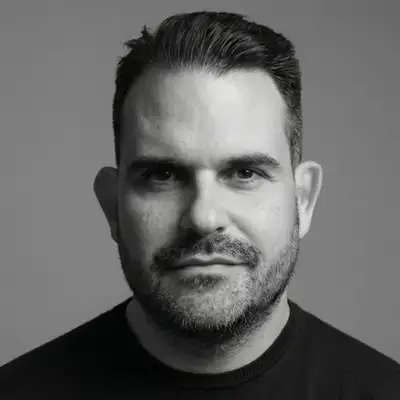
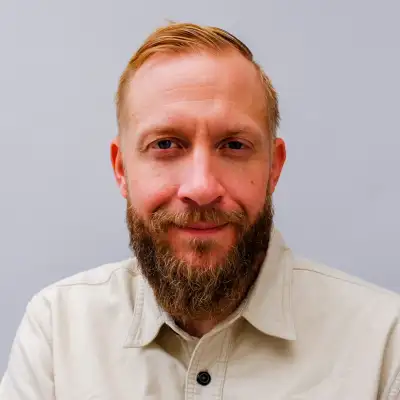
In episode 67 of the Maffeo Drinks Podcast, host Chris Maffeo continues his conversation with Mikko Koskinen, co-founder of Kyrö Distillery, from the previous episode.
They discuss the integration of food and drink culture in society, the challenges of building a brand, and exporting distillery products.
Mikko shares his insights on market dynamics, cultural references, and the importance of personal involvement in brand growth.
The discussion also emphasizes the significance of long-term planning and adaptability in the spirits industry.
00:00 Introduction and Episode Overview
00:23 Cultural Integration of Food and Drink
01:41 Nordic Whiskey and Food Culture
03:49 Export Strategies and Market Penetration
07:44 Challenges in Distribution and Brand Building
12:09 Importance of Local Knowledge and Experimentation
18:17 Entrepreneurial Insights and Personal Stories
35:53 Conclusion and Final Thoughts
In episode 67 of the Maffeo Drinks Podcast, host Chris Maffeo continues his conversation with Mikko Koskinen, co-founder of Kyrö Distillery, from the previous episode.
They discuss the integration of food and drink culture in society, the challenges of building a brand, and exporting distillery products.
Mikko shares his insights on market dynamics, cultural references, and the importance of personal involvement in brand growth.
The discussion also emphasizes the significance of long-term planning and adaptability in the spirits industry.
00:00 Introduction and Episode Overview
00:23 Cultural Integration of Food and Drink
01:41 Nordic Whiskey and Food Culture
03:49 Export Strategies and Market Penetration
07:44 Challenges in Distribution and Brand Building
12:09 Importance of Local Knowledge and Experimentation
18:17 Entrepreneurial Insights and Personal Stories
35:53 Conclusion and Final Thoughts
The MAFFEO DRINKS Podcast is a leading drinks business podcast delivering actionable insights for drinks leadership.
For founders, directors, distributor MDs, and hospitality leaders navigating the tension between bottom-up reality and top-down expectations.
20+ years building brands across 30+ markets. Each episode features drinks builders: founders, distributors, commercial directors, sharing how the drinks industry actually works. Not the conference version. Honest conversations.
Insights come from sitting at the bar.
Beyond episodes: advisory for leadership teams, subscription with episode deep dives and principles to navigate your own reality.
Beer, wine, spirits, Low and non-alcoholic.
Bottom-up Insights & Episode Deep Dives at https://maffeodrinks.com
Welcome to the Maffeiro Drinks podcast. I'm your host, Chris Maffeiro. In episode 67, I continued the conversation with Mikko Koskinen, cofounder of Keure Distillery from episode 66. I hope you will enjoy our chat. One last thing, if you enjoy this podcast, you will also like the Maffeiro Drinks Guides.
Chris Maffeo:You can subscribe free or paid on maffeirodrinks.com. I'm biased on this because I'm very fascinated by how the food and drink culture like integrates within the society. And how does that brings, you know, people and taste and memories. And, you know, I remember when I did the WSCT level two in spirits, I was doing with Nick Ryan, a great teacher in Ireland, it was during COVID. So it was an online thing.
Chris Maffeo:And then he sends, you know, the samples over. I was the only non Anglo Saxon of the students. And he was explaining it in a very Anglo Saxon kind of taste, you know, like candies that they had in prison and Ireland, you know, that I've never tasted or, marshmallows and all this kind of stuff that are not really that common in Italy. Mean, I grew up, and then like, had to try to find a way and it was a funny, nice exercise among everybody to actually try to teach me what I was supposed to smell and taste because I couldn't mention, you know, it tastes like, I don't know, oysters. And if you have never tasted oysters, you have no idea what I'm talking about.
Chris Maffeo:But maybe I can talk about, you know, the salty elements, you know, like the viscosity, you know, and then all of a sudden, even if you haven't tasted it, you try to figure out what it is now.
Mikko Koskinen:Yeah. That is exactly true. Nordics are very keen on smoky whiskies. I think Sweden is the biggest market for, like, some of the early distilleries, and Sweden is what, like, maybe twice the size of Finland, which is not that much. But it comes on food culture.
Mikko Koskinen:We love smoked fish, smoked meat, smoked ham, and so forth. And we associate, like, smell of smoke with something positive. Whereas in other countries it might be somebody burned like piles of trash where you grew up and you associate smoke with like dirt and disgusting things. So for us, one of our whiskeys is called wood smoke, and we use grain that is smoked in a barn, and that's something that existed like hundreds of years as a way to to dry the grain. It's not part of welding process, but it's like preparing and making sure that it doesn't mold.
Mikko Koskinen:And that brings like certain very, very specific flavors that like scenes can describe. And if there's a mixed group, what I I do is that I instead of asking like what are the flavors that they get from this, I ask, like, what's the location where the spirit brings them to. And that way, like, that becomes a little bit more relatable. Like, people have been talking about the sauna close to, like, stables. So that's something that is, like, sauna necessarily, not about stables or, like, where they keep horses.
Mikko Koskinen:That's something that is universal. And it's also interesting to see and hear, because people, like, often shared that it's something that, like when they were growing up, there was this one place and it brings that person to that time and place in their childhood. And I think that's also one of the, like, most beautiful things that you can get out of spirits and especially whisky is like, it can, like, transcend you to a different time and place.
Chris Maffeo:It's beautiful how you can train your nose and palates to, to smell things that probably, you know, like some year, even some years ago, you didn't smell or, or, or could taste now also because it develops as well. And let's talk about like how to go from the home turf to the full Nordic Baltic cluster as a whole market in a way, like from a Finnish perspective, of what we just said about cultural references and way of consuming food and so on. But when you go to different kind of places, you know, like I'm always having this kind of battle with brands that sell to too many countries too quickly. You know, and I always say, you know, put your eggs in a few baskets, you know, not all eggs in one basket, but don't break the eggs and try to split them in 70 baskets because if you have 12 eggs and 21 markets, then it becomes a bit of a half an egg kind of thing. So what what what is the approach that you took to export the Kyoto distillery?
Mikko Koskinen:I think we've had like hybrid approach. We've done the same things that most of of the people have done, which is think of a country and then you contact a distributor and then you sell to that country. Usually you would sell like somewhere around 20,000 to €50,000 worth per country. That's when you don't necessarily get the most value out of the brand that you've built, in my mind, because you kind of you serve a need that I like to call, I want to drink something special. If you're different from what, like, already exists, people will choose you.
Mikko Koskinen:And the same goes with, like, there's a lot of small breweries in the world that cater to, okay, so now if I want to drink a local IPA, and then there's the local brewery that has an IPA and you drink it. But it doesn't mean that they have done something spectacular or that they have the capacity to grow grow bigger. If you like to like talking to distributors a lot, emailing back and forth, that's what you do. We've also done a couple of stints where we grew a local market. Our current CEO, Yoni, he spent a year in Chicago and built the brand in in that location and Michigan and New England and so forth.
Mikko Koskinen:We have a wider distribution now, but by having the founder present, I think we we gained a lot of goodwill, build the relationships that are are really important to grow a brand. And the bottle actually meant something for the bartenders in not just, like, something new and interesting that you got from your local sales rep, but it's something that you know the person who is building that. I personally, when COVID hit, I moved to Germany and I ran growth engine model in Berlin for two years. We grew in, like, our volumes in Berlin, I think, sixfold and Germany threefold in in two years. Then the world changed quite a bit when the, like, Ukraine war started and COVID ended and consumer preferences ended.
Mikko Koskinen:That approach gave us continents worth of, like small market in one country, and Germany is 16 times bigger than Finland. So like, you can bet you could basically and you should treat each regions. Like, you wouldn't I think you kinda have to treat them as, like, new country if you want to build a brand and gain, like, meaningful volumes in one country. Suddenly enough, it's faster to get to Berlin from Helsinki than to to distillery. So there's also that, like, proximity angle that, you can make visits and if you want or needs to do for family reasons, like day trips, that's something that is possible.
Mikko Koskinen:And that's something that you can do if you spread spread yourself too.
Chris Maffeo:So if I understand correctly, so you had a bit of a hybrid solution. So you you were doing the usual game of getting in touch with distributors, whether they, you know, they discovered you or you you discovered them or you look for them. But then also like you you took some big bets, you know, with Chicago and Berlin
Mikko Koskinen:and London.
Chris Maffeo:So really moving there for London as well. You really, let's say, walk the talk, like in the sense of, you know, like being really being there and, and walking the streets and selling yourself.
Mikko Koskinen:There
Chris Maffeo:is an element that for me, having managed many, many, many markets, you know, like either you have a certain amp that you generate from that market that, you know, you can reinvest obviously or you are there yourself or you you send somebody there or let's say you pay the distributor to have somebody there, you know, but a distributor by himself or herself, like they're not going to move the needle that much for you because, know, they're going to buy and, know, you, you manage to sell in, as you said, you know, like you manage to sell €20,000 or €50,000 of stuff then until they don't deplete that sell in then basically they're not going to reorder. And then if you're just waiting for the cycle of phone call to do, and then it's like, yeah, what happened with that thing? You know, we still have it. We're good to go. No worries.
Chris Maffeo:Call us in six months because we are not there yet, you know? So, so, but for me, you know, there is no shortcut. It's the first time to be honest that I heard that the founder moving there and, and really put the, the so called skin in the game because there is this tendency that I don't like. And I've been guilty myself in the past, you know, of blaming the other in the ecosystem. The owner blames the distributor and the distributor blames the wholesalers and the wholesaler blames the bar and the bar manager blames the bartenders that don't do what he says.
Chris Maffeo:And and it's like, okay, you know, kicking the can down the road, you know, pick up this bloody can, you know, and do something with it. There's no right or wrong because it depends on the market or the circumstances. I mean, you mentioned big things, you know, like the COVID times, the Ukraine war, you know, like you mentioned quite revolutionary, you know, exogenous things that happen. Mhmm. But even without them, you know, you need to put something into the into that market because, you know, either you are there or you put some money there or you support it somehow.
Chris Maffeo:Otherwise the case is the move.
Mikko Koskinen:Yeah. Think it is an extremely tricky thing because in the value chain, the interests are not aligned. So the brand owner wants to sell, like wants the distributor to sell as much of their brand as possible. And the distributor wants to maximize the money that they get from a sales call. And then the bar owner wants to maximize their own business, and these are not necessarily aligned.
Mikko Koskinen:And especially if you want to train or you want to reach the end consumers, using that route is really, really long. And unless you have, I don't know, amazing existing distribution, it is really hard to create new brands. Most of the distillery brands that we've seen, they are kind of local and that usually because they I think because they do have direct contact today in consumer, and they know the market, they know the insight, they they can react, they can do publicity stunts and so forth. And especially when you, like, when you move away from your own country, quite often you you are treated as, like, the local hero. And when you move away from that country, like, in our case, like, Finnish whiskey, like, means completely different thing.
Mikko Koskinen:Like, you could be also Polish whiskey or Czech whiskey in the context of Germans. So you need to figure out ways to bring the brand to life due to, like, liquid on lips and so forth. Growing a brand is essentially changing, like, people behavior of what they drink and what they order and what they choose. And it is really hard to do unless you can put enough effort on it. So what we did was we allocated good amount of marketing budget, but instead of spreading that to the whole Germany or to Europe, we took by Germany's AMP and essentially focused that in couple of key pieces in Berlin to begin with.
Mikko Koskinen:And that's when we outstent Diadio, for example, in those, like, small areas. And we could see that that actually, like, had an impact. At the same time, there was the rise of quick commerce, so we suddenly had, like, full distribution in the whole of Berlin, which meant that anything that we did marketing wise, like, people could actually go and order it right away, their home. That worked really, really well. Now market and and dynamics have changed a little bit.
Mikko Koskinen:I still think that it is hard to grow a brand unless you unless you, like, overinvest. If you don't have money, it might be your time. We've spent like three founder years or actually four founder years building our export, like completely dedicating one of our founders to that market.
Chris Maffeo:This is the ultimate thing, you know, like it's either money or time or or both, but, you know, it it it needs it needs time. And this is like what I think many brand owners misunderstand. There's always this black and white view of the world, you know, that it's either a big company or a small company. For example, like what, what you, what you mentioned about, you know, like putting the AMP into one city or a few cities, you know, what I see whenever I travel and whenever I work with brands, big companies have huge budgets. But if you have like a dedicated budget available, you know, your small brands budget may not be that different than your competitor within the portfolio of the big company, you know, because then they may be out of the priority or maybe they don't get A and P because, you know, they think of a portfolio and maybe the three top selling brands have a huge A and P, but you know, they cannot spend it on the smaller brands.
Chris Maffeo:So then you can actually fight that smaller brands there. So you need to be flexible and, and agile into what you're doing, but definitely you need to decide what the priorities are. And in my past, we've always done, you know, city strategies when I was saying, you know, country manager Nordics was actually, you know, basically Helsinki, Stockholm, Oslo, Gothenburg, Copenhagen, Tallinn, you know, like the rest of the country, of course, the brand is available, but you are not, not actually doing anything to to move it. Yeah. So to say, you know?
Mikko Koskinen:Exactly. But for our smaller brand, you know, if you're not big in, let's say, Stockholm, you might find another place where with your budget, you can really move the needle. I think that's also like part of the trick to, like, gain that local knowledge and then play the game instead of, like, just trusting the distributor to play the game. Because if you're starting to do really well distributors portfolio, you will start to get at some point less attention that you deserve because the distributor will have very angry brand owners from other companies in the portfolio. And like, give you a call, like, why, why we're not moving.
Mikko Koskinen:We see that one brand doing really well. Like with, I thought we were friends and why, why you're like ignoring our brand. And so it's like a counterproductive loop of that locks smaller brands and free system to be small unless you somehow break that dynamic. And exactly bringing that dynamic is, what's the goal to, us to, to do that like founder in the market play.
Chris Maffeo:I've been in that kind of situation a few times when I was managing some markets and, and I agree with you and, and it's always the thin balance. You're raising a fantastic point because, you know, in a way you want to do well, but to a certain threshold, you know, sort kind of like glass ceiling in which you are not really breaking the eggs in the basket,
Mikko Koskinen:like
Chris Maffeo:talking again about the eggs in the basket because you don't want to be too known by other competing brands within your distributor. I have an example about this, that we were in a, in a market and there was a club that was doing so well with Peroni, but then the trucks that we were using to bring them the bottles were from a competitor that had the logistics service. So all of a sudden, like we were really like, I mean, the brand was flying there because, you know, like it was in the drawer fridge, you know, it wasn't in the visible, you know, in the glass fridge. People were really, you know, they could see the other brands, but they were still ordering the brand that was hidden under the counter in the fridge. You know, imagine how strong it was, the perception of the brand in that club.
Chris Maffeo:And, but then obviously all of a sudden, like in the shipments, they started to see that the truck driver was actually offloading more cases of pepperoni than the other brand. And then all of a sudden, like, you know, like it ring the bell, the, the, the bell and we didn't have a contract with, it was really like true brand love.
Mikko Koskinen:Kidding.
Chris Maffeo:But then all of a sudden, you know, they had a contract in place, and they said, I mean, we we let you be until you reach the contract. But if you don't reach the contract because you're selling so much of this other brand, then, you know, you have to and then of course there are border lines. That's why I'm not mentioning the, you know, cities and distributors and because, know, there are very thin lines or legal and so on. But at the same time, you know, it's you want to be managing expectations. Then this is part of what I'm doing with the podcast and with the newsletter and and so on.
Chris Maffeo:It's also about changing the perception of the of the industry. You know, we we said it at the beginning, you know, about people that move the industry forward now, you know, like contributing to the whiskey world rather than just like piggybacking on, on what we see that works.
Mikko Koskinen:And,
Chris Maffeo:you know, part of what I do, which is not, you know, is not paid. Let's say it's helping people like you and other people to really, you know, stress some concepts and some ideas about better cooperation within all the parties of the drinks ecosystem so that this kind of conversations stop happening, you know, because all of a sudden it's like, guys, you know, you know, let's manage expectation and founder here in town, you know, like that is putting his own personal time and money into the game. How can you compare it with your lousy, you know, a and p budgets that you don't even care every, you know, every quarter about how much we're doing with that brand. And then you wake up at the end of the year and and blame us. Mhmm.
Chris Maffeo:You know? Yeah. It's having this kind of like educated conversation as well, or at least giving some ammunition on how to answer because otherwise you're just like waiting to be blamed. And then if you don't know how to articulate it, then And
Mikko Koskinen:I think there's like a like this I don't know. And how to do all this in Moussa, like sales and marketing, and they have different tools. So contracts, like minimum quotas, kickbacks and and all of that, that's like sales tools. I see why why people do that, but from like marketing perspective and and brand building perspective, like if you build a really good brand that people want and you actively hide the things that people want in order to meet the quota, like you're not being, and this might be a little bit strong, but I don't think you're doing very good at hospitality.
Chris Maffeo:It's an issue with many brands, with everybody in the ecosystem, it's bars, it's wholesalers, it's companies, it's like a different kind of thing. But in the end, in my experience, you know, when you are really, really into the game, you know, and you really move the needle if you're really focusing and you know what you're doing,
Mikko Koskinen:even
Chris Maffeo:within one year, you can have great results in a market if you're really dedicated with efforts because most of the other competitors, will oversee things and they will be slower than you, and they will not pay attention to you as a brand and, you know, like there will always be something. But, you know, as if you have like a trajectory clear, then you can really win in that market. Then the difficulty is into replicating that into the next market.
Mikko Koskinen:It's fascinating how like different brands have managed to to break through. And it feels like there's many different combinations, like C. Franks, Gragos, where they essentially like did that by by, like, reacting to a cultural phenomenon of clubs going bigger than having table service and offering like really sweet deal and kickbacks for for the clubs so that they can have a vodka, which was like there was nothing in that category that she'd like, but kind of like silly luxury spending. And then, like, making all the money from retail Or, Aperol Spritz has been really good at, like, nailing the occasion, and then I think they essentially did like, came through land route to to the Nordics, just, like, city by city activating and making sure that people drink Adderall sprays, and it becomes a thing that you do when you get off the work and you kind of transition from, like, labor to leisure or fireball where they acted like activated the local joints by having an offer where you can have two bottles in. And then the sales rep sort of offering around to the whole bar and that bar has to reorder a bigger amount and everybody has, like, you've done the liquid tulips.
Mikko Koskinen:And there's so many, like, different ways that you can grow your brand. I think it always comes from, like, deep understanding of something cultural happening, nailing it in a, a meaning meaningful way.
Chris Maffeo:It also makes me think about the, the importance of being able to dissect what works in a market and what works because there is, there is a few elements. Now one thing is the local versus global kind of thing. And you know, there is a tendency, you know, distributors are always saying like no, but this country is different, you know, and the brand owners try to standardize things. But then you have to be able to take that feedback and don't just discard it as a, okay, this is some BS that Mick or the distributor in Finland told me, you know, because he didn't want to sell that much. I need to analyze that trend and understand if there is some meat on the bones there.
Chris Maffeo:But at then at the same time, when we didn't, the companies we are sold best practices from other countries, we need to, to be able to dissect what was the real driver that enabled that thing, you know, because you could do the same things in many markets, but not all the markets would react the same way because there are different competitors playing. There are different conditions. Your tactic may not resonate. You know, like I remember for example, when I was working in The Nordics on, on Peroni, I'm sure that one of the biggest success was that Peroni was really big in the city of London where all the bankers were going after work, drinking pints of Peroni. And then credit crunch happened.
Chris Maffeo:And then I started working on the company on 2010, which was basically right after. And there was the return diaspora of all the Nordic bankers, you know, to Oslo, Health And Keys, Stockholm. So all of a sudden, you know, like the brand found a very fertile ground Because then if we were in the right spots, then there was an automatic brand called because whoever saw pepperoni, they were coming from five years of drinking pepperoni after work. So they kept drinking pepperoni after work in Oslo, in Stockholm, in Helsinki and so on, which is, you know, not diminishing what we have done with the team, but you need to understand where you find certain things, you know, like you can always play. And that's why I like this cultural cues because, know, like then you can play with even from an ingredient perspective or from a different kind of elements.
Chris Maffeo:You can follow certain types of consumers, you know, and really approach them and make the brand relevant there. That's why, like, I'm always stressing the fact that, you know, you shouldn't rush into the modern kind of occasion, but you should really secure that traditional occasion. In your case, it could be, you know, is there like a Nordic bakery,
Mikko Koskinen:you
Chris Maffeo:know, like Scandinavians and Nordic people living in a city, you know, where do they gather? Do they have a get together? Do they have certain thing? Because that's where you actually put the foot in the door into the community. And then you start to understand where do they go, where they do go out, where do they do shopping.
Chris Maffeo:And then all of a sudden that's the stronghold that will always be there for you ultimately, you know?
Mikko Koskinen:I think that's exactly like one of the reasons why it makes sense for you to focus, because it is impossible for you to like gain that kind of insight that you mentioned about, like diaspora off Nordic bankers. And that's an insight that you can actually work on. Like, you can find out what other places where they go, activate those and make sure that your AMT money gets, like, the best bang for the buck. Right now, something interesting happening for us in in Ukraine. We opened that market and it seems that we're, like, overperforming by a lot.
Mikko Koskinen:And I think there's probably, like, something about the brand that sort of resonate with that. We do have like our bin was initially named Macweb because of a battle that took place in that location three hundred years ago, like between Finn, Sweden and Russia. Whenever there's a big shift, people are looking for something that kind of symbolizes it. In, like, in postwar Europe, I think it was, like, American goods, especially if you were on non Soviet side of the Iron Curtain, and that being, like, symbolized freedom. And if you want to be part of that ethos, you would smoke American figure at the door and glass of American whiskey.
Chris Maffeo:There is even a song, you know, the, the song to of all Americano like that. At some point it got re re popularized in a techno version.
Mikko Koskinen:Yeah.
Chris Maffeo:That is talking exactly about this, you know, it's basically like people making love. The singer is making fun of this guy walking around Naples, pretending he's an American, you know, cigarettes, wearing baseball cap. And then, and then it makes fun of him because they say, you know, actually the money for your camel, are they're from your mama's purse. Stop pretending you're a cool guy. And then you're asking your mother for the, for the cigarettes.
Chris Maffeo:You know, like the way I understood it was because I had friends, you know, bankers, or maybe I was in a bar doing an activation and asking them and they were telling me, oh, I used to drink it in London and so on. And what is also important for smaller brands to understand is that you don't need a huge budget for research for this, because it's literally about sitting at the bar, talking to the bartender, listening to the conversation of the couple next to you, you know, trying to understand what's happening and what do they give you as a feedback. And then you make, you make your own conclusion. And then all of a sudden, if it's the tenth time that you hear this story, then all of a sudden is like, oh, actually, probably there is something in this. Let's work on it.
Chris Maffeo:But, know, we tend to think that we need a huge research budget for a €100,000. I honestly feel lucky that I started working. I started my career after university in, in The Nordics, I mean, in Finland, Sweden, and it was like, they were all dark markets, you know? So I was working in agencies and they were, you know, working with tobacco brands or with beer and spirits brands. I was trained not to think in ATL terms at all because you know, that was illegal.
Mikko Koskinen:Yeah.
Chris Maffeo:And then I've always thought like, it's not that I want to learn how to do ATL because ATL eventually will fade out everywhere in the next fifty years. So I want to learn the brick and mortar of really building brands without having a big spend. And I've always built brands without a big spend. And, and research was like, you know, whenever, you know, some big boss was asking, no, we need to back it up with research. And I was like, dude, know, like we've got €30,000 budget for the year and you wanna have a research, you know, you don't spend 50.
Chris Maffeo:I used to be like, then then once it's confirmed, then there's no money to do anything because you know, we burned the money on research. So now we know that we can safely do what we wanted, except that we don't have the money to make it happen.
Mikko Koskinen:Instead of research for a small brand, it also makes more sense to do experiments. So you just like do a hypothesis. If this works, this could be a huge thing for us. And then you try to do that. But if you do research and then like you can't apply those learnings because you ran out of budget or it's some, like it tells you something that I don't know, somehow doesn't like support what you're doing, then you're kind of fucked.
Mikko Koskinen:When we started, we did research that was like, required for us to to get some, like, some sort of backing from the government for the distillery. And we interviewed a lot of people, and we got to a point where all the experts said that, like, premium gin in Finland is roughly, like, two to 5,000 liter market. So it's, like, minuscule. And, eventually, we ended up 50 times bigger than that. And that's also, like, you can do research, but you you will always find out how the world is now.
Mikko Koskinen:But if you do experiments, you gain information on how the world could be tomorrow.
Chris Maffeo:I love that. And and it's so true. And it's also like how you recruit people, know, like one, one of the things that I was talking about in a previous episode was like how to recruit people into a category. Now, for example, I mean, drinking, like, you know, whiskey is a tough category for non whiskey drinkers you know, but you can make it more approachable. I always bring the example of, you know, a friend of mine is a rum drinker.
Chris Maffeo:When I introduced him to whiskey, I introduced him one, you know, it was like aged in rum casks, you know, it was a whiskey agent rum cask. And then I make it easy for him to transition because he, he tastes something that he's familiar with. Or then for example, like, you know, if you do a boulevardier, which now I'm going to do a rye, you know, with QD whiskey, like Boulevardier myself, because I started, for example, as a Negroni drinker. And then, you know, like it's easy to switch gin because, you know, two out of the three ingredients anyway.
Mikko Koskinen:Exactly.
Chris Maffeo:You know, so I'm switching only one. Maybe I can start not with one third, one third, one third. Maybe I can play a little bit, you know, on diminishing the amount of whiskey to start with, to recruit you because otherwise you may be scared of that taste. But then once that I get you used to that, then all of a sudden it makes it much easier for you to actually say, oh, you know what? I didn't, I didn't know I like whiskey, you know, because it's, it's always like this, you know, like it's this morning I was laughing with my daughter because she, she wanted the sugary things for breakfast.
Chris Maffeo:And then, and I said, you can have all that sugar in for breakfast. And then she said that, but I love sugar. Sugar is great. And then I was like, I know sugar is great. That's that's what the sugar industry is based on.
Chris Maffeo:You know, that people love it. But then at the same time, you know, like you can play with certain things, whether people are like, have a sweet tooth or like, they like more bitter, but you know, you can recruit people into your previous point, you know, okay. You may look that the whiskey category is super small today, you know, but what if you start to really do something and then you, you really do something about it and you start to install more and more whiskey cocktails into the culture.
Mikko Koskinen:Yeah.
Chris Maffeo:And then you start to get into, you know, it's the same thing with the look at agave spirits. I mean, like, nobody was thinking of agave spirits as a new wave of novelty.
Mikko Koskinen:I mean, gin was was basically like old ladies drink, up to like sixteen years ago, and then it just became the most hit category of of them all, and and all the bankers wanted to have their own gin brand that they could have gin and tonic fun on their yacht. And that's actually some, like, an excellent point that there's definitely, like, two different mindsets on, like, with people in the industry. One is kind of fixed mindset where you think that, like, the world is how it is and it can't be chained. And the other one is more like road mindset, where you think that's, like, how things are now, that's the starting point, and tomorrow they will will be different, and you can affect that change yourself. And I think that's where all, like, entrepreneurs should be definitely on the on the growth mindset side, and it's also one of the, like, unfair advantages that you have, even if you don't have the big budget and all of that.
Mikko Koskinen:You have different mindset, and that is super valuable on its own already.
Chris Maffeo:Yeah. Yeah, absolutely. And I'm, and I literally just got this book originals by Adam grants that I want to read that is talking exactly about this, that non conformists move the world. Yeah. You know?
Chris Maffeo:And I just read the foreword, but it's, it's very interesting what they say about really being somebody that is trying to move things forward and on, on something that probably doesn't work now, you know? Yeah. But then at least you, you have something in place and without being too dreamer, you know, like it be, it depends on the budget you have available, the time you have available, but I mean, look at all the, you know, even all the hobbies of people, you know, when you dig into the hobbies of people, there are some crazy hobbies that don't make sense. And I mean, they're niche, you know, but, but there is a lot of people that are interested in certain things. And if you have, if you can manage to make out of your, let's say obsession and passion,
Mikko Koskinen:you
Chris Maffeo:know, something that you can monetize on, then everybody's happy. So that thanks, thanks a lot for, for your time, Mikko. It was really, really a great chat. I want to leave some space for you to leave some, you know, inspiration from your journey and then also like to leave some contact details of how can people find you and, Keura Distillery.
Mikko Koskinen:Yes. Thank you so much for, for having me, Chris. One thing that we figured that we should feature, but we didn't was that after two years in Berlin, I stepped out of the company for nearly two years, moved to Iceland, worked on a, like, climate startup, did a lot of weird hobby called free diving. But one of the biggest learnings that I got from that is that, like, if you're building a spirits brand and especially whiskey brand, it is for long term. So it was super healthy for me to detach myself and my personality from the brand.
Mikko Koskinen:And now that I'm back, I see like an approach with, like, in a sweet spot of like professionalism, enthusiasm, and passion, and knowledge, and like different perspective that I've gained. If you're an entrepreneur, I highly recommend that you like do the setup in a way that kind of allows you to recharge somewhere else. And often it's kind of mandatory because your own personality and your own brand can be so intertwined that anything that happens to the company kind of feels like it happens like physically to you, and that can be really painful and that can lead to contracts with, like within staff or with investors or co founders or, or so forth. And those are often like, avoidable.
Chris Maffeo:You're bringing it in a very interesting perspective, especially because we also work in a, you know, in a fast paced industry that at the same time is very slow in building despite what people think, you know, it's a slow moving consumer goods is, you know, they're fast moving consumer goods, but also it's, you know, we are handling stuff that is quite dangerous at the same time. So it's also, I have this conversation with a lot of people like, you know, bartenders and brand managers and so on. And it's also like to take our time and understand and learn our body and, and our pace of what we can handle. And sometimes like what you can handle is not that visible, you know, and then it pops up in a way that you don't want it, you know, like with some issues. So it's a, it's a, it's a fantastic thing.
Chris Maffeo:And I'm a, I mean, you're making me think as well on, on the fact that, you know, once that you have something, you know, when you believe that something is gonna be very long term, then taking one or two years off, it's not really that crazy. No?
Mikko Koskinen:Yeah. It's the goal
Chris Maffeo:is to When you think about it.
Mikko Koskinen:Yeah. There's a concept of finite and infinite games. The finite game is something that you want to win. An infinite game is where the most important thing is to keep playing because at some point, like, good things will come. And I think building a spirit's brand is more on the side of, like, infinite game where if you try to get like quick wins, it's easy to sort of, I don't know, run out of money and and go out of business.
Mikko Koskinen:But if you build it in a way that you're in it for for the long term, your choices and everything that you do is more sort of like brand building, like gearing, so you create lasting value because you know that you'll be there. And with like distilling whiskey on its own is is a good example of you distill something and it'll be like better and better every year until you decide to bottle and sell it at, at a good premium.
Chris Maffeo:That's very true. Thanks a lot for sharing your personal story as well. And how can people find you Mikos?
Mikko Koskinen:So, I am in LinkedIn, Mikko Koskeinen. I'm the one with beard. Instagram, I'm Mikko, like underline a t underline b. And you should definitely visit kyrgyztolor.com. And lastly, on YouTube, you can go Google Kyrgyztol, y r o, with dots, And I guess that's a two and a half minutes video that Chris mentioned earlier.
Chris Maffeo:Fantastic. So thanks a lot. And definitely I will put a link to the video because it's a, it's a must watch. You can, you can actually get to, to see Mikko almost fully naked. It's a proper Finnish sauna version of Mikko.
Chris Maffeo:It's a really, really fun video that brings together all the, all the cues, you know, with humor, ingredients, founders, target occasions, Finland in a nutshell. Especially for me, I mean, lived there. Like I was, I was really like laughing because it was so true and stereotypical, but in a funny way. And I loved it. So, so thanks a lot, Nico.
Chris Maffeo:Speak soon. Speak Take care. That's all for today. Remember that this is a two part episode sixty six and sixty seven, so feel free to listen to that as well. One last thing.
Chris Maffeo:If you enjoy this podcast, you will also like the Mafia Drinks Guides. You can subscribe free or paid on mafiadrinks.com.