Subscribe
Share
Share
Embed
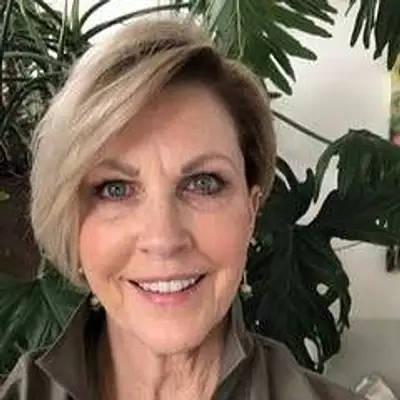
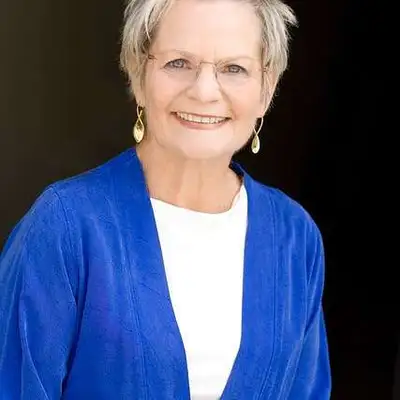
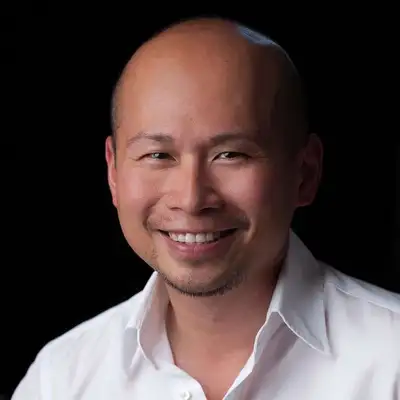
In this episode of The Real Retirement Show, hosts Yasmin and Kathleen talk with Dr. Sara Zeff Geber, a leading expert on solo aging. Sara shares her journey highlighting the unique challenges faced by solo agers - individuals aging without family support. The discussion explores critical aspects such as choosing living arrangements, including the pros and cons of aging in place versus senior living communities. Sara emphasizes the importance of planning for financial, legal, and social needs...
In this episode of The Real Retirement Show, hosts Yasmin and Kathleen talk with Dr. Sara Zeff Geber, a leading expert on solo aging. Sara shares her journey highlighting the unique challenges faced by solo agers - individuals aging without family support. The discussion explores critical aspects such as choosing living arrangements, including the pros and cons of aging in place versus senior living communities. Sara emphasizes the importance of planning for financial, legal, and social needs, and introduces the concept of home sharing as a viable option for social interaction and care. She also stresses the need for professionals, such as financial advisors and legal experts, to assist solo agers in creating robust support systems. Sara concludes with inspiring stories of solo agers who have proactively planned their futures and offers resources for further learning.
00:00 Introduction: The Biggest Hurdle for Solo Agers
01:22 Welcome to The Real Retirement Show
02:05 Meet Sara Zeff Geber: Expert on Solo Aging
03:10 Sara's Personal Journey into Solo Aging
05:29 Defining Solo Aging
09:06 Challenges and Misconceptions of Solo Aging
15:00 Planning for the Future: Financial, Legal, and Social Aspects
18:41 Community and Support Systems for Solo Agers
27:51 Inspiration and Success Stories
32:03 Final Thoughts and Resources
About Sara Zeff Geber, PhD
Sara is the nation’s foremost expert on Solo Aging. She is an author, professional speaker, and certified retirement coach.
In 2018, Sara was named an “Influencer in Aging” by PBS’ Next Avenue and is a regular contributor to Forbes.com in the areas of aging and retirement.
She has also been featured and quoted in The Journal of Active Aging, Certified Senior Advisor Journal, Next Avenue, Senior Living Foresight, McKnights Living, Senior Housing Business, and many others.
Sara’s book, Essential Retirement Planning for Solo Agers: A Retirement and Aging Roadmap for Single and Child-free Adults, was published in 2018, and was selected that year as a ‘best book on aging well’ by the WSJ.
Resources
Website: https://sarazeffgeber.com/
Books: https://sarazeffgeber.com/books/
LinkedIn: https://www.linkedin.com/in/sarazeffgeber/
Real Retirement Video Podcast: Real Retirement - YouTube
Welcome to "Real Retirement," a groundbreaking podcast where your hosts, Yasmin Nguyen and Kathleen Mundy, delve into the multifaceted world of retirement beyond the numbers. This isn't your typical retirement discussion; it's a vibrant journey into what retirement truly means in today's world.
Each episode of "Real Retirement" brings you compelling conversations with guests who bring a wealth of expertise and authentic retirement life experiences. Our goal? To inspire and educate our listeners to approach retirement with intentionality and a broader perspective.
But "Real Retirement" is more than just a podcast. It's a community for those navigating the uncharted waters of retirement, whether you're just starting to plan or are already on this deeply personal journey. We explore a wide array of topics, including:
What sets "Real Retirement" apart? It's our commitment to authenticity. We bring you real stories from real retirees, discussing real challenges, surprises, joys, heartaches, and the myriad emotions that come with retirement. From addressing family dynamics to confronting identity shifts, we tackle the issues that truly matter to retirees.
Join Yasmin and Kathleen as they journey through the honest and often unspoken aspects of retirement. "Real Retirement" isn't just about ending a career; it's about beginning a new, exciting chapter of life with all its complexities and joys. Tune in and be part of a conversation that redefines retirement in the most real way possible.
Sara Geber: I think the biggest
hurdle in front of solo agers is
where am I gonna live as I get
older?
There's a huge for making things
right for people to age in
place.
Communities are getting
involved.
to see that because a lot of
people will be aging in place
But honestly, I think it is a
pretty crummy solution for solo
agers.
A lot of people see that as a
kind of a polar decision.
Do I age in place or do I move
into some kind of senior living
environment, which is a good
solution for many people.
I know thousands of people are
very happy in senior living
communities, so it's a great
option for solo agers who can
afford it for one thing.
and there are other solutions
you might age in place with
someone that you're close to,
someone that you like.
There is more home sharing going
on now than ever before, and
there are organizations, some
local, some national, that help
match people to live together
reality is that there are a lot
of things that can happen to you
that would make you less able to
continue living alone.
So that's what I encourage
people to think about,
alternatives to living alone.
Yasmin Nguyen: Welcome back to
The Real Retirement Show.
My name is Yasmin.
Here with my co-host Kathleen.
Whether you're retired or
thinking about retirement, we
delve into the multifaceted
world of retirement beyond the
finances.
This isn't your typical
retirement discussion.
It's a vibrant journey into what
retirement truly means in
today's world.
We bring you real stories from
real retirees and experts
discussing real challenges,
surprises, joys, heartaches, and
the myriad of emotions that come
with retirement.
From addressing family dynamics
to mental and physical health,
to finding purpose, we tackle
the issues that truly matter to
retirees and those thinking
about retirement.
Our special guest today is Sarah
Zeff Geber.
Sarah is the nation's foremost
expert on solo aging.
She's an author, professional
speaker, and certified
retirement coach.
In 2018, Sarah was named an
influencer in Aging by PBS's
Next Avenue and is a regular
contributor to forbes.com in the
areas of aging and retirement.
Sarah's been featured and quoted
in the Journal of Active Aging
Certified Senior Advisor Journal
Next Avenue Senior Living
Foresight.
McKnight's Living, senior
Housing Business, and many
others.
Sarah's book, the Essential
Retirement Planning for Solo
Ages, A Retirement and Aging
Roadmap for Single and
Child-Free Adults was published
in 2018 and was selected that
year as a best book in Aging
well by the Wall Street Journal.
We are so honored and delighted
to have you on our show.
Sarah, welcome.
Sara Geber: Thank you.
happy to be here, Yasmin.
Yasmin Nguyen: Sarah, for those
of us who have not gotten a
chance to get to know you or,
follow your work, would you
share a little bit about your
personal story and what inspired
you to focus specifically on the
solo aging journey?
I.
Sara Geber: Yes, I'd be happy to
do that.
was doing some retirement
coaching, back in 2015, 2016,
and, noticed about that time
that a lot of my coaching
clients, as well as my friends
and colleagues who were all of
my contemporaries, started
spending a tremendous amount of
time with their aging parents
ended up canceling.
engagements and whatnot, and I
was having a glass of wine with
a friend of mine sometime in
that period, and I hadn't seen
her in the last month.
And I said, Sandy, how come I
haven't seen you much in this
last month?
We usually get together pretty
frequently.
And she said, I've been spending
most of my life on an airplane
flying back and forth to the
East coast.
We both live in California.
And I have needed to do that
because my mom isn't doing well
and my brother and I needed to
find a better solution to how
she was gonna live because she
wasn't thriving in the house
that she'd been in for the last
40 years.
So we ended up, getting her to
agree to move into a senior
living community.
We found one that she really
loved Got her, we got her moved
in, that wasn't the end of it.
Then we had to sell off the
furniture that she couldn't
bring with her and we had to do
tremendous amount of financial
jockeying for her and then
eventually we had to sell the
house and it's really still not
over and it's been going on for
over a year.
I listened to her talk and I
looked at her at one point and I
said, Sandy.
and I don't have children who's
gonna do that for us?
that really became the question,
who's gonna do that for us?
That started me on my trajectory
of thinking about researching,
talking about, and ultimately
writing about solo aging.
Yasmin Nguyen: Hmm.
Sarah.
Now when we talk about soul
aging, can you help define what
solo aging means?
Because I think there may be
some different interpretations
out there.
Sara Geber: Yes, there are many
different interpretations out
there.
And just hearing the word, a lot
of people assume that, I mean,
single people, people who never
married, people who have lost a
spouse, people who are divorced.
and that is not exactly what I
mean.
I now define a solor as someone
who is aging without the support
of family, that may include
people who have kids.
If those kids live very far away
if they're estranged, I have a
neighbor, for instance, who's
become a good friend and she and
her husband have one child, a
son, and when he was about 30,
he had the nerve to fall in love
with a Danish woman.
Well, where do you think they're
living and raising their kids?
So is he going to be able to
support them as they get older
and need some help?
don't think so.
He now has three kids.
They don't have any plans to
move out of Copenhagen, that's
just one example of just
millions of people who have
experienced something.
I've started calling the family
diaspora.
I have another neighbor who
every Sunday at five o'clock,
they have a Zoom meeting with
their two adult children who
live.
Very far away elsewhere in the
country.
So it's a sort of a fluid
definition and people need to
self-identify more than anything
else.
there are sad cases where
families have become truly
estranged and those people are.
Certainly solo agers too.
but my original category, and
the one I still believe, holds
the most credence for being solo
agers are people that don't have
children.
Because after all, when you look
around at society and who is
caring for the oldest in our
communities, it's primarily
their adult children.
sometimes that kind of
caregiving becomes job.
For several years.
Kathleen Mundy: I have to say,
Sarah, I can identify with.
your ethos of what you're doing
and the comments you just made.
Because, I remember one of the
first, gatherings that Yasmin
and I had when we were doing
some research on the topic of
aging and retirement.
had a group of people in, one of
which was a solo.
When I hear of solo aging, I
remember her and she was a
little resentful of what was
happening and the information
that she was, was made available
to her.
But I really never really, I
haven't thought about your.
Concept in those terms until you
just explained it.
I'm so glad you did because it,
it does make a difference if you
don't have children you have
children that, that live miles
or countries away, you're still
faced with the situation of
who's going to take care of all
those needs and make those
decisions.
And I've gone through helping.
An aging parent relocate and it
is no small feat.
Sara Geber: Yeah.
Kathleen Mundy: So I really
appreciate and I know that our
listeners are really gonna
appreciate what we have to offer
in today's podcast.
Yasmin Nguyen: Sarah, what have
you noticed are some unique
challenges that Solo Agers
faced, that's different from
those that may have family or
other types of support?
I.
Sara Geber: Sure.
the, I think the biggest hurdle
in front of solo agers is where
am I gonna live as I get older?
There's a huge for making things
right for people to age in
place.
Communities are getting
involved.
to see that because a lot of
people will be aging in place no
matter what I say, or do solo
agers among them.
But honestly, I think it is a
pretty crummy solution for solo
agers.
A lot of people see that as a
kind of a polar decision.
Do I age in place or do I move
into some kind of senior living
environment, which is a good
solution for many people.
I know thousands of people are
very happy in senior living
communities, so it's a great
option for solo agers who can
afford it for one thing.
and there are other solutions
you might age in place with
someone that you're close to,
someone that you like.
There is more home sharing going
on now than ever before, and
there are organizations, some
local, some national, that help
match people to live together
at, you know, all of the Golden
Girls.
I think that's probably the best
example of home sharing that's
out there, and everybody's seen
at least one episode of the
Golden Girls.
they lived together.
There were actually two
generations living there in that
house at one point because, the
B Arthur character had, a mother
s still Getty that was living
with them.
And then there were two other
women.
They were all more or less in
their sixties and seventies, I
would guess, except for Estelle,
who was clearly in her, mid to
late eighties.
They didn't like each other all
of the time, but ultimately they
did truly love and care for one
another.
And the idea of having somebody
at home that cares for you, that
says, how was your day?
That says, look a little
concerned about something.
of those kind of everyday
transactional sort of,
discussions that we have and
relationship based discussions
that we have can't take place.
If you're all by yourself many
solo agers who do live alone,
proclaim that they love living
alone, they're independent and
they're always gonna be
independent.
But it's hard to take your, your
Yasmin Nguyen: Yes.
Sara Geber: self and put it in
what may be your 95-year-old
body and understand what you'll
need at that point.
'cause that's a very different
picture.
People, no matter what you like
to think, people do become more
frail.
They come become less, a less
mobile.
They become less, less able to
do some of the things that
they've been doing all their
lives, and it may be due to a
declining mental condition that
will be fall, probably quarter
to a third of us.
and it may be to a declining
physical condition.
But regardless of, what you hope
will happen to you as you get
older, reality is that there are
a lot of things that can happen
to you that would make you less
able to continue living alone.
So that's what I encourage
people to think about,
alternatives to living alone.
Kathleen Mundy: Sarah, you
mentioned something about the
community, whether it be a small
community with, the Golden Girls
or whether it's a larger
retirement community, want you
to explain what, in your mind,
the misconceptions might be
about solo aging.
Sara Geber: when you say
misconceptions about solo aging,
Kathleen Mundy: talked a little
bit about some of the challenges
that they have, but I'm
wondering, you said there's the
reality.
And then there's the ideology.
So what do you think the
difference of those two
parameters might be?
Sara Geber: put in those terms.
I think people, again, have a
really hard time imagining what
they will be like.
In 20 years.
if you're sitting there
listening to this and you're 65
or 70 or maybe 75, and you
think, well, you know, I'm doing
great.
my doctor gives me a clean bill
of health and I have a cranky
hip that acts up once in a
while, or, gosh, I have some
dental issues I have to take
care of.
Those all seem like tremendously
surmountable And yes, we
probably all know that one
96-year-old who's doing great
and still driving and still
getting around and has, a clear
mind and is still problem
solving, that's the extreme
exception.
And it's getting people to
understand that they probably
won't quite be the person they
are today when they're 95 is.
That's the challenge.
That's really the challenge
because people don't seem to be
able to project like that.
Kathleen Mundy: Very true.
Yasmin Nguyen: Sarah, you, we
focused on the living situation,
which is a huge, area to plan
for and to address.
I'm curious, what are some of
the other areas specifically
that are relevant to solo ages?
Like perhaps, you hinted at
social aspects, but what else,
do solo agers and their support,
need to consider, for, preparing
for this journey?
Sara Geber: Well, the, there's
of course the financial aspect
and there's the legal aspect.
and so much of what I say really
pertains to anyone, not just
solo agers, but for solo agers.
the way I like to think of it is
for solo agers, there's no
safety net.
I have, I have a good friend
who, actually is the father of a
contemporary of mine who lived
to be 99 and in the last five
years of his life, I.
He ended up feeling like he
needed to turn over a lot of his
financial stuff, his bill
paying, his discussions with
his, financial planner, those
kind of things.
He ended up saying, I'm gonna
turn this over to my son
because, and bring him up to
speed on what the situation is.
and he ended up.
Bringing in someone to cook for
him and to clean.
were things that at 96 ish, he
just finally said enough.
He was a strong, independent
guy.
He had lost his wife 10 years
before and he drove up until the
time that he was in his, at
least early nineties.
and then was again persuaded by
his children to ultimately give
up the keys.
just don't have children that
are coming gonna come in and
pick up the slack like that.
So do we just wait and see?
I'll just wait and see what
happens.
not so safe for solo agers.
Planning ahead of time with
someone, a younger person that
can step in and take over those
functions is really important
for solo agers.
Kathleen Mundy: I think to your
point though, I remember hearing
speak about the stool, the
finance, the legal, the
financial, and the social.
I really was interested to, to
understand how important the
social aspect aging was from
your point of view.
Sara Geber: Yeah, the social
aspect is all tied up in where
you're gonna live.
It's, it is almost completely
dependent on that you may be
very able to go out and meet
friends for lunch and
participate in your book club
and even go to the gym at this
point in your life.
just can't count on being able
to do that.
10, 15, 20 years from now, you
just can't, you may not be able
to drive anymore.
I'm 75.
I have a number of
contemporaries who've already
stopped driving at night a
couple who've stopped driving
altogether.
yes, we are fortunate in this
day and age to have Uber and
Lyft and some alternatives to,
especially those of us who live
in areas without any public
transportation.
so those are helpful.
But having a backup plan really
important.
So that's the social, the
financial and the legal actually
need to be assigned to someone
you trust to pick up the slack
if and when you need that.
Now, who knows?
You may.
End your time on Earth.
You may be on the other side of
the ground, before you ever need
any of this, fine.
But that, in my mind, that
doesn't mean you shouldn't plan
for it because we'd all like to
live as long as possible,
especially if we're gonna be,
healthy enough to enjoy it.
So.
here in California we have
something called a professional
fiduciary, and that's someone
that literally can come in and
be the son or daughter that you
don't have that can take over
that function.
Of course, that costs some
money.
there are, patient advocates.
There are professional
guardians, most elder law
attorneys.
and some they call themselves
state attorneys or elder law
attorneys.
They usually know of people that
can do that because they've
worked with people in the past
and will be working with many
more in the future as solo aging
becomes much more prevalent.
they have resources.
So I, that's the first place to
go.
If you have an attorney that
you're working with, he or she
is a good place to, to go for
that resource.
Also, your, county Agency on
Aging, your council on Aging,
your senior center.
They may know of people.
this is a countrywide audience
listening to this potentially, I
don't know what resources you
have in your state.
I think the first line of
defense on this are often.
Trusted nieces, nephews, younger
cousins.
I have a, a younger cousin
that's about, about 14 years
younger than I am, and she is
one of the people that is named
on my advanced directive for
healthcare and on my power of
attorney for finances.
Another person that I have named
is the son of a very good friend
of mine, known that.
Their mother, I've known since
we were five years old.
I've known her son since he was
born and I know his values.
I know that he's someone I can
trust.
So these are people.
Now I am married, so my husband,
of course, is my first line of
defense as I am his, but we
don't know who's gonna go first.
We have no idea.
we're both planning as though we
might be solo agers.
True solo agers.
we are solo agers by my
definition, but we are both
planning as though we might be
the one standing, alone.
Yasmin Nguyen: Sarah, you had
talked about these fiduciaries
and also, professionals that are
working with people and I'm
curious.
I.
As a, let's say, professional,
financial advisor or maybe legal
professional who may be working
with a solo ager, what are some
important questions or things
that they need to be aware of
that's unique to a client that
is, is on the solo aging
journey?
Sara Geber: there are a number
of things that both financial
professionals and legal
professionals can do to, assist
their clients.
And as you're probably seeing
Yasmin, and I know the financial
advisors that I know, and I know
a number of them in this area.
are seeing are, opportunities to
help people fill in the gaps.
you wanna say, let's get your
family involved, then you can't
do that with a solo ager.
You need to find some other
resources.
So I encourage the professionals
that I know, both in, in legal
and in finance to start
collecting.
Now start your Rolodex.
That's a term that dates me.
putting your Rolodex together of
resources for your clients.
the financial advisors that I
know here are already putting
together workshops.
I do local workshops for solo
agers, and they're starting to
put their people into my
workshops and starting to come
up with, they're actually
filling the workshops.
that's one resource that you can
do, that you can create.
There are a number of, oh gosh,
villages and senior centers
around the country that are
starting solo ager support
groups.
I am certainly a big fan of
that.
I'm applauding every time I see
one of those, pop up on my
Google alerts.
'cause I have a Google alert on
anything solo ages and I'm so
pleased to see that and I, so I
encourage professionals to do
that.
Yasmin Nguyen: Yeah, well,
whenever I have my alerts,
mostly you show up'cause you're
in the epicenter of a lot
conversation Sarah.
Uh,
Sara Geber: everything anymore.
Kathleen Mundy: always try and
relate to our, our guests, and I
have to say that I have done so
with you because my children, I
have four children, none of them
are close.
And we've, thought do we age in
place?
And I know that you believe
aging in place is only good if
there's some community around
you.
I don't wanna be lonely and
sometimes aging in place
provides that for people,
whether they want it or not.
Usually they wouldn't.
But that is the case.
and I'm just wondering, I've
learned so much.
What are some of the lessons
that you've learned from
personally dealing with this
topic over the last, gosh, 20
years?
Sara Geber: I have learned all
of the different resistances
people have to changing their
lifestyle.
Kathleen Mundy: Isn't that.
Sara Geber: And it's again, that
the terms that I put it in today
are people are fairly incapable
of putting themselves into their
95-year-old bodies.
Now, I will say, and I often ask
this in the presentations that I
make, to anyone.
I will ask the question, how
many of you raise your hand?
how many of you took care of
your aging parents?
And of course, almost half.
At least half the hands go up in
almost every setting.
Those are the people that get
it.
They get it.
What's in store for them?
that's why they're attending my
presentation.
In fact, usually three quarters
of the hands go up.
I wouldn't be one of those
people because I didn't take
care of my aging parents.
They both died when I was fairly
young, and they was fairly
young.
They were fairly young, so I
never had that experience.
Same with my in-laws.
those that have had the
experience and really seen what
I call deep aging, creates the
environment that creates and the
challenges that creates, really
get it that they need to do
something to protect themselves.
Kathleen Mundy: That's
insightful.
And I think no one, can predict
as you suggest, because, health
concerns can happen at any age.
Sara Geber: Right.
Kathleen Mundy: I'm gonna share
this little story.
I, because you, I know that it's
gonna help you.
a good friend of mine, her
husband was.
Seventies.
She's in her late sixties.
He had a stroke and passed away.
She had suffered from dementia
for the last year.
they were so low aging parents
because her son was miles and
miles away and now it is a mess.
they can't find their fi, their
financials, where it's in a
place that was going to be
accessible by anyone.
They hadn't positioned
themselves to have someone else
Sara Geber: Yep.
Kathleen Mundy: step in with
power of attorneys or any estate
planning.
And it is now become.
An extended family's problem,
and even though you know she has
a child, doesn't necessarily
mean, as you said, it could be
estranged and it's still you.
You have to depend on your own
in planning, This happened
recently to me that I was made
aware of my friends.
it's the change that we can't
anticipate.
And as you said, sometimes
people just don't like the
lifestyle change if they have
to.
Make plans for, an extended
period of time.
You and I are the same age, and
when I look at what, I've got
another 20, I'm hoping at least
20, 25 years, what is I gonna
look like, where do I wanna
live?
all of those questions come to
mind's a little young to even
worry about that yet.
But, it's
Sara Geber: But it's, he's at
the right age to start thinking
about it and planning for it.
Kathleen Mundy: He he is
Yasmin Nguyen: speaking of solo
aging, I've never been married,
don't have a girlfriend, don't
have any kids.
I am sure 40 plus years is gonna
go by, like in a blink of an eye
here as well too.
So I'm definitely very aware
and, wanna be mindful as to
what's gonna happen between now
and then as well.
Sara Geber: sure.
Kathleen Mundy: I love that we
can have a little levity around
this very serious topic.
Sara Geber: He says.
Kathleen Mundy: one that I think
will, and first of all, it will
affect everyone whether you are
a solo ager or whether you have
a friend who is, or someone in
your extended family might be.
So I depth and breadth of this
conversation is a wonderful,
element for those, for our
audience.
And I'm sure that they're gonna
share this with a lot of their
friends and family as.
Yasmin Nguyen: Yeah.
Hey, Sarah, I'm curious, has
there been a solor that you've
been in touch with, worked with,
attended one of your events that
is an inspiration, like your,
something about them that, that
really has been a role model for
how, fulfillment and joy could
be in, in this journey?
Sara Geber: Yeah, I've had a
number of people in my workshops
really take action, once they
got it, that they were on their
own, they needed to do that.
My most recent, I success story,
I don't even consider it a
success story for me.
I think my most wonderful,
Example of someone whose eyes
were opened by some of the
things I said is a woman who
through a, a local workshop that
I did, and I always do these
workshops in person.
I.
Locally so that pe I can bring
in experts and I bring in a, a
financial expert.
I bring in a legal expert.
I bring in, professional
fiduciary, and I bring in a
senior care advisor.
So after listening to me and all
of these other experts, she
realized that she has a husband
who has Parkinson's and they
were still living in their.
Single family home and before
the workshop was over and the
workshop lasts six months, we
meet once a month for six
months.
Kathleen Mundy: Wow.
Sara Geber: gives people time to
actually make some changes and
do some of the things we're
talking about.
So, At the last session, she
announced that they had put
their house for sale.
She had found a senior living
community.
They were scheduled to move in.
She had done the homework.
During the six months, she had
gone out and looked at a lot of
senior living communities and
found the one that really
appealed to them, and that was
within their budget and they're
moving That's, that was the most
recent and most splashy example
I could give you.
Kathleen Mundy: Good for you.
Good for you.
Sara Geber: And good for her.
It is.
The whole thing is life changing
and they're gonna be in a PO
position where they're not so
vulnerable.
there she is.
She's our age with a husband who
has par advanced Parkinson's.
Talk about vulnerable.
Okay.
No kids.
Kathleen Mundy: Let's talk about
the vulnerability.
and I'm sure that you've found
others who've taken your
workshop or have been
participants in maybe an
audience that you've, addressed.
Have they spoken or realized
their vulnerabilities until you
bring it to the forefront?
Sara Geber: Well, they've
realized it to the extent that
they're willing to put
themselves in the workshop.
I admire people who get
themselves outta their comfort
zone enough to even come to one
of my talks.
they've acknowledged at least
that they are vulnerable.
There's things that they need to
set up for themselves as they
get older.
many of them took care of an
aging parent.
And they get it, that there's
nobody down the line to do that
for them.
I read a piece of literature
when I was first researching all
of this about 10 years ago.
and of course there wasn't any
gerontology literature, but I
found some sociology and
anthropology literature.
And one, I think had said that
in the, in all of the.
American societies and many of
the tribal societies that he had
studied.
The one conclusion that he could
make was that children are the
only Morally committed to taking
care of their aging parents.
That's the only, it's a moral
imperative in most societies of
the world that children take
care of their aging parents.
I,
Yasmin Nguyen: I can attest to
that.
Yeah.
I currently, myself and my
sister, we're actively helping
take care of our elderly parents
as well too.
Yeah.
Sarah, this has been such a rich
conversation.
I, and I feel like there's so
many different areas that we can
dive deeper, and I know that's
why you've written your book and
you've got, a number of
different talks that you give.
How can our listeners connect
with you and learn more about
your work so that they can be
able to either, experience this
themselves, but also be able to
share it with their communities
and clients that they're working
with?
Sara Geber: the first thing to
do if you're new to this whole
topic is to buy my book.
I'm not self-published.
I have a publisher, so I don't
make money advertising my book.
My publisher might make a few
books, but it has now sold over
12,000 copies in six years.
So I am, I'm pleased at that and
I'm proud of that.
it's a good primer.
On solo aging, and it's called
Essential Retirement Planning
for Solo agers.
It's available anywhere.
You can order it from your local
bookstore, which I always
encourage.
You can buy it from any of the
online book sellers.
It's available in print.
It's available, in, in audio
available on Audible.
It's available.
In, e-reader format, so any way
you like to read, it's
available.
Yasmin Nguyen: Great.
I'll make sure we include links
to, to your book as well too
Kathleen Mundy: What a.
Yasmin Nguyen: Sarah, it's so
important that you and the
community of, thought leaders
like yourself who focus on this
particular area because I think
that it's an often forgotten,
segment and it, but it's the
reality of so many of us who are
aging and whether we are aware
of it or not, at some point in
time we will be.
Alone as well too.
So to be prepared is such an
important piece.
so grateful to have you join us
today and just share your
wisdom.
Sara Geber: Thank you for having
me.
I appreciate it.
Kathleen Mundy: I've loved dark
conversation.
Yasmin Nguyen: Yeah.
Kathleen Mundy: so much.
Yasmin Nguyen: any final
thoughts before we, we just wrap
up?
Sara Geber: just I think for
everybody, if you aren't a solo
ager, I bet you have one in your
family or in your community.
So might notice that there are
solo agers around and encourage
them to do some planning up
front so they're not left a bad
situation.
like the story we just heard.
Yasmin Nguyen: thank you so much
Sarah.
So happy that we got a chance to
spend some time together today.
Sara Geber: Thank you.
Yasmin Nguyen: Thank you for
taking the time to join us
today.
If you enjoyed this episode or
found it valuable, please
subscribe, follow and leave a
comment or view on your favorite
platform.
If you have friends, clients, or
loved ones who are retired or
thinking about retirement, we
invite you to share this show
with them.
Check out this show notes with
links to resources mentioned in
this
episode@realretirementshow.com.
Remember, retirement is a joyful
journey we get to experience
together.
Join us next week for another
real retirement conversation.