Subscribe
Share
Share
Embed
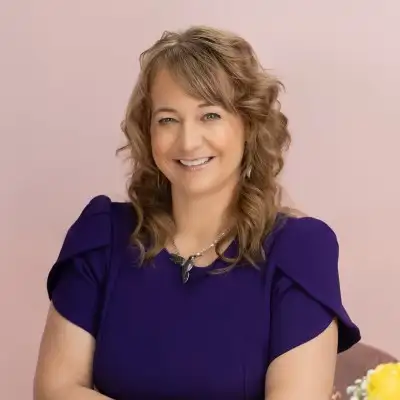
Welcome to "The Hummingbird Effect," a podcast dedicated to uncovering the subtle yet powerful ways that small innovations can transform your business. Hosted by Wendy Coulter, CEO of Hummingbird Creative Group, this show delves into the stories and strategies behind successful brand building.
For over 25 years, Wendy has helped CEOs and business leaders redefine their brands through innovation and compelling narratives. In this podcast, she shares the insights and lessons learned from her extensive experience, exploring how a strong brand orientation can significantly increase the value of your business.
Each episode features engaging conversations with industry leaders, business advisors, and innovators who have harnessed the power of branding to make a substantial impact. Discover how focusing on core values, mission, and vision can drive your brand beyond mere marketing tactics, fostering a culture that resonates with your audience and enhances your business's reputation.
Inspired by the concept of the Hummingbird Effect—where small, adaptive changes lead to remarkable outcomes—this podcast aims to help you understand and implement the incremental innovations that can elevate your brand and business.
Join Wendy Coulter on "The Hummingbird Effect" and learn how to evolve your brand, attract more customers, and ultimately enhance the value of your business through strategic branding.
35 Hummingbird Effect
===
[00:00:00] Hi, I am Wendy Coulter, CEO, and President of Hummingbird Creative Group, where we work with CEOs and marketing leaders to help build their brands. Um, over the years, marketing leaders have really focused on tactics, but what we know is so important is building a strong brand. Have you experienced a hummingbird effect? This is when a small shift in your marketing or branding can lead to big results in another area of your business. These are things like increased valuation when you go to sell or [00:01:00] maybe a big culture shift with your team.
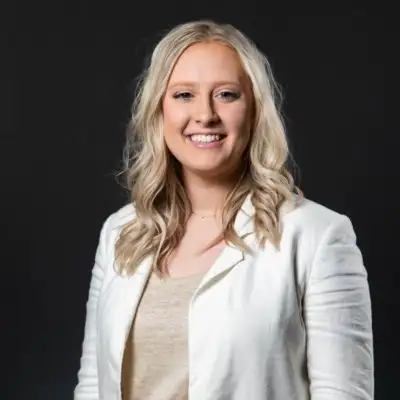
Wendy Coulter: Um, and sometimes it can lead to a service or a product launch that you just weren't expecting. And so that's what we're here to talk about today. And I have hummingbirds marketing strategists with me, Hannah Jernigan. Mm-hmm. Hello, welcome to this show.
Hanna: Thank you. Glad to be here.
Wendy Coulter: Absolutely. And you've been strategizing today.
Yep. And so, um, just, we have been onboarding a ton of new clients and I know your head's spinning this week, so. Yeah,
Hanna: no, we have, I think we're. I don't know the exact number. There's some, there's so many, four,
Wendy Coulter: four new,
Hanna: four new, all different industries, all different projects. So I am, yeah, just been trying to think through the most effective way to onboard and get started and go into the holiday season with
Wendy Coulter: lots
Hanna: of work.
Lots of work, which is awesome. Uh, but yeah, it's just been a lot of. [00:02:00] Organizing and strategizing and just making sure we're on track.
Wendy Coulter: So I know generally when we come to these podcasts, you've done a little bit of research. Mm-hmm. I'm excited about our guest, Brianna Carter. Um, she's with Paige. Yes. And in the architecture, engineering, and construction industry, which, um, is super fun and we're gonna learn from her.
But what have you dug up? Have you dug up any fun
Hanna: facts? I haven't, I have to admit. I was too busy strategizing. So my strategy today was to ask you, can you tell us a little bit about yourself and the maybe a fun fact.
Brianna Carter: Ooh, how nice. Um, but a little bit about me. I've been in this industry for about. Oh, eight years.
Yes. Eight. I had to think about that. Um, and have just been kind of going from a to the E to C, but actually let's go backwards. It was C to the E to the A, so C. Um, so that's been kind of my background [00:03:00] into the industry. Um, and I'm happy to be here.
Wendy Coulter: Okay. Well, so, um, I had seen on your LinkedIn, um, and it made me really excited about this show, but it also made me think, oh, this could be, um, this could be a crazy show.
Because we might all go brilliantly bonkers. Mm-hmm. So can you share what that means a
Brianna Carter: little bit? Yes. Um, so like I said, I've been in this industry for about eight years now and, um, I'm a part of the Society for Marketing Professional Services, so s and PS and this past year I decided to do call for speakers and do this conference road show.
Um, and I got selected for four of the conferences. Wow. And so I've been very busy. 20 20, 25 has been busy. , But thank you so much. And with that, um, I went to one conference in Lancaster, which I have a friend who's from Connecticut who's like, just say it like you're bored, Lancaster. 'cause I was like, Lancaster, Lancaster, Lynn.
[00:04:00] She's like, Lancaster. So. Lancaster, Pennsylvania, which was lovely, absolutely lovely. Um, but there was one session where we talked about, you know, adult learning styles and how you can talk about how you, um, how you think, how you learn, how you engage. And they gave us a project. So there was this pie, so a nice circle, piece of paper, some crayons, and they wanted us to divide out how we think and how we learn, how we engage the different ways, auditory, tactical, visual.
And so there were seven of these options. And of course she, she wanted us to make these circles. And so here I am like, okay, if it's 100% and if I divide the seven out and have it equally spread across, how would I be? Because I need to figure out which piece of me is a little bit more than that one. And of course, did I put anything on the paper?
No.
Wendy Coulter: Mm-hmm.
Brianna Carter: But I raised my hand and said, so what does it mean if you think about this? And this is how I came about it. And I explained to her my whole entire process. And she just stops and [00:05:00] goes, Brianna. And her British accent. You are brilliantly bonkers. I was like, can I, can I take that? Um, and so now I just added it to my tagline.
So when you see me on LinkedIn, it's, you know, a EC marketing leader, conference speaker, brilliantly bonkers chaos coordinator, twin mom. Yeah. Yeah. So that's all me. So
Wendy Coulter: I love it.
Brianna Carter: So many things. That's
Wendy Coulter: awesome. I love it. Um, so tell us a little bit about your work today, where you are and what that's all about.
Brianna Carter: Yes. So, um, a EC world, so architecture, engineering, construction. Um, I've fell into the industry, however, uh, Wendy and I were talking, and of course we both have backgrounds in architecture. Mm-hmm. Which is incredible. Um, it's hard to find people who have also kind of gone down this path. Ended up somewhere else in some way, shape, or form.
But, um, yeah, so I started with the idea of being an architect or an interior designer when I was really young. Um, [00:06:00] going all the way back to 2007 when I started high school. Um, I knew. That's what I wanted to do. So I went immediately into the career and technical education space, so CTE, where you start in basic technical drafting and drawing.
So I learned how to letter, I learned how to use a T Square. I learned AutoCAD, not very well, but I learned AutoCAD as well as inventor. Um, realized that wasn't where, like I wasn't gonna be an engineer. Like engineering was just too much for me, but I loved architecture. I loved houses and building spaces, and so I continued on, I did architecture.
There was a 3D Max class, so did a little bit of animation, but really fell in love with a, with architecture. So I did all of that. I learned how to use Revit. Um, I also learned how to use Adobe products in a photography class. So, um, that was my kind of springboard into the Adobe Creative Cloud, which I'm in there every single day.
Um, but [00:07:00] I went into that space and just really loved it. So I knew when I was going to college, that would be the same thing. I would continue on with architecture. Um, however, it's hard to find architecture schools, not necessarily, but I wanted to stay close to home, so there was a couple of options. I grew up in Virginia, so the closest option would've would've been Hampton University, which is a private H-H-B-C-U.
Um, so that was a little too expensive for me. Um, the other option would've been Virginia Tech or um, or University of Virginia, which of course is a big rival to where I went. No, no reason to be a rival, but you know, William Mary was the first. So that's our little, our little rivalry. Um, and we brought you Thomas Jefferson.
So,
Wendy Coulter: okay. Fabulous
Brianna Carter: little rivalry there. Just a little bit. Yeah, just a little bit. Um, so I applied to several different colleges. Um, I didn't wanna go to Virginia Tech or UVA 'cause they were too far. [00:08:00] Um, but I did look at VCU, didn't get into their arts program, got got accepted into, you know, the overall college got accepted to Christopher Newport, um, and then to William and Mary.
So I. Decided cost-wise that either CNU or William Mary would be the way to go. Um, neither one of them had architecture programs. CNU had a graphics design program. And then William Mary is your kind of basic liberal arts school. , What's a, another funny story, I guess another fun fact, fun fact part too.
Is, um, a course in Virginia, you learn all about kind of local history. Mm-hmm. Which ends up being all of us history since everything kind of started there, um, to where it's like going to Colorado, which I'll get there at some point. Um, going to Colorado and realizing that people didn't learn about Virginia history blew my mind.
I'm like, that's basic history. What are you talking about? But.
Hanna: Not to them
Brianna Carter: exactly.
Hanna: My fiance's from Virginia and so, um, we're one state away and I still, [00:09:00] every time he says something I'm like, how did you this? Why do you know that so much? We learn it all. We should know it.
Brianna Carter: We don't,
Hanna: but it's like every year
Brianna Carter: it was like one thing and then you learn more and then they come back with the US
Hanna: history and they really teach it to you.
'cause he knows it. Oh,
Brianna Carter: yes.
Hanna: Like we could be driving down and he'll tell me all about what's happened. And I'm like, who? Who did that?
Brianna Carter: Why?
Hanna: What,
Brianna Carter: what? But yes, Virginia History. Um, so in fourth grade we did a trip to Williamsburg, and of course if you go to Williams.
Hanna: Colonial Williamsburg.
Brianna Carter: Oh, me too. I
Hanna: think it's so cool.
Brianna Carter: It's so cute. And then you just go on Dog Street, which is Duke of Gloucester Street, but we, we call it Dog Street. Um, and it's right across from the college. And I remember being there and going like, I'm gonna go here one day and. Lo and behold, here I am, go tribe. Um, so I went to William [00:10:00] Mary and they make you do a full liberal arts education.
So you're taking all of your different classes, um, all different aspects, but of course me going like, I'm gonna be an art major because architectures with an art. So I went in. And started my art classes, you know, a little bit of everything. Um, you had to start with like drawing, painting, sculpture, et cetera, et cetera, et cetera.
Um, and I was doing that and also taking my core classes. I started with calculus. I barely passed calculus. Yeah. Like barely passed. Like I even remember to this day, um, it was the final exam and me and Mike ended up, she ended up being my college roommate for the last three years. We were both sitting there, got the exam, it was seven questions and I immediately like, just put my head on the desk
Wendy Coulter: in.
The professor laughed and I was
Brianna Carter: like.
Wendy Coulter: So funny,
Brianna Carter: I'm about to [00:11:00] fail. Um, and, but I, I passed the class.
Wendy Coulter: Yay,
Brianna Carter: yay job. I passed some, some way, shape, or form. Um, and that was kind of like the first shock to the system. Um, then it was, it was like, okay, we're gonna keep on going and keep on learning and all these different things. Um, I had taken a couple of psychology classes that really piqued my interest as well.
Um, and then. Of course, continuing through the arts and things like that. Um, I focused in on 3D Arts, , a lot of, , lots of sculpture and painting and so got to use a lot of different mediums and learn how to really use the, the tools to create something really cool and beautiful. Right. And I. Because architecture is under 3D studio art. I was like, well, I'm gonna be an art major, which for William Marriott's art and art history with a concentration in 3D studio art.
And so here we go, starting architecture classes with [00:12:00] a practicing architect in the residential space. I got to do so many different projects. We did something for like the New Jersey Turnpike. We were doing something for the Williamsburg Council building, just all these different projects. Um, same thing with Lake Matoka.
There was a chapel that we decided to create, so just fun projects to kind of get the creative juices flowing. Mm-hmm. Um, and then there was one day he showed us a video about, um, what it takes to be an architect. And instead of asking additional questions to someone who actually does it for a living. I panicked, freaked out and was like, Nope, can't do this.
I can create something that's beautiful, but will it be structurally sound? Probably not. Um, and I don't want that on my conscience or around my hands. So I was like, forget it. I can't do this. Um, however, it's like, you know, I'm already down the path of being an art major. Art and art history. Plus I love art history.
Absolutely love it. And so it's like, okay, well what do I do next? 'cause everyone's looking at me going, Brianna, what are you gonna do with an art degree? Like, I don't know what I'm [00:13:00] gonna do with an art degree. So then, because I enjoyed psychology, I was like, well, maybe that could be my route. And I don't, I still don't even remember how I got introduced to marketing.
I don't know if it was from like a. Search I was doing, but I got introduced to marketing and I was like, Ooh, that's kind of the best of all worlds. It's the art, it's the, um, it's, yeah, I can say it's science. There's a science behind marketing. Mm-hmm. Absolutely. Lot of science behind marketing. Yeah. But also the psych, the psychology aspect.
And so I was like, yeah, let me try for that. And at William and Mary, you have to apply to be in the business school. So I applied. Did not get in. And so I was like, okay, well psychology it is. Um, and so I was gonna pick that up as a minor and keep my art major, and I got a call. Literally a week or two before school started saying, there's a spot open for you in the marketing minor.
Wendy Coulter: Nice.
Brianna Carter: I was like, okay, awesome. I'm gonna take it. I'm gonna take it. [00:14:00] And so I started the marketing minor and took the intro to marketing some additional classes. Like, I really love this. I absolutely love it. So I was gonna continue on and take the classes. And this was my junior year, so I'm taking some more of my architecture classes, ceramics.
'cause I, I was determined my life, gold. My life goal on my bucket list was to be able to make a pot. That's all I wanted to do was make a pot. So I did wheel throwing and I, I absolutely love it. So, you know, just,
Wendy Coulter: did you make a pot?
Brianna Carter: I did.
Wendy Coulter: Have you Made a lot of pots now.
Brianna Carter: So, or did
Wendy Coulter: you stop at one?
Brianna Carter: I made pots and bowls and things like that to where it's like, I, I absolutely loved it.
So, um, there's, I still use some of my stuff to this day, which is really nice. Oh, that
Wendy Coulter: is nice.
Brianna Carter: Um, I get to use my bowls, especially like I have these kind of little bowls that are perfect for ice cream, so you don't get too much because I'm addicted. That's my guilty pleasure. Um, so it's like if I have a little bowl.
Then it's just, it's okay.
Hanna: Little [00:15:00] bit
Brianna Carter: and then I can get more. But it's still that little bowl.
Hanna: Right, right, right. It doesn't matter how many bowls
Brianna Carter: Exactly.
Hanna: Just the size of the bowl.
Brianna Carter: Exactly. And it's the perfect size. So then, um, fast forward to going to my junior, I mean, my senior year, I'm like, oh, this is gonna be a great year.
I only need 12 credits per semester. I'm gonna have fun. My roommate and I, we we're gonna go out all the time.
Hanna: In Colonials Williamsburg, right
Brianna Carter: in Colonial Williamsburg. We're gonna go out there with the dos and learn all about history. Um, and guess what? I got another call. There's a spot open for you in the major.
I took it so my senior year. Instead of it being simple and fun, I was taking like 19 credit hours per semester. Slightly losing my mind, but I did it. Ultimately I did it. So then I was able to have both my art and art history and my marketing and um, I feel like [00:16:00] that allowed me to kind of open additional doors into the future of what I could be and could do.
Um, especially since I, I blocked architecture outta my head. I'm like, I'm gonna work for Disney. I'm gonna work for Colgate. I'm gonna work for Dollar Tree. 'cause Dollar Tree's headquarters is in Chesapeake. Well. Chesapeake, Virginia, which is where I grew up, and I was like, I'm gonna work for Dollar Tree. I didn't get any of those, so none of them.
I finished up college, um, and didn't get selected for this job that I thought I was gonna get with Ferguson Enterprises. Um, and just ended up kind of going into a slump. Um, I worked retail in that time, so I know you guys are onboarding a bunch of different people. So we're gonna go through all the different places that I've worked.
So I worked retail for a little bit, um, to make a little bit more money. I decided to become a manager there, but then I also got an opportunity. You ready for this, Hannah?
Hanna: I don't know.
Brianna Carter: So I got an opportunity to be an HR intern with [00:17:00] Steel Inc.
Hanna: Hmm.
Brianna Carter: You do temper sports, don't you?
Hanna: No. Oh, timber. You said timber not.
Oh,
Wendy Coulter: she's listened to podcast.
Hanna: She
Wendy Coulter: episode
Hanna: plug. Now I'm embarrassed. My face is dragged because people
Brianna Carter: heard that
Wendy Coulter: sports, somebody
Brianna Carter: heard you
Wendy Coulter: talking
Brianna Carter: about like S-T-S-D-I-I-H-L? Yes. Like the German chainsaw company. I worked there and I was like,
Hanna: did you do timber sports?
Brianna Carter: I didn't, and when I found out about it, I was like.
Holy crap. There is actually like sports for this
Hanna: and it's all on the tv.
Brianna Carter: Yes.
Hanna: I went to a sushi restaurant and it was on Exactly, and I was like,
Brianna Carter: this is my people. Exactly. It's on tv, like if you're throwing asses. Yeah. They're, they're using the chainsaw cutting like
Hanna: the, the, the two people. I wasn't strong for that as strong
Brianna Carter: to do the, the
Hanna: back.
What? I don't what? I don't know what any of it was called. I don't know why, don't
Brianna Carter: ask me either. I was like, all I know is like,
Hanna: I was just like, sure, I'll try this.
Brianna Carter: Yes. Haha. There's your fun fact.
Hanna: That was a good one. There we go. That was
Brianna Carter: great. So I told you I was waiting [00:18:00] for that moment.
Hanna: Oh, that was good. I really did get read.
Wendy Coulter: So that, that's the same fun fact times too. Yes. Two episodes now everyone's,
Hanna: it's pretty fun. If you're at NC State and you wanna go join Timber Sports, I don't know if they have in other places.
Brianna Carter: You should. Yes. So I interned for them for. Nine months. Let me think about it. Yeah, nine months. Um, and I applied for a full-time position there and didn't get it.
And the biggest piece of feedback that I received from that experience and even kind of like the follow-up afterwards, before I left, was that they liked me, but they didn't think I had enough initiative. So that's a word that has really followed through the rest of my. Kind of career. So always come into a space with initiative.
Mm-hmm. And action. And just really good follow through. Um, so after not getting that full-time job, I applied for another one and got that. [00:19:00] And so I was a sales associate and marketing person, so sales and marketing associate. There we go. Keep that. Keep that. Um, and. For the company, it was called RA Business Solutions, but they were a sales agent for Equifax.
Mm-hmm. Like the credit bureau. So I, I, I, I learned credit files, um, and I would talk to people all the time, all these different banks who were trying to pull people's credits. Um, and so I was, I was doing that all the time. Did not love that job per se, um, because it wasn't. The, like, the raw marketing that I wanted, I felt like I was mostly doing customer support.
Mm-hmm. And I had done that in retail, so I wanted something that was truly marketing focused. Um, and it wasn't until I had to move from Hampton Roads, Virginia to Colorado, where um, I was looking for jobs and literally I was out there kind of just looking around. We were looking at [00:20:00] apartments and um. A recruiter found me on LinkedIn and he was like, if you're in the area, would you like to meet me to talk about an opportunity?
And so sure. Like, we'll talk about an opportunity because so far the job interviews that I've been going to, I'm, I, I didn't wanna do. Um, and so I met with him and he was telling me about a. Construction company. Mm-hmm. Mechanical contracting. And, um, he was like, they're interested in your skills and they would like to potentially see if you would be a good fit for this company, this family owned business who does a.
Mechanical and plumbing process piping, all this stuff that I had no idea what the heck it was. Um, but I, I went for it and it was this really great company, nice people, nice family culture. Um, and they were willing to take a chance on just, you know, college grad who didn't know anything about pipe.
Wendy Coulter: Yeah.
Brianna Carter: Like [00:21:00] not a thing. Um, and they took a chance and here I am, stumbling into construction. Um, with that, I just started asking questions all the time, just asking questions about like, well, what does design build mean? I. I had no idea. But what does design build mean? What does it mean to do a proposal? Um, what is procurement?
What is any of this stuff that you're doing? What do you mean? I need steel toe boots to go on on this site. So I even started going on site and seeing the amazing things that people were doing. Mm-hmm. So that was kind of my introduction into this industry.
Wendy Coulter: Nice. That's nice. So somehow you landed in North Carolina.
Uhhuh
Brianna Carter: Uhhuh.
Wendy Coulter: So bring us to Page and how you landed in North Carolina.
Brianna Carter: Oh, so, um, I was in Colorado for four and a half years and um, of course COVID happened. And [00:22:00] then next thing you know, here I am pregnant. Wow. Um, and not just with one child, but two. Oh,
Wendy Coulter: twins.
Brianna Carter: Yes. Twins. And so most of our family was over here, still in Virginia.
And it was one of those things where, okay, it probably makes sense to get back a little bit closer.
Wendy Coulter: Yeah,
Brianna Carter: a little bit closer to home. So it was like after the kids were born, moved back to, uh, this side. So moved to Raleigh, North Carolina, which I absolutely love. Um, I've been here for about three, four years now.
So really enjoying it. Um, but moved here, needed a new job because of course it was a family owned construction company and got a job on the engineering side with berry engineers. Um, stayed focused in on the MEP side, um, mainly focused in on K through 12 healthcare. Kind of spaces. So it was something that was familiar, but instead of it being on the build side, it was on the design side.
So I got to learn all about those things, learning about the different types of [00:23:00] forms that they use. Um, but I wasn't quite in love with the engineering space, and so I was like, okay, well we'll see what's kind of next. Like, not really loving this, not really feeling like this is my, my home. So then I started looking for jobs again and I saw Paige on that list and I was like, I know Paige from Denver, because fun fact is the first job site that I walked with my construction company was one that Paige designed.
Oh. So I was on both sides of it, right. So I'm like, I know them, I know them. Um, but the one thing that kind of threw me off was. Paige had just acquired a company called EYP. The office that I applied for was a legacy EYP office, and so of course I had questions. I'm like, what am I getting myself into?
Because after hearing that EYP went filed for bankruptcy and things like that, I was like, okay, what am I getting myself into? I know Paige, but I don't know EYP. Um, but again, took the [00:24:00] plunge to just kind of see what it would be. Absolutely fell in love with the team, the other marketers. Um, and the big thing that Paige talked about was this entrepreneurial spirit.
And that really spoke to me and I was like, what does that mean to you guys? And it's really about being able to kind of chart your own path and be able to do what you need to do to just create your own career. And that's when I knew it was a fit. Um, so I joined Page as their marketing strategist on the academic sector, so mostly focusing in on higher ed.
So I've done so many projects in the higher ed space. Um, and then starting this year, um, actually it's kind of funny because it was. Around April Fool's Day, uh, that we, that I said that I was willing to be a manager. So now I manage a team of people. We also found out, and this is what's what's kind of funny on April 2nd, that we were being acquired by Stantec.
Wendy Coulter: Oh, wow.
Brianna Carter: Yeah. So it was like, [00:25:00] oh. So I'm like, what? What do you, what do you mean being acquired by Stantec? And I was like, Stantec, as in the engineering company, like. I, I left engineering, but it was one of those, again, I heard a Stantec from Colorado, so I knew who they were and I was like, oh, that's a, that's a big daddy company.
Like I went from a 300 person company to a 2300 person company with Dwberry Wow. To 1500 people with page, now it's 32,000 people.
Wendy Coulter: Yeah.
Brianna Carter: And I'm like,
Wendy Coulter: wow,
Brianna Carter: that's so what am I gonna do? Like, what's gonna happen? Um. But embracing the change in the shift, and I've met so many great people. Like we, we learned about this in April.
It was public in October. I mean, I'm sorry, it was public in August. So we're about two months into this transition phase. So I'm doing a lot of strategizing and thinking and understanding. Like right before this I was doing some onboarding and training mm-hmm. To get ready to go into their systems next week.
And so I, um, this has been a very [00:26:00] long month.
Hanna: It's okay. It's not over
Brianna Carter: yet. No, it has been a very long month. There's
Hanna: still more days
Brianna Carter: and I'm, I'm learning so much. I feel like my brain is just. Full of stuff and all these different passwords because you know, they can't be the same. Some have to be 15 characters.
Some some can't have an exclamation point, some can't have the at symbol. And I was like, just, just make it easy for me. Just, just please. I didn't say that it, um, but it's, it's been such a fun transition and now I, now we say we're page now Stantec until they drop. The page name.
[00:27:00] you've seen so much, you've seen small business, you've seen, um, a merger and ac mergers and acquisitions.
Wendy Coulter: Now you're doing post-close integration. Yes. Um, and so as a marketer, that's a lot of different things to learn in a pretty short period of time. Mm-hmm. Mm-hmm. So I am sure you've experienced a hummingbird effect somewhere. So let's kinda
Hanna: Yeah.
Wendy Coulter: Dive into that a little bit and. Hopefully you have an instance you can share with us where you saw like a small tweak happen, uh, in the marketing space or the branding space, and then you saw the impact of that in other areas.
So what do you have to share with us today?
Brianna Carter: Ooh, and we may have a couple of hummingbird effects.
Wendy Coulter: Awesome.
Brianna Carter: So I'm gonna go back to the construction industry where you know. Construction is so far behind. In general, just our industry, typically behind the times in terms of forms, et cetera, [00:28:00] just all the different things.
And social media was also one of those things that we were a little bit behind in the times on. And so when I got on board, there were a couple of us who were interested in doing social media, and then we finally decided to dive in and really hone in, especially since they had just rebranded in a sense of before the, the, um.
Um, the logo had a, like since 1907, but plus 100 years of experience or whatever it said, a century of solutions, that's what it was. Mm-hmm. But you know, as time goes on, you can't keep on saying a century of solutions once you hit plus 10, 15, 20 years after. Right. So they did a rebranding to where they dropped the century of solutions and just kind of try to stick to the simple logo.
And we know as marketers how important brand and logo is and how often you're trying to get people to just stick with the time. Same thing, like how do you talk about yourselves? It's like we're just Murphy Company, [00:29:00] not Murphy Company. Mechanical contractors and engineers. Like yes. Legally, yes, but just Murphy Company.
So how do we talk about this to where we can get people to just, instead of saying, I work for Murphy Mechanical like that. Now at this point, I'm telling you three different companies, which is the same company. We're just Murphy Company. Period.
Hanna: Stop. Done,
Brianna Carter: stop. And so really trying to push that through social media as well.
But then honestly, just trying to showcase the stories because especially the difference between B2C marketing and B2B marketing is all about people passion and project. It's, it's those things that we have to sell, and it's the story, those stories that we have to sell and bring to our. Clientele, which ends up being different for each platform.
So for LinkedIn, obviously it's people who we work with and customers and obviously other businesses, other architecture firms, engineering, construction, GCs, whoever it may be who are looking to work with us. But then on the Facebook [00:30:00] and Instagram side, that was more for families and being able to interact.
So you can say like, Hey kids, do you see that building right there? I built that. And so that was what that PLA platform was for. But then we got to COVID and of course, everything shut down. However, construction was still essential. Mm-hmm. And so, um, luckily for me, I wasn't, I wasn't impacted. I was able to, you know, take my laptop home and sit in my living room and type away, continue to do my proposals.
Um, but of course our laborers and our tradespeople, they were still going out to site because they still had to, you know, build all these different things, whether it was in our fab shop or out on site. And here I am, their corporate marketing manager, and I was like, why am I sitting at home when they have to be out here doing all these things?
This is a perfect time to get the additional stories as well as get out there just to see what everyone is doing and how they're feeling. 'cause a lot of the times they don't see the office [00:31:00] people or at all on sites. And nevertheless, a marketing person or like a lot of times, do you see a lot of women on job sites?
No. Right. So being able to go out there and go like, you know, I really appreciate what you're doing and I think this is awesome. Help me understand what this is that you're doing. And so I. Got on my steel toe boots, my hard hat, my safety jacket, my gloves, and I went out on site and I just kind of continued to take the pictures and showcase what they were doing during COVID, um, which a lot of the healthcare spaces were being renovated and, you know, retrofitted to have the negative pressure spaces and all these different things.
So I started capturing those moments. Same thing in our fab shop. We started creating these lovely, um, kind of portable sinks so they could be able to wash their hands because of course you have your porta potties and then you have to wash your hands. And because everyone was so overly self-conscious mm-hmm.
About just hygiene in general, we created these portable sinks and [00:32:00] so I went to our fab shop and recorded that and again, showcasing here's how we are trying to help. This pandemic.
Wendy Coulter: She does know how to take initiative.
Hanna: Huh? I know. I, it's the only word I've wrote down so far, I felt. Yeah, you do. Yeah,
Brianna Carter: you
Hanna: do.
You got it. Yeah. Good job. And so good job.
Brianna Carter: That's, that's what I did. Yeah. And it got picked up. So our company was based in Colorado and in St. Louis. It got picked up by one of the magazines out there. Nice. And then, um, the mechanical contractors associates. Association of America also picked it up. So then here we are getting news channels and things like that, reaching out to us and I was like, we did it like we made it.
And so it was one of those things to where we were able to build up on that. Um, and then another thing that I started to do was. Um, a lot of the award submissions, so the, for like the A GC of America or a GC of Colorado, I should be more specific. Um, but [00:33:00] doing their awards missions and being able to just talk to people about what they do and why it matters, and knowing that the biggest thing is what is the community impact.
So being able to tie everything back to a community impact is what really started to resonate, especially in this industry, is that. What are you doing for the community to help your clients really just soar in that space?
Wendy Coulter: So talk about that impact and how you measured that and what a difference that made within the company.
Yes, at a different level,
Brianna Carter: it was just additional recognition. Especially, like I said, being able to go like, yeah, I'm an office worker, but I'm gonna come out here with you guys. Like it's, and granted, I loved not having Denver tra traffic for once. I was like, this is great. It's kind of ominous because you know, you're going down, you're all aware major streets and it's like, where is everybody?
This is really, really awkward, but it's fine. We're fine. Um. It was just being able to go out there and they're like, you actually care, like you care [00:34:00] enough to be out here and see what we're doing. And I've, I made friends with a lot of the journeymen and our, our foreman and just being able to kind of communicate with them and just see like, how are you doing?
How is this going? How's your wife? Like, just different things to like really humanize it. 'cause I feel like especially in this industry, both on the marketing and on the, um, on the. Do what? What word am I looking for on the marketing and the
Wendy Coulter: brand?
Brianna Carter: No.
Wendy Coulter: Sales.
Brianna Carter: No. We'll get there.
Wendy Coulter: Operation.
Brianna Carter: There we go. So blah, blah, blah.
On the marketing and on the operations side, you're mostly seen as a robot, and that's the main thing that people don't wanna be. You wanna be seen as human because we're all human, but instead of making it seem so robotic and like, this is what you have to do because you know you're this hamster on the wheel.
Like, no, we all have our individual stories. So let's start to highlight those. Especially when it comes down to women in [00:35:00] construction, which I'm a huge advocate of. It's like being able to showcase people in other spaces to allow them to feel like, yes, mm-hmm. This could be me in the future if I so want it to be like, there's other people who are doing these things.
Hanna: I think there's something to take from that in the world or the work world we're in now, which is a little bit more remote.
Brianna Carter: Mm-hmm.
Hanna: And what I'm hearing you say, and it, it's, it's tough to remember all the time, is. Your company can't be this box that you shove people into Exactly. So they can't forget that you like all the different places that they might be in the world if you're able to be that remote some, mm-hmm.
People can't do that. But actually talking to them and making initiatives or see, uh, making initiatives or making campaigns or anything based off what you have rather than what you think you have. Um, and you did that by going out and talking with them. Creating stories and talking about things that were actually happening rather than just [00:36:00] assuming exactly they're on this job site.
This is probably what they're doing, and it just makes for a better culture. And I bet I think better outcomes every time that I hear that happening.
Brianna Carter: Definitely. And I even see it now in the architecture space because like, yes, I, I studied architecture, but not to the depth that our architects and planners and urban designers are in the deep depths of.
So their minds are just so interesting and incredible. So to be able to talk to them just fires me up. Um, but being able to talk to them and just say, okay, what does this mean for you? And how did you engage stakeholders to get X, y, and z done? And what does this project do for the community? Like we have a podcast that one of my good friends and colleagues, Tully Mahoney does and like, we call it The Good Room Podcast.
And what it does is it brings people in to where they can start talking about. What makes a room good and then talking about the individual spaces. So we really get that technical expertise and being able to pull that [00:37:00] into, you know, why we do what we do. And what I started to do, this is my second hummingbird effect, is, um, we were already getting that information through a podcast or let's say we were doing articles and things like that.
So we already had the technical narratives. They just weren't in a format that I could pull into a proposal. So what I started to do was like, well, I don't have to set up a meeting with John Smith, which we do have a John Smith. I didn't have to set up a meeting with him. All I had to do was listen to his podcast or find his article on our website that we were al already publishing, and that's thought leadership.
And then from there, that answers my question for my proposal. You know, how do you talk about heath health education spaces or simulation spaces within dental schools? Super specific. I know. Um, but I was able to pull those pieces in and create the narratives that they could then have something to respond to instead of creating something on the fly.
'cause knowing that they also have to respond to their clients as well as, you know, they have their personal lives, I'm able to just. [00:38:00] Make it a little bit easier, pull something that can allow my brain to kind of flourish and think about things. And I always come to them like, so I may have made things up, so please clean it up.
But I just took what I could, let me know if I'm making things up. Um, but it was a great way to be able to just get. Content and be able to quote people as well, which is really impactful in our industry because we wanna show our subject matter experts and then really highlight them as the people, especially if they're gonna be on that project.
Wendy Coulter: So it seems like in the, the first hummingbird effect that you talked about, you learned kind of the power of getting to know the people at the heart of the business. Mm-hmm. Um, and that was probably like a really good learning experience for you to bring to where you are today. Where you're digging even deeper into the people's stories and finding the thought leadership that you can put into the proposals and into content.
Um, and it not just be [00:39:00] about the services that the company provides, but it be more about the people, what they have to say and what they do, and what experience they bring to the table. Um, so talk a little bit more about. You, um, you took this lesson learned. Mm-hmm. And, and the first hummingbird effect, you've brought it into kind of a second space and now where are you going with the depth of that and maybe some measurement or metrics that you're.
Putting forth now. Um, I think it's, I think, I don't know if easier is the right word, but coming out of COVID metrics were a little bit like weird, right? Mm-hmm. Because everything was just kind of upside down. But today, we're in a space now where I think we're measuring a lot better and able to see impact.
So can you talk a little bit about the impact of the thought leadership initiative that you're leading today?
Brianna Carter: Yes. Um, so. We have a great [00:40:00] team too on our communications front and our website, website designers, as well as our user experience team. So we have these great tools. We actually just as crazy as it sounds as well, at the beginning of the year, we did a whole brand launch and campaign.
So we were working through all of our projects, changing the tone and voice, which then we were like, was this all for Naugh now that we've been acquired? We realize it has, it's not, it's still something that's really active and something that Stantec really admires about us. So being able to talk about our brand in this way, we have been able to relaunch our website, have a change of tone and voice.
But then also being able to create more and more articles, which we then, obviously we track how many views, how many clicks, because we'll then post it on social media as well. So LinkedIn, Instagram, Facebook, whatever the platform may be. But we track those. Same thing with our podcast. We track views both on the website [00:41:00] and, and um, on YouTube.
And Spotify. Um, so it's like all these different platforms that we're able to track those KPIs, but then it's also the biggest thing that we have to push internally is the fact that. As soon as something drops on these channels, you have to engage.
Wendy Coulter: Yeah.
Brianna Carter: And then it's like immediate engagement, especially when we can say we're highlighting this person, especially if it's tied to a project that we're doing.
'cause there's a lot of times where we will put out additional thought leadership tied to a pursuit. So then when we turn in our proposal, we can also do QR codes and links and all these additional things that we can then track somewhere else. So that kind of brings us back to my second hummingbird effect with the podcast.
So there was one proposal that we were doing for a museum. Um, we did not shortlist because it was one of those projects that everybody around the world was going for, and it was for the McCain Center out in Arizona. To kind of [00:42:00] commemorate John McCain. And so he, they wanted to do a museum as well as a library component.
This kind of really interesting type of project. And we had some museum experience at the time. But then we also had acquired a company called Davis Brody Bond, which is the, the brilliant team behind. So many landmarks. So they worked on the nine 11 memorial. They worked on, um, the Museum of African American History and Cultures.
Nice, the Pearlman Center. So incredible beautiful projects. And so what I decided to do with that team is we have a museum expert on staff, um, because of how you interact in a gallery or a museum space, which allowed me to get back to my art history route. Was to put in sound bites into our proposal. And what I did was I worked with our, um, our podcast coordinator.
So I was working with her and she's actually, her title is Storytelling Strategist. So the fact that we have storytellers on staff makes my heart really happy as well. [00:43:00] But I was working with her and I was like, if I give you sections of your podcast, can you, can you like pull them out, give them to me, put them on a separate website to where then I can tag them in different spots of this proposal and then create an icon like you would see in a museum that says, if you wanna hear more.
Listen here. And so then they would able be able to click either the link or the QR code, however, whichever way they were viewing it, they would be able to see and experience this as well. So for me, it's all about what is the user experience, and that's what I loved about art as well, to where it's like, how am I.
Pulling in this visual experience that allows someone to feel something. Mm-hmm. And, you know, create, create that just warm, touchy feely kind of thing.
Wendy Coulter: What you're showing through the proposal that you can accomplish. Something that is related to what the proposal is really about without it just being portfolio, which is really cool.
You created that interactive [00:44:00] environment within the proposal. Yes. That's really creative. I love that. Um, and I had another thought, um, kind of around that, that I think is really interesting because you're using content in such a strategic way, like the pieces and parts. Um, and something that, you know, we talk to clients about a lot, but I think we can really learn from this is like repurposing content.
It's like normal words, right? Like we need to repurpose content, but the way you've done it at this different level to enable a sale Yes. Like truly enable a sale. Not like, well, maybe someone will hear this when they're in the process, like when they're on their journey, but, oh, they're gonna hear this.
When they are looking at the proposal and it's going to drive a sale, I think that's like super cool that you got that strategic with it. Thank you.
Hanna: Yeah.
Wendy Coulter: And [00:45:00] that creative with it,
Hanna: that was what I was just writing down. Um, it's something that I'm taking away from this is take the time to improve your resources.
Um, so you had taken the time to improve the voice and message and such to put into these proposals. Which allowed you then to have this time to be creative and to think and to strategize and to take it a little further. So it's just a little reminder to me to when you can put forth the effort to give yourself a good, nice.
Platform of strategy, it clears up your time to really stand out.
Brianna Carter: Yes.
Hanna: Yeah. And find those niches and those differentiation. Differentiators. Sorry.
Brianna Carter: And I'm glad you said that. 'cause it's all about differentiation. Mm-hmm. Yes. Which of course, especially in our industry, everyone's like, we're the best team for this project and we can, we can keep things on time and on budget, but it's like.
How, how, who cares? That's always the, that's always the question. Mm-hmm. Anytime someone says something like, we're the number one [00:46:00] firm who does X, Y, and Z? And why do I care? Right. So it's always the who cares test that allows you to get to like that additional step to go like, and this is why they care.
This is how it ties back to their values.
Hanna: Well, and making those soundbites look like a p, like a museum piece shows that you care, you cared about. What the end result were. Yes. The people that were having to read these, and no one wants to read that. And
Brianna Carter: they see so many,
Hanna: so many of the same thing. And so I mean, that showed that you cared in a different way.
You weren't trying to be anything. You guys weren't. It's just you had the time to be creative and you were strategic and what you were doing. I think that was an awesome example of how to just push the boundaries a little bit.
Wendy Coulter: So how do you take that? How do you take that to the next place? Right? Like what's next?
Brianna Carter: Exactly. And that's always the question. It's like, what's next? Right. And so it just kind of depends on, you know,
Wendy Coulter: what the opportunities
Brianna Carter: are. Exactly. Yeah. Because there's some cases [00:47:00] where we have to do, it's called an SF three 30 form, so it's, you know, this really boring government form that. Has to stay in the confines of its little bounding boxes, but it's, it's there because it's something to where you can compare apples to apples.
Mm-hmm. And there's nothing like fluffy Duffy in it.
Wendy Coulter: Right.
Brianna Carter: But it's like, okay. But
Wendy Coulter: you can't differentiate very easily on those forms. No. Because they don't give you the opportunity.
Brianna Carter: Exactly. So it's like in those, in those cases, I'm like, well, here it is. But that's when I can really like, utilize words.
Right. And story. Imagery, especially in that section H, where you can do additional kind of information, um, to where we can really shine there. And that's the, that's a nice place there. Whereas sometimes, especially for clients where, you know. They let you do anything and everything. Um, then I'm able to use, utilize full bleed spreads mm-hmm.
And all this amazing stuff mm-hmm. That we learned like to how to do from our graphic designers or in in design. I'm able to just try different things. I'm able to, you know, [00:48:00] I actually saw, um, a project that one of our team members did and I was so impressed with her because she's a part of our arts and culture group, but it's like we do these little things and we share 'em with each other to where in her recent proposal, she did it as an Adobe.
Share link. And then within her proposal it actually had gifts and videos to where like as the client would go through, they would able to be able to see, for, especially for our experiential graphic design team, be able to see different ways that you can have like, let's say a billboard present or some sort of.
Signage as you go through, like, because we've done Mercedes-Benz Stadium, how you can see how signage works there. Mm-hmm. So it's just really interesting how one little instance can change into another and just spark the ideas. Like I said, I work with so many incredible people, like I absolutely love my team to where it's just we can all be creative and being in a space where you can be creative and have the time to be creative.
Yeah. Is incredible.
Hanna: Well, and I think [00:49:00] that goes back to what you were saying, even though that one government form seems a little.
Wendy Coulter: Dry.
Hanna: Dry. But I, what I was hearing was you guys were able to fill that out and know that what you're putting in there is the best. And I think that that's a good point.
Wendy Coulter: And it's different.
Hanna: Yeah. For it's
Wendy Coulter: different.
Hanna: I think that's for, I mean, I think everyone could go do it, write down your buckets and see if there's anywhere to improve. And if there's not, then start being creative then. Or improve it. And then you, you find that time after you focus on those core abilities.
Wendy Coulter: Yeah, exactly. I think it's so cool how nimble and adaptable mm-hmm.
You are able to be with your team. I think that's, um, you don't always get that opportunity mm-hmm. Even in marketing. And so, um, I think you must be working for an amazing organization. Yes. I hope none of that changes, um, through this new acquisition. Um, what advice would you give. To other people in your, in [00:50:00] your position and in your space maybe, um, from all of this that you've learned over the years.
Brianna Carter: Wow. Um, and there's just so much. I feel like a lot of it is don't be afraid to ask questions there. Especially in this space, there are no dumb questions. Like, there's plenty of times where I'll ask people. What exactly does this mean? What does it, especially for things that you know or you think you know?
So for example, I've worked on an incredible project that we won Woo-hoo
Wendy Coulter: Yay,
Brianna Carter: um, for a new freshman housing project at University of Houston. And through that process I learned so much of what it is to create freshman housing and what's needed now, because of course it's been 10 years since I've been in college.
Um, but it's like how these new and dorms is a bad word. We say residence life.
Wendy Coulter: Residence halls,
Brianna Carter: yes. And residence halls. Student housing. Um, but it's like understanding that because a client, if you say dorms, they're like you, you're not serious. So you are [00:51:00] already knocked out. And it's incredible to learn these things from especially our student life planners.
Um, but. Being able to go through the process of especially hearing how the designers created these spaces and the adjacency, I love that word, the adjacencies between rooms and bathroom spaces, as well as the living and learning environments and being, you can just see it like, and of course my, um, an art school, a little, little tangent.
In art school, I had an art professor who, um. He gave us this rock and he was like, you have to see the color in the rock. And he would do like this. I'm like, were you a dancer in your past life or something? But I learned how to see colors in a gray rock. There's, there's a lot, there's a lot of colors in a gray rock.
Mm-hmm. Um, but of course all the designers do that too. And I was like, you guys are so fascinating. Um, but being able to just kind of. Pull those additional nuances in and go further beyond what you think, you know, um, because the thing is, especially for the [00:52:00] marketers, our, our project teams are our consultants.
I mean, are our clients. We are like their consultants essentially. So. I work with each of those individual teams, I can kind of do whatever I want within reason, obviously within the confines of the proposal, but I can just present it. If they say no, then okay, we back out. We try something different, and that's a lot of what I do is just trial and error and same thing I tell my teams, just try it and see what happens.
Mm-hmm. What's the worst that happens?
Wendy Coulter: I mean, experimentation piece. Yeah,
Brianna Carter: exactly.
Wendy Coulter: So, wonderful.
Brianna Carter: And for marketers too, like our, our big, especially in this space, our biggest thing is just get the team to the shortlist.
Wendy Coulter: Yeah.
Brianna Carter: From the shortlist in the interview. It's up to the team. They have to sell the story.
Mm-hmm. Right? So it's really hard to figure out when rates in that capacity to where you're like, well. I as the marketer have won, if I can at least get the team to the short list in the interview stage, I would love for us to win this project. I would love for it. And I've had a lot of second place [00:53:00] pursuits, which.
Slightly hurts my soul. But the thing is we put in a good product and as long as we debrief with the client and even find out like they loved our, our proposal, or they, you know, thought everything was good, but maybe it was too high on fee, or they just really liked the story that this team said, it's, it's all learning experiences that we get to bring to the the next pursuit.
Wendy Coulter: Love it. Thank you. Thank you so much. So do you have any final words, Hannah?
Hanna: I, yeah. I'll just kind of recap all of the different things that you've said. I wrote down two hummingbird effects, so. Usually we only have one. Um, so the first one is to not stay stagnant, um, in your downtime act or find initiative to take.
Um, but don't act without the strategy. Take time to look at all of your resources and your resources in. This instance, and then a lot of the times is your boots on the ground people. Yes. And often where a lot of the lessons are [00:54:00] to learn and to hear from are out there. So don't just assume, don't stay stagnant in what you've already put into place.
Go and talk and get the stories. Um, which leads to listening, learning, and having, I'm gonna say initiative again. Um, so it allows for you to be better. You understand. More about what you have and you open opportunities for other areas to grow. In your case, you, uh, it was your podcast, which provided you guys thought leadership and allows for other areas of differentiation.
Those podcasts were a different way to say the same thing other people were saying. And that came from you listening and learning and finding that opportunity. So just, I guess the overall lesson there was to just keep. Keep going, keep pushing. Don't take nil for an answer all the time.
Brianna Carter: Exactly.
Wendy Coulter: Take some initiative.
Hanna: Take some initiative.
Wendy Coulter: Take that. So thank you so much. Yeah. This has [00:55:00] been a great conversation as I expected. Um, and so thank you so much for your time today. We really appreciate you coming on the show. And to our listeners, thank you for your time today and take what Brianna has said and become brilliantly bonkers and go find your hummingbird effect.
Yes.
Brianna Carter: Thank you both.