Subscribe
Share
Share
Embed
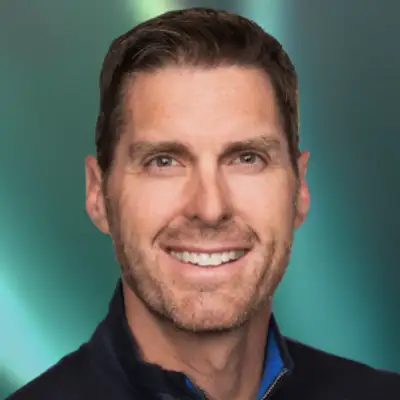
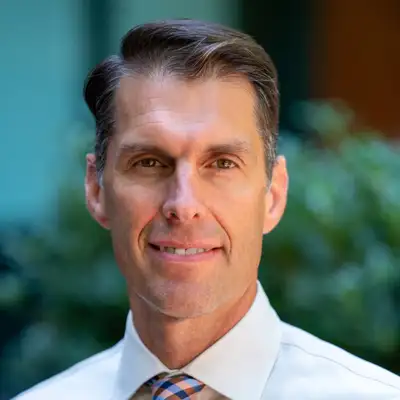
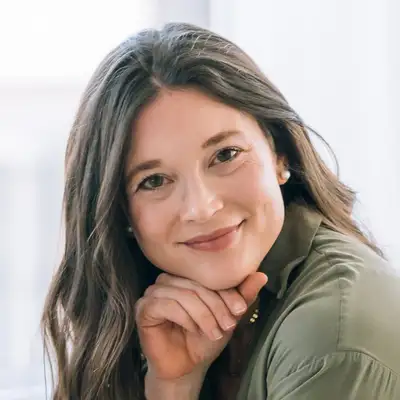
The U.S. healthcare system is at a breaking point—soaring costs, worsening outcomes, and widespread physician burnout. The Root Cause – Business of Medicine podcast, hosted by brothers Dr. Erik Lundquist and Dr. Davin Lundquist, charts a different path: one where healing, fulfillment, and business thrive together.
Each episode shares powerful stories of medical professionals who stepped away from the traditional grind to embrace integrative, functional, and alternative approaches to care. Through candid conversations with practitioners who have redefined success, listeners gain insight into navigating their own transitions, reclaiming a sense of purpose, and reshaping the way they practice medicine.
Erik
Well, welcome back to the Root Cause Business of Medicine podcast, where today's guest is Kristin Oja, the founder and one of the main practitioners of Stat Wellness. uh which is a a fantastic functional medicine practice originating out of Atlanta, Georgia, and now spreading across the country. She now has offices in uh Nashville and in South Carolina. Davin, what were some of your takeaways with our conversation with Kristin today?
Davin
So impressed with her uh commitment to m seeing this thing succeed, right? So even in the absence of maybe the exact, you know, business plan early on, she was going to persist until she succeeded. There was nothing that was going to stop her, and that was so impressive.
Erik
Yeah, I love that. So if you're interested in scaling a practice or just getting started on a functional medicine practice, looking at how to do a cash-based membership. Uh, this is a great podcast for you. And for those of you who want to connect with Kristin afterwards, you can find her at Kristin at statwellness. com as her email. At KristinOjaDNP is her Instagram handle. Her website is Kristinoja.com and of course her business website is statwellness.com. We look forward to having you join us on today's podcast. Welcome to the Root Cause Business of Medicine podcast, where we explore what's broken in healthcare and what we can do about it. I'm Dr. Erik Lundquist and I've been practicing functional medicine for the past 15 to 20 years. I'm excited to co-host this podcast with my brother, Dr.
Davin
Davin Lundqusit, who's just beginning his journey into functional medicine. We come from different points on the path, but we do share a common goal. We want to rethink how medicine is practiced and help others do the same.
Erik
The US healthcare system is in crisis, rising costs, declining outcomes, and physician burnout at an all-time high. But you know, we found a different way. Another way. A better way.
Davin
On this podcast, we dive into real stories from medical professionals who've stepped away from the traditional model. Kind of like me. And have found a new purpose in integrative, functional, and alternative approaches to care.
Erik
These are authentic conversations with practitioners and friends who've redefined success, not just for themselves. but for their patients and communities.
Davin
Whether you're a clinician feeling stuck, a student seeking direction, or just curious about what is possible,
Erik
You're in the right place. This is the Root Cause Business of Medicine podcast. Welcome back to another episode of the Root Cause Business of Medicine podcast, where we have a special guest today. And I was gonna say our our first nurse practitioner, but she's still a doctor. She has a doctorate of nursing. So we're we're so fortunate to have Kristin Oja today. Uh who is the founder of Stat Wellness in 2018, is that right?
Kristin
2019.
Erik
2019.
Kristin
Very first one.
Erik
2019 and who like Davin and I attended a liberal small liberal arts college, Georgia College. We didn't go to Georgia, we were in LA, but um small liberal arts school. Where she, you know, kept climbing the ladder. She said, Oh, bachelor's not good enough. I'm gonna get a master's. Maybe I'll even get a doctorate. And so she got all three of her degrees from Georgia College, which is super exciting. She's A mother of two, soon to be a mother of three, which we're super excited for her for. And she, I think, is gonna be a real treat for all of us today. So Kristin, welcome to the podcast.
Kristin
Thank you so much. And it's my first time being on podcast with brothers. So this is fun and exciting for me too.
Erik
Yeah, I'm not sure how many podcasts out there there are with uh brother co-hosts.
Kristin
Yeah, you've got to be in the low percentage for sure.
Davin
Yeah, we we wanted to be unique in some way. Um hopefully we can be as funny as like the Kelsey brothers, but I don't know
Kristin
That was the only one I thought about because Taylor Swift, you know, they we've all listened.
Erik
Yeah, I mean no, um Uh you know, the one Kelsey brother did have the ball in his hands often. It was usually to hike it. Uh it wasn't to throw it where Davin had the opportunity to throw me a touchdown pass or two um when we were playing college football so that was kind of fun to th Well, Kristin, why don't you um why don't you tell pe I mean you you have a really interesting background and stat wellness is is growing super fast, um, which is really exciting because I think we can't get enough of these functional medicine and integrated medicine clinics out there. And I think what you're doing is near and dear to our hearts, Davin and M, because we had an undergraduate degree in kinesiology, which is the study of optimal human performance. Uh, so I think we can really relate to what you're accomplishing. And yeah, maybe a little bit of us that's a little bit on the jealous side, I'm not gonna lie. So it'll be it's really fun. So why don't you Tell us your story, back it up a little bit in terms of how you got into nursing uh and medicine, and then how that transitioned into you know, where you are today. And we'll we'll you know, I I learned about Kristin through our good friend Kate Kreske, who's the host of the Root Cause podcast. And uh I think you can learn a lot about some of the the the history there too, but we'll have a link to that But I think today our focus is really on the nuts and bolts of the business aspect of what you were able to accomplish. So I think you're you'll have a lot to share with us. We're really excited.
Kristin
Yeah, I'm excited too. And I Making a long story short, I started my career as a personal trainer and I actually didn't want to finish college. I loved it so much. I loved coaching people. I loved helping them accomplish their goals. I loved being their cheerleader. Everybody left their workout feeling better, including me as a trainer. But my parents, uh like, you know, maybe some would say good parents were like, go to school. We don't care what you do, just get a degree, just like finish school. And so I talked with different mentors and they told me to go nursing because I could always fall back on it. They're like, just finish, get a nursing degree. There's so many things you could do when you could fall back on it. And the more and more I started getting into our healthcare system, the more and more I saw how good we were at sick care and how poor we were at health care. And I got really discouraged. I'm this, you know, cheerleader, this motivator. My first rotation in the hospital was the dialysis floor. It's fluorescent lights, no windows, people curled up under blankets, everybody miserable, blood filtering for four hours. And I'm like coming in perky and wanting to help them feel their best. And I just realized I was like, wow, like we're really good at keeping people alive. And I'm very grateful. I always caveat this. If I have an issue, if I need A heart surgery, if I get diagnosed with cancer, we've made so many medical advancements. I was just reading about the oncology studies. We have a 34% um improvement in survival rates with cancer diagnosis since the 1990s. So I always want to caveat as I start talking about our sick care. It's an honor to live here and have that degree of care. But there's so much we can do on the other side. in prevention and optimization in addressing things before we're in the hospital, before we're in the the sick care system. And that's really where stat wellness came from. So I brought my background as a personal trainer and created a business model around a gym. And every bank told me no. So as we talk about the business side, every bank, every investor There was nobody in the nation at the time that was doing medicine and movement under one roof. They didn't understand how the model was going to work. How are you going to be able to make it on both sides of the business? And I showed them boutique fitnesses that are doing well. I brought the orange theories, the F45s, the Burns. I showed them the functional medicine practices that were doing well. And I had this bank meet with me and they said they'd give me $150,000 if I put in $75,000. And you guys probably know banks get backed by 50%. So they didn't believe in me at all and would take no risk even for interest. And so that was the first kind of business hurdle. And that was a two-man show. I hired one director of operations who is still my right hand, Sarah Rose. She ends up in every podcast I talk about because I wouldn't be here without her. Um she jumped shit from her draw, believed in stat and came to work with us. But I was drawing labs. She I was doing IVs. I was teaching 15 to 16 fitness classes. I was seeing the functional medicine patients. I was calling my husband every new patient that booked. Somebody else believes in us. Someone else believes in us. You know, it was four patients a week. Um, I signed an $8,000 per month lease for five years, hired a full-time salaried employee, Sarah Rose, as I mentioned, and had no business plan. I honestly, I know this is horrible looking back on it, but I just had this belief that like I wouldn't stop. until it was successful. I believed in it so much. I was so passionate about it. Um, and that passion fueled our business. And we just every time I could pay for me to make money, I put it towards hiring another person. So I didn't make a dollar from the business for a year and a half. Um, no, two and a half years. And my first salary was $36,000. Um, and I was able to make that commitment because my husband worked a corporate job and he supported us. So I know I'm very fortunate in that way. But I worked from 3 a. to 11 p. m. almost every day, couldn't pay myself and just kept moving towards our purpose and our mission to make people feel better than when they walked in the door. Just how do we take care of people? And people ask, like, what is the key to your success? And I just take a step back and I was like, you know, if I tell you what it is, you're gonna think this is so simple. But we actually sit back and we listen to our patients. And we care. And they're our marketing. They go and tell other people, go and experience this level of care. They actually care. So now today, you know, we started in 2019. Um, that infancy was exhausting. It was a lot of hard work. It was very exhausting, but it was emission uh emotionally a lot easier. We're now in what I call adolescence. I'm a lot more rested, um, but it's emotionally harder. We've gone from one employee Sarah Rose to 55 employees. We have five offices, so three in Georgia, one in Nashville, Tennessee, one in South Carolina, and about 10,000 patients. And so With that growth has come, you know, like we're a business now. We're not just a startup that's just trying to pay the bills. And um, that's exciting and fun, but it's also the like ugly adolescence. We're learning about the acne on our face and all of those things that we're working through.
Erik
I think it's so it's so fun that you kind of compare your business experience to this, you know. Taking care of a child, right? I mean, isn't it the when when we have a a newborn and there's two of us and one of them and we think this is exhausting, we're losing sleep overnight, but we're investing everything into this new addition to our family, right? And we're all in and it's just exhausting. And then we kinda you know, they kinda grow up and then they're in the toddler and the child and that and then it's just, you know, it starts to become really exciting and fun and there's new things that keep developing and then you get into the adolescence like, okay, now we're kind of in a rhythm. But emotionally it starts to get an issue. Like what they're going through their hormone changes and like what's going on here? How is all so it's just really it was interesting to see how you've been experiencing that with your business. You know, it's like, okay, you're you're being a mommy on one side, but now you're being a mommy to your business. on another side and kind of nurturing that and helping it grow. I I think that I thought that was kind of interesting and funny at the same time.
Kristin
Well, and I'm excited. I'm like looking forward to those like young adult years, you know, when you get to like be the consultant, you know, you're not like in the weekend.
Erik
Mentor, yeah.
Kristin
Yeah. So so we haven't gotten there yet at Stot Wellness, but uh but it's been so fun and I wouldn't change it. And that's what my husband and I talk with how hard we work. If I wasn't having fun, like it's time to get out. You know? And I think when you look at any business, anybody listening, if you're not passionate about it and I'm actually kind of frustrated by the whole walnut scene right now because it's very, it's like, what's how do I make a dollar? Like how do we get into like what's new and hot and trendy? And how do we build a business around margins? And I just I feel like there's now this discrepancy. And I don't know if you guys are seeing it too in the like wellness functional medicine space. And we've really tried to stay focused on like what is best for the patient. Verse, like what is that new trend? Uh so uh we're having fun and there's a lot more to come and hopefully three more coming in 2026. So
Erik
That's awesome. Yeah. I mean we had we had Nicole Fox on here recently, who's my business partner and helped us uh get started. Um and she, you know Talked about that concept, right? You know, the hierarchy of, you know, first of all, is this good for our patients? Second of all, is this supported by our practitioners? And then third of all, is it sustainable from a revenue standpoint, right? If it meets those three key three criteria, then it's worth bringing into the practice. Otherwise, it's like, well Maybe we need to to set it aside for right now, right? But maybe maybe take us back a little bit. You know, it sounds like you had You had this passion, you you you had kind of the sense of what you wanted to do, but you said, I didn't have a business plan at all. So maybe maybe take us back a little bit to some of the nuts and bolts of of what you went through in terms of the lessons learned and like if you were to go back, would you have done it say, okay, now knowing what I know, I would start more with a business plan, have some projections. Maybe I would have slowed things up a little bit, uh uh, maybe had another part. I mean, I don't know. I'm curious to hear what your thoughts are from that standpoint.
Kristin
So I'll share the early years, but a lot more of my lessons learned have come as we've scaled actually. Um, because when you're opening your first location. There's so much you can control as a person. And depending on what your environment is, like do you have to pay yourself? Are you paying back student debt? You know, everybody's situation is different, but there's a lot more you can control at that point When you start to get much larger in your timeout locations, you have to fully staff. You can't be there. There's so many more lessons learned there for me because it just gets a lot more in expensive. There's a lot more on the line. It's a new reputation and a new market. But the early years, what was the most there was very basic things. I'm also, I always say my personality plays a huge role in everything I say. I'm a seven on the Enneagram, which is the enthusiast. I am very excitable. I like having fun. I see opportunity and everything. So I don't lose sleep over the risks and the what-ifs. So I'm me talking might resonate with some of your listeners and other people might be like, I am like having my palms sweating that you signed this lease without a business plan. But there were some obvious things I knew I needed, right? Like so when I first started, I was like, I just want to get an EMR that I feel like I can grow with. I really thought I knew my goal was growth. So I didn't want to make a decision of like what would maybe save me a little bit of money, but I couldn't grow with it. So I looked at like, okay, once I have 10 providers, what does the cost look like? Once I have 15 providers, what does the cost look like? So I went with an EMR that I could grow with. We're now co-developing a new EMR, but I I knew I can't have a business without an EMR that works. Um, the obvious medical malpractice. Like, how do I get a medical malpractice that's good, that believes in us, that supports us? Um, the general liability, all of those basic checklist things that we all need to have to start a business, I made sure those were in place. The other thing I did was continue to just show up and go feet on the ground marketing. I found that that was the most beneficial and like my biggest lesson learned is it goes so far when someone in the community refers to you. Send them a thank you note. Like just say, hey, thanks for referring to us. Really appreciate you trusting us with your care. Um, speaking engagements, anybody like any corporate wellness that would have me come in and talk. I would go and talk to a wall. If there was like five people, I'd be like, all right, I'm coming. What do we want to talk about? Um, speaking engagements, really thinking the referral basis. Going out in the community. And then again, like having our patients know when they walked in the door that we were focused on what was best for them and not what was best for the business or me. Uh, and that grew. So I looked at my number one marketing is my patient because we talk about revenue now, but we equally put emphasis on retention, as you were talking about earlier. Because getting new patients is a lot more expensive than retaining. So from day one, retention, retention, retention, retention. Um, and that has to be through good quality care. So I'd say like very tactical. It's like you got the business things you have to do. We're also very aesthetically driven. We really love the way our space makes you feel. So we're not going to be in a sterile medical office without windows. We're going to have really good, healthy work environments for our team and for patients that come in. So like that was another big piece to us. And then I know this is like super tactical, but we wanted to have a brand. I knew from the beginning I didn't want a brand based on me. I wanted a brand based on our mission. So what is Stat Walness's mission? What is our colors? What is our logo? What is the faces? What's our avatar? Um, I find a lot of people in functional medicine start to build a brand just based on them. And it's very hard to scale that. If the goal is scaling as a business, it's hard to scale a single person. It's easier to scale a brand.
Erik
So it sounds like like right from the beginning, right? Maybe tell maybe tell us a little bit more of how you kind of came up with your vision. Not everybody who starts a practice or kind of gets Going in functional integrated medicine says, hey, I want this to become 20 clinics, right? A lot of people are just like, hey, I am just so excited about understanding the why behind things. And I'm just opening. put my shingle up. It's just me, maybe in an MA, and we're just going to get started from that standpoint. Give us a little background then on kind of where your vision was from the beginning. Because it sounds like, I mean, you were already in your preparation mode, even though you didn't have a business plan, you still had a business plan up here based upon your vision.
Kristin
Yes. And that is a really great point because I should say before I opened my own practice, I worked in other functional medicine practices. I worked in concierge medicine in the film industry. So I had a lot of exposure to personalized medicine, functional medicine. And I'm an entrepreneur and my mind works that way. This was my first big venture, but that's just the way my mind works. So I'm always wondering, even in other environments I worked in. If I could do if this were my business, what would I do differently? If this were my business, what would I do differently? And what stat wellness, like what my vision really came down to is that we need more points of contact with patients. So in conventional medicine, it's once a year you go in for your physical exam. You maybe get seven to twelve minutes, depending on what study you look at of face-to-face time. Um, right? Like maybe the nurse is working up or whatever it is, but with your actual provider, it's 12 minutes a year. And you're talking about your health, you're talking about your labs, you're getting a message, everything worked great in your labs, right? So obviously I think a lot of us that go functional medicine feel like we need to see them more than that. But then if you break it down and you get into the functional medicine, I was seeing my patients every three to four months. They all started out gung-ho, super excited following their plan, and then they drop off, or they would notice improvements, or they'd get tired of taking any pills or whatever it may be. And so I started realizing like what I really wanted to do with Stat Wellness was create a wellness community. I wanted to create a place where every time they walked in the door, they didn't have to spend another dollar. They didn't have to Focus on, okay, well, if I want to see the dietitian, this is what it's gonna cost. If I want to meet with the health coach, this is what it's gonna cost. I have to allocate and space out. I can't see them for three more months because I just saw them and that was $200. So what we created was a medicine-based-based model. And it's a one-year commitment. And our medicine-only membership at the time when we started was $150 a month. We're now $185. But I wanted to build build a model where it's like, okay, you are paying 185 a month, you're committing to stat longness for a year to become the best version of yourself. You can meet with our health coach, you can meet with our dietitian as many times as you need to. And you don't have to worry about pulling your credit card out and hitting it again, right? Lifestyle is number one. And so how do we create the tools? And so what we found in that is the experience was better. So the providers, the functional medicine providers, whether it's a nurse practitioner, PA, MD, DO, they'd still see the patient every three to four months. But we would have so many points of contact with them in between. So then our health coaches would reach out and say, hey, just a heads up, like so-and-so's not taking this anymore. They notice side effects or they're really struggling with gluten-free and they're not feeling better. It's been three weeks. Like Should we keep pushing through it or do you want to like move in a different direction? That collaborative care was really my purpose from the beginning. And it came from what I was seeing in working in other functional medicine offices of this like excitement and drop-off. Excitement and drop-off. And then also I I really wanted to create a model based on lifestyle medicine. And So even though we do diagnostic testing and we do supplements and we do prescriptions and we're getting into peptides and all the fun stuff. All of that is the icing and the cherry on top, right? So like we remind people like when you walk into our space, you're gonna see barbells. We're gonna remind you that muscle is your greatest asset as you age. And we're gonna talk about like we can't long term address your metabolic issues, your prediabetes, if you're only like 80% of the muscle mass you need to support your integrity. So we're gonna keep reminding you, hey, how's our how's our body scan going? How's our muscle mass? Are we building muscle? And so I think that that was really my mission. Um, we have created a business on both. Like you can be a member or you can go a la carte. And we found that we got people feeling so much better after their first year, they wanted to go a carte. They want to keep seeing us two, three times a year, but they don't need the health coaches and the dietitian. So kind of back to adolescence, how do we, how do we keep those people that are feeling better? It's like we want to do a good job at our job, but we don't want to do too good of a job that we don't need to see you anymore. Um, so it's been fun, but it was really those It was learning from other offices what I wanted to change. It was going back to my background as a personal trainer and also making people feel like they got this whole experience, everything they needed in a set price point.
Erik
And and just to clarify, you're talking about a cash-only practice, right? This is you're not taking insurance.
Kristin
So we do insurance for labs. So Lab Core is our main lab test we use for just our traditional testing, and we obviously do much larger panels, but we will do that through insurance. But other than that, when you come in, you pay, is it a 15, 30, 45, 60 minute we charge based on time? Um, and we're very transparent about our pricing. Which I think is also huge. Uh a lot of functional medicine offices, you can't go online and just see a price menu. And I wanted to be like, we are transparent. Here's our membership, here's our a la carte. Here's where you're gonna get billed. There is no surprises. And I think patients really appreciate that. Um, and we realize, you know, paying anything for your health is a luxury. We realize that even if we keep our pricing as approachable as possible. Um, but some of these places I worked, you know, you go into your first visit and you spend $8,000. And it's it is, they're getting great information. I'm not saying anything is wrong with that, but that's really addressing like our top two to three percent of the United States. And we wanted to create a more approachable base model. We're still a business. We still need to have margins, but we want to look at how do we address like the top 30% of the US? Again, you're paying cash for your health. We understand it's a luxury, but we don't want to tailor just that top, top percentage. Um, and so that was also my goal. And because we hired nurse practitioners, we're also able to do that because we understand You know, when you guys come out of med school, you have a lot higher student debt. We've also hired physicians. You guys have a lot higher medical malpractice. So business models are very different between a nurse practitioner run clinic and a physician run clinic. Um, which is also interesting if I'm your first NP on here. I think for the listeners that there is differences and we've explored both models. And it's hard to have our approachable pricing with a physician-based model. Not impossible, but harder.
Erik
For sure. And um so let me just recap a little bit because you've you you said a lot of really awesome things. And when I'm done, I think I'd like you just to take us, walk us through what a patient experience is like, you know, because I think Um, you know, I I uh having listened to your interview with Kate and then looked into your website a little bit, I kind of have a sense of what it's like to be a stat wellness patient. But I and maybe our listeners who are hearing this for the first time would really benefit from that. But so here's some things that I that I'm hearing from you. Like from the get-go, you knew you wanted to scale, you knew you wanted to have growth. So right from the beginning, you started laying some foundational tools that would help you scale up, right? So you you you had that kind of in your mindset. And then you you you identified some key components. in a successful business. Marketing, you're getting out, you were, you were hitting the ground, you know, and the neighborhoods and the community trying to help drum up business. And then The second was um i uh kind of alongs the lines of the brand uh was the marketing was the branding, right? You wanted to make sure It had a brand that could be scalable and that was well received and communicated really what the purpose and mission of your clinic was, right? And then and then the other thing was you wanted to create an environment that you know, I I've talked about this on the podcast multiple time at at Demecula Center, you know, our our kind of mantra is the healing starts from the time the patient walks through the door and all the way through and back out, right? It doesn't start when they meet with me. it starts in that experience. You wanted to create an environment that was that felt healing right from the get-go, which I love. And then lastly was retention. Okay, and and you it sounds like you're still kind of working through that puzzle a little bit, that challenge. Um, you know, how do we how do we set up a system that helps them get to a healthier place and then and then w you know, they want to stay with us, but isn't as labor intensive for either of us and therefore the cost point is gonna be a little bit less. And but but helps them maintain the optimal health that they've had. Is that did I summarize that accurately?
Kristin
That's great. Yes. And I think one thing to add, which you said like the healing starts walking in the door. Um, that was another decision that we made was to hire like salaried, much higher educated front desks. So our we spend a lot more money than I feel like most offices might on front desk staff because that what you mentioned. is so critical to us. And I love this so much and I'm so proud of our team. I go back, we use a software called Weave that's HIPAA compliant, texting, phone calls, all of that. And so every once in a while I just go through and I want to see how our team's communicating with our patients. And I am I'm just blown away by the level of care I mean, they checked in, like, hey, how did the bar exam go? You've been on my mind. I know you had it last Friday. Or how was the wedding? Or noticing like, hey, I just saw your birthday was yesterday. How was your birthday? You know, just those little extra steps go so far in the healing process. So I'm so glad you brought that up. And that is something we talk about. Our patient care specialist is one of the most important positions we have at STAT. Uh so I I I'm glad you brought that up.
Erik
Just real quick, so we Weave is a third party. It's not part of your EMR, right? This is a third party software that you use. uh from a patient communication standpoint, I understand that correctly.
Kristin
And what's great about it is we can listen to all calls. So when our staff is picking up the phone, they're calling, if our team is doing free 15 consults, we can do training calls with our team. We can have people listen to themselves in a positive way.
Erik
We're not trying to like just tear ourselves apart.
Kristin
Um, but you know, how could we have maybe handled this customer service issue a little bit better? Uh so it's it's fantastic. It's somewhat pricey depending on the point of business you're in. But for us, the level, I mean, you can create wait lists on there, you can create notifications. Um, they can send pictures of their insurance card, their license, it's all HIPAA compliant. And then the listening, the going back and listening to the phone calls is so valuable. Because before we we just had a regular like Comcast phone. And you couldn't track anything that was happening. So, you know, if there was ever an issue as a he said, she said, we're obviously never gonna fight with a patient, but internally I'd love to listen and learn what happened. Um so it's been great. Uh, so I highly suggest it. But as far as like what the experience looks like at Stat, we find a lot of our patients come in and they've already heard a little bit about us because they've gone to dinner with a friend. So they kind of have some expectations and they complete a bunch of new patient paperwork. We do the medical system questionnaire, which is a functional medicine tool with IFN. We do that. We do really detailed new patient paperwork, obviously all the authorizations. But when they first walk in, we do a body scan and we always ask the patients, like, do you want to see the results or not? We're very mindful of not body shaming, you're talking about numbers. So a lot of our patients choose to cover up the scale and we get the printed report.
Erik
And what what equipment do you use for the body scan?
Kristin
We use the in-body. Um, I found like they've got some really good data. It's radiation free, which is nice. I know the DEXA scan is like a little bit more accurate, but you're also getting radiation. It's a huge machine that you have to fit into your space. Um, so we've been really happy on it. And we love the bottom. It tracks the data. And so it's just so nice when you've worked with someone for a year, if they have four scans. You can see their muscle mass growth. You can see the body fat. Um, because we think it's so critical that we don't talk about just BMI. I think all of everybody listening with this being called the root cause business, you know, they're they're probably going beyond a BMI, um, which is just height and weight. So we get that information on them. And then we basically start right away with the provider. We don't have medical assistants or nurses that like go through a whole thorough report. We go to the waiting room, we grab our patients, we greet them. Depending on the patient, a lot of our patients, I tell my husband this and he's like, it's so interesting. Most patients want to give us hugs. We like are very like oxytocin, like hugging, very community driven. And then we bring them back to our room. And if they're a new patient, uh, they I've heard this a dOjaen times. uh that they feel like it's a therapy session because they're like, nobody has asked me these questions. And when you start doing functional medicine, you're like, How in the world do we prescribe anything to our patients without really knowing our patients?
Davin
Right.
Kristin
Right? Like it's just if if you go, if I were to go back to primary care right now and I had 10 minutes with a patient I would have no idea what to do. Like, no idea. I'd be I'd be like, but wait, I have a hundred follow-up questions to make the right clinical decision. Um, so we go through everything. We go through like what was your mom's health like before she got pregnant? Like anything they know, like as far as like her diet or if smoking or drinking, did she take prenatals? We go through their pregnancy, their delivery, their upbringing. We really care a lot about like did you feel nurtured and cared for? Was you know your parents going through divorces and lots of arguing in the household? Because that really tells us a lot about your immune system, your nervous system. So we know things like our gut microbiome is really developed by the age of three, unless something drastic changes. You know, we make a big dietary change or environmental change Or Vegas nervous five, you know. So we really look a lot at those younger years and we look at their community, their relationships. And I can't tell you how many people are in unhealthy marriages. And like how we see that in their labs, no pregnant alone cortisol DHEA imbalances, low grade inflammation, they don't feel safe, you know. So we ask those questions. We keep tissues in all of the rooms. And Um we obviously want to know their current goals, their sleep, their stress. Um if they have wearables, we're looking at their phones that their aura ring, their whoop band. If they have an Apple Watch, we're looking at their heart rate variability. So we're gathering as much as we can. And we have some um like protocols that we're gonna do, like a standard women's panel. If we don't really have anything special we need to draw. But most of our patients, that's our basics. And then we're going beyond that. I'm gonna run maybe a myeloproxidase on one patient and I'm not going to on the next, or I need to do a full autoimmune workup. So it's very personalized, um, but the structure is pretty similar. And then after we get that plan, we usually follow up with them two weeks later. We have all the labs back. We write out at that point a full plan. And we like to describe our functional medicine providers as a quarterback. Um, you guys both played football, so you kind of know the role of the quarterback. Um, we're trying to figure out a more like gender-neutral terminology for that. Um, but I feel like a lot of women, I watch the quarterback reality TV show. I love it. Uh, but they really kind of dictate the kind of care and like they're the architects of what does your experience at look like? Let's get in with the health coach. This is what I want the health coach focusing on. You really got to work on sleep hygiene, right? I really want to get you with our dietitian and I really want to focus on how to get more fiber, more plants. You know, you've done such a great job prioritizing protein, which is awesome, but now we have no carbohydrates, no fiber, right? Let's get you over and try to get a little bit more balance there. So they are really the quarterbacks that help guide the experience. Um, and then some of our patients choose to stay all apart and they just pay as they go. And then others are like I'm committing to me. I'm gonna do a year membership and we hope they stay. And we have some six-year members now, uh, which is really fun. They're just never ever gonna leave us. They're like just to know that you're there for me, I will keep paying my membership. And um so yeah, hopefully that answers a little bit of your question. And then we always say test don't guess. And I was just reading one of our Google reviews today and it made me so happy because someone was like, you know, I feel better, but not only do I feel better, they've plotted out my labs. And they've shown me on paper that I'm healthier since working with STAT this past year. And I'm like, I love that. Seeing people see reactive proteins come down, their cholesterol come down. Um, so that gives you like a little bit, hopefully, about the experience at STAT, but it is very unique. depending on the person in front of us.
Davin
Yeah, I think um so Erik and I attended tag team a little bit in terms of, you know, the categories of questions. Uh Erik obviously has such great background and lots of different different business ventures. Um, so he's been, you know, drilling you on all those great questions about the business. Um, I like to think more about the person, you know, behind it and uh maybe like what is going on. uh for you, but also I think um I'm a big believer in people being authentic and and sort of understanding like what are the identities that they're wearing. Um, and so, you know, this idea like you're clearly an entrepreneur, right? Like it's just you it just exudes from you I think a lot of our listeners might be wantrepreneurs, but uh they may not uh really have right the the personality that fits, you know, what like the kind of business that you've developed, um, and maybe they are better as just a solo practitioner or whatnot. Um, maybe you could speak a little bit to that of how you, you know, sort of probably through some of the experiences you had working for other clinics, you sort of began to see who you really were and and what pieces of the of the market that you wanted to s the problems that you wanted to solve, including a very specific demographic that you sort of, you know, thought through. So maybe talk to us a little bit more about that. Like how did you come to realize who your authentic self was and and how that kind of helped fuel this particular business model?
Kristin
And I want to any of the listeners that are just, I just like to have my small practice, don't feel the comparison game Because if you're happy and where you're supposed to be, that's what you're supposed to do. And so one of the things like very tactical, like as it just is relates to me, I run my labs every three to four months and make sure that the stress isn't affecting my adrenal glands and my inflammation and all these principles I talk with my patients about. And everybody's stress bucket is so different and the level of resilience they can take on. So nobody listening compare um and be authentic to who you are and feel good about the direction you're going in your business. Um but for me I think some of the the big things came down, well, there's multiple areas when it comes to like personal and how I show up. Um and I think it it has gotten harder. Like I think it's gotten a lot harder. I know this is a bit off topic, but I always like to bring it up six months after opening STAT Wellness. I got really down. I got really like, I was like, man, I don't know why. I'm like doing exactly what I've dreamed of doing. And I'm just like Sad. I go to these baby showers and I don't know how to small talk anymore. I just want to talk about like how do I make payroll and business? And I started feeling the separation between my family and my friends and me as a leader and like. trying to grow a business and I couldn't pay myself as I mentioned. So I'm working that three to eleven. And I started feeling this like new level of loneliness. And a lot of entrepreneurs I've talked to have experienced that same feeling. And you start to wonder if you like made the right decision. You start to question like, what am I doing here? Um, at that point, I had hit the threshold to join what's called entrepreneurial organization. And so I joined a group called EO. Um they're around the whole United States and actually worldwide. Uh for me it was huge because I was in a group with people in all different industries, but I didn't feel alone. I felt connected. It's like, okay Even though your business is different, there's so many similarities in business, retention, customers, payroll, HR, you know, all of these things. And so I finally felt like reconnected again. So even though I like to talk about because I'm a seven, all of the positives and all the excitement, the journey is up and down no matter what. Um, and this has been the most challenging phase of entrepreneurship for me, like right now, this like adolescence, the scaling, the losing control. But maintaining control, wondering. I literally told somebody the other day I feel like I have I'm like bipolar. I'm like whiplash. I'm like everything's going great. This is the best business in the whole entire world. And then I'm like Everything is falling apart. It's in shambles. So I just want to like also set the stage in the authentic side of it's hard, but The good times, my passion, my purpose, my mission way outweigh those bad moments. And so I just can see the bigger picture. Um, but I just wanted to like shine some light on that um from like a people perspective And then I think the other thing too, and I know this is going to be like a total, total side note, but I do a lot of speaking on becoming the CEO of your life. So even outside of business, I think it's really important as us, as business leaders, as a person, as an individual, you spend just as much time writing out your own one-page strategic plan for your life. What are your core values? What is your mission? What is your vision? What is your one year, your three-year, five-year, 10-year? And what you're doing in your business, does it align with who you are as a person? Because I can't tell you how many times I've like almost lost myself as a business leader because I have strayed from that, right? Maybe it was I started to feel the like fear of is this gonna make it and starting to make business decisions and getting clear. I always sleep on everything by the way. I think everybody when you're about to make a decision, sleep on it one more night. Just one night, whatever it is, and then implement it the next day. I don't know if it's just being a female. I don't know if you guys feel this that I wake up and intuitively know, yes or no. And so like I sleep on everything. Um, but the more I've been clear on who that becoming the CEO of your life is, the more it's guided me as a leader. And I think as people Certain things, that carrot that's dangling in front of your face, you will change who you are so quickly if you're not clear on your vision. Um, so I know that might be way more of a side note, Devin, than where you wanted to go, but those are some things that were really helpful for me as a leader to not lose who I am and to be authentic. And I'm still struggling with it because I'm like, do I have to become the leader? We do unlimited PTO. We have maternity plans or parental leave, I should say. Even our males get eight weeks of parental leave when a baby's born and we pay them 100% of their pay. Um, so you know, some of these things are so important to me, but as we scale, we're starting to have people that are abusing it for the first time. Do I change who I am as a leader or do we change who we're hiring? You know, some of these questions because You can see, I can now see how some of the people I worked with before became the leader they did and they made the business decisions they did. We talk about any contract you read. Any contract is a history of what's gone wrong in the business. Right. When you start reading it, you're like, okay, well, why are they talking about a turtle in a yard? Some turtle was there. You know, it's like the most crazy things, but then they have to put it on the contract. It's like this narrative of the the business history. Um, but Is that does that answer what you're talking about with like the authenticity of the person or which direction you're doing?
Davin
Absolutely. No, and I I appreciate that you shared, you know, some of the struggles as well, right? Because I think um you know, people always to your point of like comparing and you know, they look to people's success and they don't realize that it wasn't a straight line to success, right? And um I also think that I you know, I personally believe that um, a business is not a reflection of like the tactics or the strategy or the decisions that that CEO made, but more about who they are, right, as a person. Because I think that you're overall energy and frequency and consciousness, whatever term you want to use, um is what exudes into the into the business, right? And ultimately a lot of those decisions, whether you sleep on it or not, um are a reflection of who you are more than like your ability to like analyze a particular problem. Um, and so I think understanding that authenticity, you know, who you are, who you're not, um, what your sort of true north is, all those things are so critical. And and actually you even mentioned something that I loved. early on in our discussion, which is even without a business plan, without the funding maybe that you were hoping for, you knew like you were going to persist until you succeeded. Right. Like And you weren't even sure how. You know uh you had some ideas of like what you thought the business needed to be, which was amazing foresight, but At the end of the day, it was that, I mean, persistence maybe the one ingredient that every, you know, small business wanting to be a bigger business needs to to succeed I I don't know.
Kristin
I was just gonna say one other thing I feel like most leaders that I've seen too, when you start getting into this scarcity mindset in healthcare, I think is really where we start to And so that like that fear comes in. Well, this new functional medicine practice is opening. Are they gonna squash our business? And then you have to go back to like the most basics of, okay, there's six million people. in this town, you know? So I think it's also I I love to like mentor and support others, you know, even as we scale, because it's looking at like it's not scarcity. There is so many people that need help. Stay in your lane. How do you become the best version? How do you stand out? So like even in our contracts with our team, we don't do non-competes when you leave stat. Like my employees could open a business right next to me after they leave and I have nothing to stand on. Um, but I look at it as how can I be better? How could I have made a better culture for them to want to work at, right? We don't need to be locked and chained. Um
Erik
Right. And and and every patient is going to have a different perspective and a different need in terms of getting better, right? So their journey may be perfect perfectly met by coming to stat wellness. Or they may be better met going to another functional medicine practice, right? So it's I think that abundant mindset is so much better that we we're all that There aren't enough of us. Let's just be honest. There aren't enough of us. I think if we get to the problem where literally there's so many functional medicine practitioners that we don't have enough patients because there's so many of us. we'll start talking a little differently. I don't ever see that happening, right? It's just, it's too, it's, it's we we don't have enough primary care doctors, let alone functional medicine doctors, right? There was something else that you said that I think was really um insightful. Uh we uh we have on our podcast uh uh a financial guru named Erik Miller, and he he he talks about this concept of Your business is your household, right? I mean, you're everything that you're doing affects your household from a financial standpoint. And if you think about your business and your household separately, it actually becomes problematic because you start making choices for one or the other that are going to impact. But if you think about your business as your household as part of what your household is financially, you make better financial decisions kind of moving forward. Because anything you do in your business is going to affect your household, right? And so I think in and from the beginning you your household was stable from a a financial standpoint. Your husband had a salary that allowed you to then invest in something new. You you talked about it together and you were able to go out together and actually start to build something because of your household. So I think That was a really important concept that I that I heard you say too is like, hey, this is I'm thinking about this from myself and my perspective. And the other was that you realize that that you you started over overextending yourself for your business in sometimes a way as a parent we kind of overdo it for our kids. And then we realize, okay, this isn't going very well for either of us. So I need to kind of come back. I need to take care of myself first. And then start taking care of my child or my business or my household, whatever it is, right? I think that we all go through phases of that periodically, of just getting a little out of balance Then we check, we have a self-realization, this isn't where I need to be. And then okay, let me reset things and start moving forward again. I love I love that you commented on that. And I we all we all go through that, particularly in the entrepreneurial world.
Kristin
Well, and I think about like all of the six wellness gears and you know, thinking center is like where you're striving throughout my lifetime and maybe there's something I'm missing. We're usually doing well in many areas, but there's always something out of balance, right? Like we're either sleeping really, really well, but maybe not working out as well as we should, or We're sleeping well and working out, but we're not eating as clean as we should. And I think, you know, even when we talk with patients, when I talk to other business leaders, I'm like, it's the constant evaluation And tweaking. And little by little, a little becomes a lot is my favorite saying. So, you know, I always say, like, when I first started, so I was a marathon runner. I worked out an hour six days a week. I was a fitness fanatic and I opened stat wellness. And I am working, as I mentioned, from three to eleven. And I'm literally in a gym. I'm like looking at barbells every day. I'm creating a work environment where people are working out during lunch. And I'm trying to just figure out like how am I going to pay my overhead, right? And I looked and I was like, wow, what would I tell a patient? If I were a patient that came in, I'd say, well, what can you do today? You can do 10 minutes of movement. Every day you can do 10. For me, I did 12 because it just like felt like I could do 12 minutes. And so that became my norm. Every day I'd work out for 12 minutes. I was able to still squat my body weight. I was able to maintain a pull-up. And it's like such a reminder for anybody out there, no matter what phase of business you're in, phase of health you're in. There is something that you could do to help you become the better version of yourself. Little by little, a little becomes a lot. And I think as business leaders, the more we know, we just like get into the space of this like all or nothing. Like I'm gonna like Sign up for this gym membership and do an hour four days a week, you know. And just remember there's in-between things. And I think about this with the business too. If I thought about all the 500,000 things I wish we were doing better or I could implement right now, you get overwhelmed, right? And you don't know where to start. Well, what is one? Like what is the what is one change I can make right now that's gonna create a domino effect? So like I think about that from a business perspective and a personal perspective all the time because I really think there's always room to optimize. Um But it doesn't have to be drastic.
Erik
I love that. And you'll be you'll be happy to know I got my twelve minute workout in this morning. I got my upright rows in with uh kettlebells and some squats and, you know, a little bit of stretching. So It's it's quick, right? But it you know, it wasn't my hour long workout that I had planned and hoped for, but I didn't say, oh, I just don't have time. I still did something. Got my heart rate up, got a little sweat on, and it didn't take very long.
Kristin
Davin, you had a Yep.
Davin
No, I that's great. And I I'm a big fan as well of helping people just adapt to their current situation and and recognizing that there's different phases to life, right? Where you know, priorities sometimes have to change. You get you have a new baby, you know, there's there's a different set of priorities, you know, in your life. And um and you know, people go through all kinds of things that that were unexpected. Um, so we have to be able to sort of adapt, which I think you're you're sharing that as well. And but I was kind of thinking also, um You mentioned finding a mentor of sorts, right? Maybe through an organization of other entrepreneurs, I think community mentorship, the mastermind, you know, you know, concept. uh is also really important for people. Obviously this is why we you know created this podcast was to hopefully give people a place to go to to see some other mentors maybe. Maybe talk a little more about the that role and then also, you know, because you kind of realized I don't need to do it all by myself. I don't need to have all the answers, you know, come from me. Maybe speak to the a little bit more about the value of that community and maybe Just your internal community as well.
Kristin
And so it's always been different mentors in different phases of life. I think the place that I got the most discouraged finding a mentor was in the functional medicine space when I first started because of the scarcity mindset. Like nobody actually wanted me to make it. Um, and they didn't believe in the model. Um, I remember I it was hard. It was really hard because there was not any support um in the space. But where I really started to be surprised, because my dad, he's really big into servant leadership. He like meets with people all the time. He just pours in and he expects nothing in return. He's not in the medical space at all. He's just Um, and he's about to retire, which is exciting. But um, he was like, there's people out there, you just haven't met them yet. Like there are people that like actually wanting to succeed, they want to sit down with you for nothing in return. And in 2023 was like the first year all of these people started coming out to the woodwork. They wanted to go get coffee just to hear about the business. And one of my patients is a female angel investor. And she was like, hey, I've got like five friends that want to get together. And like You don't need to take their money or anything, but they just want to hear about how they can help you. They're so impressed with the business you've bought or you've grown. And so I I couldn't believe it. I was like, okay, well, do they want like I'll pay them each $500 for their time and their expertise? And she was like No, they just want other women to succeed. And so it was really fun to feel the transition, but the mentor doesn't always have to be in your space. Like I think that was what I thought. I thought the mentor needed to be doing what I was doing a little bit further along. And I still to this day haven't had that in the functional medicine space. But where the mentors started to come out was either female business owners that had run other businesses. And they wanted to invest and pour into me with nothing in return. Um, maybe it was a spiritual mentor, somebody that just wanted to make sure I was keeping myself as balanced as possible and just really cared. They wanted to get together and just hear about how I was doing Um, that was such a turning point for me realizing. So keep your mind open of what mentor means. Cast a wider net and think about them in each phase of your life. Um and don't be afraid. Like that was my thing. I was like, well, they're they're gonna want like 2% equity of the company if they're gonna like meet with me. And You know, I always thought everybody wanted all of these things. And I'm sure there's people like time is our greatest asset. So obviously, like some people have to put a value on their time, but other people are in different phases of their life Where they just want to give and they just want to sit with you and they just they're so happy to see you succeed. And I remember in 2023, I was like, this is the first year I felt like there's people outside of stat in my family. That just wanna see us succeed. Mm-hmm. And it and now I want to be that for other people because I know how much that meant. that they they were just there. But I think I I would love still. Like I'm always looking at like who's that mentor in the functional medicine space that maybe is a step ahead of me or You know, and and I think it is just a hard, it's a hard space. But um, I would just encourage listeners, cast a wide net, meet people, go to conferences. get their card. Um, you know, you don't have to have anything formal. It could just be like, hey, can we check in with each other in a month and just kind of see how business is going, how we can help support each other.
Davin
Yeah, no, I think um sorry, Erik.
Erik
Yeah, real quick. I just wanted to say that uh we we found that at the uh fell the fellowship we did our our Um they had a retreat and we so we were all in person and we we had some workshop portions of our present. We had three and a half hours to kind of present to them and then we had some workshop stuff. And the amount of questions that just came in. They were just so hungry, so thirsty, and so excited that somebody was willing to talk to them about the business. side of things um that it was just it was really cool. Anyway, so sorry Davin, hop hop in there.
Davin
Well I I also just wanted to contrast that I love that you said it's not always just a mentor specifically in like what you're doing, right? And I think for me having being kind of a new uh newly transitioned uh doctor from, you know, traditional primary care only in the last couple of years to to more of a functional medicine approach. Um, I often feel like every time I hear like what someone else is doing, you know, with their intake and how you guys are like tailoring all these questions, I'm like, oh shoot, should I be asking that question? You know? And and I think it can be that can also be really overwhelming, right? Um, when you try to think of all the things you should be doing that you're not yet, right? And so I think recognizing that it's okay if you haven't figured it all out. Um and and that, you know, having I mean you could probably mentor so many people. It sounds like you guys have figured out a lot of details. Even though you yourself may feel like there's still a million more to to figure out.
Kristin
There always ends, right?
Davin
So that's the lesson, I guess. How how do you balance You know, kind of where you are with, you know, where you want to get and not being overwhelmed by all the things you're not doing and just focusing on doing really well what you already kind of know, maybe.
Kristin
My thing, my biggest area that I'm in is energy, like spreading out energy demands. And so I'm really in a season of delegating and elevating. And really figuring out the right people in each area, giving them autonomy to make their own decisions, telling them there is nothing you can do wrong. If there's something I would have done different, maybe there's some learning experiences. But like I'm gonna elevate you. You now have decision making in this space. We are gonna connect. And so like really spreading out your energy as a leader. into the people that represent your saying core values. So that's been really, really big for me starting in 2024. So 2024 and 2025 were like my two years of elevating and delegating. Um, and that's still hard. You know, there's sometimes things where you're like, hmm, I would have done that a bit different, but it was still a good decision, right? Like, and they still did a great job and they took ownership of it. And so that's been a really fun space Um, but I think the other thing I always say, like find peace in the chaos. And that is like what I live. That's like my mantra. And let the fires burn is my second one. So finding peace in the chaos when I'm there, I'm like, I'm focused on what I'm doing right now. So I'm on this podcast with you guys. Everything else is in do not disturb. I'm not worried about what's going on in the rest of the world. I'm going to keep my nervous system as grounded as possible, stay where I'm at, right? And I think as leaders and the overwhelm and that there's 500,000 things I want to do, we actually decrease our performance when we start to think about all of that because our nervous system shuts down. And so I would encourage you to think about what is What's one area in this next quarter I'm gonna focus on? Give yourself a whole quarter. So maybe the quarter focus you're really doing is the intake. I feel like we could be a lot more thorough. Let's like interview the team. W Let's talk with the patients. Let's give like this quarter. And then when you accomplish that and you're like, I feel great about that. Then you go to the next quarter. What's my one thing I want to focus on this time? I really want to focus on implementing a new revenue source that improves patient outcomes. We'll start shopping around, focus on that, right? Especially, and I should say this at the beginning, I still see patients almost full time, and that is incredibly challenging. And so you are forced. Absolutely forced to focus on what's going to move the needle the most and one thing at a time. Because I spend most of my day with patients. So I would just encourage, like, break it down. Maybe you don't need a quarter, maybe it's once a month. Um, also, you have to leave space. I'm preaching to myself on this because I don't do well with it, but when I do, there's a drastic difference. Give yourself space. to not have meetings and to think about the business. No expectations. Just give yourself room because if you don't have time to think and you're constantly doing How are you gonna grow, right? So like break it down to like whatever goal of a month, a week, a quarter, whatever works for you. Focus on one thing that you're gonna feel really good and accomplished when you feel better about that system or process or policy. As you grow, build people that are. I always say now my mantra is I only hire people that are better than me. So we're hiring someone that just managed 30 ambulatory in rate clinics here in Atlanta. Like she is gonna be better at me with multi-unit systems and processes and policies. And I cannot wait, right? Like so just kind of thinking, and I couldn't do that at the beginning, right? I had no money to do that. So like the listeners might not be at that point, but just think about as you're hiring, how can I hire someone that's better than me in this area? How can I delegate and elevate? How can I take one task? give myself time to really sit with it, not feel rushed, not feel overwhelmed, then focus on the next thing. I also kept a journal for a long time of like everything that I wanted to change when I get in that like cycle of overwhelm and everything needs to change, just write it all down and then like look at the list and be like, okay, what is the one I want to focus on first? And then try to like keep the other ones. They're not gonna go away. You wrote them down, right? You can go back to that list. Um, so I think those are really important. And I always say too, life doesn't need to look balanced to be balanced, if that makes sense. I think a lot of us are like, Kristin, if you looked at my life, you'd say it wasn't balanced at all. But I will tell you internally, I've never felt more balanced in my life, right? So just remember our external environment doesn't have to impact our internal balance. So what are you doing to make sure you are showing up as a balanced version version of yourself? Um, and for me, it's I'm gonna, there's always chaos. I'm gonna find peace. I'm gonna be okay with it. I'm gonna do the best I can with where my feet are. Um, and I'm gonna prioritize sleep. So let the fires burn. It's time to go to bed. This is tomorrow's problem. Um, so you know, just some of those things are my mantras that hopefully will help some of your listeners when they're in seasons of everything is burning. Just let it. You get your rest you need, and you're gonna show up as the best version of yourself.
Erik
Yeah, so good. Well, we're coming up on uh the end of our time. So Davin, why don't you uh bring us home with the final question?
Davin
Well, we uh we like to ask people kind of where they see functional medicine heading in the next five to ten years. Like what do you where do you think we Where where do you think this goes?
Kristin
So where I see it going, which I hope is not solely where it's going, it's gonna be a lot of genetics, AI, testing, personalized. plans through technology. It's gonna be very AI generated. It already is and it's just gonna continue to grow. Where I hope it's gonna go is we're gonna have all of that plus brick and mortars. to provide that good quality in-person care. And I believe there's gonna be a world that bridges the two of those together. But we're Definitely moving at full force speed into AI personalizations, epigenetics, neutrogenomics in ways that we've never seen before.
Erik
Kristin, this has been so much fun. Uh I I really, really appreciate you taking the time and your busy schedule to um spend an hour with us and share your wonderful insights, your mantras. your your lessons learned and your enthusiasm. And hopefully you can suppress that six wing of yours when it starts to build up and starts to get a little fearful. Um you'll you'll get back into your you know, a little bit of the eight and the seven together, the challenger and the the enthusiast and continue to conquer the world. So thank you much so much for being our guest today.
Kristin
Thank you guys so much. This is such a great platform you have to share this information. So I appreciate you having me.