Subscribe
Share
Share
Embed
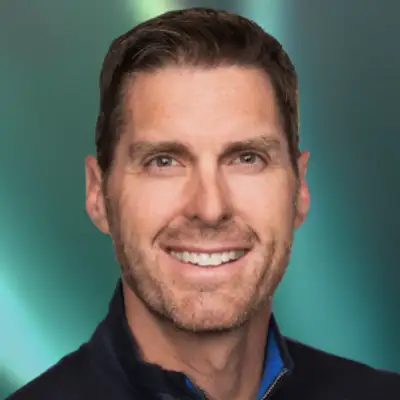
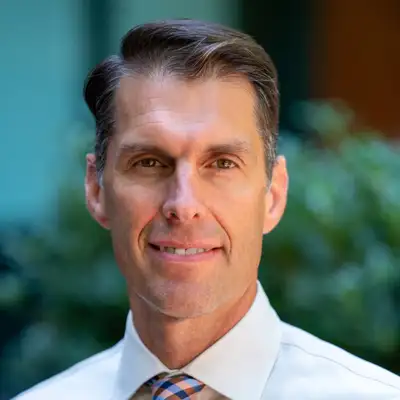
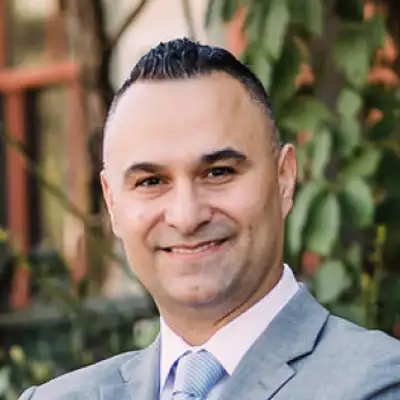
The U.S. healthcare system is at a breaking point—soaring costs, worsening outcomes, and widespread physician burnout. The Root Cause – Business of Medicine podcast, hosted by brothers Dr. Erik Lundquist and Dr. Davin Lundquist, charts a different path: one where healing, fulfillment, and business thrive together.
Each episode shares powerful stories of medical professionals who stepped away from the traditional grind to embrace integrative, functional, and alternative approaches to care. Through candid conversations with practitioners who have redefined success, listeners gain insight into navigating their own transitions, reclaiming a sense of purpose, and reshaping the way they practice medicine.
Davin: Well, Erik, I'm uh excited about our guest today uh that people will get to to hear from someone you've known a long time uh and you're you know in Temecula.
Davin: And um I've heard a lot about him, but had finally got to meet him.
Davin: And uh what a what a great person, you know.
Davin: I think what struck me today from from Mehrdad was his
Davin: um just the passion that he has for service and and for uh just other humans in general, right?
Davin: Because he not only does he um
Davin: have you know different ways that he uses his professional skills and ability to serve patients, but he's expanded that to, you know, hit you can tell he cares about the the team, the nurses.
Davin: um and his colleagues and and that he's doing a lot of work to to help and serve, you know, everybody in in his in in his surrounding space, basically.
Erik: Yeah, exactly.
Erik: And I think people, you know, when you listen today, I think you're gonna find some really wonderful tips in terms of starting a a a new business.
Erik: uh how to incorporate things without having to increase your expenses.
Erik: I uh some key points that I got from him is
Erik: One, you know, strive for excellence, right?
Erik: Make sure that what you're doing is the best it possibly can be.
Erik: Two
Erik: Strive to take care of your people, right?
Erik: Take care of your people first and good things will happen.
Erik: Then three, I I loved what he had to say about his experience with marketing and different creative ways that they were and also uh uh how they
Erik: made decisions about what marketing companies were actually really good and which ones weren't and holding them accountable for that.
Erik: So look forward to having you listen today and let's proceed.
Erik: Welcome to the Root Cause Business of Medicine podcast, where we explore what's broken in healthcare and what we can do about it.
Erik: I'm Dr.
Erik: Erik Lundquist and I've been practicing functional medicine for the past 15 to 20 years.
Erik: I'm excited to co-host this podcast with my brother, Dr.
Davin: Davin Lundquist, who's just beginning his journey into functional medicine.
Davin: We come from different points on the path, but we do share a common goal.
Davin: We want to rethink how
Davin: Medicine is practiced and help others do the same.
Erik: The U.
Erik: S.
Erik: healthcare system is in crisis, rising costs, declining outcomes, and physician burnout at an
Erik: All-time high.
Erik: But you know, we found a different way.
Erik: Another way.
Erik: A better way.
Davin: On this podcast, we dive into real stories from medical professionals who've stepped away from the traditional model.
Davin: Kinda like me
Davin: And have found a new purpose in integrative, functional, and alternative approaches to care.
Erik: These are authentic conversations with practitioners and friends who redefine success not just for themselves.
Erik: but for their patients and communities.
Erik: Whether you're a clinician feeling stuck, a student seeking direction, or just curious about what is possible,
Erik: You're in the right place.
Erik: This is the Root Cause Business of Medicine Podcast.
Erik: Welcome back to another episode of the Root Cause Business of Medicine podcast.
Erik: And today you're in for a treat.
Erik: Uh we're gonna highlight one of my good friends and colleagues, uh Dr.
Erik: Mehrdad Soleimani, uh also from Temecula.
Erik: And today we're gonna we're gonna really kind of focus in on his journey and a couple of areas
Erik: that I think he uh we haven't really discussed yet on our podcast, and that one is the uh med spa arena.
Erik: Um and so we're interested in hearing how an ER doc got into the med spa business.
Erik: and uh how you're kind of approaching that.
Erik: But then also I I I you know I know that you have done a lot from uh
Erik: physician wellness standpoint and a burnout trying to just help heal physicians.
Erik: And so we'll be interested in talking a little bit about that with you today.
Erik: And I think our our listeners will be excited to hear
Erik: Um how you how you're taking time uh to heal yourself as well as work on healing others.
Erik: Uh you were just sharing with us before we came on how a colleague of yours ended up
Erik: uh with a a heart attack and is getting a cabbage on Monday.
Erik: And so, you know, this is these are the things we want to try and help prevent in our colleagues as well as our patients.
Erik: So Mehrdad, welcome to our podcast today.
Mehrdad: Well, thank you so much for having me.
Mehrdad: I'm honored to be here.
Mehrdad: Um as you mentioned, uh Erik and I go way back.
Mehrdad: Uh not only we were dear friends, uh he's he was one of the first people I met here in California.
Mehrdad: And
Mehrdad: We have a lot in common.
Mehrdad: Um one thing I I that I should say about myself, I'm very passionate.
Mehrdad: So if you've never met someone
Mehrdad: uh or have never met me before.
Mehrdad: I I am I mean I'm all about living and I am always grateful for the opportunities I've had.
Mehrdad: Um I am I am so grateful to always serve others
Mehrdad: And I honestly it doesn't matter what kind of religion you follow, uh just just being able to serve is what is uh I'm all about.
Mehrdad: So uh and I always try to help others and I honestly think I've I was put on this planet to
Mehrdad: be a vessel for for God and help others.
Mehrdad: So uh that has always been sort of like the background of my beliefs and uh you know I've been very fortunate to
Mehrdad: uh have amazing parents and they have definitely taught me that and they always said it's not about you, it's about what you can do for others.
Mehrdad: So
Mehrdad: It's a little something about me very personally.
Erik: That's awesome.
Erik: I love it.
Erik: I love that you start off right off the bat shaping, you know, who you are and and what's kind of influenced you in the past.
Erik: But why don't you tell us a little bit about
Erik: uh your background a little bit and how you you know kind of got into medicine and then what what kind of inspired you to you know do re reach outside of emergency medicine
Erik: uh to do some other things.
Erik: And I think what you know, I I'd love to hear kind of you're back because I know you start as a nurse
Erik: uh with your initial medical training and did critical care nursing for a little while.
Erik: And I I think it'd be really interesting.
Erik: You know, what what kind of drove you to where you are today?
Erik: Give us give us that whole story.
Mehrdad: So, you know, um, you know, um some people might know this from my background, my name, um, you know, I'm from Iran, I'm Persian, so you know, I was uh born uh in in in Iran and moved to the United States when I was uh very young
Mehrdad: And in our culture, being a physician's uh always a big deal.
Mehrdad: You know, your parents like groom you to be uh either a physician or an engineer or a lawyer.
Mehrdad: So uh my parents have always wanted me
Mehrdad: to become a doctor.
Mehrdad: So at a very young age, um, I started volunteering in the hospital settings.
Mehrdad: I think I was fourteen years old when I had my first
Mehrdad: uh encounter uh in a in a hospital setting.
Mehrdad: I was in the immersive department.
Mehrdad: I was one of the radiology you know volunteers.
Mehrdad: I was in the radiology department and
Mehrdad: From that moment on, my shift was like four hours and I would stay for like 16 hours because I just loved it so much.
Mehrdad: I didn't want to go home.
Mehrdad: And after that, you know, I, you know, graduated from high school and uh wanted to, you know, wasn't sure if I wanted to
Mehrdad: going to medicine.
Mehrdad: So I had worked with a lot of nurses, you know, working in the hospital settings.
Mehrdad: I was, you know, a tech, I was a transporter, unit clerk.
Mehrdad: Uh and, you know, I really liked what the nurses were doing.
Mehrdad: So I applied for nursing school at the University of Texas and
Mehrdad: Uh it was one of the best thing I've ever done.
Mehrdad: Just uh definitely taught me patient care and if I could you know be able to help others.
Mehrdad: uh as a nurse.
Mehrdad: Uh the compassion that comes with nursing, the the the fact that you're out there trying to help others who are in need was very
Mehrdad: you know, inspiring to me.
Mehrdad: I felt felt very privileged to be able to do that.
Mehrdad: So however I felt kind of uh limited what what I could do.
Mehrdad: And I always thought that I can do more now that the nurses don't do enough, but I want to be more involved in uh planning the care and actually, you know, uh helping with the treatment of the patients, uh, you know, as far as that is concerned.
Mehrdad: And
Mehrdad: just uh discovering and learning more about diseases and disease pathology and how you can, you know, heal a patient.
Mehrdad: So uh then I decided to go to medical school and I was the next um
Mehrdad: step.
Mehrdad: Um I applied and you know went to med school and got accepted and yeah and that was my journey and I got I was you know I the medicals the first semester was really interesting because you know
Mehrdad: I was a little cocky.
Mehrdad: I was like, oh I was I'm a nurse and you know I medical school's gonna be completely very easy, but oh my gosh, I was in for a treat because it was completely different, different setting, different
Mehrdad: mindset.
Mehrdad: So it was very humbling, but I learned quickly what to do and, you know, how to study and to become a doctor.
Erik: So yeah, so how did how do you think the um the background as a nurse helped to
Erik: Shape the way you practice medicine.
Erik: Um, it's really interesting.
Mehrdad: It's I was just told, literally, I think two days ago, that
Mehrdad: I still have that nursing spirit in me as a physician.
Mehrdad: And um I definitely take it as a compliment.
Mehrdad: Uh I work with some amazing physicians who are absolutely wonderful.
Mehrdad: And
Mehrdad: They do an amazing job.
Mehrdad: Um as a nurse, however, you just have a different connection with the patients, I feel like.
Mehrdad: And uh being able to
Mehrdad: sort of like hold their hands and sit next to them.
Mehrdad: Like for example, one of the things that I do, I you know, whenever I interview a patient, I sit at their eye level and try to look him in their eyes and and you know, sometimes, you know, obviously
Mehrdad: uh uh creating a connection, you know, the the human factor of medicine.
Mehrdad: Unfortunately, with the current, you know, healthcare environment, we are
Mehrdad: sort of like primed to see patients really quickly.
Mehrdad: It's kind of uh impersonal, if you may, uh, because we are just so busy and we have to do so much with so many little time.
Mehrdad: But I always try to take about five minutes to sit down, talk to the patients, and then hear them out and see, you know, what's really
Mehrdad: bothering them besides the the the ailments that they have.
Mehrdad: You know, what's you know, I always say, hey, you know, uh what do you do for a living, for example?
Mehrdad: Or
Mehrdad: you know, is your family here?
Mehrdad: You know, I always try to remember their names.
Mehrdad: I try to call them by their names, not just room four or room two or for you know the chest pain patient or, you know, the
Mehrdad: the headache patient.
Mehrdad: So I don't know, just a little more of a human connection.
Mehrdad: I try to bring that with me.
Mehrdad: And it does speak volume with the patients.
Mehrdad: I try to make the patients feel comfortable.
Mehrdad: Like
Mehrdad: cracky joke here and there.
Mehrdad: And I mean the nurses do that every day.
Mehrdad: They're they're phenomenal.
Mehrdad: What what the nurses do, they just don't get enough credit for it.
Mehrdad: And um I'm I'm honored and privileged to have had that experience so I can bring some of that
Mehrdad: into my um real uh my medical practice.
Davin: It seems like in an ER setting like that, that's probably something that if it wasn't top of mind
Davin: it would it would be easy to not be that way, right?
Davin: Because of certain situations, things are happening fast
Davin: You're focused on, you know, interventions that need data, right?
Davin: Or data driven and like, you know, objectively trying to figure out what to do to save a life.
Davin: So finding a way to still create that human connection, I think, is admirable in especially in a ER setting.
Davin: You know, one thing if you you know, in primary care, I think, you know, we're kinda used to that, but
Davin: In an ER, I think that's really interesting.
Mehrdad: Yeah, one of the uh one of my one of the many responsibilities I've ha I have, uh I'm the clinical faculty for the emergency medicine residency program here at Temecula.
Mehrdad: And I always try to teach my residents about that.
Mehrdad: Uh obviously everything has its time and its place.
Mehrdad: If the patient's coding, you have to be, you know
Mehrdad: Paying attention to that.
Mehrdad: You are the captain of the ship.
Mehrdad: You are leading the team.
Mehrdad: And that's another thing I loved about emergency medicine and also in nursing that that you're part of a team.
Mehrdad: And that really helps you take care of that patient.
Mehrdad: So
Mehrdad: But I always remember that when we're taking care of that critical patient, it's just not the patient you're taking care of.
Mehrdad: Obviously that is the priority, but there's family members that are sitting outside the door.
Mehrdad: who don't know what's going on with their, you know, with their loved ones.
Mehrdad: And I remembering to always tell the the my my residents, remember you need to talk to the family.
Mehrdad: You need to bring them into the loop.
Mehrdad: Obviously try to stabilize the patient
Mehrdad: focus on that, but at the same time don't forget that the family member is there.
Mehrdad: So and and believe it or not as as you know in the emergency department is again, it's just such a multifactorial and mul uh, you know
Mehrdad: setting that not only that you have to take care of the patient and the family, also the nurses and the staff that are taking care of that patient are really important.
Mehrdad: So after as a captain of the ship, after as a leader
Mehrdad: You need to be aware of everyone.
Mehrdad: You need to be aware of all the, you know, lack of better terms of all the soldiers that are in the fight with you.
Mehrdad: So we always try to like uh if you have a really bad
Mehrdad: you know, code or maybe a pediatric code or whatnot, we always try to de debrief afterwards.
Mehrdad: And um you know a an example just happened not not too long ago.
Mehrdad: We had to take care of a patient who
Mehrdad: was uh was uh a pediatric drowning and we were able to stabilize the patient and you know we're ship them to the pediatric facility because we don't have that at Tumacula
Mehrdad: But at the end of it the whole thing, I had everyone come into the uh trauma bay and obviously we said, hey, what we do right, what we do wrong
Mehrdad: Uh and uh and it just commanded everyone and and to be honest with you, and I lost it.
Mehrdad: I I had tears in my eyes because I just felt that
Mehrdad: you know, m the the the child was eight years old, I have an eight year old son.
Mehrdad: So I really connected with that and and you know the f the the nurses were so appreciative that
Mehrdad: I was able to sort of like connect with them and allow myself to be weak for a second.
Mehrdad: I'm right.
Mehrdad: One thing that we we were gonna talk about physician wellness.
Mehrdad: I call it again, I call it a human factor.
Mehrdad: Physicians are humans as well.
Mehrdad: You know, because we're out there, you know, we're professionals taking care of the the
Mehrdad: that that individual who's sick and we have to be in charge doesn't mean we don't have emotions.
Mehrdad: Doesn't mean that we don't have, you know, fears and anxieties and
Mehrdad: And, you know, we don't get upset, we don't get sad, we don't get mad.
Mehrdad: You know, there's just a human factor we always have to remember.
Mehrdad: And that's why I was always trying to remind my physicians to
Mehrdad: not forget that and and and talk to others.
Mehrdad: We have to be each other so like confident and try to help each other out to cope with these things.
Mehrdad: So
Mehrdad: Anyways, I can go on and go on and on and on.
Mehrdad: As I said, I'm very passionate about it.
Mehrdad: I love that.
Mehrdad: You guys stop me right if I'm talking too much.
Erik: No, you're doing you're doing great.
Erik: It's it's it's great to
Erik: uh I think be reminded of that perspective in medicine and I think it it gives it gives hope, inspires me that, you know, i it it's practitioners like you in in and sharing that kind of mindset and belief that's gonna
Erik: continue to keep medicine alive from the art of medicine, right?
Erik: The practicing part of medicine is gonna really continue and and doesn't matter where AI takes us in terms of a
Erik: uh diagnostic, prognostic, um, and data-driven standpoint, humans are always going to need a healing
Erik: touch and word and hand from another human, right?
Erik: And so I th I love that you brought that up.
Erik: So I I before I I I I definitely want to get into some of the other things that you're doing, but before that I'm I'm curious
Erik: to hear your thoughts.
Erik: You know, one of one of the areas that is placing one of the biggest burdens on the cost of medicine right now is emergency rooms and hospitals.
Erik: And what what are you seeing from kind of the business perspective of what's going on in the emergency room in terms of
Erik: of reimbursement in terms of the costs associated with that.
Erik: What what are you seeing, you know, from your perspective on that?
Erik: And
Erik: Uh do do you see do you see any any any of this changing?
Erik: Uh I mean at some point we're we're we're bending, we're bending, we're bending.
Erik: It's it's gonna break if we don't make some changes.
Erik: What are you noticing from that perspective?
Mehrdad: Um, I mean obviously, you know, you guys are uh know this better than me being the primary care.
Mehrdad: The reimbursements are decreasing more and more and more and the and the patient and the and the doctors don't have as much time to spend with the patient.
Mehrdad: So
Mehrdad: Uh, we need to keep that in mind and try to uh continue to lobby with our, you know, our politicians and and try to remind them of what's going on and what of the
Mehrdad: you know, the burdens that are that we are facing.
Mehrdad: Uh, you know, if you see a patient, uh I mean I can't tell you exact numbers, uh Erik knows this a lot better than me.
Mehrdad: But um because a lot of the primary care physicians cannot sustain the practice that they're they have because their embersements are decreasing more and more and more.
Mehrdad: Uh and many of them are closing shop, uh, unless they get acquired by a bigger entity, you know, private equity, so on and so forth.
Mehrdad: And when the private equity takes over these uh entities, there's a lot of these metrics, you need more patience, you know, spend less time.
Mehrdad: And
Mehrdad: A lot of patients get kind of like fed up with that and they just come to the emergency department for answers.
Mehrdad: I mean we have uh uh many examples again, you know, uh in the world of medicine, world of emergency medicine that a patient, for example, was having abdominal pain.
Mehrdad: goes to see the primary care physician, they can't get in for like three to six months and then they notice that they're turning a little yellow by the time the primary care physician uh orders an ultrasound
Mehrdad: They f you know, they they're the ultrasignists s you know, six weeks later and then they just don't get the care they need and before they know they're diagnosed with pancreatic cancer.
Mehrdad: So obviously the cost of taking care of a patient with pancreatic cancer is a lot higher than preventing that or you or you know detecting a lot earlier.
Mehrdad: So um that's another thing that we really need to pay attention to, preventive medicine and try to
Mehrdad: you know, um prevent disease number one and try to diagnose these diseases, you know, sooner than later.
Mehrdad: So uh
Mehrdad: And and the the trend puts a heavy burden on the the hospitals and so many uh of the patients come to the emergency department because they get fed up with it and they want answers right away
Mehrdad: But at the same time, you know, coming to the medicine department costs a lot more money, am I right?
Mehrdad: So and we need to I try to really remind my patients that
Mehrdad: You know, we'll do what's best for you and as far as you know we are trying to take care of acute disease and what's life-threatening, but at the same time you need to go back to your primary physician and try to
Mehrdad: you know, help you with the disease process that you're having.
Mehrdad: So um I can't I can't go specifically into the numbers I don't have in front of me so I don't want to give some
Mehrdad: uh misinformation about that.
Mehrdad: But I can see as a whole, that's that's one of the issues we're setting.
Mehrdad: I mean definitely, you know, we are ha we're seeing a lot more and more and more patients in the emergence department because they are getting sicker and sicker and sicker
Mehrdad: And they require, you know, a hospital side to take care of them.
Davin: I find that interesting.
Davin: I mean, I I think you've hit on something that is symptomatic of the larger system, right?
Davin: Which
Davin: Um, reimbursements drop.
Davin: So primary care providers aren't gonna be seeing, you know, maybe they're dwindling in terms of, you know, capacity.
Davin: There's fewer of them.
Davin: That puts more burden on like the ER higher cost centers, which are like safety net centers for these people, which then drives up cost.
Davin: Which then lowers reimbursement to then the primary care.
Davin: And so we're in this cycle um that that doesn't s yeah, seem sustainable.
Davin: And I'm not asking for a solution, but it is interesting that you're observing that
Davin: And I think that's what we're hearing and seeing.
Davin: And I think part of the impetus for people like me who was a traditional primary care doctor for twenty plus years.
Davin: to to break free of that system and say, hey, there there's gotta be a better way.
Mehrdad: I know, and that's what's amazing, you guys, both of you guys are pioneers.
Mehrdad: I mean, Erik, I've known him for such a long time and trying to, you know, putting the patient out of some of your care and see what's best for the patient and
Mehrdad: Uh that's really important.
Mehrdad: So yeah, the the the prime the the traditional ways are not working.
Mehrdad: So we need to figure out what we can do different to not only you know help the patients at the same time.
Mehrdad: increase the longevity of the physicians because the physicians are you know, are not able to continue doing what they're doing with the rate that things are going.
Erik: Yeah, and I find it interesting because I think
Erik: Um, probably cardiologists and emergency room medicines are some of the biggest advocates for preventative medicine that I've ever seen amongst my colleagues, right?
Erik: I mean I think obviously primary care is always
Erik: saying something about it, but uh you guys see the end result of the problems, right?
Erik: You're seeing it in the emergency room, cardiologists are seeing it in the cath labs, and uh it it's
Erik: It is systemic of what's happening right now in terms of the overall health problems that we're seeing is the the lack of real focus on preventative measures.
Erik: Well do you do you think some of that then was kind of your interest in setting up a a a med spa?
Erik: I mean, obviously med spas are geared towards
Erik: Trying to to help people in overall wellness tend to be geared sometimes a little more towards some of the the aesthetics, cosmetics, stuff, but also just kind of in the well being.
Erik: Do you w was any of
Erik: What you were seeing in the emergency room kind of start to drive you in that in that arena at all?
Mehrdad: Yeah, I actually what um sort of drove me into like opening a medical school bar is I wanted to
Mehrdad: uh sort of like learn the business of medicine.
Mehrdad: Um that's something that unfortunately nobody teaches the medical students these days.
Mehrdad: Like they're going into
Mehrdad: uh medicine and they think they're gonna oh I'm gonna go and and become a doctor.
Mehrdad: I'm gonna make make X, Y, and Z amount of money and I'm gonna, you know, have this life that I was looking for.
Mehrdad: And no one is teaching them
Mehrdad: that hey, you know, there's a lot more that goes into this, you know, as far as uh, you know, there's so many different options.
Mehrdad: Are you
Mehrdad: Uh do you want to go, for example, work for an entity?
Mehrdad: Like, you know, do you want to be a W2 work for a hospital setting?
Mehrdad: You want to go for work for a bigger group, or you want to open up your own um
Mehrdad: uh your own place.
Mehrdad: Um and I definitely felt the need that I need to learn more about the business of medicine.
Mehrdad: I wanted to have a a sort of an ownership of something that it was sort of like mine and and I can gear it towards
Mehrdad: uh my patients that help the patients and there's not limitations on what the insurance companies are paying, for example, and what kind of treatments they're gonna get.
Mehrdad: And for me, the avenue to go into that wasn't aesthetics because that is sort of like you know, it's a cash based kind of a business and
Mehrdad: You know, patients come in if they can afford it and uh you know that allows them a lot more flexibility in choosing what they want to do.
Mehrdad: Uh whether or you know, rather than, hey, I know that, you know, hey, you have a uh for example, your your knee needs to be repaired, but hey, go ahead and do physical therapy first and go, you know, go do I don't know, get an MRI and
Mehrdad: Well we can't do an MR I get a C T scan for us to XYZ, but if you figure out exactly what they want to do and this is where they want to go, I don't know if that makes sense to you, but
Mehrdad: That's the way I'm looking at it.
Mehrdad: Um, so I want to learn a business of medicine basically, make it a long story short.
Mehrdad: Uh that's why I went into the aesthetics and I was uh you know and I also, you know, I was very
Mehrdad: interested in the whole science of it and how things are working and that whole patient um one-on-one you know uh spending that one on one time with a patient and
Mehrdad: You know, I don't only have five minutes to spend with a patient and I actually can actually sit there and talk to them.
Mehrdad: And we do other things that are medical spots, not just aesthetics.
Mehrdad: Obviously, we're doing, you know, the diabetes, you know, hormone replacements and
Mehrdad: uh and other modalities that we do that's kind of like gear towards the wellness.
Mehrdad: Whenever I have those uh you know, sort of like the patient consultations, uh, I sit down like, hey, let me learn about you
Mehrdad: What makes you, for example, Erik Lunquist?
Mehrdad: What's important to you?
Mehrdad: What are your you know, what is your past medical history?
Mehrdad: What's your past surgical history?
Mehrdad: And and what are what are the
Mehrdad: what is your you know one one other thing that we're talking about, you know, wha how do you want to increase your quality of life?
Mehrdad: What does that mean to you?
Mehrdad: You know, so for some people quality of life means hey, I want to go run a marathon.
Mehrdad: For some people it's like hey, I just want to be able to just
Mehrdad: you know, take care of my grandkids.
Mehrdad: You know, I want to have this enough stamina to do that.
Mehrdad: So anyways, um so those were a few of the things that kind of like encouraged me to go into the the aesthetics medicine so or medical spot if you may.
Davin: Yeah, I think this idea of like um tapping into what people want from their health is is so is really good, right?
Davin: Like I've I've found for me too in my new
Davin: you know, venture um that, you know, being able to sort of talk to people and say, hey, you know, it's not about the insurance company's metrics or, you know, the
Davin: Medicare shared savings program or whatever other, you know, program I was sort of being, you know, pushed to check boxes, right?
Davin: Now I can say, hey, what are your health goals goals as the patient, right?
Davin: And
Davin: And it is gonna, it does vary, right?
Davin: And that's okay.
Davin: Um, you know, we don't need to project our sort of health values onto the patient, but hopefully be a resource for them.
Davin: And I think getting into more of a med-spa model allows you to be sort of untethered from all those other uh, you know, parameters and and pressures and to really just be free to do
Davin: whatever you think is best for for those patients.
Mehrdad: Yeah, it was definitely a gateway for you know, for me personally and professionally.
Mehrdad: I just wanted to see the other side of medicine 'cause I always felt like I didn't know enough.
Mehrdad: Like no one taught me the business of medicine.
Mehrdad: No one
Mehrdad: You know, at the end of the day, uh, you know, some of my colleagues, you know, they they say that being a doctor working for an entity is kind of like being just uh, you know, overpaid.
Mehrdad: you know, retail worker or whatnot, you know, because you're just working for someone else and they're just paying you an hourly rate.
Mehrdad: And uh you know, I mean good or bad, but that's some of the some you know, some of the these in you know, professionals are thinking about, but
Mehrdad: We're you know, we do a lot more than that and we can actually make a huge difference in people's lives.
Mehrdad: And uh I I feel like sometimes we are
Mehrdad: restrained we restrain ourselves from doing more because we just first of all can't and the patients, you know, uh suffer.
Erik: So did you did you find too or have you found that
Erik: Starting a business in the medical spy industry actually gave you some creative outlet and actually helped in your physician
Erik: burnout or mindset, you know what I'm saying?
Erik: Like did it did it create something that gave you something other than your job to focus on where
Erik: I mean, obviously we want to be good at what we're doing and we want to care for our the patients in our kind of first primary setting, but did did you find that having that outlet not only helped you kind of stay fresh and stay focused
Erik: uh overall as a person, but also then in your emergency room job, did you find that you were coming in a little bit fresher, a little bit m more excited and motivated about being an ER doctor because you were doing something that was
Erik: A little bit different, but just gave you some time to let your hair down a little bit and just enjoy the patient-physician interaction.
Erik: It definitely did.
Mehrdad: And one thing that I was, you know, um part of my physician wellness um sort of like journey is um I always say wellness is not just multi- is it's just not one dimensional.
Mehrdad: We always think, hey
Mehrdad: You know, I want to be healthier, I want to be, you know, wellness, just go to the gym.
Mehrdad: It's not just about working out, it's about the physical wellness, it's about emotional ver w wellness.
Mehrdad: And and it's a idea of financial wellness, spiritual wellness.
Mehrdad: Those things are so important.
Mehrdad: It's just this and that people forget about that.
Mehrdad: So going and learning the whole business of it and uh allowing me to have more like a financial freedom, uh, you know, that that also helped as well.
Mehrdad: So I didn't have to like, you know, get burned out working in the ER setting.
Mehrdad: uh and um trying to sort of like you know pay my bills if you may, you know.
Mehrdad: Um but um yeah it was it was great and I was and as an ER physician, we are always type A personalities.
Mehrdad: We constantly have to come up with more projects and
Mehrdad: It's it's I don't know what it is.
Mehrdad: We all they all say that the your physician have a little bit of ADHD that they're constantly have to be going and going and going and going.
Mehrdad: Like
Mehrdad: And that's what makes us actually amazing um uh you know ER physicians, that because because of that the quality that we have.
Mehrdad: Uh, you know, at any given time there have been studies out there that an ER physician get interrupted like hundred hundred times during a shift.
Mehrdad: I'm literally sitting there, I'm like, you know, uh seeing a patient or I'm I'm coming to my desk.
Mehrdad: I have like five, six, seven EKGs like sort of like put in front of me.
Mehrdad: Can you
Mehrdad: Can you in your sign these days?
Mehrdad: And then I have, hey, doctor, such and such underfall, you call the detox to Dr.
Mehrdad: Such and Oh, the nurse such, oh, patient room ten wants some Tylenol
Mehrdad: Okay, let's just we'll do that.
Mehrdad: Oh hey doctor you know Dr.
Mehrdad: Solomon, uh you know the the family members need to talk to you.
Mehrdad: Oh the admin comes down.
Mehrdad: The admin is like, hey, can we talk about this patient you know you saw the other day?
Mehrdad: And
Mehrdad: I mean it's just like on and on and on.
Mehrdad: We were able to sort of like manage all those things and and you know, we always s kind of like don't want to be stimulated.
Mehrdad: I felt like, you know, I needed uh maybe another project.
Mehrdad: if you may to to help my mind uh stay stimulated.
Mehrdad: And you know, and you know, I always you know there's so much to to all of us, but to me, I'm not just an
Mehrdad: I'm an entrepreneur now.
Mehrdad: So that's something that that has helped me grow as an individual.
Mehrdad: You know, I'm a father.
Mehrdad: I am a I'm a husband.
Mehrdad: You know, and
Mehrdad: uh I'm a friend.
Mehrdad: So th that I there's so many like, you know, uh Murdauds out there.
Mehrdad: It's just not just one dimensional person.
Mehrdad: So this allowed for another part of my personality to like a grow and I have cherished it.
Mehrdad: I've loved it from the from the
Mehrdad: the the first time I decided to um actually ask a dear friend of mine uh to uh hey do you want to open a Mets Ba?
Mehrdad: And she's like you're crazy.
Mehrdad: I'm like, well let's do it.
Mehrdad: So
Mehrdad: And we didn't know anything about it.
Mehrdad: We started with one bottle of disport, I say, you know.
Davin: You know, um I think one of the just talking a little more tactical um
Davin: You know, I know when I worked for a large health system, you know, I was kind of an employee and I I think the contract
Davin: that I had, you know, wouldn't have allowed me to go open a med spa, unfortunately.
Davin: Um so I'm and and then there's also things about like
Davin: as a Medicare provider, you know, charging people um, you know, maybe a cash rate for something that is is a covered benefit and maybe just help us understand, you know,
Davin: your situation and and and you know how you sort of navigated, you know, like being, you know, part of maybe a medical group that works with the hospital system and then having like your own entity that is
Davin: You know, what and and how you decided on how to get paid and and what kind of factored into that if you don't mind, 'cause I think there'll be other people that
Davin: might be interested in seeing what they could do on the side, you know, with their regular job.
Mehrdad: Yeah, I mean obviously, you know, you have to always uh pay attention to those things.
Mehrdad: Those things are really important.
Mehrdad: Um we I mean my job I'm an independent con
Mehrdad: contractor for the hospital.
Mehrdad: So that allowed me so that was not, you know, my that was not as much of a burden for me.
Mehrdad: And then the stuff that we get because we're doing more of aesthetic stuff, none of those things are covered by any insurance entity.
Mehrdad: So
Mehrdad: That's what allowed us to to go into and that was a b that was one of the reasons that I chose Medical Spa because of that.
Mehrdad: Because like
Mehrdad: Yeah, when I work in the emergency department, I absolutely never talk about that.
Mehrdad: Like that is a complete different s thing that I do.
Mehrdad: We never talk about that.
Mehrdad: So uh and that just remains there and a lot of people don't even know that I have a medical spot if you may, you know what I mean?
Mehrdad: So uh just being able to uh you know do things in the right way, it's it's very important.
Mehrdad: Obviously before going into anything you need to
Mehrdad: to look into the rules and regulations.
Mehrdad: There'll do different states have the different rules and regulations that you have to follow.
Mehrdad: And uh yeah, so
Mehrdad: But yeah, we're you know at my medical as well we don't offer anything that the insurance will pay.
Mehrdad: So uh you know, as far as that's something that it's been absolutely clear, you know, so
Erik: That's great.
Erik: I I I think having that clarity is is really helpful.
Erik: Tell us a little bit about what it was like to get started.
Erik: At what point do you feel like you I mean h did it did it require a lot up front to to get started?
Erik: Did you
Erik: um have to get a loan?
Erik: Did you have investors?
Erik: And then from the time you got started, since you obviously weren't advertising your business in the emergency room, how did you
Erik: help people find you, uh and you know, how long has it taken you to get to the point where you were profitable?
Erik: Um so basically uh the idea was again want to start a business, obviously want to do
Mehrdad: start a business that was not interfering what I was doing at a hospital.
Mehrdad: That was really important.
Mehrdad: Again again, that was one of the main reasons that I we did the medical spa um uh business.
Mehrdad: Um
Mehrdad: And we just I always say we started with one bottle of Botox and then we uh what we did there was a lot of training that had to go into it.
Mehrdad: We spent hours and hours and hours on training and we spent a lot of money ourselves on training.
Mehrdad: And uh so different classes, different, you know, um conferences you go to and we sort of start with our friends and family, you know, we started with them.
Mehrdad: And little by little just word of mouth that people heard about us and you know we were initially were open open like one day a month, you know, we're
Mehrdad: you know, we we actually asked a friend of ours if if we could um uh you know rent a space from him uh in his practice on on the Saturday.
Mehrdad: And he's like, yeah, no problem, you guys can do that.
Mehrdad: So we did that and then that that one day a month became like
Mehrdad: once every Saturday and then we saw that we needed we had more, you know, interest and then we went on, you know, read to the small space and then we you know, it was
Mehrdad: I guess a rented space from a friend of mine in his office.
Mehrdad: We rented a room.
Mehrdad: We were there for about a year and then we then we had to open up our own space.
Mehrdad: So we actually did it very intentionally, very slowly.
Mehrdad: Uh but there are other ways of doing it.
Mehrdad: I'm right, you can go ahead and get an SPA loan and and open a big practice right away.
Mehrdad: However, I I definitely caution people on doing that because you don't want to go under debt right away and but not having patience.
Mehrdad: So
Mehrdad: You know, a lot of especially in the aesthetic world, you know, people come in, you know, a lot of like uh different companies with their lasers and like weight loss machines and
Mehrdad: And you know, the different, you know, modalities that they have.
Mehrdad: They come in, they want you to buy those pri Oh, this is a this is a hundred thousand dollars machine.
Mehrdad: If you do just two or three of them per month, it will pay for this machine in six months
Mehrdad: But are you able to go and are you gonna be able to find that two or three patients per month?
Mehrdad: It's not as easy that they're talking about because
Mehrdad: A lot of these procedures are very expensive and a lot of people don't have that you know disposable income to come and pay for these procedures.
Mehrdad: So
Mehrdad: Uh we went very slowly.
Mehrdad: Uh we actually put a lot of our own money into it.
Mehrdad: We did not really get a loan, so I just picked up more ships in the ER if I had to cover for something and that's what I did.
Mehrdad: And
Mehrdad: You know, to get to this point, obviously we are a center of excellence.
Mehrdad: We really uh pay a lot attention to our trainings, we have all the certifications that's that's that's needed.
Mehrdad: My my business partner, she's uh a master injector for Allergan.
Mehrdad: So
Mehrdad: We really put in our our time into developing something great and we're honest with our patients.
Mehrdad: We're honest with our patients.
Mehrdad: We're not one of those places that
Mehrdad: Hey, come in and spend, you know, this amount of money.
Mehrdad: Uh, and we're not like that.
Mehrdad: We're just very honest.
Mehrdad: We say, hey, we think this is what you need.
Mehrdad: And
Mehrdad: You know, that's that's what we we you know we offer them.
Mehrdad: Uh we try not to oversell and just having the integrity I think has been really important and and and pay and that really resonates with the patient.
Mehrdad: So
Davin: Um, one of the themes that, you know, I think a lot of the people we've had on is this idea of just being your authentic self and um
Davin: You know, you talked early on that there were some influences and just this, you know, obviously the inspiration you derive from your your faith in God and and the desire to serve others.
Davin: you know, kind of drives you.
Davin: But it sounds like, you know, even in something like a med spa, you know, that integrity and that service mindset and and just being like honest about who you are and what you do
Davin: is kind of behind all of it as well and and maybe even relate to the success you've had.
Davin: I'd be curious to hear just maybe expand on that just a bit to
Davin: help others maybe understand how you've seen that like living that way, working that way has actually benefited you.
Davin: not just personally, but it kinda manifests I think in the in the in the real world a little bit for s success.
Mehrdad: Yeah, um, thanks for bringing that up.
Mehrdad: Yeah, that's really important to me.
Mehrdad: That's int int uh you know, integral part of my life and uh to be
Mehrdad: you know, moral and ethical everything that I do.
Mehrdad: Um I mean Erik can tell you this, you know, we've known each other for a long time and uh we've had some ventures together and that is an absolute number one
Mehrdad: sort of like must in my life.
Mehrdad: We're doing this the right way, we're doing this the honest way.
Mehrdad: We're gonna do this the moral way.
Mehrdad: We're not gonna be ch you know cheating our neighbor.
Mehrdad: Because in the especially in the world of uh medical sport, there's so much competition out there.
Mehrdad: And I have been the victim or we have been the victim of
Mehrdad: some of the competition sort of like s you know, not I mean, literally stealing our ideas or even calling our patience or getting a
Mehrdad: you know, you know, calling our you know, somehow like advertising to our patient group, you know what I mean, and uh trying to convert them to go, you know, to to their medical spas, you know what I mean?
Mehrdad: So obviously it's
Mehrdad: Yeah, what whatever it was was uh not illegal, but it's out there and people a lot of people are doing that.
Mehrdad: So it's it's a world of competition.
Mehrdad: I refuse to do that.
Mehrdad: I refuse to do that.
Mehrdad: And me and my business partner, we are both very big on the fact that we're doing this the right way.
Mehrdad: And the patients definitely see that, that resonates with them.
Mehrdad: We've had patients that go to the other
Mehrdad: uh places and and for example, one of the thing big things that happens in medical spas, it's you know, they both they say Botox is a gateway drug.
Mehrdad: You know what I mean?
Mehrdad: And then they put an advertisement out there say, hey, you come in and you get your Botox for seven dollars a unit.
Mehrdad: And, you know, they go in there and then there's all these other little small prints in the bottom of it.
Mehrdad: Oh, the seven dollars a unit is only for the for first ten units.
Mehrdad: And then after that it's gotta be twenty dollars a unit.
Mehrdad: You know what I mean?
Mehrdad: From the from the get-go, we're really honest to say this is what the price is, you know what I mean?
Mehrdad: So and then they go to other places and they're like, you know what, we didn't l really like the vibe.
Mehrdad: They were just just selling to us and sell, sell, sell.
Mehrdad: But you guys have always been so honest with us and
Mehrdad: they come back to us.
Mehrdad: So uh patients see that.
Mehrdad: Definitely patients see that and I don't know it's I wouldn't do this any other way.
Mehrdad: So and
Mehrdad: And let's say at some point this is not gonna work, I will close my doors because I'm not gonna cheat and lie to to make a buck.
Mehrdad: That's not who I am.
Erik: Yeah, that's great.
Erik: I I uh another friend of mine who's a pharmacist who we might end up having on our podcast at some point too, he he shared, you know, if you go into business, a service business with the mindset of just making a lot of money.
Erik: you'll never be successful.
Erik: If you go into that business with the mindset of taking care of not only your clients, your patients, but also your staff and the people who you're you you employ
Erik: Uh and that's your focus is people, then you'll always be successful.
Erik: Um and you'll always make money in the process.
Erik: You may not, you know.
Erik: Become a billionaire, but you'll always make money enough to take care of your needs, right?
Erik: I I I'm I'd like you to touch a little bit on you you said a couple of things I want to reiterate because I think they're really important.
Erik: One is
Erik: we we we tried to m to get to a level of excellence for what we were doing.
Erik: Right.
Erik: We went and got the education we needed, the training we needed so that we could we could say we were at a level of excellence.
Erik: And then the second is that you went through the process of really kind of training yourself and practicing before you were then implementing it on patience.
Erik: So I'd like
Erik: I just wanted to reiterate that, but I'd like you to speak to a couple of things.
Erik: One is what are the services that you're providing at your med spa?
Erik: I think that'd be interesting to share.
Erik: And then two
Erik: Go back to talking about some of the equipment that you choose to actually then bring in.
Erik: And you mentioned these lasers and
Erik: and other equipment, you know, body sculpting equipments and other things that can be brought in.
Erik: How do you go about deciding what you do spend money on and bringing into a spa to help your patients?
Erik: And what you decide not to?
Mehrdad: So that's always uh it's a really good question.
Mehrdad: You uh you know, I definitely I I I always say it's not you should not go into
Mehrdad: You know, if if if let's say if it's a practitioner like it's someone like myself who is a solo practitioner and wants to go and open a medical spot, I don't think it's a good idea to go and spend
Mehrdad: hundreds of thousands of dollars right off the bat.
Mehrdad: Yes, you go to the bank, you're like, you're a physician, hey, well here's a three hundred and fifty thousand dollars uh in an SBA loan, so we can give that to you.
Mehrdad: But I don't think that is a good idea
Mehrdad: And um I I would just small start with small things, like you know you said what we offer, a lot of injectables.
Mehrdad: We start with injectables.
Mehrdad: So uh and one thing that we did that really helped us was hey, we ordered as we needed.
Mehrdad: For example
Mehrdad: Uh we had a patient that you know wanted you know we we would um you know um that would make an uh an appointment for Botox.
Mehrdad: So
Mehrdad: Hey, you know, let's go ahead and get like one bottle of Botox for this one patient that's coming in.
Mehrdad: So and and that's how it it started.
Mehrdad: So we didn't order like ten b you know uh vials of Botox, for example.
Mehrdad: We just
Mehrdad: went went on as we needed.
Mehrdad: So that was really important.
Mehrdad: And then when we got to a point that hey, you say what what what we offer at our medical spots are all injectables.
Mehrdad: So again, neuromodulators, a lot of fillers.
Mehrdad: Uh those are the things that, you know, we started with.
Mehrdad: And if before we wanted to move forward, we looked at, you know, you go to a lot of these different, you know
Mehrdad: trade shows, if you may.
Mehrdad: And there's so mu so many different technologies out there for, you know, body sculpting and, you know, um skin rejuvenations and so on and so forth.
Mehrdad: We did our due diligence.
Mehrdad: We sat down with so many different ones, you know uh
Mehrdad: vendors and we decided which ones had the best, you know, results and which ones, you know, the patients really appreciated more and and the the price point was good for us.
Mehrdad: So that's how we chose, you know, to move forward.
Mehrdad: And we bought it one at a time.
Mehrdad: We bought one and then we we s we saw that hey, you know what, this is actually working.
Mehrdad: Let's
Mehrdad: go ahead and maybe add that extra you know body piece to it if you a lot of these things are modular so you can actually add you know different modalities to it.
Mehrdad: So we started with a face piece and then the face piece was doing well well when we didn't just bought a body piece, you know?
Mehrdad: So
Mehrdad: So that excuse me, that's how we we sort of like um add it to our portfolio, if you may.
Mehrdad: And yeah.
Mehrdad: So uh I I know a lot of physicians that actually I think Erik and I we talked about this before that
Mehrdad: They buy all these machines that are just sitting in their in their offices and just collecting dust.
Mehrdad: And they a lot of them go sort of like bankrupt.
Mehrdad: And unfortunately, that's something that a lot of these primary care physicians do
Mehrdad: because they think they're gonna make a lot of money doing aesthetics and they're gonna buy all these things and they're not able to use it.
Mehrdad: So that's one of the mistakes that a lot of the
Mehrdad: you know, uh primary care physicians do and I definitely don't recommend that.
Davin: I think, yeah, I l I loved your kind of strategy of
Davin: one Saturday became two Saturdays, you know, like I and and it wasn't even like you were committed to your own space.
Davin: Um, you know, we we heard we've heard some other people who had
Davin: um the blessing, if you will, or the curse of like some early investors that like set them up with like a you know a beautiful space.
Davin: And a lot of overhead.
Davin: And then and then there's pressure, you know, to to cover that overhead, right?
Davin: And so then
Davin: Does that influence you in terms of decisions, the way you practice?
Davin: You're you're just like, you know, from the fire, you know, out of the frying pan into the fire scenario, right?
Davin: So
Davin: Um, I I think this this sort of like careful, let's get the demand there and then we'll add more, you know, more services as the demand sort of, you know, people are almost like asking for it.
Davin: Um is a really interesting way to go.
Davin: Obviously, because you had this other job, you know, your you know, your your day job, if you will.
Davin: kind of allowed you to do that, but I th I I think it's a great approach.
Mehrdad: Yeah, it was it was like a par you know, sort of like a personal project on the side, like a side project.
Mehrdad: Let's, you know
Mehrdad: Some people like to build their, you know, nineteen sixty seven, you know, Shvy, you know, rebuild one, my for me was hey, let's start a business.
Mehrdad: You know, you know, so that's that's just it's a hob it was a hobby to begin with and then now it's sort of kinda like took off and to m you know, to
Mehrdad: Uh it you know, we got lucky, I guess.
Mehrdad: I don't know if I luck, but you know it's it worked out, you know.
Mehrdad: So um it was definitely a hobby at first.
Mehrdad: I want to learn more.
Mehrdad: And uh the having that's another thing that's extremely important.
Mehrdad: Choosing the right partner.
Mehrdad: It is extremely important.
Mehrdad: Uh I cannot tell, you know
Mehrdad: Say enough about that.
Mehrdad: So uh make sure you choose your partners.
Mehrdad: If if if you know some of your listeners are listening to this or watching this, um
Mehrdad: Plan.
Mehrdad: Plan appropriately and according to what sh your needs are and then be honest with yourself.
Mehrdad: Is this something that you can do?
Mehrdad: Do you have the bandwidth to do this?
Mehrdad: Some people just don't have the bandwidth to do this and they just
Mehrdad: go into it and they find themselves in the middle of it and then now they're like have a lot of debt and they have to pay all the debt, then have to work more and it's sort of like backfires on that.
Mehrdad: You know
Mehrdad: They run into this, they want to do aesthetics to sort of like supplement their income, but now they're working to pay their staff.
Mehrdad: So that's just a terrible, terrible idea.
Mehrdad: So
Mehrdad: You know, that was my my approach.
Mehrdad: Um and yeah, little by little and and now we have expanded and and we're we're very blessed to be where we are.
Erik: Why don't you tell us a little bit about your marketing strategies?
Erik: Like what have you
Erik: Other than word of mouth, what have you done to kind of drive patients uh to your business from either open houses or social media or community events?
Erik: Like what what have you done to we've heard others
Erik: You know, talk about going and speaking in the community and stuff.
Erik: What what have you done to let people know who you are, what you're about, and to drive people into the practice?
Mehrdad: So obviously word of mouth was the first uh I guess uh marketing strategy we had.
Mehrdad: Uh we had these uh little events that we we did.
Mehrdad: I remember when we started like uh, you know
Mehrdad: Bachelor was a big thing and we had an event that everyone that walked through the door would give them a rose.
Mehrdad: So, you know, you become very creative, you know, with these things.
Mehrdad: So um so we had this uh you know, events at the at this spa
Mehrdad: And as you get sort of like more established, now you have all these marketing firms come after you.
Mehrdad: That's something you have to do.
Mehrdad: That's another pitfall.
Mehrdad: You have to be careful about that because they come in, oh, you can give us
Mehrdad: five thousand dollars a month, I will drive X amount of patients into your practice, I will do your website, I will do this and that and the other.
Mehrdad: And we have gone through so many different marketing agencies that that most of them haven't worked.
Mehrdad: Um so sort of like we started doing the lot of things organically from our own, you know, uh spot and the people who are working with us, those are the guys uh or the gals.
Mehrdad: who are doing the advertisements for us through like Instagram and um um so Instagram for us has been a a big deal.
Mehrdad: Um so we have a lot of followers through Instagram.
Mehrdad: So
Mehrdad: Uh we do a lot of ads through Instagram and Facebook and you know Meta and so on and so forth.
Mehrdad: So that's been important.
Mehrdad: The other thing is that being uh involved with the businesses
Mehrdad: So working in a small community like Temecula, there is the, you know, the Chamber of Commerce and we all help each other out.
Mehrdad: So the Chamber of Commerce has events.
Mehrdad: We attend those events and uh that's a that's another possibility to sort of like spreading award and introducing yourself to the other
Mehrdad: businesses in town and you know, they return a favor and you are supporting them, then they support you, uh, being involved in the community.
Mehrdad: Um actually during COVID, you know, a lot of businesses went uh out of business um because uh
Mehrdad: they uh obviously with the pandemic and whatnot.
Mehrdad: So one thing that we did and we were actually nominated for a business year business of the year three years in a row
Mehrdad: But our first nomination was because we created, we had a brick and mortar space and will allowed other vendors to that didn't have a brick and mortar to come and sort of like advertise
Mehrdad: and have a booth at our uh you know sort of like the the spa and we didn't even charge them money so we were able to help a lot of people you know
Mehrdad: uh pay for their bills that way.
Mehrdad: A lot of the small businesses, you know, if you have like well, you know, some some individuals are doing like, you know, permanent jewelries and they do, you know
Mehrdad: uh a coffee cart, you know, they they make hats, whatever.
Mehrdad: And and that really helped that resonated with the with the community.
Mehrdad: And yeah, they nominated us for Business of the Year because we did that.
Mehrdad: So again, goes back to the same thing we're talking about.
Mehrdad: Yep, taking people.
Erik: Yep, taking care of people and taking care of people.
Erik: And then things take care of themselves.
Erik: I love that.
Erik: Well maybe
Erik: Dive in a little deeper though on the marketing aspect.
Erik: Like what what were some of the lessons that you learned then on as you went through these iterations of different companies?
Erik: Well w what if if you could go back and talk to Mehrdad five, six years ago and say, okay, this is what you need to identify in a marketing company if you're going to hire somebody on
Erik: This is what you need to look for.
Erik: What what would you say to him?
Mehrdad: But hold him accountable.
Mehrdad: Stay on top of it.
Mehrdad: Don't just pay the money and hope for the best.
Mehrdad: You need to be like after them.
Mehrdad: Hey, you know what?
Mehrdad: Put deadlines.
Mehrdad: Uh if something's not working, come up with an action plan.
Mehrdad: Cause you know they will, you know, offer you the world, but they don't deliver.
Mehrdad: So many of them are out there like that.
Mehrdad: So hey, you know what?
Mehrdad: Uh give us five thousand dollars and we set up your website for you, X, Y, and Z, and you know, in one instance it took months for our website to go up.
Mehrdad: Or, you know, we're like we get paid due to money, oh we had this difficulty, or we had that difficulty, this didn't work.
Mehrdad: And then, you know, hire and fire 'em fast.
Mehrdad: Because that's something that I learned.
Mehrdad: If something's not working, let let's get rid of it.
Mehrdad: Uh we wasted so much money.
Mehrdad: We wasted thousands of dollars on these, you know, marketing firms.
Mehrdad: I mean obviously we finally found one that we're working with and are really good.
Mehrdad: And there are really good ones out there.
Mehrdad: I'm not saying they're all bad.
Erik: Right.
Mehrdad: And
Mehrdad: And some of it might be really good for certain businesses, but that might not be good for you.
Mehrdad: Some of these firms do really well and have really great success at first and they're expanding so quickly that they cannot
Mehrdad: actually deliver what they're promising.
Mehrdad: Not that their their intentions are bad, not that their work is bad.
Mehrdad: It's just they're just overwhelmed.
Mehrdad: And because they you know they're out there
Mehrdad: you know, I guess they're advertising themselves even too good, if you may, and but they don't have the staff to support them.
Mehrdad: So that yeah, that would be something that would definitely hold them accountable.
Mehrdad: you know, create deadlines if they're not, you know, achieving those deadlines, you you need to, you know, part ways, uh, part ways quickly.
Davin: So kind of that fail fast uh
Davin: You know, advice.
Erik: Yeah.
Erik: Well, we're running up on almost an hour now, and I wanted to make sure we gave some time to talk a little bit about the passion you have for
Erik: you know, physician wellness, right?
Erik: And in really kind of preventing, treating, recognizing
Erik: um supporting uh physician burnout.
Erik: And I know you I know you've hosted a retreat in the past.
Erik: Tell us a little bit about your passion for that and physician wellness.
Erik: A lot of times we talk about patient wellness
Erik: Uh tell us about your experience so far with physician wellness.
Mehrdad: So yeah, so it's it's kinda interesting because I c you know, because I was a nurse before, I have a different person
Mehrdad: perspective about the physicians.
Mehrdad: Actually one of the things that kind of encouraged me to go to uh medical school because was an interaction on how to be the cardiothoracic surgeon when I was an IC nurse
Mehrdad: This individual was uh not the friendliest of of them all and came in and uh was disrespectful to the nurses and you know he was just touting that he's a
Mehrdad: He's a doctor, he doesn't have time to be nice, and he's the chair of this and that and the other.
Mehrdad: And I l I was very young back there.
Mehrdad: I became a nurse when I was like I think twenty-one years old.
Mehrdad: And I I told him, I'm like, you know what, because you have an MD next to your name doesn't mean you're better than anybody else.
Mehrdad: So that was kinda like pretty fiery back then.
Mehrdad: Oh, he didn't.
Mehrdad: Uh I've calmed down a lot throughout years.
Mehrdad: But um but at the end of the da at the end of the day, um I when I became a physician, I realized that
Mehrdad: These individuals, the way they're acting is because they're not they're not happy.
Mehrdad: A lot of them work many hours and and one thing I guess we didn't mention, I initially did um uh a few years of surgery and I switched into emergency medicine because
Mehrdad: I didn't like the person I was becoming because I was tired all the time.
Mehrdad: I had no patience.
Mehrdad: I, you know, didn't eat right.
Mehrdad: I didn't exercise.
Mehrdad: And I was, you know, I was not sleeping enough.
Mehrdad: So obviously, you know, if if you put anyone in those conditions, they're not gonna be the best version of themselves.
Mehrdad: Am I right?
Mehrdad: Yep.
Mehrdad: So I then I'm like, well you know what?
Mehrdad: I really need to pay attention to the physician, to the person that's behind that NV
Mehrdad: And um and that just has become a mission for me to understand these individuals and try to help them.
Mehrdad: Uh, you know, you never know, you know, there's a there's a great saying, you never know.
Mehrdad: Um uh
Mehrdad: you know, what fights people are fighting, you know, that you have again no idea about that.
Mehrdad: You know, a lot of people have a lot of uh of their own problems.
Mehrdad: You because the guy is a chief of whatever cardiology doesn't mean he's not going through a divorce
Mehrdad: uh doesn't mean he is not having financial difficulty.
Mehrdad: Doesn't mean that his you know son just not committed suicide.
Mehrdad: I mean, if you as I get to know these individuals
Mehrdad: And I find out the the burdens they're carrying on their shoulders is immense.
Mehrdad: And they have to sort of like forget about that and then come and take care of a patient who's in need.
Mehrdad: So
Mehrdad: We I I you know at our hospital we're very big on uh physician um uh sort of like uh uh call it physician ethics and um
Mehrdad: Physician uh physician behavioral committee.
Mehrdad: There's a physician behavioral committee, and if someone is sort of not acting appropriate and so on and so forth, you know, we actually try to there's a root ca cause analysis.
Mehrdad: We go and talk to these physicians and
Mehrdad: as a chair of a department of wellness, I haven't interviewed these physicians, hey what's going on?
Mehrdad: Is there anything we can do to help you?
Mehrdad: Just just just as a friend.
Mehrdad: Sometimes if you ask someone, hey, by the way, how are you doing?
Mehrdad: They're like, oh my gosh, no one has ever asked
Mehrdad: Me that before because I'm always asking people how they're doing.
Mehrdad: No one's asking me how I'm doing.
Mehrdad: I've had many of my colleagues, you know, when I do these things, I'm like, they're they're like,
Mehrdad: Why are you so nice?
Mehrdad: Why do you want to know about me?
Mehrdad: I'm like, why shouldn't I be nice?
Mehrdad: Because I because
Mehrdad: I care about you as a person and we need to care about each other.
Mehrdad: And that's the thing that unfortunately physicians are held at such a high standard that they have to be this
Mehrdad: you know you know the the the captain of the ships is this some you know they they they they have to be able to handle everything.
Mehrdad: But no, they're humans.
Mehrdad: They have you know they have a lot of issues themselves.
Mehrdad: So
Mehrdad: Uh that really helped me to try to get into this and try to help my my my friends, my colleagues, you know, with with their issues.
Mehrdad: And obviously they're there for me as well.
Mehrdad: So it's not just a one-way situation, you know, street.
Mehrdad: So
Mehrdad: I many times I call 'em up, there's an issue, you know, they're like, Hey, how can I help you?
Mehrdad: I it it's it's it's it's a two way street, so
Mehrdad: We need to take care of each other.
Mehrdad: So that's something that we all need to do.
Erik: Absolutely.
Erik: Well you've identified multiple root causes.
Erik: of the business of medicine today, Mehrdad.
Erik: It's been just a joy to have you um on the on the show.
Erik: Do you have any more retreats planned in the future for physicians to just come and kinda hang out together and
Mehrdad: And yes, definitely is coming uh it's in the next uh year.
Mehrdad: I'm gonna have another retreat and uh the retreats are gonna be in in Temecua in the wine country, which uh
Mehrdad: Uh our first one was called Wellness in the Mines and and it was a beautiful event and we had, you know, great food, great wine, great talks.
Mehrdad: Yeah, um
Mehrdad: speakers from all around the country, from, you know, Stanford, from uh Harvard, Yale, MIT, and they were all leaders of their um you know, I guess uh
Mehrdad: professions as well.
Mehrdad: And I learned so much about these individuals because some physicians are not just not they're not practicing medicine.
Mehrdad: They're actually in the business of medicine, for example.
Mehrdad: They're helping these
Mehrdad: big companies do better not only as far as the patient care is is is is concerned but also helping the physicians be more successful.
Mehrdad: So it's a amazing how
Mehrdad: uh people uh how many great things people are doing out there, especially a lot of the physicians.
Mehrdad: So yes, I will keep you posted and I would appreciate you uh putting on your podcast and when when we have the next event so you can mountain
Davin: Yeah, I mean I I share your passion for, you know, burnout.
Davin: Um, as a former CMIO for the health system, you know, I was always looking for technology that would decrease.
Davin: uh rather than increase the that that burnout, you know.
Davin: Um as you sort of look uh to the future, um, where do you see
Davin: you know, medicine going, or is there some aspect of it in the future that you're excited about that you think will have a big impact on not only maybe physician well-being, but but patients
Davin: in the future.
Mehrdad: I have to say I've definitely seen a huge change in how like the residency programs are treating the residents.
Mehrdad: Uh they do pay attention to residents' needs.
Mehrdad: There there's resident well-being committees, there is, you know, um so like the you know resident well-being, you know, time off, uh definitely the work hours limitation helps
Mehrdad: And giving a voice to the residents, uh, it's very important.
Mehrdad: So um, I've definitely seen that.
Mehrdad: And I worked with some amazing residents.
Mehrdad: I feel so honored to be
Mehrdad: part of their journey and trying to help them with what I have learned and stuff that people no one told me about when I was growing up.
Mehrdad: The whole like business of medicine, tell how they get paid.
Mehrdad: A lot of people don't even know how to get paid
Mehrdad: You know, uh when we're talking about reimbursement, people complain, oh, you know what, my hourly rate hasn't gone up in X fine Z years, and you're like
Mehrdad: I know that sucks, but this is why.
Mehrdad: Because their reimbursements are coming down because, you know, of so many different factors are not aware of that.
Mehrdad: Just help them plan for their future.
Mehrdad: Hey, as soon as you graduate, don't go buy that big house
Mehrdad: You know, you know, I don't I know you want to, but yeah, you need to just, you know, plan appropriately, you know.
Mehrdad: So um yeah, that I think that the Red C programs are doing a lot of things right, uh, especially a lot of what they're doing at uh at Temacula
Mehrdad: Uh and uh it's such a joy to be part of their journey.
Mehrdad: I absolutely love love it to be able to help them get to that next stage.
Mehrdad: So
Davin: Well that's great.
Davin: I think uh what an area where we need, since the physician shortage uh is kinda looming out there, right?
Davin: Like we need to be attracting the bright minds, right?
Davin: The the the stars out there to come and be
Davin: a part of this profession.
Davin: So that's that's good to hear.
Mehrdad: Well thank you both for doing this.
Mehrdad: This is pretty incredible.
Mehrdad: I you know I you know know I've known Erik for a long time.
Mehrdad: I have the m the most respect for him and now you I've met you as well
Mehrdad: I keep up the good work.
Mehrdad: Uh I'll definitely be listening to both of you and and looking forward to your future success and the future lessons I'm gonna learn from you and your guests.
Mehrdad: Well thanks for doing this
Erik: Well thank you for being on our podcast, Meredot.
Erik: I'm sure you y you had you had great things to share and I think people will be able to really benefit from your wise words and experience today.
Erik: So thank you.
Mehrdad: I appreciate it.
Mehrdad: Thanks guys.
Mehrdad: Appreciate it.
Mehrdad: Bye.
Davin: Bye.