Subscribe
Share
Share
Embed
The top CPG podcast in the world, highlighting stories from founders, buyer spotlights, highly practical industry insights - all to give you a better chance at success.
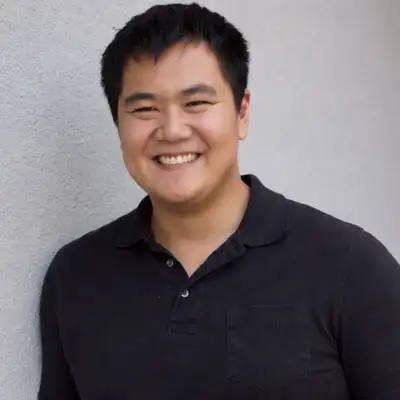
Selina Wang
If you're not testing or you're solely relying on certificate of analysis from the supplier, you may not know that this oil may not be 100% authentic avocado oil. In our first study, there were two samples that were labeled as extra virgin avocado oil. So earlier we talked about extra virgin version that's different from refined. This one was extra virgin avocado oil and then when we tested it was 100% refined soybean oil.
00:45
Adam Yee
Hey everyone, this is Adam Yee, food scientist and podcast host of startup CPGs R&D Radio where we interview food scientists and product developers and what they do and how they can help you build your CPG business. This topic is going to be about oils, specifically seed oils and avocado oil and a recent study to discover that a lot of your beloved brands using avocado might not be telling the truth. Today I'm interviewing Dr. Selena Wang, a chemist and professor of Corporate extension in the Department of Food Science and Technology at the University of California in Davis where she also serves as faculty Director of the UC Davis Olive Center. She he is an internationally recognized expert in edible oil quality, authenticity and chemistry whose research has helped shape how olive oil and avocado oil are evaluated in the United States.
01:38
Adam Yee
Dr. Wang is best known for research that brings science to real world questions about the oils consumer buys and the food they eat. Her early studies of supermarket olive oil quality helped inform California's olive oil standards adopted in 2014. In 2020, her laboratory published the first comprehensive evaluation of commercial avocado oil quality Imperative United States revealing significant problems with oxidation and adulteration. Those two are big science terms that pretty much mean spoilage and mislabeling and drawing international attention to the need for stronger quality and authenticity standards for the rapidly growing category. Most recently, her laboratory expanded this work. You might have recalled an article about a month ago talking about how a lot of the store bought brands of avocado oils we buy may not be 100% avocado oil, but she does a whole sleuth of different products including chips, mayonnaise and salad dressings.
02:36
Adam Yee
So this felt like talking to a forensic scientist and how we find out who done it and we dive into Selena's decade plus years of oil and fat chemistry. I mean she has a PhD in this. She has worked in this field for ages. I cannot think of a better expert to talk about oils. You know, just geeking out scientists and scientists. We talk about the emerging discussion on seed oils and how we see it in a marketing lens versus an academic lens and also what you can do if you are using avocado oil and you might be worried. From this interview, we have several different ways that you can test it. At the end of this interview, there are seminars, there are labs, and there are people you can contact to get this tested.
03:19
Adam Yee
If you're looking to connect with buyers, investors and industry experts in real time, you need to be in our community. Join our free Slack channel with over 40,000 members. Get access to exclusive events and trade shows where you can meet those buyers and investors in real life. Tap into free resources and more. Text CPG to 833, 605-7002 and we'll get in touch. Enjoy this episode with Dr. Selena Wang. I'm sure you'll learn a lot. Hey everyone, we're back with the R&D Radio segment star CPG's podcast. I'm here with Selena Wang. So Selena, what do you do at UC Davis?
04:05
Selina Wang
I am a professor of Cooperative Extension in the department of Food Science and Technology. So I work with students, I teach industry professionals and I do research.
04:18
Adam Yee
And you specifically are an expert in oils, is that right?
04:22
Selina Wang
Yeah, My career started in 09 with the UC Davis Oil center and I led UC Davis 2010 study on the quality and purity of commercial olive oil that's sold in the US supermarket.
04:42
Adam Yee
Okay, and what do you usually study when you look into like one single ingredient, like an oil?
04:49
Selina Wang
So for quality really we're looking at mostly oxidation markers. Right. So it's this oil is fresh or it's stale, so rinsed, it has developed. And we also look at purity, which is in the case of olives. Is it made from olives? In the case of avocado oil it will be. Is it made from avocados?
05:13
Adam Yee
That's true. And I know recent or there have been several scandals even, but like notices specifically about olive oil. Right. I think someone even wrote a whole book about it about like just the how people were, what we call them food industry adulterating oil. Which means that they're adding I think lower quality oil into pure oil. Right?
05:33
Selina Wang
Yeah, that was kind of the hypothesis that prompted 2010 study. Basically when you look at the consumption and production, there were more extra virgin olive oil being consumed than it was produced.
05:48
Adam Yee
Oh, okay.
05:50
Selina Wang
Clearly something was happening there. And the way to learn if this is true is by analyze the chemical composition of the oils that are available to us.
06:04
Adam Yee
Okay, Correct me if I'm wrong, but extra Virgin olive oil is known as like cold press olive oil. And so you kind of do it as a non heat treated squeeze. And then regular refined olive oil is different. How are they chemically different then?
06:16
Selina Wang
Yeah, so basically there's exactly like you said. Right. So the extra virgin is just extracted solely through mechanical means. So really kind of like making fresh fruit juice. Right. You squeeze it and then you get the juice out, which in this case is extra virgin olive oil. And when that oil should not have any sensory defects. So if the oil has some sensory defects, then it can be refined to remove those undesirable flavors. So refining basically applies some high temperature, high pressure to remove fats and then you get refined olive oil. So in terms of the quality parameters, there are some differences. There have different levels of free fatty acidity, which is a marker for hydrolysis, and then you have different level of peroxide value, which is an oxidation marker. But they should have very similar purity parameters such as fatty acids and steriles.
07:20
Selina Wang
Because whether it's extra virgin or refined, it should still be a hundred percent pure olive oil.
07:28
Adam Yee
But there is like a sole difference in quality when people buy extra virgin olive oil. Right. So I guess when this stuff happened, people were buying things that were not up to standard.
07:38
Selina Wang
Right, right. And then a big part of it is the sensory experience. If you have had extra virgin olive oil and refined olive oil, they taste and smell quite differently because during refining a lot of those positive flavors such as fruitiness, that's removed along with the undesirable flavor as well.
08:00
Adam Yee
So let's kind of do a little touch point on what's a really hot topic on consumer packaged goods, especially premium consumer packaged goods, like the members of our community, is that there have been talks in the consumer side about seed oils. And I'd love to hear kind of a classification on seed oils specifically.
08:17
Selina Wang
Yeah. So it's interesting because I'd been studying oil for 16 years.
08:23
Adam Yee
An oil expert. Have you been called like a fat chemist?
08:27
Selina Wang
Yeah, a fat chemist. So we never really use the term seed oil. We have vegetable oil, which canola, soybean, sunflower oil, safflower oil. They will all fall into that category. So we'll talk about vegetable oil. And that is what people use for cooking, for baking for a long time. The turn. Seed oil is a relatively new term that I guess to really separate the type of oil that's different from fruit oil, which is olive oil, avocado oil, palm oil.
09:05
Adam Yee
Yeah, it's been like an interesting pop up of like this. I would Call it a marketing term in a sense, because I guess. Has the word seed oil gravitated towards maybe academia? Or do you think this is still a relatively new term that you're starting to hear?
09:20
Selina Wang
Yeah, I know there's definitely more discussion on this. I go to the annual American Oil Chemist.
09:27
Adam Yee
Okay, so there's a whole meeting of oil chemists. Are you saying.
09:30
Selina Wang
Yes, it covers edible oil, but also petroleum and other oils. And in the last few years, there's been more discussions on seed oil, and it kind of reopened this conversation about an area that people been studying for a long time. So including even trans fat is kind of back in the conversation as we reopen this whole idea of seed oil is harmful or not, which it was close for what it is. Close.
10:03
Adam Yee
Yeah. Well, now even saturated fat is known to be like. I don't know. In some circles, they saturated fat is known to be healthy. People are using more animal, like tallow. We're noticing some trends there which I guess is starting to challenge, like, conventional perceptions on health. Right. Whether or not we know that to be true or not.
10:25
Selina Wang
Yeah. And I think that's having an effect on academic research as well. I think researchers are interested in looking at studies that's been done before and maybe apply new methodologies and to see if the same finding can be concluded. And I think that's all good. Right. We have advanced our technologies, and it's not a bad thing to revisit some of the questions that we had before and see if we find consistent results.
10:57
Adam Yee
Yeah, I agree. So speaking of, like, kind of new oils that are starting to be kind of revitalized avocado oil. The reason why I contacted you, because I think you guys did an awesome study on this is starting to be an alternative to seed oils. I mean, I've worked on a lot of projects that were involved in removing seed oils from, like, canola oil to avocado oil. That's kind of been the number one. But every time we look at the economics of avocado oil, it's about three times the price. And the supply chain is kind of really tight on that, but we're still seeing people really want it. I think there's, like, a health halo with avocado oil because avocados were really popular back in the day. I feel like they're not anymore, but maybe I'm not in the right circles.
11:39
Adam Yee
But I'd love to hear about this study you guys did about avocado oil.
11:44
Selina Wang
Yeah. You know, Adam, it's really interesting. This is actually Our third study, avocado oil purity.
11:50
Adam Yee
Okay.
11:50
Selina Wang
But I think this one has a really cut on with social media for some reason. So our first study was in 2020 and it was bottled oil. So name brands, common brands that you find in the supermarket and looking at the quality and purity of the bottled oil and we found that majority of the oil were either oxidized or not pure. And then after that I received a lot of emails from consumers that were asking me about these brands that we didn't study. And a lot of them were private labels. So they're store brands. So we decided to do a follow up study, this time focused on private label bottled avocado oil.
12:40
Adam Yee
So like a Walmart brand avocado oil?
12:43
Selina Wang
Yeah. So we published that study in 2023. Similar finding. There was authenticity problems so we didn't release the brand names. Academic research, we tend not to release these product information in the journal articles. We just have sample 1, 2, 3, 4, 5, 6, 7, 9, 9, 10. But in the private label study, the Washington Post reached out and we agree with. Right. For consumers, this information, the finding doesn't really tell them anything that will help them to make any different purchasing decisions. What they need is product information in order to know if they need to change the product they're buying. So we share the product information with them and they publish that. Then in this year, that's the most recent study we decided to look at. Okay. So we know there's problem in the bottled oil.
13:47
Selina Wang
And like you said, it seemed like every day there's new avocado oil product. Right. So avocado oil, chips, salad dressing, mayonnaise, packaged goods. And we don't think there's this much avocado oil to go around. So similar thing like the olive oil study is, I think they're just, it seems like there's more than what's available and what's actually being produced. So we figured out that we can extract the oil out of these products and applied the same methodology as the previous two studies. Right. So looking at the purity, the methodology didn't change in any of our studies. In fact, from olive oil to avocado oil, the methodology of testing for purity was the same. But in this study we added an extra step which was to extract the oil from the product themselves.
14:44
Adam Yee
So like a chip, for instance, you would do, how do you, would you extract it actually? Would you put it like a, would you like dissolve it and then filter it out?
14:51
Selina Wang
Yeah, the solvent extraction.
14:53
Adam Yee
Okay. Okay.
14:54
Selina Wang
Yeah, A little bit potatoes is pretty sample. It Kind of separates. Right. And salad dressings.
15:00
Adam Yee
That makes sense.
15:01
Selina Wang
That's fairly sample. It turns out you don't need a lot of potato chips to get enough oil for chemical analysis.
15:07
Adam Yee
Oh, gross.
15:08
Selina Wang
So disappointed to find out.
15:11
Adam Yee
So when you did this, you obviously had, like, a standard control of avocado oil. And then what did you see with all these products? Was it just all over the place?
15:18
Selina Wang
Yeah. And it's pretty similar to what we saw in our first two studies, where quite a few of these products that we will call. They're inconsistent they with authentic avocado oil. So we know what authentic avocado oil look like, and we saw some of these products just didn't look like it. And we don't really just look at a marker or two markers. That's outside the ranges. What we look for is, okay, does this match with another oil? Because if there's an adulterant, then it should match with another oil.
15:58
Adam Yee
Like a forensic scientist almost, right?
16:00
Selina Wang
Yeah.
16:00
Adam Yee
Like you're looking at the fingerprint of all these types of oils, right?
16:03
Selina Wang
Yeah, just exactly like that, but with food. So there needs to be evidence of a substitution. And it turns out that high oleic sunflower oil and high oleic safflower oil are common substitutions. And in some of these samples, the profile match with the hylic sunflower oil and the hyalic safflower oil. The price differences between ayurlic sunflower oil and avocado oil, like, there's a good margin, and they actually look very similar in terms of their fatty acid profile. Hyaluric sunflower oil is different from regular sunflower oil. It's high oleic. Just like avocado oil is also high in oleic acid.
16:51
Adam Yee
Yeah. Actually, let's give a little bit of education note on there. Funny enough, I just took a class on food functionality and we learned about fats. But so, you know, I know a little bit about fatty acid chains, Right. And every single oil has, like, a different composition of these fatty acid chains, right?
17:07
Selina Wang
Yeah.
17:07
Adam Yee
So if you were to scan something, then that's kind of the fingerprint in the sense where you match up how many fatty acid chains there are, and you can kind of pinpoint the type of oil that's been adulterated with, right?
17:19
Selina Wang
Yeah.
17:19
Adam Yee
Okay, good.
17:20
Selina Wang
So if you can technically make your own blend to match perfectly with an authentic avocado oil. Right. Because you match, you know, what the fatty acid of authentic avocado oil is, and then, you know, the profile of the two oils that you have, and you make a perfect blend to match that. And this is why if a company is only testing this one thing, which is fatty acid, sometimes they will miss the adulteration.
17:51
Adam Yee
Oh, interesting. Okay.
17:52
Selina Wang
Because the oil might pass. Because if, especially if you start with high elated sunflower oil that looks already kind of similar to avocado oil, you can make a blend 70, 30%, 80, 20 to make it may be slightly borderline of the authentic avocado oil, but it will be okay. You will pass. That's why you need to do another test to catch that.
18:18
Adam Yee
God, it's crazy. Okay, so, I mean, this is fascinating. And you caught it. And like. I mean, was it usually like 80, 20, or was it like higher? Or were there some that were just not avocado oil at all?
18:29
Selina Wang
I would say it's usually greater than 50% of substitution. And there was one sample in the study that was 100% soybean oil.
18:39
Adam Yee
Oh, my God.
18:40
Selina Wang
And this is consistent with our first study. In our first study, there were two samples that were labeled as extra virgin avocado oil.
18:51
Adam Yee
Okay.
18:51
Selina Wang
Okay. So earlier we talk about extra virgin. That's different from refined. This one was extra virgin avocado oil. And then when we Tested, it was 100% refined soybean oil.
19:05
Adam Yee
That is crazy. Oh, my God. Okay. I mean, this is fascinating. And sometimes when we do these forensics, there's always a blame game. Right. So food safety is always a fun one to talk about. But this type of situation the supply chain is for just a sample oil is quite intense. Right. You got the fruit or the seed, you got the refinery, you got the packaging for that refinery, and then you have the brand, and they all have documentation. And one of them could just lie and say it's a hundred percent olive oil or avocado oil, I guess. Is that something that is hard to decipher in a sense where the problem is, or do you have suspicions on what part of supply chain that's really being communicated with?
19:47
Selina Wang
I think it varies. I know the suppliers. Right. Suppliers would offer avocado oil, and some suppliers will offer two different kinds of avocado oil. One is a cheaper option.
20:03
Adam Yee
Yeah. And then brands, if they're pressed or someone is doing negotiation, they might choose that cheaper oil. Right?
20:10
Selina Wang
Yeah. But the supplier would say is still 100% pure.
20:14
Adam Yee
Yeah.
20:15
Selina Wang
Right. But if you're not testing or you are solely buy on certificate of analysis from the supplier, you may not know that this oil may not be 100% authentic avocado oil.
20:28
Adam Yee
Yeah. So this sounds like lawsuits waiting to happen if you label your products with all avocado oil. Right. I think I saw one of your, like, articles here from UC Davis saying, like, some people are putting 100% avocado oil. Juan, do you even recommend putting that on there? It seems like it's open for kind of scrutiny there. Right?
20:47
Selina Wang
Yeah. In fact, I think I can see some changes in some brands already.
20:52
Adam Yee
Oh, okay.
20:53
Selina Wang
100% Pure. So now it just says made with avocado oil.
20:58
Adam Yee
Yeah. So even if you said made with avocado oil, then you're kind of telling the truth. If it's someone blended it. Right.
21:04
Selina Wang
On the ingredient, though, on the ingredient list, avocado oil is still the only oil that's listed.
21:11
Adam Yee
Got it. Yeah. I see. So are you getting a lot more QC checks then in terms of, like, are people sending them to, like, maybe your lab and like, having them, like, analyze to see that it's true or not? Has that been happening more?
21:24
Selina Wang
Yeah. So even before this, I think it's a known secret that there is adulteration in avocado oil industry. But it's such a popular oil and ingredient. If you're doing packaged goods and then the price is. There's such a price definition of difference. So the temptations is there to do this. But I will say definitely, companies have reached out and see how they can potentially change their own practice to ensure that the ingredient that they're using or the oil they're buying is authentic. And I would say that many companies that I've talked to, they're trying to do the right thing, but it's difficult because they're talking with their suppliers and then their suppliers are telling them, oh, it's pure. The oil chemistry looks a little different because of the natural variables.
22:20
Selina Wang
And I am trying to provide them the tools to help them to make more informed decisions.
22:28
Adam Yee
Yeah, well, speaking of that, it seems like there's a lot of demand because I think the reason why I reached out to you specifically is because you were talking about a short course or some type of session on LinkedIn. It seems to be the area where you can have the tools to understand oil adulteration. I'd love to hear a little bit about that course. What would you specify that as?
22:48
Selina Wang
It's a workshop.
22:49
Adam Yee
Workshop. There it is. I missed all of that. Okay.
22:52
Selina Wang
Yeah, we're going to do some work together. And this is the kind of course that I've been offering for olive oil for a long time. So educating producers, buyers about the quality and authenticity of the product. But it's the first time that we're doing it for avocado oil. Really? Because I think there's a need. So we will talk about our research, we'll talk about the analytical methods that we use and what methods can and cannot tell us. Every method has its limitations, so be very clear about that and how to interpret a certificate of analysis and how to understand if this oil is. You should accept it, you should reject it, or you should do further investigation. And we are also going to do some sensory evaluation, because that's fun.
23:46
Selina Wang
You can taste between fresh and not fresh samples, but can you taste pure and not pure samples?
23:55
Adam Yee
Oh, interesting, right? Yeah.
23:57
Selina Wang
And then we're going to have industry panel to discuss their challenges and future opportunities. The reason why it's called a workshop is because during this whole day together, I'm going to provide some real lab reports. Okay. And then we'll go through it together. Is this oil pure or not? And I think what is going to become clear to people is that there's some clear cases that it's pure. There are some cases it's not. But then there are also some cases where it's just not clear. And what do you do in those scenario is where I think future opportunities for us to grow.
24:39
Adam Yee
Okay. I feel that we're still trying to work out on as well. Right. Like all science.
24:44
Selina Wang
Yeah. It's a very new ingredient. But I do think been doing this for six years now for avocado oil. We do have some practical tools the attendees can bring back to their organizations, whether if they're producers, buyers, retailers, that they could potentially adopt already, even though we're still trying to move forward with.
25:06
Adam Yee
More research, for sure. And what is this workshop called?
25:10
Selina Wang
It's called Avocado Oil Quality and Authenticity Workshop.
25:14
Adam Yee
Okay.
25:15
Selina Wang
It's at UC Davis on October 23rd.
25:17
Adam Yee
Can you do it online or does it have to be in person?
25:20
Selina Wang
You know, for this course, we're going to do it in person because I think the sensory experience.
25:26
Adam Yee
That's true. That's true.
25:27
Selina Wang
It's important. But I have received several requests, especially from people who are out of country, that they would like to attend. So I think I might do an online version of that maybe next year.
25:40
Adam Yee
Yeah, I think that'll be very beneficial. I think there's a lot of brands really interested in avocado oil, and I don't know if they all make a trip to California, which I love there. I used to live in Sacramento, so. And you guys have good restaurants at UC Davis. One last kind of piece of Advice. Let's say someone's interview and they're kind of worried because they just switched to avocado oil. What would you recommend they would do? Like, just as a quick test of something. Like, would it beneficial for them, like send them to analytical lab, or would it beneficial to question a supplier? What is kind of one thing that you think would be generally beneficial?
26:15
Selina Wang
I would say two things. If the price is suspiciously low, too.
26:20
Adam Yee
Good to be true.
26:21
Selina Wang
That probably too good to be true. But high price does not guarantee purity. Okay. Which means price tells you nothing. Well, unless it's suspiciously low. So the best thing to do really is to send it to analytical lab and then just do two tests. Do fatty acids and do sterols. And that the two together should tell you if this oil is authentic or not or pure or not.
26:47
Adam Yee
So if they give you, like, usually when I send stuff to analytical lab, they don't really tell me like the answer. Right. They just give me a bunch of numbers.
26:54
Selina Wang
Yeah.
26:54
Adam Yee
Is there like a codex or anything like that will tell you there's.
26:57
Selina Wang
The codex standard you can compare to? But earlier I mentioned that there's some. We're going to go through some lab reports doing this workshop. In some cases it's hard to tell because the Kodak standard is relatively new. It will need to be refined as we collect more data. So it is possible an authentic avocado oil could fall outside of the codex ranges. For one or two parameters, that's possible. So that's where I guess your chemical intuition or your experience with the oil come in handy. I am happy to help. I don't consult, I don't charge anything. It's kind of my role as a extension specialist to help.
27:40
Adam Yee
It's very nice of you.
27:41
Selina Wang
So sometimes companies just reach out and say, hey, can you just take a quick look at this and then give us your thoughts? I'm happy to do it.
27:48
Adam Yee
Okay. Yeah. And I think if they do the diligence of doing analytical lab and giving those two specific values, I think that will give you plenty of information to make a statement. Very cool. Well, speaking of that, Selena, where can people find you for more information about anything oil related?
28:03
Selina Wang
I lead a lab called UC Food Quality. So if you go to UCFoodQuality, UCDavis.edu, you can find my research. You can also find me on Instagram.
28:16
Adam Yee
Instagram? Yeah. Like as a lab?
28:19
Selina Wang
No, just me.
28:20
Adam Yee
Oh, just you.
28:22
Selina Wang
I actually share a lot about my academic life. Honaha plan.
28:26
Adam Yee
Oh, very cool. Oh, all right. I didn't know that. Okay, let's get it.
28:30
Selina Wang
Yeah.
28:32
Adam Yee
Well, it's been good to finally meet you. I feel. I don't know if we've met in the past or not. I just, I keep on forgetting. But it's been really good to talk to you and understand, like the situation on oil in general. I really felt like this was almost like a talking to a forensic scientist on food.
28:47
Selina Wang
Yeah. Actually, I've talked to several consultants in the last few months and then they all say the same thing about kind of the forensic aspect. If they were an academic researcher, this is the kind of work that they will be very tricky in doing.
29:04
Adam Yee
Yeah, it's a clear goal and there's an industry needs, so I get it. Thank you for listening to Stardust CPG's R&D Radio. I hope you guys enjoyed this conversation. We've now arrived together at the end of another episode of the Startup CPG podcast. I'm proud to be part of the team that's part of the top globally ranked podcast in cpg. As you may know, we're not just a podcast, we're a community of brands and experts and you should join. You can sign up @startupcpg.com and you'll then get invited to our online Slack community and be informed on great guests and amazing networking opportunities to get you in front of buyers, investors, brands and more. Thank you for listening and have a great day.