Subscribe
Share
Share
Embed
Ducks Unlimited Podcast is a constant discussion of all things waterfowl; from in-depth hunting tips and tactics, to waterfowl biology, research, science, and habitat updates. The DU Podcast is the go-to resource for waterfowl hunters and conservationists. Ducks Unlimited is the world's leader in wetlands conservation.
You're tuned in to the Ducks Unlimited Podcast. Conserving wetlands, restoring habitat, and working to fill the skies with waterfowl today, tomorrow, and forever. From field tested hunting insights to the biggest conservation wins across North America, This is your front row seat to wetlands conservation in action. The DU Podcast is proudly sponsored by Bird Dog Whiskey and Cocktails. Whether you're wrapping up a hunt with your best friend or kicking back with your crew, Bird Dog brings award winning flavor to every moment.
VO:Enjoy responsibly.
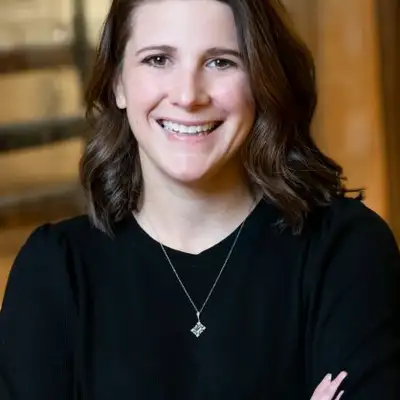
Katie Burke:Hi, everybody. Welcome to the Ducks Unlimited Podcast. I'm your host, Katie Burke. And today on the show, I have Bill Dodge. Bill Dodge is a collector of mostly Mason and Dodge decoys as well as a member of the North American Decoy Collectors Association Board.
Katie Burke:Well, welcome to the show, Bill. Thanks for coming.
Bill Dodge:My pleasure.
Katie Burke:Well, so we are let's say where we are first because this is a different location. So we are here at the North American Decoy Collectors Association. And one of the special parts about this show is the room to room trading, and we are in your hotel room.
Bill Dodge:Right.
Katie Burke:Yeah. So how long have you been coming to the show?
Bill Dodge:Since 1989. So this is my thirty eighth show.
Katie Burke:Thirty eighth show. Did you always do a room or do you just attending at first?
Bill Dodge:Nope. I always did a room. Yeah. Well, except for the first show when I came up with some other guys from Louisville. Okay.
Bill Dodge:And just visited, but since then, I've had a room every year.
Katie Burke:Yeah. So let's go in. We'll talk more about the show and your room and stuff and collecting, but let's just kinda go back into your background. Did you grow up hunting? Did you grow up in the outdoors?
Katie Burke:Like, how does all this start Right. Really?
Bill Dodge:Yeah. I grew up in in rural Indiana, my father was a hunter. Could just walk out the door, Central Indiana between Terre Haute and Indianapolis. Lived on a lake, an Army Corps of Engineers project with thousands of acres of state owned property around us, so we could walk out the door and go squirrel hunting or whatever we wanted to do. The lake had some ducks.
Bill Dodge:My dad duck hunted there, so I grew up in a hunting environment.
Katie Burke:Yeah. Our guy at DUs from Terre Haute area too, so that's how I know that area. Yeah. That's amazing. So, yeah.
Katie Burke:It's always been a part. So when did you like learn about decoys though? Because that doesn't always overlap. Right?
Bill Dodge:It sure doesn't. Yeah. I actually was in the nineteen sixties. I went to a farm auction in Lancaster, Pennsylvania and bought my first decoy. I just I like to duck hunt, so I should have a decoy and there was a nice wood decoy there, Bought it and found out later I made a really good buy on it.
Katie Burke:Oh, yeah. What did It you
Bill Dodge:was a Jim Courier canvas back from Chesapeake Bay Area. And
Katie Burke:Do you still have it?
Bill Dodge:No. I don't have it anymore.
Katie Burke:I I That's rare.
Bill Dodge:Yeah. I swapping it for some other decoys that I wanted more than Yeah. That's fair.
Katie Burke:People, like, keep that first one. You're the first one to tell me that they didn't keep it.
Bill Dodge:Okay. Yep.
Katie Burke:You're not sentimental.
Bill Dodge:Not about not about somebody else's decoys after I found out about Dodge decoys.
Katie Burke:Right.
Bill Dodge:I decided that's what I wanted to focus on.
Katie Burke:Yeah. So I wanna get into that too, but okay. So you bought it in Pennsylvania. So how and I know you have a DU history in Florida. So how does that you moved around a lot.
Katie Burke:So how does that jumping around
Bill Dodge:Right.
Katie Burke:You know, in your
Bill Dodge:Well, I moved around, started to work for General Electric, they moved me three or four times in those first few years of employment with them. And after seven years there, decided to switch companies and went to work for Florida Coca Cola in Daytona Beach.
Katie Burke:Okay. And that's where you did your DU career, volunteer career was Right. There in Okay. And then how did you get to a show in Pennsylvania?
Bill Dodge:Well, this wasn't a show. It was just a farm auction.
Katie Burke:Oh, just a farm auction.
Bill Dodge:Yeah. Saw an advertisement for it went there, and fortunately there was a good decoy there, and I was able to buy that. And I carried that around for a few years, and then I was at an antique show in 1980 in Central Florida. Reninger's puts on a big antique show there every time every year in the winter. I walked outside, there was a guy there with about 200 decoys spread out on tables for sale, and I didn't have any idea what they were or of any specific interest in them.
Bill Dodge:So I was just walking around looking and he was talking to me and he said, Well, your name's Dodge. I'm surprised you don't collect Dodge decoys. And I said, What's a Dodge decoy?
Katie Burke:What's a
Bill Dodge:Dodge decoy? Yeah. And he gave me a little bit of background on Dodge decoys, and so obviously that that piqued my interest and I started learning more. My wife got me a couple of books about decoys, and so I read up.
Katie Burke:Yeah.
Bill Dodge:Learned about the Dodge decoy operation and and started looking for those decoys.
Katie Burke:So what were those first books that you were reading? Do you remember?
Bill Dodge:John Delf wrote a book on on factory decoys. Yep. And that was my primer. It gave me a lot of background on Dodge as well as Mason and Stevens, and I went from there.
Katie Burke:Okay. So, yeah. But you're it's funny that because you're in Florida though, that's not where you would expect.
Bill Dodge:Right.
Katie Burke:All places. Just goes to show you can find stuff anywhere. Right? For sure. So, when learning so, okay.
Katie Burke:How do you start? Because this is in the eighties. Right? So it's a very different game than what they're playing now. So how do you start?
Katie Burke:You start by reading, obviously, but then how do you go about collecting dodge decoys? I'm guessing you're gonna have to travel at that point.
Bill Dodge:Well, sure. The more you move around, the the more exposure you get to to other areas and and a chance to find some decoys. But we started from Florida traveling up the East Coast going to to decoy Okay. Shows. Went to Algonquin a few times and and Pennsylvania area, Maryland Mhmm.
Bill Dodge:Charleston, South Carolina Yeah. To the Waterfowl Expo and just talking to people, looking people were bringing decoys, I could ask questions and find examples.
Katie Burke:Okay.
Bill Dodge:Bought a nice pair of blue bills in Virginia.
Katie Burke:Were you staying were you, like, specifically at that point signed just to do Dodge or were you kinda still buying a little bit of
Bill Dodge:other still buying other decoys too, not just necessarily wanted to keep everything I bought, but I could then have some trade Yeah. Material and and work with other collectors and hopefully find better decoys that I wanted to Yeah.
Katie Burke:We talk about that a lot with like when we talk about collecting and like using that strategy, buy your decoys. Right? So, like, you're buying things, so then to trade to then buy what you want, like and did you know to do that from the get go or did you learn that from collectors as you were like buying to do I
Bill Dodge:learned a lot. I was fortunate after having found out about Dodge Decoys. The same fellow that told me about the Dodge Decoy background said, there's a guy over in Claremont, Florida that you should get with, and he could probably tell you a lot about decoys and and your interest in factory decoys in particular. And his name was Ray Schalk. I got with Ray, fortunately gave him a call and very welcoming, and he was very helpful to tell me about the Detroit factories and and show me what to look for in decoys and really educated me on on quality and and what to expect in terms of values.
Bill Dodge:Right. So Ray was a great mentor to help me become familiar with and knowledgeable of decoys.
Katie Burke:Yeah. That's always I would say the most consistent thing in collector stories is that story of mentorship, of finding that person that was willing to open their door, to take you seriously, to realize you liked it. How long did you have that relationship with him?
Bill Dodge:Well, I still have it.
Katie Burke:Still have it. Yeah.
Bill Dodge:Yeah. He's a great guy and and still in Florida, but we talk on the phone.
Katie Burke:Yeah. That's special. Okay. So you're trading and stuff. At what point alright.
Katie Burke:So you're using it to trade, but at what point are you really like, getting a specificity in Dodge and factory decoys? At that point, are you still going through all that and making sure you're like
Bill Dodge:I was pretty focused by you know, within a couple of years after getting that Yeah. Learning about the Dodge factory. It it it more or less became an obsession.
Katie Burke:Right. Because that's I feel like a lot of collectors and that's one thing it's interesting. You get mixed reviews from people who'll say like, hey, pick what you like and go after whatever it is that you want to collect. And then you have these guys who are like, no. You can buy everything, like, and do a little bit of everything.
Katie Burke:So did you get so my question, I guess, is is, like, was your your natural interest to be specific, or was it more like, or did you learn that from like mentors and stuff to be specific on that?
Bill Dodge:I think I learned it from from mentors like Ray Shaulk and Okay. You know, focus, get the best that you can get. Don't just buy a lot of stuff, buy things that you really like that you think you're going to keep for a long time.
Katie Burke:Yeah. That served well, I'm guessing. You have a big collection, so I'm guessing it served well.
Bill Dodge:Yeah. I've got a nice core group of decoys that I've had for quite a few years.
Katie Burke:Yeah. What are your of that core group, have you had them have you had most of your, like, better decoys for longer? Like, have you had them since the early days or you have have you bought most of them recently?
Bill Dodge:Probably I've
Katie Burke:never asked that before.
Bill Dodge:Yeah. Most of them I've accumulated in the last twenty years. The earliest decoys, I was still learning and I didn't get the things that necessarily had the staying power to remain in my collection forever.
Katie Burke:Okay. Alright. We're gonna switch modes here. Factory decoys. Wayne, so that term gets thrown around all the time when we talk about decoys.
Katie Burke:Can you explain what a factory decoy is? Because I think people will think about it. I don't think people really understand. I think they think like in terms of today of what a factory a decoy would be at a factory, but it's not necessarily the same. Can you kind of give the definition of what a factory decoy is?
Bill Dodge:Well, it would be a mechanized process, not somebody out in the shed whittling with a knife and a draw knife or a saw that would carve out one decoy at a time. This would be a mechanized operation with equipment that would be in in the early days, maybe steam powered, but certainly a mechanical operation that would create decoys much more efficiently, more standardized with several employees typically that would be involved in the shaping and the and the painting and and shipping and so forth.
Katie Burke:And how much at that point though was like a number like, what would they produce in a day? Like, that's why yeah. It's not as many as one would
Bill Dodge:Right. No. I I would think the earliest factories like Peterson and who was followed by Dodge and then Mason, they would probably crank out maybe 50 decoys a day early on, and then build their capacity and and build their potential up to where they would be doing perhaps a hundred, two hundred decoys in a day's time.
Katie Burke:Yeah. Still not
Bill Dodge:a lot. Eventually, Dodge and then and then Mason were selling to Sears Roebuck and Montgomery Ward catalogs. Yeah. They had tremendous seasonal demand that they had to build up an inventory, be able to fill orders and ship
Katie Burke:Which by the helped you as a collector in Florida because then those decoys had expanded past because there you know, most decoys are I mean, yes, you had early people who travel, like gentlemen who would travel to hunt, and they would bring decoys from, you know, Massachusetts to Illinois or whatever. But because they were selling them through catalogs, they dispersed across the country a little bit better. So it helps you as a collector who's not necessarily in Detroit to find those things.
Bill Dodge:Exactly. Yeah. And the carvers in Maryland that made decoys, they didn't have that nationwide ability to disperse decoys quickly through somebody like a catalog company that could make that decoy available anywhere.
Katie Burke:Right. So, and then I also want to put like were yes, they were turning the bodies and heads, but then they have to sand them down and pan paint them.
Bill Dodge:So it
Katie Burke:was all hand painted, right? They sand by hand and put any details in by hand.
Bill Dodge:Yep. Install the eyes, put the head on the body and so forth. So,
Katie Burke:It's factory, but it's still a lot of it's done by
Bill Dodge:hand. Exactly. Yeah. Okay.
Katie Burke:So, I always love and we haven't done this yet and I really want to get into it more because it's such a great story. But tell the story or, like, start with the story. I'll ask questions on the way, but the Peterson to Dodge to Mason. Because everyone's very familiar with a mace. I think if people know nothing about decoys, they probably still don't even if they're a waterfall hunter, they've heard of Mason decoys.
Katie Burke:So Mhmm. But I doubt they know of the transition from Peterson to Dodge to Mason.
Bill Dodge:Right. Right. Yep. We wrote a book, Ron Charles and I did about decoys that that is called Detroit Decoy Dynasty, and it really was a dynasty because Peterson started making decoys in a small factory operation in the eighteen seventies and worked for maybe eight or ten years building decoys and shipping them and establishing a niche, if you will, in the in the hunter.
Katie Burke:So would you say that Peterson's the father of factory decoys?
Bill Dodge:Well, that's probably so. Yeah. I hadn't thought about it in that light, but I would say that he was the the originator of that concept of of being able to do a lot in in one location by having several employees and and being able to ship decoys. Mhmm. So after about eight or so years of operation, Dodge brought out Peterson in 1883.
Katie Burke:And how does that relationship happen? Like, how does this is he I know they have like there's collab decoys and stuff. So was he aware of Peterson? Like, how does that transition?
Bill Dodge:Well, I'm sure he was in Detroit. You know, it's a big city now, but back then, it was probably a small operation or a small environment for Dodge to know about Peterson and and eventually essentially work with him Right. And take over the operation. It's really interesting because Dodge, Jasper Dodge and William Mason worked together in a sporting goods store in Detroit. Okay.
Bill Dodge:Mason eventually bought and Dodge began at that time supplying decoys to the sporting goods store. Okay. That's when he bought out the Peterson factory. So Dodge working with Mason supplied decoys to Mason's sporting goods store, and eventually over the next fifteen or so years transitioned a lot of that business to Mason after he started up his decoy manufacturing operation.
Katie Burke:Yeah. And then it blew up.
Bill Dodge:Yeah. And then it exploded.
Katie Burke:So and like and and if you and if you look at Peterson Dodge and Mason decoys, you can also see like they use a lot of the same terminology Mhmm. And names and how they like did their styles and things.
Bill Dodge:Right. Yep. And you can see a few decoys when when Dodge bought out Peterson that have some Dodge parts and some Peterson parts. They didn't just throw things away that might have been in the shop. They would find a way to to put things together and and make a sturdy decoy out Yeah.
Bill Dodge:Of
Katie Burke:They were businessmen.
Bill Dodge:Right.
Katie Burke:They were not going to lose money, honey. Exactly. So, yeah, we did an exhibit, and it's been a long time ago, but you and Jim Goodman did an exhibit with me. It was very different. And a lot of times when we do these exhibits, have, like, like a selection from an area, like that sort of thing, and there's different species and stuff, but we stuck to one species.
Katie Burke:Y'all put it together. When you did most of the curatorial work on it, but you put one species in and you could really see the evolution through them and how they worked. Right. And it was very interesting.
Bill Dodge:It was fun to do too because it helps all of us really see the growth of that industry through time.
Katie Burke:Because so at what point and I don't know if you know the answer to this. This is just me kind of thinking. Because like, when do the other factory companies kind of come in? I'm guessing they're seeing this work, this process work, and they're building off this what they have built in Detroit. So, like Evans comes in at some point and starts their thing.
Katie Burke:Is do you think that they were actually seeing this and building from it, or were they just separately coming up with that idea?
Bill Dodge:No. I'm sure they were seeing and learning and and not necessarily overlapping. They may have come later. But once they saw the success in working through the catalog companies to get that nationwide distribution, it was a natural growth of the industry to expand to other suppliers.
Katie Burke:Right. Because not every area has a local decoy carver that's within driving distance.
Bill Dodge:Right.
Katie Burke:Or that they can get decoys from. Right? Or that and if they do, they might be they have too much. They have too many orders. They can't get to them sort of situation.
Katie Burke:So, yeah, there would be business for everybody at that point. Yeah. Yeah. It's interesting to think about that and and that the widespread because I got to think about it a lot recently when we were doing the the Candid Goose exhibit. And we were trying to figure out, like, on the West Coast, you know, there's just so few decoy makers, right, especially for Canada Goose.
Katie Burke:And we're like, well, maybe we can put the Masons over there because they hunted with Masons over there because they were hunting with Masons in California. Like, it had that big of a spread. And and even in Texas, like, thought about we don't have any central flyaway. Well, was like, well, Mason could maybe be that person. But we had to kind of think about we end up not.
Katie Burke:We kept them where they're supposed to be. But, like, we thought about that, like, just the spread. And I don't think people understand within the day of plastic decoys how like what a big invention that was for waterfowling.
Bill Dodge:Right. Yeah. It it brought decoy use to the to everybody. I mean, you could buy a half a dozen decoys for a few dollars and have a successful decoy. Right.
Katie Burke:So, yeah, that's what I said. Okay. What does a half a dozen decoys cost? Like a half a dozen of Dodge decoys cost back then?
Bill Dodge:Well, you're talking $3 a dozen. Yeah. That's crazy. You know, it doesn't seem like much now, but back then that was that was a significant investment.
Katie Burke:And what would that be compared to if they got it from like, I don't know who I'm thinking of, but like a local carver. Would that have been cheaper than from a local carver or about the same?
Bill Dodge:Generally, I would think it would be a little bit less expensive for the for the small hand carver, if you will. Yeah. He's got to put in a lot more time to make a half dozen or a dozen decoys. He's got to put food on the table. So he's going to have to charge a little bit more, would think.
Bill Dodge:Maybe $6.08 dollars a dozen back then.
Katie Burke:Yeah. I never even thought about that, but I like, yeah. I mean, they're they're kind of undercutting. They're like the first to market that way. One of my favorite things that y'all had in that sale were the sales samples.
Katie Burke:I didn't think that they would sell them door to door.
Bill Dodge:Yeah. No, they were more display. A salesman could take these little decoys out and say, we can make a regular sized decoy just like this. He wouldn't have to carry a tote sack full of decoys out to the the local hardware store.
Katie Burke:Yeah. That's love that. Because I didn't even think about that. They were really like they really were like businessmen. They were really trying to get as many out as they could.
Bill Dodge:Right.
VO:Stay tuned to the Ducks Unlimited Podcast sponsored by Bird Dog Whiskey after these messages.
Katie Burke:Alright. What is your favorite decoy? Do you have a favorite decoy? I know people don't like that question.
Bill Dodge:It's it's tough to say.
Katie Burke:Like a favorite child.
Bill Dodge:Yeah. Yeah.
Katie Burke:Can't answer.
Bill Dodge:I guess I've got a Dodge Mallard that I hold in the picture and the fly leaf on the book that
Katie Burke:Oh, and you're author. Yeah.
Bill Dodge:Yeah. That would probably be my favorite Dodge decoy because it's a really pristine Mallard, it's representative of of a lot of good quality Dodge factory decoys.
Katie Burke:What is do you have a story of your best find on a decoy?
Bill Dodge:I've got several stories, but really the best find for me has been the people that I've associated with, starting with somebody like Gail Zielnick that led me to Ray Shaulk and and then a lot of other people over the years that Stan Glassmeyer was was considered the first Dodge decoy expert. He They referred to him sometimes as Mr. Dodge because of his fondness of Dodge decoys, and he would come to our show here in Pheasant Run with Dodge decoys, and he was known for somebody that would always have an interest in buying and selling. So there were people like that, really, you know, he was a sweet guy, then so many others that I've met over the years that associated with Dodge Decoys that that like Dodge Decoys or maybe had one that I was able to acquire. Mhmm.
Bill Dodge:So it's been a relationship building experience that was more important when you get right down to it than the Decoys themselves.
Katie Burke:Yeah. And that's I mean, just I've only been over here, started doing the Decoy thing. Y'all introduced me to this. You and Jim did. And I will say that's one of the most rewarding parts about this job is getting to know everybody and
Bill Dodge:Mhmm.
Katie Burke:Getting to be a part of this community. It's really I I grew up in DU, which as you know, is a similar community and it's special. And, it's just expanded that to a whole another way. But, okay, I know what I was gonna ask. Okay.
Katie Burke:So, there's I I wouldn't call it controversy, but when you deal with factory decoys, you get so many repaints. Because these decoys were hunted over. I mean, were used. They're not like some of these old birds like these kraals that people just put on a shelf. All of these were mostly hunted.
Bill Dodge:Mostly. Once in a while, you'll find one that's been on the mantle from the beginning, but usually they've had some wear and tear.
Katie Burke:So as a collector of factory decoys, how do you learn to find those repaints and the changes? And how do you navigate that part of being a factory collector? Because that is very specific to factory decoys.
Bill Dodge:Well, it's a learning process like like any other hobby. You have to look for what are the characteristics that that were with the decoy originally when it was made. You know, how can you tell old paint from repaint? And Again, it takes years to learn what to look for, but it helps a lot to have somebody that will guide you and give you information that you can build on.
Katie Burke:What would you say like how often are you finding decoys that aren't what they originally were to what that are? Like, what is your percentage when it comes to factory?
Bill Dodge:Oh, probably Of course, there's all varying degrees of originality. Mhmm. Right. Some pristine original decoys gonna be a tenth of a percent of what you might find out Ones that are in good original quote original paint, you may be able to find five to 10% of the decoys that are out there that are really good original paint. And then it goes down from there to the ones that you wouldn't recognize unless you were really familiar with that that maker.
Katie Burke:Yeah. And then and then I like I like the ones though that look like they've been hunted over too. I like I I'm one of Right.
Bill Dodge:They've got character. Yes. They can tell stories.
Katie Burke:They have stories. Yeah. And they've been loved. They've seen there have been ducks killed over those decoys, which I find to be special to me. But yeah.
Katie Burke:Because that is a very specific thing about factory decoys is because there's so many, they were hunted over. And they've traded hands, and they've been passed down. And and if, like, you know, if they break a bill, they fix them. Like they're a tool.
Bill Dodge:Yep. Exactly.
Katie Burke:Yeah. I was thinking about that when was like, yeah, factory is very specific whereas other I mean, you get that with other decoys, obviously, but just there's just the amount of factory decoys. And they didn't sit on the shelf as much as other decoys.
Bill Dodge:Right. Yeah. And then you had other materials that came along that were more fragile, you know, paper mache decoys. Yeah. I could remember some of those sinking
Katie Burke:when we
Bill Dodge:were just hunting. They'd they'd spring a leak, all you'd see would be the bill sticking out of the water.
Katie Burke:Yeah. We have some of the we have like a collection that we've been we've kind of gotten over the years that that's part of the DU collection. It's kind of like all of those factory decoys as they like get up to plastics and you have like the rubber inflatable ones.
Bill Dodge:Mhmm.
Katie Burke:Some of them you look at and you're like, how did that work? Yeah.
Bill Dodge:Some of them didn't.
Katie Burke:Yeah. I'm guessing.
Bill Dodge:You know, they'd they'd make one trip and then it would be forget that. That didn't the ducks didn't like those.
Katie Burke:Yeah. I'll let you explain it. Maybe you can use a decoy to explain with Dodge and Mason's, like, the different standards a little bit because I think people mostly see probably a standard grade is what most people like us.
Bill Dodge:Mhmm.
Katie Burke:But there are differences differences in what you see and what you get. And then they have the special there's like the random special ones that they did for people. But could you kinda like talk that through a little bit since we have some decoys Sure.
Bill Dodge:Well, you know, here's a good example of a Dodge factory decoy. It's a it's a top of the line blue bill decoy. And just like Mason, Dodge made varying grades and and he even had a California style decoy to try to supply that market with a product that they thought would fit best. So it's a matter of of meeting the market demands, the expectations of the the duck hunter to give them varying degrees if you don't want to spend a lot on decoys. We could have a low grade that didn't have much paint detail, maybe paint eyes, then we had our tack eyes, and we had the glass eyes just like Mason came with later.
Bill Dodge:Okay. And then the amount of carving and the paint detail all fits into the amount of work that went into it and of course the resulting price that would accommodate the needs of the hunter.
Katie Burke:And which one would you say of that? Would you say the middle one is right? Where which one is the most, I guess, out there? Which one is there more of? Like, did they create more of?
Bill Dodge:Yeah. The middle
Katie Burke:The middle grade.
Bill Dodge:Yeah. The the
Katie Burke:It was the most popular.
Bill Dodge:Yeah. The tachai decoy and they're all were it wasn't that much more difficult to put glass eyes in, so I think sometimes they might wait for the hunter to say, well, I want those middle grade decoys, but I want them with glass eyes so they they could knock out a dozen for that specific order.
Katie Burke:And I'm guessing glass eyes also had to do with like just innovation and production of getting glass eyes easier too.
Bill Dodge:Right. Think they mostly came from Europe back in the early days.
Katie Burke:Germany, I think. Right? I think Germany. Yeah. And that's random.
Katie Burke:But, yeah, Germany is where it's at last. Yeah. I would think that would just be like time. And then I know, like, I always can tell by the bill carving because that's where like, they put more detail into the bill carving and stuff like that.
Bill Dodge:Yep. Yeah. Like, this has a nice definition of the bill and the and the mandible cut. Mhmm. Whereas the lower grade decoys did not
Katie Burke:And then it goes up one more step. Right? For the did Dodge go up one more step or does it when it goes to Mason, did it go up to the top?
Bill Dodge:Well, Dodge really had the the three grades.
Katie Burke:Okay. They had three.
Bill Dodge:But then they they had the specialized niche market decoys like the California style, and they had some Illinois River style decoys. So they tried to meet whatever the market needs were.
Katie Burke:Yeah. There's the St. Clair Flats too, didn't they?
Bill Dodge:Exactly. St. Clair Flats, Monroe Marsh were a couple of their premier grades that were intended for specific markets. Being based in Detroit, Of course, they were sensitive to those Monroe Marsh.
Katie Burke:Yeah. There's lots of Needs. I mean, we don't get into that, but like the clubs in general, like because they would supply clubs with decoys too. Right? So I'm guessing that would get specialization for those certain clubs.
Katie Burke:Did they do that as well? Not because there's a lot of them like in that around Illinois, like in that area.
Bill Dodge:Right. Yeah. Midwest in particular. It it made sense that they would have the greatest demand from that area, But they supplied a lot over into areas in Ohio, Lake Erie, hunters and so forth that follows in the in the waterways down through through the Midwest.
Katie Burke:Yeah. You got anything I haven't mentioned you want to talk about?
Bill Dodge:Mhmm. Let me think for a second. Yeah. We were lucky in in developing the book that we were able to find a catalog from from nineteen o two of Dodge Factory decoys, and that's published in the book as well. It shows what their different grades were, the special items that they made like the California style pintail decoy that they developed.
Bill Dodge:So it was it was extremely fortunate. Another collector of Dodge decoys by the name of Ev Sandel called me up one time and said, hey, check out this decoy on eBay for me. I'm kind of interested in it, and it was a Dodge decoy. And I had just moved to a new home and didn't have my computer set up, so I hurried and set up the computer, got online, checked out that decoy, and when I did a search on eBay for the one he was interested in, up popped Dodge decoy catalog. And I said, woah, wait.
Bill Dodge:What's That's true. Needless to say, I zeroed in on that and was fortunate to be able to buy what I think is the only known in existence Dodge factory decoy catalog.
Katie Burke:Yeah. That's amazing.
Bill Dodge:Yeah. It is. It's it's published in the book page by page. Everything is in there and it gives so much detail. It helped us understand the transition between the different grades and the different time periods.
Bill Dodge:There's an interview in that little booklet, that sales booklet that we found with Jasper Dodge and a lot of history of decoy manufacturing and duck hunting that that is right there all published in that
Katie Burke:whole time period.
Bill Dodge:Right. Yeah. Yeah.
Katie Burke:That's amazing. You know, that's what that was the other thing I was thinking about asking was the thing about the factory decoys is like, I mean, that's unique that you found the catalog. But you can trace back because they had ads in catalogs, and there's so much more that we can learn to know about these makers. Whereas, like, with a lot of these carvers, like, we don't have much but census records. Right?
Katie Burke:Yeah. Yeah. But they actually were doing more. They did more with stores and things like that. So we can kinda trace we can almost pinpoint those transitions, like the time period by catalog.
Bill Dodge:Precisely. Yeah.
Katie Burke:Yeah. And that's very unique and kind of fun because I'm guessing some people collect very specific ones too. Like, people love people get into niches for collecting
Bill Dodge:for
Katie Burke:all sorts of reasons. But I'm sure because I know, like, we're our mutual friend Bruce Lowe only does teal. Like, he only does mason teal. Right. So that's really interesting because you can track that history so much more clear.
Katie Burke:Yep. And we have a much better idea, and that's very rare in this hobby.
Bill Dodge:Well, it is. And again, the documentation is something that's unique to factory decoys, I think, because they were able to publish articles and and catalogs and so forth that gives you that background.
Katie Burke:Mhmm. I will say that's something that's I don't know about all collecting, but at least with decoys and this group, y'all I find all the history is mostly with y'all. The collectors themselves are the historians in this, y'all are the ones searching for all the answers. Yep. Yeah.
Katie Burke:Which is very neat. You don't just collect decoys, you collect other stuff too. I know you sell other stuff and you do that with your wife. Right?
Bill Dodge:Right.
Katie Burke:So can you talk about what else you do? Well because I'm just interested. Yeah.
Bill Dodge:In particular, my wife's hobby is antique dolls. Okay. So she's doing doll shows, I'm doing decoy shows. Once in a while, we have a little overlap in our schedules, and so we have to work that out. But generally, it's fun to have a spouse that's a collector or something too, and it gives you both passion that you can work on together and share with each other.
Katie Burke:Yeah. That's really neat because sometimes you bring them here too and sell some of her stuff
Bill Dodge:Right. As Yeah. I've got a few of her things here and
Katie Burke:Oh, that's really neat.
Bill Dodge:It helps.
Katie Burke:Yeah. That's really neat. Not often do you have couples who share that kind of single thing. Usually, it's one.
Bill Dodge:Well, yeah. In fact, early on when we were married, my wife said, yeah, I think I'm going to collect dolls. What are you going to collect? And I had an interest in decoys and that kind of gave me a little extra encouragement to go out there and and get involved in in decoys.
Katie Burke:Yeah. That's awesome. All right. So we talked about the book, but when did you and Ron put it together? Like what I know you found the catalog.
Katie Burke:You talked about the catalog in the book. So did the catalog bring about the book or did you were you doing the book and you found the catalog? Like, what is that?
Bill Dodge:Yep. Yep. Absolutely. We were doing the book and and then were very lucky to find the catalog. In 1989, I got transferred to Louisville, Kentucky, and I can remember standing in the kitchen talking on the phone to Ron Sharp, my co author on the book.
Bill Dodge:And the idea was, hey, we need a book about these factory decoys. He really liked Peterson decoys. I liked Dodge, and and they all transitioned into the Mason decoys. And there had been some books that focused on Mason in particular up to that point, but not really a full documentation of what had preceded Mason. So on in that phone call in 1989, Ron and I agreed that we were going to work on this book together and generate the material, come up with examples, photographs.
Bill Dodge:Ron's specialty is photography, he did a lot of the work to create the photos for the book. And I did more of the research and traveled around libraries, looking for old catalogs and and that type of thing. So it took us twenty years though of fairly dedicated work to put all the material together, the focus of the the pictures, getting other collectors to share their decoys that we could include in the book. So we've got in this case about 500 pictures of decoys in here, 300 and some pages of of information, a lot of which had never been published before. The West Coast dodges, if you will, and how they tied in, how they developed from the core group.
Bill Dodge:It's it's all interesting decoy history that frankly, if we hadn't documented it, I think it would have been lost. Yeah. So, you know, we were real happy to get it out and get it published in 2009.
Katie Burke:2009. Yeah. That's the one thing that's really great about it is the photography is really consistent in it. Yeah. And like as someone who just did a book and I looked at a bunch of decoy books, that's rare that you get the consistency.
Katie Burke:Oh, hi Jim. It's rare that it's that consistent in So, yeah, y'all did a good job.
Bill Dodge:Well, yeah, it was a lot of work, but we really enjoyed it and we were fortunate to have a good publisher. Stan Van Etten did a great job
Katie Burke:working with us. Know Stan was your publisher.
Bill Dodge:Yeah. Yeah.
Katie Burke:Yeah. I miss Hunting and Fishing Collectibles magazine.
Bill Dodge:Yep. We do too. Yeah.
Katie Burke:But that's great. I did not realize he was your publisher. Yeah. I wish I do miss that magazine. But, yeah, it's really well done.
Katie Burke:And that's one thing I I loved about that book is, yeah, the consistency of the photography and you and the examples because, yeah, you don't really get that in a lot of the books. Right. And that's really nice. Well, thank you, Bill, for doing this. I really appreciate it.
Bill Dodge:My pleasure.
Katie Burke:Alright. Thank you to Bill Dodge for coming on the show. Thanks to our producer, Chris Isaac, and thanks to you, our listener, for swimming wetlands and waterfowl conservation.
VO:That's a wrap for today's episode of the Ducks Unlimited Podcast brought to you by Bird Dog Whiskey and Cocktails. From post hunt unwinds to celebrations back at camp, Bird Dog delivers award winning flavor to every moment. Enjoy responsibly. Don't forget to rate, review, and subscribe, and check out ducks.org/dupodcast for more stories, science, and all things waterfowl. Guest opinions are their own and don't necessarily reflect those of Ducks Unlimited.
VO:Until next time, stay fired up, stay focused, and stay tuned to the Ducks.