Subscribe
Share
Share
Embed
The Risky Science Podcast features conversations with scientists, insurers, investors, portfolio managers, and others about the evolving science of predicting and modeling risk across both natural and man-made perils.
Hi, this is Christopher Westfall and this is the Risky Science Podcast. This week's episode asks a simple question with surprisingly large implications. Has life insurance quietly become part of the infrastructure of private credit? For years, the debate has focused on why private equity firms have been buying life insurance. But new research argues we've been looking at the wrong question.
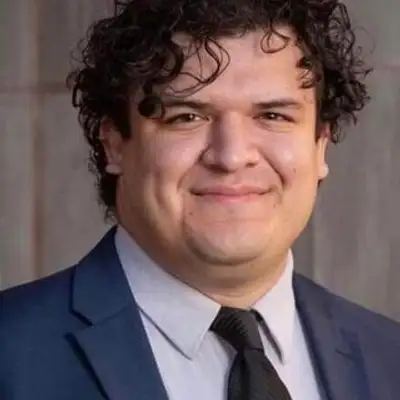
Chris Westfall:The more important issue is an ownership. It's how insurance regulation, guarantee funds, and opaque private assets may be reshaping financial stability itself. Joining me today are Andrew Granato of the University of Texas and Pranjal Drall of Yale. We discuss why they believe the current system has never been tested against failure of a major life insurer, what that could mean for investors and regulators, and why insurance may be playing a much bigger role in capital markets than most people realize. Hope you enjoy the conversation.
Chris Westfall:Andrew, Pranjal, thanks so much for joining me today. A little bit of discussion before we started of you're making the rounds on a on a paper that sort of, like, hit the hit the interest of of markets and insurers around how private credit is moving into the life industry and how it's changing in some ways, and what the regulator regulatory view of it is. So, I always like to start off a little bit about yourselves. Andrew, I'll start with you. Where are you from and what are your focus on right now?
Andrew Granato:Yeah, so I'm an assistant professor of law at UT Austin. I was actually born in Iowa City, you know, you know, major, major insurance area. And I grew up mostly in Columbus, Ohio, also another major insurance area. But I, my interest in all of this started when I worked as an associate economist at the Chicago Federal Reserve. I worked in their insurance initiative, and so that that interest has has continued on as I continued into grad school and now kind of start as a as a professor.
Chris Westfall:Pranjal, a little bit about yourself?
Pranjal Drall:Okay. So I grew up in New Delhi, India, and I came to US for undergrad and, you know, did a went to Grinnell in Iowa, which is, you know, only an hour away from where Andrew grew up or was born. And then I started the JDPHG at Yale three years ago. And most of my research is in finance and financial economics with a specific focus in financial regulation and bankruptcy. Most of my other work currently is in some aspect of private credit, and Andrew and I, Andrew being an expert in insurance, started thinking about writing a project that sort of thinks about the two in in in conjunction with each other, and that's how we got started.
Chris Westfall:Yeah, that's great. And it's perfect timing in a lot of ways because, you know, I've been following this issue for a number of, well, almost a year, you know, talking to different people. I talked to rating agencies about it. I talked to investors about it, everybody has like a different perspective on it, but it was like the paper that you put out is sort of unique because it's tying it to sort of the the over overseeing and the regulatory aspect of it. So, so, you know, it seems like a completely different approach than the way other people are thinking about it.
Chris Westfall:And the argument is, if I understand it correctly, that insurance regulation itself has become part of, you know, the private credit infrastructure. So for people who are sort of listening to this, and these are like investors and some people in the industry, You know, what, what is the focus of what's the takeaway from the paper? Is it, is it about the private credit or is it more about the insurance entry and how it's changed? Andrew, I'll kick it off to you first.
Andrew Granato:Yeah. So a lot of the discussion around the kind of like, you know, the conceptual and literal merger between private equity, private credit and life insurance has been about the story of permanent capital. You know, this idea that because life insurers have classically very long dated liabilities, limited options for policyholders to exit, You know, this enables you to hold as a life insurer highly illiquid long term assets on your balance sheet without being subject to the same kinds of risks or liquidity needs that you would have to be upholding if you were doing this through a standard perhaps ten year private credit fund or even shorter terms than that. And the point of our article is to not necessarily like dispute that narrative, but to qualify it by also saying that the structure of life insurances, insolvency, tax, and financial regulation law, really amplifies the incentives for private equity firms to pair insurers with opaque private credit and ratchet up the risk on life insurer balance sheets in a way that takes advantage of the fact that policyholders are not institutionally well equipped to monitor insurer behavior. So to be more specific, let's say I have a classic private credit fund.
Andrew Granato:You know, I have a general partner, you know, that is managing that fund. I have limited partners, LPs, who are the investors. Those LPs are institutional investors, pension funds, you know, large university endowments, high net worth individuals, you know, etcetera. And they have strong incentive to monitor, they have strong incentive to, you know, kind of be repeat players with the private equity firm or the private credit firm that is, you know, you know, that is managing these funds. And so it's important to like keep them happy.
Andrew Granato:On the other hand, if you have a life insurer, the most of the capital that isn't vested in a life insurer comes from the policyholders who are technically creditors. You know, they show up as liabilities on the life insurer balance sheet. But life insurance policyholders are highly dispersed. This is a retail base of policyholders. And importantly, under the standard insurance guarantee fund structure that virtually, you know, every state in The United States uses, you know, they are insured on their insurance, usually up to somewhere around the first $2.50 to 300 or $400,000 of value when their policies is covered by an indirect state backstop.
Andrew Granato:So if policyholders who are nominally the creditors of the firm are not monitoring the insurer, And also private credit itself is highly opaque and difficult to value and therefore liable to be used as regulatory arbitrage when conducting NAIC risk based capital requirements. You end up with a very strong set of incentives for these firms to massively ratchet up the risk on life insurer balance sheets in ways that are not being captured fully by the NAIC's RBC ratios and that are not being appreciated fully by the people who are nominally the creditors of the life insurer.
Chris Westfall:Pranjal, do you see what are your thoughts?
Pranjal Drall:Yeah, no, I think that's a good framing. I think, big picture, I think our paper it would be a mystery of the paper to suggest that private credit does not belong on the insurer balance sheet. I think I'll I think the thrust of our paper is private credit is a big asset class. Insurers want access to a lot of kinds of lots of kinds of debt products, and private credit is one such product that offers a very specific return profile. And it's in a world where liquid publicly traded debt is hard to come by.
Pranjal Drall:It's not hard to imagine that ins insurers want access to be able to invest in private credit. I think, as Andrew points out, given that backdrop, regulators need to be a little bit more alert to how to think about valuations and solvency regimes, and whether our portfolio is sufficiently derisked in terms of, like, when there's a downturn and whatnot. So I think a lot of the messaging is towards regulators and and improving the the insolvency regime. And just to be clear, you might imagine that in the olden days, an insurer to take a certain amount of risk would own really safe public debt and then some risky equity. And in this in 2026, it actually might be optimal to hold something like a private credit loan, which combines features of those with, like, a slightly more risk risky product than, like, public traded debt, but maybe doesn't have the craziness of, like, holding an equity position in a CLO.
Pranjal Drall:So there's definitely good reasons to hold private credit, and we don't, like, fight against those reasons. And, obviously, there's, like, the classic sort of illiquidity, premia type idea where like insurers can hold assets longer, private credit is generally longer term, doesn't doesn't get traded as much, so insurers are in a good position to capture that premium. I think given all of that backdrop and and the benefits of private credit, as long as regulators are like more aware and more on the beat, and we can figure out a lot of the rating agency problems, then I think the cost for concern would be significantly lower.
Chris Westfall:Yeah, and I get that point. I mean, especially when I talk to credit rating agencies, like the bigger ones, they love the liability matching aspect of it. So, but you know, I guess my next question comes to like a little bit of a chicken or egg question. You know, traditional life insurers, you know, were constructed to absorb mortality and mortality risk, you know, and today some of the largest life insurers are owned by asset managers, You know, as Andrew mentioned, I view them as a source of permanent capital. Has the role of insurance fundamentally changed?
Chris Westfall:Are insurers becoming less about underwriting insurance and more about like a financing vehicle. Has everybody become enamored with what Buffett described as the float? Know?
Andrew Granato:Yeah. It it it's interesting. So something that's notable and something that we're actually going to explore in a follow-up paper is the degree to which that private equity affiliated insurers tend to move more prominently into annuities rather than life insurance per se, and specifically kind of variable forms of annuities. So these are products that kind of get increasingly close to mutual funds. Although they're obviously they they include hedging provisions that distinguish them.
Andrew Granato:But in a sense, it's sort of moving the entirety of the life insurance industry towards a asset manager model, but one that is not subject to the standard investment fund regulatory regime, but is subject to the life insurance regulatory regime, which functions very differently and I think offers a lot of opportunities for arbitrage.
Chris Westfall:Pranjal, yeah, what do you think about that? Because, know, I do see it a lot. I mean, even, I don't know if you've seen Bill Ackman, know, this isn't well, could be in the life insurance space. Theoretically, he started it. He was a big hedge fund manager, just bought an insurer with a thought of and again, he's talking about permanent capital to build on that.
Chris Westfall:What are your thoughts about that aspect?
Pranjal Drall:I think I think the intuition is roughly right. I also just wanna give the other side of that coin, which is that, you know, Alliance SE owns PIMCO and has a large insurance business starting in the 2 thousands. So the idea that an asset manager owning an insurance company is using the premiums to fund some privately beneficial investments is not new. Think fundamentally though, it would be like, there's a lot of economies of scale where an insurance company needs someone to invest their money. Usually, an insurance company is not the sexiest place to work if you're trying to hire high quality asset managers.
Pranjal Drall:Mhmm. So the idea that we can outsource the asset manager function to like a PIMCO or Blackstone or Apollo to attract better talent and to make better investments is not a crazy idea. So I think in of itself, you can still have the mortality pooling risk function and and have this, like, permanent capital story go hand in hand because there's good reasons for an insurance company to outsource, you know, asset management to a firm that specializes in asset management and has a lot of the technology built in from having really good monitors and LPs. You know, by serving Yale and by serving the Saudi Investment Fund, a lot of these companies have built out really good asset management businesses. So insurance companies tapping into that can also benefit policyholders by giving them better rates.
Pranjal Drall:So I think at least conceptually, it's hard to go either way too strong because there's good reasons to be holding to be having professional asset managers manage capital on your behalf.
Chris Westfall:Yeah, that's a great point. The other aspect of the article and the research was about, you know, one of the arguments is around state guarantee funds and, you know, premium tax credits and, you know, whether or not they create a, like a implicit subsidy around these structures. Has anyone, you know, actually tried to quantify that as a liability or contingent liability? And how does that work into sort of the municipal bond side? You know, should they be paying attention to this exposure?
Chris Westfall:I don't know, either you can talk to that.
Andrew Granato:So the quantification of this risk is extremely complex. Just to kind of lay out the structure of an insurance guarantee fund, what happens is that if a life insurer goes insolvent, then the state insurance regulator takes over the company and then has to see if there's enough money in the company to be able to make payouts to policyholders. And the statutory scheme says, you know, depending on the state that every policy holder is guaranteed the first, let's say, roughly 250 to $300,000 of their life insurance policy. Depends on the state, depends on the product line. But let's just call it 300 k.
Andrew Granato:If in the event that there is not enough money left in the insurer to fund these payouts, the receiver has to levy an assessment against every other life insurer in that state. So if I am in Ohio, my insurer goes down, every other insurer in Ohio is going to get a bill that is calculated using the percentage of premium volume that that insurer has sold in Ohio in recent years. So if some other insurer in Ohio sold 0.5% of the premiums that year, they're going to be responsible for like 0.5% of the assessment. There are some like technicalities to that, that I'm not getting into but like for simplification, let's just say that. Then what happens is that depending on the state, but in most states, you get a tax credit that you can then reimburse over the course of five years at 20% per year.
Andrew Granato:So if my insurer gets billed $1,000 in the assessment, then I get a $1,000 tax credit. And that tax credit I can take for $200 a year over five years in most states. And then there's some states where the timeline is a bit longer, say ten years. And then there are only six states where there actually is no tax credit at all. So in 44 states, we argue that this regime is functionally equivalent to a public backstop.
Andrew Granato:Because even though the insurer is getting the initial bill for the assessment, they then transfer that bill over to taxpayers through the form of this tax credit that occurs by operation of law. So in 2008, you know, you had all of these bailouts that were extremely dramatic legislatively. Like, you know, the vote on TARP was this like seminal moment in like American political and financial history. And if major insurers go down, there won't be such a vote. Will just happen automatically, you know, unless the situation becomes so dire that the guarantee fund system is just totally overwhelmed.
Andrew Granato:And so that, that structure we argue is suboptimal in a lot of different ways. It doesn't take into account risk of insurers at all. It means that the insurer that actually goes down has never paid a single dollar into the fund that ultimately is going to guarantee their policyholders. It therefore indirectly cross subsidizes risk from relatively conservative insurers who are going to have to be paying out these assessments towards these riskier insurers who are going into insolvency and whose policyholders need to be bailed out. And it creates this public backstop that occurs through this highly indirect low salience mechanism that is just very poorly understood.
Chris Westfall:And and Pranjal, I guess on that point, I mean, the guarantee system exists, and it's been around for a while, and other people have done research on where they talk about it in terms of homeowners market and what if there's a large loss and then, you know so what are your thoughts on the guarantee system? And there's a is there like a a moral hazard issue or or is this being, you know, too alarmist? Would would it have to be a a significant issue for it to be pushed down to, let's say, municipal bondholders?
Pranjal Drall:Yeah. I think that's a good question. I think Andrew and were talking about this earlier. I think some states have up to 3% of their tax revenues come from insurance premiums. Mhmm.
Pranjal Drall:So that's like a big number. Yeah. So if you're buying state munis, you might you know, that's a big exposure. Obviously, 3% is the total premiums collected on all insurance. So by the time you think about the tax offset of the insurance guarantee fund assessments, it's unclear if that reaches 3% in a year ever.
Pranjal Drall:Mhmm. But just to, you know, set expectations, that's like kind of some fraction of the 3% is what we're talking about. So that's obviously a big exposure from muni bond point of view. I think big picture, there's definitely moral hazard. I think the guarantee fund system in of itself, you know, if we think about the FDIC as sort of the gold standard is, as Andrew pointed out, weaker in a bunch of different ways.
Pranjal Drall:So and we like to talk a lot about in the paper, like, how we can make it better. But I think at a at bottom, from the to get back to the muni point, I think I'm, like, a somewhat tepid believer in efficient markets. So I'm assuming there's some, like, muni bond trader who's already done the math Right. Right. And and they're shorting the right the the states.
Pranjal Drall:But at the same time, you know, it's like there's 44 states that get the stat that do this tax credit. Certain states are more reliant on insurance tax premiums than others. So, like, states that try to attract insurance companies are like more likely to do or probably a higher share of their income comes from these, so I'm sure there's variation that way too. But again, it's if I think if Andrew and I's paper is what's informing uni bond traders, I think they're probably behind the eight ball.
Chris Westfall:Yeah, and I think just the concept of, like, having this sort of macro risk in a state based regulatory regime makes the opacity and the decision making that much more difficult. Yeah. Some, something that I think is, is very concerning to us also is the sheer lack of precedent for managing
Andrew Granato:a large scale insurer insolvency through the guarantee fund mechanism. Like the insurer insolvencies that have actually gone through the guarantee funds kind of tap out at roughly like executive life type levels of a few billion dollars. We've certainly it's never been the case that a company like, you know, MetLife or Prue or or now Athene has gone through the guarantee fund system in a way that would implicate a 50 state simultaneous insolvency and, you know, hundreds of billions of dollars of assets. AIG would have been the first time that that happened, but TARP, you know, forestalled that from from from having to occur. And so I think the sheer logistical challenge is itself, I think, a major kind of lurking risk that we really won't know how that works until something actually, you know, goes down on that scale.
Chris Westfall:Yeah. And by then, it may be too late. One question I have is, and I guess this is a big question, is, you know, do you think regulators have been looking at or asking the wrong questions or looking in the wrong places? You know? Because there's a lot of debate around, you know, the use of private credit, you know, certainly being among investors and some regulators have focused on it, but certainly not the state level.
Chris Westfall:And the state level seems to be like enamored with the concept of, you know, you know, data centers, which rolls up into the pry often to the private credit question. So should they spend, you know, should state regulators spend less time thinking about private credit funds themselves and more time on the insurance system?
Pranjal Drall:Totally. I think, I think that's a very good question. Very perceptive. I think, so there's the insurance regime point, which I'll make in a second. One more reason to be skeptical of thinking a lot about fund investment and, like, and worries from a regulatory point of view is that it's really hard to discipline.
Pranjal Drall:So number one, you know, the traditional LP in a private credit fund is very sophisticated. So presumably, people are doing a lot of work to make sure their money's invested properly. Then there's retail exposure to private credit assets. And then, you know, the classic sort of line is that more disclosure will help. Mhmm.
Pranjal Drall:But I think that sort of misses the point in that most of the private credit funds that, like, a higher net worth individual is being put into through, like, a wealth adviser, there's limited exit. So the idea that disclosure will fix problems doesn't really work in a setting in, like, a fund context where, you you know, unlike an open end mutual fund, you cannot just leave.
Chris Westfall:Right.
Pranjal Drall:Once you're bought in, even if there's some adverse disclosure, you'd you can only join the queue to sort of leave when the fund provides liquidity quarterly, and even then you're gonna get a pro rata share at the exit. So I think that kind of, like, regulatory action is is I it's unclear how effective that is. Mhmm. And the second question is, is it actually necessary? Or it's like, if a bunch of sophisticated wealth advisers and LPs made bad decisions, the idea that the SEC should spend a lot of energy on that, it's unclear to me if that's, a good use of regulatory resources.
Pranjal Drall:I think the insurance the the piece we're discussing here, which has broader implications, is the ratings agency reform. So a core problem in this setting is that smaller rating agencies, Eagan Jones, namely, is one example where they have an incentive to sort of give generous ratings to get repeat business, and that is a core agency problem beyond sort of the difficulty of just valuing private credit assets or, like, private assets in general. So, like, there's, like, a baseline difficulty that's hard to value illiquid things, and then it's compounded by these concerns that Egan Jones or or other some other smaller rating agencies have an incentive to give favorable ratings to get business again and again. So I think focusing on that, I think, is a better way to spend resources, both at the federal and the state level, as opposed to thinking a lot about investor protection, if that makes sense.
Chris Westfall:It does. Yeah. I'm sorry, go ahead, Ben. Yeah,
Andrew Granato:so something that we think about in the paper is that you, the state insurance regulatory agencies face a lot of constraints. They generally are, are, their funding is simply not like nearly enough to the task of properly supervising the entire insurance industry. So a lot of what happens, unfortunately, is that they have to spend their limited time, you know, fighting things out on an individual asset by asset or transaction by transaction level, which is very resource intensive to do, especially when the asset is highly opaque. So like, let's take the example of, you know, let's say there's some sort of highly illiquid specialty structured loan. You know, a ratings agency gives it a rating.
Andrew Granato:That rating, you know, it seems maybe a bit optimistic. You know, the insurer puts it on their balance sheet. You know, now what's the NAIC or a state regulator supposed to do about that? If they want to dispute the rating, they have to conduct this entire investigation into, well, what's the correct rating for this? That's very hard to say.
Andrew Granato:And when you have an entire industry that is systematically moving in the direction of more private credit, more liquid assets, more opaque assets, it's as I think unfeasible for for anybody, even even if they were clairvoyant about valuation to to be able to do this. And so we provide some recommendations to do sort of like kind of system wide penalties that can happen for opacity. That can happen automatically rather than having transaction by transaction or asset by asset fights. Those will inevitably still have to happen. But you could imagine, for example, a capital surcharge that kicks in if a certain percentage of an insurer's assets fall under a broad heading of, let's say, maybe a certain percentage of assets use private letter ratings or that, you know, meet some sort of regulatory definition of, of, of complexity.
Andrew Granato:You know, and layering that on top of the existing regulatory regime would have very minimal enforcement costs. But it would also, I think, help ameliorate a
Chris Westfall:lot of these agency problems. So, an argument, if you fix the opacity at the fund level, the rating agency issue will follow? I mean, work itself out? Am I phrasing it the right way? I'm trying to conceptualize.
Andrew Granato:Yeah, so it would def- it would definitely help. So there's conceptually, there's multiple problems here. So one problem is the problem of like, we getting the valuation right? And that's very hard to solve. You know, like are we getting the right letter rating?
Andrew Granato:You know, it's very difficult to say what the correct letter rating is, you know, for anything. And especially, you know, as you move out of publicly traded assets, you move into like, you know, bespoke individualized loans. This this gets very difficult very quickly. A separate conceptual problem, although one that's linked, is the moral hazard that the public backstop creates. And the like incentives that go along with that, you know, you can imagine, let's imagine a hypothetical, you know, evil insurer that, you know, what that Hypothetical.
Andrew Granato:Yeah, a hypothetical evil insurer. And let's say it's managed by, you know, some sort of firm that also extends credit out to affiliated companies. And those companies want below market loans. And you can get those by having the insurer issue favorable terms to an affiliated asset. So, that borrower, which is also part of the broader insurance group is happy.
Andrew Granato:But the insurer loses out. But if it's very difficult to say if the insurer is actually losing out because of a valuation problem of a systemic lack of monitoring by creditors, you you could potentially just kind of keep doing this. And even though you're pushing the insurer closer and closer to insolvency, you're making up for it by getting all these favorable terms for the portfolio companies. And if ultimately your insurer, let's say you maybe, you know, fly a little too close to the sun and your insurer actually goes insolvent. Well, is unfortunate.
Andrew Granato:But the downside is not born by you beyond that. It's born by this constellation of policy holders and other insurers and taxpayers. And so you have incentive to do all of this, under the existing regime. And that's not to say that any you know, particular firm is doing this. Like, as as we've talked about, there are theoretical synergies to doing to like putting all of these types of businesses under the same roof, but there are also very real risks to doing so.
Andrew Granato:And if the regulatory regime is not up to the task of of monitoring these insurers, we I think we should expect to see very aggressive maneuvers like the hypothetical one. And, well, Pranjal,
Chris Westfall:me ask you this. And and One thing I keep coming back to, and I talk to people in the industry about what trends are going on, and it gets to what everyone is you're both just discussing the opacity and the difficulty of following how quickly things move is one thing I followed is the the development funding agreement back notes. You know, it just sort of like floored me about how how quickly that market developed, how quickly it's being implemented. So I guess my question is, is there a mechanism to keep up with that sort of like as a market just adapts and goes in different directions and comes up with these structures for the regulators to keep up with it and and follow it and react. Does that question make sense to you?
Pranjal Drall:Yeah. I think so. I think yeah. I think that's totally right. So see, a lot turns on how on the ball regulators are.
Pranjal Drall:I think the NAIC, to its credit, realizes the underlying problem, which is fundamentally, private assets are hard to value. You outsource them to a rating agency. Rating agency has strange incentives, and the regulator is stuck in this weird place where they have to trust all the NSS NSSRO rating agencies that are, like, defined at the federal level. So once you give them a good rating for a loan, they have to accept it. So the regulator is stuck in this weird spot where they can't really do meaningful ratings reform or at least have constrained beyond it being a difficult problem.
Pranjal Drall:So in that spot, what do you do as a regulator? It's it's a hard question. So I think that's where, like, a lot of our solutions are, at least in the interim, focused on these sort of broad based penalties, if you wanna think about it like that, which is this thing is hard to value and opaque, even if it is actually, like, basically AT and T private credit and very good investment grade, we should just in expectation penalize it to deter sort of opportunistic behavior at the margin, where we know that this is a hard to do complicated thing, regulator doesn't have the resources, so instead of like doing nothing for three years, we will, in the interim, penalize all assets of this sort for the purpose of the solvency regime. And the idea is like, by the time we figure this out, we have this thing in place to make sure that we deter some of the behavior. I think that's like a short term way to think about it.
Pranjal Drall:I think more conceptually, I think we should trust regulators or, like, we should I'm, like, fundamentally an optimistic person. And as private credit has become more and more important to the financial system, I think figuring out a way where we can value illiquid assets better would be beneficial to not just the insurance regulatory regime, but also sort of other systematic concerns, you know, like the Jamie Dimon cockroaches comment. Mhmm. Stuff like that, where everyone's worried about, my God, private credit's gonna go to zero in like six months. Stuff like that is fundamentally driven by a distrust in the valuations reported by the investment funds, which are fundamentally driven by valuations reported by the rating agencies.
Pranjal Drall:So, all of that has implications beyond just like insurance solvency and just like basic financial stability concerns. So I think everyone is well incentivized to sort of figure it out. One more pitch I'll give you for even beyond just like the policyholder and the taxpayer, say there's a good insurer or a good investment manager or a bad investment manager, and they both have access to different kinds of private credit, The good investment manager has access to investment grade, basically, like the safest AAA stuff, but it's private. And then there's like a bad investment manager who doesn't have access to that, but they're able to show the world or like get a good rating that this is actually double A. Mhmm.
Pranjal Drall:At the margin, you're disincentivizing the good manager from investing in the triple A stuff.
Chris Westfall:Right.
Pranjal Drall:Because the idea is I can invest in the crappy stuff Right. Still get a good rating, and I'm happy with that. And and so just by mimicking the sort of good investor or the bad investor is able to, like, create all these externalities. So so if you're, like, a sort of a good insurer, you're also incentivized to sort of improve the regime.
Chris Westfall:So you brought it up, and I have to go that's my next question, the cockroach go to zero question. So so, you know, in your mind, if a a PE owned life insurer ran in trouble, like a solvency issue, where would distress you think appear first? In banks and credit markets? Would it be in pension funds holding it? State guarantee funds?
Chris Westfall:I assume that we'd be down the line, but and you know, do we really what's the visibility into from beginning of the stress until until it's actually showing up?
Pranjal Drall:Great. So I think one way to think about private credit is that the underlying asset is the same, but it's packaged and sold to different investors in different ways.
Chris Westfall:Right.
Pranjal Drall:So even before you get to the insurance point, there's business developer corporations, BDCs, that typically are like a big vehicle that a lot of investors access private credit through. Some of those happen to be publicly traded. Some of those are private and non traded, and the same underlying loans are packaged in different BDCs. So the first thing that usually goes down when there's stress or when Jamie Dimon made those comments and those, like, first brands bankruptcies happened, and there was, like, concern about AI and middle market software companies, the first thing that went down was publicly traded BDCs, and then you slowly saw concerns go to the private, non traded stuff, because the idea is the public traded BDCs, even if the asset manager is saying the loan is worth 94¢ a dollar, the fund can trade at a discount. So typically, you see the stress there very quickly.
Pranjal Drall:And part of that is like the the investors are sort of really worried, so they're because they don't they don't have a lot of visibility, so they're maybe overreacting, some might say. But the privately traded valuations, when the publicly traded BDCs go down, typically don't go down that much.
Chris Westfall:Right.
Pranjal Drall:Right. And even if the underlying loans are the same. So I think insurance companies are sort of way on the illiquidity spectrum, super hard to late reactors, partly because invest insurance companies are sort of supposed to be buying distressed assets in in bad times. Like, that's, like, the appeal of insurance from a financial stability point of view. So I think insurance would be sort of the one of the last places you'd look as like a investor, because the idea would be, well, there's stress, lot of publicly traded loans that are, like, maybe worth a lot of money in the future are trading at a discount, and insurance company snaps it up, and that might look entirely lit that might be entirely legitimate, but in the case of private credit, for recent for example, recently when Blue Owl's affiliated insurer, Huawei, or I forget the name, but they bought
Andrew Granato:Kuvare? I'm not actually sure how it's
Pranjal Drall:pronounced.
Chris Westfall:I can't keep up with the names.
Pranjal Drall:Yeah. But the so the Blue Owl had two funds, the publicly traded BDC, a private BDC. The public traded BDC was trading at a big discount, like, think close to 20% discount to net asset value, and the private non traded fund had a lot of redemptions. And one way the privately traded, the the private non traded BDC got exit was the sole assets to the insurer at 99¢ on the dollar. And, you know, you'd I I'm not gonna say the valuation was wrong or it was an illegitimate transaction, but the point is that the insurer was a buyer in times of distress.
Chris Westfall:Right.
Pranjal Drall:Right. So if there's distress, it's hard to imagine that the insurance balance sheet is gonna reflect that first. There might be stress in the broader credit ecosystem, and then it'll go to so the insurer and the guarantee funds sort of come in almost by design, like, way after insolvency.
Chris Westfall:So, Andrew, given all that, like how does that are there enough signals before it rolls up into a state guarantee fund issue, you know, for actors to step in and, or, or is that not what you're thinking about? You're thinking about something where there's, there's such a cataclysmic loss that, that there's no way of stopping it.
Andrew Granato:Well, so unfortunately, you know, the classic way that the regulators would get signal that there is a problem that needs to be addressed is that, you know, risk waste capital ratios would decline. But if that system is fundamentally breaking under the strain of the agency problems inherent with dealing with, you know, these private letter ratings, and difficult to value assets, then the quality of that signal deteriorates significantly. You know, there's various empirical studies and economics showing that when private equity firms acquire life insurers, they immediately make substantial changes to the balance sheets of those insurers. They move out of publicly traded bonds. They move into ABS.
Andrew Granato:They move into private credit. You know, they move into classically considered higher risk, higher yield categories. They often massively increase the percentage of the insurer's assets that are affiliated. So there are loans that are being made to other portfolio companies of the private equity firm. And yet the risk based capital ratios of these insurers don't decline.
Andrew Granato:And I think, you know, again, valuation very hard, you know, etcetera. But I, I, I, at the end of day, I think it would be naive to think that after all of that, it just like happens to be the case that it just cleanly nets out in RBC terms. And, and so, you know, in in lieu of relying on on the RBC ratios, you know, we have to kind of start thinking about more systemic first principles. Like potentially thinking about, you know, just like the percentage of the insurer's assets that are on say like schedule d versus schedule b a or something like that. But it's it's it's a very difficult problem.
Chris Westfall:And you've been really gracious both of you over the time, this is my last question and sort of like, hopefully it doesn't veer off too much, but I think it is relevant to the discussion. Know, there's a lot of offshore financial centers. Bermuda in particular has spent a lot of time, you know, building up their credibility as a global center for insurance, reinsurance. So and they have a role. I mean, there's a role in this for for those offshore centers.
Chris Westfall:There's a lot of funds flowing through them in terms of private credit and annuities and life insurance. How should investors distinguish, you know, between legitimate risk transfer and what they describe as shadow or reinsurance, especially among an offshore center, you know, are is there are those two becoming conflated and is that because it's becoming so assets are driving it so quickly? I don't know who would want to take that one.
Pranjal Drall:Andrew, you got it.
Andrew Granato:So, think two points on this. You know, so if I am an insurer and I want to conduct transaction, first of all, reinsurance is totally legitimate thing to do in general. But if I conduct a reinsurance transaction versus a independent reinsurer that has incentives to advocate for itself, and kind of make sure that it's getting high quality assets along with those seeded liabilities, That's very different from a captive reinsurer where you have control over that reinsurer's actions and can force it to accept reinsurance deals that an independent reinsurer might think were terrible. And the related point here is that, just like an anecdote for me, when I used to work with the NAIC statutory accounting data at the Chicago Fed, you know, at the quarterly level for US insurers, you get CUSIP level data on their balance sheet holdings. It's the some of the best, most detailed data I've ever seen.
Andrew Granato:I tell people working in corporate finance, even if they're working on projects that are not related to insurance specifically, to use insurance as an empirical setting because the data is so rich. But if you conduct one of these, you know, called shadow reinsurance transactions, suddenly all of that transparency vanishes. And I remember being shocked that, you know, all we can say is like, oh, this is like the percentage of assets or liabilities that are ceded, you know, to this reinsurer. And we just have no visibility whatsoever into what, you know, shadow reinsurers are doing. We have, we kind of have to just take it on faith.
Andrew Granato:And I think that that's not warranted at all, given the incentives at play to, you know, essentially reinsure excessive liabilities without adequate, assets. So I I think that this is a a major concern. We are seeing some reforms in this area like so called asset adequacy testing. I think that those are positive steps. I, and I applaud the NAIC for pursuing these.
Andrew Granato:But I think the lack of visibility into the balance sheets of capped these like shadow captive reinsurers especially, is is is something that I I frankly, I'm I'm shocked as permitted.
Chris Westfall:Pranjal, what what what's your I see you nodding. So.
Pranjal Drall:Yeah. I don't know about you, Adam, the chat the reinsurance stuff. I think it's one of those things that's been sort of, from a regulatory point of view, always in this zone of where does anyone believe it's, like, at a up to snuff? And then, you know, given the sort of recent concerns about private credit, it it just adds on to that layer of worries. I think fundamentally, it's, you know, it's a problem.
Pranjal Drall:It's been like a long standing issue with with insurance regulation.
Andrew Granato:Yeah. The valuation opacity of private credit, you know, here, you know, is really like pouring gasoline onto- onto this problem of being able to seed a ton of liabilities without, adequately, you know, backed assets.
Chris Westfall:So, actually, this is my last question because you know, so do you think the markets have, is there a contingent in the market that markets that have sort of like the scope and understanding of this risk from what you see? I mean, these are pretty, I mean, whether it's, you know, funds or banks, these are sophisticated data driven investors. They have to be they have to understand what what's happening and be pushing in a certain direction. So, or or is it, you know, I guess Andrew, what's your perspective on that?
Andrew Granato:I mean, I think for for the publicly traded insurers, there's, you know, obviously, there are people who are following this. I believe there are there are a bunch of institutional investors who have short positions on various insurers. You know, to I I I have no idea if the the current pricing for any particular publicly traded insurer is the the right pricing You or know, like like Pranjal, I similarly believe that if you have a highly liquid publicly traded market that it's very difficult to beat that market over the long run. And and so people who have like the the financial incentives to, you know, pursue, you know, what's going on here are are are making decisions based on that. But I do, I think in terms of the kind of regulatory and policymaker understanding of of, shadowy in particular.
Andrew Granato:And I think kind of the transformation that has occurred in life insurance in general, I think we're still at the dawn of being able to adequately reckon with the regulatory changes that need to be made.
Pranjal Drall:I just had one thing to that. I think one more reason, one more sort of way to think about the problem is that individual actors don't really have the incentive to sort of worry about worry about systematic risk when it doesn't show up on their balance sheet. So an insurer might be making very prudent decisions that private credit loan is higher yielding. I can capture the extra spread and capture more market share and expand, and maybe they aren't adequately thinking about bankruptcy risk twenty years down the line. Right?
Pranjal Drall:And and that would not be like sort of a bad insurer. That would be sort of rational. So it's really up to the regulator to sort of step in and say, the opacity concerns warrant reducing exposure or improving valuation practices or something along those lines. And the second point I wanna make is just that it's just from other research, a basic sort of idea is that bigger firms, bigger insurers might actually have more incentive to take more precaution
Chris Westfall:Mhmm.
Pranjal Drall:For the simple reason that they have more to lose in some ways, or they're better monitored. I think a lot of the problems in such regimes come from, like, smaller firms called, like, typically called fly by night firms, where they have a greater incentive to take risk and do sort of crazier things, because when they go bankrupt, they have less sort of employees to worry about, or the manager is less worried about the the empire they have, and and the regulator is not on the ball because it's like, oh, it's only a $2,000,000,000 insurer.
Chris Westfall:Mhmm.
Pranjal Drall:Why would I spend so much time thinking about this asset, this, like, one transaction? So that's another sort of lesson is to think think a lot about, like, size and how that interacts with with with the regime.
Chris Westfall:Great. You've been so kind with your time and really spot on really interesting stuff. So I thank you very much for taking the time.
Pranjal Drall:Thanks so much, Chris. It was very fun.
Andrew Granato:Yeah. Yeah. Thanks for having us on.