Subscribe
Share
Share
Embed
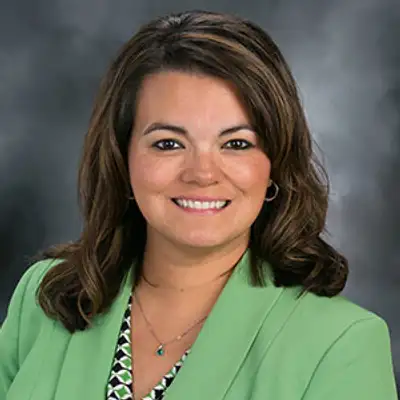
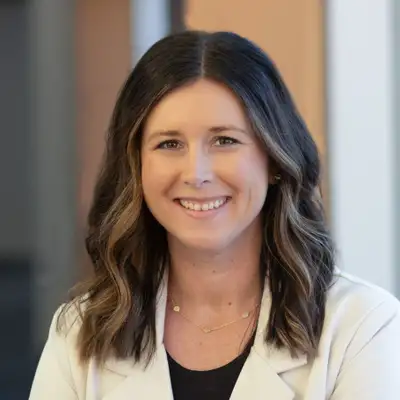

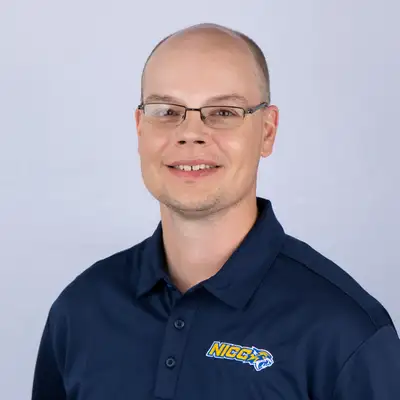
Explore the people, programs and partnerships that make Northeast Iowa Community College (NICC) more than a campus. From student success stories to behind-the-scenes of athletics, innovation and industry collaboration, each episode answers the question: What’s happening at NICC? Energetic, informative and always evolving, this is your inside look at the impact of community-driven education.
Welcome to The Catalyst, an exciting and insightful podcast produced by Northeast Iowa Community College. I'm your host, Lasack. Together, we'll explore the people, programs, and partnerships that make Northeast Iowa Community College unique. From student success stories to behind the scenes info about athletics, innovation and industry collaboration, each episode dives deeper into your community's college. Get ready for an inside look at the impact of community driven education at NICC.
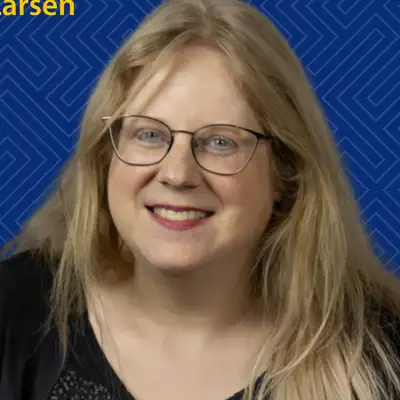
Amy Lasack:Hello, and welcome to The Catalyst. One of my favorite things about working at NICC is realizing how fascinating the people who work here are. We're an institution of lifelong learning, and I think that naturally attracts people who are curious, adaptable, and willing to reinvent themselves. So today's guest is someone with a really unique story. Maren Larsen teaches in our Computer Science, Computer Information, Networking and Cybersecurity department, but her path wasn't exactly traditional.
Amy Lasack:She started out in the corporate world, and even served as an art teacher before making a major career pivot into technology. So today we're going to talk about reinvention, lifelong learning and what it's like to move from one world to a completely different one. So Maren, thank you for joining us.
Maren Larsen:Thank you for having me. I'm glad to be here today.
Amy Lasack:So I have to admit, Maren, when I first heard your story, corporate art teacher, computer science instructor, I did have a couple questions for you. So let's talk a little bit about your history and kind of how you evolved to the transition and the role you have now at NICC.
Maren Larsen:Okay. Well, so what drew me to NICC, kind of a sad event, actually. I was living in Door County where I was working as an artist, and my husband passed away. So and he left me broke. So I had to start over.
Maren Larsen:I moved to Decorah. I moved in with my parents, and I had, you know, tried to go back to work. But having been out of the workforce for a while, it was harder to get back in. And at age 50, you know, ageism is out there, so it was hard to get back in. So I thought, well, I need to sort of reinvent myself, refresh some skills, learn new skills.
Maren Larsen:And I chose IT because there's always a need for IT. And you can get, you know, a pretty good paycheck, but it's also a challenging career. And I wanted something that would keep me challenged and would keep me learning because I love to learn. I'm a lifelong learner in everything from from art to foreign languages. And this gave me a great opportunity to continue that learning.
Amy Lasack:So that had to be a little scary, but also a little exciting to make that decision at that point in your life. What was your experience like returning to school?
Maren Larsen:Well, so I walked in the first day on the Kettlemer campus, and I was sitting in the class. Of course, I sat in the front row because, you know, I wanted to be all ready to go. And it had been thirty years since I'd been in a classroom. So I looked at everyone, and they were all in their twenties. And I thought, okay.
Amy Lasack:I'm the
Maren Larsen:old lady in the classroom. And there were only two females when I started. And by the time I ended, I was the only girl. So I was really, it was really kind of off by myself, but I ended up making good friends with those 20 year olds. I was kind of the mother, you know, are you sure you did your homework?
Maren Larsen:Now you need to make sure you meet that deadline. I even gave one of my classmates a wake up call because he was coming late to class and it's like, no, you need to be there on time. So I guess I was the class mom.
Amy Lasack:Well, can tell you all that all the kids moms really appreciate your help with that. Yes. Yes. So what would you say to somebody that is kind of in the shoes that you are in feeling for whatever reason that they need to reinvent themselves, but they feel too old or they feel like they're too far along in their life to change paths? What would you say to somebody like that?
Maren Larsen:I would say it's never too late. And it does take a lot of courage, you know, to walk into a classroom knowing you're probably the oldest one. But you just kind of take a deep breath and just have faith that it will work out. And NICC is a great place because there's small classes, so you'll get individual attention. The instructors are all very caring people.
Maren Larsen:They're willing to help you out. Also, there's the learning center. So if you, you know, need some help, like math, I mean, coming back to math after thirty years and really, you want me to do algebra? So it can be a little daunting, but there are great resources here that will help.
Amy Lasack:And it may not seem obvious at first to people, but I bet there were some skills that you had from your corporate world and your art world that really benefited you while you were in class and then now in your role teaching?
Maren Larsen:Yes, so the corporate world taught me time management. I was a project manager, so you're keeping track of everyone else. But then you also have to keep track of your work and what you need to accomplish each day to get a project done or to get your work done. So I brought that as a student. Very good time management.
Maren Larsen:So I knew how much time I needed to study, and I worked twenty hours a week while I studied. But I even made out a weekly study schedule for myself. Like, Monday, here's what I need to do. Tuesday, here's what I need to know. And if a student is falling behind, I offer to help them draw up a schedule.
Maren Larsen:Like, okay. Let's get your work schedule. Let's look at your school schedule. And I did that for a student this past spring semester, and I think it helped him finish his coursework and graduate.
Amy Lasack:That's great. So how long have you been teaching at NICC now?
Maren Larsen:So I finished my third year. Wow. So going into my fourth.
Amy Lasack:So what have you learned since becoming a faculty member at NICC?
Maren Larsen:Well, I've learned different ways to help motivate students. I've looked back on the courses. Some of them I've taught now three times, and I think about, okay. How can I explain this concept better, or what would be a better activity? And then sometimes our labs, instead of having the students do them all themselves, I've learned that if we do some together as a class, people might show up to do those labs and then and then they get a better understanding.
Maren Larsen:So as I'm working through it with them, they can understand my thinking of why I'm doing things a certain way.
Amy Lasack:Are there certain personalities that make a really good fit for this line of work?
Maren Larsen:So a person has to be organized. I tell my students you need two qualities to be in IT. You need patience, and you need a sense of humor. Things always go wrong. If you're not patient, troubleshooting is not a good thing, and there's always troubleshooting in IT.
Maren Larsen:So you have to be willing to take the time and step back. If you're overwhelmed, just, you know, kind of step back, take a break, and then you have to laugh. I mean, laughter is good for anything, but especially in IT, you you do need that sense of humor with your colleagues and things like that.
Amy Lasack:Yeah. So you mentioned that by the end of your time as a student, you were the only female left in the class. Are you seeing that change a little bit over the years? Are you seeing more females or is still there's still an opportunity for females to enter this?
Maren Larsen:There's still an opportunity. I have I have not had a female networking student. I've had females in my networking classes who were doing the programming track. Mhmm. So females tend to go that way.
Maren Larsen:I think maybe it's daunting for them to rack a server or work in a data center and unplugging and plugging in switches. So I think in networking, it's very rare.
Amy Lasack:And I think our employers are wanting more females too. So if you're a female and you're listening and this intrigues you, I think there's lots of opportunities out there.
Maren Larsen:Yes, I believe so. I had a friend tell me that well, an advantage you've got is that you're a female.
Amy Lasack:Isn't that interesting? Yeah. Yes. That's fantastic. So if somebody's listening and they're like, oh, I think I want to maybe head in this direction, what would be your first piece of advice for them?
Maren Larsen:Well, the first piece of advice is look at the program, ask questions. If you're looking at a particular school and a program, just go meet with the person. Before I enrolled at NICC, I met with Gary Cross in Kalmar, and I asked a bunch of questions. What were the classes like? I'm older.
Maren Larsen:Can I do this? Can I keep up with this? So and then look at the list of classes that are offered and maybe do a job shadow. You know, if you know someone in IT, and my late husband was in IT. So I had a lot of the terminology and vocabulary down, and he would mention a concept.
Maren Larsen:And then when I was talking with Gary, oh, yeah. I observed that. So, talking to someone in the industry would be helpful.
Amy Lasack:Yeah. That's a great idea. And job shadows are always fantastic because you either know after you're done that that's an area you want more information about or you're like, oh, that's not for me. Yes. So that certainly helps.
Amy Lasack:Did you ever think when you were a student in these classes that someday you'd be the person in the front of the class?
Maren Larsen:No. I I really I knew what I wanted to go into. Our program and the one in Calmore offer, the Cisco Certified Network Associate, which is, you know, the gold standard introductory networking degree. So if you get that, you'll likely get an interview. So I knew I wanted to get that.
Maren Larsen:And then I thought, well, maybe I would start at a help desk or maybe I would be a junior network administrator. I just really didn't know for sure. Mhmm.
Amy Lasack:That's is one of the cool things about going into computer science is because it you're not locked into really one industry per se. You can work at a hospital. You can work at a manufacturing plant. You can work in an insurance company. There's so many options available.
Maren Larsen:Yes, yeah, IT is needed everywhere.
Amy Lasack:Yeah, absolutely. And it changes so quickly. Have you found, how do you stay on top of some of this stuff from even the time when you were a student or even from the time you started teaching three years ago? How do you stay on top of all the different changes that are happening?
Maren Larsen:Well, I've subscribed to some newsletters. I just looked up, like, the 10 best books a network engineer should read. And there was one about automation, and that's gonna become more prominent, like automating tasks, automating network tasks. So I actually ordered a used copy of that, and I'm going to read that. So I I read a lot.
Maren Larsen:I, you know, stay up on the news and stay updated with newsletters that I subscribe to.
Amy Lasack:Yeah. So definite definitely lifelong learner if you're going to be in IT. Yeah.
Maren Larsen:And this summer, I'm taking cybersecurity class because in fall of twenty seven, our program at is offering cybersecurity classes. So to teach those, I'm taking a rather intense one this summer to get ready for that.
Amy Lasack:Very cool. You know, and that's certainly an area that intrigues a lot of young folks. Cybersecurity, you know, you see a little bit of it on TV and different TV shows. Can you talk a little bit about what exactly does that mean if somebody wanted to take a cybersecurity program at NICC?
Maren Larsen:So cybersecurity is all about securing your end devices and then securing the network. So for for anyone, for a general audience, it would be, you know, knowing how to set secure passwords, knowing how to avoid phishing emails Mhmm. Knowing how to stay outside of nefarious websites. So just protecting yourself, knowing what to share and what not to share on social media, especially for young people Mhmm. To be careful with that.
Maren Larsen:In fact, I'm reticent to use things like Facebook because, you know, you don't know who is getting that information. And then with AI, we have to be even more vigilant about what we share out to the AI tools.
Amy Lasack:Yeah. Sure. And it it they're getting trickier and trickier every year.
Maren Larsen:Yeah. So cybersecurity attacks are becoming more sophisticated. Mhmm. And so there was a graphic that I showed in my class that as cybersecurity attacks become more sophisticated, currently, our technical knowledge isn't up to the same level as those attacks. So we have to keep improving our knowledge on how we harden our devices to protect them against intrusion.
Amy Lasack:Oh, wow. So we're chasing those that are trying to harm us, basically.
Maren Larsen:Yes, we are. Definitely.
Amy Lasack:Yeah, very scary and more reason for us to all be aware of what's happening.
Maren Larsen:Yes, in fact, this summer I am leading a Kids on Campus Cybersecurity Camp for kids aged 10 to 12. So we'll get into how can you protect yourself as, you know, a youngster into this, you know, this world that's kind of overwhelming and kind of scary.
Amy Lasack:I love that. You know, when my kids have been growing up, they've always had a device of some sort. And so it's not a scary thing for them. So to get a sense of, hey, these are the things you should look out for. That's fantastic that you're going to be teaching that.
Maren Larsen:Yes. Yeah, I'm excited.
Amy Lasack:Yeah, I think it'll be fun for the kids too. They're going to learn a lot out of that. Yes. Well, So Maren, one of the things that we do on this podcast is we give you a couple statements and you're going tell us whether you feel like they're fact or fiction. If you have any feedback after you tell us whether it's fact or fiction, you'll give us some insights for what you see.
Amy Lasack:Are you ready for that?
Maren Larsen:I am ready.
Amy Lasack:Fantastic. So the first one is cybersecurity and tech networking positions are in higher demand across Northeast Iowa than ever before. Is that fact or fiction?
Maren Larsen:Yes. I would say that's a fact. Our advisory committee is talking to us. Yes, you need to teach cybersecurity. And so we're adding that.
Maren Larsen:And we've been told that for a couple of years now.
Amy Lasack:Yeah, and I bet you have pretty strong relationships with employers in the area. They're in touch with you about your curriculum, wanting to talk to your students, all of those things. Yes. What about returning to college as an adult learner means starting entirely from scratch with no transferable skills. Is that fact or fiction?
Maren Larsen:I would say that's fiction. Yes. Any work experience can help you with time management, particularly in managing your time. So if you're you're working and you're going to school, you probably already have developed communication skills in any job. And that will translate into an IT job where you're, you know, you're always dealing with customers, whether it be fellow employees or a customer, let's say, in a small like, even like the Geek Squad, you're dealing with customers.
Maren Larsen:So any communication skills, you have them if you've been working.
Amy Lasack:Yeah. And I often hear that adult learners when they come back to school, that experience that they've had before is really valuable because you can start to connect the dots a lot more quickly in the class than maybe somebody with no work experience.
Maren Larsen:Yes. My my I have some older students, and those are the ones who do all the assignments, who get things done on time because they know how to meet deadlines, and they do very well.
Amy Lasack:That's great. All right. So how about returning to college as an adult learner takes significantly longer than entering straight out of high school? Is that fact or fiction?
Maren Larsen:That's fiction. It took me the the two years. And I did have some things transfer in, but it doesn't take longer. It's just what your goal is. I think adult learners are more focused on, okay.
Maren Larsen:I'm doing this because I have a goal in mind. So they're more goal goal oriented. So they put their studies. They put a premium on that. They make time for it because they know that there's an end goal.
Maren Larsen:That's how I was as a student, just very goal focused.
Amy Lasack:Yeah, that makes sense. You know what the picture looks like that you want to achieve.
Maren Larsen:Yes. Yeah.
Amy Lasack:All right. How about you need to be a math genius or a natural born coder to succeed in the computer science program?
Maren Larsen:That's fiction as well. I know it seems daunting because my program required statistics for my math class. And I thought, Oh, statistics, math. Oh my gosh. What am I gonna do?
Maren Larsen:And then in math in computer science, it's all about binary, so number conversions. But, again, your instructor will help you. There's the learning center. If you need help with math, we have great math learning center folks. And, you know, if you need a little review, that's fine.
Maren Larsen:And especially with the math, you don't have to be a math genius. You just have to understand the different binary number systems. And it's, you know, once you learn it, you never forget it.
Amy Lasack:Yeah, you're not alone. If you come here and you need help, faculty's here, but also you mentioned the learning centers, great support. Yes. All right, so last one, having a creative background like art or teaching is actually a major competitive advantage in the IT industry.
Maren Larsen:I would say that's a fact. I think that having creativity, you have creative problem solving skills. You have the ability to think of it from different angles. So you might think of something that no one else thought of, like maybe and then explaining something to a coworker or an employee or a customer, maybe explaining how a computer works. You can draw on different analogies.
Maren Larsen:And in teaching, that creativity has helped me. For some of our exam reviews, I've had students play Jeopardy. They have a different way of you know, we put some fun into it. And so I think my creativity has helped me as a teacher.
Amy Lasack:That's great. Thanks for playing along with us. So before we let you go, Maren, I'm curious, do you still have a chance to utilize your art skills? Do you still do some art on the side?
Maren Larsen:I do. I do some watercolor or some drawing occasionally. In the summer, I have more time to do that versus in the fall and spring, but I still like to do that to keep my right brain active.
Amy Lasack:Yeah, that's fantastic. I'm extremely jealous of your artistic skills. I love to do it. It just doesn't turn out as my brain thinks it should.
Maren Larsen:Mine doesn't always either. Sometimes I do a painting and it's like, well, okay.
Amy Lasack:Oh, well, Maren, thank you so much for joining us today, really appreciate the conversation and really, you're a perfect example of what lifelong learning can mean and how somebody can pivot, whether life changes or they have a different interest they want to pursue. Our career paths don't always have to be a straight line, and you're a great example Great, of
Maren Larsen:thank you.
Amy Lasack:So to our listeners, thanks for spending time with us today on The Catalyst. If you're curious about computer science, networking, cybersecurity, or any of the many ways you can continue your learning at NICC, we encourage you to explore what's possible. You can check out the different areas that we have at our website, nicc.edu. And thanks for tuning in. We'll see you next time.
Maren Larsen:Okay, thank you.
Amy Lasack:Thanks for joining us on this episode of The Catalyst. If you enjoyed the conversation, make sure to follow or subscribe on your favorite podcast platform so you never miss an episode. Want to learn more about NICC and the many ways we support our students, partners, and community? Visit nicc.edu for more resources and upcoming opportunities. This podcast is produced by Northeast Iowa Community College and hosted by me, Amy Lasack, with executive producer Tessa Hill, producer Travis Hunt, and graphic designer Ashley Konzen.