Subscribe
Share
Share
Embed
The Hydrocarbon Engineering podcast: a podcast series for professionals in the downstream refining, petrochemical and gas processing industries.
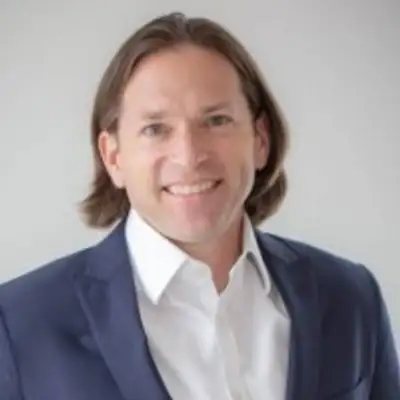
Hello everyone and welcome to the Hydrocarbon Engineering Podcast, I'm Callum O'Reilly and today I'm delighted to welcome back Rob Benedict, Vice President for Petrochemicals and Midstream at American Fuel and Petrochemical Manufacturers. Rob is here to talk to us about the Toxic Substances Control Act also known as TUSCA, which is at a critical turning point right now. A draft bill has been introduced that proposes sweeping changes and Rob is here to guide us on the latest developments and what industry is advocating for in this moment of opportunity. So without further ado, let's talk to Rob.
Advert:This episode of the hydrocarbon engineering podcast is sponsored by Rockwell Technical Insulation. Designed for durability and sustainability, Rockpool's high performance stonewall insulation helps control process temperatures, reduce energy loss, mitigate corrosion under insulation, and enhance fire and acoustic protection. The result? Safer operations, improved asset integrity, and long term performance across critical process industries. Learn more at www.rti.rockwool.com.
Callum O'Reilly:Hi, Rob. Welcome back to the podcast, and thanks so much for joining us again. How are things with you?
Rob Benedict:Things are great. Thanks for having me back. I love love to always chat with you.
Callum O'Reilly:No. It's a pleasure, Rob. Really, really pleased that you could take the time to join us again. Now before we dive into the latest developments with the toxic substances control act, please can you tell our listeners a little about AFPM and your current role?
Rob Benedict:Great. So AFPM is short for American Fuel and Petrochemical Manufacturers and we're a Washington DC based trade association that represents the refining industry, but as well, we also represent petrochemical manufacturers. So thank the six base PET chem materials that that go into pretty much everything that you use on a daily life and that makes life great. In my role, I'm our vice president of petrochemicals and midstream, so I oversee all of our policy and advocacy on those two areas. And when it comes to petrochemicals, the topic we're talking about today is something that's very top of mind for our members, that's chemical management both here in The US but also internationally too.
Callum O'Reilly:So, Rob, for listeners who may not be entrenched in chemical policy, can you start by explaining what TOSCA is and why it matters so much to the petrochemical and manufacturing sectors right now?
Rob Benedict:One of my colleagues says TOSCA is not your favorite opera, but it's your favorite chemical management legislation. And so TOSCA stands for the Toxic Substances Control Act, and it's actually celebrating its fiftieth anniversary, I guess you would say, because it was enacted first in 1976. And while most people view this as kind of a chemical program, it's really more a manufacturing program at our perspective. See so what TOSCA does or what did when it was enacted was it authorized the US Environmental Protection Agency to regulate both the manufacturer and consumer use of chemicals in The US. And what it does is it regulates those chemicals that it sees as having, quote, an unreasonable risk of injury.
Rob Benedict:So since Tosca is it literally directly affects our companies, but many companies' ability to make, import, sell, and use chemicals that we use to make fuels and petrochemicals and derivatives of those. So it really has an implication on the entire US supply chain and interstate commerce because a lot of the stuff that we make and we're affected by TOSCA goes into a variety of other products. For us, there's two specific sections of TOSCA that we are very focused on. The first I would mention is section five of TOSCA. There's actually 31 different sections, but section five is one that we're very interested in, and that's because it authorizes EPA to review and eventually, hopefully, approve new chemicals before they enter the marketplace.
Rob Benedict:So section five, I'll try not to use the shorthand, but it's the new chemicals program basically. The second piece that we are interested in is more on existing chemicals, and what section six of TSCA does is it requires EPA to review existing chemicals that it prioritizes and that are being commercially produced, and it has to evaluate the risks of those. And, again, that unreasonable risk of injury is what it's looking at. And then if it does see a risk of injury, then it can regulate those substances in a variety of different manners to control that risk. Lately, we've seen actually in 2000 I guess it's not lately anymore.
Rob Benedict:In 2016, TSCA was updated. So there was an amendment to TSCA that passed in 2016, and we've seen subsequent administrations since 2016 interpret that change in statute as they implement the program, and I think that we'll probably talk about that more, but that's been a little bit of an unpredictable factor here in how different administrations are are viewing the changes in Tuscar that were implemented in 2016.
Callum O'Reilly:Yeah. That's right, Rob, because the AFPM has raised concerns about how Tuscar is being implemented today compared to how congress intended it to work. So can you explain the shift from a risk based approach to a more hazard based approach and why that distinction is so important for industry?
Rob Benedict:That change in the statute in 2016 really allowed for kind of various interpretations of the new revised law, and ultimately has left a lot of the questions that raises and how you implement it to the administration, and they basically have to interpret what they think TOSCA is saying. So what we saw under the Biden administration and the Biden EPA, they kind of reinterpreted how the agency would evaluate risks, and that kind of gets to your question. They shifted from what was more a traditional risk based approach to a hazard based approach. Now what does that mean? If you're using a truly risk based approach, you're considering not only the hazards posed by a chemical, but also the likelihood of exposure of that chemical under the normal conditions of use in in manufacturing.
Rob Benedict:So that's the traditional kind of risk based approach that our members support. What we've seen since 2016 is a shift towards a hazard based approach. And what does that mean? It means that EPA has started to focus on just basically the inherent properties of the chemical regardless of whether or how it's used and regardless of that exposure. For example, they could include scenarios that don't really resemble real world manufacturing or use conditions.
Rob Benedict:So put another way, what this has allowed is that if EPA found that a chemical presented an unreasonable risk for one use, it could potentially ban the chemical for all uses, which we have an issue with. When EPA evaluates risk and regulates based on these kind of, like, unlikely worst case scenarios, it can really disadvantage US manufacturing, stunt innovation, and also impact decisions as far as what our members are producing. This hazard based approach also often leads to heavy restrictions or bans for chemicals, even though that they might be, for example, used in a closed system and not have any exposure. So that's been some of the problems that we've seen considering our manufacturing processes are highly regulated already. We have provisions and protocols in place to limit that exposure, so we don't think that if a single use of a chemical presents a hazard that you should ban it when there is actually safe ways to use that chemical.
Callum O'Reilly:From an industry perspective what's really at stake if Tusker continues to be implemented in a way that focuses on worst case or hypothetical scenarios rather than real world conditions?
Rob Benedict:Yeah, I mean it really stunts our ability to operate and specifically for I mentioned existing chemicals, it can take out a chemical from the market that is used in a safe manner. What we've seen EPA do is ignore things like the use of personal protective equipment. We've seen EPA push and evaluate scenarios that are not likely estimating releases very, very frequently when they're hardly ever happen. They also sometimes ignore other required safety regulations from EPA, but also from things like the occupational safety and health administration. And when you assume that kind of worst case scenario and those hypothetical situations, it stacks the deck when you're doing when EPA is doing these risk evaluations.
Rob Benedict:It likely ends up with severe restrictions or even bans of our products. So in recent years, we've also seen EPA prioritize chemicals to be evaluated, and when what they're prioritizing is often petrochemical building blocks. So think you can't make a chemical unless you have that building block. So if you restrict that building block, you can't make the chemicals down the line. And this is even though in our systems, many of those chemicals are used in a in a closed loop system, so it never actually results in any exposure.
Rob Benedict:We've also seen this on the refining side with things like refining catalysts. So catalyst that's inside the system that never never gets out of the system, completely no exposure, but EPA is trying to regulate those, and then that affects the ability to make fuels. So all this can be really concerning for the existing chemicals and then we'll probably get into it but there's a whole issue with kind of the new chemicals program as well. There's issues there that we can discuss later.
Callum O'Reilly:As Congress looks towards Tusker reauthorization what are the key things industry is advocating for to ensure the law protects health and the environment while still allowing chemicals to be made and used safely in The US?
Rob Benedict:Yeah so for AFPM we've taken the time since 2016 and our lived experience to kind of really figure out how we can provide clarity on Tosca so that EPA has very strict and clear legislative statute to back up on, so they're not making those judgment calls as far as risk versus a hazard based approach. So we have a number of priorities, but I'll highlight a couple and I'll bucket them into those two sections I mentioned before. So when we're talking about existing chemicals, we want EPA to assess, like, the real world condition. So that would be considering things like closed system, considering things like the frequency or infrequency of accidents, considering things like other regulations that that I mentioned before. One of the big things for us is we're looking to diversify our feedstocks.
Rob Benedict:So we want to streamline the universe of chemicals subject to the Tosca review so they don't include things like impurities and there's byproducts there. So if, you know, you have a refining catalyst never released system, that's a byproduct of the process. It shouldn't matter. When it comes to new chemicals, we're looking at the timelines for review. So I mentioned a lot about the existing chemicals, but TOSCA also regulates the review of new chemicals and there's timelines in the statute, but unfortunately EPA often misses those timelines or kind of pushes for the applicant to remove their application, so we're looking for more clarity and consistency on meeting those timelines for new chemicals because honestly that determines whether new chemistries come to market and new innovations are made.
Rob Benedict:Also on the new chemical side, I mentioned feedstocks. We want to diversify our feedstocks and that includes things like incorporating plastic waste and making pyrolysis oil so we can do advanced recycling. And we think that for fundamentally the same chemicals, the outputs there, the feedstock shouldn't matter. The output of a petrochemical process or a coprocessed fuel should be what you're looking at, not the different feedstocks that go into it. So that's granting equivalency for certain materials that are already on the inventory and indistinguishable for things that are already on there.
Rob Benedict:So that's, I'd say, our big thing. So in summary, existing chemicals, sticking to the process, considering other regulations, and also streamlining the universe of reviews to not include chemical intermediates. And on the chemical side, the new chemical side, it's more about timelines and not making us redo work that's already been done for chemicals that are already on the inventory.
Callum O'Reilly:Ultimately Rob, why should policymakers and the public care about how Tusker is re authorised and implemented? What could it mean for everyday products and US supply chains?
Rob Benedict:So as I mentioned, we don't view Tosca as a chemical statute specifically, we view it as a manufacturing and supply chain statute. If it's not implemented correctly, it can stifle both the innovation of new chemicals to market, but also the use of existing chemicals in safe real world conditions. The US enjoys a major competitive advantage in the world in terms of our access to feedstock, our world class manufacturing sector, and we need chemical managements that allow us to kinda parlay those advantages. An inconsistent or unclear statute doesn't allow us to do that. We need Congress to clarify responsibilities in the law, and I think why the average OSHA matter this for the new chemicals program, you're not going to be able to bring new chemicals to market and The US isn't going to be a leading innovator for the existing chemicals.
Rob Benedict:This administration's goal has been onshore manufacturing, if we're removing chemicals from market that are safely used in the manufacturing process, that doesn't really support that message of bringing U. S. Manufacturing back. So overall, we think that Congress should prioritize these, and they are looking at those. There's a task of fees reauthorization that's coming up that gives them an opportunity.
Rob Benedict:And, honestly, like, what we want is the program to be anchored in reality and science based risk analysis be part of that, and we think that would lead to safe uses of chemicals, but also really supercharging The US chemical industry as well as the refining industry to some extent.
Callum O'Reilly:And for listeners who want to stay ahead of these tactical developments and other policy issues facing the petrochemical industry, AFPM's International Petrochemical Conference is coming up this spring. Can you share how IPC twenty twenty six fits into these conversations and why it's such an important forum right now?
Rob Benedict:Yeah. It's kinda ironic I mentioned that Tasca is 50 years old, but so is our International Petrochemical Conference. And kind of the theme for the conference this year is reflecting on the last fifty years, but also looking forward to the next fifty. So policy discussions like this will be going on. We have a really good program, and there's actually a specific panel with industry experts on Tosca as well as European chemical management programs and trade.
Rob Benedict:We have a panel on supply chain specifically, so I imagine that would get into to the Tosca issue. And then unrelated to this topic, but also interesting to our members, we'll have on engaging the future workforce. All in all, I think when it comes to policy, and this will be a lot of the topics discussed at IPC, our industry can deal with rules that are predictable. What we can't deal with is unpredictable or unclear rules. So I think that our policy discussions at that will be focusing on that and how we can move forward the next fifty years to really make sure that The US continues to be a chemical manufacturing powerhouse.
Rob Benedict:Thanks for mentioning that at the conference. It's the March. We look forward to seeing everybody in San Antonio and great chatting with you about this.
Callum O'Reilly:Thanks Rob, really great to get your insights into this topic at such a pivotal moment for Tuscar and we really appreciate you breaking things down so clearly for us. Looking forward to keeping an eye on this one and hearing more at AFPM's upcoming International Petrochemical Conference, so thanks again. My thanks to Rob for joining us and shining a light on ongoing developments with Tusker in The United States, it was really fascinating to hear his insights into why it is so important to get Tusker right in order to ensure that we don't see the elimination of chemicals and plastics that are essential for many life saving and life enhancing goods. We'll be keeping a keen eye on developments in the weeks and months ahead. Thanks for listening and if you're interested in learning more about AFPM's upcoming IPC event you can head over to afpm.org/events.
Advert:This episode of the Hydrocarbon Engineering Podcast is sponsored by Rockwell Technical Insulation. Designed for durability and sustainability, Rockwell's high performance stonewall insulation helps control process temperatures, reduce energy loss, mitigate corrosion under insulation, and enhance fire and acoustic protection. The result? Safer operations, improved asset integrity, and long term performance across critical process industries. Learn more at www.rti.rockwool.com