Subscribe
Share
Share
Embed
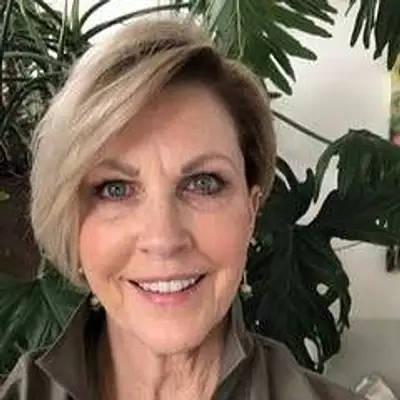
In this episode of The Real Retirement Show, hosts Yasmin and Kathleen delve into the evolving concept of retirement with guest Marilyn Hintsa. Marilyn shares her personal and professional journey, highlighting her pivot from a corporate career to becoming a retirement coach. She discusses the pressures and expectations surrounding retirement, emphasizing the importance of personal choice and rejecting societal 'shoulds.' Marilyn also introduces her initiative, Next Chapter Dialogues, which o...
In this episode of The Real Retirement Show, hosts Yasmin and Kathleen delve into the evolving concept of retirement with guest Marilyn Hintsa. Marilyn shares her personal and professional journey, highlighting her pivot from a corporate career to becoming a retirement coach. She discusses the pressures and expectations surrounding retirement, emphasizing the importance of personal choice and rejecting societal 'shoulds.' Marilyn also introduces her initiative, Next Chapter Dialogues, which offers group sessions encouraging retirees to explore life after work. Through meaningful conversations and community support, Marilyn helps clients find joy and purpose in their post-career lives. The episode underscores the value of direct conversation, shared experiences, and stepping out of one’s comfort zone.
00:00 Introduction: Rethinking Retirement
00:51 Welcome to The Real Retirement Show
01:35 Meet Marilyn Hintsa: A New Path in Retirement
02:43 Marilyn's Journey into Coaching
05:17 Challenges and Insights in Retirement Coaching
06:24 The Importance of Group Dynamics
07:15 Mindset Shifts and Overcoming Fear
14:05 Purpose in Retirement
21:48 Creating Safe Spaces for Vulnerability
28:34 Final Thoughts and Farewell
About Marilyn Hintsa
Marilyn has been on her own retirement journey since late 2019 when she was unexpected “early retired” from a corporate career. Not ready to go out to pasture, she became certified as a leadership coach, decided to use her new skills to help her contemporaries lead themselves into their post-career lives, and set up her practice, ULeadU Post Career Pathing, in 2021. Since then, her practice has evolved and recently launched Next Chapter Dialogues, a weekly, Zoom-based, guided discussion group that people join on a monthly subscription basis. Next Chapter Dialogues is a powerful opportunity for people anywhere on a retirement journey to travel together in community and, with Marilyn’s guidance, explore topics related to life after work, aging and longevity.
Website: https://www.uleadu.ca/
LinkedIn: https://www.linkedin.com/in/hintsa/
Real Retirement Video Podcast: Real Retirement - YouTube
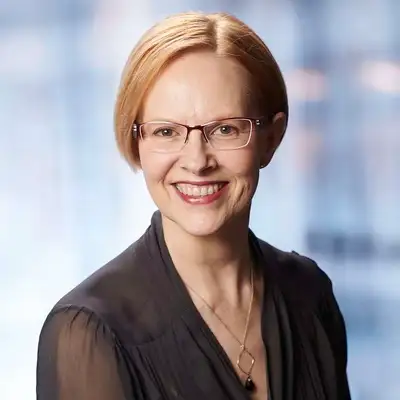
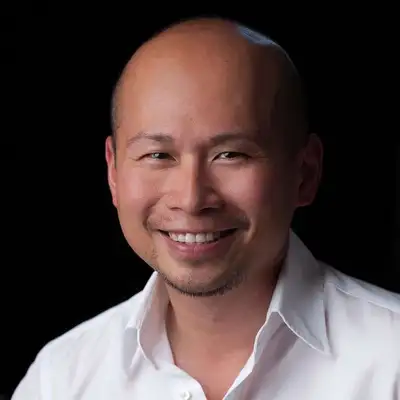
Welcome to "Real Retirement," a groundbreaking podcast where your hosts, Yasmin Nguyen and Kathleen Mundy, delve into the multifaceted world of retirement beyond the numbers. This isn't your typical retirement discussion; it's a vibrant journey into what retirement truly means in today's world.
Each episode of "Real Retirement" brings you compelling conversations with guests who bring a wealth of expertise and authentic retirement life experiences. Our goal? To inspire and educate our listeners to approach retirement with intentionality and a broader perspective.
But "Real Retirement" is more than just a podcast. It's a community for those navigating the uncharted waters of retirement, whether you're just starting to plan or are already on this deeply personal journey. We explore a wide array of topics, including:
What sets "Real Retirement" apart? It's our commitment to authenticity. We bring you real stories from real retirees, discussing real challenges, surprises, joys, heartaches, and the myriad emotions that come with retirement. From addressing family dynamics to confronting identity shifts, we tackle the issues that truly matter to retirees.
Join Yasmin and Kathleen as they journey through the honest and often unspoken aspects of retirement. "Real Retirement" isn't just about ending a career; it's about beginning a new, exciting chapter of life with all its complexities and joys. Tune in and be part of a conversation that redefines retirement in the most real way possible.
Marilyn Hintsa: Since I've been
on this journey myself, my ideas
about retirement have changed a
lot.
And I, at this stage, am, you
know, really letting go of all
of the shoulds about retirement.
And there are a lot of them, you
know, there's a lot of pressure
to have an ambitious retirement.
There's a lot of pressure to, do
great things in this next
chapter.
There's a lot of pressure to
remain as young as you possibly
can for as long as you possibly
can.
And that may be right for some
people that may be what brings
them satisfaction and a sense of
purpose.
But if you are not that person,
if you want a much quieter life
because you had a stressful job,
your whole, career, then that's
okay.
And in fact, whatever you choose
is okay.
don't fall victim to the
shoulds.
Yasmin Nguyen: Welcome back to
The Real Retirement Show.
My name is Yasmin.
Here with my co-host Kathleen.
Whether you're retired or
thinking about retirement, we
delve into the multifaceted
world of retirement beyond the
finances.
This isn't your typical
retirement discussion.
It's a vibrant journey into what
retirement truly means in
today's world.
We bring you real stories from
real retirees and experts
discussing real challenges,
surprises, joys, heartaches, and
the myriad of emotions that come
with retirement.
From addressing family dynamics
to mental and physical health,
to finding purpose, we tackle
the issues that truly matter to
retirees and those thinking
about retirement.
Today.
We are thrilled to welcome
someone who has turned an
unexpected twist into an
inspiring new path.
Meet Marilyn Hintsa, a dynamic
voice in the world of modern
retirement.
When Marilyn was early retired
from her corporate career in
late 2019, she didn't slow down.
She shifted gears instead of
heading for the hammock, she got
certified as a leadership coach
and launch you lead You
post-career pathing to help
others lead themselves into
vibrant purpose-filled
post-career lives.
Now she's taking things even
further with Next Chapter
Dialogues.
A fresh, powerful initiative
that brings people together
weekly on Zoom to explore life
after work, aging and longevity
through meaningful guided
conversations.
If If you've ever wondered
what's really possible in your
next chapter, Marilyn is here to
show you the way with wisdom,
warmth, and just the right
amount of spark.
welcome Marilyn.
It's so great to have you on the
show.
Marilyn Hintsa: Thank you.
It's, lovely to be here and I'm
looking forward to this
conversation.
Yasmin Nguyen: Well, Marilyn,
for those of us who have not
gotten a chance to get to know
you, would you share a little
bit more about your journey and
what inspired you to focus on
the retirement experience?
Marilyn Hintsa: Sure.
So I would say this journey into
coaching started, before I
retired.
I was thinking that I wanted my
post-career career to be in
coaching.
And so when I was unexpectedly
early, retired in 2019, it was
pretty easy for me to decide to
enroll in a coach training
school.
And get whatever credentials I
needed to get.
And at the time, I was thinking
that I would do leadership or
executive coaching because
people said, Hey, that's where
the money is, you know?
And I thought, oh, well I wanna
make money.
And so I chose my school
accordingly.
That's what they focused on.
And then at the end of that,
when I was gonna hang up my
shingle, I thought, wow, I
realize now that I'm entering a
really, saturated market.
There are a lot of coaches who
do that, and I'm not sure I can.
Distinguish myself in that
group.
And also by that time, it had
been almost two years that I'd
been out of the corporate world
and I thought, I'm not sure I
want to go back to those issues
again.
I'm not sure I care anymore.
Right.
Um, and a friend of mine in my
network, he's in the health
sector, and he said that he had
been seeing, people, mostly men,
who were on the verge of
retiring or had just retired.
Not being really happy with
their situation and feeling lost
or not sure what to do or not
making the most of their time or
whatever.
And he said, they could use some
coaching.
So I did some research and found
out that retirement coaching
actually was a thing.
and it resonated with me because
when I was in my corporate job.
I saw many people, again, mostly
men who were in senior
positions, had long and very
lucrative careers in the
business, and so were, very well
set up to retire.
And they were of an age to
retire and they didn't, they
just kept coming to work and
sometimes working sort of
half-heartedly.
And I thought, oh my God, what a
drag.
I was somebody who wanted to
retire the day I started
working, so I thought some.
I don't think that now I think
that choice to continue working
is a very valid choice and one
that, there's all kinds of good
psychological reasons for
continuing to do that, but at
the time, that's what I felt and
that's why that idea of
retirement coaching resonated so
much with me because I thought,
how nice to be able to help
people do that better.
Yasmin Nguyen: Speaking of
helping people, are there
specific types of clients that
you work with and if so, what
are some of the common
challenges that you've noticed
they face?
Marilyn Hintsa: When I started
my practice, I thought I would,
well, I didn't think, I actually
did try to niche my practice
into a particular profession,
and that did not work out well
for me because I chose the niche
for the wrong reasons.
it wasn't really where I wanted
to be spending my time, and so I
ended up coaching people who
came from a whole variety of
different professions, different
roles, different outlooks, and I
still recognize that I should
probably be niching in some way
and figuring out who I really
wanted to work for.
But as you probably well know.
It's not that easy as a
retirement coach to find
clients, regardless of whether
you're niching or you're not
niching.
and the majority of us coaches
are not brilliant business
people.
That was never our focus.
And so it's challenging and so
I.
We all tend to take all comers
is my impression of most of the
coaches that I know.
And so I did too.
And now that I have changed the
focus of my practice to be more
group oriented versus one-on-one
coaching with my, group work
called Next Chapter Dialogues.
What I want in those groups is
as many perspectives and
experiences as possible so that
people can share and learn new
things from each other.
Niching or trying to figure out
an ideal client would be a
little bit counterproductive for
that.
having said that.
the people in the groups are
people who are thoughtful.
They want to be learning, they
wanna be sharing their
experiences and hearing other
people's, and they wanna be in
community as they navigate this
journey versus doing it on their
own or doing it one-to-one with
coaches.
So I guess I have come around to
a niche.
but a big one.
Kathleen Mundy: Marilyn
oftentimes, it's our experience
that limiting mindsets really
make a difference on how people
navigate this, And have you
found that's the case?
And if so, how do you shift
their mindset and their
perspective on the whole process
of retirement?
Marilyn Hintsa: That's
interesting.
I find that the limited mindsets
come in, what their capabilities
are, how much they're willing to
step out of their box, how much
they're willing to try new
things, how much courage they
have to, do something different.
So I find that's the mindset
limitation.
And I think the only way to help
people get over that is, to
encourage them to take small
steps, to encourage them to try
a little bit, see how that goes
and to get around to thinking if
it doesn't work, it's no big
deal.
we can do something different
tomorrow than we did today.
and for me.
Um, and the way that I tend to
work with people, I think that
retirement is a time for trying
lots of different things, for
saying yes to things And by
doing that, you're discovering
more about yourself.
And you're able to slowly say,
oh, I like doing this and I
don't like doing that, and I
like this about that, and I
don't like this.
And gradually coming to the
place where you go, okay, if I
put all of that information
together, that's what I wanna
do.
I've now figured it out because
I've tried a bunch of things and
I've landed on the thing.
That makes sense.
Yasmin Nguyen: Marilyn, you
talked about people stepping out
of the box.
I'm curious what have you
noticed holds people back from
stepping out of the box?
Marilyn Hintsa: Courage or a
lack thereof, or they don't know
what they wanna do if they step
out of the bar, like they don't
know where to turn.
They don't know where to start.
and some people of course have
been doing it their whole lives
and it's easy for them.
They love trying new things.
other people who are a bit more,
I don't know if conservative is
the right word, but it takes
courage to do it, and it also
takes letting go of the fact
that people are going to judge
you because you've done
something that turned out to be
not really great, So it's
getting rid of that sense of
people will judge me.
And I think that this time of
our life is a wonderful time to
strive to be our most authentic
selves.
And I think that does require us
to try new things because by
doing that, we learn more about
ourselves.
And once you are confident about
who you actually really are
without all of those masks and
everything else that we put on
when we're working, you develop
the confidence to do new things.
You develop a new confidence and
you.
are less concerned about the
judgment of others,
Kathleen Mundy: I wanna go a
little bit deeper into this,
Marilyn, because you've hit a
nerve in so That you've just
said.
I can so relate it.
Most of our listeners, our
audience knows that I did retire
and it didn't last long.
And yes, I love working.
but one of the things that you
mentioned is the fear, or you
don't have courage, but I think
you're on point when you talk
about judgment, fear of being
judged, Of people saying, well,
what are you going to do?
what are your plans?
And quite frankly, sometimes you
don't have any.
And, saying yes to everything
worked for me because I was, it
was really easy for me to,
realize very quickly what I did
not want to do.
And I love that you brought that
to the surface and I think that
Many people need the courage to
realize that judgment shouldn't
be a part of it.
And to have someone like you
kind of walk them through that
process of learning because it
is a learned skill.
Now I'm just curious though, if
you've helped people get through
this, can you give us an
opportunity to just tell us a
little story about a major
breakthrough that a client had?
Marilyn Hintsa: I had a client
who was, had a very senior
person in the not-for-profit
sector, so CEO of major global,
not-for-profit organizations.
And he was six months from
retirement when we met and he
had gained a lot of, Notoriety
in a positive way as a result of
the work he had done.
He had been rewarded for his
work.
and so he had a certain standing
in society as a result, and he
was concerned that this
influence in standing in society
might disappear when he retired.
And so I said to him, so when
you got into the work that you
did that gave you so much
satisfaction and at which you
were so successful, when you got
into that maybe in your twenties
or your thirties, did you care
whether you achieved a certain
status in society?
And he said, no, not at all.
And I said, well, think on that
because is it really that
important to you?
if it wasn't part of your value
system at that time, it probably
isn't anymore.
And he was really taken aback by
that.
I don't know what he's doing
now, but anyways.
Kathleen Mundy: I think that
experience must have really
shaped the way you coach,
because those are very pointed
questions How did that change or
shape your coaching practice?
Marilyn Hintsa: I think that
I've always been very direct in
the way that I coach.
I think that the role of a
coach, quite frankly, is to be
direct and say the thing that
nobody else is willing to say.
And ask the question that nobody
else is willing to ask or won't
ask In that way, they might be a
little bit more obtuse about it,
and you might eventually get
around, but I've always been
really direct, just in general
in my personality, in the way
that I, if I wanna know
something, I just ask,
Yasmin Nguyen: Marilyn, do you
find that there are certain
questions that you ask more
often than others?
Marilyn Hintsa: it's, it's hard
to say because with every week
we have different topics.
so the questions are really
driven by the topics, and I
would say that they're questions
like, what do you think of what
I just shared with you?
or, what do you think of this
concept that I asked you to read
about or whatever.
and then as we go around the
room and everybody, puts in
their thoughts I do ask
questions that kind of go a
little bit deeper for each of
them.
Yasmin Nguyen: Is there a topic
that you could share with us
that perhaps you've discussed
recently?
like purpose or perhaps family
relationships or loss or, common
issues that people are really
interested in engaging in?
Marilyn Hintsa: Well, purpose
was one that they were all
interested in engaging in The
idea of purpose is kind of
amorphous for most people.
They don't really know what
purpose are we talking about?
Are we talking about why I was
born?
Are we talking about, what gets
me outta bed every morning?
Are we talking about something
else?
I would say that each of the
people in my group had a very
different sense of what purpose
meant.
It parsing through that within
the group really helped us come
around to the idea that.
There are these three levels of
purpose.
There's the big P purpose, what
am I supposed to do with my time
on the planet?
And then there's the daily
purpose, which is a bit like
Ikigai.
what am I going to do today
that's going to be useful and
helpful.
Um, and then there's that in the
middle.
This this is my.
Job right now.
My role right now, what is the
purpose of this sort of stage of
life purpose?
And, I found that the
conversation with them on
purpose, had a session on it and
then it would pop up again later
in another session when we were
talking about something else.
and they were still, we still
struggle with this idea of.
Okay, how do I define my
purpose?
What is it exactly?
I can't put it into words, I
can't articulate it.
but I know when I have it,
Kathleen Mundy: If someone's
preparing for retirement, how
would you help them?
get into that space where they
think about purpose in those
three level terms that you just
spoke about.
How would you help them prior to
their actual retirement date?
Marilyn Hintsa: I would ask them
to consider what they've, if
they have not yet retired, How
they consider purpose in their
current life.
So is it the work that's giving
them purpose?
Right now in, as they're
working, has that always been
true?
Is it work that gives them
purpose or is work just an
expression of something for
them?
A way to make money, put a roof
over their heads, and is there
something else that gives them a
sense of purpose?
Is it their family?
Is it their children?
Is it their relationships?
Like where does that sense of
purpose lie for them now?
And if it is in their work,
then.
I would talk to them about,
okay, that's gonna go away.
So if you don't have another
part of your life where you feel
purposeful, we're gonna have to
work through what you might
think is purposeful going
forward, which might, be
anything.
I think it's most important for
people to realize that.
most of our lives, we don't
think about purpose.
It just is.
It's delivered to us in various
ways.
We don't think about it.
And so I think just beginning
that thought process of, oh,
purpose.
Yeah, purpose work is my purpose
that is it, or no, it's not.
And then being able to get
deeper into what purpose might
be for you if you didn't have
this job.
Kathleen Mundy: that's a
reflection of your direct
questioning
Marilyn Hintsa: Indeed.
Yasmin Nguyen: Marilyn, it seems
like you get a lot of joy in
working with groups.
what is it about the dynamics
of, working with groups, really
resonate with you?
Marilyn Hintsa: It is
interesting, I decided to go
down this path, and it had been
in the back of my mind for a
long time and I was almost ready
to shutter my practice and I
said, no, you must try this
before you shutter just to see
whether this was the thing you
were supposed to do.
And so I ran a pilot group and I
ran the pilot group partly to
see how.
People in the group would react
to this and whether it would,
resonate for them, but also to
see whether I liked it, whether
I enjoyed facilitating a group,
whether I wanted to see them
every week for 90 minutes.
Kathleen Mundy: That's direct
Marilyn Hintsa: I didn't say
that to them.
Kathleen Mundy: No, I'm just.
Marilyn Hintsa: but I genuinely
wanted to understand my own
reaction to doing this sort of
thing, right?
And, it was interesting because,
I was amazed at how much the
group members got out of it,
which of course made me feel
really good.
But I was also realizing week
after week.
That I'm actually good at this.
That I'm good at facilitating a
conversation.
I'm good at coming up with a
topic that people will be
interested in talking about.
I'm good at making sure that
everybody in the group has a say
and I don't let anybody get away
with not commenting on one of my
questions.
and that again is my directness
When I was in corporate and I
would be doing a presentation
and people would never sit in
the front row, I'd get somebody
to move all the chairs outta the
front row so that whoever was in
the second row was now in the
front row.
Because I said, come on, you
guys, you're adults.
Just sit in the front row for
God's sakes.
Anyways, so I do run my groups a
little bit like that, where you
cannot hide.
You cannot hide from me and
don't try.
And so far that's worked out
really well.
But I think what I get out of it
is I see the, the way that
people share and the fact that
after a few weeks they trust
each other, they care about each
other, they're willing to be
vulnerable.
And I just love that, dynamic
that.
Change that thing that happens
in a group.
I just think it's magical.
Kathleen Mundy: That's evolution
at its best.
Yasmin Nguyen: Marilyn, you
talked a little bit earlier
about, holding, or I suggested
that people are perhaps holding
themselves back from stepping in
the box, and I imagine that in a
group setting, when you are
listening to someone else share
their story, that in some ways
it gives you courage, but it
also gives you permission to be
able to contribute too.
have you noticed something like
that?
Marilyn Hintsa: Yeah, for sure.
I think that, when one group
member talks about all the
things she's been doing in
within her community because she
has decided that she just wants
to experiment and try a bunch of
other things, I can see other
people going, oh, that sounds
like a good idea.
Maybe I could do that.
Maybe I could try that.
that doesn't sound so scary.
And how did you end up doing
that?
so just the.
The ability to turn to somebody
and say, oh, that that course
you took sounds interesting.
How do I sign up for that?
Or where do I go for that?
Or, and now it's at the point
where the people who are living
close together wanna get
together.
I.
In person, and so that would
encourage them to also go off
and do things together and try,
because I think also that helps
in stepping outta your box is if
you've got a buddy who wants to
step out with you.
Yasmin Nguyen: that's so true.
we've watched and read so many
studies about loneliness and how
that is so pervasive, especially
in this chapter of our lives and
what.
You're doing is not only
introducing people to new ideas,
discoveries, but you're also
connecting people and
potentially new relationships
that can really enrich their
lives.
Marilyn Hintsa: And that was
part of my objective when I
started this, because I have
come to learn as a lifelong
loner to a large degree.
In my later years, I've come to
realize how important having
people in your life is and how
lucky I am in spite of my loner
tendencies to have developed a
lovely group of friends.
and I'm more grateful of that
now than I ever have been.
And I think that, you the idea
of being isolated and lonely in
your, oldest years would be
terrifying.
I.
Yasmin Nguyen: Speaking of
terrifying, how do you create a
safe container or space for
people to really share and be
vulnerable?
Marilyn Hintsa: that's where
some of the magic is.
I find it amazing, really.
I don't know how I do this.
I just, I don't know.
It just happens.
Kathleen Mundy: I don't think
people have a choice because you
make them sit in the front seat.
You insist that they all
participate.
And sometimes when you do that,
I remember, when we were in
school, The first time you had
to sit in that front row, it was
a little bit nerve wracking, but
then it became incredibly
comfortable and everyone was
behind you, so you didn't really
have to even see reaction.
But I think that your
personality Has created this
environment to make people come
out of their shells, and see
things a different way.
Marilyn Hintsa: I don't know
what else it would be.
'cause I think I am, in spite of
my directness is usually kind,
I, I think that I accept people
for who they are, and I don't
really wanna change who they are
and I'm curious about their
stories.
I'm curious about what they're
thinking.
And I think that comes through.
Um, and I think that's part of
building a safe space, and being
a good listener, which is,
something I learned to be better
at and through coach training.
Yasmin Nguyen: because you make
people feel safe, you're not
judgemental, I think that sense
of feeling judged, frightens
people from sharing.
Marilyn Hintsa: yeah, and I'm,
I've never been a judgmental
person, so that is part of my
personality as you suggest
Kathleen.
Kathleen Mundy: Well, Marilyn,
it just, you mentioned how
you've learned to listen.
What other things Has this
process taught you working with
clients?
Marilyn Hintsa: Listening is
certainly a big one.
I think it's also made me
realize how to be curious, more
curious than I might've been in
the past.
and that.
we all have that we, don't
always reveal.
partly because of judgment.
and that sometimes it's just
enough to be there.
You know when somebody needs
some support, sometimes they
don't need you to be asking them
questions.
Sometimes they don't need you to
be.
saying much of anything at all.
They just need to have somebody
who listens.
And I was out with a friend
recently and she had a close
relative pass and she hadn't
really been out since that
happened.
And we were sitting over dinner
just talking about normal things
we talk about when I finally
said, and how are you doing?
And she burst into tears.
And she said, oh my God, I'm so
sorry.
I haven't done this for a couple
weeks.
And I said, don't worry about
it.
Just, just be, and afterwards
she said that she was so
grateful to have had that
opportunity just, to, to a, have
a normal conversation, but also
to feel free enough in a public
space to do that.
Yasmin Nguyen: Yeah, that is
such a gift to be able to share
and be present and just listen
and allow someone to be able to
be seen and heard, and
understood.
'cause that in itself is the
actual transformation that, some
people may not have the
opportunity to
Marilyn Hintsa: Yeah.
Yeah.
And it's interesting because
that's one of the hardest things
for new coaches to learn, that
they don't bring value by
suddenly taking over and trying
to teach the client something.
They bring value just by being
there for the client and
allowing them to do the
exploration that they need to
do.
Yasmin Nguyen: I bet that
really.
Is even more noticeable in a
group type of setting because
instead of being the teacher or
the person who knows the answer,
you're actually just
facilitating, allowing them to
interact.
Marilyn Hintsa: Yeah.
And especially when they decide
to go in a completely different
direction and the first time it
happened, I've become like.
Okay, what's happening now,
because I tend to be quite
script oriented and agenda
oriented the first couple of
times it happened, I'm like,
okay, what do I do now?
And it all worked out really
well, and they had a lovely time
and I thought, oh, I know how to
do this too.
Kathleen Mundy: Well, isn't it
just another form of discovery
though, certainly including,
Yasmin Nguyen: Marilyn, if you
were to meet someone who is
thinking about retirement, what
sort of lessons or what would
you share with someone that's,
on this journey?
I.
Marilyn Hintsa: I guess it
depends on where they are in the
journey, but if they're early in
the journey, I think I would say
don't go it alone.
there's lots of resources you
can draw on, ones that you can
access on your own.
You can hire a coach, you can.
Talk to your friends, talk to
your family.
Talk to the people of similar
age at your gym just because
you're all in the same boat.
And, will welcome the
opportunity to chat about this
time of life.
if you're feeling alone, don't.
You don't have to feel alone.
there's lots of people around
you who will be happy to share
their experiences and, look at
this time as a time of
regeneration versus an ending
and a time that is exciting and
should be full of joy as your
sign says behind you.
those as your goals, to be
joyful, to be happy are very
excellent goals for this time of
life.
Kathleen Mundy: feeling joy just
having this conversation today.
it's wonderful to understand
that there are people like you
and our listeners are gonna be
as impressed with your
straightforward, and I think
that it's a.
Pure and a curious attitude that
you have, I wouldn't say direct,
I would say straightforward and
compassionate.
and that provides an environment
for people to really be the
people they want to be, as
opposed to people that have,
they've designed by virtue of
their career or their family or
some of the other, obligations
they've had in life.
I think today's conversation is.
Been really freeing for many
people who've been in that
position.
Yasmin Nguyen: for those,
listeners who want to learn more
about you and your work, how can
we find you?
Marilyn Hintsa: you can, access
my website at www u lead u.ca.
I'm also on LinkedIn under
Marilyn ssa.
I'm occasionally on Facebook,
but not very often.
but I welcome anyone connecting
with me on LinkedIn or via my
website.
Yasmin Nguyen: Okay, great.
We'll make sure to add those to
the show notes.
are there any final thoughts
that you'd like to share with
our audience just from our
conversation or just anything
that you wanna inspire people
with?
Marilyn Hintsa: Since I've been
on this journey myself, my ideas
about retirement have changed a
lot.
And I, at this stage, am, you
know, really letting go of all
of the shoulds about retirement.
And there are a lot of them,
there's a lot of pressure to
have an ambitious retirement.
There's a lot of pressure to, do
great things in this next
chapter.
There's a lot of pressure to
remain as young as you possibly
can for as long as you possibly
can.
And that may be right for some
people that may be what brings
them satisfaction and a sense of
purpose.
But if you are not that person,
if you want a much quieter life
because you had a stressful job,
your whole, career, then that's
okay.
And in fact, whatever you choose
is okay.
don't fall victim to the
shoulds.
Yasmin Nguyen: Well, what a gift
to be able to have this
conversation with you, Marilyn,
and thank you for sharing your
insights and being here with us
today.
Marilyn Hintsa: thank you so
much for inviting me.
This has been delightful.
Yasmin Nguyen: right,
Kathleen Mundy: Marilyn.
Marilyn Hintsa: Okay.
Yasmin Nguyen: Thank you for
taking the time to join us
today.
If you enjoyed this episode or
found it valuable, please
subscribe, follow and leave a
comment or view on your favorite
platform.
If you have friends, clients, or
loved ones who are retired or
thinking about retirement, we
invite you to share this show
with them.
Check out this show notes with
links to resources mentioned in
this
episode@realretirementshow.com.
Remember, retirement is a joyful
journey we get to experience
together.
Join us next week for another
real retirement conversation.