Subscribe
Share
Share
Embed
What’s Up, Wake covers the people, places, restaurants, and events of Wake County, North Carolina. Through conversations with local personalities from business owners to town staff and influencers to volunteers, we’ll take a closer look at what makes Wake County an outstanding place to live. Presented by Cherokee Media Group, the publishers of local lifestyle magazines Cary Magazine, Wake Living, and Main & Broad, What’s Up, Wake covers news and happenings in Raleigh, Cary, Morrisville, Apex, Holly Springs, Fuquay-Varina, and Wake Forest.
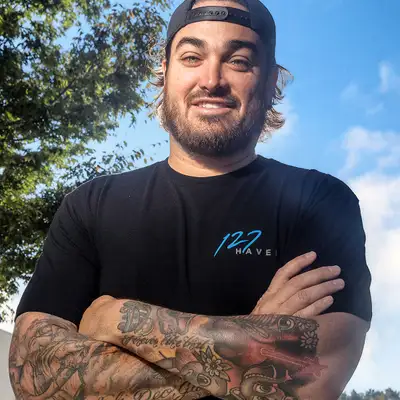
Some people run businesses, some people change lives. Today's guest somehow manages to do both and still has time to make sure your morning starts with a really great bagel. I'm joined by the owner of Jeff's bagel Run. A spot that's built a loyal following one bagel at a time, but his story goes far beyond the food world as he's also the founder of 1 27 Haven, a nonprofit dedicated to supporting orphan children and Uganda turning compassion into real, tangible impact across the globe.
[00:01:46] Melissa : I'm looking forward to a wholesome conversation about entrepreneurship. Purpose and how he creates community, both here and in Ocean. Away here to talk about spreading both cream cheese and goodness. Welcome, Ryan McAvoy of Jeff's Bagel Run. Hi Ryan.
[00:02:05] Ryan: How's it going? Yeah, thanks for having me.
[00:02:06] Melissa : It totally threw me off.
I've gotta admit that your name is Ryan and you. Own Jeff's bagel run. So I had to do a deep dive into who the heck Jeff is.
[00:02:16] Ryan: Yeah.
[00:02:16] Melissa : Jeff is, who started Jeff's bagel run, I think in Florida. Is that right? Yeah. Yeah. And now it's a, a franchised business. Yep. That's kind of all over the place now.
[00:02:25] Ryan: Yeah. Jeff and Danielle started it, so.
Jeff was making bagels, um, for his wife, running them to people's houses on Facebook marketplace. And then that's the name Jeff's Bagel Run.
[00:02:35] Melissa : So, and now you own one in Wake Forest and Roseville, is that right?
[00:02:38] Ryan: Yep. And then, um, we're opening in Raleigh in like a month or so.
[00:02:42] Melissa : Where will the Raleigh location be?
[00:02:44] Ryan: It's in a, like, office complex area called Glen Lake. It's kind of like off of Edwards Mill, just beyond the Crabtree Mall.
[00:02:50] Melissa : Okay. Yeah. Right there, right at the heart of everything.
[00:02:52] Ryan: Yeah.
[00:02:53] Melissa : Okay. Well, congratulations. I, I was. So fascinated to, to find out that you got your start with you break iix. Mm-hmm.
Which is a, a business that people have to use and we don't wanna use it, but it, we're glad that it's there and I, I frequent more often than I would like to admit, um, because I am clumsy. So tell us about how you got into U Break iix and how then how you Yeah. Transition to bagels.
[00:03:24] Ryan: Yeah. So Ure Eye Fix was the same.
It's kind of the similar story of Jeff's bagel run, to be honest. Um, it's a group of friends that I grew up with. My business partner now is the founder of Jeff's, or sorry, the founder of Ure Eye Fix. And now he's also the president and CEO of, of Jeff's bagel run. So, um, he started. I fix in his college dorm room, fixing phones, um, selling the repairs on eBay, and then like a group of 10 of us different friends, kind of like joined in with him and then moved all over the country, open stores and built that franchise.
So I was in that franchise since like the first store and it wasn't even a franchise then. And then. I moved to Chicago and open source in Chicago and then New York. And then that's kind of where I like developed those areas with re I fix. And then in 2019 is when I sold my stores because I felt called to, um, Uganda to, to help, you know, orphans off the street and, um, we'll talk about that ministry I guess.
But and then. Jeff's bagel run came about. 'cause all of my friends from ure, I fix, kind of like sold all their ure, I fix stores. And then Justin, my business partner bought um, Jeff's bagel run. And so it was like, Hey, we wanna do the same thing and build a big franchise the way we did with ure. I fix, and I was wanting to move to sorry.
I was wanting to like start a bagel coffee shop of some sort here in Raleigh. And um, it, so it was kinda like perfect timing and I was the only one that lived in New York, like before here. So, you know, I was in New York for a long time and kinda. He was like, I went down to Orlando, taste the bagels, loved them.
And I was like, wow, these are actually really good. 'cause I was part of the group that's like, you can't have good bagels outside of New York. But
[00:04:58] Melissa : like, yeah, I was about to say it's coming from somebody that's from New York. You know your bagels for
[00:05:03] Ryan: sure. Yeah, yeah, exactly. So I was like, okay. Yeah. So I tried 'em and I was like, yeah, I wanna be a part of this.
This is, these are perfect, these are awesome. So, and then I was like, this is a way for me to not have to fundraise as much, but fund my, you know, the 1 27 Haven Ministry through selling bagels. So that's kinda always the plan.
[00:05:18] Melissa : Okay, so did you, did you really learn all of your, I guess, business acumen from you break IIX and your, your.
Utilizing all of this knowledge to now run a bagel store. Does it do that? Do the two merge very well?
[00:05:36] Ryan: Yeah, I think, um, so like, yeah, the bagels were like my first time in the food industry. Mm-hmm. So it was like way different. But I mean, we're just a bakery. It's just bagels and spreads. It's not like we're making sandwiches.
So. It's a little bit different. It's not a full on restaurant, but as far as running a business, yeah, I mean, you know, hiring, staffing, training, creating a process and then replicating it over and over is kind of like what I think God has just blessed me with, like the ability to do that. And that's kind of, um, yeah, the, the 10 years of owning You break, I fixed doors and helping build that was just something that God was using to prepare in me to be able to do with like 1 27 Haven is the way I see it now.
And then now. Run these bagel shops, which, you know, it's, at this point it's like way easier than it was 15 years ago when I first gotten into businesses. You know?
[00:06:21] Melissa : What is your go-to bagel order?
[00:06:25] Ryan: Um, well see that's a tough question because it depends, 'cause we're always doing hot bagels like constantly coming out.
So if it's like a go two and I don't have to worry about if it's hot or cold or whatever. It's, it's an every, just a regular everything bagel, but. If it's like hot or warm, a rosemary salt or the catcho pepe, the rosemary salt with just garlic in her butter is like, I could eat that all day. Those are, yeah, those are really,
[00:06:51] Melissa : now I'm hungry.
Thank you very much. Okay. I, I do want to focus now on 1 27 Haven. Um, I'd love for you to start out by painting a picture, if you will. Of what 1 27 Haven is and what it looks like in Uganda and why Uganda in the first place. So we have a, we have a whole story to get to here.
[00:07:14] Ryan: Yeah. Um, well, I guess, you know, so what it is, is we'll start there, I guess, and then go backwards.
But what it is, is, it's a ministry, you know, modeled after James 1 27, which says that religion that is pure and faultless before God, the father, is to care for orphans and widows and to be unstained by the world. So that birth kind of hit me and told me, you know. There's a such thing of a religion that is considered not pure.
And that's, you know, like a self, a selfish, like a selfish religion. Like you're worried about yourself and how you can achieve X, Y, and Z. And so, you know, caring for the orphan and the widow is like you're caring for somebody who really doesn't have much to give in return. You're just selfless actor.
You're helping someone who doesn't have much in return. So, um, and the world, what is it to live by the world, you know, we're not supposed to live by according to this world. And. The world is, wants you to be selfish and care about yourself. So that verse kind of flips everything and kind of changed my life.
And I was like, okay, well I don't know. Let see what God wants me to do with this. And brought me to Uganda. So that was too. To take these orphans off the street and, um, raise them in a normal home, a family environment. It's not an orphanage. It's, it's actually like a family we built. So our model is like build families out of orphans, not build orphanages.
So, um, it's a family of, of 11 kids in a, in a home that have a legal guardian, a mother and a father who are Ugandan and they have legal guardianship of the children that have been rescued. So the kids aren't up for adoption or. There's no, they're not for sale. You know what I mean? Like these are, they have a mother and a father now that are raising them.
[00:08:46] Melissa : This is their home. Yeah. Not their orphanage. Not a, not a stepping stone. Yes. For the next place.
[00:08:51] Ryan: Exactly. It's not a temporary place. It's, it's their, it's their home where we're raising them to be disciple making disciples, so just raise them in a Christian family environment. Um, and yeah, I mean that's, that's kind of just give them an opportunity at life and that's what it is.
And it'd be awesome. My goal would be to replicate these homes and open multiple homes in even different countries, um, that are in need. And so that's kind of like where the owning the ure I fix, and then Jeffs bagel and replicating a model comes into play, whereas like, okay, I can replicate these homes and open them in different places to like help kids that are orphaned on the street in many different countries.
[00:09:27] Melissa : So what led you to Uganda? Okay. To begin to begin with?
[00:09:31] Ryan: Yeah, so my, my brother-in-law did some work with African Children's Choir, which operates out of Uganda. And um, that's how we, you know, became family friends with the mother of our home called Lynette. And, um, she just, we were talking, me and my wife were talking like, how could we like adopt from Uganda?
And it just wasn't like really an easy o opportunity to adopt out of there. So. We figured, you know, just through conversation and prayer there was like, Hey, you know, we, we could have the opportunity to rescue these kids off of the street and, and raise them in a loving home. And so Lynette, the mother of our home was, um.
I was having conversations with her before it all started. 'cause I was trying to start like a coffee thing through, through it at first, like maybe start a coffee company called 1 27 and just didn't really, like, God didn't like, he kind of closed the door on that. And then I was talking to Lynette on how to, you know, adopt from Uganda and she was just like giving me like the rundown.
And um, when she was four years old, Lynette, the mother of our home when she was four years old, she, her, both of her parents died of hiv aids. She was homeless from four to five. Wow. She lived on the street and no one wanted, no one would take her in her, her, like, you know, grandma, aunts, uncles, like, no one would take her in 'cause they thought she had aids, so they didn't want to take her in.
And, um, they, so one day, like she remembered like where her mom's church was at, five years old, four years old. And, um, they, she got on a boat, a boda, which is a little, you know, the motorcycle taxi driver's there. And this ta he took her on like a 45 minute ride to this pastor's house. Um, didn't charge her.
It was free and everything, which was kind of crazy like that, that even happened. And, um, the pastor took her in and got her on the African children's choir and then they raised her and like, so she was given an opportunity, so she told me when I was talking to her about adoption, she's like, yeah, I'd love to have a home.
That would save kids like, and give them a safe place to live and ra and be raised, you know, like the opportunity I was given. And so I was like, boom. It was like, it hit me in the chest like, this is what we gotta do. Because it was like a good amount of time of me looking, you know, what, what should I do with this verse, James 1 27.
And I explained, it was like, okay, where do I, where do, how do I live this out in real life, you know? And then that hit me. It was like, this is what we do, this is how we live it out. And, um, so yeah, I went to Uganda and about a month before I went to Uganda, we were having, my wife was pregnant with our.
Third child. And um, when he came out, he was dead. He wasn't alive. My son was, I'm so sorry. His son was like, he was blue, head to toe. And um, I just went in my wife's ear, started praying. I was like asking God, like, Hey, how do you, God, how do you like, show me how to glorify you and whatever. This is happening right now, but you know, I don't know how this is.
Like, you know, if you can bring him back to life, please. And then like five, 10 minutes later, he actually came back to life and um, wow. It was crazy. I mean, it was a, it's a crazy story that, you know, I love to share because most people still probably don't even listen to this and they probably just like, nah, there's no way.
But I mean, it, there is a way it happened. Um, the doctor was on the ground crying 'cause she thought she lost the baby. There was like other doctors that had to come in and like finish the wow. Finish everything. And um, so like that all happened right before my first time going to Uganda. And then, I mean, he's like our healthiest child now.
It's crazy. Um, but
[00:12:42] Melissa : that's remarkable.
[00:12:43] Ryan: Yeah. And what
[00:12:44] Melissa : a story.
[00:12:45] Ryan: Yeah. So it was wild. And um, that kind of catapulted my, like faith and trust in God into like this whole ministry. Like, man God, I've seen you provide, I've seen you bring my son to life. Like I know you can do anything. So it, it kinda, I. Yeah, like going into Uganda was tough the first time.
I never, I didn't even really know where it was on the map. And it was like, went there, bought, you know, some land and that's where we want to build our permanent home and establish, but up until now we've just been renting homes. So, um, we still have the land that we own there and we've like farmed on it to grow, you know, produce stuff like that for the home.
But but yeah, it's just, it's been a process. And then each child that has came to 1 27 has came through just random different prayer. Just different, different opportunities like
[00:13:30] Melissa : and different circumstances. Yeah. I can imagine too, just like Lynette's story, I'm sure all the kids there have a a similar devastating story at the beginning of their lives.
[00:13:41] Ryan: Exactly, yeah. They all have different stories, so it's hard to like, but it's all similar. Similar, mm-hmm. But completely different stories, essentially. Mm-hmm. So
[00:13:48] Melissa : does Lynette have plans to take in more children there, or are you, are you really trying to. Expand elsewhere from now on?
[00:13:58] Ryan: Yeah, I mean, as kids get older, so I mean, it's been, um, you know, we have a child that's over 18 and, you know, she helps in the home.
She was the first child we ever took in. She was 14 when it started and now she's 20. And so, but she's still like a junior in high school 'cause she was so behind at the time. And so, um, but she's old enough where then we did take in another child that's, you know, was a baby and, you know, and so. Yes, but not really.
Like, we won't have any more than like 10 kids ever at a time. Mm-hmm. But as the kids get older, they go to college, university, and then they go live their life and like, it's like, okay, we, we catapulted them into life and then maybe one day, like one of them wants to be a parent of one of the homes, or they all have their own dreams of being like lawyers or, you know.
Doctors or pilots, like all different goals. So they'll go into their life and do that. But
[00:14:47] Melissa : these are goals that they would've never fathomed able
[00:14:49] Ryan: to Yeah, exactly.
[00:14:50] Melissa : Before this opportunity.
[00:14:51] Ryan: Exactly. So there's room to take in more kids as kids, like grow outta the house. Mm-hmm. Um, so it's a little different than like the typical.
Family, right? Like usually your kids grow up and then you go retire. I mean, you know, or so as you go, you know, something, you, you don't take in more kids when you're like 50. You know what I mean? Yeah. But it might be, it might be something that, I mean, that's where we're at now. Yeah. I mean, she'll definitely take more in as old as some age out, but
[00:15:16] Melissa : mm-hmm.
[00:15:16] Ryan: The goal would be to have more homes, not. Big home, big, big, make the, the current home larger, essentially.
[00:15:22] Melissa : Yeah. Yeah.
I was telling you when you came into the studio that my grandfather spent the majority of his life doing mission work in Haiti not through a church, just on his own. Um, he fell in love with the Haitian people and he, he built a seminary down there in churches and did a lot of work with the orphanages.
[00:16:36] Melissa : And, and one thing that I was thinking about when. I was researching the our interview today is about the red tape with, not only with the adoption system, which is a whole nother story, and it's just, you know, it, it, it, it feels insurmountable to, to even be able to adopt. Um, but the red tape with working with other countries.
Other, other countries laws are so different and you have to understand before you're, you know, get yourself in a lot of heap of trouble when you go over to Africa and try to start something like this. So, how, how did you, how did you go from God is calling me to do this? To actually act and, and do it.
[00:17:27] Ryan: Yeah. Um, I mean, honestly, I just did it. I mean, it wasn't, um, there wasn't like a waiting process. It was like I felt God calling me to do it, and I just bought a flight to Uganda and went and we looked for land and mm-hmm. Spoke, I mean, I kind of stayed low key. I didn't go show up and be like, Hey, like, and like.
I was kind of like hiding over there. Yeah. It wasn't like I was like exposing, we weren't exposing what we were doing. Yeah. Um, but yeah, I mean it was I kind of just one step at a time. Mm-hmm. And God just led the way. I mean, it wasn't, it wasn't like. I mean, it was just always like, quiet there. It wasn't, it wasn't like you can't really show up into another country and just like bring America there.
You kind of have to adapt to their
[00:18:06] Melissa : culture. Yeah. The American flag and, and you know, I'm the American here to save the day.
[00:18:10] Ryan: Yeah, exactly. It was more so like, I'm just trying to give a hand up opportunity to people and then just, and that's it. And stay behind the scenes. Um, and I
[00:18:18] Melissa : think people can, because you're.
Kind of being on the down low about things, people can see that you're coming from a, a, a place with a pure heart.
[00:18:28] Ryan: Yeah. Yeah. Like it was never like, let me go there and be this like, celebrity savior of Yeah. You know, these people. So like, I don't even have on our, on our Instagram, there's no pictures of me or anything.
Like I don't. It's all about Lynette raising these children. Mm-hmm. And, um, I mean, one of the biggest things too, in the beginning that started, it was like I heard about like the witch doctors there and everything and they would, you know, they would take children and use them as human sacrifices. That's still like a thing that happens there.
It's a real thing. Are you
[00:18:54] Melissa : serious?
[00:18:55] Ryan: Yeah. It's like a real thing. So it's not like a, you know, I know there's a lot of talk about all that and you know. To now. Mm-hmm. In the, in culture, like of, with everything that's gone down. But that's like a real thing that like really happens there. And like, it's, it's, there's kids that have survived that and got away.
And so that's kind of like catapulted me into like Uganda, like, okay, well I want to help help save children before that ever happens. 'cause if they're on the street, they're easily, they're Yeah,
[00:19:22] Melissa : they're targets.
[00:19:23] Ryan: They're targets. Mm-hmm. So, um,
[00:19:25] Melissa : well, not to mention, you know, all the, the genocide and, and, and.
Major, major problems going on in other countries within Africa as well.
[00:19:32] Ryan: Yeah, exactly.
[00:19:34] Melissa : So it's a, it's a very scary time.
[00:19:36] Ryan: It's a way to, like, we indirectly are trying to impact like prevention of like human trafficking and, you know, human children sacrifice. Like, it, it's a way of preventing that by like giving these kids an opportunity and raise them in a family.
So
[00:19:50] Melissa : I, I do feel like, and, and hearing you speak about your mission work. I feel like there are many, many people that, that feel led or just simply want to do.
[00:20:05] Joe Woolworth: Mm-hmm.
[00:20:06] Melissa : Good in the world, want to make a difference in the world. But I, I think it is, um, it's very inspiring listening to you because. You're just saying, put one foot in front of the other and, and, you know, baby steps getting started and, and now you can look back and see that, you know, a few years has made such a huge difference already.
Yeah. Um, but it, it does seem, it does seem impossible to, to get started with, with spreading goodness.
[00:20:38] Ryan: Yeah.
[00:20:38] Melissa : And you went on a big scale. You went on the other side of the world. We could, you know, start right here and, and have, you know, tiny acts of goodness.
[00:20:47] Ryan: Yeah. Yeah. I mean, it's, it's, I don't know. I mean, I think it's just, I mean, maybe not everybody is built to do it.
I don't think I'm doing anything special. I don't think I'm a great person or anything. You know, I have my flaw just like everyone else, and I think. Um, but I mean, I'm a Christian and I think, you know, Christ Jesus has used unlikely people throughout the entire Bible to do what he needs to get done. And, um, you know, there's no like, being perfect in order to get things done.
I mean, none of us are perfect. So I just like let him do the work through, through what I was feeling called to do and it's not easy. Um. People can always get involved too. Like, it's not always, like everybody's called to help. It doesn't mean you're, we're all called to like go, you know what I mean?
There's people helping means like helping provide for people to run a ministry. You know what I mean? Mm-hmm. Helping, if someone's going overseas, like help support them to, to go do that work, you know, you're helping them make that happen. So there's, there's all different ways to get involved
[00:21:44] Melissa : without sharing anything too personal.
Has, has there been a story that has stayed with you? From your, your visits over there or your work there?
[00:21:55] Ryan: Um, like a specific story over there.
[00:21:57] Melissa : Yeah.
[00:21:59] Ryan: I think
[00:22:00] Melissa : with either, you know, Lynette or one of the children that have, have come to the home.
[00:22:04] Ryan: Yeah. I think, I think like our first, first three children are like the biggest story.
So obviously Lynette's story that I shared, that's a big one. Um, but our first child that came in kind of had a similar story to Lynette. Her name's Gladys. And um, yeah, like she was born of, you know, in a northern Uganda, in a, in a culture of like, I dunno if you remember like Joseph Coney, like in 25, 2005, which was like the, this army that was like a.
C raping and killing villages of people and taking over. So her, her parents died of that. Um, her uncle was in that army and would try, you know, was a very evil person and was raising her, um, with her grandma in the house as well. Then her grandma, you know, died and then her uncle got into a car accident and died.
And then, so everybody in her life, in Gladys's life was, was passing away. And, um, she had no one to care for her. And then, um. Lynette was seven hours away and through her church, like somebody messaged like, or talks told her, Hey, we have this child. And we were just praying like God, like provide us with like the first child to take in.
There's not a shortage of orphanages, but we wanted the right children. Right. And so, you know, she, Gladys got on a seven hour bus ride from Northern Uganda to Lynette and started living at the home. Now she's like, rather than being trafficked or even just the fact that she's alive is, um, you know, she's, she's leading bible study.
She wants to be a lawyer. She's doing great in school. She's, you know, she's on, she helps at the home now 'cause she's older. Um, so she's just like, has a, had a great opportunity. Mm-hmm. Um, same with the next two under her. You know, they were going every day Lynette would come home to the house and she would find there was these two little kids, five and seven going through the trash.
Just like trying to find metal and stuff. And, um, they were like, skin and bones, like, I mean, they were just going through the trash. And Lynette had a conversation with them, you know, it was like, Hey, where's your parents? Um, the mom was non-existent. The father was like a village drunk and he just lived in like a little shed.
And then she had a conversation with the father and was like, Hey, like, can we help? Like provide help get you a job and help provide for your children? And so like we took them in and um, the father was able to get a job 'cause he didn't, you know, he was. Able to like start doing, you know, construction work and get on his feet.
And then we were raising the children at the same time and he would still see the children, but now they're thriving too. Like they're both big healthy kids and you know, doing great in school and they're involved in their church. And so, I mean, there's just, those are just like the typical stories. I mean, those are the two biggest stories outside of, um, Lynette's story that kind of just stick with me.
[00:24:41] Melissa : I'm really intrigued by the fact that you, you've kind of turned the entire. Topic, um, subject of orphanages on its head because it, as, as you're talking it, it makes a lot of sense to me that. Orphanage just should be run in this way.
[00:25:01] Ryan: Mm-hmm.
[00:25:02] Melissa : Not, certainly not all of them. Mm-hmm. But in a way that you're creating a family and you're creating a home, not looking for a home for the children, you're, you're having it in this place because then the child can start thriving immediately and not.
Keep wondering what tomorrow's gonna look like or what family they're gonna be able to live with. They already have it there, set up for them.
[00:25:26] Ryan: Yeah, yeah, for sure. I mean, 'cause orphanages are like not in all cases, but in most cases they're, they're can be bad places. Mm-hmm. Um. My, my, our oldest child, me and my oldest child is adopted from the Philippines and he was in a government orphanage and he was in a good orphanage, a private one, and he's had different experiences in both.
We adopted him at 10 years old, so he's had a life in orphanages and he's got two different examples of a good one and a bad one, and Uganda's the same. Right. But in, for the most part, there's a lot of orphanages in Uganda that were are bad places. You could have hundreds of kids and like two people taking care of them.
So they're kind of just fending for themselves. And so the government kind of over there saw that as a bad thing and they were going around the country years ago and shutting down orphanages. Um, well, we kind of like, just randomly like a social worker showed up, heard what was doing, what was happening in our home, and came and, you know, with the like, ready to drop the hammer.
But then she quickly found out what we were doing and she was just like, Hey, like what you guys are doing is like way different. Like you're keeping these children and caring Yeah. Could be
[00:26:28] Melissa : for others.
[00:26:29] Ryan: Yeah. Like we weren't, we're not taking money in for like to just. Like to go towards like a ki like, you know what I mean?
Mm-hmm. Like it's to raise a family is what the money comes in for. Yeah. And so Lynette was like, no, like, these are my children. Like I, mm-hmm. I have le I want, I have legal guardianship of them. Like I'm not, they're not for the giveaway or they're not temporary foster care. Um, and so the government saw that and now they like actually support us.
And like they're all trying to get us to be like, Hey, can you take in this child? Can you take in, they're actually trying to offer us more children. And we're like, we can't, like, that's not what we do, unfortunately. That's why you guys love us. You know? 'cause you're, we, we don't just take in everything, every single child.
[00:27:03] Joe Woolworth: Yeah.
[00:27:03] Ryan: Um, but but yeah, so like the government has like, is like, helps us at this point now, which is like, they went from, like, they shut a lot of places down to now where they actually help us over there. So that's been been very beneficial too.
[00:27:16] Melissa : I, I mentioned to you before we started recording about an interview that I saw with Anderson Cooper.
I think it's through 60 Minutes, not CNN, but I highly encourage everyone to, to watch this interview because it, it does, it, it. I, I'm finding a lot of similarities between what Anderson reported on. There's a but it's a mu much larger scale in Haiti. Mm-hmm. With Mitch Alba, the author Tuesdays with Maury, he and his wife have, um, started an orphanage in Haiti and it's, it's, I mean, it's dozens and dozens of children, so it's on a, a, a much larger scale, like I said.
Yeah. But, um, just really turning the whole. The whole image of an orphanage on its head and, and just doing it differently because clearly it's not. Mm-hmm. Um, like you said, with your, your oldest son, it, it, there, there's some good places and there's some bad places and, and we need to look out for our children.
Yeah. The children of the world is our future, so, um, I do, I would love for everybody to watch this, this, um, interview with Anderson Cooper. I have a feeling I, I kind of know where you're gonna go with this next answer, but I am curious, um, for lack of better word, what, what do you want your legacy to be?
[00:28:41] Ryan: Um, I mean, just to make Christ's name known, I don't really have a legacy for my own name or purpose. Mm-hmm. Um, I mean, literally 1 27, the goal is to ma raise disciple making disciples. So. It's not, yeah, like not about me. I don't really need to be remembered or anything in that way. So it's really just to, to make Christ name known.
I mean, that's my goal is to glorify him in everything I do and that people will know him. So the goal is to raise these children in a Christian home so that then they can share and do the same and multiply it. Yeah, it's the ripple
[00:29:13] Melissa : effect.
[00:29:14] Ryan: Yeah, exactly. So it's, I mean, my legacy is not. Anything to do with my own name, unfortunately.
I don't know if you were looking for a better, fortunately
[00:29:22] Melissa : No, that's, it's actually exactly what I expected you to say. Okay. 'cause you are, you are living to spread the gospel, and that is your, that is your point in life. And if you are living in that way, um, it's not about you.
[00:29:36] Ryan: Yeah. And I don't, I don't even, I'm not even just saying that to say that, that's genuinely what I believe.
Mm-hmm. So
[00:29:40] Melissa : I, I sense that, but again, it, it's the ripple effect of, um, the goodness that you are doing. Um, under God's name mm-hmm. For all these children and, and creating these families in this way.
[00:29:55] Ryan: Yeah.
[00:29:55] Melissa : Mm-hmm.
[00:29:55] Default_2026-03-24_2: Yeah.
[00:29:56] Melissa : Thank you. And that the outside community sees it too, so it's not even just the, the children in this home, and it's not just Lynette and her husband, it's the, the community and the government and it, it's the, you know.
[00:30:08] Ryan: Yeah. It's, I don't even, it blows my mind that it's even like a thing I don't even know. Yeah. I don't really know how it, how it happened. Yeah. I don't, yeah. It's wild that it's even operating
[00:30:15] Melissa : good, good things like that. Just spread like wildfire sometimes and where it just becomes a blessing in ways that you don't expect.
Let's, let's turn back to bagels for just a minute. Yeah. I wanna know what's next for Jeff's bagel run. I know you mentioned the, the Raleigh store opening. Do you plan on continuing to expand? In North Carolina?
[00:30:36] Ryan: Um, I don't know. I, I mean, I personally will probably stop at the three stores and just focus on that, which would then give me the opportunity to like kind of travel back to Uganda a few more times than I have been in the last year.
Um, and so I'll probably stop at the three, but there is. There's a franchisee coming that's gonna be opening like six stores from like Morrisville down to Holly Springs, so there's gonna be more coming here, just so
[00:31:01] Melissa : we're gonna see a lot of Jeff's bagel run.
[00:31:03] Ryan: Yeah. They just won't all be mine, but it's okay.
Yeah. I don't, I don't, you know what I mean? Like, my purpose of opening these is to grow the ministry so I don't have to fund it as, you know, I could fund it myself through the businesses rather than having to fundraise, but, um. So, yeah, I'll probably stop at three. Maybe Nightdale or Clayton would be nice.
Have one or two over there. But we'll see.
[00:31:21] Melissa : I live over near Lake Wheeler, so I'm just gonna throw that out for a great location for a Jeff's bagel run. We've got a Bruger out there, um, near me, but, um, I would love to have a, a Jeff's bagel run. Yeah. Tell us how we can support your mission with 1 27 Haven.
And, um, is, is there any way that we can be involved?
[00:31:43] Ryan: Yeah, I mean. Our website, 1 27 haven.com. Um, there's like a donation tab. It's, we're in the process of changing it where you could sponsor an actual child, um, and, you know, monthly, um, it hasn't been switched over as of yet, but literally all of the donations go right to the family anyway.
I don't make any money from it. There's no admin fees anywhere. All the dollars that come in, go straight to the home.
[00:32:07] Melissa : Yeah. I even read that, that the flights that you take to Uganda, you don't even use the, the 1 27 Haven funds for that. Yeah,
[00:32:14] Ryan: yeah, exactly.
[00:32:15] Melissa : That's so it really truly does go, which is rare.
Yeah. To, to, to have a, you know, a, a charitable option.
[00:32:22] Ryan: Well, those flights are like, those flights are like $2,000 and I just did not feel comfortable. Like, I can't, I can't, I mean, I understand it's for the ministry, I'm going there, but at the same time, it's like I'm going there to support. Them, the work that they're doing there.
So it's kind of like, I'm not, I would never pay for that. I don't know. And something
[00:32:37] Melissa : like $2,000 goes so far. Yeah. In, in a place like Uganda too.
[00:32:41] Ryan: Exactly. Mm-hmm. Like our monthly budget for the home to provide for the whole home is, is $3,500. Wow. So it's not anything crazy. Um, but we do need more support monthly, to be honest.
Like I didn't, I. I didn't even like, I mean, it's just kind of crazy how this worked. 'cause I thought I was even coming on this podcast to talk more about bagels and I'm, I'm blessed that we're not because we do need funding right now, honestly. Um, and we need monthly support. I mean, our, the way our donation system is set up right now is like the money goes 'cause it is a family.
Is it goes towards like you can pay like part of the electric bill or the water bill or, you know what I mean? Like you're paying for that specific family
[00:33:17] Melissa : food, groceries. Yeah,
[00:33:18] Ryan: exactly. And our monthly budget, like I said, is $3,500 a month. And right now we have, you know, one-time gifts that come in randomly, but the monthly donations that come in help us, help us like prepare, essentially.
Mm-hmm. And, um,
[00:33:31] Melissa : well, and I want to see this grow and, and. You know, flourish in other countries and other cities. Yeah. And, um, make a difference worldwide. So I, I would love to have you back in a year and
[00:33:45] Ryan: Yeah.
[00:33:45] Melissa : Talk about maybe opening up another, another home. Yeah, another home. Yeah. That'd be amazing.
[00:33:51] Ryan: Yeah.
[00:33:51] Melissa : Thank you for what you're doing. Because like I said, it's, it's, I, I, I do feel like most of us want to do good in this world. We just don't know how to get started. So. Speaking to you and getting to know you and hearing your story and how you, you really just did it. Yeah. Just go for it and, and, and try to make a difference in the world.
So thank you for what you're doing and for being an inspiration.
[00:34:12] Ryan: Yeah. Thank you. Thanks for giving me a voice and being on here to share about it.
[00:34:16] Melissa : Absolutely. And, and I will try not to hold it against you that you did not bring me bagels today. Know. I know. Um, I mean, I, I
[00:34:22] Ryan: was thinking about that as we were talking.
I was literally like, oh my gosh, I left this. Store and I didn't bring bagels.
[00:34:27] Melissa : Ah, yeah. I'll not hold that against you. Yes. Or
[00:34:29] Ryan: I'll you some bagels.
[00:34:31] Melissa : Thank you so much, Ryan.
[00:34:32] Ryan: Thank you. Thank you.