Subscribe
Share
Share
Embed
Make It Mindful is a podcast for educators and school leaders who think seriously about how learning is changing and want to explore what to do next. Hosted by Seth Fleischauer, founder of Banyan Global Learning and former classroom teacher, the show covers three territories: what AI actually changes about teaching and learning, what it takes to help students connect meaningfully across cultures, and the human conditions — belonging, awe, trust, emotional regulation — that learning depends on regardless of what else changes.
Guests include district administrators, researchers, clinical psychologists, curriculum designers, and classroom practitioners. Conversations are long-form and honest. Produced by Banyan Global Learning.
Seth Fleischauer (00:23.342)
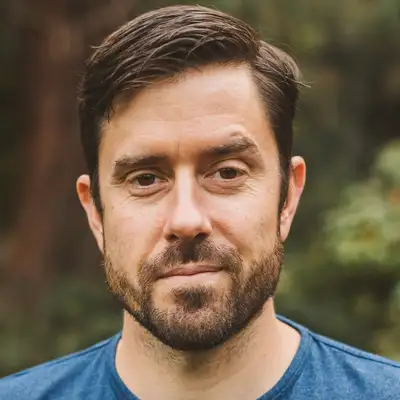
Hello everyone and welcome to Make It Mindful, Insights for Global Learning, the podcast for globally minded educators seeking deep, long form conversations about the art and science of teaching and learning. I'm your host, Seth Fleischauer, former classroom teacher and founder of an international learning company specializing in the teaching of global learning. My guest today is Ryan Nuckolls-Rosa, the executive director of Dramatic Results, an arts education organization in Southern California.
Ryan leads a team that sits at the intersection of arts integration, STEAM, and human centered design, working with Title I schools, teaching artists and community partners to create learning experiences that spark curiosity and cultivate a sense of belonging. This conversation will be about how arts creativity and human centered design can reshape child development and the future of learning brought to you by Banyan Global Learning. Let's make it mindful. Ryan, welcome to the podcast. Thank you so much for being here.
Ryan Nuckolls-Rosa (01:16.378)
Thanks, Seth. I'm really excited to talk with you more today.
Seth Fleischauer (01:19.776)
Me as well. we had such a great conversation. The first time we talked, I feel like I just started to scrape the surface of what your organization does and what your drive is, your personal drive behind that work. and I felt your passion and the, the importance of the impact that you're having and how it, plays with a lot of the things that we talk about here on the podcast. So I'm very excited for this conversation. I'm hoping to start with.
Maybe a story, like some early experiences that shaped the way that you think about creativity, learning, and the role of arts in child development.
Ryan Nuckolls-Rosa (01:58.096)
Yeah, I think that's a great place to start. I think it's important to understand, you know, any educator or partner that we have, like what is their personal motivation and how's that driving the work that they do? And, you know, even though Dramatic Results is based in Southern California, I've had international experience working in China and a couple of different cities, Hangzhou, Hong Kong, Shanghai, but I am from the Southern US, from Asheville, North Carolina, which is a great little, you know, hippie city, town in the South, and...
I think growing up there really meant I grew up with a lot of questions, a lot of unanswered questions. My early childhood education was diverse. had classmates of all races, all kind of identities. And I found the older I got, the less true that became.
And my town is diverse and it's a town I think that is driven by radical thinking and creativity. Arts is all around us and yet again there were all these things that I felt like my world was almost becoming smaller the older I got in the city. And but I'm from the south so you don't talk about these things. They don't get addressed. know in the household at school so you see exactly. So I think.
Seth Fleischauer (03:12.622)
Bless your hearts.
Ryan Nuckolls-Rosa (03:17.734)
know, seeing that and seeing, by the time I got to high school, I felt like my world had been kind of flattened a little bit. It really wasn't as dynamic. And I had a lot of experiences as a kid. You I was very fortunate. My mom had this beautiful craft room set up in our house overlooking the yard and I would tinker away. so, you know, creativity and making and not being afraid of making was built into my experience. You know, we were fortunate enough, I had a flute that we could purchase so I could participate in band.
But again, the older I got, think just, like I said, my world just became more more flat unless I was seeking out opportunities for cultural diversity. And I think that that's kind of held as a through line in my career, seeking out spaces where maybe I, you know, being a white, cis, heteronormative woman, am not the norm in the space, you know, whether it was being on a step team in college, which was a unique experience, or living abroad.
Seth Fleischauer (04:14.808)
Sorry, what's a step team?
Ryan Nuckolls-Rosa (04:16.485)
where you're doing kind of dance and performance, but it's, you know, kind of rooted in African American cultural kind of history and identity. So, yeah, I was on a step team and I don't have a lot of rhythm naturally. So that was very unique. But yeah, just seeking out spaces in which I could hear from other people that maybe weren't represented in my personal world. you know, I worked in contemporary art for years as well.
But again, depending on the curator you're working with, the board at the museum that you're partnering with, that can be very single dimensional. It's not necessarily representative of the greater whole. And so this merging of culture and art and creativity and really this multidisciplinary practice has always been very important for me to seek out. And when I found Dramatic Results about a decade ago, it merged a lot of things that I feel passionate about when it comes to community driven work.
Seth Fleischauer (05:16.704)
Awesome. It's interesting because a lot of what you were saying there is stuff that I feel having grown up in a relatively small city in Southern California that, had its share of diversity. But that was one of the things that I loved about it was being able to be surrounded by some people that did not share my same cultural heritage. And when I started traveling abroad, you mentioned your experiences in Asia.
Ryan Nuckolls-Rosa (05:29.881)
Mm.
Seth Fleischauer (05:44.684)
That's really where my, my world opened up and the work that I do now is all about leveraging technology to allow students to connect with other people and places and ways of thinking that are outside their geographic bubble. You sit, your work sits at the intersection of like arts and, it sounds like identity formation, cultural awareness, STEM career pathways.
Can you kind of connect the dots for us? Like what do all these things have in common such that your work connects all of them?
Ryan Nuckolls-Rosa (06:21.378)
Yes.
Yeah, we get that all the time, you know, because our agency Dramatic Results, which was founded in the early 90s. And, you I'm the first executive director that's not the founder, but, relatively recent a few years ago. And I would say for, you know, more than 30 years, the agency was practicing what we refer to now as social emotional learning and trauma informed practices. Those are obviously, you know, phrases that are, I think, have become very popular in the field.
And I think that the agency was practicing those before it even was called that, you know? And I think really what we do at the heart of our work is create spaces of belonging for students, just at its core. I were to strip everything back. And so often that is not happening in traditional classrooms anymore, not because you don't have great school systems, not because you don't have great classroom teachers, but we'll get into all of that of like, are we, you know, kind of...
falling into these traditional norms, but our agency finds ways to activate, know, wonderment and creativity for students. From an early age, we typically work with primary and middle school students so that they can be curious about, you know, how to communicate and collaborate with others. And we do that through STEAM learning, because the world doesn't work in silos anymore, even though we keep treating the classroom that way.
And so we believe in exposing students to, you know, through art making, science, technology, engineering, and math, so that they can start seeing, you know, well, how do I work and approach the world in this interdisciplinary way? Because the world is complex. And the earlier we can equip them to see the world in that way and to understand, I'm not alone. There's so many resources available to me and so many things that challenge me and I want to learn about.
Ryan Nuckolls-Rosa (08:16.665)
that sparking that curiosity from a young age opens up the trajectories of all the students that we work with.
Seth Fleischauer (08:24.23)
I love the word wonderment, a word that I've used, and I'm actually having someone come on the podcast soon to talk about this. the person's name is, Deborah farmer Chris, and she's an expert in awe, which I think is maybe we can tease out a little bit the difference between on wonderment. but part of what our
Ryan Nuckolls-Rosa (08:33.188)
Hmm.
Seth Fleischauer (08:47.662)
work at being in global learning is about is creating that sense of awe, which then sparks that curiosity, which drives that internal motivation, intrinsic motivation for learning. And those are kind of the dots that we connect with our work. Can you lean in a little bit in on wonderment? Do you see it as the same thing as all like how do you, and how do you incite it and how do you leverage it to accomplish what you're trying to do?
Ryan Nuckolls-Rosa (09:18.437)
I think I love that, yeah, and signing off at such a beautiful, beautiful idea. you our team, I think it's been a few years ago now, we try as often as we can, and we're not great about it, but we do frequently, you know, we'll read a research paper, we'll listen to an audio book, we'll do some type of learning together and then discuss that as part of our kind of weekly brainstorm as a team. So that again, we're pouring into ourselves and thinking about concepts outside of maybe even education.
But a few years ago, we read, we listened to a podcast by Brené Brown, where she was talking about this concept of art scars. And, you know, in her research, she was saying that something like 85 percent of people can remember some type of shaming childhood event. And more specifically, it's something like 45 percent of people have these creativity art scars, these moments that they can remember from early childhood where someone told them,
that painting doesn't make sense. That thing that you made is illogical. And I've seen it now that I have young children. I went into my daughter's classroom when she was two years old and the teacher was like, look where she placed this dog on the paper. It doesn't really make sense. And it was wild to me to see this from the moment that we're here. And I think that stems from these educators who themselves have these art scars. And so there is this...
desire to conform right away and to make something that adheres to this idea of what is good, what looks good. you know. So this idea of these, you know, creativity or art scars really stuck with our team. And, you know, how might we model for classroom teachers, you know, our teaching artists are the ones that come in from dramatic results and typically lead our programs, sometimes in partnership with STEM professionals from the community or other organizations. But we're really looking at
you know, how can we make students feel comfortable starting to get creative so that they can think critically? Now, everyone loves talking about the four C's in education, but I firmly believe they need to go in a certain order. You know, you really have to start first with, you know, communication and collaboration between peers, because if I can't express myself and I don't have a strong sense of self and a safety and feeling of belonging in this classroom,
Ryan Nuckolls-Rosa (11:41.7)
Seth, then I'm not gonna be able to take in and help you emotionally regulate when you're off the charts. And if your teacher is, you know. So like it needs to start first with like, can I name it? Can I understand what's happening in my own body? And then can I collaborate? And once you like learn to effectively collaborate, which is really what we focus on in our early kind of K through second grade programs, then by third and fourth grade, we're thinking about, okay, well, let's start getting creative here and giving feedback.
Seth Fleischauer (11:47.756)
You
Seth Fleischauer (11:54.115)
Yeah.
Ryan Nuckolls-Rosa (12:10.745)
constructive criticisms to our classmates and how we're interpreting the work, only then can you get into real critical thinking. And when you hear workforce development and folks talking about diverse workforces, those are the soft skills that they want. Those are the soft skills we need for a changing economy and changing industry. But if we don't start early, then kids are never going to get to that place of critical thinking if we haven't built those muscles beforehand. So I think that's where we're
really focused in that elementary age of like, do they feel safe enough to start feeling the sense of awe that they can even think outside the box? Because so few of us had that type of intentional support from an early age.
Seth Fleischauer (12:54.798)
I love the idea. want to, I want to push back a little bit though. Are you saying that we, that we shouldn't be creative until, until after we've nailed communication and collaboration because we might get these scars? I mean, that can't be what you're saying.
Ryan Nuckolls-Rosa (13:08.389)
No, I mean, I think there's opportunities to be creative from any age, but I think it's really presumptuous to think, okay, student, I'm working with you ,go ahead and think creatively outside of the box if you haven't practiced the skills to set you up to do that. if you work with dramatic results, you know that we love talking about design thinking.
And one of the reasons we like design thinking is because it gives you kind of this process for, there's a lot of reasons we like it. But one of the things is that students get practice at ideating. And ideating is where you are coming up with tens, 20s, hundreds of ideas to solve a real world problem. But if you've worked with students, know, lot of the kids we work with at a middle school age, again, if they haven't built those muscles of how to work creatively,
You give them a set of post-it notes and a pen and you say, come up with 10 ideas. Don't worry if it's good or bad. They'll freeze. They're not able to put their ideas down on paper because they don't feel safe enough throwing out the crazy ideas and ideas they think are actually good.
Seth Fleischauer (14:15.47)
So I think what you're talking about is, the ability of a teacher or facilitator to set up the conditions where creativity can really flourish, right? Obviously like creativity is a part of our existence. want to bring in a story that you're reminding me of. haven't thought of this in a while, but when my son, so I had my daughter and everything I knew about parenting, which was everything that had been parented to me, totally worked right. Like a charm. Like it was just like, like my dad had somewhat of an authoritarian
Ryan Nuckolls-Rosa (14:29.54)
Mm.
Seth Fleischauer (14:44.824)
her parenting style and it was also very caring and nurturing, but like he was in charge and I brought that into my relationship with my daughter and it worked perfectly. And then my son came along. It did not, right? It did not, it did not work at all. Like I had to completely rethink how to parent given that this kid was so fiercely in charge of himself from the very, very beginning.
And I took him to an art class when he was, gosh, must've been just a little bit over a year old. And the assignment was, it was really cool. It that we were making, it was like, I think it was a glue and shaving cream that made this kind of icing texture stuff. And we put blue food coloring in it you had this little, this little box that you could make this little cylindrical box that you could.
cover with the icing and make a cake. And all the other kids in the class were doing such a great job of exactly what they were supposed to be doing. And my son was taking blobs of this fake icing and just spreading it as far as he could possibly spread it all over the table, right? And loving it and absolutely loving it. And I was dying inside.
Ryan Nuckolls-Rosa (16:01.637)
You
Seth Fleischauer (16:08.93)
right? Because I'm like, my gosh, everybody must think I'm the worst parent here because my kid is breaking the rules, right? And this art teacher, God, it like makes me want to cry.
this art teacher came over and was like, what are you doing? my gosh, this is amazing. What you've created here. And it like broke my brain, right? Like all of a sudden I was like, I felt shame for feeling shame. And it like opened this world for me where I was like, okay, let go of like what you think this kid.
is supposed to be doing and just give him the space to do what he's going to do. And this is a lesson I've learned so many times over and over and over and over and over again with my son who has challenged me consistently and repeatedly in this way. And I'm so grateful for it. But I think what you're talking about with your work is that you are coming in and you are being that art teacher for teachers.
You are showing them how to create the conditions in which creativity can flourish. You're nodding your head yes. I want to know how you do it. Like how do you go into a school and empower a teacher to let that creativity flow?
Ryan Nuckolls-Rosa (17:39.394)
Yeah, thank you. That's a great, I think, follow-up question and clarification. dramatic results as a nonprofit, know, anyone working in the field understands that a lot of the programs we do, they're grant informed and 98 % of our funding comes from either the Department of Education or from local, you know, foundations. So there are things that we're tracking. There is, you know, we're measuring our outputs and our outcomes and we've got our logic models and all of that and
It really depends, we try to really stay rooted in what are we seeing on site at the schools. So some of the schools that we, you know, we love coming in with our checkbox of here's our curriculum, here's the professional development we recommend, we'd love to do a, you know, we'll teach it, you teach it, guide on the side model. And sometimes that doesn't work for the schools that we're partnering with. And that's just the reality, I think often when you're working, especially in Title I schools, where you're wearing so many different hats and asking,
a classroom teacher to do differentiated learning, sometimes for more than 30 bodies that are in a space, a tight space where you don't have a lot of room to move around and get messy and play, that can take time for them to see that this really works. So it really does depend on the grant. We've had multi-year models where we will do professional development outside of the classroom in design thinking, in trauma-informed strategies, arts integration, pillars of what our agency does.
And sometimes our most successful models are where we strip back all those expectations and our teaching team just comes in and we do what we do. We deliver the program and the classroom teachers get to just see their students in a new light for just an hour every week. And if you ever question the power of
you know, kind of a small interaction. You won't after seeing kind of a 10 or 12 week program because without fail we hear from the classroom teachers, you know, I've never seen Jamal respond this way in my classes. For the first time I saw him showing up as a leader that other students were looking towards or, you know, selectively mute students in our theater program.
Ryan Nuckolls-Rosa (19:49.798)
quite literally getting on stage and speaking in front of their class for the first time because it's a different environment. They've got different mentors, different educators, and the classroom teachers, once they see that for a year or two in a row, by year three, you really see them start to embrace the strategies and pull it over into their own classroom. So sometimes it's just long relationship building with the classroom teachers to get that buy-in.
so that they really start to pull over those techniques and realize that they don't have to do it alone. They're being asked to do so much already. There's nothing wrong with partnerships with outside organizations and to say, I need my community. I need someone else to come in and guide the students or give the students an expertise in this area that's outside of my comfort zone or wheelhouse. So that's a few different ways that we approach professional development. mean, since the early 90s, in-person, virtual.
asynchronous, you name it, we've probably done it when it comes to art and you know kind of delivery of training.
Seth Fleischauer (20:51.67)
And so I'm, I'm, I'm hearing how you make it easier for them and the modeling meeting them where they're at. you talk about these like techniques and strategies. Can you give us some of, some of the ways that your teachers create this? I think you said at the top, a place of belonging for students. what can our listeners who may or may not have the opportunity to engage with you, what can they bring away from this to say, here's something I can try in the classroom.
that's going to maybe be a different look than what I typically do that's going to create that sense of belonging.
Ryan Nuckolls-Rosa (21:27.661)
Yeah, I love that. I think that, you know, partially it does come from, I mean, your resources on site and
What we find is a lot of times classroom teachers are doing things that are trauma-informed, they just don't even realize it. And it can be simple stuff like like ensuring that your agenda for the day is placed in a visual place that all students can see and they know what to expect from the cadence of that classroom, that there's a consistency of expectation. And that gives them a sense of ownership over the day.
creating shared classroom agreements. That's something we always do with our students. Sometimes they build and the students will contribute to them. What's important for them to feel in that classroom? How do we utilize the space? Sometimes we'll, with them, move the chairs and the tables around so that they're co-creators in designing the space of belonging. The check-in, it sounds so simple, and we do this with our meetings. And I think that's the thing, we don't practice a lot of these things.
or what I see in the field is that people don't practice them with the adults they're working with. So then it's hard to turn around and do it for the kids, right? Again, you're talking about, yeah, just emotionally regulate, show the students that you're responding; to. Yeah, and has anyone done, has your principal done that for you today? And so we try and pour into our teaching artists because our teaching team, I say they're the stars of the show. They're the ones that have the real hard work. I get to clickety clack on my laptop and they're there every day.
Seth Fleischauer (22:37.667)
Yeah.
No problem!
Aw.
Ryan Nuckolls-Rosa (23:02.339)
you know, sometimes engaging with up to 150 students in a day over the course of the classrooms that they're teaching. That's a lot of feelings and, you know, responsiveness, but the check-in, the check-in is just so sacred and important and people cut it all the time because you're busy and you're trying to teach to standards and no matter whether it is September or April, you are thinking about that end of year testing and hitting those, you know, kind of benchmarks, unfortunately.
But the check-in we have seen, especially since the pandemic, even young kids coming into our program and disclosing things at the top of the check-in about someone in their family being sick or even passing away. And the classroom teachers will say they didn't even realize that that had happened, that that was going on with the students. And it can be simple. It can be a turn and talk with a student beside you, using those like...
emotion, we've got a poster for it, like the emotions from inside out to say like, I'm feeling big mad right now, or I'm feeling green and energized and but you have to like slow down in order to go fast and we're so quick to, you know, skip those moments. So those are just a few kind of things that you'll see no matter what program you come to a dramatic results.
Seth Fleischauer (24:02.126)
Sure, yeah.
Seth Fleischauer (24:14.851)
Yeah.
Seth Fleischauer (24:20.63)
Yeah. So I'm hearing a lot of responsive classroom. I assume that you've heard of that. Like when I was an elementary school teacher in the classroom, that's what I used to build my community. And it was a lot of that like morning meeting check-ins, layered in with some of the more recent work around social emotional learning, being able to identify your own emotions, which I'm still working on at 46 years old. but so, so
Ryan Nuckolls-Rosa (24:25.37)
Mm-hmm.
Seth Fleischauer (24:48.142)
you're modeling the creation of this space and then creating wonderment leveraging steam. Why steam in particular is because there's so much wonder in the real world. Like, like, that is that the idea? But why not like literature? Why not? Math, right? Like, I guess math is in steam. Sorry, You know, I'm gonna back up and say I hate
the acronym. like, why isn't everything just put everything in like I saw someone once say stream because they added reading in there. I'm like, what is not and I guess the point is that it's interdisciplinary, right? Like that's the point, right? And so I get that part of it. But I'm just like, this is what I might not just say that if that's what you mean. But it's helpful acronym. Anyway. Did you remember what my question was? Because I got fired up and forgot.
Ryan Nuckolls-Rosa (25:22.317)
Yes!
Ryan Nuckolls-Rosa (25:37.775)
Yes.
Ryan Nuckolls-Rosa (25:42.998)
I think that like, no, you wouldn't be, I mean, yeah, you probably wouldn't be surprised. A lot of people hate the acronym and it's just like this shorthand. They're like, well, what do we call it? It's better than this. And I will say like, we have gotten a little bit more distinctive as we've like kind of named our programs because we just got a little catchy with it. like STEAM +, STEAM this, STEAM everything. Not everything is STEAM is the irony of it. A lot of our programs, they're arts integration.
And I do think that's an important distinction that a lot of people don't understand because we just get into this jargon world and we're throwing things out there. But some of our programs are, again, depending on the school site need, depending on the grant, depending on, I mean, we have a huge literacy issue that's just rampant across the country. I feel like every Ed Week article is about how we can improve literacy test scores and stuff and at what age that starts at. So depending on the program, we might.
dive in more specifically into like math content standards. Everything we do is aligned with BAPA, like visual and performing arts, but it will depend. You know, we've done programs that'll be focused on math, but it's funny, once you see the interconnectedness, and this is where we kind of get into the idea dramatic results of the ecosystem model. Once you see the interconnectedness between these subjects, getting to STEAM takes a lot of time and it takes
a lot of partnerships between people. think true STEAM learning can only come when you're a school site or an out of school time program that prioritizes, again, slowing down and bringing in partners and content matter experts from a bunch of different areas. It's tough for a single classroom teacher to do because they're not specialists in every single field. They're introducing students to different subjects.
But in our ecosystem model, that's where Dramatic Results will partner our artists with a historical society where they're focused more on history and literacy. We've worked with a chef before. if you've ever done any type of cooking, there is math and science integrated into almost everything that you cook and bake. So once you open up to this interdisciplinary idea, content matter experts are everywhere around you.
Ryan Nuckolls-Rosa (27:59.062)
I believe that our communities are full of people that want to help with advancing our education and our students, but they don't often know how to do that. So that's kind of our belief is that you start with arts integration and you work your way to STEAM, but STEAM oftentimes it requires money and time. And a lot of times we deliver that more in our Saturday and summer programs.
Seth Fleischauer (28:24.824)
So I'm, I'm hearing, I love the idea of slowing down to accomplish steam. it speaks to, it resonated with me because I, I remember being in the classroom and just being like, how do I pull all of these things in, in the amount of time that I have? And so often you're just trying to check boxes on the way to some goal and slowing down, giving subjects that time to breathe as a way to expose their.
the interdisciplinary nature of them. I like that idea. And a lot of what you're talking about here are systems, right? You're talking about the system that you need to create in order to be able to facilitate a sense of belonging. You're talking about academically creating a system of understanding where all of these different industries or areas within society, you see how they connect to each other. Another system.
that you've talked about but haven't quite brought in yet is design thinking. And I'm wondering how that relates to your work. Is it the next step in all of this? You're creating all of these connections between these interdisciplinary subjects and then you're looking to go and solve problems. How do you bring it in?
Ryan Nuckolls-Rosa (29:44.452)
Yeah, so, you know, I think when we talk about design thinking, which we've started to refer to more as human centered design, just because we find design thinking can feel a little bit alienating for some of the partners that we have our agency firmly believes that.
All educators are designers. They just don't necessarily think of themselves that way, but they are designing classroom spaces, they're designing curriculum, they're designing experiences for students. But sometimes that's done in a reactive way. It's done from a place of deficit and not necessarily intention. And the design thinking process really gives you kind of a model to follow that sometimes challenges like your assumptions about what the student need is.
Our agency has been, you know, kind of dabbling in design thinking since about 2016. And I will say it took us years. know, at first when we started working using design thinking, it was just like the classroom experience for a student. We were like, we're going to take you through these five phases of ideating, defining a problem, prototyping, testing and iteration. And it really through time has, I think, transferred over more into, well, how are we using this as a company to, again, respond to and identify the needs of our teaching staff?
If they're not feeling supported, they're never going to be able to turn around and support students as well. So it's kind of spread across all of our processes because we've used it so much. now know, well, OK, we've already defined the problem. We understand here. Now let's get into the prototyping phase. So now we work more with institutions to teach them how they can use this process to respond to student and community need in a way that gives you, again, kind of a process for like,
When do you slow down and when do you go fast? Because educators can get a little bit stuck on like, know what the problem is and I've got the solution for it. And then you spend all this time and get money and resources, which are very finite in this field, creating something and then it doesn't land. And they're heartbroken. You've wasted your time and money. Yeah.
Seth Fleischauer (31:49.934)
It's an art scar.
Ryan Nuckolls-Rosa (31:52.294)
It's an art score. You hold on to this thing so closely and design thinking forces you to kind of do this like rapid prototyping and to iterate. Like the expectation is that you are going to keep refining, refining, refining. And that again is a muscle that most adults I don't find really have practiced. And I think if we're, we think a lot about this lifelong trajectory of students. So.
You know, start with that collaboration and communication, building creativity and critical thinking. In middle school, we start exposing students through our ecosystem model to all these different fields that they could go into. We start connecting them with mentors, opening up and tapping into that idea of wonderment. Like they already have the sense of like, there's more to learn. There's more I can do. And then they start to think about themselves as real world problem solvers, like from that age, which is so cool. And like,
That's what's gonna get us to this place of a diverse workforce in the future. And a diverse workforce just benefits everyone. We have so many problems in this world and we know that things are rapidly changing. We know that there's that crazy stat that's going around or started to earlier this year about like 93 million jobs will be obsolete by 2030.
So it's like, how are we responding to all of these rapid changes that are happening? I know you think a lot about AI in your work. And I saw a really good article that was talking about how the one thing that is irreplaceable by AI is creativity and the human ability to respond rapidly and to adapt to change. so I think that's what we're doing with students and hopefully benefiting all of us in 15, 20 years.
Seth Fleischauer (33:42.232)
I think there's a conversation there, AI and creativity that I'm going to leave to the side for now and come back and have you on to talk about that. but let's do a lightning round. I've, three questions. It's inspired by Adam Grant and his podcast, work life. what is something you are currently rethinking?
Ryan Nuckolls-Rosa (33:43.781)
Okay.
Ryan Nuckolls-Rosa (33:52.133)
Okay.
Ryan Nuckolls-Rosa (34:03.109)
Okay, we're smiling now, yeah?
Seth Fleischauer (34:05.486)
Some some time respond after I asked the question how long you want to take is up to you.
Ryan Nuckolls-Rosa (34:14.437)
Oh, okay, something I'm currently rethinking. I think it is, you know, I recently, I mentioned earlier this idea of like the power in a moment and spoiler, like I'm finishing the audio book, like Power of Moments, is it by Chip Heath? Gosh, I hope I'm not getting his name wrong. But,
It's an idea that we've talked about at our agency of like, and it comes up with funders, like how, what's your dosage? How long are you working with a student? Is 10 weeks long enough? Is 24 weeks long enough? Is one year? We have funders that give you $10,000 and they ask for longitudinal data on the impact three years from now, which is interesting. So we think a lot about how much is enough to change a life.
Seth Fleischauer (34:59.776)
You
Ryan Nuckolls-Rosa (35:08.889)
And I have come to believe that it is, it can be in a single moment. Like it can be in this one conversation that you and I have together and it can stick with you and just, you know, kind of get under your skin in that way that it's gonna inform your practice moving forward. So yeah, the power of a single moment, I think is like something I'm kind of ruminating on right now.
Seth Fleischauer (35:13.399)
Yeah.
Seth Fleischauer (35:28.878)
Hmm.
love that wonderment is indelible. so is the next question is if you could recommend a piece of media is the power of moments, why certain experiences have extraordinary impact by chip Heath. Is that the piece of media?
Ryan Nuckolls-Rosa (35:46.328)
Actually, no. It's a good one. I would say, let me think. There is a book, yeah, that is just, any time I can bring it up in conversation organically or not, I guess just like in a, I want to talk about it all the time. Invisible Women, Data Bias and a World Design for Men by Caroline Perez. I mean.
Seth Fleischauer (35:48.002)
All
Seth Fleischauer (36:03.67)
You
Ryan Nuckolls-Rosa (36:15.607)
It'll get you big mad. just, I think it's, it's affirming. It basically walks you through, I mean, you name the industry, and again, I love multidisciplinary work, you name the industry, she talks about how it was designed by and for men. you know, oftentimes she'll talk about how we even have the data that shows that it doesn't benefit all of us. Like,
Seth Fleischauer (36:25.56)
Yeah.
Ryan Nuckolls-Rosa (36:42.051)
just because it's been designed for men, it doesn't benefit us as a whole, the larger community. And oftentimes we even have the solution of how we might save money, save lives, change the outcomes for all of us, and we just choose not to because we get stuck in this expectation of like, well, this is the way it is. There's no way to change this system or this approach. And yeah, her book, and it's non-convertational, I'll say. It just is very much like, here's the data, here's, you know.
So, Invisible Women, it's five stars plus plus plus.
Seth Fleischauer (37:15.576)
Wow. Awesome. And you know, in terms of changing systems, just one, one moment of wonderment at a time. Right. so I can do, do you have any questions for me?
Ryan Nuckolls-Rosa (37:21.135)
Mm.
Ryan Nuckolls-Rosa (37:26.351)
don't think so. Yeah, or well, wait, so this is a question, like this will also be on the, like a question for you. Okay, hold on. Cut this, cut this, Luca.
Seth Fleischauer (37:34.988)
Yeah. So like we will cut, we will cut this part out. but the, I can figure out how to ask this better, but, you know, something you're wondering about that you might ask someone, that you are sitting across the table at a dinner or whatever.
Ryan Nuckolls-Rosa (37:44.685)
Hmm.
Ryan Nuckolls-Rosa (37:54.969)
Yeah, I...
There's a lot that's changing right now in the funding landscape. Obviously, the Department of Education, who's been a longtime partner with Dramatic Results. And I don't think a lot of people are necessarily happy with our current educational system, no matter what side of the aisle you fall on.
As we're watching some of these grants move, these opportunities move to other departments, the Department of Labor or other training departments, I'm curious about whether that could spark some type of reinvention. And maybe I'm trying to find silver lining in things in a kind of unclear landscape, but I'm curious to see some of these programs that...
Seth Fleischauer (38:34.37)
Hehehehe
Ryan Nuckolls-Rosa (38:46.041)
We've been receiving decades of Department of Ed funding and I hear from grantees all the time that they were underwhelmed by their own results at the end. And it's a little disheartening that these are like the leaders of, you know, across the country working in the field. So I'm curious how other people, and it's terrifying because where do you go for funding and stuff, but could this spark some type of reinvention or a new approach by, again, I think because it aligns with this multidisciplinary approach that we love.
by situating it in a different department from a different perspective.
Seth Fleischauer (39:17.964)
Yeah, I think that, you know, I don't, I tend to not get very political on the, this podcast if possible. because no, no. What, but what I'm going to say is that like,
Ryan Nuckolls-Rosa (39:25.029)
Is that too political? Yeah.
Seth Fleischauer (39:33.591)
I think what this current administration is good at is breaking stuff. And there's a lot of stuff that isn't working very well. And so this is not the way that I would have chosen to go about it. but I think that the responsibility of any given citizen, one of the most crucial responsibilities of any given citizen is to hope for a better world. To believe that it's possible because once you lose that faith, you lose a lot that goes along with it. And so despite.
Ryan Nuckolls-Rosa (39:40.122)
Mm-hmm.
Seth Fleischauer (40:03.796)
All of the things that are happening right now that you just not just that you might not agree with, but you might find like incredibly disturbing. there has to be a silver lining always, always. And, and we are so good. I'm sorry. We're not even very good at identifying what the immediate impact of something is, let alone the long-term impact. These are human systems, incredibly dynamic.
Ryan Nuckolls-Rosa (40:28.27)
Mm-hmm.
Seth Fleischauer (40:33.698)
We don't know how this stuff is going to filter out in the end. what we do have control over is our own attitude towards it and our own behaviors. And so how we can operate within a system where we see these overwhelming changes and like maintain that sense of hope. I hear it in that question from you and I, I admire that because I,
Ryan Nuckolls-Rosa (40:46.245)
Hmm.
Seth Fleischauer (41:01.59)
I think that it's such a crucial part of our society to like retain that sense of like, okay, okay, okay. Now what? So, last question. What do you hope listeners wrestle with or see differently after hearing this conversation?
Ryan Nuckolls-Rosa (41:10.287)
Mm-hmm. Mm-hmm.
Ryan Nuckolls-Rosa (41:16.591)
Mm-hmm.
Ryan Nuckolls-Rosa (41:22.969)
Thank
Ryan Nuckolls-Rosa (41:29.859)
I guess I hope that they are reminded how powerful they are as just like one person, one individual. And I think that comes with that idea of like one moment, one person. I mean, I am just in awe of the people that I work with and I am very fortunate that I've gotten to meet these.
brilliant humans, artists, educators, and sometimes they don't see themselves that way. And I think it's because it's not, know, education isn't often treated as this like sacred special space that it is. Like they are literally shaping the future for all of us.
And I think, yeah, I'm just so in awe of almost every educator I've met, whether they're having a down moment, a down year. So, like, who hasn't been there? Because they're humans. And just like remembering that they're humans and the fact that like sometimes showing up is all you can do. But they have absolutely positively affected one other colleague, one other student. Like they have...
Seth Fleischauer (42:16.418)
Hehehehehe
Ryan Nuckolls-Rosa (42:34.073)
been a part of the change that they want to see. I think just being reminded of that sometimes you need someone else to like tell you like you are doing such a good job. We're so so lucky to see that and be a part of it, know, bear witness to it.
Seth Fleischauer (42:48.76)
Thank you for that. Where can our listeners find your work?
Ryan Nuckolls-Rosa (42:54.917)
Yes, so I am the executive director at Dramatic Results. So we are based in Southern California. Check us out on our website and our social media. Also, I would love to connect to folks on LinkedIn. Like I said, we work across the country and I've worked internationally. So, you know, reach out on LinkedIn and I'd love to connect.
Seth Fleischauer (43:16.375)
Awesome. I will put all of that in the show notes. Thank you to our listeners. Thanks for being here. If this conversation inspired you, please do tell a friend, leave us a rating, a review, follow us. This episode was written and produced by me, Seth Fleischauer and edited by Lucas Salazar. Thank you, Lucas. And remember everyone, if we want to bring positive change to education, we must first make it mindful. See you next time.