Subscribe
Share
Share
Embed
Welcome to Healthcare Nation, the podcast for enthusiasts passionate about the healthcare sector and eager to explore its current state and future trajectory. Join us as we delve into the heart of the healthcare, biotech, and MedTech industries with the help of top thought leaders.
I'm your host, Rick Gannotta, with over four decades of experience in healthcare, spanning from the hospital bedside to the boardroom, C-Suite roles in renowned health systems, advising game-changing startups and established companies, and educating the next generation of healthcare leaders.
In each episode, we'll bring you conversations with distinguished guests, including innovators, scholars, practitioners, and influencers shaping the healthcare landscape. Gain valuable insights from their perspectives and stay updated on the latest developments, trends, and noteworthy news.
Join us on this exciting journey and become a part of the Healthcare Nation community. Subscribe now on Apple Podcasts, Spotify, or your favorite podcast platform to stay in the loop.
52- HCN - Emily Evans
===
Hey, welcome back to the Healthcare Nation Podcast. I'm Rick Ada, and today we're taking a clear-eyed look at the most consequential shifts happening across healthcare and what this means for policy, for payers, and for the delivery system that millions of Americans still depend upon.
This isn't about fringe developments. It's about structural changes that are moving faster than CMS faster than the regulatory environment, and certainly faster than most operators are prepared for. And to help us make sense of all of it, we're once again joined by someone whose work I trust deeply.
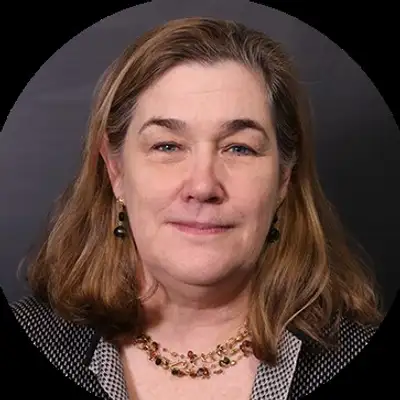
Emily Evans, managing Director of Healthcare Policy at Hedge Eye. Emily has spent her career analyzing the intersections of regulation, economics, and political risk. The parts of the system that actually determine what becomes real and what stays theoretical. We're gonna cut through the noise and get to the structural signals, who it affects, who stands to win or lose, and what leaders should be preparing for.
Now, welcome to the Healthcare Nation Podcast. Welcome to the Healthcare Nation Podcast. We're committed to bringing you thought leaders in the field to discuss what's new and noteworthy in the healthcare sector. Now, your host, Rick Gen.
[00:01:13] Rick: Okay, welcome back to the Healthcare Nation Podcast again. Emily Evans, one of our favorite guests, a frequent flyer, and as I've said, you are our, you, you know, you're like our in residence you know, hedge fund market policy person.
I hope you don't mind that, Monica, Emily. 'cause you got it.
[00:01:33] Emily Evans: No, I don't at all. You could. You should also add contrarian.
[00:01:38] Rick: I want you to be the contrarian. That's what we're, we're looking for that perspective. And you know, we, we we're, we we're always trying to be balanced here, but we've gotta keep the you know, the hot sauce in there to spice things up. So contrarian perspectives always welcome and we got a lot to talk about too today.
[00:01:54] Emily Evans: We certainly.
[00:01:56] Rick: So let, let me jump in. I, you know, I, I wanna start maybe more at, at a macro level and although I'd like to thematically talk about a lot of different things direct to consumer, you know, regulation markets, but I wanna start with system level shifts. Emily, you know, from a. From a macro perspective, what do you think is the single most important structural change that is happening right now in US healthcare? Something that policymakers, investors and others are not, if I could characterize it this way, are not fully pricing in.
[00:02:33] Emily Evans: Direct to consumer.
[00:02:35] Rick: Hmm.
[00:02:37] Emily Evans: Now the White House is very aware of this and they're orchestrating some of it, but but the, the, the most important of these is the lit, the emergence of the a drug channel that works its way around. The the middlemen as they call them, but it's the group purchasing organizations, the wholesalers, and of course the now nefarious pharmacy benefit managers.
I would be, and I don't think it's quite baked into companies like McKesson or Cardinal Health, um, but you know, it, it also isn't baked into the idea of Leica. Novo's, NVO, Novo Nordisk, um, stock is taking a hit. Um, and it's not a very well known brand, right? You don't think, oh, I need to go buy this from by Novo.
Lilly, on the other hand, is a world class American brand, and if you're going direct to consumer. You wanna, you wanna have a good brand. So, um, so I think that's, I think it's not under appreciated how much upside there is for a good pharmaceutical brand company and how much downside there is for off brands and also for the drug channel and for hospitals and, and so forth.
When you start cutting out all of these layers of, of fee, oh, I mean, they're just rent seekers now
[00:04:05] Rick: Okay. So Emily, so what I'm hearing, lemme just feed that back to you. When you think about that, the, you know, pharma, digital health platforms moving closer to the consumer. Is this a, is this the case of prescribing fulfillment, adherence, all of that, like a vertically integrated, you know, path.
[00:04:23] Emily Evans: Yes. Because you know what your, your local pharmacy exists because you had to take a little piece of paper, you know, and that your doctor gave you, and you take that into the pharmacy and that you trade that for a, a drug. Um, and in that, we solved that with e-prescribing. E-prescribing became mandatory, so it goes directly to your pharmacy.
There's no reason why I can't go to. L Lilly or, or AbbVie or any other drug company. Um, as long as they, they want an order, that's what they want and how they fulfill. There's all these options that there wasn't 20 years ago. And even, you know, Amazon could fulfill. So so it's a, um, it's a, the, the barriers.
That existed and I, I, about six months ago, I said, okay, the barrier to all of this is the physician's order. How do you get the physician's order to. The, the, the pharmacy or the pharmacist because every other problem's been solved with e-prescribing and, and mail order and so forth. And, and the answer is, is that, um, Lilly partners with a company and your physician now can send the, the order directly to that to Lily.
So they solved that.
[00:05:46] Rick: And, you know, I'm, I may be, um, you know, getting this wrong, but at least from what I've seen demographically and with the, I'll just call it digital first, younger. Millennials, gen X, gen Z, the way they have much more expectation with respect to agency over their own healthcare that this, the, the whole consumer side of this, starting with the pharma piece, but extending way beyond that is going to get more than traction.
It's probably gonna be an aspect of the new model of care moving forward.
[00:06:20] Emily Evans: I think so, you know, I mean, we're watching wellness movement converge with, you know, the phar, like in compounding, that's where it went first, right? Because it's, you know, kind of off the grid, so to speak. Um, but wellness converging with, um, with pharmaceuticals and, and, and fitness and physical therapy and those things are all kind of.
Moving together and, and starting to become what everybody's been talking about for decades, which is a holistic approach to human health, Yeah, and I've gotta, let me jump on that for a second because I'm working with some folks right now who are, who are entering in and in fact the one established company in the UK that is already deep in the longevity space. And they shared with me that the, the longevity company, they said, you know, we're, we're right on the edge.
[00:07:14] Rick: Of, you know, I don't wanna, these are my words, not theirs, of legitimacy with respect to the established, at least in the United States scientific medical establishment, looking at longevity as something that's gonna be inculcated into the system. It's, it's, it's slowly kind of blending. Do you see that?
And is that what you're inferring there? That there's gonna be, there's this kind of crossover, this Mm, yeah. You know mix up between the two because I, I think that would be a good thing.
[00:07:41] Emily Evans: Yeah. Oh, I think it's a very positive thing and, and this is one of the messages of the Maha Movement make, make America healthy again. You know, we can fight over Medicare spending and Medicaid spending and so forth, but there is nothing more powerful. Convincing people to take better care of themselves because if they take better care of themselves, they're gonna need less healthcare and your spending goes down.
Right? Um, so, so the, it, it's, it's public policy for one. Um, and it's clear what we're doing isn't working. I mean, we, we can't, we can't argue about that. So so, so I think that you're, and, and there's a lot of hokum in there, right? There's a lot of, you do this and, you know, you live 10 years longer and, you know, one of those big longevity guys, you know, looks like he's been dead for 10 years.
Um, the, the, the, the, the. There is within that, a lot of very important messages about exercise and, and weight. How much you weigh and, um, how your, you know, heart is functioning and your lungs and, and so forth. That'll be powerful messages. It's very bad news for something like, you know, the Cheesecake Factory, which, which serves up about 5,000 calories a meal.
[00:09:05] Rick: Right. And lemme let me jump on the we'll say the GLP and the, and the weight piece in the obesity piece I just read today. I think that the oral maybe it's Novo's, I can't remember who was developing the Novo, that it, it did not give good results with respect to Alzheimer's. They, they were hoping, or, or dementia, they were hoping some benefit from there, which by the way, I think as amazing as GMPs.
Are, it's, are we really expecting to be a cure all for everything?
And, and is, is it too much hype? Is there a, a bubble around this? And how, what's happening in the space and how's the market, you know, responding to that.
[00:09:45] Emily Evans: Well, the, the, the, you know, Lily just hit 1 trillion, but touched 1 trillion in market gap, um, earlier in the week. Um, and it it, it's, it's doing well. Novo's having a much more difficult time. And when you get into these smaller. Pharmaceutical companies, they tend to push the envelope on things a bit more.
You saw this with Moderna, um, and some of their cancer vaccines and so forth. They, they tend to, and they, they dish out a lot of, oh, we're gonna do these great things, um, and that's why you wanna support our stock price. Whereas the really big guys like Lily, they take a much cl you know, more. Cautious approach to their clinical programs and making sure that they're, you know, exploring things that, that, that they think can work.
Um, 'cause they have a lot more reputation to, to, to lose than a, a, a smaller company. Um, but I, I think, I mean there's a, that the theory that Alzheimer's has a big metabolic compound metabolic component. I could see why they would want to explore that, but, but yeah, it doesn't look like they've, they, they're gonna get any traction on that anytime soon.
[00:10:55] Rick: Yeah, and things are, and clinically things are still early. I mean, you know, we don't have 10 years worth of data, at least at scale. Like what we're, what we're seeing with respect to the up. Take clinically, right? I mean, that's a, that's a reality. But let me, let me ask you this. When, when you think about system level effects, and I'm really sticking with the GMPs you think about Medicaid state budgets, what's the fiscal exposure looking at along those lines, CMS and, and what's happening along those lines with respect to the administration's, you know, push to cover this.
[00:11:32] Emily Evans: The administration's push to cover it has been contingent. On the price, and I've, I've said this for a year and a half now. It's like, it's the price. It's the price and the, the resistance to the drug had 'cause it was, it came out of the box at like $1,200 a month, which is the, like, the biggest, the biggest consumers of Glip one drugs are on the upper east side of Manhattan.
Um, you know, and so, so the. So the, the, the price is the issue. So the, the trade off here with the administration has been, if you can get that price into something. Normal land, you know, and now Lilly's at three 50 for the a vial. Um, when they have roll out the oral, they'll charge one 50 a month which is in the zone, right?
It's, it's, it's not a crazy crazy number anymore, like $1,200. So, so there. Game. I mean, the White House has been like, okay, get the price down and we'll expand coverage. That's gonna be the trade off, and that's exactly what what's going on. Um, and, and I think they're gonna be very successful with it.
[00:12:46] Rick: Yeah, and this is extrapolation. Obviously, I'm not making a clinical, throwing out a clinical opinion on this, but if you were gonna trade off your diabetic drugs if you're a type two diabetic for, you know, a pill, that would be, you know, incredible. If you're thinking about an individual's, again, ability to change the trajectory of the, of their health status.
[00:13:08] Emily Evans: It Exactly. And that's the, um, the, and, and the, the, the trade offs are fairly significant. So you spend 150 a month and you cut your food. Consumed outside the home, which is where so much of the, the food that's really not great for you, um, is consumed. You've got your, you, you could have a very nice cost benefit to the monthly budget.
And and then of course if you're on the, looking at the federal ledger, you're looking at less treatment for cardiovascular disease. You're looking at, you know, less, less expensive treatments for, um, for diabetes. I mean. You could do that. Now, we rarely do that in this country. Um, but again, back to the whole Baja movement, the whole message is, you know, everybody get healthy.
Be healthy. We wanna help you be healthy and, and, and these, you'll, you'll, you'll enjoy life more. And we, the federal government will spend less money in Las Vegas. Yeah. And on that theme, right, I want, I want control over my own health. I want agency, I want to leverage technology to put me in touch, have better access. It gets back to that direct to consumer side. And if I was going to, and look, I, I grew up in hospitals and the health system, so I've gotta come from this perspective as well.
[00:14:33] Rick: Is this, are we siphoning off profitable? Revenue volumes, ev everything. Obviously weight management, but more than that, even primary care, chronic disease support. What happens to the established health system financial model is the healthcare delivery system as it exists today, prepared for this. And what's the push and pull that fills that gap?
[00:15:00] Emily Evans: Yeah. And the, the answer is, are they prepared? No, I don't think they are. And um, and I think there's a number of o mo other movements that are, that they, they really need to embrace, um, the, the. The agency over your health, the, that, that, that holistic dig, that's a function of, um, of not just technology and advances in that, that's a function too of demographics and the healthcare system in America was built for.
The population that was born between 1945 and 1961. And, and that's what it is. It is, everything about it was built for that group of people who were anomalous in their size. You've never seen the, you know, the, the kind of, you know, the change in, in the birth rate between say 1940 and 1945. I we, it just doesn't exist in normal population dynamics.
And and so the system had to accommodate that, and it was built out to accommodate that. And now in ni in 2027, you'll see the last of that cohort age of Medicare, um, which of course I'm equating with highest utilization years. Um, so that's the, the, the proxy I'm using. But, but they, so they go, they the system.
You know, they, what, what's happening is your average, you know, hospital administrator's like, oh, America's aging. Like, well, you can't keep saying that forever. You know, at some point you have to recognize that, that the population is, is, is gonna change, and that's what it's doing
[00:16:41] Rick: Yeah. And the other thing America's aging, but the number of people required to pay for that aging group has shrunk right. the course of, you know, 50 years.
[00:16:52] Emily Evans: Right. Yeah. So you and, and you, and you see that in in many ways, you know and I think it's gonna be a few difficult years because your 1947 cohort, which is the biggest one that they turn they are 79 next year. So they're deep into their high expenditure years. And, and you're seeing this when you talk about like Medicare Advantage plans, um, Humana, they're all reporting higher utilization.
And that's because, you know, once you hit 75 and things start breaking, um, you're, you're getting, you know, more expensive, more healthcare and more expensive healthcare. But once that, once we're through that, which is not very long, far you've got a system that's gonna have to accommodate a very different mindset with respect to healthcare.
[00:17:42] Rick: Yeah, so look, we can agree. The system. Well, healthcare is evolving faster than the governance structures that have been built historically. Stood up to really, you know, have it function, this misalignment As we move forward, how is it playing out with respect to the market and the rule book? What risks is this creating?
[00:18:07] Emily Evans: Risks. I think the, I think the risk. Is that, I think there, oh, I don't know that there's risks to say human health, um, although I'm sure there's a, there's some of that. Um, but, but I think the biggest risk is to the, um, command and control centrally planned structure of public health and American healthcare systems.
So, um, so the. And, and a lot of this broke during the public health emergency between 20 and 23. But, but there's the, the system where that says, okay, you will buy a health plan, you know, with these scope of benefits and, and you will, you know, pay your employer this much of your paycheck every month. And and I, I think that's.
Getting is being rejected and will continue to be rejected while people look for where the value is in the system. Where do I get the most benefit by engaging in this system? Not because somebody tells me to, but because I think it's valuable. And that's why you've seen think companies like HIMS with their compounding, you know, drug, which is something to, you know, worth examining another day.
But, um, but also what are they, what's their message? Our message is, you know, take control and here's some things, it's weight loss, you know, it's the hormone replacement therapy. They're right on the front edge of that. Um, so, so these are those things, are they, they're successful because people find value.
it Yeah. and not because they're told, but because they do.
[00:19:53] Rick: Right. But Emily, let me, let me, um, pick up on that theme. So I, when I look at Roman and hymns and hers and everything else that's going on, these, these platforms, it gets back to what I was saying earlier with the demographics, right? The younger population, gen Z, gen X. Younger and the, I think leveraging of technology.
Absolutely. The, the redefining of, of how they want their access to healthcare. But the other piece is the source of truth, right? I mean, where do they get their information from, who's literally influencing them with respect to what's real, what's not? And we end up having this, this bureaucratic. Battle going on over, you know, our, our state institutions and whether they're even places we should go to for credible, valid, you know, information.
[00:20:45] Emily Evans: Right. Well, I think, I hope that that is a passing, um. Problem. Um, I, I tend to think that people who go into science, for example, in public health, are generally sincere, you know, in their desires to help others. I think where it might get might need a little fixing is the, the quality of research, the quality of, of of published research, which, um.
The FDA is, I think, trying to fix, they're getting way too much blow back for what I think is a very sincere effort to fix a very big problem. Um, and I think NIH is, is doing some of the, the same thing. You know, I don't think people like to go into medicine or science, you know, to be fraudsters. There are some people like that but I don't think that's.
Most people, it's probably not even a significant amount of people. Um, but people, so the, the, the, the, the, the increased value of the research, if they are successful at NIH and FDAI think will help a good bit. Um, getting the pharmaceutical ads off the air probably help a little bit too, um, because it is.
It's so silly, right? Um, it isn't, doesn't give you a good picture of, of what you need to know. And, and there's all these, these, you know, substack out there that'll explain things in, in better, better detail. So that's where people I hope will go and they'll gravitate to things that make sense, I hope. But yeah, there's gonna be some.
There's gonna be some mistakes.
[00:22:29] Rick: Yeah.
[00:22:30] Emily Evans: I don't think you can, you can you can deny that that's, that's gonna happen. But I, you, I mean, you, you, when you, when they did what they did during the public health emergency and acted so irrationally in some regards, what do you expect? Right.
[00:22:47] Rick: So like it gets back to, um. I'll call 'em blind spots. Institutional re regulatory, if I think of it this way, folks, just, they're, they're out of sync at those levels of, again, I'm thinking government
here yes.
and whether it's the FDA, the, you know, CMS, even the FTC, I mean, that's one whole group as well as. I would say great.
Maybe leave the private sector and the innovative side of, um, the markets to deal with new models of care, breakthroughs, everything we're gonna have to contend with because of things like clinician shortages, the advance of technology, et cetera. But the moonshots, we, we should probably have the government playing some part in the.
Funding Y.
[00:23:39] Emily Evans: Yeah. side to try to keep up with this new world. Yeah, but, well, I, you know, and Senator Bill Cassidy has, has brought this up and, and and various NIH leaders have brought it up is the focus for the federal government should be on basic research. The stuff for which there isn't really a market. Return visible you know, in that three to five year window.
And, and they have pledged that we're, we're gonna be focused more on, on basic research. And I think that, um, I think Congress understands that when they get into translational. Work at NIH, they're really competing and pushing out the private sector, and therefore a lot of decisions get made or a lot of research gets done.
This is back to kind of the fraudster problem. A lot of research gets done that, that it maybe shouldn't have. And, and, you know, like the amyloid beta, the, you know, thesis for for Alzheimer's being a, a great example of, of a mistake. And over at the FDA, you see them focusing on, orphan and rare diseases and which are not, you know, don't lend themselves, although there's a lot of private market activity there, but it, it, they, they're hard to make a make a return on.
And so what's the FDA's response? Let's make this as easy as possible and, and recognize that the, these are very difficult situations when you have a disease that affects a hundred thousand people worldwide. That that's a, that's a tougher it's a tough thing. You need all the support you can get. So it's two different ways of, of supporting that approach.
But, but but I think there's, I think that's, that's what they've said, and I take them at their word that that's what they're, they're trying to do. I mean, I mean, we don't need another study on whether red wine is good for you or bad for you. You know, we've, or, or, or, or, you know, or name your other.
Cockamamie nutritional study that's been coming out of these, these, um, research centers for years.
[00:25:43] Rick: But we probably do need someone to weigh in from, I'm just gonna say both sides. And the both sides. Folks can interpret what that means. I, I don't necessarily mean it politically on something like statins, when you're saying. Hey, should I take a statin? Should I not? Every time I'm looking at my feed, it's saying these, I got a, a group of people saying, no, these are the negatives and you've got, you know, then these, you know, cardiologists who are clearly could be perceived from another generation saying, no, no, no.
This is the difference. It's made. Who knows. I mean, this is, I think, what folks are contending with nowadays, and it's creating such a level of contention in the, in just the, the narrative between, you know, And yeah. And you know, 30 years ago you would go to your doctor and you prescribe statins and let, let's use statins as an example. I think the, the rub on statins is that they you, they may strip cholesterol out of parts of your body. You don't want stripped out of like your brain. And and that has led to, that has led.
Inconsequential outcome with that.
[00:26:54] Emily Evans: Yeah. Right. Yeah, because that, that has there's a, a portion of people who take them, who experience some, some memory loss and some cognitive deterioration. Supposedly, you don't, we don't have that. We don't have that research. But, um, but 30 years ago, you go to your doctor, you're, and you'd be like, I wanna put you on statins.
Now here's the deal. If you have any signs of memory loss or, or anything like that. I wanna know that right away, you know, because there's some portion of this population that's experienced that, and then the doctor can, can behave and he can do what he needs to do, right? He can, he can treat the patient and, and because of the way in which we make these primary care physicians see their patients in seven minute windows.
And, and they, they're grinding through their day. They've become, they've come to rely on whatever the pharmaceutical industry has told them, you know, whatever the pharmaceutical, that's a shortcut to understanding what the drug what the drug does. And you miss some of those risk factors and, and managing, um, managing the patient, you know.
And then on the flip side of it. Hormone replacement therapy, which was, you know, came off the market in 2012. It had experienced a fairly nice run of being therapeutic, and all of a sudden everyone's like, oh no, you know, you're gonna have a heart attack.
[00:28:16] Rick: And I think there was like gosh, the numbers pre regulation, if I could call it that on HRT, it was tremendous numbers. Like large numbers, maybe, you know I don't even know. One out of four. Then it went down to zero after the guidelines were changed, right? Something like that. When, Yeah. this, whiplash is making folks, again, question the, the Could it. truth in our institutions.
[00:28:44] Emily Evans: Right. Right. And and I, and I think that, you know, what if, if H RTS got these benefits, um, and I haven't read any of this, any of the work that, that, um, McCarey has, has talked about, but if they have all these benefits, you know, why were you keeping that off the market? You know, why did you have a flawed study on that hand?
And then on the other hand is, you know, the, the stuff that's on the market that it maybe, you know, should require a closer. Closer monitoring. Like, I wanna know if you're having any cognitive problems, um, and, and you're gonna come in and see me, you know, with that. But, but that, that's what, that's, that's what leaves people to go looking for that information on their own is because the person, they should count on their primary care physician that they've got, one doesn't have time to touch them about that, or doesn't have time to understand that issue.
[00:29:35] Rick: And I hate to say it, maybe teaching to the test, you know, with respect to numbers. Mm-hmm.
[00:29:41] Emily Evans: Well, and statins, you know, kind of have cheated too. Statins are in a, is a Medicare quality measure. You know, did you talk to the patient about statins or did you prescribe statins? I mean, come on. That should not, that should not define how you get paid. You know, whether or not you prescribe statins and and, and that, that's, that's the kind of nonsense that is, is, is gotta come outta the system.
[00:30:08] Rick: You know, we've made that mistake before, I think I've mentioned it on the podcast with respect to, you know, I'll just say the opioid crisis and having pain as one of the vital signs, and it was like, oh no, everyone should be out of pain after surgery. If not, it looks bad on me, the surgeon. So the best way to do that is let me prescribe you some oxy, and that just is.
Crazy when, at least when I started out clinically years ago, it was not unusual. Then you'd say to patients, look, the first day it is gonna hurt really, really bad. It is gonna hurt the heck out of you. And guess what? Every day that pain should get a little less, but that's normal. Instead of saying you'll numb you, and that's what your expectation should be.
[00:30:52] Emily Evans: Yeah. Yeah. I mean there, there, the, the, I mean we're, we're, we're recounting all these crazy things. Who, who wouldn't be suspicious? Right? Who wouldn't wanna go? Ah. And, and the lack of primary, the lack, the, the sort of deterioration of the practice of primary care, you know, has, has, is making it just compounding the mistakes.
[00:31:14] Rick: Let, let me bring it back to, um, the here and now. Literally, I mean, when I think about this a CA subsidies. The enhanced one's set to expire at the end of 2025. So much going on back and forth, even today. Reading about the administration, coming forth with a plan. I think there's some thought of it being extended for two years while the GOP works on their new formula for, for healthcare as it's affecting what we're seeing, Emily, everything, access risk, bulls, budgets, individuals, the markets. I mean, it's freaking me out. I know Joe, our producer. It's freaking via our last podcast. You know, we, we talked about serious and significant, you know hits that folks are, are anticipating taking
[00:32:05] Emily Evans: Yes, and one of the. The, the, the enhanced premium tax subsidies, which is what's in play here. Not all the tax subsidies, but the enhanced premium. And what that they did is they lowered effectively to zero the premium for people between a hundred percent, 250% of federal poverty level. A lot of them being in the a hundred to 150% federal poverty level.
It also added as a benefit the availability of tax subsidies for people making over 400% of the federal poverty level. And and that was, that last one hasn't really moved the needle that much on population. There's about a million and a half people in, in that bucket. Um, and so it's not like.
It's, and, and some of those people were enrolled before because they have access, um, through healthcare.gov, even if they didn't get the tax subsidy. So, um, so the, the, the, the challenge and, and what, what is happening is there are two problems. The first problem is that the people who don't have a premium.
Aren't engaged in whether or not they are enrolled. They, nothing comes outta their bank account. Nothing shows up on a credit card, and there the amount of fraud in the system is fairly significant, especially between a hundred and 150% of federal poverty level. Then on the other hand, you have a lot of what, million and a half people who are.
You know sole contractors, you know, they're, they're, they're self-employed, um, and they have enrolled in this system and they're gonna experience a fairly significant price price shock because they're no longer gonna have a subsidy that gets, gets the price, those premiums to eight and half percent of their.
Of their income. What I expect to happen is that there probably won't be an extension. While the Senate is interested in some compromise, the house is not. And, and I don't really see a path. The fact that the White House was supposedly. Proposing something. Maybe that was true, maybe it wasn't. It was just showed up in a Politico art article and I never heard anything coming out of anybody in the White House to suggest it was true.
Um, and and it got shot. If it was true, it got shot down pretty quickly by the house side. The fact of the matter is, is that every single thing Congress does with healthcare is. Pretty bad. I mean, they can't seem to come up with policies that don't, that that aren't in the end. Egregious and, and that's true of the, that's true of the Affordable Care Act is, you know, Tala, you know, was Tala has had all these consequences that re reverberate Part D drugs, great program, but nobody paid attention to what it was doing to list prices and see, so there's a, there's a just a, this.
I'm writing this article about the, the exchanges and the, the opening line is America Hide your wallet. Um, because you know, for the million and a half people that you know may benefit at 400% or more of the federal poverty level, you have all these distortions, um, that are causing problems for everybody else.
[00:35:40] Rick: And
the other side. Isn't it also true? The, the reality is that the policy makers, the authors of these policies sounds great when it's unfolded, but they, they failed to communicate that there is an expiration date on that and have Right. of urgency to cor have in advance of that expiration date have something else in place.
[00:36:00] Emily Evans: And what I think the game plan was is, all right, we'll extend these and everybody will go along with another extension or we'll make this a big issue for, and I I'm, when that, when those extensions, when the e, when the enhanced. Premiums, tax credits, window effect. I think it, there's a lot of confidence that, that Joe Biden would serve another term.
Um, and both in 21 and 22, they were not expecting the electoral out outcome that they got. So that's a, a, that's part, that was part of the miscalculation. And then the second part of the miscalculation was with the shutdown. Okay, let's have. A shutdown and we can make healthcare an issue. And I have this chart of Google trends, you know, like people searching for, and the, the things people care the most about the, these three things, you know, the shutdown a CA exchange premiums, your flight plans, your travel plans or, and snap benefits.
The Amer, the, the Affordable Care Act re barely registers. It's, it's, people wanted to know if the plane was gonna take off
[00:37:11] Rick: Yeah. Yeah.
[00:37:11] Emily Evans: because they had somewhere to go, or they were worried about their SNAP benefits. And, um, and so the, the back to that demographic thing we're talking about, you know, are the people that are paying attention and, and, and voting and concerned, are they, are they, are they.
The people that they were 15 years ago or 10 years ago. and I think the answer is no. This is a different population and they're, they're sort of like, know, whatever, or wanna know about my travel plans.
[00:37:41] Rick: Right. Let me pivot a little bit now and bring it home with, with things that I always love talking about, and I think you do too. And that is what's happening with innovation, what's going on in the markets, investors signals, are there any. I'll say indicators, even early indicators of meaningful change coming out of, of the private sector, out of the markets from capital flows, even regulatory actions that, that we're seeing that are in sync with the consumer behavior that you just mentioned and that we're talking about that is hopeful or that we should say wow.
Whether it's AI with, you know, kind of the breakthroughs on. On the biotech med tech drug side, what are you seeing on the, on the investor signal side that kind of brings that all together?
[00:38:31] Emily Evans: I, I would say the, well first of all, the IT biotech is had getting its mojo back and um, and I think it will continue. It had to, it had to make a turn. It was dug in on a lot of different things. It. Aren't going to yield anything. Like the mRNA platform is not gonna yield everything that people thought it was gonna yield.
The amyloid thesis is not yielding results or all lots of things like, like that. And, um, and they, they've had to make this. Adjustment and they've had to make that adjustment without the benefit of NIH you know, free money. And, um, and they've had to make that adjustment without a lot of money pouring into, you know, 25 or 30 big academic institutions here in the United States.
And as it, but as it rolls forward go back to what I said. People go into these fields because they are curious people who wanna solve big problems. Um, you know, they're not, um, they're not. They're not, they're just, they're not, you know, shysters, they're not fraudsters. So so that, so I, we, I think we are making that turn and we're gonna continue to make that, that turn.
There's still a lot of things that need to be ironed out in terms, in terms of the systems. There were a lot of people inside these organizations that did not want anything to change. They thought everything was fine. And I mean, you can look at. You look at a lot of things and going, no, everything's not fine.
You know, I mean, the, the, the data on longevity and obesity and mortality is terrible, you know, and, and so
[00:40:05] Rick: compared to other industrialized countries. It's just, it's, it's
[00:40:09] Emily Evans: yeah. You, you, you can't be proud of, of any of it. And, um so, so I think we're, we're gonna see that. And if Lily is successful and is followed by. Other big pharma, Johnson and Johnson, I think is working on a platform if they are successful in talking directly to their consumers, hopefully with the help of a doctor, okay.
Who can balance the, those questions of statins and HRT and and so forth with their patient. Um, you know, we, we will have a system that can now deflate the li the list prices can even out because they're not feeding all these. These, you know rent seekers in the, in the drug channel. And we can get to, I think, a lot investing in r and d in a rational way.
Don't forget, a lot of r and d is determined by whether you're where you're gonna be in the formulary. When you big boo who, who needs, who needs that, you know, sounded great. A great decision making. So I've, so I, I think we've made the turn. I think we are going to see some pretty cool stuff, you know, with the development of AI systems that allow you to cross silos.
You know, Marty McCarey makes this point. We have all these files, they're all paper, you know, that tell us things. That you, we wanna know, you know, we wanna know if you have you know, DMD where, what, what does the data tell us about, you know, liver problems, you know, year one, year five, year, so whatever.
Um, those are the kinds of things that, that we have not been able to explore that we will be able to explore, which is, I think everybody should be very excited about
[00:41:51] Rick: And, and Ken and I was gonna add, and can we leverage, you know, I think about the $4 trillion that's, that's in the sector just floating out there, kind of writ large. There's gotta be. Two of that that is clearly in play with Okay. areas that we could access redistribute, and again, let the innovation side make that kind of quantum leap that, that you're suggesting.
[00:42:16] Emily Evans: Well and you know, we can't talk about that five, it's $5 trillion. We can't talk about the $5 trillion unless we're talking about the hospital sector, which gets about 2 trillion of it. And and one of the, I think, unsung policies, mostly because it was ignored. Um. It, it's been, it's not been enforced on as well as it could be.
And that is the hospital price transparency requirement and just, just you know, a PSA, if anybody out there is running a hospital. I wanna know what you think about that. I really wanna know what, what hospital administrators think about the hospital transparency. Because if, if you were to actually look at the data, if you were to look at a hospital's.
Discounted cash price versus what they're paid by the different insurance companies they contract with. You cannot, if you're in good health, let's say you're between 26 and 55, 60, if you, you know, are, are in, in good health, you can't look at your health insurance premiums as anything other than tax.
You're not getting much. You're the average. The bottom 50% percentile spends about $1,300 a year on healthcare services. They spend about $12,000 a year on healthcare premiums. Why? Because something might happen. Or we gotta worry about the risk pools. You know, you're, you're sucking money outta somebody's paycheck and you're telling them they need to worry about the risk pools.
They're worried about their risk pool. You know, they're not really worried about H'S risk pool. So.
[00:43:56] Rick: and their risk pool may include their mortgage, putting food on the table, you know, making ends meet.
[00:44:03] Emily Evans: They can't buy houses. Well, duh. You know, we have this employer mandate says you have to, you enroll in health insurance if you are employed by if you, if your employer meets the requirements, the Affordable Care Act. And, um, and so you, you, you get into these stupid situations like that and, um, and, and this is, this is just another one of them.
And, and when you look at the hospital, tr price transparency data, which you have to conclude, is, yeah, most healthcare can be purchased with cash.
If you are healthy, you know, if you are not healthy, that's a different story, you know, but but, but you, you could do that. And there's the, the policy has an enormous amount of power. And the big question here is. How is this going to be? How is it? How's it gonna roll out? How are people, how are the hospitals gonna respond to it?
Um, some seem to be embracing it and, you know, message to hospitals, embrace it, know, because it's gonna be a question of you're gonna be lashed to these Right. you know,
[00:45:09] Rick: Yeah. Control your own destiny. Yeah. I always say control your own destiny or someone else will certainly not mind controlling it for you. And I think be part of it because the demographics, everything else, the financial side, it is not going to go, I think, in any other direction than, than what you're suggesting.
[00:45:26] Emily Evans: Right, and if you look at like there's this hospital here in Nashville has a great cardiology program. Really great. Um, and there's another hospital here in town. It's an academic medical center. There is no way for any normal person to know, a consumer to know, oh, this hospital here, who by the way happens to be the lowest cost per provider in the, in the market.
They've got this program. I should go here. No, they go where the big academic. You know, brand is, and she doesn't have the best program, and there's no way for them to really talk about that. And, um, otherwise they get, you know, dirty, nasty, nasty looks and, and and, and nasty grams from the academic medical center if they do.
And, and that, and when you start talking about price, you're gonna start talking about quality. And when you talk about quality and consumer preference and stuff like that. You, you're gonna have the whole, your world will be your oyster. Um, and why you wanna stick with, you know, your insurance companies is for most things, routine things I do not understand, which Yeah. I want call me somebody, like, send me an email.
I wanna understand why you would be opposed to, to being embracing that policy.
[00:46:38] Rick: You know, the other piece though is getting back to just data and the source of truth and having some ob objectivity with respect to, again, we'll talk about program evaluation, like the two institutions that you're, that you're. Inferring Right, right here. Boy, it would be great if we could really look at that objectively and comparatively, you know, early in my career, I ran a big heart program.
It was very high volume, fantastic outcomes, but we were competing against a major academic center in the same, really within the 30 mile area. And although we did more cases, et cetera, and had better outcomes, the. Name recognition, you know, the ability to get everything from, you know, grants and, and even to attract, you know, top tier all star physicians and clinical staff was always, you know, something that we had to work harder at because of the competition with that, a m.
[00:47:38] Emily Evans: Yeah. Yeah. And if you think about, um you know, I'm working on this, this project on price transparency, and one of the questions we're trying to solve, hopefully with a hospital system here in the area is, all right, how do you put those prices in context? 'cause I think that's a policy flaw, I guess a policy flaw to say to a hospital, alright, post your prices, but don't put them in context.
Um, and. And one of the questions I have is already, how do you put those, how do you put that data in context? And, and I think that there's probably some quality metrics and I, you know, I look at those Press Ganey, um, surveys and I'm always like, how about just one question, would you recommend this place to your member of your family?
That's all anybody needs to know.
[00:48:23] Rick: Yeah. That's why I like, as, as flawed as they are, promoter scores I think are are, are good. They're certainly better than directional,
[00:48:31] Emily Evans: Yeah, well, there, there the, you, you know, the, that old joke where if you wanna find a good doctor, ask a nurse, you know, but make sure you ask the question the right way. So if this was your mother, you know, who would you call? And, and and, and that's, that's, you know, the, that's one of the things we, we've gotta, um, we've gotta figure out.
Um, but, and I, I think it's a policy flaw that it isn't. The, in the mandated disclosures under the hospital transparency requirements. Um, and I think you could add other things to that, but, but yeah, that's where it's going and, and it's not going to not go there. That's, it's just there's nothing to, there's nothing to stop it from, from proceeding.
[00:49:15] Rick: So Emily, let's, we're gonna wrap it up. We're literally wrapping up 2025 with you as, as one of our, our regulars. So this is the question for you. When you think about next year, 2026, and, and no, it's not crystal ball prognostication, but I'm gonna ask you, give us what's your top three when you think about. The next year, what are the issues? What are the pressure points? What are the opportunities? What are the three things that you think should, those of us who are, are engaged in and, and not only make our livelihoods, but are passionate about healthcare and, and the, and the sector. What's on, what's on your
[00:49:57] Emily Evans: I think number one, the pressure from the big health insurance companies is gonna continue and probably get worse. Um, and that is a function of, particularly of Medicare populations getting older and sicker. And also the, the obvious inflation within the, within the system. I don't think it's gonna be as bad as the last three years, but the managed care organizations like UNH have had to, they built their business.
Around low inflation, a drug channel that provided all kinds of rebates and, and premium downward pressure on premiums and, and, and so forth. So that is number one. Number two, um, I expect the. Rest of the drug companies to start acting like Lilly and marketing their brand and their service.
And beating the specialty mail order pharmacies every way they can, um, for prescribed patients, you know? Um, and, and, and I think that is gonna continue and that's gonna co of course collapse, continue to collapse the, the drug channel where all the rebates are that, that control. Um. Can, can depress or on paper anyway, make, make it look like we're spending more money when we're or less money than, than we are.
And then I would say the third story is probably going to be biotech. And I think we're gonna start, start, we're starting to see the benefits of these advanced computing models that can. Do things that humans can't do. And, you know, using Marnie MCC Carey's example of the, the big file cabinet, big paper file cabinets, that this ha has a secret that you can't get to unless you go down into the basement and you find the file.
Um, and there's just not, you know, resources for that. So so I think we're gonna, um, really see that. I think that you're going to feel. Better about innovation and advances next year, this time than you do now. I don't think you're gonna feel the same way about the services side of the industry.
[00:52:16] Rick: Wow. Wow. That's a lot. And I'm gonna tell you, we're gonna hold you to revisiting that, um, after the, the new year certainly. But great look, great insights, great perspectives. And as usual, we are so pleased and, and. Happy that you are a regular in resident, you know, expert in so many different areas.
Emily, have a great holiday season. Fantastic Thanksgiving and, um, it's just a delight to have you,
[00:52:47] Emily Evans: Well, thanks. I look forward to coming back.