Subscribe
Share
Share
Embed
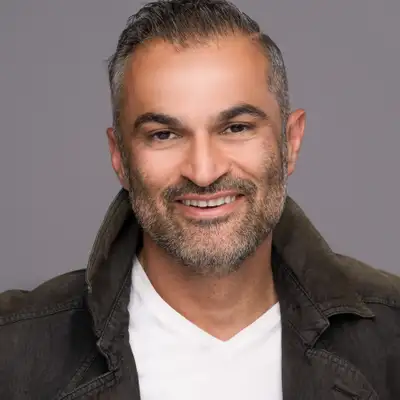
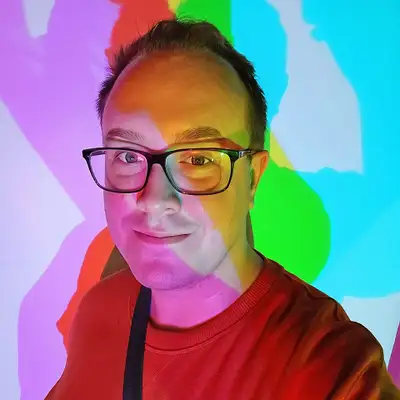
I’m Paul, the host of The Neurodiversity Voices Podcast.
I’m not a clinician, researcher, or professional expert — and that’s intentional.
I come to this work as a neurodivergent individual with lived experience. I know what it feels like to navigate systems that weren’t designed for how your mind works, to question your own capacity because of labels, and to search for language that actually reflects who you are, not just how you’re measured.
This podcast exists because too many conversations about neurodiversity happen about us, rather than with us.
How This Podcast Is Different
Unlike many podcasts in this space, The Neurodiversity Voices Podcast isn’t built on credentials or clinical authority. It’s built on listening, reflection, and shared humanity.
I don’t position myself as an expert with answers. I show up as a facilitator of stories — asking curious, grounded questions from the perspective of someone who lives this reality every day.
That means:
Conversations aren’t rushed or overly polished
Guests aren’t reduced to diagnoses or achievements
Complexity, contradiction, and uncertainty are welcome
Lived experience is treated as valid knowledge
Whether I’m speaking with educators, parents, authors, creatives, researchers, or other neurodivergent individuals, the focus is always the same: seeing the person before the label.
Why Lived Experience Matters Here
Being neurodivergent shapes how I listen, how I notice patterns, and how I hold space. It allows me to ask questions that come from recognition rather than assumption — and to create conversations that feel safer, slower, and more honest.
This isn’t a podcast about fixing people.
It’s a podcast about understanding ourselves, our systems, and each other more clearly. If you’re looking for expert opinions, you’ll find many excellent shows.
If you’re looking for real conversations, grounded in lived experience and mutual respect, you’re in the right place.
The Neurodiversity Voices Podcast — Embracing Every Mind. Sharing Every Voice.
Website: https://www.neurodiversityvoices.com
Follow Us On Instagram, YouTube, Facebook, and LinkedIn: @neurodiversityvoicespodcast
Visit our merch store: https://www.neurodiversityvoices.com/category/all-products
Your feedback means the world to us. Please rate and leave a comment on your favourite podcast app so we can continue amplifying neurodivergent voices.
This is misconception about us autistic people that we don't care about people, but the fact is, we do care about people and I understand that I can't speak on behalf of all autistic people because of different lived experiences, but we do care about people it's just we show it differently. We express our feelings differently. So, we may sometimes have struggle with eye contact with other people or we tend to stammer or we talk too fast, but that's what makes us unique makes us what us human.
Paul Cruz:Hello and welcome to the Neurodiversity Voices podcast. I'm your host, Paul Cruz, and we're thrilled to have you join us on this journey of exploration, advocacy, and celebration of neurodiversity.
Gino Akbari:And I'm Gino Akbari. Together, we'll have meaningful conversations, share inspiring stories, and challenge misconceptions about neurodiversity. We're so excited to have you as we celebrate the beauty of diverse minds and work toward a more inclusive future.
Paul Cruz:So sit back, relax, and let's get started. Welcome to the Neurodiversity Voices podcast. Today, we're joined by Andrew Leczuk, an autistic, disabled, and neurodivergent advocate with a deep passion for disability and social justice. Andrew is a proud graduate of the Educational Support and Disability Studies program at Sheridan and Toronto Metropolitan University. He hosts the podcast Conversations of Disability and Rights for Disability on the Street.
Paul Cruz:When he's off the mic, you'll likely find him walking around Toronto browsing vintage shops, exploring coffee spots, and listening to music. Andrew, welcome. Thanks for being here.
Andrew Letchuk:It's my pleasure. I'm very honored.
Paul Cruz:Let's start with your story. Which moments in your schooling and early life most shaped how you understand disability and access today?
Andrew Letchuk:So this is a really great question. So with my personal narrative, it's really important to talk about. Starting with how I was tested for autism at my first school, Riverside Public School. I was struggling in mainstream education from grades one, two, and to the first month of grade three. So the principal at Riverside, Bruce Mercer, who just now retired, he recommended me to be tested by a psychologist and they found out that I was tested for autism.
Andrew Letchuk:My parents were advised to transfer me to another school that had an ASD program and I actually live not too far from Riverside, which is like ten or fifteen minutes from here, so walking by that school has been very personal, brings back like a lot of memories but then I once I started Britannia on my first day 10/12/2004, according to my old school agenda, I was placed into a smaller class with other autistic children with a few ERFs or teaching assistants And so I felt that I felt more included into the school system. Special education is something that has been a part of my life throughout Britannia Public School, Camilla Road Senior Public School, and up to West Credit Secondary School. Special education helped me learn how to grow as a person, learn how to become successful in my education. There's the phrase falling through the cracks has often been brought up with my mom, because I've been we've all been talking about how remembering the times of what when I did this, what happened to me back then, but with middle school, especially in grade eight, I had a school psychologist named Doctor. Roberts.
Andrew Letchuk:So he took me into like another room from my ASD class and basically he gave me a series of testings based on my linguistics, mathematics skills, reasoning and critical thinking, so because it was also in the works of developing my individual education plan or IEP, so that carried all the way into high school. So I was also placed in a resource room called Homebase, so it's basically designed for in my time, it's for vocational one and two students. So I was a vocational two student in my program. So I it's kind of also helps me get free access to like for emotional support from my ERFs or from Kathy Hill, who is now retired from West Credit. And also coming up to accommodations and accessibility, post secondary education has been very important chapter in my life, especially with when it comes to having access needs met and having accommodations like having the right to have so under the Human Rights Code of Ontario.
Andrew Letchuk:But like with accessibility, special education, diagnosis has been what really shaped my lived experience of being disabled. Because I mentioned the word disabled for two reasons from one, the social model lens of disability, because disability has always been a very socially constructed and political phenomenon. So I am disabled by the attitudes in society, especially if it's from in the workplace setting, or like in education or like with government related policies. But I'm also disabled by the medical model of how autism has been pathologized by medical doctors and families and occupational therapists, etc. So I want to clarify on that why I use the word disabled.
Andrew Letchuk:Not everyone prefers to have identity first language, some choose to have person first language, so it's like a matter of personal preference. So like the social constructions of accessibility, special education has helped me get to where I am today as a person.
Gino Akbari:And Andrew, you went from navigating the systems to helping change them. How did those experiences move you into advocacy as a writer and organizer and podcaster?
Andrew Letchuk:I really feel that with navigating through those systems, it really helps me wanting to make social change for my community. So I just wanna share that I'm actually starting my leadership program called FUTURES. So I just had my first meeting last night and we were talking about like the overview program of what to expect. So we'll be having like guest speakers, workshops. We're also gonna be having like this activation project, so it's like a community project where we work independently and also working with other people.
Andrew Letchuk:So, I really feel that this program for instance would really help me learn how to amplify my voice and to promote awarenesses in the community, so like bestow power to other people who have been silenced or been oppressed or marginalized. I want to be clear that I can't speak on behalf of the entire community because disabled people's experiences are nuanced. So we're talking about gender, sexuality, race, religion, class, and I identify as a white settler as autistic, disabled, and also asexual and aromantic. So our experiences are very nuanced. So I want to navigate those systems to base from my experience to make political change, to make other people's voices feel heard.
Andrew Letchuk:And so that's why I use like my podcast as well. My friend Christina had told me that I've been centralizing disabled voices in my podcast as like a compliment. And that's what was my intention with Our Voices. We want to ask the listener, what does an accessible world look like? Imagining them, what would this world be if it was ableist free and inclusive and diversified?
Andrew Letchuk:So going back to the Futures program, so I really am excited to be learning how to become an innovative leader, learning how to build lifelong connections, and as what Christina and I were talking about, relationality, so how we relate to others. So I really want to build like a web of community.
Paul Cruz:Many people know disability rights but you also champion a broader frame. For folks who know disability rights but not disability justice, how do you explain the difference in everyday terms?
Andrew Letchuk:Thank you for that question. So to start off, disability justice was born out of a movement that was designed from white heterosexual privileged disabled men, because like especially with the ADA Act in 1990 of The United States and with AODA in Ontario. So disability rights was more of catering to privileged disabled people, so especially that it only caters to that kind of group, but disability justice is born out of social movements, basically grassroot movements that is rooted in feminism, queer, crip feminism, black indigenous people of color. So basically, disability justice was like a political platform for trans two spirit LGBTQ folks to make their voices heard knowing that disability justice doesn't speak for them. So, in what ways can we make a movement that responds to our experiences with oppression and when it comes to ableism, madness, or sanism, which is like a type of prejudice against people with psychiatric disabilities.
Andrew Letchuk:So disability justice is more catering to people of color who have been oppressed or been experienced systemic bias or gender bias. So it's I just I don't want people to be confused with disability rights and justice, but I presume that it goes can go hand in hand, but we want to make sure that disability justice is the forefront. Like disability is doesn't is should not be only viewed as to people who are heterosexual or who are white or cisgender. We also want to consider nuanced sexualities, gender, class. So it's a very diversified concept and a community.
Gino Akbari:So let's put those ideas into practice. Which disability justice principles feel most alive in your work right now? And how do they show up day to day?
Andrew Letchuk:I could bring up one of the principles from Sins Invalid, which is intersectionality. So the reason for that is that I also have autistic friends who are people of color, especially women of color as well from middle school and public school and in high school as well. So intersectionality is I've been mostly following disability figures who are who identify as a person of color like Mia Mingus, for example. I really like her work because she talks about how accessibility is not just about providing wheelchair ramps or doors, but it's also like a support network, like an open access support, like working interdependently. So like what that person needs, what can I do for you, or how can we work together to make those needs met?
Andrew Letchuk:So intersectionality is important into my work because you have people in my community who are living in poverty, for example, or experiencing trauma, or colonial policies in government in provincial and federal policies. You also want to talk about how disabled people of color are experiencing homelessness. So, important to address those issues with people and also kind of giving them that voice to make other people's voices feel heard. So, you have transgender folks or those who are queer or non binary, and I know that what's happening not only in Canada, but The United States, knowing that the Trump administration is trying to destroy or trying to roll back on the rights movement or the disability justice, because like now that with queer, trans and disabled BIPOC folks are being targeted, especially like with racism and Christian nationalist ideology and ableism, ableism is still around. You have internalized ableism, you have benevolent ableism, systemic ableism.
Andrew Letchuk:So I really feel that intersectionality is one of many principles that must be championed in the work we do as activists.
Paul Cruz:What patterns or tropes in autistic representation do you see most?
Andrew Letchuk:I love this question. So stereotypes have been a very interesting subject, especially not only in educational settings but media representation for instance. So, have like The Good Doctor or Rain Man or there's another movie called Sing no, I can't remember the name of the title but it was directed by Sia. So basically, the film has an autistic girl as the main protagonist. Unfortunately, the actor in real life is not autistic.
Andrew Letchuk:So, cripping there's this idea called the cripping up, which is a concept in which able or non disabled actors play disabled characters. So, it's basically it's like a Halloween costume that you wear and then you put it on a coat rack. And so, was actually for instance, I was in Toronto yesterday and there was a costume at Spirit Halloween that says blind referee and I'm thinking, I saw this last year and knowing that disabled costumes are disability is not a Halloween costume, the same thing with autism. If someone is pretending to be autistic, it's not only insulting, but you're disrespecting someone who actually has autism, whether it could be non speaking or those who could be stimming or those who have like Asperger's syndrome. So I feel that that's another one prime example.
Andrew Letchuk:So another one is called the Autistic Savant trope, so basically portraying autistic people as unempathetic or who is incapable of struggling to care about other people, so, and this is misconception about us autistic people that we don't care about people but the fact is, we do care about people and I understand that I can't speak on behalf of all autistic people because of different lived experiences but we do care about people, it's just we show it differently. We express our feelings differently. So, we may sometimes have struggle with eye contact with other people or we tend to stammer or we talk too fast, but that's what makes us unique, makes us what us human. So like with media representation has been this site of stereotypes, and I presume that Hollywood is still trying to include more and hire disabled actors. Historically, people have been misunderstood as people who we people assume that we act weird or we look like like as freakish, like we're as freaks or as spaz, but those misconceptions are not true.
Andrew Letchuk:It's most of them are quite ableist, especially especially parents who have an autistic child, they don't even some of them may not know how to respond or to how to raise their autistic children. So sometimes they turn to TV shows or if someone who is interested about autism, if they're not in a resource room or like a student could be outside of a home based program who is neurotypical, and they would just make us laugh at us or give us dirty looks knowing that you're not like, just don't treat us like with respect. If you follow these stereotypes, if you watch movies that have stereotypes, you're gonna, would assume that we act like that in real life, but what I want to say is that listening to disabled people, we are the experts of lived experience. Autistic people are experts, you could ask questions just knowing about like what they know about autism and how they relate to the world, how they connect with the world having an autistic brain, or you could ask someone about who has ADHD or having a learning disability or having epilepsy. So I emphasize this clearly in the work that lived experience by disabled people is important.
Andrew Letchuk:Expert knowledge is important. And there's a difference between expert knowledge and experiential knowledge where you have experiential knowledge coming, experiential knowledge comes from doctors or professionals who believe that they are the experts of autism, like based on research, where you have expertise knowledge from disabled people, we have the lived experience, we have proper knowledge, whereas the medical profession just know of their knowledge based on bias through research and presumptions. So, with media representation, medical professional worlds, it's important for people to know that you shouldn't always rely on media on movies and television to understand disability. While it's great to include that in like an episode or a movie plot, but to remember that disabled people are the experts of lived experience, so always turn to them. I feel that first of all, it's important to learn how to be professional about it.
Andrew Letchuk:Had an experience in the employment center at South Common Mall in Mississauga last spring. It was like an intake meeting where this woman who I shall keep it privately, she asked me if I had like a disorder or a disability and I felt comfortable of disclosing it because it's my choice to share my disability. So I said, well, I was diagnosed with autism. And then from the look of it, she said, from how I see it, you don't seem to have autism. And then she lectured me about how everything, not everything in life is permanent.
Andrew Letchuk:So I sat in my chair and I don't, I didn't want to lash out, but I felt, I felt antsy knowing that I wanted to say something instead of being mad about it, I would say I was technically diagnosed twenty years ago, which was last 2004, which was twenty one years ago this year. So when people say you don't look autistic or you don't look sick or you're, you're faking your illness, one of the one of the things that I can say that it could lead to internalized ableism. If someone tells you that and then it will make you start to doubt yourself if you're really disabled. So, I try not to let that get to me because I know that for what like one, she doesn't know or doesn't have the right to dictate how autistic people look like. You can't see all the traits, not all autistic people have the same traits and I was talking about this with my friend Theo from my meeting last night about how people say you don't look autistic enough to be autistic.
Andrew Letchuk:So, and we would say, so what do you, how do you define autistic people? So, I would really recommend not to be defensive about it because you wanna really wanna keep it professional and I know that it rarely happens a lot to me, but I know a lot of people who have chronic pain or people who have like heart conditions or like with medical disabilities, people often take one good look at you and just assume that you don't look disabled, especially in a prime example where you're parking in an accessible lot, and then you have your parking license, accessibility license. Let's say you're not allowed to park there, it's illegal. You don't look disabled. So what does autism or being disabled look like to you?
Andrew Letchuk:So a lot of it's a matter of ignorance. So if you take one good look at someone, you're just assuming that invisible disabilities are no such thing to them. But I've really been wanting to talk about this and educate people about invisible disabilities. Like people often mistaken disability as a physical entity, like the visibility, but there are people who've been posting on LinkedIn saying like not all disabilities are visible. Some look like this.
Andrew Letchuk:You have like a just like a human person looking fine and all that, but you can't see what they're going through. And especially with autistic people, we tell people that well, you don't know what it's like to be autistic if you're not in our shoes. You don't know what it's like having difficulty learning to start a conversation with someone or just wanting to learn how to start a conversation. Like there are times where like, I sometimes have a bit of difficulty trying to start a conversation where I just look at someone and waiting for and hoping for someone to come and chat with me. But the fact is, it's not it's not all about how to get it's not about to get you have to put the work into it.
Andrew Letchuk:So and that's how I like to learn it through icebreaker activities, which I've done last night. So, it was like my way to it was like the way to help me learn to start a conversation with another disabled person. Like, there are there is a tendency for me to get very anxious or just get very shy, like I just don't know how to talk to that person or someone, but then really, reeling back to about that filling into the shoes, a non disabled person doesn't know what it feels like to be disabled or feel like an outsider to the ableist world or into this near typical group of people, especially at West Credit, especially the school that I went to. So I have always tried attempted to fit in into the in crowd, so like with people who want to be popular, but I felt like I wasn't being myself, was wearing like clothing that I would not wear today, and I ultimately regret trying to fit in with those kind of people because that's just not me. So when I found my disability community, it really felt like home, knowing that with disability politics and issues that that speaks the same language and the experiences that I've been dealing with my life, and knowing that it's just learning to be about yourself, just being yourself.
Andrew Letchuk:So I really feel that it's important for people to not assume or to not make the mistake of judging us just because of our physical appearance. We may you may see us as if we're normal, but especially for neurodivergent folks, we are often stigmatized. We are often judged by people, especially like with employers or in the educational or institutional care, people often take one good look at us and say, you look fine, you look normal, but I just want to clarify that we are invisibly disabled, it's just you can't see our traits.
Paul Cruz:Let's shift from narrative to the nuts and bolts of Axis. If you could redesign one common event from invites to follow ups, how would you bake in Axis from the start?
Andrew Letchuk:That's a really good question. So what the first thing that I would make sure is to be negotiable and be flexible on a person's availability. So for instance, with my podcast, I always want to do follow ups with a person to see if what their the best day to talk on my podcast. I'm the kind of person who don't put pressure on people, like say, for instance, we're gonna do this day and expect to follow that day, but what if someone something came up in someone's availability or like a death in the family or like work related, like last minute work availability. So I've I've always been respectful on that because sometimes our schedules can be compiled up with work related or like with like grading papers, for example, or working at a job or taking care of like our own children or like with a family member.
Andrew Letchuk:So like with invites, I always want to make sure that it's accessible like through email. So I basically, I try to do my best clarify on what to expect for like a podcast interview, like we're gonna be doing audio recording, I will also, if you're interested to send like, I'll send you like a transcript for instance, if you're interested, so I want to be very clear that the language is clear and concise and not to be like using jargon language. The same thing if I was invited to do something, I wanna make sure that the instructions and directions are clear and concise. And what I mentioned earlier about negotiation, so like kind of like negotiating a good time and day to talk. So, and then if someone wants to reschedule, and I am- then I am all up for it.
Andrew Letchuk:Like there's no rush. I have no rush or deadline to do this episode, like running at my own crip time. So which is kind of like a concept, whereas a disabled person uses their own set their own pace and time in their own space to do like a project or something. Flexibility and negotiation is my way of making sure that a person's availability is accessible and helps for that person to be prepared of how to respond to the interview questions and the answers that I look for in my podcast.
Gino Akbari:Access also shows up in how we share the mic. On our voices, how do you balance telling your story with amplifying others, especially guests with different identities and needs?
Andrew Letchuk:Great question. So, I want to start off like, I want to talk about power based, powered knowledge. So, it's just like in research where you have the researcher and the participant if we're conducting like a research study on disability justice, for example. So from all my podcasts, I want to make sure that the guest speaker that I choose or chose, they make sure that their knowledge is heard or valued because I have this moral that I don't want to really speak too much of my lived experience. I want to talk about it, but I also want to balance it with other people's lived experiences.
Andrew Letchuk:So like kind of like a contrast. So I don't really want to over dominate like dominate like the conversation. So, it's important that participants also have knowledge as well. They carry knowledge of their own lived experience. So, you wanna make sure that both parties have an equally good conversation or commentate or something that or interject on something that pops in their brain or like in their mind.
Andrew Letchuk:Say if someone talks about like with ableism, systemic ableism, and then I would chime in to say like, I remember learning this in one of my DSC courses or my educational support courses, but I wanna make sure I wanna give the guest speaker the spotlight, and so I would just like listen to their stories because the best thing about having a guest speaker on my podcast is it's not only beneficial for the guest speaker but for the listener but also for myself. It's a very educational platform. So we're talking about how knowledge is the stow is the stowed, how we give each other power to talk and not letting of not letting other people interrupt one another or taking that conversation and making it all about them. So, you want to make sure that they have the chance and the opportunity to give them time to talk about what they want to say or how they feel about this certain topic.
Paul Cruz:You don't just talk about change, you create it through art and writing. What can your podcast and disability on the street blog do for disability culture that traditional media often can't?
Andrew Letchuk:Well, yeah, Christina told me on my podcast a while ago that with my podcast, as I mentioned, to make media production be known because not a lot of disabled folks who can access like a podcast, mainstream podcast or a podcast that doesn't talk about disabilities. So there are a few disability podcasts on Spotify and Apple podcasts, but I really feel that with media production and disability is crucial, is essential. So especially with the Our Voices podcast, I want to make sure that that a podcast centralizes disabled and neurodivergent voices. So like from intersectional identities, talk about identity politics, talk about things that actually that they relate to, and especially also with my blog posts, Disability on the Street. I've been taking a break from it for a while, but I really wanted to talk about how disability is situated in Canadian, US and other international politics.
Andrew Letchuk:What I've been recently did was talking about the controversial big beautiful bill that happened in The United States by the Trump administration. So, I want to talk about how this bill would cost millions of disabled Americans to be off Medicare or Medicaid and also for veterans as well. So I really want my blog post and my podcast to reach out to not only Canadians, but those across the country, like in The United States, or like if it's from England or Scotland or from other countries in Europe. So it's important to have disability centralizing disability media production in politics and society and culture. But I want to I want people to feel, especially with disabled people, to feel that they're not alone, like they're not ostracized in this ableist world, especially we're living in a new world order of the rise of the far right movement.
Andrew Letchuk:So, how can we centralize disability into with media? So we have podcasts. There's another podcast I want to share is called the Crip Times, which my friend Christina and Kayla and Yousef made during the COVID-nineteen pandemic. So basically the conception of their podcast is about how do disabled people spend their time or how they produce their work in pandemic times. So, the first two seasons are out, but it's also given a grant fund by the Ontario Arts Council.
Andrew Letchuk:So, they stopped doing the podcast production like over two years ago for a couple years now. So like with examples of media production is very crucial to the work we do as disabled activists and those who work in academics.
Gino Akbari:Let's turn to classrooms and campuses, Andrew, the places many listeners work and study. If a principal or dean is listening right now, what one policy and one practice they could change this semester to improve access?
Andrew Letchuk:This is a really good one. So I really want for them to know that it's important to prioritize diversity, equity, inclusion, yet because DEI is basically the root of inclusion in campuses and in classrooms. I really want to advise like a dean or someone who works at the campus that to prioritize accessibility, for example. You also want to consider about services for indigenous people, for example, or if the or people who have different religious beliefs. So you want to make it inclusive.
Andrew Letchuk:You don't want to include don't want to have barriers in these services. If someone wants to practice their religious beliefs or or those who have experienced ableism or racist oppressive attitudes on campus or something, or if it's whether it's intentional or unintentional. So I would advise them to really if there if even if there are issues in the system, to make sure to rectify those issues so that it wouldn't happen again. I also would consult with students or like kind of like have like an event or like a talk about how they feel or like basically feedback for the campus like Sheridan College, for example. I know Toronto Metropolitan University is a very diversified post institution, but there are some there are times where post secondary institutions can have issues.
Andrew Letchuk:So, it's like with racism and especially there's with protests as well, like so like people who have like a right to protest or if they want to feel included in these conversations. But when in terms of accessibility, making sure that the services are accessible, not only physically, but also mentally and emotionally. For instance, the assessment center at Sheridan College has moved down to the basement level, unfortunately. But my issue with it is that if the elevator is out of service, where would that wheelchair user would go? How would they get to the assessment center?
Andrew Letchuk:If there's only one elevator and there's like two or three staircases, like, how would how would we get to the center? Like how to do our writer exams? But it's also considering the person's access needs about extra time on exams or quizzes and do extensions on assignments. So there are unfortunately, there's still physical barriers and attitudinal barriers. So a lot of the again, coming from ignorance of the lack of education of people's understanding of disability, diversity, equity and inclusion.
Andrew Letchuk:And I want to clarify that people who keep throwing the word woke around on social media, work woke is not a bad thing. It means that you actually empathize with people's human rights, equality. I just I find that insulting that people would make fun of the word woke because the fact is there's injustices that is happening on campus. So how would we address this? So like this intervention, have a dean set up an event or bring guest speakers to talk about how they feel about DEI and accessibility.
Andrew Letchuk:So especially important to have land acknowledgements as well to make it inclusive. Like on the traditional lands of the Mississauga, the Credit First Nation, talk about the dish with one spoon. So I really want or recommend that to be championed in post secondary.
Gino Akbari:I think that the word woke has been politicized, of course, and made into something the other side or whatever that side is, to be used as this bad thing. So, I think resurrecting the word in my experience, is probably not the best thing. We need to come up with something different. So EDI now in most universities has been changed into ACB, right? It's like access, community, and belonging.
Gino Akbari:Getting away from that EDI thing. So now people are receiving it a little bit more until they turn that into something negative as well. What are your thoughts on what I just said?
Andrew Letchuk:Well, feel that it's important that unfortunately, like even if people were using throwing the word woke around, it's just it's we have to work around that as well. Like try not to let people is mostly mostly with like with right wing wing trolls that I that I came across on social media. So I try not to let that get to me because knowing that we could also pop possibly use another word to describe diversity, equity, and inclusion. But I really feel that it's just if we feed into that that, like, say like a troll on threads or like with Instagram because a lot of times, like, I've been reading, like, going off topic talk about like how there's like Marvel updates and people say, this is so woke. This this movie is gonna do bad because of woke and you.
Andrew Letchuk:But I I just I'm just really don't understand why they are so against about having inclusion and diversity, especially when we're talking about disability. Like, it's not bad to it's not wrong to have empathy for people's human rights. Like, I've always believed in women's rights, the women's right to vote, for example. It's just unfortunate that people have politicized the word, especially from the far right and make it into like a bad thing. It's just unfortunate that they, it's gotten, it's still happening on social media, but we try not to bait ourselves into the trolling community because it becomes toxic.
Gino Akbari:Absolutely. Thank you.
Paul Cruz:Doing this work sustainably matters. Advocacy can be exhausting. What boundaries or routines help you lead sustainably without burning out?
Andrew Letchuk:This is a really good question as well. So I think I've been talking about this with my friends. I do get like a burnout. So because setting boundaries and limits is most important to me. So I've been taught that it's always okay to have self care.
Andrew Letchuk:There's a big difference between self care and selfishness. So, I've always put people's needs first before me. So, I'm thinking like, do you need a break? Or do you like, and I don't always expect people to text every day or get a response, but I feel like with advocacy work, yes, Paul, it could be exhausting, but if we put our own limits, our own boundaries, like recharge our energy, then we can come back to what we were just talking about, like in a group, for example. So I feel like and I've I've dealt like a bit of this experience with a couple of toxic ex friends that I used to know.
Andrew Letchuk:I've had experience where I felt like I was forced to communicate on their own terms, like in a group, my ex, I don't want to go into that, but I've been experiencing how being like these kind of people about how they have so much expectations about me, like how I felt that I have to please them, like have to do what they say, but I get a burnout like I don't like talking twenty four hours a day. Having autism like I just this is my way to explain why I don't always talk or text every day. I like to talk two or three times a week, but not twenty four hours, like per day. So, but it's also okay to just recharge yourself, like to recharge your energy. It's just that when it comes to certain people who just want your time, especially like with toxic people, it could really drain your energy out.
Andrew Letchuk:And this is just how I really feel about it. But when it comes to like advocacy, like, I'm always really excited to talk, like if they have like a question or have any advice, or if they want to vent or vent about something that they are overwhelmed about or really angry about, we get cut straight to the chase. But when it comes to like social time, it could be very exhausting, but luckily in my community, we always respect people's boundaries, their time. Like I've always respected my friends at Tangled for having we do chat, but we also give each other space to like either finish work or just wanted to have a rest in the office space. Well, Tangled's office space has been very accessible, has been very relaxing, but like generally, like it's okay to have a burn a burnout.
Andrew Letchuk:It's natural in our human evolution, but I really feel that putting our own boundaries as self care is important because we don't want to lose our energy during the day if we're doing something productive or something that we focus on one thing and then we get a burnout at the end of the day. But I think that self care is not being selfish. It's just you want to take good care of yourself.
Gino Akbari:So Andrew, let's land with something listeners can carry into their week. If listeners do one concrete thing after this episode to practice disability justice in daily life, what should it be and where can they learn more about your work?
Andrew Letchuk:So I'm gonna start with the first answer. So what the concrete thing that I want listeners to take away is that lived experience is important when we're engaging in politics, especially in disability justice. You want to make sure that you want to give the spotlight to people who have those experiences from those marginalized communities. You always want to make you always want to listen to how they feel about like, it's basically, it's a very rewarding experience when they're talking about ableism, oppression, samism, classism because they hold those experiences based on their involvement in social movements, grassroot movements, collective access. It's like with the Toronto Disability Pride March, for example.
Andrew Letchuk:So if the listener is interested in disability justice, I would advise following and honoring the legacies of disabled leaders in our time. So you have like Judy Heumann, for example, especially in the Section five zero four Rehabilitation Movement for the Disability Rights. But you also have Mia Mingus, Leah Lakshmi. But there's so many political leaders that people can follow on social media, TikTok and Facebook. I also recommend attending like a press conference or a symposium that relates to disability justice rights, intersectionality, or like anti ableism, anti capitalist movements, or like with talking about anti capitalist talks or even disability arts talks.
Andrew Letchuk:Disability arts culture is a really good example if people want to understand how disability is represented through the arts. So instead of with media representation, visit Tangle Art, which is located at 401 Richmond At Spadina in Richmond. So it's Canada's first art, Canada's first accessible art gallery, where they display exhibits of disabled, irrigender, indigenous, deaf artists. So I feel like it's a really great experience to learn from these artists who have lived experience with the world. And then the social media that with TikTok, they have plenty of really plenty of great disability content creators and Instagram.
Andrew Letchuk:I've followed a few people on Instagram. I can't I think one of them is called Pixie by Shar, for example. She was talking about the different types of ableism. So, like, these contents can be very educational for people or for listeners who want to learn more about what I said on this podcast.
Paul Cruz:Andrew, thank you for sharing your time and perspective. We'll link Conversations of Disability, Disability on the Street, and the others in the show notes.
Andrew Letchuk:Thank you so much guys for inviting me on the show. Really meant a lot.
Paul Cruz:You're welcome. To our listeners, please share this episode if this conversation resonated with you. Don't forget to subscribe to the neurodiversity voices podcast wherever you get your podcasts and even rate us on your favorite podcast app.
Gino Akbari:If you have any questions, ideas or stories you'd like to share, please write us or sign up to be a guest on our website at www.neurodiversityvoices.com. We'd love to hear from you.
Paul Cruz:Till next time, take care, stay curious, and keep celebrating the beauty of diverse minds.
Gino Akbari:Thanks for listening to the Neurodiversity Voices podcast.