Subscribe
Share
Share
Embed
What’s Up, Wake covers the people, places, restaurants, and events of Wake County, North Carolina. Through conversations with local personalities from business owners to town staff and influencers to volunteers, we’ll take a closer look at what makes Wake County an outstanding place to live. Presented by Cherokee Media Group, the publishers of local lifestyle magazines Cary Magazine, Wake Living, and Main & Broad, What’s Up, Wake covers news and happenings in Raleigh, Cary, Morrisville, Apex, Holly Springs, Fuquay-Varina, and Wake Forest.
004 What's Up, Wake
===
[00:00:00]
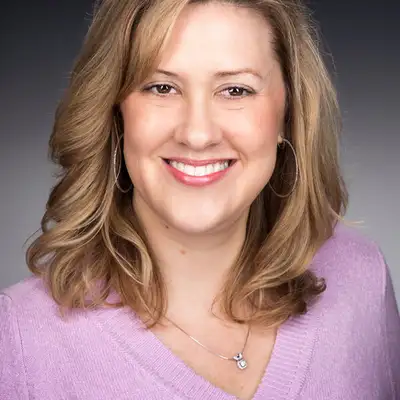
Melissa: Each autumn people flock to the North Carolina Mountains to witness the stunning sight of fall colors Along the Blue Ridge Parkway. Towns celebrate with festivals. College fans tailgate before football games and hikers seek fresh air before the cold of winter sets in last September, however, as North Carolina Mountain Communities were gearing up for their annual influx of fall foliage viewers, the [00:01:00] region was struck by Hurricane Helene.
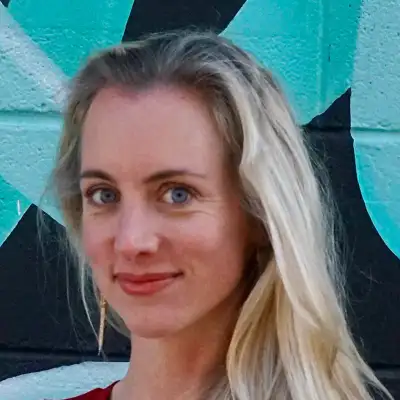
We have all seen the images that have come out after the Raging Rivers rose and fell, leaving entire towns from chimney Rock to Lansing and Boone to Lake Lure, reeling from its destruction. The entire Western Appalachian region suffered significant loss of infrastructure and residential areas, as well as the lives of over 100 people. Out of this disaster came the heart of the people of our incredible state. We witnessed the way our citizens came to together to support our mountain friends. Now, almost six months after Helene, we wanted to check in with our Asheville neighbors to get an update on how things are going and what we can do to continue to help. So today I'm chatting with Erin McKnight, who is the editor of Care Magazine and Wake Living. Erin visited the River Arts District in Asheville in January and has written about her experience and our march issues of both publications.
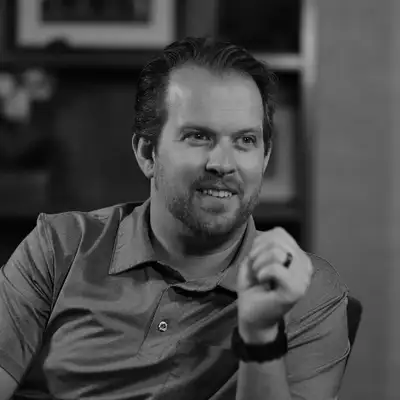
[00:02:00] We also have the pleasure of speaking by phone with Cass Santander, the PR manager for Explore Asheville. Thank you Erin and Cass for joining me today.
Cass: Thanks so much, Melissa. Thanks for having us.
Melissa: Cass, let me start with you. Can you give us a visual of how life in :Asheville looks today?
Cass: I think that's a great way to start off this conversation. We are about to start the month of March. It's been about five months since the hurricane, and I am heartened to see how much progress our community is making even in the hardest hit areas. Like you mentioned, the River Arts District, we're seeing not only businesses reopen, but businesses plan to return after they've been impacted by flooding.
And you know, I've had the pleasure from my work at the. With Explore Asheville to be following storylines as they play out. And it's so heartening to see the collaborative spirit that [00:03:00] you mentioned, neighbors helping neighbors from the early onset to now that momentum hasn't led up. We're seeing businesses share spaces with artists who lost their galleries or studios.
And just this resilient and collaborative , spirit really, really carry us through.
Melissa: Erin, you visited with several of the artists in the Asheville Arts District. How are they putting the area back together?
riverside_what's_up%20wake_raw-audio_what's_up%2C%20wake_0002: You know, I think the reason we wanted to connect with artists specifically is creatives really lead a community. I, I think the community takes its cue from the creatives. They know how to
Build back. They know how to make meaning. They know how to remake meaning. And we felt that these were the people who were really, really heavily hit. 80% of the river arts district was [00:04:00] impacted. But these are also the people who are most impacted economically when there is destruction. And so we wanted to with them. We wanted to hear their stories. We wanted to know not just what they'd lost but what they'd gained. And for many of them, it's taken time. This isn't an overnight process, but they were down in the River arts district. As soon as they were able to be, they had to go to the place where they work, where they make meaning every day and figure out a way to move forward.
Very much ahead of everyone else, ahead of funding, ahead of even press coverage. They were down there together trying to remake their lives, remake themselves.
Melissa: And this question is for, for both of you. So give us a visual here. [00:05:00] Are, are the stores having to rebuild from the ground up or. Were they able to salvage not only the buildings themselves, but the art within the buildings and the work that they, they've made?
After all the, all these years, will things ever look the same? How will things look different? I know this is a very long question, but just kind of give us an idea about the rebuilding process.
Cass: Well, it, you know, it looks different for different artists. You know, there are some spaces like the marquee that housed the work of more than 200 artists and, and masterclass people. That building was completely devastated. And yet it has plans to rebuild this year. There are studios that experienced flooding several feet of flooding.
But artists in those spaces were able to recover their work, clean up the space, and have since [00:06:00] reopened. But something also that, that doesn't get touched on is 20% of the neighborhood didn't get touched by flood water or hurricane damage. And that part of the neighborhood is still very much open and vibrant and, and eager for visitors to return and, and support the arts.
So, you know, it's, you know, there's different . Scenarios playing out in the River Arts district itself and beyond that, you know, as I kind of teed off in the beginning, other spaces across town are opening up to welcome in artists who have been displaced. I.
riverside_what's_up%20wake_raw-audio_what's_up%2C%20wake_0002: One of the most remarkable things that we experienced when we were there was people doing for themselves. It, it was very much a sense of we are going to get in and clean out, and we're going to help each other do that. We ran into so many people who were helping each other out.
Not all of them had known one another before. Helene. [00:07:00] They do now and they're bonded for life now. So there's very much a spirit of file. We appreciate the attention and the assistance from neighbors and indeed the country. We, we are going to make this better ourselves. We are going to do everything we can ourselves to help each other.
So unfortunately, you know, you can be driving. along the French Broad and, and this was in January, so it certainly will have changed since then. But you can be driving past what was once a building and is now it, it looks inside out is the best way I can put it. Mm. You know, a door lying just in what was the parking lot and Touchingly You know, a sign it's business hours and when it's open, and all these new exciting things that were to come that I [00:08:00] don't know if they'll ever come to this particular business, but then you can gaze just across the river. And the new brewery that was just built is open and is doing well and is welcoming people.
So even within a small area of land, there are pockets, . That are experiencing what Asheville experienced very differently. But there is this sense of we've all experienced this to some degree and we're all going to help each other through this experience. And while a lot of the stories were truly, truly heartbreaking, I mean this was a, a transformative experience for us. Art was being carried along. Dirty River Water, you know, artwork, things, people had dreams, people had spent their lives envisioning and creating was had, had to be pulled [00:09:00] out of dirty river water salvage as best as possible, and now seems to function for many artists as keepsakes. So there's this. The sense of the force of the water and how destructive it can be. But then within these pockets, you're seeing glimpses of renewal and thought and talk of what art's going to look like now. And though not everyone is back to making art and you know, there's a sense of we're supporting everyone and they'll do it at their pace. It's going to happen. And, and that was a very, very definite feeling. didn't need to be spoken. There's artists in their studios today making art and welcoming the public in to see them making art. Mm-hmm . So we felt very much welcome. [00:10:00] you, you want to be very careful anytime you travel anywhere that you're exploring where someone lives.
And this was a feeling that was At the forefront of our minds that these people have gone through trauma and you could feel it, but they still wanted us there. And we felt that as well, that that specialness is of Asheville and the River Arts District remains and is stronger than ever.
Melissa: Well, and
riverside_what's_up%20wake_raw-audio_what's_up%2C%20wake_0002: and
Melissa: perhaps that's what is making
This particular location of the Arts District unique is that these are artists and they can possibly do a lot of their own work and their own rebuilding, whereas I would be worthless. I mean, I can hold a hammer, but I, I, that's pretty much the extent of what I can do. So, many of these people can possibly do their own rebuilding in a way that, you know, normal people can't. Cass, are you seeing [00:11:00] that happen a lot down there? That, that, that people, the artist especially, are able to do a lot of it themselves instead of having to wait for help.
Cass: Oh, I that extends beyond even the arts community. We saw restaurants quickly pivoting to feed . People in the hardest impacted areas when there was no potable water or electricity. You know, narratives of, you know, neighbors helping each other cut down trees and restore roads before emergency responders even arrived.
I think that is a reflection of. The culture of the re region, the Appalachian tradition here has long been independent. And also at the same time, close knit. We have this land and this beautiful place in common even though we are a community of very independent independent spirits. But something that Erin said really touched me that That she caught and she captured while she was here, is that the [00:12:00] creatives of any community are leaders and they might not be the loudest people in their community, but what artists and musicians do is they help us understand the times and the moments that we find ourselves in. They put words and art and dance and music to moments that are difficult to process and move through.
And so I am hopeful that the way forward, the rebuild will be led by artists at the forefront of these conversations, especially since we know that they were among some of the hardest hit individuals in our community. And I. Our community is responding accordingly. Just this morning I was visiting the former headquarters of Moog Synthesizers Manufacturing building a long time Asheville Legacy.
Which, you know, the building is now vacant, but the owners have decided to use the space to house more than 50 artists. So it will include, you know, a collective gallery [00:13:00] space that will be constantly rotating open gallery nights, but also a really critical space for artists to continue their livelihood and continue to be part of this community.
I mean, Asheville. You know, we are, we are fortunate to have so many cultural assets, but the traditions of art and craft here are historic. You know, it goes back to, you know, we've got the traditions of woodworking, of fiber arts, of glass that speak to the history of the region. And so not only is it about building back better and visioning the future, it's also maintaining our region's identity.
Melissa: Mm-hmm . Keeping the history of, and not losing that special thing that has made Asheville so unique. I am a North Carolina native, and I've, I've grown up in the mountains. My, my family has been in Boone for decades, many, many decades. And one thing I will say about mountain folk [00:14:00] is that they really do take it upon themselves to help others before themselves.
I know in Boone Eye witnessed people helping their neighbors. And fixing their yards. And fixing their homes before they would even touch their own. And I think that that is incredibly, I mean, I, I say unique. Maybe it's not, maybe it is human nature to want to help others before you help yourself.
But it, it's just such a special thing to witness that in the act.
Cass: Yeah. And, and Melissa, I think too, maybe something that, that we saw that's worth . Amplifying in this moment. You know, our country feels really divided like, you know, people aren't speaking to each other. And for me, you know, of course the hurricane was devastating on so many levels, but the silver lining, the beauty was seeing people not care about politics or [00:15:00] differences.
And just help each other. Do you have enough water? What do you need? Can I cut down your tree? And I, I'm hopeful that that moment that we all went through continues, continues on the other side.
Melissa: So in the article that Erin has written, Cass, you mentioned that, FEMA estimates that 40% of businesses don't reopen after a disaster and that it can take two years for a community to restabilize. So I'm wondering, I know this is a very difficult question to ask and to answer, but do you, do you have an estimate of businesses that might not return long?
It might be until life gets back to normal and businesses are back up and running.
Cass: There's a lot of layers there. I would say our organization, you know, since we are funded by overnight [00:16:00] occupancy tax from, from lodging, and that's really our best indicator of the economic situation in our community because we know that folks who book room nights. 70% of their expenditures in Asheville happen out in the community.
So that's restaurants, breweries, and shops. And that even goes beyond those physical brick and mortar businesses to the supply chain, the local farmers you know, the, the malthouse that supplies the breweries. So, you know, it has a very large impact and our early forecasting predicted a 70% decline.
In visitor spend in the fourth quarter of 2024, and that amounts to $584 million. So again that's beyond, you know, hotels and tourist facing businesses. That is the small artist gallery, the brewery, and all the way to again. Individuals in our agricultural community. But there are glimmers of hope.
[00:17:00] We saw a robust holiday travel season. In fact, hotel occupancy was up. The latest number I have is from January overnight. Hotel stays were up 18% compared to last year. So the holiday travel, I know it,
Melissa: incredible.
Cass: it's really a bright spot. We are, we are celebrating that. And. Unfortunately, vacation rental occupancy, um, is, was slightly down in December, but it came back up in January as well.
So it's up three points. And we're, so we are seeing a return in visitors, but it's, it's really going to be a continued effort to make sure that, again, these small businesses and artists are supported in our community because it is, it is a long road to recovery, as you said, that that two year window and historically.
After , a climatic disaster like this one. No other place in the country lost potable water for nearly two months. That was a really hard hit for our hospitality businesses. So, but I, you know, reflecting [00:18:00] on the gestures and the progress in this short amount of time, I cannot be any other place emotionally than, than hopeful that, that we'll be, we'll be stronger and better on the other side.
Melissa: So you're, you're talking about how, visitors and, and hotel stays are up. Do you think that that is because Biltmore estate was able to open fairly quickly in terms of, you know, how, how bad things were in the area, it seems like Biltmore hopefully sustained less damage than some areas. So their, their backup and running normally, is that correct?
Cass: Yeah, Biltmore Estate sustained minimal damage relatively to the, to the region. You know, a few fallen trees. I think one administrative building was impacted, but the estate itself, the grounds are still beautiful. I was actually there with my in-laws last week and as you said, yeah, they were
Able to get back up and running in November [00:19:00] just in time for the return of their holiday traditions. Our neighbors across North Carolina showed up. We, we have some credit monitoring data that came through and showed that North Carolinians, especially during those holiday months, really came, came through and, and supported Asheville when, when businesses especially needed it.
They had lost their October sales. So, we're, we're encouraged to see the visitation continue. And it remains to be a focus to continue clarifying in the national conversation that Asheville is open. Of course, we want folks to plan ahead, be mindful about where to go, what is open and sensitive to areas that need more time.
But by and large, the Asheville experience is intact and infect. You know, more meaningful and with a deeper impact.
Melissa: Aaron, what was your takeaway from the people that you met and the things that you saw?
riverside_what's_up%20wake_raw-audio_what's_up%2C%20wake_0002: You know, I said in the article [00:20:00] that tears came quickly, hearing of loss wasn't through someone else or at at a distance. We heard a lot of stories about people who lost friends, who lost family members in ways that are difficult to fathom, but. Hugs came quickly, smiles came quickly. The community is there, and I believe the community has a texture to it.
Now, as Cassa said, there's, there's a deepening and you feel it when you're there. Yes, you can sense it's something, something has happened, but you also sense that because of it, these people are richer and. You want some of that to rub off on you. You want to speak with people, you want to understand what they've gone through.
You want to understand [00:21:00] how you can support them. It, it was a profoundly moving experience and I can't imagine anyone going to Asheville and not coming away changed. I've been going to Asheville for 20 years and all of the things I love about it are very much intact. but Asheville's different in a really, I don't know if I have the vocabulary for it.
Mm-hmm . It's, it's difficult to describe how it's changed and certainly not wanting to diminish the experience that its residents have gone through, but Asheville feels, if it's possible, older, wiser, more willing to share itself. So I have to say hope, grace, strength, courage, grit, all of the things that made it so special are still there, [00:22:00] but there's, a texture to it now.
And while we were driving home, there was, there was nothing but appreciation. I have to admit a, a sense of, I don't, I don't want to lose this, I don't want to lose this experience. Even though we were, you know, so were there for just a few days and we, we met these people and we felt changed by the experience. I think I can speak for Arla and Jonathan and say that. We didn't want to lose that experience. You know, it's almost like you, you don't want to, to wash it off, hold it on as long as you can. And I think we've all very much been, been changed by it. Truly
Melissa: Cass, the initial call to help was met with massive amounts of donations and people coming to the towns all over the mountains to offer assistance.
As we all know, life [00:23:00] moves on and people unintentionally forget that people are still struggling. So what can we do to keep the flames of, of desire to help alive? What do you guys need? What is the best way that we can continue to be supportive?
Cass: Book a hotel night,
reserve a dinner reservation at an award-winning restaurant. You can even. Go get yourself a massage at a holistic spa. It can be the best, most relaxing, give back experience of your life. Travel and tourism hospitality makes up 20% of our counties. Annual economy. And yes, of course, you know, there are many nonprofits if you feel moved to contribute to, I'd be happy to send you links after this conversation.
But right now, to sustain our community's economy, we need guests here. Booking room nights, [00:24:00] supporting local restaurants, visiting galleries, supporting artists. And you know, and like Aaron said, you're going to return home with . Some really deep, soulful insights and I'm really moved that, that you were able to see and experience that as well.
It, I feel like I'm being mirrored right now, like, because it's my day to day, it's my life. I'm encountering so many empowering stories of resilience, but hearing it through your eyes is, is really beautiful. So yes, come into our community plan, your dream getaway. Choose your own adventure. Go for a hike, see some waterfalls.
Go out, go on a guided forest bathing experience, or you know, go to an immersive art gallery. And if you wanna give back, there are volunteerism opportunities. We have those listed on our website. You can help with river cleanups or food distribution efforts to areas of the region that are harder hit.
Of course there is, there's [00:25:00] a lot of work to be done, but by and large, . You can still have an amazing time traveling to Asheville, and you'll walk away with, you know, a full heart. A full belly because we've got great food, and, and some inspiration. You know, I think I, I see a lot of fatigue from, from the news and you know, just our life so plugged into technology that coming here is a very grounding experience.
And now seeing people who lost their livelihoods, still maintain their creativity and, and push even further and innovate beyond is nothing. , but, but inspiring, you know? So good for the soul.
Melissa: So really bottom line is Asheville is open for business. You guys want visitors? You're gonna welcome visitors. Tell us what is your website? You mentioned the, the volunteerism. I think that that is an amazing way to kind of get our cake and eat it [00:26:00] too.
Enjoy it. Get getaway, but also feel like you're leaving, being helpful in some way.
Cass: So our website is explore asheville.com, and there's a link at the top that says, plan your trip with heart. Of course, encouraging folks to, you know, if there's a restaurant that you've heard about that you know you've been wanting to check out, or a hike that you, you know. You've heard is so beautiful.
Make sure that it is open because there still are areas that are, that are needing time to reopen. But yes, our listing of all tourism opportunities, they're all local nonprofits that have experience working with travelers and there's even some that will pair a give back experience with, you know.
Beers at a brewery afterward. You know, you can Clint glasses and celebrate your good deed. But more than anything we just, we would love to see guests come back and, and be part of what really feels like a historic moment. I.
Melissa: Thank you both so much for giving us this Asheville update today. Cass, please give our best to everyone in your area and please do reach out if you think of [00:27:00] anything else we can do to help other than just getting ourselves to Asheville to visit.
Cass: Hope to see y'all here soon.
Melissa: Please be sure to pick up a copy of the March issue of Wake Living and Kerry Magazine to read The Art of Restoration Asheville's Rad Renaissance. It's by our amazing editor, Aaron McKnight, and photograph by Jonathan, our photographer, and I, I can't wait to see it all put together. So pick up a copy.[00:28:00]