Subscribe
Share
Share
Embed
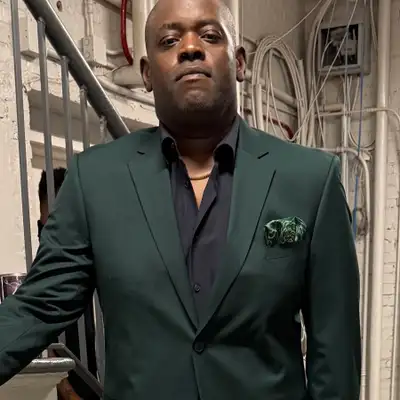
This series shares the stories of Macon/Central Georgia nonprofits, giving them a platform to raise awareness of their causes and highlighting their role in the Macon community.
Hello, everyone, and welcome to Ripple Makers here on streamthecreek.com. Charles Davis over here, Susie McHawan over there. Good afternoon, Susie. How are you?
Susie Cowan:Good afternoon.
Charles Davis:Today's episode is all about getting outside. Yes. We know the weather in Georgia can be tricky sometimes, but there are places for you to get up and get out and do things to where you can be outside or inside no matter what you're doing. And we have two great organizations on our show today to talk about those things. Number one, we've got our friends from Macon Pickleball coming out to talk about all the great things that they have going on.
Charles Davis:And then we have Bike Walk Macon coming in to talk about all the great things they're doing with the open streets initiatives and things like that.
Susie Cowan:Doing great work.
Charles Davis:So it is it is a great great thing with that. Do you own a bike, Susie?
Susie Cowan:I do, but it's not with me.
Charles Davis:Okay. So for some reason, we need to change that and we know people that can change that. I have a bike at the house, but I'd probably get the tires changed because they're probably a little old. But once again, we know people that do that and doing that and with all the things that they are doing to expand usage on the streets is a great thing. Then with our friends from Macon Pickleball, all the things that they are doing to elongate life with physical exercise and social activity.
Susie Cowan:And quality of life.
Charles Davis:Yes. Yes. So can I wait for this episode? So let's get into it. Susie, quick question for you.
Charles Davis:What do you know about pickleball?
Susie Cowan:I know it looks fun.
Charles Davis:Agree with that. I I think I've heard before. You you played tennis before?
Susie Cowan:I did as a child.
Charles Davis:Okay.
Susie Cowan:I played a lot of tennis. And with these old knees and the pickleball court is smaller, it looks awfully appealing.
Charles Davis:Okay. So we now bring in our good buddy JR representing Macon Pickleball in the building today. Let's get into this. As you said, I'm trying to teach Susie about all the things that is related to Macon and why the city is the way that it is right now. So Susie, the floor is yours.
Susie Cowan:Alright. Well, welcome to the Creek Studios. I just wanna learn more about what is pickleball and why is it so dang popular.
John Roberts:Well, pickleball is the fastest growing sport in America, Susie, and has been for five years running. It's a great activity whether you are entering those golden years or still approaching them like I am or if you are even younger. It's a tremendous physical activity first of all. Like I said, even if you've been sedentary for a number of years like I had before I started playing, it has a very low barrier to entry. And it's one of those, similar to golf, super easy to learn, lifetime to master.
John Roberts:Right?
Charles Davis:Yeah. Yeah.
John Roberts:It will will very much trick you in the early going that it's going to be very easy forever. And as you continue playing, you you you see all of the the nuances to the game and how much how much more cerebral
Charles Davis:It is.
John Roberts:Than at first at first glance. But even beyond the physical benefits, the social benefits of pickleball are what has really drawn me deeper into it and made it such a deep part of the fabric of my life. When I started playing, was solely to get a little fitter. But what I found there in the the people that constitute the pickleball community in Macon was so much more than just a physical activity.
Susie Cowan:What are the most common misconceptions about pickleball?
John Roberts:That it's only for old people.
Charles Davis:Yeah. That's one I've heard a lot of.
John Roberts:Pickleball was created in the nineteen sixties in
Susie Cowan:Oh, wow.
John Roberts:In Washington State on Bainbridge Island by two families who were on vacation trying to keep their own children busy. And it grew at sort of the grassroots level through public education classes and specifically through, popularity in retirement communities. Again, at very much of the grassroots level, it just sort of radiated out from those places into other communities. And Macon was very fortunate to have people like Woody Owens, Paul Midkiff, Joe McDaniel on the front lines of that growth to the the city leaders starting to take notice when we began playing on the junior tennis courts at Tattonnell Mhmm. When Tattonnell was still a full tennis court facility and making the decision in 2019 to give us dedicated courts at Tatnell.
John Roberts:And we had a dedicated facility with 17 beautiful pickleball courts that opened on 03/06/2020, which for our students of history will know that that was that was an ideal date Yeah. Yeah. To open a
Charles Davis:Whole world changed.
John Roberts:A new recreation concern. JR. Yes. We came out of that lockdown and social distancing was still a huge component of how we were living our lives then, pickleball, you're already six feet apart It
Charles Davis:gave you that.
John Roberts:From anyone you're playing with. So it really boosted growth that was already happening. We saw an enormous explosion, in pickleball participation and everyone was desperate for fellowship and camaraderie again. And pickleball is a sport first, but it is an activity above all else that is built on socializing and fellowship with your fellow humans. That space at Tatnell at that moment in history really allowed the city leaders to really double down on it, invest in the renovation of the Macon Mall and the creation of Rhythm and Rally, the world's largest indoor pickleball facility.
Charles Davis:It did say the world.
John Roberts:Hosting tournaments, 16 plus a year. We just last month hosted the PPA, the Professional Pickleball Association for the first time
Susie Cowan:Wow.
John Roberts:In Macon. Brought over 500 players from 37 states and 15 countries into
Susie Cowan:Macon. That's fantastic.
John Roberts:So the power pickleball has to bring people together, but also to tell the story of Macon, to have city leaders with the vision, to see that too and invest in it the way they have and be as supportive as they have. I pinch myself pretty regularly about the the great fortune that we have.
Charles Davis:Yeah. No. To have the rest of the world kind of recognize that as well because you don't see an organization bring that many people down for a a tournament in a place for without them recognizing the space that it has and what the rest of the community can talk about. You've you've kinda mentioned a bit about the the spaces that you all have and the courts that are available for people. But kinda get into a little bit more about like having that big of a tournament down here.
Charles Davis:How do you think making pickleball has created the space to where the economy is benefiting locally from all of the things that are happening with pickleball in this town?
John Roberts:Through those years, what we heard from people as we were ramping up tournament operations and bringing people to Macon to play pickleball was that they could play pickleball increasingly almost anywhere in the state, but that there was a specific atmosphere, a specific emotion that evokes when they come to Macon that is unlike what they have at their home Mhmm. In their home community or anywhere else they play. And that has continued to bring people back over the last decade. The more they return
Charles Davis:Mhmm.
John Roberts:That's more heads in beds. It's more people shopping in our shops, eating in our restaurants, and increasingly I hear people talking about looking at real estate. As Gary Weed always says, how do we turn those visitors into residents?
Charles Davis:Exactly. True.
John Roberts:It's an increasing there's increasing growth on that side of it because especially as these people who have been playing for the last decade who were in their fifties then are hitting that mid sixties magical retirement age, they are increasingly turning their gaze to Macon because pickleball is such a big part of their life already.
Charles Davis:And Why not be in the space
John Roberts:that has the community pre built that they can plug into Yeah. And engage more deeply
Susie Cowan:with it. That's so fun.
Charles Davis:Okay. Now I've been told that and I know you are very God, I'm gonna do this. A very punny man. Give me your best pickleball pun.
John Roberts:Well, I'm kind of a big deal, Charles. And I don't know if I can come with a ready made pun, but I do relish the opportunity. It I mean, we're not live on the air, so I'm less concerned about keeping it kosher. But I will say that everyone should stop gurking my chain about it only being for old people and get in on the pickleball action as quickly as possible. I'm sorry, was a little light on the puns, Charles.
Charles Davis:I think you gave me yeah. You got like like five bell rings off of that and so they were all very appropriate. No. Like I said, to see this community grow so much in the time that has been in Macon and to see it become renowned across the world as a place where people want to come and play this incredible game and it is because of of people and and and the people that are connected with Macon pickleball and what you are doing is amazing. So thank to thank you to you and everybody associated with Macon Pickleball for what you all are doing.
Charles Davis:So if somebody want to get involved and become a member of Macon Pickleball, how would they do that and where are the some of the courses they could possibly play at to experience the membership and get all the benefits of it?
John Roberts:You can go to makingpickleball.org and sign up right there. It's also a Macon Pickleball Facebook page. There are some great benefits to membership, social functions, some Macon Pickleball leagues that take place at Tatnell Square Square Park, other round robin events, things like that. Macon Pickleball also annually hosts the pinkest pickleball party on the planet. Okay.
John Roberts:It's in March every every year while the blossoms are blooming. Mhmm. It is their main fundraiser for the year to continue their programming as well as provide a little to the kitty for additional nonprofit Yeah. Donations.
Charles Davis:Now, normally with every organization we have coming, we have them bring in a song that represents the organization. So what song has Macon Pickleball chosen for today?
John Roberts:We're representing Macon Pickleball. I'm gonna take it back to the pandemic. I wanna dance with somebody by Whitney Houston. We produced a we produced a parody video during the pandemic that's still on Facebook called I wanna dink with somebody that has all the members of Macon Pickleball, or not all, but a number of Macon Pickleball members at the time. And, Olivia Walter and I took a camera around to houses.
John Roberts:This was literally during lockdown. So we had to stay 10 feet away from everyone and film random positions of people isolated, dinking by themselves or dinking with a member of their household over dining room chairs, etcetera. And the the lyrics were all tweaked.
Charles Davis:I I don't know if you know this about about me, but I am a almost rabid devotee of Whitney and anytime Whitney Houston can be played over the Creek Airways or or or other streaming podcast or any Airways possible.
John Roberts:Let's light it up.
Charles Davis:I'm here for that and the fact that you changed it up, I'm just I've just I'm I'm I already love you already, JR, so you know that. But now I love making pickleball even more and and maybe I might try to get out there and play because my knees ain't that bad now. And for the fact that y'all are using Whitney Houston to promote pickleball, I'm here for it. So thank you. I appreciate that, Joe.
John Roberts:Thank you, my friend.
Charles Davis:Welcome back Charles and Susie here. So Susie do you ride bikes?
Susie Cowan:I mean historically yes it's maybe been a little few years.
Charles Davis:A little few years since you've been on a bike, no that's fine. Mean it's bikes are normally a big part of our childhoods so for some people not big parts of their adulthoods, but in cities that we live in and and the way gas prices are right now. That's right. All sorts of transportation modes are being taken advantage of right now and in modern cities it can get a little crazy to do so. So I'm so glad that we have who we have in the building today to talk about it because as much as you might not know about Macon being new Suzy, this is not a new organization, but something that has made a huge difference difference in in our town and and what has become the great city of Macon that has become over the past few years.
Charles Davis:So introduce who we have coming in the building today.
Kaylee Pruitt:Alright. Kaylee? Yeah. Hey. I am Kaylee Pruitt.
Kaylee Pruitt:I'm the executive Director of Bike Walk Macon.
Susie Cowan:Tell us more about Bike Walk Macon.
Kaylee Pruitt:Okay, so Bike Walk Macon is Macon's first grassroots nonprofit that seeks to make it easier to get around Macon without a car. So that's whether you're biking, walking, rolling, taking public transit. We want to make that safe and accessible for everybody no matter how they choose to get around. You were mentioning that it's been a while since you rode a bike. One of my favorite things to tell people is like the saying, it's like riding a bike, is not true.
Kaylee Pruitt:Can It be so intimidating to get back on a bike as an adult. Yeah. But that is also something we help with. We have a great education program where we help people get comfortable and get back on and explore this other way to get acquainted with your city and that might not be through a car. Slow down a little bit and enjoy Macon.
Susie Cowan:Okay. Let's take a step back and talk about like exactly what is Bike Walk Macon?
Kaylee Pruitt:Bike Walk Macon was founded in 2015 and it started out as an emerging city champion grant with Rachel Umana and she really just wanted to see how she could get people on bikes enjoying our city. It started as just like bike rides, bike group, it was called Bike Macon. And then it's just grown into this large advocacy group where we want our streets to be accessible and safe. Macon has one of the highest pedestrian fatality rates in the nation. We rank fourth for the worst drivers in the nation per capita.
Charles Davis:Yikes. Why does that not surprise me, Kaylee? But anyway, continue on.
Kaylee Pruitt:We don't wanna ban cars. That's not what we're about. We just want our roads to be safer for every type of user, whether you're biking or you're driving.
Susie Cowan:That's great.
Kaylee Pruitt:One third of our residents in Macon actually don't have access to a driver's license or a car. And this is why we need to focus on increasing access and educating our public on why we need safe active transportation options for people in town. The yearly cost of owning and operating a vehicle can be as high as $86,000 a year or roughly $700 a month. So a lot of times people are having to choose between safe housing and safe transportation, and they're gonna pick the car. So it perpetrates poverty.
Kaylee Pruitt:So we really need to give people safer options so that if they don't have the ability to have a car, they're not choosing between housing and having to get a car.
Susie Cowan:Bicycling in an urban environment can sometimes be intimidating. What advice do you give to people maybe haven't been on a bike as regularly as some who are interested in using a bike as means of transportation?
Kaylee Pruitt:It is intimidating to ride in an urban setting, especially if it doesn't have enough infrastructure or like protected options for you to feel safe, to feel like you're separated from cars. So what I recommend is like we do monthly events where we host a group bike ride called Macon Bike Party. And it's a really great opportunity, all skill levels, we host it year round. And it's a really good opportunity to come, get your feet wet, we ride on like College Street.
Charles Davis:Yeah. Yeah. I've seen those those routes before. One of the things that to me kind of solidified and put bike walk making in people's minds and peripheries is when y'all started doing the open streets Yes. Thing.
Charles Davis:Kinda talk about how that started and where you are where you guys are with that right now.
Kaylee Pruitt:Sure. So open streets we held our first open streets in 2016. So we just came up on ten years years of open streets. And what that is is we close, several miles of road to cars and open it up to the public and turn these streets into giant paved parks. Streets are for everybody.
Kaylee Pruitt:They're not just for traffic. So we want to use them as community connectors. When So we take cars out, we let people come out, take over. They can enjoy. They can connect with their neighbors.
Kaylee Pruitt:And we try to host them along with projects happening in town. I know there's a lot of work happening to reconnect Pleasant Hill. So that's why last year we hosted one on connecting Pleasant Hill, Tattonville Heights, and Bells Hill. So we try to highlight these communities, bring them back together, because when you're inside a car, it's hard to really see the city, but when you're outside connecting with your neighbors, it's a much more beautiful thing.
Charles Davis:Yeah. Especially in those neighborhoods, like you said, that Bells Hill area, the Pleasant Hill area there, they're very historic places, very beautiful neighborhoods. But as you say, as you're riding down the road, you're just purring and you're not really paying attention to it, but this does open up, a lot more of that. And if somebody is listening to this right now and going, you know what? This sounds like something I really would want to be involved in.
Charles Davis:How could they get involved in being a volunteer and get involved with bike walk making?
Kaylee Pruitt:Yeah, we always need volunteers. There's a tab on our website, a volunteer tab, and you can just reach out to me directly and I'll add you to our list as things come up. And we always have opportunities for people to get involved with bike walk making. In the fall, we have our new initiative that will be in our third year, so I guess it's not really new anymore, but called Big Bike Ride. And that is an event where we take over the street.
Kaylee Pruitt:We want as many bikers as possible to come out. Last year, we had about 200. And we go visit new infrastructure projects that are happening, new park updates, things like that. We stop. We have local government speakers, local representatives telling us like these are the things you can look forward to.
Kaylee Pruitt:So that one happens in November and then we pick back up in the spring and we're super busy. So in March, we host Streets for All Fest. So that is a weekend of biking and walking celebration. We have several partners that come out, offer free events. And then May is Macon Bike Walk Month.
Kaylee Pruitt:So that's also a very busy time for us where we just celebrate, again, biking, walking, rolling, encouraging people to take public transit. We do Car free day. So I'd say those are our biggest initiatives right now.
Charles Davis:What what has the impact been of what Macon has been doing that has put us on a much bigger stage, for lack of a better term, as far as the work that we're doing down here for mobility and access for people.
Kaylee Pruitt:Before Bike Walk Macon started, I believe we had less than a mile of bike lane, and I believe we're up to 15 miles of bike lane. Some of it's disconnected, but one of the really big things that we're doing is connecting to the Olmeca Heritage Trail. And anything that is a bike lane is considered trail. People really love to support the trail. Where sometimes if you're saying you're putting in a bike lane, it can be a little divisive to a driver.
Kaylee Pruitt:If you say like, we're expanding the trail. People love to support the trail. So we've really leaned into that. Our traffic calming initiatives also have been recognized throughout, taking, you know, using art to draw attention to pedestrian spaces like crosswalks, drawing attention to that. So we definitely go and we speak about that at conferences and things.
Kaylee Pruitt:People really love to hear that. It's just a creative way to keep the streets safe while adding personality to our city.
Charles Davis:What are your hopes and dreams for your time being the the head honcho of the organization?
Kaylee Pruitt:Yeah. So I started full time with Bike Walk Macon in 2021 as the education engagement manager. So I was doing a lot of our community events, planning, organizing our education program for bike and pedestrian safety. But watching Rachel really get into the nitty gritty of advocacy and advocating for our most vulnerable road users was something that I really liked. So I was very thankful.
Kaylee Pruitt:She was an amazing teacher. She kept me involved with everything she was doing. So as she was leaving, we talked about it and she set me up for success to take over that role. So I'm very excited to get into advocating for safer streets, not just planning like open streets in our monthly events, but actually doing the policy work and getting involved with making real change, permanent tangible change.
Charles Davis:As part of the show, every single episode, we we ask you all to bring in a song. A song that fits what you all the the mentality and the and the feel of of your organization. So for Bike Walk Macon, what song did you choose today?
Kaylee Pruitt:So I chose one that was a little different. You know, of course I thought about Bicycle by Queen, but that seems very on the nose.
Charles Davis:Love that song though.
Kaylee Pruitt:Yeah, everybody does. It's a great song and it's very appropriate for Bike Walk Macon. But I actually wanted to change it up and I picked Waiting Room by Fugazi. Why? Yeah.
Kaylee Pruitt:Well, one, because I love that song.
Charles Davis:Okay.
Kaylee Pruitt:It pumps me up when I'm on the bike. Yeah. But I also feel like mobility advocacy is about taking charge and not settling for the status quo. It's about refusing to accept the things that we can't change. And I feel like this song definitely embodies that.
Kaylee Pruitt:The beginning feels like he's being left behind, but then he decides to take charge like in the line, but I won't sit idly by. I'm planning a big surprise. I'm gonna fight for what I wanna be. And I think that definitely feels like Bike Walk Macon's trajectory. And how sometimes things happen around us that might set us back, but we continue to fight for what we believe in and we want to keep pushing Macon forward and making it better for everybody.
Charles Davis:Oh, I like that.
Susie Cowan:That's fantastic.
Charles Davis:Thank you so much, Kaylee, for being here and talking to us about bike walk making and and and getting all the information out. And one more time for the people, give the website so they can check out all the information that they need.
Kaylee Pruitt:Yeah. So it's bikewalkmaking.com. I also want to plug that if you want to support our work, our advocacy work for mobility advocacy, please join as a member. Memberships start at $25 a year. So it's very accessible.
Kaylee Pruitt:Of course, it goes up from there and we'll take your money. We'd gladly love to have you.
Charles Davis:All right. Thank you so much for being here.
Susie Cowan:Yes. Thank you.
Kaylee Pruitt:Yeah. Thank you, guys.
Charles Davis:Okay. We wanna thank both Macon Pickleball and Bike Walk Macon for being on the show. Okay, Susie. After doing these two interviews and finding out things, I now know you have access to everything that you need to do to ride a bike in this town and to play pickleball in this town.
Susie Cowan:We it's time. Let's do it.
Charles Davis:So we're gonna make sure that we do all of those things, and you all should too as well. Anytime you see anything that Bike Walk Macon is doing, experience it because what they are doing is really cool with how they're doing the open streets initiative. And if you need a new physical activity, listen, your knees ain't that bad. Okay? And there are I'll say this, there are 80 year olds playing this game.
Charles Davis:Yep. Okay? So play pickleball. No excuses for you. Play pickleball.
Charles Davis:We wanna thank both of them for being here and we wanna thank you all for listening. So for everybody associated with Ripple Makers, I'm Charles Davis. That is miss Susie Cowan and we will see you all next time.
Susie Cowan:See you. Ripple Makers is a podcast by Creek Media hosted by Charles Davis and Susie Cowan. This show is produced and edited by Big Hair Productions. Follow us on social media at streamthecreek. Engage with us, like, subscribe, share with a friend.
Susie Cowan:Be sure to stream this and more podcasts you may love at streamthecreek.com.