Subscribe
Share
Share
Embed
Talking all things horticulture, ecology, and design.
Welcome to the Good Growing podcast. I am Chris Enroth, horticulture educator with University of Illinois Extension coming at you from Macomb, Illinois, and we have got a great show for you today. We are gonna be talking with Illinois state climatologist Trent Ford about kind of what's happened this year and what might happen later in the year. And you know I'm not doing this by myself. I'm joined as always every single week by horticulture educator Ken Johnson in Jacksonville.
Chris Enroth:Hey Ken.
Ken Johnson:Hello, Chris. It's good we're doing this because I'm tired about weather and no rain.
Chris Enroth:I know. I can complain to Trent now. Yeah, I think after we complain to Trent, things will change because he has that power. He has that authority to make the weather change. Right?
Chris Enroth:Isn't that isn't that what that's why meteorologists always get such a hard rap because they're like, I'm just reporting what the models are telling me what's happening. Yeah, but Ken and I, we were before the show talking about some of the plants we were putting in the ground this fall and boy is our soil dry, at least here in Macomb. I mean, it's just, it's hard as a rock. I chip it into a powder and I put plants in and then I watered them as best I could. But honestly, after this, I'm headed right back outside with the hose in my hand to water some of these shrubs and things that we put in the ground.
Chris Enroth:Because I was expecting a bit rain and we never really got it this last weekend. How about how about you Ken?
Ken Johnson:Same way in Jacksonville, nice and dry. Had a we watered areas we're going to plant first so we could dig. We've been watering every night. We kind of gave up watering for a little bit because most of the vegetable garden died but not looking forward to getting back into the watering multiple times a week routine.
Chris Enroth:Oh yeah, no, it's not looking good. Really for us, I'm looking at some of our trees that have already started to drop lots of leaves. Some of them even skipped the fall color phase and have just gone right into leaf drop. Our ash has started to do that. I mean, that's just our we have a white ash typically turns purple to yellow colored and it's not even doing that.
Chris Enroth:And I'm got leaf piles already. So it's an early leaf drop tree species in general, but usually I get some color and I'm not getting any of that this year. So have you seen any early leaf turn in Jacksonville?
Ken Johnson:Yeah, there's some trees here and there starting to turn. I think stuff in our yard. Well, we've got one of the Crimson King maples that's pretty much dead. It's planted too deep and it's got bark falling off.
Chris Enroth:I mean, oh, darn.
Ken Johnson:I am very excited. I I think those trees are ugly. I think I've said that many times on this show, but Yeah. I think that's the reason it's dying. I mean, the drought doesn't help, but Mhmm.
Ken Johnson:It's it's almost bare. Now we've got other trees in in the neighborhood starting to drop stuff already.
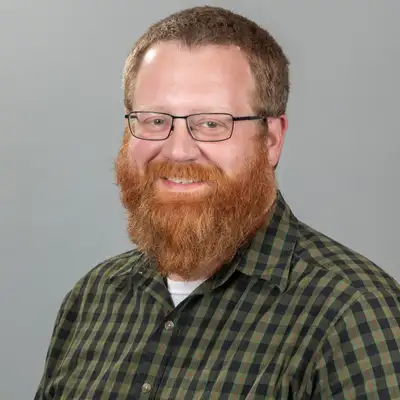
Chris Enroth:Yeah. Well, it's it'll be the season pretty soon. So well, I I mean, we we should introduce our special guest for today so that we can, lament altogether and Trent can make us feel better. So please welcome Illinois State climatologist Trent Ford. Welcome to the show.
Trent Ford:Yeah, thanks guys. Yeah, I'm glad that it's a podcast and not taking calls because I think that it'd be the same kind of thing where people just call to complain about what happened this year.
Ken Johnson:So exactly.
Chris Enroth:Yes, yeah. So I mean, we do have a lot of questions kind of about this year. So I'd say Ken, could you just kick us off please? Because we just want to dive right into this right away.
Ken Johnson:Alright, we've we've kind of hinted at this already, but what's up with the weather this last year? So we had almost no snow, at least in this area. Droughts in the spring, some rain in July, and dry again. So what's going on with all this?
Trent Ford:This year has been weird and and yeah, you say that about every year, but this year has been has been particularly strange. Like you mentioned, going back to last winter, we had very little snow all across the state. In Champaign, we had seven inches total for the whole season, which is actually the lowest on record, and those go back to '18 to 1880s consistently. So really weak winter, and yet it got cold enough to zap a lot of the peaches. So we have kind of the worst of both worlds.
Trent Ford:We don't get the snow, but we get the the damage there. And then yeah, you're right that I mean the spring was was wet until it wasn't. April and May started the dryness. It really intensified in June across much of the state. Sitting right around July 1 in my office thinking to myself, okay, things are looking really bad.
Trent Ford:We're on the precipice of like a 2012 because the odd thing about this spring, and again including June in that, was that it was extremely dry, but we didn't have the heat. The flow was predominantly out of the Northwest or just directly out of the North, so it fairly mild temperatures for most of that spring and early summer. It just wasn't bringing us any rain. The air was extremely dry, so that was at least some some benefit that we didn't get the the real extreme heat, but it was still very dry. Very it was getting extremely dry in some places, and I think it was Quincy that had its second second or third driest April through June on record.
Trent Ford:And again, those records going way back so. And then yeah, we you're right that we caught some really beneficial rain. Mean it completely saved the corn crop in July. Not everywhere, course, because you can't say everybody did good this year, but but I mean there were some places that there may not have been a crop without that, and so we caught some really beneficial rain in July. And that was for most people.
Trent Ford:And then in August it was it was spotty. Southern Illinois got inundated. Parts of Central Illinois got some help. Northern Illinois had stayed dry and I think Freeport had less than an inch of rain for the whole month of August, which is, you know, about three inches below normal. So and then you're right, and then since then it's it's gone back to a drier pattern outside of a few places and and you know when we expand beyond Illinois.
Trent Ford:It's been dry for much of the region. In fact, West of us in Missouri and Iowa, it's been even worse than what we have, and we've seen the culmination of that now in the big rivers, and we're talking about saltwater intrusion into the New Orleans municipal water supply and big issues from that. So, and in places in Western Illinois and Missouri and Iowa, this is tacking on to last year, which wasn't particularly wet, and so we've actually strung together a number of years now where it's been pretty dry. So you know, it's been an odd year as we transition from La Nina to El Nino, those patterns. And so yeah, I mean, I'm hoping we we we we come back into maybe a little bit of a normal just quote unquote normal spring summer pattern next year because you know we had that prolonged five year period of 2014, 2019, where it was extremely wet for the over that whole period.
Trent Ford:And what we did is we flooded, but we also built up our groundwater reserves, and our water tables were high, and things were looking okay. And what we've done over the last few years is just zapped all of that. So what that means is we're coming back into this next year, 2024, in a pretty vulnerable state as far as drought's concerned. And if things are just as dry in 2024 as they are this year, we're going to go downhill real quick. And so that's something we want to watch for is, you know, the best prescription right now is a cold and snowy and wet winter as much as people may not want to hear it.
Trent Ford:Yeah, it's definitely been an odd year. And I was extended answer there, but it's been a really strange year.
Ken Johnson:Sign me up for the cold, wet, snowy winter.
Chris Enroth:It's gonna sound like Ken is on board for that.
Trent Ford:Yeah, me too. Me too. Especially given last year you know it was just so terrible. Got a new sled and everything and it just, you know, couldn't didn't see the light of day. And so I think I think you know I I unfortunately the outlooks that as they are now aren't necessarily painting that picture, but as we can talk about, maybe there's some.
Trent Ford:There's some reason to perhaps doubt some of the outlooks a little bit so.
Chris Enroth:So Trent, I know you you do work lot with farmers and you mentioned how that July rain really came in and saved the day. But yeah, it's weird. July is usually dry for us and it was our rainy season. So but driving, I recently went over to Champaign from a comb last week and I saw just some incredible variability still even in the in the different crops, especially in Mason County, where it's mostly sand soil. So it dries out very quickly there.
Chris Enroth:The, some of the corn crops, especially on the edges of all the, that center pivot irrigation, they look pretty rough. But have you gotten any feedback or any responses from maybe our farmers this year about that status of crops? What's harvest starting to shape into? What's happening out there in the fields?
Trent Ford:Yeah, you know, right now it's kind of the early reports and and it seems like every year it's it's variability is there where there are some folks around here in in in East Central Illinois around the Champaign area who are doing so far. The early reports are pretty good on corn, especially you know it's all about pretty good with respect to the perspective there. When we're looking at July 1 and some people are wondering if if they're even going to make it to September. They're not going to have to chop for silage before then. It looks pretty good, but even even beyond that, some folks are talking about above line, above trend yields in some places.
Trent Ford:Now it's again, it's spotty and it's likely going to be that way because when we're dry, just consistently dry like a twenty twelve or an 88, everybody's hurting and it's pretty easy to forecast yields. And when we're extremely wet, it's sort of the same way. But this year we were dry and then some folks got some relief but not others. And so yeah, you're going to see that the heavier soils, the higher water holding capacity, those healthier soils are going to do a lot better than some of the lighter soils. Like you mentioned, the sand in Mason County that isn't irrigated.
Trent Ford:So I think variability is going to be the keyword, but statewide it seems like so far Illinois is doing a little bit better than maybe there was expectations in July. But it'll be interesting because you know, like I said, further West in Iowa and Missouri, they they were a lot drier than us and they didn't get the relief in July as much and certainly not in August. And so it'll be. It'll be interesting to see what the how the whole kind of crop shapes up as we get October, November.
Chris Enroth:And I've been just kind of, I've been a fanboy of The US drought monitor this year. Feel like it's number one Google search for me. So I I've just been watching it constantly. And I've I have noticed that, like, Western Illinois, especially Quincy, as you mentioned, they just seem to be on that that cusp of extreme drought all summer long. It go it gets there and it kinda edges its way back out at Illinois, but it just seems to be.
Chris Enroth:That's where it seems to be entering the state.
Trent Ford:Yeah, it just can't that so. So I'm I'm I lead the team for the drought monitor weekly updates and and it's the drought monitor author's job to actually draw the lines, but we give them recommendations from the state of Illinois. We work with partners in Missouri and Iowa and all of our border states and and yeah, you're right. I mean it was one of those things where where Quincy strung along a drier year and and they just could not get enough rain to really justify pulling back those lines. And anytime you'd go from like an extreme drought to a severe drought, a D3 to a D2 or a D2 to a D1, then they'd go into a two week period where they wouldn't get any rain here would come right back again.
Trent Ford:Know advancing over the river. So yeah, it was just one of those things where it just could not not string enough rain together to really get them out of drought. And like I mentioned, that part of the state Quincy to maybe just West Of Jacksonville, not not quite far far Jacksonville. That area has been. It hasn't just been a dry year.
Trent Ford:We can really go back to maybe eighteen to twenty four months now of some pretty significant dryness, just not getting enough rain to keep up with climatology. And so you know it's what that means is again those groundwater reserves, the water table is down in those places quite a bit. And so it just takes a lot of time and a lot of wet weather to bring it back up.
Ken Johnson:So in addition to the to the drought, another thing that's been talked about a lot weather wise is El Nino being like strong this year. So I guess for listeners that aren't familiar with El Nino, what is El Nino? And kind of how is that going to influence our weather here in the Midwest potentially?
Trent Ford:Yeah, that's been a big thing. So we've transitioned. So the last three winters we've been in La Nina, triple dip La Nina, which is sort of the other phase of the El Nino Southern Oscillation, and now we've transitioned to an El Nino, and you're right, that's all the talk when it comes to weather. What El Nino is is one phase of the El Nino Southern Oscillation, which is just a two to seven year pattern of variability in sea surface temperatures out in the Tropical Pacific, and during El Nino year there's unusually warm sea surface temperatures moving from off the coast of South America across the Tropical Pacific to like around Tahiti and where that warm water is and how warm that water is can affect where the dominant jet streams in the Northern Hemisphere flow, and therefore kind of our weather and climate, and the largest impact climatologically from El Nino or La Nina on our weather here in Illinois is in the wintertime, So that's where it really kind of comes into its own. So knowing that, okay, we're in El Nino, the forecasts show that El Nino will likely stick with us, if not intensify throughout the winter and the fall.
Trent Ford:What that tends to bring, I say tends doing a lot of work there, but what it tends to bring is a warmer and drier overall winter, across the state of Illinois. Now, what that means, that tendency is you take all of the El Ninos that have happened over the last fifty or seventy years or so, and you average them together, and that average, the three month average temperature and a three month total rainfall or precipitation total, and so what that means is that the tendency is that kind of warmer, drier than normal conditions. However, El Nino is just one important, but it's just one thing that's affecting our climate this fall or this winter, and so the variability from year to year, variability across El Nino years is really important to acknowledge because, you know, the opposite phase, the La Nina phase, tends to bring us cooler and sometimes wetter than normal conditions, especially across Southern Illinois, and we saw from last year we didn't have that in the wintertime. It was a very warm winter and it was wasn't excessively wet and certainly we didn't get that much snow. So what that means is is that we use El Nino to give us some mode of prediction because people want to know what's coming, and certainly for things like energy companies of how much heating energy they're gonna need, things like that can be helpful, but with that being said, the tendency of warmer and drier doesn't necessarily hold true for this year.
Trent Ford:In fact, I hope it doesn't because that's really not what we need. We could use a cooler, wetter winter, but that's kind of what we're looking at for El Nino. So, I mean, we'll see what that, how it plays out, but I wouldn't be surprised if, you know, NOAA's official winter outlooks come out next month in October, and I would not be surprised if it shows that warmer and perhaps drier pattern over much of Illinois because they're really leaning into El Nino because it's just one mode that they can kind of hang on to and say, okay, this gives us some indication of what we could see. So that's what I mentioned, like, you know, you see that the red map or the brown map showing warmer or drier. It doesn't necessarily mean that we're locked into that.
Trent Ford:We read into that that this is a tendency, but there's a lot of variability on top of it. So we kind of have to see how winter shapes out, which I know is not a really satisfying answer, but unfortunately that's the world of climate prediction when we're looking, you know, two or three months ahead of time.
Ken Johnson:It depends. It's our favorite.
Trent Ford:Depends is a great, yeah, it depends. Yeah. Isn't that
Chris Enroth:one answer?
Trent Ford:Yeah. Yeah. Well, it depends. Like what what tree should I plant here? Well, that depends, you know.
Trent Ford:And yeah, it's the same thing here. It depends on lots and lots of things. So yeah, it'll it'll it'll definitely be interesting. One thing I know though, one thing we like to, I like to kind of key in on is what is already existing. What's already existing is some very dry soils across the Midwest.
Trent Ford:So what that means is is that if we don't want to go into the spring in a bit of a water deficit, then we need some we need some good rain and before soils freeze, and we need a good snowpack that lasts a decent long time and also melts rather gradually. So we don't see the same kind of flooding issues we saw in last spring.
Chris Enroth:Few things that you said, like you had mentioned, we had had a kind of a more prolonged drought, you know, not just this year, but the year prior. And I remember you've been on the show a few times before, and you did teach me my favorite term ever thermal inertia. And, but how we we've talked about, we've been seeing on average, typically more drier fall. But last year was very dry. And our our trees, you know, our perennials, they went into winter, in kind of a water deficit, it was dry.
Chris Enroth:And then as just rehashing what we've already said, not much snow, warmer than normal. And then spring was dry. So I well, the like the annual field crops, that's one thing the perennial trees, it's, if we don't get much moisture here, it's going to be another going into winter, another winter in a deficit, I would say. So it's very interesting. Yeah.
Trent Ford:No, it's hard. It's hard. And the thing is, is that trying to study, mean, we have a project right now trying to study the impact of drought on trees in urban environments, so you take all of that complexity and then add the complexity of being in an urban environment. It's incredibly complicated, but you're right. I mean, when you have, okay, you you had know, drought impacts in the corn, maybe your top end yield was taken off, okay, next year plant and hope that you'll get rain next year, right, not too big a deal, but the drought effect on trees or on other perennials is cumulative, like you mentioned, and so, you know, one thing that we may not see, what I noticed around the neighborhood that I live in is that, you know, course everybody and their dog has a maple, at least one, some have three, that they plant, and the young ones, a lot of them lost leaves in early, like July, you can see just defoliation.
Trent Ford:Those, maybe that tree will come back next year, and leaf out, but you're right that if we go winter, another dry winter, or going to follow these big deficits, we don't get enough of that, that soil moisture, and we go again, hopefully not, but go again dry in the spring and summer, you know, you may see this kind of delayed reaction where the level of mortality is higher than what we maybe expect given the level of drought. So it is really complex, that is to say that the plants, the perennials that can accumulate over years, these deficits, you know, given our current pattern, could be a bit more vulnerable to drought than what we'd expect coming into next year. So I guess, I mean, you all are the experts on this, but maybe that means we need to watch those trees and those perennials a bit come spring to make sure we're not seeing signs of that.
Chris Enroth:And Trent, you had also mentioned that NOAA is going to have their predictions coming out in October. I think in a previous message we had been talking and you said CPC, which is the Climate Prediction Center. Is that
Trent Ford:Yeah, yep.
Chris Enroth:Is that the same thing, or do they have their own separate report?
Trent Ford:Yeah, so it's a bit different, so the Climate Prediction Center is part of NOAA, they're part of the National Weather Service, but it's kind of funny. So they issue, they're the official source of climate prediction for the federal government, and they issue at the end of each month, and then the kind of the middle of each month, they'll issue outlooks that go from week two, so just two weeks out all the way to six or nine months out. The six or nine month outlooks you don't even look at, right? Because like it's not very skillful, but they will issue a three month, kind of a two or three month outlook, and so right now what we have is the latest outlook for December, January, February, which is what we consider as climatological winter. Now, the reason that we haven't heard a lot about it in the media is because they don't advertise it yet as the official winter prediction or winter forecast because we're still a full two months out before we even get into winter, so what they'll do in October is they'll issue that kind of outlook, it'll be from the Climate Prediction Center, but NOAA will package it as here's the official winter, and it's just kind of to get media, not only to get media attention, but to say, here's what we're looking at for winter, but what we can look at right now, the December, January, February outlook from the Climate Prediction Center that was released last week.
Trent Ford:And what it shows is kind of what I mentioned. It's very El Nino y. It's warm across the Northern US and dry across the Great Lakes and Ohio Valley for December, January, and February, and that is, I mean, it's quintessential El Nino, and the reason it is is because right now El Nino is one of the few things that the Climate Prediction Center experts can pull from to say, we have some skill in this. We don't necessarily know what the Arctic is going be doing. We don't know what other, you know, what the Atlantic looks like or how much snow is going be across Eurasia or Siberia, which is, by the way, a really important determinant for our winter weather here is how much snow or if there's any snow across Siberia.
Trent Ford:So all of those things play in, but we can't forecast that real well, so we have to hang on to El Nino. So that's why right now when we look at that outlook, it's it's looking very El Nino ish, which means warm and dry for us. And unless something changes dramatically, which is good, but unless it does, October, the official winter outlooks will probably look that way too.
Chris Enroth:Yeah, and so you're talking about polar weather conditions, polar vortexes, Atlantic, which could be hurricanes, nor'easters, and then of course, I didn't even think about the landmass of Siberia and how that influences our weather.
Trent Ford:Plays a role in how, because snow will cool that overlying atmosphere so effectively, even snow in the Northern Great Plains can affect how deep that jet stream will dig for a low pressure system, how high it'll ride for a ridge, I mean, it's really important, and so sort of like the dry soil effect that we have during the summertime here, where once that soil dries out, boy, we can heat up real fast. And so it really does play an important role.
Ken Johnson:Never would have thought of that. So I learned something new today. So sticking kind of that climate theme here. Is there any question about the Earth's climate, past, present, or future, that keeps you up at night?
Trent Ford:Oh, questions about Oh gosh. Yeah, I mean, the future is definitely, I don't know if it keeps me up at night. I'm one of those people who could probably sleep through anything just because I need that, but it does bother me a little bit to some of these things that we talk about with climate change and future changes in the exposure or perhaps the risk of some of these hazards or changes in the environment that could make things more complicated for our health or environmental health, you know, non native or invasive species in incursion, increased frequency of extreme heat, flooding issues, and flooding issues outside of mapped flood plains, flooding issues related to things like just overwhelmed stormwater drainage systems and things like that, all the impacts that kind of add up from that and our society's ability or maybe inability to deal with those things in a proper way is concerning. There's hope, there's a lot of hope, there's a lot of good work being done, but that's one of things, and I think the biggest thing that keeps me up is extreme heat. That's one of those things that we, the projections are pretty solid, the trends are consistent, we know that we're gonna get more heat waves, more extreme heat in Illinois across all The US, but in Illinois is where my focus is, and right now we're just not equipped to deal with that, so how we design our environments, and I mean like built environments, but also kind of nature based environments, is really important for kind of the well we can reduce our vulnerability to extreme heat, and so that's one of those things that, you know, it's sort of an if, not a when, when we get these kind of big heat wave events, I'm sorry, so it's a when, not an if, and just trying to kind of keep on it with communication of this is something that is happening and we need to really get ahead of it to make sure that we're not looking at one of these types of big heat wave events where we're seeing mass mortality and things like that, because heat deaths are entirely preventable, so it's not a freak accident, right?
Trent Ford:We know these things are happening, we know how to prevent deaths, it's just a matter of putting those things in place, so I think that's probably the number one thing when it comes to the climate that has me a bit concerned. But again, there's a lot of hope, and the solutions are in front of us, it's just a matter of putting them in place. I don't know if that answers your question or not.
Ken Johnson:I think so, I think it was a pick your poison.
Trent Ford:Yeah, yeah, yeah, exactly. Another thing, real quick, one other thing that sort of bothers me is, and this is maybe less concerning for society overall, but maybe a Trent thing, is an increased frequency of winters like what we had last year. That was really depressing, to be honest with you. Growing up in Central Illinois, I'm used to snow, certainly not like Duluth snow, but snow nonetheless, and guess one thing we don't talk about a lot is the cultural importance of certain things, of certain parts of the weather and climate, and snow in the wintertime is, I think, really culturally important for a lot of people in the Midwest. Maybe some people would just rather not have it at all, that's fine, but for me, and so looking at projections of more winters like that with milder temperatures and very little snowfall, There's a mental aspect to it, an emotional aspect to it that, and again, it doesn't keep me up at night, but it was, multiple times last winter I thought to myself, is this how most years in the next fifty years are gonna be like?
Trent Ford:And if so, that's unfortunate, you know?
Ken Johnson:You remember when I first moved to Florida that first Christmas down there and it was 70 degrees, I was like, this sucks. It does. It should be cold and snowy.
Trent Ford:Yeah, I felt the same way. The first fall that I was in Central Texas, it was like the leaves were still green, and like you said, it was like 80 degrees of what what in the world? This doesn't even you can't put on a sweater. There's no reason to have a fire because it's already hot. So yeah, it's, there is the cultural aspects of the weather I think is always under appreciated.
Chris Enroth:Yes. My wife always wants to go to the beach for the holidays. I'm like, it just doesn't doesn't fit in my life. It has to be cold. Yeah.
Chris Enroth:Has a beach. Yes. We can Yes. Go There you go. She can have her beach.
Chris Enroth:I can have my cold. Very nice. Well, kind of in the same vein, Trent, maybe it's the same question. I'm just re asking it. But what's the most common question that you get as a state climatologist?
Trent Ford:Yeah. Other than, is it going to rain, right? Like how much rain we get, especially this, you know, the growing season. Now it's like, are we getting any rain? Please don't make it rain because we're trying to get harvest done.
Trent Ford:Other than the rain question, it is about climate change. What does it mean? What's it doing in Illinois? What we seeing? What does it matter?
Trent Ford:Not why does it matter a challenge of it doesn't matter, but tell us why, how we're going to be impacted by this and that sort of thing. I think that's probably the, certainly from like a public speaking standpoint, when folks reach out and ask for me to come and talk about any aspect of weather and climate, it's almost always about climate change, what it means. And that's the most common question. And so what's fun about that, it was not fun about that, is it's usually bad news. What's fun about it though is that I get to become a little mini expert in like, what's the impact of climate change on wastewater infrastructure today?
Trent Ford:And then tomorrow we're gonna do what's the impact of climate change on peach growers? And what's the impact of climate change on, I don't know, transportation logistics? So to do that, I can't just give the same presentation all the time, obviously, because, you know, it's going to mean different things to different people. And so then you have to have to basically dig into like industry or sector reports, right? Like, Okay, what do peach growers truly care about and what is it that I can link to climate change to make it make sense or wastewater folks or whatever, and that's fun.
Trent Ford:It can be frustrating sometimes, and sometimes I miss really badly. I mean, sometimes it's like they don't care about that at all, but a lot of times it's enjoyable because there's so many, you get a good perspective of how encompassing the climate is and the changing climate is how many people it affects. So that's like I said, enjoyable is a weird way to put it, but it's an exciting part of the job, I guess.
Chris Enroth:Yeah, I agree. Ken has taught me that insects affect everybody in so many different ways. So thanks, Ken, for that, your insect knowledge. So I used to not care about bugs before I worked with Ken. Now I actually take pictures of them and I pay attention to them.
Chris Enroth:And of course, climate influences all that too. And so interconnected and they all play with each other. And so it's pretty it's fun to see those strings come together.
Trent Ford:Yeah. Yeah. You're right. Bugs bugs connect everything, don't they? I mean, it's They do.
Trent Ford:Talk about frightening. A collapse of the insect, you know, ecosystem is frightening. I mean, it doesn't seem like it's that bad. Right? Like, oh, I just don't want mosquitoes around, right?
Trent Ford:And it's like, well, if you don't want that, then this animal goes away and then everybody's getting diseases X, Y, and Z. And so it's fascinating.
Ken Johnson:Someone in Sacralea was China, they removed all the sparrows, because they were trying back in the 40s and stuff, maybe earlier, removed all the sparrows because they stopped eating crops and stuff. And then the insects population exploded and they had famines because there was nothing in the mosquitoes where the sparrows used to. Everything is connected.
Chris Enroth:See, that's beautiful. Yeah. Before we end on that lovely note, Trent, I did want to ask you, you know, we've there are a few, you know, citizen science programs out there, community science programs out there. One that I'm familiar with is CocoRoz, but I think you have a few others that you also work with. So any ways that people can get involved in collecting data for climate science?
Trent Ford:Yeah, absolutely. So I wanna just hit up CocoRoss again. CocoRoss is a citizen science, just precipitation monitoring. You put up a rain gauge. The rain gauge is $35 It's a guarantee it's more accurate than whatever you get at the farm show, the free one.
Trent Ford:And you measure it daily, and you put it into either your phone, the app on their phone, or online, and it comes up to a public website, and so people can see how much rain fell at your place, but how much rain fell all over. And what it does is augments the measurements from the National Weather Service because we can't put stations everywhere, but people live everywhere. And it makes a huge difference. Just last week, about a week ago, there was a big kind of a training thunderstorm, where storms just coming, coming, coming over kind of the South End of the Chicagoland area, areas around Calumet City were estimated to get, in some cases, over nine inches of rain in a very short period of time. But we didn't have any National Weather Service stations there, we don't have any Coco Ross stations there, and so unfortunately we couldn't verify that that much rain fell, and that affects our forecast accuracy, our flood forecast accuracy, our disaster recovery and funding for that, know, CocoRoss means a huge thing.
Trent Ford:So, definitely if you're already measuring rainfall or you're interested in weather or you're gardening, you need to be measuring rain and, CocoRoss is a really great way to do that. So coc orahs.org, that's a great program. The other program I wanted to mention is the CMOR, C M O R, is the Condition Monitoring Observer Report system from the National Climate or the National Drought Mitigation Center. It is a way that folks can report drought impacts around where they live, and it goes directly to the National Drought Mitigation Center, so when I'm putting in my recommendations for the drought monitor, I can pull in those reports, because I'm looking at maps of rainfall and soil moisture estimates and things like that, but I don't truly know if that soil moisture estimate means that it's extremely dry or means that trees are dying around your area, and obviously Illinois is a big state, and I try to get around as much as possible, but it's hard to know what's going on in Quincy when I'm in Champaign, for example. So Seymour is a great way to link up the maps that I'm looking at with the impact reports to say, hey, if we're missing something, is this is a really good way to do that.
Trent Ford:I use it every week this time of the year. We start to see that drought impact. Even if we're still in a drought, we start to see those impact reports decline because people aren't seeing the effects on the plants. It's not obvious the lawn is dead because it's always dead. The corns picked.
Trent Ford:We're all done. But but winter is a really important time. So if you are, if you know how how high your stock pond should be and it's really low or how high the local creek should be and it's really low, those are really important things. If you're seeing more cardinal activity or redheaded woodpecker activity because around, you know, your heated bird baths because there's not a whole lot of water around, that's important impact to note as well. So the the website people can go to is go.illinois.edu/seymorcmor and just just put in, you don't have to sign up for anything.
Trent Ford:Just put in your impact report where you are, and it's it goes directly to the National Drought Mitigation Center. So those are two really great, really great citizen science initiatives that it's not just something like, oh, hey, we're doing science, yay, but it's actually directly improving our weather monitoring and forecasting.
Chris Enroth:Excellent, and we will put a link to that also below in the show notes so people can link directly from this to the CMR reporting system. And Trent, we will have your email down there as well in case people want to reach out to you with questions or if they want to ask what you're up to next. So Or
Trent Ford:complain, right? Yeah. Can complain about what's going on. Yeah, that's fine. That's what I'm here for.
Chris Enroth:Yeah. And even before the show, Ken and I were complaining to Trent about just the weather in general. So Ken, looks like we're gonna be having those hoses out for a little bit longer, watering the plants that we just put in the ground.
Ken Johnson:Yes, sir. We're bubbling around Jacksonville this strong this year.
Chris Enroth:Yeah. All power to that force field. So, well, that was a lot of great information about the weather this year, the upcoming possible climate, especially when we look at El Nino, how is that gonna affect us this winter. And it there's a big it depends on all of that there. So it's always kind of fun and exciting to watch how it actually does evolve out and shape into being the weather that we actually experience.
Chris Enroth:So I'm excited and hopeful we'll get some rain and copious amounts of snow. So hopefully, yes. The Good Growing podcast is a production of University of Illinois Extension edited this week by me, Chris Enroth. A special thanks to Trent Ford for being with us. Once again, thank you again, Trent, for being here, this week to talk with us all about weather, climate and, you know, letting us know what to expect.
Chris Enroth:So at least I have my expectations and, and I won't be disappointed, if it starts raining.
Trent Ford:That's right. Well, thank you again. Yeah, and it's always great to be on and and and, yeah, send your send your, impacts and your complaints to me.
Chris Enroth:He has the power to make it all change. So and Ken, thank you very much for being with me this week. Do appreciate you hanging out with me every single week.
Ken Johnson:Thank you, Trent. I'm going pay more attention to set beer in now.
Chris Enroth:And Chris,
Ken Johnson:let's do this again next week.
Chris Enroth:Oh, we shall do this again next week. We're going to be talking with Nathan Johannine all about picking out that perfect pumpkin as we get into October. So that should be a fun show. Knock on your pumpkin, everybody. No, not really.
Chris Enroth:Nathan's not going to tell you to do that, but we will tell you how to pick out those pumpkins. So listeners, thank you for doing what you do best and that is listening. Or if you're watching this on YouTube watching and as always, keep on growing. Does he tell us to knock on the pumpkin? He doesn't say that, does he?
Chris Enroth:That's watermelon. Okay.
Trent Ford:How do you yeah. I did that. I always thought it was cantaloupe.
Chris Enroth:Yeah. Yeah. Yeah. That's melons. That's something else.