Subscribe
Share
Share
Embed
What’s Up, Wake covers the people, places, restaurants, and events of Wake County, North Carolina. Through conversations with local personalities from business owners to town staff and influencers to volunteers, we’ll take a closer look at what makes Wake County an outstanding place to live. Presented by Cherokee Media Group, the publishers of local lifestyle magazines Cary Magazine, Wake Living, and Main & Broad, What’s Up, Wake covers news and happenings in Raleigh, Cary, Morrisville, Apex, Holly Springs, Fuquay-Varina, and Wake Forest.
The internet can feel big, endless. But with Ting, it can connect you to people, to new ideas, and unlimited opportunities as long as your internet provider doesn't get in the way. With the choice between big internet, complicated internet, or your internet, choose the internet that actually feels like yours.
We're Ting. In Wake County, we're here for you, so sign up today at ting.com.
[00:00:30] Speaker 13: Rescue Wood Rehab in Fuquay-Varina is proud to be your local custom woodworking shop for furniture, home decor, and more. Visit us and maybe spend some time with our shop dog, Amber. Rescue Wood Rehab is more than wood, it's an experience. RWRNC.com
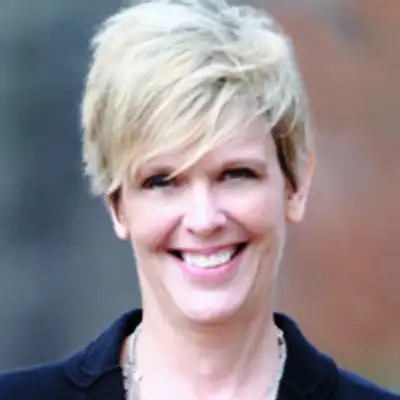
[00:00:45] Speaker 6: Summer travel is coming. Make sure your car is ready with Cary Car Care. Family owned and operated, they'll keep you safe on the road all season long. Give us a call at 919-380-0040 to schedule your summer service today, or visit with us at carycarcare.com. Cary Car Care, it must be right or we'll make it right. Today's episode is one that's sure to have you wagging your tail, purring with delight, and maybe even reaching for the tissues in the best possible way. I'm joined by Kim Janzen, president and CEO of the SPCA of Wake County, an organization that's been helping homeless, neglected, and abandoned animals find loving homes and second chances for decades.
[00:02:07] Melissa: Every year, the SPCA helps thousands of dogs, cats, and other furry friends find their forever families, proving that a little compassion can go a long way. Kim leads a team that's dedicated to giving animals a voice, creating happy endings, . And making Wake County an even more pet-friendly place to call home. Whether you're a lifelong animal lover, a proud pet parent, or someone who's ever been chosen by a cat, this conversation is for you. So leash up your curiosity, settle into your favorite spot on the couch, and join me as we sit down with Kim to talk about rescue stories, community impact, and the life-changing work happening every day at the SPCA of Wake County.
Hi, Kim.
[00:02:51] Kim: Hi. Good morning.
[00:02:52] Melissa: I am so excited to have you here today. I was telling you as you came in that this is a different topic than I've ever had before, and I love talking about animals. I've got ... Let's see. Hold on. One, two, three. I've got six rescue animals myself. Um- Oh,
[00:03:06] Kim: that's wonderful.
[00:03:07] Melissa: So I love talking about animals of all different types of furs and feathers.
How did you get started with the SPCA?
[00:03:16] Kim: I've always known that I wanted to work in the nonprofit world, and I have always had a connection to animals of all kinds, and it just seemed a natural fit to work for an animal shelter. Started out in Wichita at the Kansas Humane Society, moved to Raleigh to work for the SPCA of Wake County, and I've been here 13 years.
[00:03:36] Melissa: For listeners who might not be familiar, what is the SPCA of Wake, Wake County, and what is your mission?
[00:03:43] Kim: Our ... So the SPCA, for those of folks who don't know, stands for the Society of the Prevention of Cruelty to Animals. Um, so it's SPCA of Wake County.
[00:03:53] Melissa: I actually had to look that up myself last night. You did?
[00:03:55] Kim: Yeah. I understand. A lot of people do. And what I feel compelled to say right now is that we're not connected in any way to the ASPCA, which is the American Society for the Prevention of Cruelty to Animals. Many- I did not
[00:04:08] Melissa: realize
[00:04:08] Kim: that ... a lot of people don't. A lot of people give to the ASPCA, and they think that that money trickles down to us, and it doesn't.
We're funded entirely- Oh ... by private donations and fees for service.
[00:04:22] Melissa: I did not realize that. Okay. Let's talk about a typical day for you. What would that look like?
[00:04:28] Kim: , There really is no typical day in the world of animal sheltering. What I'm primarily focused on during the day is leading our team developing strategy, working with the board of directors. I see my role as building this, the
building and supporting our teams so that they can do the best work they can in caring for animals. The SPCA has been around for a long time. You've been with it for 13 years. How has it evolved over the years? So we were founded in 1967, and for most of the years since, we have been focused on really being on the front lines in animal care in our community.
And traditionally what that means is taking animals in and providing them the medical care and behavioral care that they need, and then adopting them out. It has really changed in the last 10 years because now we're focused on what I, what I like to call the other end of the leash. What we realized is that every time, every animal that comes into our facility, whether they're homeless or have they come from another shelter, almost every single animal at one time was connected to a person.
- One of the things that we're focused on now is really helping the folks, what I like to call, at the other end of the leash.
What we realized is that if we can provide people and families the resources they need to keep their pets in their homes where they belong, then that's a win for the family, it's a win for the pet, it's a win for the community, and it's a win for the community shelter system.
[00:06:18] Melissa: Let's talk about misconceptions because I get the feeling that there are a lot of misconceptions in regards to rescue organizations and shelters.
What do you think about that?
[00:06:30] Kim: I think there are a lot of misconceptions. I started with the first one, which is the SPCA of Wake County isn't affiliated with the ASPCA. What they focus on really is more legislative efforts, and what we focus on is really the boots on the ground, taking local animals in and providing them care.
another misconception is that the animals in animal shelters are all abused or injured in some way or are less adoptable or are really, you know, that they've been, that they've been abused and aren't in good shape.
[00:07:07] Melissa: That they're just pitiful.
[00:07:08] Kim: That they're just pitiful. Mm-hmm. Mm-hmm. And they are not pitiful.
The animals that we take in, and most shelters take in, are family pets and who have ended up in the shelter for either a life change or, you know, a lot of the animals that we take in come from older folks who are either aren't able to care for their pets anymore or have gone to assisted living and can't take their pets with them.
So many of the pets we take in come through our doors because of the, there's a need, there's a change in lifestyle.
[00:07:49] Melissa: When you came in this morning, I was halfway joking about the Sarah Mcl- McLaughlin song- ... that everybody associates with SPCA or ASPCA.
[00:08:00] Kim: Yes.
[00:08:00] Melissa: And, and you made a very good point that it really doesn't do you guys as an organization any good to- Mm-hmm
have that song because they do make it seem like the pets are really bad off, really depressed-
[00:08:17] Kim: Yes ...
[00:08:18] Melissa: pitiful.
[00:08:19] Kim: Yes,
[00:08:19] Melissa: exactly. And I, and I never thought of it that way, you know? But it, it's a very good point that, um, that the song doesn't really do you guys any good service.
[00:08:29] Kim: It doesn't at all. And I have failed over the years to see how that commercial drives, would drive people to adopt a shelter animal.
[00:08:40] Melissa: Mm-hmm.
[00:08:40] Kim: It does the exact opposite and turns people away from shelters.
[00:08:43] Melissa: It gets people upset with the shelters-
[00:08:46] Kim: Yeah,
[00:08:46] Melissa: I think I think it does, yeah ... yeah, yeah Mm-hmm. I, yeah, I think it's a, a very good point. Okay, what trends are you seeing in pet adoption and ownership? You mentioned the, the, the other end of the leash.
[00:08:58] Kim: Mm-hmm.
[00:08:58] Melissa: So I can imagine that there are some trends that are happening now that might not have been happening when you first started.
[00:09:05] Kim: That's such a great question. , The biggest trend I see right now is the impact on families and their pets of unaffordable veterinary care.
[00:09:14] Melissa: Ah.
[00:09:14] Kim: Veterinary care, through no fault of the veterinarians, has increased significantly, especially in the last seven years, and it's having a tremendous impact on families who want to do the right thing, spay/neuter their animals for, or their pets, for example. They wanna do the right thing, and they simply can't afford it.
And so. We're starting to see finance related, um, surrenders- Mm ... to the shelter because people just can't afford to take care of their pets anymore. And also in the last few years, we've seen a decrease in dog adoptions and an increase in feline adoptions, and I think a lot of that is because dogs take more, they, it takes more money to care for them.
[00:10:03] Melissa: And more time.
[00:10:04] Kim: And more time.
[00:10:05] Melissa: I'm a cat- Exactly ... mom. Mm-hmm. And so I believe that cats are superior. But I, I ... And I c- I can see that dogs do take up more time, so I, I can see that that, that would, not turn people off, but it, it, it does bode well for the cats.
[00:10:24] Kim: It does bode well for the cats. And we love our cats.
[00:10:27] Melissa: Yes.
[00:10:28] Kim: Um, it, and that's another thing that has changed a lot since I entered this field. When I first started, it was about 60% dogs and about 40% cats, and now it's 60% cats coming into shelters and about 40% dogs.
[00:10:44] Melissa: Mm. Wow. Do you have any other type of animals other than cats and dogs?
[00:10:51] Kim: So, yes, we do. Small mammals we take in.
[00:10:56] Melissa: Hamsters type of thing ...
[00:10:58] Kim: ham- hams- a lot of rabbits.
[00:11:00] Melissa: Oh.
[00:11:01] Kim: A lot of guinea pigs, and then this really small mammals, like hamsters and the occasional rat. And rats are really-
[00:11:09] Melissa: Oh, no ...
[00:11:10] Kim: popular. Oh, n- Kim. They ... No, they make great pets. Oh. No, they make great pets. I can't. They're so smart.
[00:11:16] Melissa: Oh, no. No.
[00:11:20] Kim: They are so smart.
[00:11:21] Melissa: I, my kids make fun of me because I love animals, however, put a mouse in my house and I show a side of myself that no one has ever seen. And I don't know what it is, because they are cute. Why am I so scared of a mouse? But I just can't do it.
[00:11:39] Kim: We've been trained to be afraid of them.
[00:11:41] Melissa: Maybe. Yeah, maybe. I mean, you would think Tom and Jerry would've m- made me love them a little bit more.
I just can't do it. I can't do it. Okay.
[00:11:48] Kim: Rats, rats have a bad reputation.
[00:11:50] Melissa: No, no. I think they've earned it. They have earned it.
Can you tell us a story that perfectly captures why SPCA's work matters?
[00:13:31] Kim: There are so many stories, but one always sticks out in my mind. What a lot of people don't realize about the SPCA of Wake County is that we actually take animals in from 58 counties across the state. And the reason we do that is because, through no fault of their own, animals in those rural shelters, which are significantly underfunded and under-resourced, are most at risk for unnecessary euthanasia.
So if we can take animals from those struggling shelters, take them into our care, move them to a population center where there are lots of adopters, then that's a wonderful thing. So within that program, I have a story about, I'm not gonna name the shelter, um, but there was a shelter that we work with regularly in a rural county.
And they called us one day and said, "So we have a guy in our lobby, an elderly man, who has 17 dogs, and he is unable to care for them on his farm anymore. And he's going to bring them to us in two days, and our shelter is full." And we said, "Let us see what we can do." And we figured out how to take in the 17 animals who were in their care already so that they could take in this gentleman's 17 dogs without having to euthanize any animals.
Mm. And all of those dogs that we took in were successfully adopted.
[00:15:00] Melissa: That's great.
[00:15:01] Kim: It's, it's a great story. The, the, the elderly man got the help that he needed. The 17 dogs were taken care of and ended up in happy homes, and then they were able to take in those 17 dogs.
[00:15:15] Melissa: I want to circle back for a second and expand upon one thing that we talked about earlier, which is spaying and neutering the animals.
Do you guys have a program that help people afford spaying and neutering animals- We- ... so that they can keep the animals without giving them up for adoption?
[00:15:35] Kim: Absolutely we do, and that's- I thought
[00:15:37] Melissa: I had read
[00:15:38] Kim: that. Yes. Yes, and that's actually one of the programs that we're expanding significantly. Well, , We do have a spay/neuter program where we can provide those services to people who are unav- unable to afford the service elsewhere. So I'll give my dog for as an example. He was about f- he is about 55 pounds, and if ... When he had his neuter surgery, it was $700.
If he had come to the SPCA, it would've been around 175, $200. I didn't need the service- Mm-hmm ... because I wanted to leave that slot open for someone who did need the service. Um, but that's a really good example of how we're able to provide those services to pets who really need them. And also, the reason we're able to provide those discounted services is because of donor support.
Ah. 87% of our $7 million budget comes entirely from pr- private donations.
[00:16:47] Melissa: That's incredible.
[00:16:48] Kim: We're really lucky to live in this community.
[00:16:50] Melissa: Yeah.
[00:16:51] Kim: Mm-hmm.
[00:16:51] Melissa: Yeah. A bunch of animal lovers.
[00:16:53] Kim: Bunch of animal lovers. Mm-hmm. Yes.
[00:16:55] Melissa: Why should people consider adopting before buying a pet?
[00:16:59] Kim: , One of the most important things about adopting a pet from any shelter is that not only do they save the life of the pet that they adopt, they save the life of the next pet that's coming through our doors and needs a spot to land.
[00:17:15] Melissa: How can families find the right pet match? Let's say I'm, I'm walking into a shelter.
I know I want to adopt a dog. Mm-hmm. I don't really know a lot about different kinds of dogs. Mm-hmm. Where, where do I even start? Do I just walk in and somebody can help guide me?
[00:17:32] Kim: We have a very conversational approach to adoption. Before people visit with an animal, typical, typically they fill out our survey, and that gives us a chance to learn what they're looking for in a pet. What are their available resources? How much time do they want? Are they looking for some, a dog who can run with them?
Are they looking for more of a couch potato? And then in, we can, based on those answers, we can guide them toward the right pet for their lifestyle. So, and again, it's all, it's all a conversation. So if-
[00:18:10] Melissa: It's such a personal decision
[00:18:12] Kim: too. It is such a personal decision. And so, and a lot of people look for the same breed maybe as they had when they were a kid.
Mm. "Oh, I really love collies," or, "Oh, I really love, you know, this, labs." Um, and what we find is that it's better to stay away from specific breeds, because they're all individual animals, and each one's behavior is, is different.
[00:18:37] Melissa: And personalities
[00:18:38] Kim: too. Exactly.
[00:18:39] Melissa: Yeah.
[00:18:39] Kim: Yes. And so typically our staff take, our team, typically our team takes really good notes on what they observe in a pet's behavior and personality while they're in our care, and then we can share that with adopters.
And that's also an important part of the process.
[00:18:59] Melissa: Besides adopting, how can people help support the SPCA?
[00:19:05] Kim: There are so many ways. My two favorite are they can make a donation to support the animals in our care. They can do that on our website at spcawake.org. Or they can adopt, or they can volunteer.
[00:19:23] Melissa: And another thing, I, I know, um- And hopefully you're still allowing this.
When my kids were young, they instead, instead of asking for presents for their birthday, they asked people to bring donations for the SPCA, and we'd drop them off, and it was just a moment of doing good for, for others in the community. I have animal lovers for kids, so it was just something nice to do. Is that something that is still an option?
[00:19:50] Kim: It is still an option, and we love when kids come because they're so excited about- Mm-hmm ... what they've done for animals, and it gives them, you know, a great feeling, and they get to celebrate their birthdays and help animals at the same time. Yeah, win-win. It's a beautiful thing.
[00:20:05] Melissa: Absolutely. How important are volunteers and foster parents?
[00:20:12] Kim: We could not do what we do on a daily basis without our volunteers. We have a robust group of foster families who provide care for pets in their homes if they're ill or if they are waiting to be old enough to have spay/neuter surgery. That is, that is a huge relief valve for us. And then volunteers that work on site in the shelter environment, they, they do all kinds of things for us.
There's a whole gamut, and my opinion is almost anything that a staff person can do, a volunteer should be able to do.
[00:20:53] Melissa: I wanna talk about the new shelter that recently opened. Where is it, and why is it important that we have this space?
[00:21:02] Kim: We just opened the Peggy Garner Britt Resource Center, and it is a 47,000 square foot facility with state-of-the-art animal housing, a state-of-the-art medical center. And the whole idea behind it is to transform the way our community responds to people and pets in need.
[00:21:26] Melissa: Where is it located, and what makes it unique?
[00:21:31] Kim: So it's located at the Susan and Randall Ward Regional Campus for Pets and People at 200 Petfinder Lane in South Raleigh. What makes it unique is that it was built entirely, designed and built, to make every animal stay as healthy as possible and as short as possible.
The way we save more animal lives is not by housing more, it's moving them through the shelter more quickly. The game changer in this facility is the medical center, because it allows us to double the number of spay and neuter surgeries we're able to do every year. It allows us to do our own radiographs, our own dentals- Mm
and really provide the care that animals need to get from the time when they come through our doors to their new family.
[00:22:28] Melissa: What are specific needs right now that anybody listening can help with?
[00:22:33] Kim: Honestly, the, the best thing that people can do right now is to make a donation on our website.
It i- it doesn't matter if that's $5, $45, $500. It takes a lot of money to run an animal shelter and to provide services to the community and to expand those services. So at this point in time, we're in high growth mode, high expansion mode, and more than ever, we need the support of our community.
[00:23:09] Melissa: What are you most excited about, or, or something that just gives you hope?
[00:23:14] Kim: What gives me hope is to see the way our team cares for animals. They knock themselves out every single day taking care of the pets in our care and giving them love and compassion and going above and beyond to make sure that not just the pets in our care are well cared for, but also to help the human members of the community who are struggling to keep their pets in homes.
It really takes both sides of that equation, and when I see the work they do every day, it is incredibly inspiring.
[00:23:53] Melissa: Yeah, I would think that it's, it's really probably the more sad scene would be a family having to give over a pet that they really, truly love- Mm-hmm ... and want to keep. Yes. But they can't because of finances.
[00:24:08] Kim: That is, you're r- 100% correct.
[00:24:12] Melissa: Mm-hmm. Yeah. Yeah. Okay, tell us one more time where we can go to learn more about volun- volunteering, donating, adopting animals.
[00:24:19] Kim: It's spcawake.org.
[00:24:22] Melissa: Perfect. Thank you so much, Kim, for being here, and thank you for everything you do for the animals and our community.
[00:24:27] Kim: Thanks for having me.