Subscribe
Share
Share
Embed
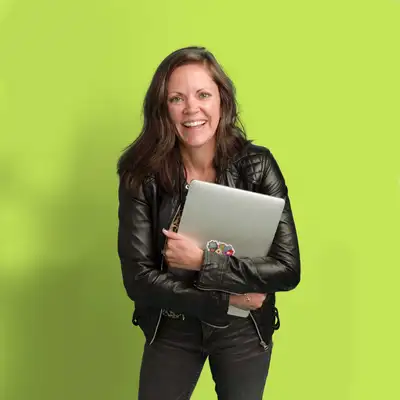
This is a show for burnt-out fashion designers (and TDs, PDs, patternmakers, textile designer and beyond) who want more flexibility in their career while still doing work they love.
You'll learn how to build a freelance fashion business, so you can do the work you love on your own terms. Freelancing in fashion is the only way to get freedom in your day (instead of being tied to a desk).
Whether you want to earn extra money on the side, fund your fashion brand, or replace your salary, the FDGP podcast will help you get there. Listen in for actionable tips and strategies to kickstart or grow your career as a freelance fashion designer, build your confidence, and create the life you want.
Hosted by $100k+ fashion freelancer Sew Heidi, the show features interviews and strategy sessions with successful freelance fashion designers from around the world who've ditched toxic fashion jobs and taken control of their own destinies. This is the only place to get REAL insights from REAL freelancers who have built REAL careers on their own terms. (Formerly the Successful Fashion Freelancer podcast.)
Heidi [00:00:02]:
I will honestly say that if you're freelancing and you aren't hanging out on LinkedIn, you're missing out on a massive amount of business and a massive amount of money. LinkedIn is one of the most untapped resources out there for building your freelance career, and that's exactly what my guest today, Emily Court, took advantage of. Emily has literally 3 x her freelance income. She followed up with me after the interview, and she told me that that is actually a conservative number. And she's done this all by being active on the platform in less than 1 year she did this. Like any really good things in life, it's not a set it and forget it. Emily is engaged, she posts regularly, and she does outreach on LinkedIn. But the reason that she has seen such great growth is because she's been very strategic about how she shows up.
Heidi [00:00:42]:
It doesn't mean that she hasn't messed up or she hasn't felt awkward to post. There's been plenty of that, and we talk about some of it in our conversation. But she thinks a lot about how her perspective clients view her content and profile, and is really conscious about how she puts herself out there. Emily and I go through some of the serious deep details on how she's built her community, gotten work on LinkedIn, and we talk about how you can do that too. Everything from setting up your profile to reaching out in the DMs and posting your own content, we cover it all. You're going to love this episode. Let's get to it. Okay.
Heidi [00:01:14]:
I tripped over one of your posts on LinkedIn somehow. You know, I love how you comment and it, like, feeds it to all the other people, and the reach on there is unreal. And I was like, oh, I like this girl. She's talking about a lot of great things. So, give us a quick backstory. You're you're not in fashion, you're a freelance writer, but you're doing so many amazing things on LinkedIn. I was like, I have to bring you on the podcast and and show people how we can use this. I mean, honestly, I think your strategies can apply to any industry just in terms of using LinkedIn.
Heidi [00:01:46]:
But tell us about your background on LinkedIn and, like, how you got started and, like, what does that whole story look like?
Emily Court [00:01:51]:
Sure. So freelancer by accent. And when I first started doing it, I'm predominantly a writer, but I also do a bit of design. I went to school for design, but let's not focus on that because that's not how I have myself positioned right now. I'm a writer, and I kind of ended up freelancing full time by force, due to career circumstances and the pandemic and all these things. And for a long time, I was able to not be present online at all and just sit on my hands and let referrals come to me. And that was amazing, and my earning efficiency was really great. And I was loving life, and I was working fewer hours than I ever had before.
Emily Court [00:02:32]:
But, eventually, that network was just tapped. You know? We only know so many people who know so many people and can revisit those clients a certain amount of times. But and I hear this story from a lot of other freelancers a couple of years into my career. It happens at different times for everyone, but a couple of years into my full time freelance career, I just ran into a situation where I was like, I don't have any clients. And I one of 2 things is gonna happen. It either my business is going to go down or I'm going to resuscitate it. And it's it's now or never kind of thing. And I was even in a position where I was sometimes applying for a full time job.
Emily Court [00:03:10]:
So then I I kind of got serious with myself. What are you actually doing to build your business? And I think that a lot of people who quit freelancing don't do these things. So and part of the reason for that is probably overwhelm. There's a 100 different things we could be doing at any given time. I picked 2. 1 of them was LinkedIn. And while they both relied on LinkedIn, but I posting on LinkedIn and also Outreach on LinkedIn, and that those two things together turn my business around. And I'm way more successful than I've ever been.
Emily Court [00:03:41]:
I'm thriving in it. I'm making more money than I ever have. I have higher profile clients than I ever have. And that's how I kind of leverage LinkedIn. Prior to that, I hadn't been on social media even personally for about 3, 4 years.
Heidi [00:03:54]:
I don't blame you.
Emily Court [00:03:55]:
So it was a big it was a big adjustment period. Yeah. I wouldn't necessarily consider myself inherently a social media person, although I I'm kind of a recovered Instagram story addict, but, that's another story. So, yeah, it was it came as a surprise to me, but I really did learn to love LinkedIn. I love the community that I built there, and I do love having an impact on the lives of other freelancers. Yeah. Making it quite intoxicating for me, so I'm sticking with it.
Heidi [00:04:25]:
Okay. So we're talking right now. It's the middle of March 2,024 for reference. When did you start pushing LinkedIn?
Emily Court [00:04:35]:
Seriously? The summer of last the last summer. I've been I've been serious about LinkedIn for less than a year. Yep.
Heidi [00:04:46]:
Less than a year? Okay. Cool. Yeah. And why did you decide LinkedIn?
Emily Court [00:04:51]:
Because I'm a b to b service provider. Since I provide services for other businesses, it seemed like an obvious route to me, as a place to find people. I also saw people that I looked up to kind of rocking that space. And I do like the fact that it has more of a professional tilt. I share very personal things on LinkedIn, as I'm sure you've read. But I kind of feel like on a a lot of other platforms, there tends to be more of an expectation that you're packaging up your life and selling it to people. And that gets in my head a little bit more on a platform like Instagram than on LinkedIn, which is more professionally focused. Okay.
Emily Court [00:05:31]:
Cool. Another important thing I feel like I'm monologuing every time you ask me a question. But another important thing to keep in mind is that, I think people come to LinkedIn to think about their businesses and to learn, versus platforms like TikTok and Instagram where people might just wanna check out and be entertained. When people are on LinkedIn, I feel like they're in a receptive mindset, and they're thinking about personal development, professional development, how to grow their business, how to get clients, who to work with, networking. And when you can grab everybody when they're already in that house headspace, I think that's an invaluable opportunity.
Heidi [00:06:06]:
Totally. I agree. 10 x on everything. So okay. Less than a year ago, you're starting and you're like, okay. My customer's already here. They're in the right mind space. I see other people in my like, other freelancers who are rocking it on LinkedIn.
Heidi [00:06:22]:
So how did you because because I'm I'm I'm I'm thinking that right now we're talking to people out there that are like, I should probably be doing something and maybe LinkedIn's a thing, and they're like, no idea where to start or what to do or how to think about, like, positioning themselves or, like, what type what are these posts look like? I mean, I follow your content. I very much know how you post and I understand your strategy very well. But I think for someone who's maybe, like, newish or maybe, you know, they're posting, like, hey. I'm a big I'm available for freelance work. You know, we know those freelancers, and that's not always the most effective strategy. How did you first think about, like, how do I tackle this? What do I post that is going to resonate with my potential client that could ultimately lead to work, but isn't me blatantly, like, waving a flag? Like, hey. Hire me. Or I where was your head at? Maybe it wasn't even there.
Emily Court [00:07:13]:
Yeah. That is a little bit of a tough question to answer because it is a little bit different for everybody. But one of the things I think about LinkedIn is that for the 1st couple months, I was posting, you know, not 3 months, maybe the 1st 3 months, it was very rare that more than 10, 15 people would engage with anything I posted. And I think when you start on any platform, you have to be prepared to suck. And I did. And I kept practicing until I figured out what people wanted. But also with me, my strategy was interesting, because ultimately, I did want to roll out offers for freelancers. But at the time I started posting, I was addressing freelancers a lot of the time as opposed to people who conventionally would have been my clients then, which would be more kind of, you know, a lot of tech brands.
Emily Court [00:08:08]:
I have Sennheiser's clients, Bombardier. They sort of, like, bigger corporations. I was creating content for freelancers. My long game was to roll out offers for them, and that's what I'm starting to do now. So I was kind of positioning myself for a future client. So that one was easy to figure out, but but I also figured out in my case was that, as I got better at it, I was effectively able to really show off my skills in writing and content creation through my posts. So even the posts that were very personal or maybe about my own professional development, or targeting freelancers, I started to have inbound leads come in, from prospective clients based on posts that weren't necessarily targeted to them, but they saw the writing. They saw the engagement.
Emily Court [00:08:58]:
They saw the traction. So that's a little tricky, though, because I'm a writer, so I have a unique opportunity there. Mhmm. But as general pieces of advice, I think if if I were to put myself in the position of somebody in fashion, I'd be thinking a lot of behind the scenes, a lot of social proof. You know, this is how I do my job. This is what I'm doing, social proof. And, you know, I think people like to hear about your professional development and your process as you go either way. One really powerful thing is to share about struggles you've had in your career and how you've overcome them.
Emily Court [00:09:32]:
People root for the underdog. And I would also think that in fashion, you could look a lot to what designers do on LinkedIn because they're creating a visual medium. Right? So I think there would be a lot of inspiration there from somebody like, my friend James Martin, for example, one of the best known designers in the digital space. He, you know, he does a lot of behind the scenes. He's sharing early stage sketches of his designs and and things that keep people into your process, and show them how you're arriving where you are, what you can do for them, and also giving them a behind the scenes look of the amount at the amount of work and forethought and strategy that goes into the things that you create. Yeah. So, again, a very long winded response, but it's it's different depending on your industry. And and like I said at the very beginning, one of the most important things is that every audience is gonna want different things and and to be prepared to not be very good at it at the beginning.
Emily Court [00:10:25]:
And keep practicing getting your reps in and and figure learn your audience from there.
Heidi [00:10:30]:
For sure. I mean, I'm super new to LinkedIn too. I I didn't start posting until September 2023. And I did have I did start with a base of 12 100 followers because I my online presence has been very strong in other platforms. My website, YouTube, Instagram, I am super I'm a 100% abandoning Instagram now. I'm like, screw this. I've I've gotten more value from 6 months on LinkedIn than I got from, like, 6 years on Instagram. It's Fuck you.
Heidi [00:10:56]:
Nuts. Like, legit tangible monetary value that I can connect directly back to LinkedIn in 6 months. But anyways, that's that's a story for their day. I still feel like sometimes I'm finding my feet on LinkedIn. I'm like, I'm just I look at each post as a little bit, like, let's just maybe it's a kind of a test and, like, let's just throw it out there and, like, see how it goes. And and every day, every week that you post gets a little bit better and you learn a little bit more, but even still 6 months in of posting 5 days a week, I'm like, I don't know. Is this gonna land? And some of the stuff I think that's gonna do great kind of flops and vice versa. It's so odd.
Heidi [00:11:31]:
And sometimes who knows if the algorithm's having a day or something. But, it's just an ongoing test. And like you said, you have you have to prepare to suck and and get no engagement at the beginning, and that's just part of the building process. And that can last a few months. But you're building this foundation. So and I would argue that in a way, I know you said you have the advantage of being a writer, so people get to see your writing in your post. But I would argue that designers and people in more visual spaces have perhaps even a larger opportunity for impact because the visuals are, like, right there. You don't even have to click see more.
Heidi [00:12:04]:
You don't even have to read. Like, from a lazy perspective, it's much easier for someone to consume an image than it is to consume, like, those big posts. Right? And so these visuals that sort of prove that, like, this is what your process is and you're staying up to date on these trends and here's how you put together your design boards or this is your process for developing this or this is, you know, even if your pattern maker or someone who's more on the technical side, like showing pictures of behind the scenes like fittings and how you're pinning or or marking up the garment for construction. So I think there's all sorts of opportunities there. Can you talk a little bit about, like so one of the strategies you shared, which was so interesting to me and I had not seen before because, again, I'm kinda new on LinkedIn, was searching for you know what I'm talking about? Were you you you so you're, like, let's say I'm through it? Yeah. Why don't you talk me through it? Because I'm gonna I'm gonna fumble it, and you'll be much smoother.
Emily Court [00:12:56]:
Okay. So what I do on LinkedIn is I look for warm leads. A lot of people use LinkedIn to cold pitch. Some people are just across the board cold pitch haters. I think it can be do done well, but it's very much an art form. But I look for warm leads. So what I do is I go not to the job board, ignore the job board if you're a freelancer. Yeah.
Emily Court [00:13:16]:
Dumpster fire. Go to the regular search bar. Type in keywords that are relevant to your niche. So, you know, freelance design, contract designer, whatever it is for me. It's it's freelance writer, contract writer. Sometimes I search blog writer if I'm really feeling chaotic. Website copy support, phrases like that. Then you filter by, posts.
Emily Court [00:13:41]:
So it's gonna give you people. It's gonna give you all sorts of things. So you gotta so either be an option to select posts in the in the top of the page, and then you filter by latest. Otherwise, it's gonna show you only or predominantly, like, the people you know, so it's it's basing it off of your network. Then by latest. And what you're gonna get is every post people have made, touching on these topics. I when I was doing my outreach, I was spending at least an hour a day scrolling through those posts and, you know, scrolling past dozens of posts from other copywriters and things, and and some of them are bad, and some of them are from, content mills. But I would scan through all of these posts, and I would find ones from this person at this agency or this business who said, hey.
Emily Court [00:14:22]:
I'm looking for copywriter. Can anybody in my network suggest someone someone? Then I would send them an email. Normally, a few sentences long depending on, and I have some examples of this. I share them on my page. Depending on the person and what they had said, like, I had one instance where somebody in Quebec was just like, we're looking for a copywriter in Quebec. And I said, well, I'm in BC. And for anybody who knows Canada, those two places are not close together. But basically, the geographical thing was relevant there, and and that's really all I shared.
Emily Court [00:14:51]:
I've got this experience. Let's go. It was a 3 sentence email, and that turned into a enormous relationship for me, in tens of 1,000 of dollars over, you know, a few months, which has been great. So the strategy being, find people who are saying I'm looking for x and send them a message. So the value in this, I I don't know. I haven't done my searches for freelance designers, and I'm not sure how often people would turn to LinkedIn for this. But when you do find these posts, people are inviting you to sell to them, and that is an invaluable opportunity. One thing I would recommend with that is not to, though, is not to come in with a hard sell.
Emily Court [00:15:32]:
So just get them to talk back to you. If you can get them into a conversation, a lot can come from that. And all of my biggest clients have come from posts like that, and it wasn't even necessarily that I saw somebody, and I thought it's it wasn't even necessarily that I saw somebody and said, hey. They're associated with this business. In some cases, I wasn't even sure what brand they were associated with. I just fired them a message that took me 2 minutes, and then we got to talking. And I'm like, oh, you're you're kind of a big deal. Oh, let's set up a meeting, and and then I've I've, completely turned my business around doing that, warm leads approach.
Emily Court [00:16:10]:
If it's not transferable on LinkedIn for people in fashion, then I would recommend doing the same thing on any platform where your clients might exist. Look for people who are looking for you. That is always going to be, I think, more successful in cold outreach. I don't I'm not anti cold outreach. I'm for it.
Heidi [00:16:27]:
But, Yeah.
Emily Court [00:16:28]:
It's that that simple strategy has been huge for me. A lot of people are recommending it, so it is becoming more popular. And one of the things I think is really important here is to just be the 1st person the 1st qualified person in somebody's face. So you really have to be on it. It's not something I'd recommend doing once a week. It's something I'd recommend doing every day.
Heidi [00:16:49]:
Okay. I poked around, and there is opportunity in fashion using this strategy.
Emily Court [00:16:54]:
Yeah. Totally. Yeah. I love that.
Heidi [00:16:56]:
So you mentioned you sent an email. Did you send an email, or did you send a a connection request with a message on LinkedIn?
Emily Court [00:17:04]:
That's like a I I I send a connection request or a connection request or a message, or I've also done, I can't remember what they're called, but the LinkedIn messages for people who have premium, you can send a long term message. Email. Thank you. I've done both. I don't know why I always default to saying email. My brain thinks that's easier, but it it 9 times out of 10, I'm actually just sending them a connection request or an email.
Heidi [00:17:26]:
Okay. And pro tip that I learned the hard way is that when you send a connection request on desktop, you get the opportunity to do would you like to send a personal note? On mobile.
Emily Court [00:17:34]:
When you
Heidi [00:17:35]:
do it on mobile, you skip, and then you're done. You're Yeah. You're done. Unless you have those InMail credits.
Emily Court [00:17:40]:
Yeah. Then you hope that they accept you, and then you can fire them a quick message. I have run into that that problem as well. Or Yeah. Ideally, your profile is extremely well optimized, so they'll see your connection requests, click on your profile, and go, oh, I wanna work with this person without the message, but dream big.
Heidi [00:17:55]:
Yeah. Okay. Talk a little bit about what you put in that message. You said it's a 3 sentence message. It takes you 2 minutes. Like, what do you write?
Emily Court [00:18:03]:
So I I sometimes when I share these posts, people are like, this is a brilliant template. And I'm I'm like, please don't think of it as a template. I'm not necessarily a template thinker, because it it's a model. Because I take a slightly different approach for different clients, but normally, it's something like, I don't even put my name at the beginning anymore. Hey. Let's say their name is Paul. I saw your post about seeking blog writers for your SaaS company. I have I might say x number of years.
Emily Court [00:18:41]:
I've got 6 years of experience writing long form content for tech companies, including clients like a, b, and c. Right?
Heidi [00:18:49]:
Really short. They would be familiar with. Yeah.
Emily Court [00:18:52]:
Yeah. Would love to chat further. Emily. And I I have also converted clients this way, when I had less experience or even in in situations where I didn't have the most relevant experience to them. So you don't always have to have, like, a pile of, a pile of relevant past clients. I think sometimes just being the first person with your foot, like, with in in their view can be helpful. But yeah, really simple. And then in some cases, I'll go a little bit deeper.
Emily Court [00:19:25]:
I'll have a little bullet list that includes some of the relevant things I've done in a bit more detail. But it's normally an email that takes me less than 5 minutes to write. Sometimes it takes me, yeah, 1 minute, 2 minutes less. Okay. Wow. If I'm doing the 1, 2 sentence email. Like I said before, the hard sell here is really not something you wanna do because I mean, nobody likes to feel like they're being cornered and sold to. Mhmm.
Emily Court [00:19:59]:
And I find with clients, perspective, clients confidence is key. And, like, the the less hard you push, the more confident you seem on that first interaction. And and I like to get them on a call because I find normally once we speak face to face, it's so much easier to get the buy in for me at that juncture.
Heidi [00:20:19]:
So two questions. 1, do you lead with a call to action? Are you like, here's my Calendly. I'd like to book a time.
Emily Court [00:20:25]:
1st answer, Calendly, I don't use. I that's kind of a side thing. I find it more personal and just makes me feel feel more free and more effective for my schedule. I just book my appointments individually with my clients. I can do this at this time or this at that time. I don't take huge offense when people choose to use it, but I prefer not to. I find it a little bit more personal just to say just to book it in email. Normally, I include my website at the bottom, and it's really just I'd love to chat further.
Emily Court [00:20:58]:
That's my only call call to action. Nothing to I also find that maybe, jumping right in with the Calendly link might feel a little bit like my problem with Calendly is that it feels very like I'm I'm just, like, moving through an assembly line of prospective clients. That's all that's also kind of how I feel about templates. I'm just, like, firing off this email. I don't have time to set up an appointment individually with you because I'm so busy, but I want people to really feel I put as much human interaction into my stuff as possible.
Heidi [00:21:28]:
Okay.
Emily Court [00:21:29]:
That said, Calendly can be great for time differences. I have clients and friends who use it, and it's fine. It's just not my thing.
Heidi [00:21:35]:
It's really interesting to hear this from your perspective because I am more I don't freelance anymore, but I hire a lot of freelancers. Like and I eat when someone's like, well, I can do this time or this time. And then I'm like, well, is that in your time? Like, if they forgot to qualify the time zone, and then I'm like, well, and then how what's the difference between your time and my time? And then I can't just, like, go into Calendly and, like, look easily and be like, okay. Where's my available times? And then block. Like and then I ought to get the automatic reminders and, like, if I need to reschedule, like, it just makes it really easy. So it's interesting. I definitely see that personal touch, and I'm just one client. Like, other people could maybe feel differently for sure.
Heidi [00:22:12]:
But from my perspective, I hate that back and forth. And I'm like, well, those two times don't work for me. Like, can you do that? And then it, like, it can sometimes become cumbersome.
Emily Court [00:22:21]:
I have an add on to that. If you're not gonna use Calendly, you have to be a really strong communicator. I feel that I am. That's a big value add for me. I say, I've got a lot availability this week. Just to confirm, I go to their LinkedIn page. You're in x time zone. Yeah.
Emily Court [00:22:36]:
And then I I have to know I can do any time this week after 5 PM your time. I can do, you know, whatever it is. I'm do I'm being proactive. I'm not like, hey. I don't know where you are, but let's you know, it's it's very I tailor it to them. I'm speaking their language. I'm talking to them in their time zone. I don't make them do the work of accommodating me.
Emily Court [00:22:55]:
Yeah. If I'm gonna do that, I try to make it really easy for them to understand.
Heidi [00:22:58]:
Okay. Fabulous. So my second question is you said I don't hard sell in that first message. What would be a hard sell to you? What would you feel like could come off since we're not looking at this as templated? So we're leaving people up to their own devices to sort of think about what they should say in these messages. Where do you start to feel like things lean into a hard sell? Like more than 5 sentences Okay, just length
Emily Court [00:23:24]:
Like if you're if you're talking for more than 2 short paragraphs like it's too much You're you're this is this person's first interaction with you. This is my belief. Where you can, if you want to put in a lot of information, bullet point it. Say it in as few words as possible. You want this email to be as easy to digest for the email DM DM. To be as easy to digest for the person who is reading it as possible. And the more concise you can make it, the better. Once you get your spiel of, I'm this.
Emily Court [00:23:54]:
I come from a background in Mhmm. X, y, and z, and later, I wanna do this, and I can help you with this. And here's all the ways I've helped my other clients. Here's you know, sometimes I'll throw in, one other thing I'll add to these emails. Sometimes it's social proof. But I really make sure like, a testimonial. I'll make sure that's one sentence, 2 sentences at the end of my email, or it's in the middle, and I introduce it. I say, hey.
Emily Court [00:24:17]:
Here's a testimonial from somebody in your industry. And that's really all that's in the message. It's like, I'm Emily. This is what I do. Here's a testimonial. Let's talk. Emily. Well, I don't say your name at the start.
Emily Court [00:24:29]:
It's at the bottom and on your profile. But it's a very easy mistake to make. But, yeah. So short, short, brevity, brevity. This person doesn't know you. They don't owe you your time or attention. It's very much like the philosophies I kind of use around social media. I think brevity is important.
Emily Court [00:24:46]:
And I think that we're in an attention economy, and it's very hard to grab a slice of attention. So say what you need to say as quickly as possible, and just see if they'll engage with you. And then from there Okay. A lot happens. And, of course, like I said at that point, things like your website and portfolio will be helpful in getting people to talk back.
Heidi [00:25:07]:
Take the next step.
Emily Court [00:25:08]:
Yeah.
Heidi [00:25:08]:
So you mentioned earlier, something about, like, if you have a really, really, really strong port full or, sorry, profile on LinkedIn. Like, if you just in the connection request and don't have that message in there, hopefully, maybe they, like, go look at your profile. Kind of slim chances depending on how many people are coming after them for this opportunity that they just posted. But by chance, if you have a really strong profile that can obviously work in your favor, talk to us about, like, your thoughts on profile and and some of the strategies that you've learned to, like, dial in a, air quote, really strong profile?
Emily Court [00:25:47]:
I mean, mine's a work in progress. It is. They always are. Yeah. Some of the most important things right out of the gate, I would say, especially with these types of things, like warm out beaches, is your photo bright? Is it colorful or in color? Is it clear? Is your face close to the camera? Can people make a human connection with you right away from your profile picture? Mine, I'm actually gonna swap out soon, and I'm a little further away from the camera, honestly, that I'd like.
Heidi [00:26:16]:
I'd like people to be making remain I
Emily Court [00:26:18]:
can't stop what you look like. Sure. No pressure.
Heidi [00:26:21]:
Nobody else will see this.
Emily Court [00:26:23]:
No. It's fine.
Heidi [00:26:23]:
I remember your picture now. Okay. Yeah. I'm wearing your blazer.
Emily Court [00:26:27]:
I'm wearing my blazer that I never wear in real life. I only wear in the stores on this site. That's funny. When we do our headshots. Yeah. I'm ready. I've actually got a purple blazer in the other room waiting for the next session. So Okay.
Emily Court [00:26:39]:
We're going to mix things up. But Okay. To say, is your photo bright clear? Are you smiling? Are you doing some, like, cool, dodgy stuff? Are you in shadows? Can people look at you? Like, imagine you're walking up to a cafe and the barista is smiling and bright eyed at You, like, you wanna have that instant first connection where you feel some sense of personality, humanity. Also just like it can be taken on your iPhone, but is it against a clear or whatever kind of phone you use. I'm really throwing myself under the bus. Is it against a clear backdrop? Are you making inappropriate expression? Are you the only person in the photo? Are you drinking a beer? And if you're drinking a beer, does that work for your brand? Like, all of these strange things we see on LinkedIn, it can work if it's deliberate. Totally. Yeah.
Emily Court [00:27:27]:
So photo's really important. And then the next most important thing is your headline. And I actually Rachel's a lot, but I I have to workshop mine right now. But I haven't done it because I'm doing some business pivoting. But your headline is it appears right below your name, and it appears in more places than anywhere else. People can see it when you comment on other posts and all of these other things. So pretty much anywhere you show up on LinkedIn, people are going to be able to see your headlines. So that's really key.
Emily Court [00:27:57]:
Having a clearly optimised headline that says what you do or how you can help people. Huge. So those two things, foundational. I would get those things done before anything else. Mhmm. From there, you know, is your career as a freelancer even in your employment history? What have you done with your about section? And then things like, are you posting regularly about what you do? Right? So, that's your opportunity another opportunity to easily show your body of work without having people without people having to navigate to a third party, a 3rd 3rd location without people having to go to, oh, your website or your portfolio Keeping them sharing regularly on LinkedIn?
Heidi [00:28:40]:
Yeah. Okay.
Emily Court [00:28:41]:
That will also help. That said, I have secured clients through LinkedIn when I wasn't doing that, but, I think it's it's definitely a huge opportunity. If somebody can click on your profile and and and get an idea of what you do, see some behind the scenes, get a feel for your personality, and I honestly can't emphasize photo enough. Okay. I just I think it's really easy to go wrong with, and it a clear professional, if it's appropriate for your brand, brightly colored, eye catching image that people can immediately make a human connection with.
Heidi [00:29:14]:
Yeah. The one that always makes me crazy is, like, you clearly cropped out the person you were standing right next to with your arm around. Like, this is awkward. This needs to just be
Emily Court [00:29:22]:
a picture of you.
Heidi [00:29:23]:
Yeah. Get your friend or something. Like, it's a good natural lighting. Like, get up against, like, outdoors, if that's appropriate, or, like, something, like, you know, you can and portrait mode is real good to all
Emily Court [00:29:38]:
those iPhone lovers out there.
Heidi [00:29:39]:
Yeah. It's so interesting because I just, as a client, had an experience where I was looking for someone I was looking to hire someone to help me with some YouTube stuff because I have a great foundation, but I've neglected it for years. And I, someone's post came across my feed because someone in my network had commented on it. And I saw this post, and this guy was talking all about YouTube strategy and a k a little bit of a case study of someone he had just helped get their video to, like, 80,000 views. And I was like, oh, who's this guy? Click through, looked at his profile. It's dialed in. Like, I help small independent creators build their YouTube. And I was like, oh, who are you? You are my guy.
Heidi [00:30:23]:
Literally went from that, and then I also looked at I I did as the client perspective. I went straight to what is he posting. And he's not posting a ton. He's not posting, like, 5 or 7 days a week, but he's posting a little bit on a regular basis. And I was, like, looked at the about section. It was really clear, like, who he is and what he does. I literally just signed a contract for $1600 a month for 6 months the other day.
Emily Court [00:30:44]:
Amazing.
Heidi [00:30:45]:
Boom. And, like, this is it's so interesting from the client perspective to see, like and I'm really conscious of it since I teach people freelancing. I'm really conscious of, like, the client journey. And like you said, yeah, I need to see that picture that, like, shows that, like, it feels professional and clear and, like, a picture that was intended an individual picture of you. Your headline needs to make sense. And then is there some a baseline of engagement on on LinkedIn? I don't need the world. And is this baseline, like, showing me what I wanna see? Like, again, social proof validation, showing me the behind the scenes. What does your process look like? All that other stuff.
Heidi [00:31:22]:
So I I totally get what you're saying. I know you you post, like, 5, 6 days 7 days a week? 5.
Emily Court [00:31:30]:
Sometimes 5.
Heidi [00:31:30]:
He goes on the weekends. Sometimes 7.
Emily Court [00:31:31]:
Sometimes 7. Sometimes
Heidi [00:31:33]:
A lot. 4. Okay.
Emily Court [00:31:35]:
Oh, on average, 5 for sure. But every now and then, I'll get on a chair and I kind of take advantage of that. And I just keep her coming, because I like it. And obviously, I get the dopamine hit everybody gets from something you're craving, performing well. Yeah. Yeah. Definitely. But, you know, I go through burnout phases.
Emily Court [00:31:57]:
Like, last week, I went through this 3 day period where I, like, couldn't even look at the app on my phone, like the little icon. I just I can't I need a break from LinkedIn. I can't look at it. I can't think about it. I can't anything. But for the most part, I like it. And so I do do it consistently. Do I think that everybody needs to post 7 times a week? No.
Emily Court [00:32:16]:
I've gotten traction with clients on as little as one post per week. That's rare, though, I think. I think 3, 2, 3 times bare minimum to have a presence. I mean, if your goal is to become a LinkedIn influencer and have a have a really large presence, I'd be going 4 or 5. As long as you can come up with quality, I wouldn't be pushing for quantity if you don't have good ideas. And I think the thing is is it's a muscle, and the more you go, the more ideas you'll have. So at the beginning, I was posting much less, but the ideas kind of, become a snowball in that they perpetuate more ideas. But, fewer times is okay, for sure.
Emily Court [00:32:59]:
And it's also there's a distinction to be made whether you want to be somebody who has a big, big audience on LinkedIn and attracts inbound leads or whether you want to be posting on LinkedIn enough to have a small community, but also to be showing off your work. So if you have a big outbound strategy, you're doing a lot of cold outreach or warm outreach, like we talked about earlier, then I don't think your audience size is as important as long as you're posting enough to show a bit of your behind the scenes a bit about what you do. Then I think there's a bit less pressure. But I think to get those inbound leads, you really do want the algorithm working with you and posting more frequently will help. But if you're bringing people to your if you're manually or, like, taking action to bring people to your, your profile and to look at your account, then I think it's a bit less important.
Heidi [00:33:55]:
Yeah. Okay. So a handful of times a week, give or take. And then what about commenting, engaging on other people's stuff?
Emily Court [00:34:06]:
Yeah. I know that the big, big LinkedIn experts are saying do this for half an hour a day, plus, or do it at least 10 times a day. I'm not amazing with it. I'm also a big person who who is really heavy into authenticity, and I headline that you've optimized is showing up in more places. That headline that you've optimized is showing up in more places. Mhmm. So I think it can definitely help you build your business. It can definitely help you appear in front of your prospect eye prospect's eyes more often if you're commenting on the right people's stuff, especially your ICP.
Emily Court [00:34:54]:
So that's important and helpful. And, also, because your headline shows up everywhere. Great. And, you know, the we say you have an average of 7 to 13 interactions with a brand before you purchase from them. So if we're taking in that and translating it to freelancers into our our personal brands, then I would say, the more times you're you're showing up in front of people, the better in commenting can certainly help you do that.
Heidi [00:35:18]:
Yeah. If you were employing that strategy, like, pretty assertively, which I'm not the greatest at either. I was really good when I first started, and now I'm like, there's a lot. And I can't do the fakes engagement. I'm like, if I genuinely like, I I try to, like, spend 10 minutes every morning, like, scrolling. If I see something that catches my eye, and I'm like, oh, boom. I have something to say, I'll say it. Otherwise, I walk away.
Heidi [00:35:41]:
I'm like, close it. I don't need to check these 10 boxes every day. Like, it's too much. But, if you were going to employ that strategy pretty assertively, what types of stuff would you be looking to comment on? Like, other freelancers in your space, the brands that you ultimately wanna work with, and the people who work there? Or what how would you think about that?
Emily Court [00:36:01]:
Both.
Heidi [00:36:02]:
K.
Emily Court [00:36:02]:
I mean, I'm a unique case because other freelancers are also my clients, but, definitely both. I think that both have value. I would probably if I didn't have freelancers as clients, I would prioritise my target audience, especially because birds of the feather flock together. So if you're targeting people in a specific niche, they'll probably know other people in that niche. So they're gonna see your comments on their stuff. So, if I didn't have an offer for freelancers, I'd prioritize that first and foremost. That said, comments on the work of your peers can also show your expertise. So for the people who follow you, who are your target audience, your ideal customer, When you're commenting on the work of your peers, if they're seeing that and your comments are insightful, they show your expertise, they show off your skill set, they show off your philosophies, mission, values, purpose, all of these things that can resonate with them as well.
Emily Court [00:37:02]:
So I wouldn't say that it's in in, totally devoid of value to do that if they're not your customers. And Yeah. I also believe that LinkedIn is just a great place to build a community. I think when we're freelancers, we're islands, and it's nice to just have these conversations with our peers. So that's part of what LinkedIn is for me.
Heidi [00:37:20]:
Absolutely. It's changed a lot over the years. I mean, I always remember it as, like, the place where you're
Emily Court [00:37:27]:
going with, like, resumes and
Heidi [00:37:27]:
jobs and stuff. And it's I don't I mean, again, I'm I'm new there for 6 months, but I feel like it it feels much more like a general business community with yes. There's, of course, that job flavor, but there's also this, like, freelance or consultant or, like, course creator. Like, just anybody who's involved in business on some level is kinda hanging out there. It doesn't have to just do a full time jobs and resumes.
Emily Court [00:37:52]:
Yeah. I really when I started that, then I really didn't know what it was at all. And I think that's also when you visit the platform and you haven't already built a community and a network, you might be getting fed a lot of, like, business bro content or stuff that is very corporate and conventionally professional. But I think, like, all social media platforms, you can find your community. And once you build up that network, you're gonna start seeing the things that you wanna see and engage with and and create creating the things that you wanna create for those people too.
Heidi [00:38:22]:
Yeah. Totally. Okay. So we talked about warm outreach where we can search and find people to have opportunities and then fall into their lap very strategically. We talked about building a foundation on LinkedIn where you which feels a little bit like the dream where you've got all these inbound leads coming. That, of course, takes time to build that foundation, and then you do have to maintain it. And then the one that I know you said you, I think, have kind of mixed feelings on, but it's cold outreach. So what how do you think about cold outreach on LinkedIn, and what does that look like from your perspective?
Emily Court [00:38:54]:
Oh, so one of my goals this year, I honestly don't think my business is going to need it based on where I am right now, knock on wood. But one of my goals this year was to do more cold outreach so I could report back with more hands on experience about how that went for me.
Heidi [00:39:11]:
Yeah.
Emily Court [00:39:12]:
But I have done very little, to be honest. That said, I have a big I have, like, a reasonable background in sales. And because I'm a copywriter, I do provide feedback. Even sometimes people cold pitch me, and I say, hey, you could change this, this, and this, book this email. Good start. But, like, I'll give them a little bit of copy feedback. I wish you the best of luck, but this this thing's You're very generous to do that. I you know, it's the rare occasion.
Emily Court [00:39:40]:
But brevity is really important again. How few words can you say what you need to say? Nobody's gonna read your cold outreach that's 7 paragraphs long, and that you're, like, super hard selling yourself in. How can you hit somebody up? I would take take a very similar model that I do with warm outreach. So, hey. I see you work in x industry. I'm excited about authentic thing you like about their brand.
Heidi [00:40:08]:
Mhmm.
Emily Court [00:40:09]:
I've got some experience that I think might interest you. Maybe 3 bullets. I did this for the these people, this for these people, this for these people. Here's a testimonial from somebody in your niche. One sentence testimonial. Mhmm. If you need support in my role, I'd love to connect and chat further.
Heidi [00:40:28]:
Okay.
Emily Court [00:40:29]:
Should like, as short as you can make it, and as easy to read. Formatting is important. No chunky long paragraphs. We're all skimmers. How can you make this brief, brief, brief, and really, really touch on the value points? Or, you know, it could be as simple as saying, hey. I see that you're looking for somebody who does fashion design and children. Here's a link to my page for the work that I've done in this space before. I just wanted to touch base in case you'd ever be interested in working together.
Heidi [00:41:02]:
Okay. What's that? Connect connection request with the DM. Sure. Yeah. Yeah.
Emily Court [00:41:09]:
I think the most important thing to do with any kind of outreach is just keep it short. People like it's I once heard this philosophy around step parenting, where somebody said to be like a cat, not like a dog. And I sometimes think about this like a like a black cat, sort of a golden retriever. Less like, hey. I'm here, and I have this. Please love me. Let's please work together. Oh my gosh.
Emily Court [00:41:30]:
Jumping on your side.
Heidi [00:41:31]:
Big and like Yeah.
Emily Court [00:41:33]:
But how can we be how can we be less desperate? What how can we how can we reach out in a very in in a way that doesn't say, like, I yeah. It doesn't have that, like, really hard push because that energy makes people want to pull away from you. Right? So, how can you make it as as as simple, as brief as possible, and human? And people are like, I'm sorry, but people do not wanna hear your life story in that message. Yeah. No. They wanna hear in the shortest format, what you can do for them.
Heidi [00:42:06]:
Yeah.
Emily Court [00:42:06]:
Why you think you're the person to do it. Yeah. And keep it human. If it's if it sounds template y and really regurgitated, it's not really gonna serve you. Anything you can do to add, character and personality to your message, I think, is huge. I got a cold a piece of cold outreach from somebody last week that was a a little bit longer than, ideally, I would have liked. But she put humor in it, and she used language that was colloquial and conversational. And I appreciated that.
Emily Court [00:42:30]:
It was a joy to read. Right? How can we not be super formal? Can you please never say to whom I may concern? Can you make sure that you're qualifying people before you pitch them? Right? Like Yeah. I had somebody write me last week, and they're like, I can help you fix your store, but I do not have a store. Like, you know so so really precise targeting is important too, obviously.
Heidi [00:42:51]:
I get an insane amount of pitches, mostly via email, some via LinkedIn that are like, let me help you with your fashion brand. I don't have a fashion brand, guys.
Emily Court [00:43:03]:
That's kind of the whole point.
Heidi [00:43:05]:
It's so, like and I I know there's AI tools out there that, like, automate and, like, do all this stuff, and it's so bad. And I really genuinely believe that all your cold outreach needs to be personally handwritten for each one. Yes. There's parts of it that can be copied and pasted, but it has to it cannot feel generic copy and pasted. And I agree too on, like, the the formality of it. Like, if you're a more formal person, then lead with more formal language. But if if you're casual, then go casual. It doesn't have to feel like this, like, structured cover letter that I think and I I don't even think the cover letter should be structured in a job format, but, like, that we all kind of get rigid into these, very robotic.
Heidi [00:43:50]:
Yeah. It's not good.
Emily Court [00:43:52]:
I fully agree. And speaking of robotic, and you just mentioned AI, and you talked about commenting today. I just wanna circle back to commenting strategy. Please do not use AI to do it. People can tell when it's an AI comment most of the time, especially writers can tell. And it is for your commenting strategy or for your messaging, but especially for your commenting strategy, it's lazy. I mean, I'll take the comment. I'll take the engagement, but it's also kind of insulting because I'm like, you had a machine write this, and you want me to have a conversation with chat g p t right now.
Emily Court [00:44:24]:
My time, energy, insights are more valuable than that. Talk to me like, am I human? Have your ideas. Yeah. Engage with me. Even if it's just so this is a great post, that's way better than your Than chat gpt regurgitated nonsense. These aren't your ideas. These aren't your opinions. These aren't your thoughts, and I'm not going to waste my time engaging with them.
Emily Court [00:44:42]:
Like, I don't wanna to chat chat GPT. If I want to have a conversation with chat GPT, I could go do that on my own. Go to chat GPT. Yeah.
Heidi [00:44:52]:
There's no automation in this. This is you being a real human, you being a real person. And at the end of the day, people wanna talk to real humans and real people. They don't wanna talk to a computer. And and it it does. It bleeds through. Like, you can really pick up on it. So be a real person.
Heidi [00:45:09]:
Okay. This has been lovely, Emily. I wanna I I'm gonna throw a curveball at you. Uh-oh. What? Here we go. Like, what do you feel like one or maybe a couple of, like, the top biggest mistakes you think you've made on LinkedIn over the last 8 to 10 months that you've been really pushing it that other people can learn from?
Emily Court [00:45:38]:
My mistakes. I don't know. It's really hard to answer because I do everything first. I just don't. Not at all. I share from my mistakes a lot. Yeah. Maybe forcing a post when I don't really, like, feel it in my heart.
Emily Court [00:46:05]:
I think when I first started out, hooks, like, not writing not putting the time and attention. Your hook is so important, as this year rehook, the first and third well, first and second sentence, you write effectively, are so, so, so important. Also, when I first started out, I don't think my formatting was as strong. So to flip those three things into positives, like writing when you feel inspired and you feel like your idea is good, maybe don't force the post. Work hard to master your formatting. Think about people who skim when you're writing it. Is no big, long, 5 sentence paragraphs. Nobody wants that on LinkedIn.
Emily Court [00:46:48]:
And, the thing I said,
Heidi [00:46:54]:
the hooks.
Emily Court [00:46:55]:
Your hooks. Yeah. Your hooks. Yeah. Work on those. Those are it's an art form, and you really have to practice a lot. Some of mine are still not as strong as the others, and I can tell often by how the post performs.
Heidi [00:47:05]:
Getting people to make that seem more based off of what that first sentence is.
Emily Court [00:47:09]:
Yeah. The first and the third. So your first sentence is in general, LinkedIn speak is your hook. That's what gets people to stop scrolling. Then most of the people who are experts at this will leave a blank line, then they'll write one more line underneath. And that is the rebook, and that is the thing. The first line gets them to stop scrolling. The rebook gets them to click read more.
Emily Court [00:47:29]:
Don't give it all away. This is another one. Don't give it all away in those first two lines. You have to incite people to engage with the rest of the post. And that is definitely a mistake that I've made in the past, putting too much into my book. If people can guess the conclusion too, it might not even always be worth posting. Yeah. So if you can read the 1st sentence and then guess the conclusion I like when people are like, here's an unpopular opinion, and then they say something that is, like, universally understood to create with.
Emily Court [00:47:56]:
It's it's the world's laziest fuck. But, yeah.
Heidi [00:48:01]:
Yeah. That's great. I'm selfishly curious. Do you schedule, or do you post live real time every day, or 4 to 7 days a week?
Emily Court [00:48:09]:
Yeah. I have only batched content once. I don't
Heidi [00:48:13]:
my gosh. Really?
Emily Court [00:48:16]:
Yeah. Yeah. I'm very wrong. Like, just off rails with my, the way that I run things in my business. So with my clients so I also help. I do link LinkedIn coaching. So I help my clients. Yeah.
Emily Court [00:48:29]:
People who wanna be thought leaders, I help them perfect their approach for LinkedIn rather than doing explicitly ghostwriting, which I've done in the past. I want more investment than that. But for them, we will batch content, and that can be very successful. Something sick in my brain that makes me love, like, the thrill of doing and then posting doing the thing live and then posting it immediately after. And and I I I don't know. It happens pretty organically for me. If you're about time efficiency, it's much better to batch, sit down for, you know, 2 hours and write your x number of posts for that week on a Sunday or Monday, depending on how your schedule flows. Time wise, much better.
Emily Court [00:49:16]:
Sometimes inspiration just flows more naturally on a day to day basis. That said, you can also batch schedule. And then if you have a post that feels very timely or, like, it's really gonna perform for you, you can always move something and put additional things in during the week. But Yeah. Yeah. I'm, a little bit renegade.
Heidi [00:49:35]:
Fly by the cedar pants. Okay.
Emily Court [00:49:37]:
I am. Yeah. Yeah.
Heidi [00:49:39]:
I'm a bachelor. I usually sit down on Sundays during my son's nap and, like, bust out 1 or 2 weeks worth of posts. And, I just got Taplyo, which is an app that they do a lot of things. I really got it for the scheduling because the built in LinkedIn scheduler is kind of horrible, and you can't, like, edit the post and stuff. And, anyways, the scheduler is a lot easier. So now I've got all this stuff scheduled out, and then if I'm like, oh, I have a great idea for tomorrow that's timely, then I can move that post to somewhere else and, like, it just allows a lot more flexibility. So Yeah. Yeah.
Heidi [00:50:12]:
The fly when I see your pants feels anxiety inducing to me. At this point in my life, I've got a young kid and, you know, it just gets
Emily Court [00:50:20]:
hard. It's also worth noting that I, have the privilege of not being a full time parent, and I have a lot of schedule flexibility. So I really, you know, I realize that that's not what everybody has in my life. The more pressures and things you have competing for your time, probably the more I would recommend batch posting. I've actually scheduling.
Heidi [00:50:41]:
Yeah. Totally. Awesome. Okay. One last curveball question, which we ask everybody at the end of every interview. What is one thing people never ask you about being a freelancer that you wish they would?
Emily Court [00:51:08]:
Maybe maybe it like, what it's really like. So to expand on that a little bit, I think a lot of people online I made a post about this last week, but a lot of people online are really selling like this freelance stream. Everybody's gonna work 3 hours a day. Everybody's gonna spend all their time on the beach. It's gonna be easy, and clients are just gonna come to you. And those things are not true. And my job is a job. I work fewer hours than people who work a 9 to 5, or at least I spend fewer hours tied to my desk.
Emily Court [00:51:42]:
That's another that's another diatribe for me to go up. But, it's challenging, in many, many ways. I've had my highest professional highs and my lowest professional lows since I went full time freelance, like, for sure. But nothing beats the high you get when you build something all on your own. Best best feeling. You have to have a really strong why. And I think that people subscribe to this very, like, oh, I'm going to be a remote worker, and I'm going to travel all over the world. First of all, that's exhausting.
Emily Court [00:52:13]:
And and secondly, it's not accessible to everyone, and you do make a lot of sacrifices for this kind of lifestyle. So, yeah, I like to give people the honest version. That said, I have an incredible amount of freedom. I have the flexibility that I want. I'm also thriving in a way I wouldn't wouldn't be able to in a full time job. My earning efficiency, the dollars I make for an hour, it's, like, way, way, way, way higher than I could ever make a full time role.
Heidi [00:52:44]:
Yeah.
Emily Court [00:52:45]:
So all of those things are amazing. But at the same time, it's a job. It's a hard job. It's only for certain types of people. You have to be very, self motivated. You have to and and again, you have to have, I think, even before character trait traits, you just have to have a really, really strong why. So you can you know, whether it's to be at home with your kids, whether it's because you wanna travel the world, whether it's because you can't or don't like full time jobs, whatever, it is. I wish we had more honest conversations about what it's like and prepare people.
Emily Court [00:53:17]:
I think you set them up for success when you prepare them for the hurdles that they're going to be. Totally. For very long purpose.
Heidi [00:53:23]:
Expectations is paramount. Yeah. In everything in life. Yeah.
Emily Court [00:53:27]:
And I think it's very easy in freelance to meet that first sign of resistance and then quit. And I meet, a lot of creatives who say, I I tried doing freelance, but I couldn't stand the grind. And I'm like, okay. So you're doing a 40 hour plus grind, and somebody else's look like it's yeah. People have to be prepared for it to be a job because it's the simplest the simplest way to put it.
Heidi [00:53:51]:
It is. I mean, nothing, you know, nothing good in life is ever really that easy. Let's be honest.
Emily Court [00:53:57]:
If it was easy, everybody would do it.
Heidi [00:53:59]:
And it probably wouldn't feel that rewarding. Because you feel like, you know? Yeah. You get that gratification from, like, building that foundation and putting in the work. Yeah. Selfishly, I was curious if I could ask, and I'm thinking already of a title for this episode. I'm like, okay. Before you were I know you said you've increased your revenue quite a bit from being on LinkedIn. Would you say that, like, you've doubled it? Or, like, what could you give any type of statistics? You don't need to give exact numbers.
Heidi [00:54:31]:
Or you can, but, like, what do you how much do you think LinkedIn has helped you increase your revenue?
Emily Court [00:54:36]:
Sure. I mean, it's not just LinkedIn, but those were the 2 action points. My warm outreach strategy on LinkedIn and my content creation strategy LinkedIn were the 2 biggest things moving the needle for my business. So, it I have made twice doubled. I have already made in the Q1 of 2024. I have made double, but I made in the first two quarters of last year.
Heidi [00:55:15]:
Okay. So if we're looking at pure math, that would be 4 x. No? Yeah. It's Roughly. Yeah. Four times. Yeah.
Emily Court [00:55:24]:
If we're going by the rate at which I'm earning You're earning.
Heidi [00:55:27]:
Yeah.
Emily Court [00:55:28]:
Increase my earning efficiency by 4 4 times year over year or quarter over quarter In quarter 1 as compared to last year, I can look at my exact numbers and maybe give you more specific.
Heidi [00:55:39]:
Yeah.
Emily Court [00:55:40]:
Well, either that would be like, Feel free to let me know. Sure. Sure. It gives you a sense
Heidi [00:55:43]:
of You wanna follow-up with me and let me know.
Emily Court [00:55:46]:
I also
Heidi [00:55:46]:
wanna use that for a hook for the post on LinkedIn. Yes. Do it.
Emily Court [00:55:51]:
We love numbers on a hook.
Heidi [00:55:53]:
Yes. Right? Okay. Where can everybody connect with you online and learn more about you if they need to hire you for writing or maybe for freelance or LinkedIn consulting. Yeah. Where should they go?
Emily Court [00:56:03]:
LinkedIn. End of list. Here. I'll tell you right now. You can get me on LinkedIn, or you can get me via my one email. My personal professional email, I've already published it online. I get the weirdest spam. It's Emily Court at live.com.
Emily Court [00:56:18]:
It is just the email I've had forever. That's where you can get me. But LinkedIn is the first and foremost place. I'm on there almost every day. I get back to to my DMs usually within 24 hours at Equimax. So hit me up with your questions, concerns. Freelance coaching, I do this for all kinds of creative oh, we're not saying coaching. Freelance one to ones, if you wanna pick my brain on a one to one basis, we can do that.
Emily Court [00:56:40]:
That's something that I just rolled out. And, yeah, LinkedIn coaching. If somebody needs somebody to hold their hand, I do help co write posts, the end of the game there being as opposed to a ghost running contract where you could be tied in with somebody for, like, years years years because they're doing everything for you. I give you the tools. I teach you what I know, and then you go there and you rock it on your own Do we work to fish. Yeah. Exactly.
Heidi [00:57:04]:
Awesome. Good. Lovely. Put that
Emily Court [00:57:06]:
in my copy.
Heidi [00:57:08]:
We will put all that in the show notes. Thank you so much for chatting. It's been so nice to get
Emily Court [00:57:13]:
to know you a little bit more.
Heidi [00:57:14]:
We've been commenting on each other's posts on LinkedIn for a little while now, and I'm really excited. I got the opportunity to bring you on the podcast.
Emily Court [00:57:21]:
Yeah. It's been a pleasure to be here, and I'm so happy about the community that we're growing and connecting with people like you by this platform.
Heidi [00:57:28]:
Awesome. Thanks, Emily.
Emily Court [00:57:29]:
Thanks, Heidi.