Subscribe
Share
Share
Embed
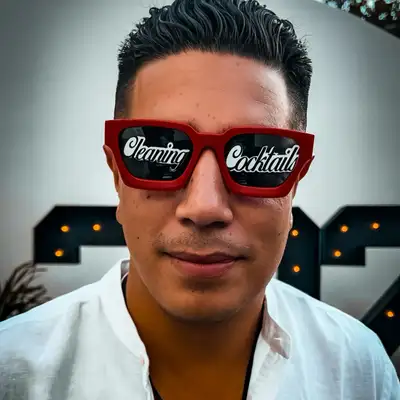
Welcome to Cleaning & Cocktails! I’m your host, Ricky Regalado CVO of Rozalado Services, Founder & CEO of Route.
In this show, we highlight the cleaning industry by sharing valuable stories, practical tips, and expert insights from cleaning business owners and professionals. Our mission is to elevate the cleaning sector and act as a guiding light for everyone involved.
So go ahead and grab your favorite Cocktail or Mocktail and enjoy the show as we dive into discussions that talk about the challenges and successes we all face. Our goal is to unite the community under a shared mission:
“We are building a **StrongerTogether Community**.”
CLEANING & COCKTAILS — TIMESTAMPED TRANSCRIPT
Episode: Alex Iannessa | EnRoad Paving
Host: Ricky Regalado
============================================================
Welcome to an on-new season 4 of Cleaning & Cocktails. I'm your host, Ricky Regalado,
CVO of Rozalado Services and the founder of Route. And this season we're
turning it up. We're bringing in powerhouse subject matter experts from the
residential and commercial cleaning community, manufacturers and distributors,
property and facility teams and technology providers that all serve the
cleaning and facilities industry. We're giving you real stories, real strategies,
and real success secrets. This isn't just a podcast, it's a movement. We highlight
the wins, the losses, the lessons, the challenges and the breakthroughs that move
our industry forward. Our mission, it's simple to unite cleaning and facility
industry professionals around the world and build a stronger together
community. We've got worldwide listeners tuning in. And now it's your turn. So
grab that favorite cocktail or mocktail and get ready to level up. This is
cleaning and cocktails where the industry connects, grows and wins together.
Hey guys, welcome to another episode of Cleaning & Cocktails. This summer on I
want to switch it up. I've thought about the episodes that we've been doing in
the past and we've been very focused in the cleaning industry. And I thought you
know what we ultimately are in the service-based industry, right? So I wanted
to take this season and start inviting some guests that they're building some
pretty cool companies in the service-based industry as a whole. And this first guest is a local.
Alex is from the Chicago land area. We were just off camera talking about some of the friends
that we have that are within the same groups. I told Alex, I may be older than him,
but I am a young old, okay? But we have Alex and us here from EnRoad Paving. It is a pretty
cool industry for me. And we're going to talk about it because one of the things we're
going to talk about is transformation. And I was telling Alex, you guys, is one of the things
that I know with cleaning is it's hard to see. Right? The cleaning industry is a thankless,
you don't get too many compliments because you can't see the clean. In Paving, you can see when
a place got big. Yeah. So I'm really excited to get into that. But again, Alex, I'm sure you know,
you've seen some of these episodes in the Cleaning & Cocktails podcast we talk about the cleaning
industry. But in this case, I'm going to talk about in the service space because there's a lot
of similarities in sales, ops, culture, the way you find business, the way you establish business.
And just the life of business. So Alex, thank you so much for joining me. Thanks for having me.
I appreciate it. Yeah, very excited. He's ready. He's ready guys. I've been ready. I've been
ready. Been falling for a minute and I'm happy to be here. Yeah. And we actually have somebody in
common, which you guys, if you watched, it's probably about 10 or so episodes ago. We had a
gentleman named Angela Cisco. Yes, sir. Angela is one of Alex's coaches right now in business. So
Alex, for the Cleaning & Cocktails audience, especially this episode in this moment, share a
little bit about you, who you are and introduce yourself and the and EnRoad Paving to the cleaning
audience. Yeah, absolutely. Alex, I and I sit here, founder and CEO EnRoad Paving, launched
about five years ago on our fifth paving season here. Just celebrated four years and for official
years in business three weeks ago. I got into paving 2014. So I think this is my 12th, what you're
guys at 2026. I think it's my 13th paving season or 12th paving season fell into construction.
I was 19 like we were just talking about working for a concrete cutting company to the non-union
labor union labor. And then actually I went to, while I should back up, I grew up in same area.
I'm a park river forest area. Went to Fanwick, shout out Fanwick for winning state. It's good year for
good, I should say 2025 is good year for me. We had Fanwick, Indiana where I went freshman
sophomore year and then came back home to get into construction, fall into construction and
voluntarily, right? But no, I grew up in River Forest, I'm with Park Area. I got three older
brothers, shout out Tony Danny Marco and be here without him. Entrepreneurship runs in our
blood. I like to say my dad always worked for somebody else and he always told my brothers and
I'd go do something on your own. That's what me and one of my brothers did.
Yeah, it's a little bit about me, Talia and obviously, right? Only the good half.
Growing up in that area and yeah, how I fell into paving, like I said, fell into construction.
Did the GC route and GC I was working for, actually not too far from here.
I was working with Hadhunter and dropped about 12 pages of drawings on me and it was like,
get all the takeoffs done, get all the numbers done, they're due next Friday and I'm like,
oh, I think I oversold myself a little bit. So at that point, my brother Marco was already in
sales. He's like, well, obviously, he sold yourself to an established CEO. Maybe you should look
at sales. So I was fired from that job and 13 days later, I saw an application for a big
national paving company, one of those quick easy LinkedIn supplies. I just think that
13 days later, had an offer, whatever it was, 40 grand, something like that, flipping barricades.
But that position was unique. I was the first account manager, it was the title there.
So it was half operations, half sales and the mentor at the time was like, you can go the operations
route if you want to do that or you can eventually grow into sales. So luckily, I learned from the
ground up, like said, flipping barricades, managing projects, account management, but quickly got a
net for sales with our kind of network. A couple guys helped me out from the beginning and,
yeah, so I was there for about six years. Went out on my own during COVID and
haven't looked back, have not looked back. So not looked back. So I'm learning about you and
we were talking off camera. I always love to do is get to know you guys a little bit,
the beforehand, but I could tell you there's a sense of emotion, there's a sense of pride and
resilience that you have. And you've got older brothers, you're the youngest of the four.
Yeah, older brothers, maybe you got your father that you've seen what probably blue collar and
hard work look like. Talk to me about what resilience means to you because I mean, you're,
again, it's the paving industry. It's blue collar space. You were talking about the concrete
cutting space that you were in and you learned from the ground up. So sales is one thing that I think
is as unique and different as an owner as a huge competitive advantage, but you worked with your
hands first. Yes, even whether or not you wanted to. No, yeah, yeah. But talk to me about the
the resilience you had of you said you had an owner's mentality at a young age. Yes,
position. Where does that, how does that walk me through that? Yeah, absolutely. Where that
comes from is from my father, right? He always said never be a cost. A ten year organization or
any relationship really, right? You know, always bring value. So the resiliency comes from my father.
My father was born in Italy. He came over here and he's won Jefferson Park. He grew up in, he was
one of seven in a two flat in Jefferson Park. And he grew on to, he started in the mail room at a
company called Smith Barney, which is a private investment firm and then went to go work for William
Blair. So, wow. So I started in the mail room. Second language was English. You know, we're first
generation and he grew to be a partner at that firm and probably like 2013 or excuse me,
retired in 2013, in the early 2000s. So I was lucky because my older brother saw more of the
grind, if you will, kind of like where you're at, where you're businesses at of my father.
I was, I like to say I was lucky because I came up in the 90s, right? I'm born 91. So things were
really nice and I don't think life's ever turned as good as they were in the 90s. But the resiliency
definitely comes from my father. You know, I've chosen or maybe yeah, at chosen's maybe not the right
word, but over the years to take the more challenging route, like to say, you know, and roads, endless
roads, endless opportunities, right? But at the end of the day, the path that I took, I wouldn't
recommend for somebody else, but it creates, it created in me a certain level of discipline,
a certain level of resilience of like no matter what happens out there, no matter what's happened
in me, what's happening around me, like I will get through this. We'll make this happen, we'll pull
it off. And that that's kind of like a personal core value that I think has cut me going
still to this day, right? No matter what happens, you kind of forge ahead. So that was definitely
passed on from the cultural, you know, being Italian and my dad being an immigrant for sure,
starting from literally nothing. You know, he was doing mail routes when there's like six years
all the hall pay for his younger siblings school. And that, yeah, they've got passed all my brother.
So all of us are doing pretty well. You know, I'm the only one without a kid, but I'm working on it.
I'm working on it. Keep working on yourself. First, I'll get it. I got two boys. They're the best.
They're the best critics too. They will critique you. They will be the first to tell you stop working.
Yeah. Right? It is not ironic that, you know, you're you're working for them, but they're the first
to tell you, they're going to tell you, which your father and everybody else can probably share with
you is they're the first to tell you get off your phone, stop working. But I'm doing it for you.
Yeah. All right. So here, let's talk about interesting is you're an entrepreneur now.
You're one of your brothers is an entrepreneur. You said your father was never a business owner.
I want to kind of tie this back into the cleaning industry. There's a lot of second generation,
third generation, like you see. In your case, it's not that you took over because you just said,
your father said not to work for somebody to go build something yourself. Yeah.
Sure. A little bit about what the other brother that does have their own thing and did that make
it impact massive, massive impact. So ironically, when I was the year that I got into paving was the
year that my brother Tony founded big construction. So that was 2015, 14, 15, 16.
And that had a massive impact on me because as I was learning the trade itself, like paving asphalt,
concrete, parking lots, I was watching him start his own business. He specializes in like
interiors, high end interiors, law firms, private equity places, stuff like that, downtown.
But it was cool because I was learning just, you know, the ins and outs of corporate America,
getting your confidence, getting a client, running a sale from soup to nuts, managing the project,
estimating all of that while in the background, you know, seeing my brother kind of slowly
hit a good success rate, if you will, and you know, publications and stuff like you've been in,
right, and seeing and learning how to do stuff like this, right, at a really young age. I mean,
back then there wasn't, I don't even, I think Joe Rogan was the only one doing podcasts in the
early tens, but yeah, no, that was a huge impact on me because I was like, you know, if you can do
it, I can do it. And I think that is a theme that's carried on a spot, I think for all entrepreneurs,
right, like I feel like every, but not I feel like I know everyone puts on their pants the same
way every morning, right? And even though, you know, you're young and you look up at these people
and you see like, oh man, like, oh, he's got this car, this business is doing this dollar value
or whatever, like at the end of the day, he's coming home to his family, hopefully, or maybe not.
And they are just human, right? We're all the same and anybody can do anything they put their
mind to. And I think that was one of the things we were talking about earlier put on the board too,
is like self limiting beliefs, right? Like they still creep up that imposter syndrome and like for
all the people out there who like think they're the only ones who have imposter syndrome or don't
feel like they belong. I think it resonates in all of us every day. I think the longer we do this,
the more confident you get organically, right? But it still creeps up, you know, those childhood trauma
stuff and whatever that gets passed from generation to generation to generation all the way from
Italy, you know, or wherever, you know, everybody's from. And I think that's something you
might fight against, but as long as you're aware of it, I think you can spin it to be a huge
like competitive advantage. Yeah. So I want to talk about Alex, I'll just the paving industry itself.
So I got a lot of the audience that we have primarily is the cleaning industry. So cleaning
business owners, right? But we've been getting a lot of good positive feedback from property
management, from facility managers, from building owners. And I know I say the word cleaning
industry, but I do challenge a lot of the my colleagues and my peers and a lot of the audiences
were in the facilities game. So like, I think there's a tie in here. And I'd love for you to just
maybe educate the space a little bit because again, hearing you talk, you know, you know paving.
But yeah. So like, I'm trying to think of a nice blend here and a tie into somebody who works
for clients that they offer their janitorial services. But if you walk out that door, you see a
parking lot, right? That parking lot may be striped, maybe, may look good, but if it doesn't,
like talk to us about how a commercial cleaning business owner or if they refer to themselves as
a building service contractor, janitorial, when they look at the parking lot or what does paving
offer that maybe they can keep an eye out and look out absolutely not that they have to do it
themselves, right? Because I think this is a great way to subcontract their partner up with them.
Yeah, yeah, correct. Share a little nuggets on what the paving industry is about.
Yeah, absolutely. And it's funny. You brought that up the facility, specifically the word,
you brought up facility management or facility maintenance. Ironically on LinkedIn, a lot of our
competitors put construction. And a couple of years ago, me and my partner, even though we are in
construction, you know, it had one of those little toggles to say like, oh, facility services,
oh, let's try this out. And it actually got a lot of good feedback because it is truly maintaining
facilities. And that's where I think our trades really cross over, right? Your insight, I'm outside
breath in the day, where we're, you know, taking care of or maintaining a flat asset, if you will,
right? And facility maintenance, maintenance management, property management, all of those stuff,
all of it comes into when someone goes to acquire an asset, right? And the two biggest spends,
spends when you're buying a building or a roof and a parking lot, right? So I kind of saw an
opportunity there knowing that's a big, a big spend. It's not as, you know, I'm not transactional,
it's not the word of ming for it, but it's not as like, really correct. Yeah, really correct.
There you go, right? Like as cleaning, right? It's, it's some life cycles are 10 years, like some
are five, so staying top of mind is like critical. But at the end of the day, like we were talking about
earlier, it doesn't matter what we're doing. We ultimately are serving the same people or the same
type of people who have the same pain points and issues that we do just on a different scale,
right? But yeah, like you said, it's a, it's definitely a facility management and maintenance,
property management, maintenance, game, but definitely on the, on the paving side, it's a little more
unique. There is some construction, not so long there's a lot of construction in there that we
don't want to turn a blind eye to, right? Probably 10% of our business is still new construction,
you know, engineering, drawing, stuff like that. But where we bring the most value is in maintaining
those facilities. And like you said, seal coating, striping, you know, just a little bit.
Oh, yeah, striping, striping. Yeah, come on. Well, you know, the epoxy floor is out there. I was like,
man, that's great. You know, that's, that's, it's really no different, right? And the guys who say it
is and you know, think they know everything and have all the answers and the guys you want to run
away from, right? Because it's just not, not the reality of life at all. But yeah, there's a ton of
a ton of crossover. What should we look up for? If there's, so I'll give you an example, right? So
we, we service a lot of medical office buildings and then we service a lot of clinics, we'll service
retail. Not that we, you know, retail is I think unique because it's, you have to know like the
management company for the whole. Yes. Well, maybe, right? But like, if we see opportunities
like what are things we should hear where I could say, hey, you know, I'm going to call
EnRoad. Yeah. For my, like, for even shared experience. No, this is a great, this is a great
question because early on and I still do it, driving around and looking at potholes, I mean, right?
It doesn't get as easy as simple as that. There's a great city for that. And you walk in a
car. Oh my gosh. Yeah, I just popped the tire two days ago. Oh, man, it's ridiculous. But yeah,
like literally early on when I was just starting to run my own book of business, it's like, okay,
here you are. You're now, you're at, you know, then put talking about the imposter syndrome. I
used to say, oh, I'm a paving sales guy, even though I was still in operations, but I was manifesting
it, talking into existence. But at the beginning, I would literally drive around and just kind of
look around and see the potholes. Oh, hey, this is maintained go pop in. And to your point,
the person who's working at the front to ask or maintaining the, you know, the marionos, let's say,
or whatever might not be the person who makes the decision, the decision maker, like the saying
sales is so important, right? Or whatever. But early on, I literally, one of my biggest clients
who still with me to this day came from, it's a big national bank and came from me driving around.
There's one popped up on North and Harlem like a 15 years ago where I grew up and I'm like, oh,
call on them, you know, and luckily now at days we have LinkedIn and AI all the tools.
And all excuses. You can find Zoom info. You got the guy's cell phone number like back in the
day, it was like so hard to find the people who were actually making the decisions. But yeah,
like, you know, potholes everywhere. If you own a property, right? Once asphalt's starting to
oxidize, see a gray, you know, pretty, pretty quickly. If you need to maintain it, it's just,
it's a big cost, you know, it's oil based product and you know, fingers crossed everything going
on in the world right now. I'm hoping that's not going to affect us, but it has over the years for
sure. But yeah, you got to keep your eye out for that stuff. And something that we offered and
something that I learned early on, you know, talking about that owner's perspective is unique to us,
is I learned from guys who own real estate. So I was able to look at paving, like we said,
less is like a transaction or a, oh, hey, how much commission can I make on this job? And more of like,
hey, who owns this asset? What are they thinking? What do they need? And creating one, five, 10-year
budgets for them on the front end taught me to really look at it from an owner's perspective,
right? And really look at it as if I own the building. So yeah, those are just the common,
you know, the potholes, the striping, ADA stuff, super important. But luckily, like you said,
it's our trade is very visible. Yeah, no, it is very visible. And let's say deeper, because I think
this is, I got a relevant to whether you're in the construction and the paving and specialty
in the cleaning industry, you said less transactional, more transformational. Yes. Even though for us,
I got it's difficult to see clean. I think if we're looking out for the facility,
for the property, for the office, whatever it is, I like that. Like it's, how do we help them?
How do we transform the building or them to give them the help that they need when they're
trying to run, you know, the office manager in the front, that's not her job is to maintain
the building and facility. So talk to me about how you took less transactional, more transformational
and kind of weed that into the business. Yeah, you know, that's challenging. It's something that I've
really, really honed in on lately, because it's the long game, right? In the beginning, especially
when I was just a paving salesman, you know, looking for a commission check and you're young in your
20s, right? You really are looking at a transaction. A lot of my competitors, a lot of people out there
are just fly by night transactional. But being in it for the long game, right, the relationship,
I think you mentioned like you saw one of my videos or whatever that said it took me nine years.
Nine years talked to me about that. Yeah, yeah. And the clip, same thing is like, again, you, you,
but you got to be persistent. You got to be persistent. You got to be top of mind. Yeah. So I was
working as a Cali. Great guy. Cali, good job. Yeah. Good job. I just talked to him. It is.
It's great. But we, yeah, we work, we're working with his four facility managers. They have a ton of
properties, 50, 75 across the country. They were actually one of the first clients to bring us national,
which was great. And you know, we talked on the phone for years and he's kind of the boss and he
left his guys do his thing. But yeah, after nine years of working with them and my previous
employer blazed good blocking me from, hey, I, you know, I want to work with Alex on this property and
Oregon. For example, and you know, my boss and I'll use the word boss because he was a boss at the time.
Like, oh, you're going to focus on Chicago. But eventually, you know, yeah, obviously started my
own business and we went down me and my operating partner, Joe Brian. God bless him.
Flew down to Austin at a great dinner. Broke Brad and we just stayed in touch. We talked for 30
minutes on Tuesday. And you just got back to Costa Rica because we were just talking about I want
to go there. I'm like, dude, like send me some pictures. You still haven't sent me the pictures. Like,
I'm not even at this point. Like, but you're keeping it friendly. Friendly. Yeah. Just friendly. You
know, it's not just like, hey, where's your, how much budget? Like, yeah, at some point,
it does become about relationships. And, you know, it seems sometimes it can seem like
that's like, oh, your buzz word or that's, you know, you're trying to be maybe something you're not
or whatever. But I think when you approach it with the right core values, when you are looking to
establish a relationship for many, many years, and like we talked about, too, it's not even on
the client side, but internally, too, right, with national subcontractors, right, taking care of
people. And then they call you and, hey, you know, this guy is actually bidding on this, but I'd
rather work with you. And because you did X, Y and C or you paid us up front or, you know, you paid
me in 20 days. I don't have to chase you down for money or whatever those, those relationships
really, really is what makes that transfer transformation. And, you know, we talked about
the, he really drilled that into my head every day. I mean, quarterly tomorrow with them. And
I'm, yeah, thanks. I'm the, I'm the personal, you know, the working out and everything. But,
yeah, that's something newer, I think, even early on, I would preach it, but really that
scarcity mindset of like, man, we just started this business, like we have to get, you know,
dollars in the door. It's still kind of creeps up on you. And especially early on, those first
couple of years and kind of over takes you and getting out of that and staying in abundance and
knowing, hey, you know, the bills are paid. I have food in my refrigerator. Like we will be okay.
I was able to pay my taxes, like, right, but those small things really make a big deal because
I think we, when we get in the hustle and the grind and the emails and the tax and all the
little notifications that Apple, you know, drills in our head, it's easy to get in that
mindset, right? So maintaining, you know, taking care of yourself or ourselves is a challenge,
for sure. But that's a standing that mindset is super important for sure. I'm going to drill down
on this. I got three parts. This is going to be a long question. Yeah. Love it. This is what I do.
So, all right. So, so I have the reminder of myself to talk about chaos and to momentum.
But to lead into there, you just said mindset. You're the youngest of four brothers and your
father leading the front, right? What helped shape who you are today to deal with the chaos of
entrepreneurship? To use it to gain momentum? That's a great question. You need to get, but your,
you know, your brothers being older, right? And you seeing mistakes or, you know, you're in competition,
right? You had a competition going on. But like what did all that shape who you are today to be
able to say, you know, because do it. And like you said, entrepreneurship is not freedom.
No. It's not freedom. It's not like you're out. You're out. No. You are about to embark in a very
scary journey, which is chaos. Because everyday is new. Everyday is talk to us about, talk to
people. Yeah. I mean, you know, being the youngest for sure is I always had a fight for every meal.
All right. Like going back to when I was a kid, literally, you know, make my own way.
Luckily, like you said, I know the brothers kind of paved the way or at least started the,
I'd like to say poor, the foundation of the concrete, you know, is referral there. But,
you know, fighting for literally everything, attention, you know, from parent, my parents,
or whatever, you know, meals, like everything, right? Like that small stuff. They're supposed to let
you eat first. Yeah. I have now learned my, my oldest, my oldest does not let the youngest eat.
Yeah. No. It's in first. And it's wild too. Because I see, and I should have mentioned this earlier,
but so I have seven, it's a $7, a seven nieces and nephews. Excuse me. Six nieces, one nephews,
my gods on Tony's youngest Jack. Finally, 33 years later, there was another boy. There's a boy.
There's another boy. But it's just like, I ran a cow that happens four boys. And then it's like,
girl, girl, girl, girl, girl, girl, but watching them, you know, fight and watching them, the
older, you know, whatever bully the younger, but she kind of eggs around and like, it does. There's
some sort of, I don't know if competition is the right word, like brotherly.
It's love. Yeah, it's love. It is love. But it's hard to see that sometimes, right? Because you
get emotional, especially Italians, we get emotional and you know, might do something like,
well, I just, I'm not dead or whatever. But seeing that get passed on to the next generation is
like so crazy and so transformational, right? Like you're like, wow, oh, I see why, you know,
my brother, this brother used to do this to this brother and then how it gets passed on to us.
But yeah, early on, you know, being the youngest was, I had to make my way, for sure, and fight for
kind of everything I got. But at the end of the day, it's all, it's all love always between my
brothers and I were all very close. Kids are close. And yeah, like I said, I'm up next on that
journey. Next few years, right? Talk. So let's circle back on K-Asto. Yeah, because I think,
so there's a lot of, so again, let's, the audience that we have, Alex, a lot of that next generation,
cleaning business owner, they go to social media to learn. So they, and I feel the best learning
is authenticity. Yes. In the realness. So yes, you were, you had an owner's mentality as you
stated out, you know, when we were talking off camera and you're like, hey, you know, I had ideas,
same for me. I had ideas. I wanted to do things. And I say, you know what? I'm going to own a
business. But little did I know about the chaos that comes with it. So like talk about, yeah,
you know, again, even though you're not in the cleaning industry, you're in a service-based
business, but you own a business, you're developing, you're building, you're leading. Yeah. What's
that first second third year? Was it what you anticipated? Like, what was the one time you're
like, you know what? I know what questions. Yeah. I didn't say that. Yeah. Oh, God, it depends on the day.
Like, great, today's great day. Like you're doing this and like, you know, it's raining. So paving is
interesting because it's especially in Chicago really goes by the weather when the sun's out. It's like,
you know, guns blazing, phones are ringing and you're just like, it is, it's chaotic. But the chaos
of being five years in, four and a half or whatever's years in now looks different than the chaos
of, hey, this is me, my best friend. I just made my equal partner and I just raised half a million
dollars for my friends and family. If I screw this up, like, damn, I'm going to move to Mexico and
fall off the grid or whatever. Like that chaos is a little bit different than the, hey, we have
employees who we have to feed, you know, investors who we have to pay before we pair ourselves.
Right? That chaos is a little bit different, but it's still, it's still chaos and down to the day.
And doing or taking it and turning it in momentum, turning it into transformational experiences,
knowing that, you know, Ricky has the same, probably a lot more, right? But, but same chaos in his day
to day life. And that's where we bond, right? And having those people in your life, like, whether
it's fist stage of the period executive advisory groups to lean on people that have those same
problems, like you're never alone, right? Out there and it can be spawned. And I think stuff like
this podcast and just showing the underbelly of how we got to where we are, how we are, where we
want to go is really that differentiation that people like, man, I identify with that, right?
Like, and I would love to have lunch with him or whatever, right? But you can't do that if you're
sitting behind a desk. No, you can't. You got to get out there. And then everyone has that
imposter syndrome, right? Like it just starts with, you know, putting yourself out there. And it's,
I'd like to think I've been good at that my whole life. Yeah. You know, kind of like
sticking out because I was the youngest, right? Like I had to, my mom tells a great story. I just
was FaceTime. We were showing her the area here, which is pretty cool. About when I was like six
years old at Eric's Dally, you know, no park evidence out there. Any more best chicken fingers,
like in the world, this place. And I was like five years old, maybe four. You remember the
friends. Yeah, chicken fingers or whoo. And I want to listen out there a little bit like, oh yeah.
But she tells a story that I jumped on the table. I said, everybody, why won't you listen to me?
And like she brings it up every Christmas or whatever. But that's how I felt. And sometimes I
still feel nowadays. But you know, now that you get established business, healthy, you know,
business, cash flow, whatever, you're like, okay, wait, some people are actually listening to me.
I'll take a side step here and talk about how wild that is what you just said because
early on, you have this like pity party. Yes.
It's like, yeah, I'm taking a leap of faith. I'm building a business. People should believe in me.
It's like, dude, no, like you got to prove yourself. I've proved like that they should believe in you.
Because I was there. I'm still there sometimes when I'm dealing with the different businesses that I
want to deal with is like, dude, nobody owes you anything. Anything. Anything. So you have to stand
on the table. Yeah. Yeah. And ask for like, give me something. Yeah. But show me. Yeah.
Like show them what you're asking for. Because if you don't show the work and the effort,
do like even out social media that we have anybody can say there anything. Yeah.
The technology. Yeah. Anybody can really build something out. Yeah. But it's strategy. Yeah.
Do you have this strategy? Do you? Can you execute? And I'm not saying you have to execute.
So I don't know about I think me and you were talking about, dude, you're, you're, me and you are
are the same. We're like, we have an idea. We have a vision. We can motivate. We can, you know,
push people and we're family. We're a culture based. Yes. Don't ask me about KPIs.
Let's me like metrics and analytics. Cause like, no, I will, I'll fail you. But guess what?
Now because of the tools we have, yep. I could probably show you a little more. So talk.
I want to talk about because again, this is relevant to anybody here. I have plenty of issues.
You, you know, take coaching. You're a part of this.
You're, you're, you're learning more as a leader. Talk to me about the strategic things you're
doing. Yeah. Yeah. No, absolutely. That's a great question to the point. Like you said, about
KPIs, like learning the P&L and, and balance sheet, which is still like, like I said, I have my
operating partner to do most of that. But I know just enough. Yeah. You have a wonderful
right hand. And one of my best, I would say mentors, business partner, first client, a shout out
Joe Sergei for kind of pushing this along. Uh, sadly, I'm like in our first series. Like,
those really insightful and aware of you to know your weaknesses coming into this.
Because he wanted to just start or we want to just start it with just me. But I'm like,
dude, I'm telling you, if I bring in an operational executioner, we call Joe the Samurai, Joe Brian,
the Samurai, right? Like he's behind the scene. Everybody needs to Samurai. And then I'm like,
Angel gives us all the names that come keys to door. So I actually got for Christmas, Joe,
this like cool Samurai sword that he has on his desk. I have the eyeglass thing or whatever,
like conquering new lands. But having that counterpart early on, was able, or enabled us, I should say,
to get past that $7 million marker, that was like a hard, that was a hard transformation,
get to the eight figures and stabilize around that 10 to 15, where we should be around 15 this year.
But that having that, I remember him giving me that compliment early on, um, was really cool,
because that showed that I had the strategy, the insight moving forward. But so that was five
years ago. But recently, um, what's changed a lot for me was I can preach all this stuff. Like
you said, you can go on social media, you can make all the videos. Anybody can be a snake oil salesman.
Maybe I was back in the day. I'm not saying I wasn't right. We're good for somebody else. But when
your name's on the diary, that's a little different. Yeah, that doesn't fly. Um, but yeah, having,
you know, the Vistage group, the peer executive advisory group, whatever it costs to have,
you know, Antelope and my coach and, and I wouldn't even say he's just my coach, is that I have to
is, you know, he's become one of my best friends, you know, he might stand up in my wedding,
like the, because he was integral in my new relationship too, right? Old to the new, um,
life coach, like best friend, right? Kind of like that. The like said, John Roser was my fourth brother,
fourth older brother. And Joel's kind of become, I guess, my fifth or whatever, uh, older brother.
I've always done well because I was the youngest with mentorship or mentee. I guess I would be
the mentor. Yeah, you'd imagine. Um, and then now that I'm, you know, I'm 35 this year and five
years in business now, it for me, I'm looking to mentor other people, right? And like, how powerful
is that? That's powerful. And I don't have a lot of them, but, you know, I have Mario RPP of
National Sales, um, who's helping us grow the national brand, um, you know, Sean or senior PM
just started. He's been working for us like even back at our previous employer in January,
able to get to certain jobs that I wouldn't be able to get to before. Um, but more over
to answer the question, like having the people around you, you can't do this alone. You can not
do this alone. And you know the guys out there who are, you know, running businesses, the CEOs who
are alone, because you can see it on their faces. Oh, you can see it on their faces. And there's
a lot of people that is their strategy to keep everything inside, but the day will come where
you have to lean into those other people. And some days I'm like, man, I could have made, you know,
more money doing this alone, you know, but most of the days, you know, I'm a six life path. It's
about, uh, you know, family and family business, real estate. And ultimately my why and my purpose is
taking care of the people around me, right? Like that's what fills my cup. That's fun. And it's
fun. Yeah, it's fun. And when they're disgruntled, I'm disgruntled. Um, you know, but yeah, that,
the strategy, the accountability from, you know, having a real business coach, having a real,
um, you know, a lot of real mentors and kind of all those older brother figures, um, I think gave
me a big competitive advantage, just spending back to, you know, being the youngest, you know, um, that
other people don't didn't have. I'm gonna, I'm gonna bring up some, a controversial,
controversial, controversial, controversial. Yeah, yeah. Oh, yeah. Well, I love it. Oh,
here's some good stuff here. All right. So we'll actually two part, damn it. It's two part,
though, because we're gonna talk about the employee owner mindset. Oh, yeah, yeah, yeah, yeah.
I'll come, I'll come back. So what I want to talk about though is like, uh, you, you see it all
the time is like, gain your financial freedom. I own in a company. Gain your, your life back and,
and, and, you know, work remote and work on a beach and manage a multi six figure or nine figure
business. Again, I'm not hating on that. No, you can own a remote cleaning company or remote service
business. Yeah. Paving out. But like, I just do, I, how, how is that fun? Like I did, and, and I just,
I don't see it reaches a certain point of success where, dude, why not be involved? Why not have a
team around you? Why not build culture? Like, I don't know. That's your take on that culture. I just
lost some subscribers. Yeah. Yeah. Well, there's a lot of those on social media on Instagram. Like,
I don't work on a made this, and then this amount of time, like, no, like the, the culture piece
just stuck with me that you said that that's a big part of my job that you like, I can't, but a
KPI tool you can't measure. Like we talked about the social media stuff that some of the initiatives
that I've done and like the last year, and when you, when I started and when you start doing it,
you don't know, well, you're like, well, I can't measure this. I don't like this working. I look
like an idiot. Like, am I like, you know, like, fan on camera, like all the crazy thoughts, but
you know, after being consistent, right, accountability and doing it consistently, it does show up on
the bottom line. It shows up on, you know, networking and doing stuff like this. But yeah,
the culture piece is super important, and that, that I think is my favorite part of the job when
it's good. Sometimes, you know, you have a road. You have a rough quarter. I'll say it right now.
Do you like, I hate January's. Why? It's a three-payer or one. I hate January's because it hurts,
it hurts the business. It hurts my feelings, my emotions. I hate January's. When we're strapped,
you get a, there's two of those months a year. But that's the cons part of the running of businesses.
But you have to prepare for that. So that's why I wanted to, like, I want to tie that back to
strategy. You're building on strategy yourself. Yeah. And I think people get, get a twisted and get
lost in this world of like, you know, it's all about motivation. It's about, you know, inspiration.
I get it. I love it. Yeah. But none of that matters if you're not disciplined. Yeah. You don't
have a strategy. Yeah. And a good team behind you. And a good team. And professionally.
Right? Yeah. 100%. Let's talk about the teams. Yeah. Tie that back to the owner, the employee owner.
Yeah. Don't invest. Yeah. Something I preach. And I think I was preaching it and maybe not
living it at the beginning. But the best employees, act like owners, the best owners act like
employees. And yeah, now we're now we're cooking the book. Like I started and I don't know if
this is similar to you, but I started and wrote because I was like, my boss is an asshole.
And I'm going to show this guy, right? And I think you guys said, I think I have right. And
and then you're like, I'm never going to have a boss again. So let me call on my family and
friends to borrow money to run to start a business. And then I'm never going to have a boss again.
And then it's like, well, you're just 10 x your bosses. Well, think about that too. Right? Like
you're raising money. You're you raise money. Alex and I've raised money on the tech side,
though. And the tech side is very, I would say it's not that it's normal. But yeah, it's
state like you're running your building of vision, you're building a breaking ideal to reality.
You raise money, right? In the service space business, I haven't heard that much. And like,
you went to raise money to build a service space business, which I got to believe that I should
have been in on that round. You're in eight figures now. Like, yeah, that's a great ROI. But
that's not, you know, I don't want to sidetrack the conversation we're about to get to. But
I want to pause there and just say, like, what what was the fear at that moment? Because you're like,
you've never done the scarcity. Yeah, and you raised a good, yes, so it was family.
Friends, yeah, family friends still have to believe. Yeah, yeah. Talk to us about the moment you
thought about that to the moment, the pen and paper hit. Yeah, I remember. Yeah, I remember,
then that's where my brother Tony helped out a lot, right? Because she had done it and he,
yeah, we did it too. And then yeah, yeah, yeah, yeah, yeah, yeah, yeah, yeah, yeah, 100%.
And I just remember right before we launched, I went on like a vacation. I'm like, one last
who ran, I was posting like stupid stuff on social media and what happened. And I had a conversation
and we had a conversation, you know, like, okay, like this is what's about to happen. Like,
you know, like you should, well, let me spend back. He's Tony gave me great advice. Like, if you're
looking to raise X amount of money for, let's say, half a million dollars, you should be talking to
enough people to raise five million dollars, right? So if you think you got four guys on the hook,
kind of like sales, right? You need to be talking to eight. And I'm like, well, why? Well,
that doesn't make sense because what if this guy can't deliver and that doesn't matter? Like,
that's how you should be doing it. And so that helped me kind of shape the mindset on the raising
the capital, but also the discipline that had to come with it because once that money can
and your hands, all right, like be careful what you wish for. And I was told to me a lot,
not sure Tony, but by all, yeah, you love that one. I hate that. That like the wear and accountability.
I'm like, ah, still, but it works. You know, it helps. But yeah, that was scary. It's very scary
because it's not sure. It's not your money. It's not your money. It's yours, but like, it's
better to get put to work. Yeah, I don't get put to work fast. Luckily, we I'm very fortunate because
we were within so long for March 14, 22. We were cashful, positive within
five months. We returned the capital in less than 12 months, equal, right, to even. And then we
got to basically like two acts, the investment by the end of 2024. So,
in less than 24 months, I've run a double their money, which was I need that kind of investment.
Yeah, I do too. We're almost, you know, got them all out of the way. I shouldn't say that way.
And you know, everyone will be raised the money for the podcast. I'm 100% in. I'm 100% in.
Yeah, absolutely. But that's yeah, it's scary. Yeah, it's scary. And that's where the scares that he
kind of came from and the fear, right? And I didn't have early on the the Angelo's the
Vistage group. I mean, I wasn't a Vistage group, but it wasn't. I kind of backfilled one of my
partners, Joe's group, and it just wasn't the same fit as a key employee group. I was in a
key employee as entrepreneur founder CEO and you'd be with people who had those, hey, I need to
return investors money like today, yesterday kind of fears. But also, I think early on,
first couple of years, I didn't even address those. Like I pretended like those fears didn't exist,
because you have this like, macho man thing going on and this is praying that it's proud. And
cried like my dad says, pride come before I fall, right? And it certainly did. And my entrepreneur
journey, but yeah, that fear that fear is no joke. But once you kind of get out of that mindset and
you get into the abundance and you really, and Angelo's great at that pulling me and my team out of
like, oh, well, it got to get this guy the proposal today sort of thing. Like, is that going to
are we going to go out of business because this guy doesn't get a piece of paper today? Like,
right? And think about like the language you're using, the pressure you're putting on.
And I do it to my dude, I did it last week. Like it's unnecessary pressure. When you're just
but but but like you convince yourself. Yeah, you need to. Yeah, there's something there too.
Like the just real quick. And this is notorious and construction paving. Everything like someone
reaches out. Oh, I need this. Okay. Oh, we'll hop on this ASAP. I have this for you ASAP. Like,
and I tried to teach the team, but also myself like, hey, boundaries, right? Like that is the
hardest thing in business and personal. Okay. If I get this back to you in a week, is that fair?
Does that sound fair? And they're not going to know like it, but it's such a small thing that really
I think early on I wasn't great at. And I think better at that. But sorry, I didn't mean to cut you.
No, I don't and dude, I'll take that to, you know, I follow bezels. I follow musk. I follow,
you know, jobs on job, you know, these guys were cut through. Right? Like everything was cut
throughout everything. I would say there's a good and a bad to that philosophy when
I yeah, ask the question, hey, can I, is it fair if I get you this proposal? Yeah. In five days,
you know, it's Monday, it's, you know, give us so Friday cool. There's going to be the person,
though, that gives us an on Wednesday. Yes. So you have to be okay with that. Yeah. And it's like
stay around, like be cool with that. And if you lose it,
at that moment in time, they, they weren't willing to, but it's okay.
Yeah. Do it like just be more. Yeah. Respect like at some point, if it's you, it's a different story.
Right. You know, my, my wife and I will always go back and forth like,
brick, it's okay. You don't have to get back to them. Like it's, yeah.
Babe, I don't get back to them. I don't get to them. She's like, all right. Well, if,
but know that you just took time away from this to go do that. My damn. Yeah.
Everything plus. Yeah. And then, yeah, there's a plus minus. And always. So, yeah,
we just got to be okay with it. Yeah. Right. And I'm okay. Yeah.
So I'm going to lead into, you were getting into it. But
this was a great question that I had on a note. Talk to us about the one, the, one of the first
times being an entrepreneur leading in roads, maybe it was year one, year two, year three.
You knew you're, you're wrong. You made a wrong decision. Oh, yeah. And you're like,
and you owned it or acknowledged it. Yeah. Cause I think we fail early on to acknowledge
the wrong mistakes. Yeah. I think a big picture answer to that would be like,
I thought for probably the first, so basically up until like a year ago, that, or maybe
18 months ago, that I could, the harder I worked, the better the out, like the more money you make,
the better the outcome, the more customers, like things will be better. Right. The more hours,
the quicker you got back to people, the quicker you'd like, right, that, and that is important
to the wrong. But at some point, those founder, you know, mindsets, the scarcity that we're talking
about, the, yeah, the burnout, it, it comes quick because that's not sustainable. Right. And
like where I was wrong in just this whole journey was like, if, if we, and me and my business
partner, keep pushing and say that extra hours and that other, that one more proposal and that
extra, right, and just that extra conversation, extra touch that you can work harder
into more success, right. And that grit is super important as a founder, right. Like, and it's
still important to have, but that takes away from the strategy at some point because you only
have so much mental capacity and thinking that it's almost narcissistic at some point. Right.
I think it feels right. It's like, because you go through, like I feel like elementary in high
school is grit. Mm-hmm. College is strategy. Strategy, right. The masters is straight. Yeah.
Like I am the first to tell you if you go back three, four years ago, even a year ago,
I'm talking about grit. Yeah. Right. Yeah.
It's strategy. Yes. Dude, and like I took so long to learn it. So long. Like you think that just
because you work so hard that it's a survey. Yeah. Yeah. Yeah. No, no, no. How did you strategically now?
Mm-hmm. Approach that. Yeah. So what do you mean? So yeah, like, I'm like, I am,
that's one of the strategies. And then also, like I'm creative. And I get a right, right. But
but I think, yeah, sometimes it was about a year ago and Q on of 25, like because we came off
such a big year in 2024, I'm like, oh, this will just keep rolling and I probably got complacent.
I probably did get complacent and just but still in my mind, I thought, well, you know,
I look what I've done in the last three or four years or five years or whatever, I can do it like
this, right? And thinking again, like that narcissistic almost side and those, those founder skill sets,
the, you know, I'll work until midnight to get this done. I will guarantee, like it's almost
survival. Yeah. That instinct that we should be thriving. Yeah, we're thriving. Exactly. Exactly.
And all of a sudden I looked up and I was just surviving. Very right. And I'm like, what?
Personally, you know, personal relationships, right? I got girlfriends, whatever. Like,
and I'm like, man, this is not something's off, right? And I couldn't put my finger to it.
And what I kind of do is like working with Angela is those, those skill sets that are required
to be like, I'm going to do this on my own. I'll go against the biggest company in the industry.
I'm going to do this myself is so critical to get it going to making money to, but it actually,
those mindsets actually hinder you at some point because you're stuck in that like cycle of
scarcity and stuck in that mindset of I am the answer. And it couldn't be anything further
than the truth. Like at some point you cross that threshold where you aren't the answer, right?
Like you are here to serve everybody else. I say you're generically. I'm here to serve everyone
else. And when that mindset shifted, that's when the magic really started to happen. Yeah.
And that was probably about a year ago. So like call it like three and a half years in.
But I thought sure you should until I was basically 33 years old that I could just grit, put my
nose down and put my nose to the grindstone as my dad says. He loves that one. And like just work
out work everybody else. And yes, that's important. I'm going to be wrong, but like you have to take
a step back to from the business, which I did a year ago and see where it's at. And then kind of
come back in and reorganize the thoughts, reorganize the processes, reorganize the clients, maybe
fire some people or fire some clients. I mean, and that's kind of where yeah, that's where the
magic really started happening when I stopped making it about myself. You know what I mean?
Like it's good. And then that spins into the personal too. Like all of a sudden, I was in a
relationship with a girl. I don't know if 10 and a half years. And it was I'm blaming her for all of
bad actions whenever but she's a mirror of me. Yeah, you got to look at the mirror. And it sucks
sometimes. And you know, and I'm sure it won't be the last time. I'm like, you're I'm looking at
the mirror and I don't like what I see. But that's only the those are only the moments and journeys
that entrepreneur's face. Right. Like I wouldn't say what you're doing. You're only five years in
four and a half, five years in. I feel like you have a long you have many more that you're going to
be dealing with. Yeah. And before we wrap up, I thought of two things. One, a shared experience
as you're talking, I'm thinking of the survival and thriving. He's right. So as you know, I just
came straight here from Florida. And you know, that was with the families of the kids. I see my
five year old. Many is he doesn't know how to swim. He's learning how to swim.
At this past week. Yeah. On the fly learning. Right. We're about to put him in a swim school.
But we're seeing him go. And I think of business as like he is surviving. He is literally
because he said, I don't want to life jacket. I'm like, yeah, yeah, yeah, you do not know how to swim.
It's not a it hurts. It's rubbing. It's rubbing. He's like, I don't want to live. Okay. Go. This guy's like
like for surviving for life. And then he gets it. Yeah. No. So we're there. We were there for five days.
Yesterday was a today was a fifth yesterday. It's fourth day yesterday from day one to day four.
There were just four days. These like strokes. Legs are kicking. Yeah. He's got no jacket on.
Yeah. He's thriving. That's an amazing life. And you're like comparing it to your journey.
I think I'm like in four days, I just saw my life right now. On a business where that's my first
year, first years, but still to this day. But like surviving and thriving. It's a big deal. Yeah.
Like again, nothing against grit and hard work. It's going to get you to where you need to put
yourself into place to then come up for water. Breathe. Yeah. Come out of water. Breathe. And again,
like a vantage point on what strategy looks like. Yeah. Yeah. And I feel like you're living that
right now. Yeah. Totally. For the years to where you're at now. I see it. And again,
what caught my attention with you is that post you made about nine years. I'm nine years into
the sales relationship. Yeah. And I and we are working now. Yeah. Like that's a long commitment. Yeah.
So yeah, that just shows ago, like in our industry too, like it's a it's a thankless
and it's a there's no compliment. Service is hard. Service space is very hard.
Very, but like I'll end with this note or end with you talking on this topic is
we get into this business ownership mindset to to think that we gain freedom. But you said
it's about accountability. Talk to us and end with the note of like what is it to build the
business and then continue to build the business that accountability is such a big deal. Yeah,
accountability is such a big deal, right? Like I said earlier, I started Endroads because I didn't
want to have a boss anymore have a terrible boss or whatever, but it ends up spinning into
being a servant leader, right? Because you have to you have way more bosses now, right? Because I
have my employees that we have to take care of, right? We have our investors that we have to take
care of our business partners, maybe even, you know, old something to or whatever before you take
care of yourself, but you have to show up every day, you know, the same way consistently and you
can't let your guard down for even a second. And I do it all the time. And just the last Friday,
right? It's late to meeting whatever and stuff happens, but it's just funny. The paradox of
like being a founder and entrepreneurship, where you get into it for one reason and then you're in it.
And that same reason is actually kind of like the opposite, right? Because I have more people to
respond to clients are my bosses, right? Employees are bosses. The investors are my bosses. Uncle Sam is
a boss. The worst boss, by the way, right? And but once you kind of accept that and like, okay,
that's okay. I might not be good at this, this and that, but I am good at this, and then this
will the value I bring, and knowing the seat that you should be sitting in your team will mirror that,
right? So for me, getting out of like every, I mean, shoot 20 months ago, I was still doing
invoicing waivers like, right? Like crazy. Like, what am I doing? Why am I spending my time here?
And getting out of that and knowing, hey, I'm good at, you know, getting out in front of people
opening doors, networking sales, marketing, and trying, you know, different things, getting
uncomfortable is really all the difference. But the paradox of like, like, I'm going to do this
home never end of Boston. Look at me sort of thing. And it's, it, it, it won't you stop making about
you. And that's when the business actually like thrives. You know, it's crazy. The journey starts.
As we wrap up, yeah. So do me a favor. What? My name, dad's name, and your three brothers.
Yeah. So my mom's Stacy, Stacy, my dad's Bill or William,
Goyermo and Italian, and my oldest brother's Danny.
Told that real quick pause. Giromo and Stacy. Yeah. Yeah. Great job. Great job. You see this
product of the NSF family. You guys did a very good job. I talked to a bunch of brothers.
Thank you. I love that. My oldest brother, Danny's 10 years older than me. He runs the, uh,
the trading floor now at William Blair, ironically, where my dad used to work.
And then Tony owns his own business. He's been crushing it. He just celebrated 10 years in business.
And it's just celebrating for myself, technically, five, whatever. And then my brother, Marco,
uh, is slaying and freight. So I would love to bring him on. He's one of the best salesman ever.
He's kind of like knows Mikey and the rosers and everything. But yeah, my brother, Marco and I,
you're kind of like, we're the bash bros. And now we're like our relationships evolving a little bit
as he like, when sure he just had Georgia. He's got a kid. And then I'm the last son of the kids. But
yeah, it's Danny, Tony, Marco and me and then Bill and Stacy. Yeah. So yeah, Tony, Marco.
Mm-hmm. And Danny's the oldest. Yeah. Danny, Tony, Marco, you got to keep beating this guy up.
He started to get lugs underneath him. You guys did a great job at being big brothers.
I just want to give a shout out to the family. Yeah. Thank you. I don't
be sure that's your part of a big family. Yeah. You're doing a good job. We're growing man.
Being the youngest. You're doing a good job. That's easy. I'm trying, baby. One day at a time.
Yeah. I appreciate you being on and just sharing the wisdom, sharing your heartfelt story to,
to the cleaning cocktails industry. Yeah. Thanks for having me, man. This is amazing. I'm excited to
see where the where this is just the beginning. Right? Yes, sir. Just the beginning. All right,
cleaning cocktails. Well, you know how we do. I appreciate you tuning in. Thank you so much. And
if you guys have any questions or any messages or comments, I'm going to have all the information
for Alex. Reach out. And yeah, thank you so much. Thank you guys.
Welcome to an all new season four of Clean and In Cocktails. I'm your host, Ricky Reglato,
CVO of Rozalado Services and the founder of Route. And this season we're turning it up.
We're bringing in powerhouse subject matter experts from the residential and commercial
cleaning community, manufacturers and distributors, property and facility teams, and technology
providers that all serve the cleaning and facilities industry. We're giving you real stories,
real strategies, and real success secrets. This isn't just a podcast. It's a movement. We
highlight the wins, the losses, the lessons, the challenges, and the breakthroughs that move our
industry forward. Our mission is simple. To unite cleaning and facility industry professionals
around the world and build a stronger together community. We've got worldwide listeners tuning in.
And now it's your turn. So grab that favorite cocktail or mocktail and get ready to level up.
This is cleaning and cocktails where the industry connects, grows and wins together.