Subscribe
Share
Share
Embed
This is My Life! It's not Easy, It's Interesting, and It's Cereal!
"Satire is not a fabric in reality, but it can exist as part of the fabric of reality." ~Kevin M. Dougherty~
Check us out on:
Youtube:
https://www.youtube.com/channel/C/Life22
Facebook: https://www.facebook.com/Life22.Life22
Patreon: https://www.patreon.com/Life22
iTunes: https://itunes.apple.com/us/podcast/life22/id1451429535
Spotify: Search "Life22" on Spotify
Stitcher: https://www.stitcher.com/podcast/kevin-dougherty/life22
Google Podcast: Search "Life22" on Google Music
Player.Me: https://player.me/Life22
Twitter: https://twitter.com/Life22Studio
Twitch: https://www.twitch.tv/life022
Myxer: https://mixer.com/Kevin8134
Disclaimer: The views of this channel and/or any of its posts or postings reflect my personal views and do not represent the views of my employer.
Day 13,890 - Interview with Dave Carroll.m4a
Transcript
00:00:02 Kevin
Hey gang, Kevin here, Live 22 Studios.
00:00:04 Kevin
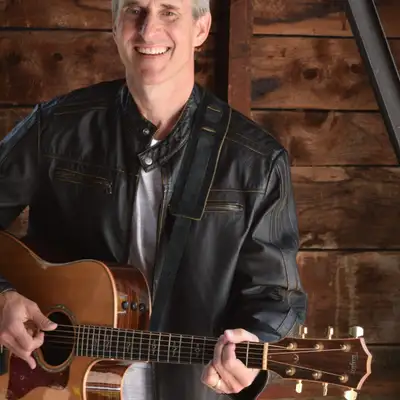
And today's guest is Dave Carroll from the Sons of Maxwell, Dave Carroll Music.
00:00:11 Kevin
And Dave, is there a separate name for your speaking engagements?
00:00:17 Dave
No, I'm either Sons of Maxwell or Dave Carroll.
00:00:20 Dave
No tricks.
00:00:22 Kevin
Okay, awesome.
00:00:23 Kevin
I was going to say, I've been listening to you since United Breaks Guitars.
00:00:27 Dave
Yeah.
00:00:29 Kevin
My dad was a Fox News Network junkie.
00:00:31 Kevin
And so you were all over all the broadcast realm.
00:00:34 Kevin
And my dad was always a storyteller.
00:00:38 Kevin
Probably not for the good, you know, more of a facetious a lot of times on the storytelling.
00:00:44 Kevin
But he would, he was, I don't know, probably kindred spirits to a degree.
00:00:49 Kevin
He probably saw something in you and he was always one to stick it to the man.
00:00:53 Kevin
And it was one of those, he got into you.
00:00:57 Kevin
And then he would nonstop play United Breaks guitars.
00:01:00 Kevin
And he bought a lot of put options in United that year.
00:01:04 Dave
There you go.
00:01:05 Kevin
Yeah.
00:01:05 Kevin
So, and he was watching it and then he started buying your albums and he started sharing it with us kids.
00:01:12 Kevin
And I really got into the Sons of Maxwell.
00:01:15 Kevin
And then I kind of been following your career and, you know, he's since passed, but, you know, it's just, it's one of those things.
00:01:22 Kevin
It's,
00:01:24 Kevin
actually, until I started doing, I started doing more research on you when you agreed to come on the show.
00:01:29 Kevin
And I was like, man, I did not realize that a lot of the questions I had for you, answered in videos within the last five years.
00:01:37 Dave
Oh, really?
00:01:38 Kevin
Yeah, about being a storyteller.
00:01:41 Kevin
A lot of questions I had was like, who composes a lot of the music?
00:01:44 Kevin
Was it you or Don?
00:01:45 Dave
Yeah.
00:01:48 Kevin
So.
00:01:48 Dave
Yeah, it's been, it's been an interesting career.
00:01:50 Dave
And like just that story you just told me now, it reminds me how
00:01:55 Dave
When you're younger, I guess, and you're right in the middle of, you're busier than you are at other times.
00:02:01 Dave
If you have fans, you just take it for granted.
00:02:03 Dave
It's like, yeah, they like my music, that's great, and you move on.
00:02:05 Dave
But it's humbling, you know, when you know that somebody's listened to your stuff, it made a difference in their life at some point.
00:02:12 Dave
And then maybe like your father, he passes before I do, but he's no longer here.
00:02:18 Dave
But at some point, a person that I didn't really know
00:02:21 Dave
was taking my music in and made a difference in their life in some way, whether it's just a drive to keep them company on the road or something like that.
00:02:29 Dave
But it's pretty cool to be able to do what I do.
00:02:33 Kevin
Yeah, I was just, I was moving to San Antonio, Texas at the time that I was really getting into your music and I had pulled up and I was 23, about to be 23 years old and Bold Frontier came on and I'm looking at San Antonio, Texas going, man, this is my new home.
00:02:47 Kevin
And it just, that song was very fitting.
00:02:49 Kevin
And I sent you an e-mail at that time.
00:02:51 Kevin
And it's kind of humbling when somebody actually that you wrote that wrote a song that you were listening to that related to you actually replies, which is very unique.
00:03:04 Dave
Yeah, again, I've also always respected anybody who gave me time before that, you know, you can justify being busy and staying in your own world.
00:03:17 Dave
But
00:03:18 Dave
My heroes are the people that would have given me the time.
00:03:21 Dave
Like, I know if I would have stopped Harry Chapin to ask him a question, Harry Chapin would have answered my question, right?
00:03:27 Dave
So without ever knowing him, I just feel like that's the way he would have been.
00:03:32 Dave
So that's the way I try to conduct myself as well, right?
00:03:35 Kevin
And that's what I was going to ask you too, because it was years later that I really got into Harry Chapin.
00:03:40 Kevin
And so for the longest time, you know, I had heard, what is it, and we danced.
00:03:46 Dave
Yep.
00:03:47 Kevin
I heard these songs.
00:03:48 Kevin
I'm like, all right, they're covering some songs.
00:03:50 Kevin
And I always thought Mr.
00:03:51 Kevin
Tanner was an original until I got into Harry Chapin.
00:03:54 Kevin
And then I caught you and your brother doing it.
00:03:56 Kevin
I'm like, wait a minute.
00:03:59 Kevin
Harry Chapin was significantly before your time.
00:04:01 Kevin
So I was like, man, these guys must have just covered it.
00:04:04 Kevin
And so it's got me thinking like a lot of Harry Chapin stuff is storytelling and telling stories inspired by other people and people they knew in their lives and things like that.
00:04:15 Kevin
You know, it was just one of those, it was one of those things.
00:04:17 Kevin
So I, I kind of anticipated that maybe Harry Chapin was a big influence in your career.
00:04:23 Dave
Yeah, 100%.
00:04:23 Dave
And I started playing guitar in university when I was going to Carleton University.
00:04:28 Dave
And so I was a late bloomer and the sing along aspect, I was playing acoustic guitar and I was, I was digging into people that I kind of wanted to sound like.
00:04:40 Dave
And because I didn't have a band, I thought, how about if we,
00:04:45 Dave
if we just try and sing songs that work with just a guitar and just vocals.
00:04:49 Dave
And so I was dialing into Gordon Lightfoot and Harry Chapin and Cat Stevens and people like that where the song stands on its own and production, yes, could make it richer, but if it's just stripped down to the guitars, it's still a good song.
00:05:00 Dave
And Harry Chapin, I remember hearing his live album for the first time, and he had a full band with them, but the songs were strong on their own.
00:05:08 Dave
And it wasn't just the songs, it was
00:05:10 Dave
the banter in between the songs that set up the songs, right?
00:05:13 Dave
It's the stories within the stories and the personality behind it and inserting context that makes the songs even better and more memorable.
00:05:23 Dave
And so I thought, I want to be like that when I grow up.
00:05:25 Dave
And I'm still saying that.
00:05:27 Kevin
Yeah, well, we never truly grow up, do we?
00:05:30 Kevin
Yeah.
00:05:32 Dave
Everybody's a work in progress right till the end, I think.
00:05:34 Kevin
Oh, yeah.
00:05:35 Kevin
And that's that was one of those things that like really sold me on Jim Croce back in the day.
00:05:39 Kevin
Yeah, he's just, you just listen to some of his live at Harper College and things like that.
00:05:45 Kevin
And you just, he's telling the stories about how he wrote the song, whether it was throwing up in a hotel room or what have you, and just in giving the insight to how he came up with the song, as well as having a lot of humor to it, too.
00:06:00 Kevin
Because I know in some of your songs, you listen to them and you go from serious song, serious song.
00:06:04 Kevin
And then you get one where
00:06:07 Kevin
I'm drawing a blank on the name of the song, but you're following this woman.
00:06:11 Kevin
And, you, I think your brother sings it.
00:06:14 Kevin
But you, the woman that you met at the bar last night, she told you something with her eyes.
00:06:20 Kevin
And then next thing you know, it's like the song is progressively getting more every breath you take by the police kind of.
00:06:28 Dave
A little creepy, right?
00:06:29 Dave
It starts off like it's a nice, light-hearted guy sees girl falls in love.
00:06:34 Dave
And, Right.
00:06:36 Dave
But I think the song would be.
00:06:37 Dave
A little bit tougher to pull off today because people are more aware of how crazy some people are.
00:06:42 Dave
But at the time when I wrote the song, it was just sort of, it would be a little creepy if a person was that way.
00:06:48 Dave
And that was actually a three-way right in Nashville, that one.
00:06:53 Kevin
Oh, okay.
00:06:54 Dave
Yeah, so that was a co-write, but yeah, that one we haven't played a whole lot.
00:07:00 Dave
You went and grabbed a deep cut right there.
00:07:03 Kevin
Yeah, well.
00:07:05 Kevin
And it's one of those things that like you took an idea that was like every guy has probably been there in their youth, right?
00:07:13 Kevin
They see this girl across the bar.
00:07:14 Kevin
She's so pretty that they stick in your head, right?
00:07:16 Kevin
Like the lady from LA.
00:07:19 Kevin
They stick in your head.
00:07:20 Kevin
You can't kind of shake it.
00:07:21 Kevin
And you kind of went to its inevitable conclusion in one person's scenario, right?
00:07:26 Kevin
Like, well,
00:07:28 Kevin
I can either forget about this, like most people do, and then you see the next pretty girl, and then maybe that's the girl you put a ring on the finger, and then you never think about that girl ever again that you saw in that bar one time.
00:07:38 Dave
Yeah, but I think everyone's kind of like that, you see somebody that's extra special.
00:07:46 Dave
And there was a girl I never really knew, but she was in the next building over when I was in Carleton University.
00:07:53 Dave
Her name was Tara, and she lived on the 10th floor.
00:07:56 Dave
And so she was Tara from 10th.
00:07:58 Dave
And I never had the guts to go ask her out or anything like that.
00:08:02 Dave
So she just was always Tara from 10th.
00:08:04 Dave
And everybody's got a Tara from 10th, I think.
00:08:07 Kevin
Yeah, right.
00:08:08 Kevin
No, it's, and that's, I've tried writing songs in the past.
00:08:12 Kevin
And that was actually some of the questions I was going to have for you was like, so a lot of the storytelling, that's, I'm assuming that's a lot of you, because in some of your, a lot of your brother's stuff, he goes off and he does a lot of covers.
00:08:25 Kevin
And he likes that.
00:08:27 Kevin
very baritone, that Sinatra feel.
00:08:31 Kevin
He's multiple Prospectors in the Prospectors songs, right?
00:08:35 Kevin
Like he's that, he is Mr.
00:08:38 Kevin
Tanner, right?
00:08:39 Kevin
He's the fall on your knees, kind of the.
00:08:41 Dave
Yeah.
00:08:43 Dave
So he, in Prospectors, that was actually, we're from a mining town called Timmins, Ontario.
00:08:49 Dave
And so those are two
00:08:54 Dave
One well-known prospector who found a gold mine, Sandy McIntyre, and then a lesser-known prospector named Ruben Daigle, who was standing right on top of a giant gold mine, but he never found it.
00:09:05 Dave
He ended up just sort of becoming obscure, and that's the name of the game for prospecting.
00:09:11 Dave
So we each took a role in that one and made it sort of a song that only a duo could do, right?
00:09:19 Dave
If everybody takes one character.
00:09:20 Dave
But yeah, Don's
00:09:23 Dave
He's actually really talented in that Frank Sinatra vein.
00:09:27 Dave
He's got a CD called Valentine Delivered and it's all Frank Sinatra, Rat Pack era covers with a full **** section band.
00:09:37 Dave
It's like, it's an amazing record.
00:09:39 Dave
Just was sort of a side project for him.
00:09:42 Kevin
Gotcha, gotcha.
00:09:43 Kevin
So that's yeah, it's kind of like when Rod Stewart went off on his own and started doing all those, the really old, you know, some of the love ballads.
00:09:51 Dave
Yep.
00:09:52 Kevin
Yeah.
00:09:52 Kevin
So.
00:09:53 Dave
If Don was going to be reincarnated, he'd probably also want a time machine and go back to the 60s and be in the Rat Pack.
00:09:59 Dave
That's where he should be.
00:10:01 Dave
Yeah.
00:10:02 Kevin
So and then so following some of your discography, right, like you guys kind of ebbed and flowed through this.
00:10:06 Kevin
So you guys started together as the Sons of Maxwell and then it seems like you kind of went off and did your own things and then you come back from time to time to kind of do collaboratives.
00:10:15 Kevin
Is that a?
00:10:15 Dave
Well, that's more consistent than that.
00:10:18 Dave
We started off as the Don and Dave show.
00:10:20 Dave
And so that's how we started.
00:10:22 Dave
And we were going to school at Carleton University in Ottawa.
00:10:27 Dave
We had a little thing going on in Ottawa.
00:10:29 Dave
It's where we got our start playing pub shows.
00:10:31 Dave
And East Coast music, which we were singing a lot of at the time, started to get really popular across the country, but it started here in Halifax or in the East Coast.
00:10:39 Dave
And so we decided we would move from Ottawa
00:10:42 Dave
to the East Coast.
00:10:43 Dave
And we were playing a show, I know, the year before we moved here.
00:10:46 Dave
And people came in and they were watching the show for like 20 minutes.
00:10:49 Dave
And we heard them say, they're not funny.
00:10:52 Dave
So they thought they were getting a comedy show, right?
00:10:54 Dave
So we figured we'd better change our name.
00:10:56 Dave
So that's how we came up with Sons of Maxwell, named after our dad.
00:11:00 Dave
And it had sort of that Celtic-y feel and history and said brothers and stuff like that.
00:11:05 Dave
So that's why we came up with the name.
00:11:07 Dave
And then we moved here in about 1994.
00:11:09 Dave
and never look back.
00:11:11 Dave
So even with my solo stuff, I've got three solo CDs, but those, that's a period for sure where I did my own thing because Don and I were going to become full-time firefighters in around 2006.
00:11:26 Dave
And he ended up getting hired.
00:11:29 Dave
A thousand people applied.
00:11:30 Dave
We both applied.
00:11:31 Dave
He got hired and I didn't.
00:11:34 Dave
But I got put on the list for the next year.
00:11:36 Dave
And they said, in a year's time, we'll hire more people and you'll probably be on that list.
00:11:40 Dave
So Don started working as a firefighter.
00:11:42 Dave
And in that intervening year, I wrote United Breaks Guitars as a side hustle project that I never thought would amount to anything.
00:11:48 Dave
It was just like, I'm going to stay busy and I'm going to, I guess, fight back at United for breaking my guitar and see what happens.
00:11:57 Dave
So then that went crazy and opened up other doors for me.
00:12:00 Dave
So I've done 3 solo recordings.
00:12:02 Dave
Don's done
00:12:03 Dave
one in the middle of all that, but we've never really stopped being Sons of Maxwell and we still play shows and we just play less frequently and we really don't go on the road like we used to before.
00:12:12 Kevin
Is he still a firefighter?
00:12:13 Dave
Yeah.
00:12:14 Kevin
Oh, okay.
00:12:15 Dave
Yeah.
00:12:15 Dave
So he's, So this is his side gig then?
00:12:19 Dave
Sort of, yeah.
00:12:22 Dave
It's, yeah, we went for well over 20 years of not needing a side gig.
00:12:28 Dave
The side gig meaning the job.
00:12:31 Dave
So the music's still the main passion.
00:12:32 Dave
It's just,
00:12:34 Dave
we can get our teeth cleaned with other twice a year now with benefits or things like that.
00:12:40 Kevin
Sure, right.
00:12:41 Dave
With the music business.
00:12:42 Kevin
Yeah, so I followed you as an artist and I didn't realize that you were doing speaking gigs until I started doing some more research.
00:12:48 Kevin
I was like, man, I was like, man, I thought I was following you and I was kind of following the music side of it.
00:12:54 Kevin
And then I actually went to your website because I was like, I don't need to buy any of his new albums.
00:12:59 Kevin
I have a large collection of his albums and, the other ones are paid for with, Spotify Premium and stuff.
00:13:06 Kevin
So I just was under the assumption of that.
00:13:07 Kevin
And I started scrolling through just all the, your speaking gigs, how you relate like customer service, how we're missing a lot of compassion in the customer service industry and how United Breaks Guitars really, really kind of impacted your career.
00:13:23 Dave
It changed my life completely because at that point I was thinking about getting out of the music business because I didn't.
00:13:29 Dave
My wife was pregnant with her first son, Flynn, when Don and I were thinking about becoming full-time firefighters.
00:13:38 Dave
And we had every high and low you can have in the music business, just not close enough
00:13:43 Dave
to get the momentum that you need to really build a career.
00:13:46 Dave
So we'd play with a symphony, and then we would have these great shows, and then we'd play a few pub shows, and then you'd have some bad gigs over here, and then you'd have to go play a bar in Alberta or something.
00:13:55 Dave
And I didn't want to be 1,000 miles from home, calling home to see how my wife's raising our son, waiting for another good gig in between the ones that get you through and stuff.
00:14:05 Dave
So I thought maybe it's time to hang up the full-time musician hat and do that, and then United came along.
00:14:13 Dave
And I did get the call to be a firefighter.
00:14:17 Dave
And I had the option of having the certainty of doing that.
00:14:20 Dave
And a lot of people were saying, this is going to be your 15 minutes of fame, get some t-shirts printed and sell them for the next few weeks and then go back to being a regular musician.
00:14:28 Dave
But some other people had seen some opportunities that no one else was seeing, right?
00:14:32 Dave
The music industry people thought this is only a music story.
00:14:35 Dave
And the truth is, it's not really a music story at all.
00:14:38 Dave
And the
00:14:40 Dave
music industry pretty much ignored United Breaks Guitars because in 2009, social media wasn't a revenue generating thing.
00:14:49 Dave
It seemed like it was a loss leader, no revenue to be had.
00:14:52 Dave
So the music industry, the labels, no one really cared about it.
00:14:55 Dave
They didn't see the potential.
00:14:56 Kevin
They viewed it like Dapster.
00:14:58 Dave
Yeah.
00:14:59 Dave
And all of a sudden, I had this experience where that video became the number one music video in the world for an entire month on YouTube.
00:15:08 Dave
And
00:15:09 Dave
people anywhere in the world, probably today, I could probably go to, if there were a room full of people in any part of the world, somebody will have seen that video and say, oh, you're that guy.
00:15:19 Dave
And that's a great entry into anything else you want to do if you've got something like that of note.
00:15:25 Dave
So of course, music industry is now on board and everybody is all about social media and here's, watch my videos and that sort of thing.
00:15:32 Dave
It's not monetized the same way.
00:15:34 Dave
And it's very valuable now, but at the time, it wasn't.
00:15:39 Dave
So
00:15:40 Dave
early on in the first month or so of the video going viral, my phone was ringing off the hook and almost none of the calls were from the music industry.
00:15:48 Dave
It was all from somebody else.
00:15:49 Dave
Someone saying, can you come speak at my event?
00:15:51 Dave
And I'd never done any speaking before.
00:15:53 Dave
But it turns out that it's not that different from performing.
00:15:56 Dave
And I saw it as you're on a stage, you have a captive audience for a short amount of time.
00:16:01 Dave
They're typically listening very closely, which is better than some music gigs where you have to compete for attention.
00:16:07 Dave
And I have a certain amount of time to take people through an experience.
00:16:10 Dave
So I tell stories and some of them are supposed to get your emotions going, like more songs about family and loss or lighthearted moments.
00:16:23 Dave
And you take people through an emotional ride.
00:16:25 Dave
So by the end of it, they've had an experience and you've sort of changed their life in some way with a story, with a message.
00:16:32 Dave
And in my case, as a speaker, my message is often about
00:16:36 Dave
the power of storytelling, that every one of us has a story, that we maybe don't always have the right approach to telling stories so we can improve our craft, but you can become a better storyteller.
00:16:47 Dave
You can change the world with your story.
00:16:49 Dave
And that for business audiences, customer service and customer experience means that everyone in your organization needs to be pulling in the same direction for you to have a successful brand.
00:16:59 Dave
You can't have customers that are
00:17:03 Dave
writing songs, viral songs about your airline, but pat yourself on the back because your employees seem happy or you just can't do that.
00:17:12 Kevin
Right.
00:17:13 Dave
Yeah.
00:17:13 Dave
So that's turned into an opportunity where I've traveled to 34 countries as a speaker, talking about customer service and branding and social media and storytelling and doing the right thing.
00:17:23 Dave
And I get to play music on either end of it.
00:17:25 Dave
So by the time I leave, people know that they have just seen a singer-songwriter who also speaks rather than
00:17:32 Dave
a speaker who has a side hustle of music.
00:17:34 Dave
I identify as a songwriter and a storyteller, and that's what I want people to remember when they see me.
00:17:40 Kevin
Yeah, that's, and that was something I always picked up from your music was that like, man, there's just a lot of stories here.
00:17:46 Kevin
And that's what led me to, man, Harry Chapin must have had a big, huge telling in this.
00:17:50 Kevin
And if you look back, I mean, the oldest, the oldest craft is, you know, stories.
00:17:54 Kevin
Nobody, you know, you don't remember
00:17:57 Kevin
George Washington for, some of his battles and things like that, unless it's in song form or what have you.
00:18:04 Kevin
remember every classroom in, I mean, in the United States anyways, we're taught about a cherry tree, right?
00:18:09 Kevin
Something stupid and trivial, but it's stood the test of time.
00:18:13 Kevin
There's something simplistic about, you know, if you can get your craft and your story down to something simple and it's something that speaks and resonates with a lot of people, you can make that story or that song or what have you last the, you know,
00:18:27 Kevin
the trials and tribulations of time.
00:18:29 Dave
And that's 100%.
00:18:30 Dave
And when I sort of teach the storytelling craft to businesses and say, how is your storytelling?
00:18:37 Dave
Everyone is a storyteller.
00:18:39 Dave
And if you want to make a connection with anyone, be it a customer or employees or your suppliers or the shareholders, you got to tell a story.
00:18:48 Dave
And the biggest thing that people do wrong, I think, in storytelling is they think they forget the authenticity piece.
00:18:55 Dave
You have to speak from the heart.
00:18:57 Dave
And it's not just a saying, you have to speak from the heart because that's where stories are felt and experienced in the heart.
00:19:01 Dave
Charts and graphs are up here, but a story starts, a good story starts and ends and is received in the heart area, right?
00:19:08 Dave
So you have to speak in a way that people can relate to, and that means you have to keep your songs simple and broad.
00:19:14 Dave
And guess what?
00:19:15 Dave
I'm A songwriter, and that's what songwriters do, right?
00:19:17 Dave
You write a song that you put on the radio that your dad could identify with, and maybe a 10-year-old girl
00:19:25 Dave
And Winnipeg, Manitoba could maybe get the same message by casting a wider net.
00:19:30 Dave
But if you try to be too smart that only the people who really understand that line can get it, then you've missed the point of songwriting.
00:19:41 Dave
I think you should be saying things that hit you at an emotional level.
00:19:45 Kevin
I was going to say, I think there was a comedian, Daniel Tosh, when he was in his hit to fame, he would do that with an audience.
00:19:52 Kevin
He would hit with a wide spreading joke.
00:19:54 Kevin
And then he would, the next, the set would take you down to a narrow pathway that one guy in the audience followed him the whole way.
00:20:03 Kevin
And so it was, the, what is it, the peanuts bring him in and the beer keeps him drinking.
00:20:08 Kevin
It was kind of one of those funnel methods.
00:20:11 Dave
I never heard that, but that's perfect.
00:20:12 Dave
Yeah.
00:20:13 Kevin
Yeah.
00:20:14 Kevin
Or the beer brings them in and the peanuts keep them drinking.
00:20:16 Kevin
I think that's what it is.
00:20:16 Kevin
But yeah, you just catch them with a wide net and then eventually you get the one guy.
00:20:21 Kevin
But even just people on the outside that are recognizing this funnel are also staying to enjoy watching.
00:20:27 Kevin
Wow, he hit that guy.
00:20:28 Kevin
That guy knows what he's talking about.
00:20:30 Kevin
And so.
00:20:32 Dave
Yeah, and as a songwriter, I like layering in the lyrics.
00:20:38 Dave
For people that want to peel back the layers a little bit, there's something there for you.
00:20:41 Dave
But if you just want to take it in on a superficial level, that's completely cool too.
00:20:45 Dave
And if you're crafted right, you should be able to have both things, right?
00:20:49 Dave
For the people that really want to get into lyrics, you can plant some little hidden gems for them if they want to.
00:20:58 Kevin
Yeah, you know, and as I listen to songs multiple times, that's when you start really getting into it.
00:21:02 Kevin
I was going to say, Oceanside, that was
00:21:07 Kevin
That was a fan favorite when I was when I was younger and drinking, because you could you could kind of just put it on and it was upbeat enough where you could have a couple of drinks with your friends.
00:21:15 Kevin
And it's talking about having a couple of drinks with your friends and playing music by the fire.
00:21:19 Kevin
And as long as Tom has this fiddle, you know, but then you've listened to it enough times and you resonate with some of the characters.
00:21:28 Kevin
They're like, no, I have a friend like, you know, was it Patrick O'Keefe?
00:21:35 Dave
What in my song?
00:21:37 Kevin
Yeah.
00:21:37 Dave
Is it not Oceanside?
00:21:39 Dave
It's Tom.
00:21:41 Kevin
Tom Keith.
00:21:42 Kevin
So Tom has his fiddle.
00:21:44 Dave
And my, if my, friend Alex Keith.
00:21:48 Kevin
Alex Keith.
00:21:49 Dave
So that's a little bit of a hidden one for people that don't understand Nova Scotia culture and stuff.
00:21:55 Dave
But there's a brewery called Alexander Keith's Brewery.
00:21:59 Dave
And so that's, so I'm seeking relief with my friend Alex Keith.
00:22:03 Kevin
Okay, gotcha.
00:22:04 Kevin
See, I didn't even go down that rabbit hole.
00:22:07 Dave
So I left it that way for people who would never know that Alexander Keith is a beer.
00:22:12 Dave
And it was just, you drink so much of it that you're on a first name basis.
00:22:16 Kevin
Okay, right, okay.
00:22:17 Dave
Yeah.
00:22:18 Dave
And, but yeah.
00:22:20 Kevin
And a lot of your music is very, very Celtic in nature, right?
00:22:23 Kevin
So the, so a lot like at the time I was.
00:22:27 Kevin
drinking with a couple of my friends and one of our friends who was significantly older, retired from the IRS, things like that.
00:22:34 Kevin
His name was Christopher Keefe, but he always went, his name was O'Keefe, but he always just went by Keefe.
00:22:40 Kevin
And so in our heads, we're like, all right, you know, it's Celtic music.
00:22:43 Kevin
You know, it's, he's probably got a friend named Alex, just like the rest of us, but just completely misheard your lyrics and just went with it, you know?
00:22:51 Dave
But I wasn't just making up
00:22:55 Dave
So I brought some truth into that song.
00:22:57 Dave
So that song is right on the nose.
00:22:59 Dave
There's really no tricks to it.
00:22:59 Dave
It's just a song about having a good time with your friends and having some beers.
00:23:03 Dave
But when I was writing that song, I remembered we were, this was before we moved out east, but there were a lot of East Coast people coming into this bar because that music was resonating with everybody.
00:23:15 Dave
And I just remembered we were playing some fast song and then one of the people who liked our stuff, Tom McCarthy, was walking past the
00:23:25 Dave
the bar on my right to do a 90 to come into the front door.
00:23:29 Dave
And I just remember that image because he reminded me of everything good about the East Coast and East Coast music because he's just a happy-go-lucky guy walking almost like the, you know, the girls that go dancing.
00:23:42 Dave
on the dance floor.
00:23:43 Dave
Some people wait till they get to the dance floor to dance.
00:23:45 Dave
Some start dancing from the minute they stand up, they dance to the dance floor, and then they continue dancing.
00:23:50 Dave
And some people have a special dance before they get to the dance floor, then they start dancing, right?
00:23:54 Dave
And he just sort of broke into a whistle and a jig sort of a thing on the way in.
00:24:01 Dave
And so he doesn't play fiddle.
00:24:03 Dave
And I've seen him since, but he knows that he's the Tom in Oceanside again, because he comes to me, he brings out the essence of the song.
00:24:10 Dave
And I've thought of that, and that's how I get into it.
00:24:14 Dave
I started, whether I say their name or really make them real people in a song, I'm imagining something that's given me that vision to go in a direction, right?
00:24:23 Dave
So Tom McCarty is the real Tom.
00:24:27 Kevin
Gotcha, which is, I mean, the fiddle in and of itself is in a lot of music is the lure to the dance, right?
00:24:35 Kevin
That's the, it's the mistress that takes you to the dance.
00:24:38 Kevin
So it was very, very fitting just to hear how you explain where the song came from.
00:24:46 Kevin
Because I, you know, as I'm sitting here listening to the music over the last, you know, couple weeks, I'm sitting here like, man, I was like, you know, because
00:24:55 Kevin
Every one of these songs comes from somewhere.
00:24:56 Kevin
You've explained to me prospectors, like the neighborhood.
00:25:01 Kevin
So you did your, you did, you did the album called The Neighborhood, but then you did a song called The Neighborhood, which, which to me, it spoke to me because I had a lot of friends that, you know, around the time I'm listening to your music and, some of them are just, you know, selling weed to get by.
00:25:17 Kevin
And that's, that was, that was their hustle if they weren't working at the local like Burger King, right?
00:25:21 Kevin
Like they were.
00:25:23 Kevin
And
00:25:24 Kevin
Nobody robbing liquor stores at the time that I was friends with anyways.
00:25:29 Kevin
But it was one of those, you wrote this song and it was very true of a lot of my friends.
00:25:33 Kevin
They all had friends that were more nefarious in nature.
00:25:40 Kevin
And almost everybody that I knew came from a broken home.
00:25:43 Kevin
And so that's kind of what the, that's how the neighborhood spoke to me.
00:25:46 Kevin
But like, what was your inspiration for a song like that?
00:25:51 Dave
I'm a music first guy, so I just remember
00:25:54 Dave
having playing the chords in a simple three chord song, very much like a La Bamba feel.
00:25:59 Kevin
Okay.
00:26:01 Dave
And that to me sort of sounds like a celebration, right?
00:26:03 Dave
Everyone likes La Bamba.
00:26:05 Dave
And so I thought on the lyrics, how about turning the lyrics on the head, have this really upbeat celebratory song with a serious story underneath.
00:26:14 Dave
What would that sound like?
00:26:15 Dave
And the first line just came to me.
00:26:19 Dave
Liquor store was hit last evening.
00:26:21 Dave
and the fugitive is heading south, then I just keep asking questions.
00:26:25 Dave
Okay, who's the fugitive?
00:26:26 Dave
What does it look like?
00:26:27 Dave
Okay, if it's a woman, what does she look like?
00:26:29 Dave
She had a gold tooth in her mouth and a red bandana.
00:26:32 Dave
And I remember asking how she got there.
00:26:35 Dave
And so I wrote three stories of three examples of how a neighborhood
00:26:42 Dave
sort of breaks down.
00:26:44 Dave
And the part that a lot of people probably don't realize, it sounds like you might, but do you know that the three people are related?
00:26:52 Kevin
Yes, they're all, they came from the broken house for the guy who beats his wife.
00:26:55 Dave
Yeah, so not everybody gets that, right?
00:26:57 Dave
And so it starts with a girl, then there's a guy that beats his wife, and then there's another kid that's selling drugs and stuff like that.
00:27:05 Dave
And at the end, I say he's got a drug dealing son and a daughter on the run, but there's more where they came from.
00:27:10 Dave
And
00:27:11 Dave
And that sort of, I thought it was a neat way to sort of tie it all together.
00:27:14 Dave
And that's a systemic problem.
00:27:16 Dave
It's not just isolated, right?
00:27:18 Dave
And so that's what the song kind of, an approach it had.
00:27:22 Dave
And then I remember we were just getting it started and we were playing as a duo, just me and Don, one guitar.
00:27:28 Dave
And we had a nice group of people dancing because everyone likes to dance to La Bamba in a bar.
00:27:32 Dave
And there was a girl just having a great time.
00:27:34 Dave
And at the end of the song, though, she had been listening to the lyrics and she says,
00:27:38 Dave
That's not a happy song.
00:27:40 Dave
Like I tricked her into dancing and having a good time.
00:27:43 Dave
But I thought that's a success, right?
00:27:45 Kevin
I mean, that's how society works though, right?
00:27:47 Kevin
Like you have these degradatory things in your society that all of a sudden, by the time you're done dancing, you realize that your house is a smoldering ash heap.
00:27:58 Kevin
And I mean, it's a slow moving process.
00:28:01 Kevin
You're not sitting there watching the flames, but it is slowly disintegrating around you.
00:28:05 Kevin
And so
00:28:05 Kevin
I mean, that actually is reminiscent of the song in its keys, just that, you know.
00:28:12 Dave
Yeah.
00:28:13 Dave
And in terms of records, The Neighborhood is one of my favorite records.
00:28:18 Dave
We had done Bold Frontier before that.
00:28:22 Dave
So that was kind of our second stab at stuff.
00:28:25 Dave
And some of the songs did okay.
00:28:29 Dave
for us, I guess.
00:28:30 Dave
There was definitely a lift and we got started getting noticed in the East Coast music industry with that record.
00:28:34 Dave
But that's probably my favorite album cover too, where Don and I are sitting, leaning against an area in Halifax that is an area of transition and was at the time.
00:28:44 Dave
And it was kind of like a rundown wall.
00:28:47 Dave
It was a small building, but it looks like we're just on a wall.
00:28:50 Dave
And it looks like we're having a conversation.
00:28:53 Dave
I'm laughing and Don's scratching his neck.
00:28:56 Dave
We were taking all sorts of shots that weren't coming out as maybe the ones we wanted, but at one point, Don doesn't like spiders.
00:29:03 Dave
And he leans over to me and he says, I think I got a freaking spider on my neck.
00:29:07 Dave
And click, there's, and that was the cover shot of the whole neighborhood CD.
00:29:12 Dave
And so sometimes, you know, you can pose and do what you're told for a cover shot, but it's the little moments, right, that end up being the ones that...
00:29:23 Kevin
The spelling of neighborhood.
00:29:24 Kevin
Was that just because you guys are from like, is it the French elements in the word, how you guys spell neighborhood?
00:29:31 Dave
Yeah, that's the Canadian, the Canadian, British English, right.
00:29:35 Kevin
Okay.
00:29:35 Kevin
That's that, that's yeah, it's like center, right?
00:29:38 Kevin
When you switch the R and the E.
00:29:39 Kevin
Yeah.
00:29:40 Dave
So we, it's the extra U we put in there, right?
00:29:42 Kevin
Yeah.
00:29:42 Kevin
Yep.
00:29:43 Kevin
That's what, that's what caught my eye the other day when I was listening to it.
00:29:47 Dave
Yeah.
00:29:47 Dave
And that's kind of one thing I think that Canadians like to do.
00:29:51 Dave
It's like when you,
00:29:53 Dave
You make music that sounds like any American band, but it's kind of like your little message to say, no, we're Canadian, right?
00:30:01 Kevin
Yeah, the Neil Young, right?
00:30:04 Kevin
The Neil Young, the Brian, the Brian Adams, you know, twists of things, right?
00:30:08 Dave
We had we had extra letters to words that make no difference to the words because somebody else told us to.
00:30:13 Dave
That's what makes us Canadian.
00:30:15 Kevin
Other than a call sign, right?
00:30:16 Kevin
It's a.
00:30:16 Kevin
I was going to say the album art from Among the Living.
00:30:22 Kevin
caught me the other day.
00:30:23 Kevin
Cause I was looking at it and I'm like, what was the purpose of this?
00:30:26 Kevin
You know what I mean?
00:30:26 Kevin
Like, and then all of a sudden I realized that half the people in the, everybody but you and Don were mannequins.
00:30:33 Dave
No, there were a couple humans in there too.
00:30:36 Kevin
They were, okay.
00:30:37 Dave
But there was mannequins.
00:30:38 Dave
They were all supposed to look like mannequins and we didn't have enough mannequins.
00:30:41 Dave
So we got my ex-girlfriend and another girl to stand there.
00:30:46 Kevin
Oh, okay.
00:30:47 Dave
Yeah.
00:30:49 Kevin
It took me a minute.
00:30:50 Kevin
Then I was like, okay, that's where he's going with it among the living.
00:30:52 Kevin
All right.
00:30:52 Kevin
So because everybody else is just, you know.
00:30:55 Dave
Sort of plastic and going along with the flow and being.
00:30:59 Kevin
Put not being an individual.
00:31:00 Dave
Really isn't what they want.
00:31:01 Dave
They just that society or whatever puts people in and creates a form around you that might not be your own idea.
00:31:09 Kevin
Right.
00:31:10 Kevin
Yeah.
00:31:11 Kevin
Man, I.
00:31:16 Kevin
So I was looking for Bold Frontier, and I think I mentioned this to you before we started recording.
00:31:20 Kevin
I was looking for Bold Frontier, and I've got it on a desktop somewhere.
00:31:26 Kevin
And I searched it on Google to find out, okay, where's a good place that I can listen to this?
00:31:32 Kevin
And your website pops up #2,
00:31:35 Kevin
because Amazon popped up number one, and there is 1 vendor selling a Bold Frontier CD on there.
00:31:41 Kevin
And it'll arrive by Saturday if you're willing to pay for the one that's left in inventory at $176.36.
00:31:45 Kevin
Just throwing that out there.
00:31:50 Dave
So I'm happy to say that we have shelves of CDs that no one really buys anymore.
00:31:56 Dave
And I have some Bold Frontier overstock.
00:31:58 Dave
I can send you a case of 50.
00:32:02 Kevin
I was going to say,
00:32:04 Kevin
I just got to dig out an old desktop and plug it in.
00:32:06 Kevin
But I just figured you'd be interested to know that you might want to restock this guy.
00:32:10 Kevin
I'm sure you could sell him for $150 a piece and then this guy can get his $25 profit on it.
00:32:15 Dave
Yeah, that'd be awesome.
00:32:16 Dave
Yeah, I'll get right on that.
00:32:20 Kevin
Now, hold on.
00:32:23 Kevin
What was your inspiration for that song?
00:32:26 Dave
Based on largely a true story, my dad, or the Max and Sons of Maxwell,
00:32:32 Dave
still around.
00:32:33 Dave
He's just turned 83 today, actually.
00:32:35 Dave
And he's always been a great guy for a lot of reasons.
00:32:39 Dave
But one thing that he's always, I've admired about him is that when somebody's sick or in the hospital, he comes early and he comes off.
00:32:48 Dave
And if you're there for a long time, he just doesn't come once and never show up again.
00:32:51 Dave
He shows up often.
00:32:53 Dave
So he had a friend that had Ms.
00:32:55 Dave
and she would have been probably 40 and living in a nursing home.
00:33:00 Dave
And
00:33:01 Dave
nursing homes are overwhelmed and stuff.
00:33:02 Dave
So they put people that probably shouldn't belong together in certain rooms or whatever.
00:33:06 Dave
But he would go and visit his friend Mary all the time.
00:33:09 Dave
And he's a musician.
00:33:13 Dave
He plays piano, but he never touches the black keys.
00:33:15 Dave
Everything's in the key of C.
00:33:17 Dave
It's just easier.
00:33:18 Dave
And so he was, they had a piano in the common room and he was playing piano for his friend Mary and anybody else who was listening.
00:33:25 Dave
And he worked at the mine as an electrician.
00:33:28 Dave
So he
00:33:29 Dave
He's playing the piano and he sees a man come in that he recognized from the mind he knew him.
00:33:33 Dave
And that man was coming to visit his wife who had Alzheimer's.
00:33:36 Dave
So his wife was in her nightgown at like 5 o'clock at suppertime.
00:33:41 Dave
And so he put his lunch pail down and whatever my dad was playing, the man asked his wife to dance and they had to dance together in the common room to whatever he was playing.
00:33:49 Dave
And so that was the, that sort of story was the inspiration about a man coming to visit his wife who has Alzheimer's in a nursing home.
00:33:56 Dave
And then the story branches out.
00:33:58 Kevin
Was her name Abby?
00:34:00 Dave
No.
00:34:01 Dave
No, okay.
00:34:01 Dave
So that was just made-up and I started to get in the idea, what would it be like to have to have your life partner that you're coming to visit?
00:34:10 Dave
And in my story, it's later on in life.
00:34:13 Dave
And you've been together 40 years and now you're coming in.
00:34:17 Dave
You probably may have promised somebody, I'll never put you in a nursing home.
00:34:21 Dave
And that's what this character from the man's perspective is having to deal with where he's getting older himself.
00:34:26 Dave
He can't take care of his wife and he's got to go and visit her on a regular basis and remind her of all the things that they did together and keep telling the stories over and over again.
00:34:36 Dave
And, and yeah, it's an emotional song.
00:34:39 Dave
I almost didn't finish it because it's kind of, it doesn't have a real happy ending, right?
00:34:43 Dave
But that's the reality that everybody's facing people in that.
00:34:48 Dave
And it turned out later that
00:34:50 Dave
years later that the notebook, the award-winning movie came out and people were, my phone or whatever, it was lighting up from people saying they should have had your song and the thing because it's basically the same thing.
00:35:02 Kevin
Yeah, no, that's, I was going to say that, your song must have come out before that.
00:35:07 Kevin
And I, you know, just based on the era, would the notebook come out in like 2008?
00:35:11 Dave
Yeah, so I think I wrote that song in 99 or 2000.
00:35:14 Kevin
Right, yeah.
00:35:15 Kevin
So, and that's, and that's a lot of like,
00:35:19 Kevin
is that is that a deterrent?
00:35:21 Kevin
I mean, maybe not a deterrent, but does that does that kind of is that a depressing thought to think about that like just every like the guys that are big out there right in the industry?
00:35:32 Kevin
And they're just they're writing these, you know, red solo cup, I'll drink you up.
00:35:37 Kevin
And they're just they're all these party songs like Oceanside and all these other, you know, and they're all uplifting songs.
00:35:44 Kevin
But with
00:35:45 Kevin
in life, like, you want to reprieve from the hold ons, right?
00:35:50 Kevin
The deeper issues, but at some point you have to address them.
00:35:54 Kevin
And so where your songs kind of delve into this quite often, like it doesn't make them popular as often as those upbeat songs.
00:36:03 Kevin
And is that like a, does that deter you from trying to write them?
00:36:07 Dave
No, not at all.
00:36:11 Dave
I find as a songwriter, it's kind of like you are
00:36:16 Dave
milliseconds ahead of the audience, but still an audience member to your own creation sometimes, right?
00:36:23 Dave
When you're really in the inspiration, it really to me feels like these ideas are being just presented to you and you just write them down.
00:36:30 Dave
So it's moving as an audience person maybe to hear a song that really gets you, but when you write them, sometimes you're getting yourself too.
00:36:38 Dave
It's not like, look at this line I just created.
00:36:40 Dave
It's like, where the hell did that come from?
00:36:42 Dave
This is great and you get the tingles.
00:36:45 Dave
And it makes you want to keep going.
00:36:48 Dave
And sometimes it's really frustrating that you keep working away at a line that could be better, but you don't know what it's going to be yet.
00:36:55 Dave
But you stay with it.
00:36:56 Dave
And you get rewarded with a gift of a song that punches above its weight and it's better than what you did last time.
00:37:02 Dave
And that keeps you going.
00:37:04 Dave
So the stock songs, those ones I find, I've never really pursued a hit on the radio.
00:37:13 Dave
like that by writing those type of songs.
00:37:15 Dave
When I do them, it's because I like them and I want them for that moment.
00:37:19 Dave
But if I had to sit there every day and come and here's a toolbox of 40 words that you need to have like a tailgate, beer, whiskey, dying dog, fighting.
00:37:32 Dave
Yeah, all those are the only things I could draw from.
00:37:34 Dave
And I had to write that same song every day, like a Nashville, maybe publishing company writer.
00:37:41 Dave
I don't know if I'd get into it.
00:37:43 Kevin
Right.
00:37:44 Kevin
Okay.
00:37:45 Dave
I like the money, but I don't know if I could get into it artistically.
00:37:49 Kevin
Right.
00:37:50 Kevin
And I feel like that the line of questioning just took a dark path.
00:37:53 Kevin
You know what I mean?
00:37:54 Kevin
Do you ever think about the world like as if you were Abby or the husband and you're just like, man, man, life is so fleeting and sometimes it gets you down.
00:38:03 Kevin
And so sometimes you don't even want to address those topics.
00:38:06 Kevin
But then you do.
00:38:08 Kevin
And like you said, it's not for your betterment.
00:38:11 Kevin
It's
00:38:11 Kevin
It's not for, financial gain.
00:38:14 Kevin
It's because there's a muse working through you, right?
00:38:17 Kevin
And you've just given it to the world.
00:38:21 Dave
But there's a business to it.
00:38:22 Dave
I'm not against making money.
00:38:24 Dave
And I love that I've been able to basically make a living with my music instead of having to get a job in a cubicle.
00:38:30 Dave
That would be like the worst thing for me.
00:38:32 Dave
Right.
00:38:33 Dave
I have to do that kind of thing, knowing what it feels like to do what I do.
00:38:39 Dave
So
00:38:41 Dave
I'm careful about the words I use.
00:38:42 Dave
And sometimes I'll say this.
00:38:44 Dave
If I could say this, but I'm careful.
00:38:48 Dave
I wouldn't want to offend people unnecessarily just to just to rub people the wrong way.
00:38:52 Dave
I would probably smooth the edges of certain things to make the song more appealing and cast the net a little bit wider.
00:38:59 Kevin
Right.
00:38:59 Dave
If that makes sense.
00:39:00 Kevin
Yeah, no, there's definitely, yeah, there's definitely, there's definitely a, there's definitely a genre out there for that.
00:39:07 Kevin
I was going to say, like in America, we've got a lot of, we've got a lot of pro-Trumpers and we've got a lot of anti-Trumpers.
00:39:12 Kevin
And you get those people that there's, I don't see too many, there's not too many anti-Trump songs, but there's a lot of pro-Trump songs and attacking the other side.
00:39:19 Kevin
And like, I'll listen to them, but I'm not a big fan just because they, like you said, they're not as, and they don't last as long.
00:39:27 Kevin
They're a political in the moment song and they don't last the standard time because it's like what happens at the next election, what happens at the next thing.
00:39:34 Kevin
And then you don't really,
00:39:36 Kevin
They, they're just, they're a fleeting impulse in the moment.
00:39:40 Kevin
And they're not relatable to everybody.
00:39:44 Dave
And that's a good point about the fleeting.
00:39:46 Dave
You can write a song that gets people fired up or morally outraged, but that's what social media does, right?
00:39:50 Dave
It gets people literally morally outraged about something because the algorithms have discovered that moral outrage is the number one way to hold people's attention and attention is the commodity of today.
00:40:05 Dave
That's the gold of yesterday.
00:40:06 Dave
Right.
00:40:06 Dave
And so, so social media definitely lives in the hippocampus.
00:40:14 Kevin
It's just, yeah.
00:40:15 Dave
If you want to get if you want to get your amygdala fired up, that's where rational thought doesn't exist.
00:40:21 Dave
It's all people don't like being called irrational, but so they're changing the name to pre rational thinking, right.
00:40:27 Dave
But it's really irrational thinking.
00:40:29 Dave
And you can motivate people to get into something with those
00:40:33 Dave
those easy Pavlovian tricks, right?
00:40:38 Kevin
Dopamine hit, click, click, click, click.
00:40:40 Dave
But if you can get people thinking about something and move them emotionally in a way, it'll last for forever, right?
00:40:45 Dave
It'll be a song that maybe it never becomes a hit, but it could be something that people want to listen to or go back to, maybe play at their funeral, that sort of thing.
00:40:54 Dave
That's a big honor when you're writing a song and somebody says,
00:41:00 Dave
my mom or dad listened to this and they asked that this be played at their funeral.
00:41:03 Dave
That's saying for the most important, one of the most important times in their life, how they get celebrated and remembered, they want to anchor your song to that.
00:41:13 Dave
That's not a small thing, right?
00:41:14 Kevin
I was going to say when my dad passed away, he did his living wake years before because he wanted to see what people were going to say about him because he was one of the best.
00:41:25 Kevin
So it ended up being a roast.
00:41:26 Kevin
He sat in a casket while we roasted him.
00:41:28 Kevin
Did he?
00:41:29 Kevin
Yeah.
00:41:30 Kevin
He sat in a casket.
00:41:31 Dave
That's incredible.
00:41:32 Kevin
Yeah.
00:41:32 Kevin
So then he finally passed away and we did do a wake.
00:41:38 Kevin
Against his wishes, I'm sure.
00:41:40 Kevin
He was a big guy.
00:41:41 Kevin
I don't want to have a wake.
00:41:42 Kevin
Just put me in a dumpster somewhere.
00:41:43 Kevin
That was kind of his philosophy.
00:41:47 Kevin
But your music ended up making the playlist and we still have it.
00:41:51 Kevin
we procured songs that he would listen to through his divorce and songs that we remember him listening to over and over again.
00:41:58 Kevin
And there was a bunch of your songs that made it to the Spotify playlist for my father.
00:42:03 Kevin
So.
00:42:03 Dave
That's incredible.
00:42:04 Kevin
Yeah.
00:42:05 Kevin
So.
00:42:05 Dave
That's hilarious that he actually went in the coffin and did that.
00:42:08 Kevin
Oh yeah.
00:42:09 Kevin
No, and I still, I inherited the coffin.
00:42:11 Kevin
So it's, because he wanted to be cremated.
00:42:13 Kevin
So it was one of those, he's like, I'm not going to have any use for it.
00:42:15 Kevin
It's yours when I die.
00:42:16 Kevin
Like, great, dad.
00:42:17 Kevin
Thanks.
00:42:18 Kevin
Got a great Halloween gimmick here for.
00:42:22 Kevin
put it out on the porch.
00:42:23 Kevin
But no, it's so with within obviously different stories and your perception of human nature and things like that.
00:42:35 Kevin
And you seeing people in the room, whether it be people being filled, drawn over to a dance floor or, hearing a story from your father about,
00:42:45 Kevin
a woman named Abby or a fictitious woman named Abby related to a real person dying of Alzheimer's.
00:42:51 Kevin
I mean, that's the inspiration for them.
00:42:57 Kevin
And I can I guess I'm a kindred spirit as well.
00:43:00 Kevin
Like, I could probably come up with my own stories in my life.
00:43:03 Kevin
If you were to give somebody advice on like, what?
00:43:06 Kevin
How do you how do you do the composition?
00:43:08 Kevin
Like, how do you how do you make all your
00:43:11 Kevin
I was speaking with a friend yesterday, actually, about this upcoming conversation.
00:43:15 Kevin
And we talked about it.
00:43:16 Kevin
I said, how does a band just get together and not have 10 songs that all sound alike?
00:43:23 Kevin
Like, how do you not have the same tune in your head playing over and over again?
00:43:25 Kevin
How do you differentiate that, I suppose?
00:43:29 Dave
Well, for me, I've always been, like I said, I'm a music first guy.
00:43:34 Dave
So I consciously play with different rhythm patterns and different chord structures.
00:43:38 Dave
And
00:43:40 Dave
Sometimes you can do just like a one, four, five, like a La Bamba and go backwards.
00:43:47 Dave
But sometimes that's three chords.
00:43:48 Dave
So a fourth chord can make a difference and make it a four chord song.
00:43:52 Dave
Or sometimes you walk ups and like transitioning from chords in an escalating way to pulse you up.
00:44:03 Dave
Some songs have no chorus.
00:44:04 Dave
I deliberately, one of my better songs, I think, is a song called Average Man.
00:44:09 Dave
And it has no chorus in it.
00:44:11 Dave
And I consciously said, I want to write a song like The Wreck of the Edmund Fitzgerald by Gordon Lightfoot that has no choruses.
00:44:19 Dave
Each verse is a self-contained story, but it leads to the next one.
00:44:23 Dave
And you stitch them all together and you've got the story of a man's life or a story, a longer story.
00:44:28 Dave
I chose instead of the story of a sinking ship, I'll do a story of a man's life from a young man to an old man where, and every verse gives a little,
00:44:40 Dave
breadcrumb about who he is and what he stands for.
00:44:43 Dave
And he's imperfect, right?
00:44:46 Dave
He gets, he wants to go to college, but he doesn't have the money to do it.
00:44:49 Dave
So he becomes a working man.
00:44:51 Dave
Ends up marrying young and cheating on his wife and she catches him.
00:44:57 Dave
So gets divorced, has to be a sort of a single dad seeing his kids every other weekend and gets married again.
00:45:03 Dave
And, you know, spoiler alert, he dies at the end.
00:45:06 Dave
And
00:45:07 Dave
But the whole idea of the song is he's an average man, no highs or lows in his life.
00:45:12 Dave
And so there's no chorus in the song.
00:45:13 Dave
A chorus would be a big explosion of energy, a big boost.
00:45:16 Dave
And this guy's an average life.
00:45:17 Dave
So it has no nothing, but he's no chorus.
00:45:22 Kevin
But he survives.
00:45:24 Kevin
And just like just like the viewer, they or the listener, they survive the song, right?
00:45:27 Kevin
They just kind of make their way through it to the end.
00:45:30 Dave
And that's kind of the joke is that I have.
00:45:33 Dave
all songwriters probably have an inner circle of people they trust with new things before they share it with the world.
00:45:38 Dave
And I finished that song and I sent the demo to a bunch of people in my inner circle.
00:45:41 Dave
And it was amazing how many of my high school friends called back almost with pride.
00:45:46 Dave
And they said, that average man song, that's about me, right?
00:45:50 Dave
Divorce, cheating, like not treating yourself great.
00:45:55 Kevin
Right.
00:45:55 Kevin
No, that's and that is a lot of people's, follies, right?
00:46:00 Kevin
Like their life is full of follies.
00:46:02 Kevin
And that's kind of, but it still goes on and it progresses.
00:46:06 Dave
Yeah.
00:46:06 Dave
And I find the most interesting people in life are the imperfect ones, right?
00:46:09 Dave
The ones who do the right thing sometimes, sometimes they fall and what they learn out of it and the redemption or the lack of redemption, they make for the most interesting characters.
00:46:18 Kevin
Yeah.
00:46:19 Kevin
Oh, for sure.
00:46:20 Kevin
For sure.
00:46:21 Kevin
The diamonds wouldn't be worth as much if you couldn't find them in the rough.
00:46:26 Dave
Yeah, good point.
00:46:29 Dave
And a song, if everyone was always perfect, there would be no tension.
00:46:32 Dave
And every story has to have tension.
00:46:34 Dave
Every good story has tension.
00:46:36 Dave
So imperfect characters are the people I like to hang out with the most.
00:46:41 Dave
I consider myself definitely imperfect.
00:46:42 Dave
And so I can insert myself into a lot of stories and be authentic.
00:46:52 Kevin
So each, if I'm understanding this, I guess from a layman, right?
00:46:55 Kevin
From, I've got a wall full of guitars that I've actually kind of cleaned up.
00:47:00 Kevin
My son's taking guitar lessons now.
00:47:01 Kevin
I play the violin with my daughter when she used to go to lessons and other instruments I've bought for other kids that I have and they just, you know, when they retire them, they come back to me because they're like, I don't play this ukulele anymore, dad.
00:47:15 Kevin
So it just gets hung up on the wall.
00:47:19 Kevin
Yeah, and I've got my series of, I've got a banjo over there I'd love to play.
00:47:24 Kevin
I've just never found the time to play it.
00:47:26 Kevin
So it's just a wish list of instruments.
00:47:29 Dave
My banjo torments me too.
00:47:31 Dave
I look at it sometimes and I think it laughs at me.
00:47:35 Kevin
Man, I wish I could play you.
00:47:41 Kevin
Yeah, so that was always my biggest issue with it.
00:47:43 Kevin
It's like I could sit down and write lyrics or have an idea for a song and it was always,
00:47:49 Kevin
A lot of my songs, a lot of things just never came to fruition.
00:47:52 Kevin
They're always just written down in half notes and not from a musical perspective, but half like physical handwritten notes of what the song should entail.
00:48:03 Kevin
And then it never came to fruition.
00:48:04 Kevin
And so what you're kind of saying is you're taking some basic chords on maybe one instrument, like the guitar, right?
00:48:09 Kevin
Music first, and you're making, you're progressing your way through like kind of playing a chess match, right?
00:48:14 Kevin
You're making different moves on it.
00:48:16 Kevin
And then from there, you can add other instruments based on the move of the game.
00:48:20 Kevin
And so that this way the song never ends up in the same place.
00:48:23 Kevin
Is that?
00:48:24 Dave
Yeah.
00:48:24 Dave
So consciously, I guess if I'm playing music first, I would just completely avoid the same tempo, the same rhythm pattern and chord moves, you know, if I really simplify it.
00:48:41 Dave
If I don't know.
00:48:47 Dave
If I, if you were, if your song was like a four beats, right?
00:48:58 Dave
And yeah.
00:48:58 Dave
And so your next song, you probably shouldn't hold for four beats, maybe change after two.
00:49:04 Kevin
Right, right.
00:49:05 Kevin
Okay.
00:49:06 Dave
And so that makes that instantly makes it different.
00:49:10 Dave
there's only so many notes in the scale and only so many chords.
00:49:12 Dave
So you have to, if you want it to be different, you have to change up, you can change up the pattern, you can change up the rhythm and the length of the, how many syllables in the words and how long you hold them.
00:49:25 Dave
So if a high energy song like the neighborhood, you know, it's a liquor stove, it was it last evening, it's bumping along fast.
00:49:32 Dave
But if you had a different song, you could keep the same beat, but have longer words that just change everything.
00:49:39 Dave
juxtaposes it really well.
00:49:41 Kevin
Right, okay.
00:49:41 Kevin
And so that's, the composition side for like novices like myself, those are the things that we're always just, I don't know, maybe they're just, they always seem like they're out of reach.
00:49:52 Kevin
Somebody like you could probably sit down and just bang out, you know, what a song should be.
00:49:57 Kevin
Now, the harder part is coming up with what's the story behind it, right?
00:50:02 Dave
That's the question questions are the thing that that's the
00:50:08 Dave
the magic bullet, a better question or a deeper question as a writer is ask yourself, who is this character?
00:50:15 Dave
Why would they do this?
00:50:17 Dave
What made them do that?
00:50:19 Dave
And then the song can take, if you ask the question, why would this character do that?
00:50:22 Dave
changes the whole song because then you understand the character a little bit better or you ask the questions and then maybe like the neighborhood, you come up with
00:50:32 Dave
It's not just a person that you walk past every day and you think this guy's a loser and, you know, why doesn't he just live a better life?
00:50:42 Dave
Maybe it has something to do with 25 years before and generational abuse and that sort of thing that you don't have to include in the song, but it informs how you understand your characters and projects maybe a more compassionate, well-rounded version of who they are.
00:50:58 Kevin
Right.
00:51:00 Kevin
Yeah.
00:51:01 Kevin
Some of the people, you think of the most uplifting scenes from the movie Good Will Hunting, some of the most uplifting scenes to figure out where the kid came from and why he thinks it's acceptable to sit in his position in life.
00:51:14 Kevin
You know, it's because he grew up from home to home and his real father was putting cigarette butts out on him.
00:51:20 Kevin
You know what I mean?
00:51:20 Kevin
That's the.
00:51:21 Dave
Yeah, and in that one scene, because I just watched that movie about six months ago again, but that one scene with Robin Williams where
00:51:32 Dave
Will Hunting is talking about his dad used to hit him with whatever, and Robin Williams is disclosing he had a similar upbringing when his dad, he says, I used to prefer the belt or something, da, da, da, da, right?
00:51:44 Dave
And so in that one short scene, you get to understand both characters, their motivations, why Robin Williams' character could be trusted, and the little bit of vulnerability that starts to open up in Will Hunting, right?
00:51:59 Dave
You can
00:52:00 Dave
that's action-packed it really leverages in in a short five minute scene it gives all the context you need to help understand both characters a little bit better and the sharing that goes on they're both dropping the walls a little bit and that's where the magic happens right in the authenticity and the vulnerability.
00:52:18 Kevin
And in a song you you have less than that to get all your characters out so you've got to really condense it.
00:52:25 Dave
Yeah and so you can you can do that with music and tempo and
00:52:30 Dave
a chord that has a like a major chord is sounds sounds beautiful, but there's not a lot of tension in it.
00:52:38 Dave
But you throw in a note that makes the chord very tense.
00:52:41 Dave
That implies it implies something, right?
00:52:45 Kevin
Right.
00:52:46 Dave
So I get the message out.
00:52:49 Kevin
So speaking of Rob Williams, that's actually something that I've had on my list and I've been telling my wife about it.
00:52:55 Kevin
I wanted to curtail it.
00:52:56 Kevin
I have lyrics written for a song.
00:52:58 Kevin
A friend of mine passed away.
00:53:01 Kevin
Geez, we're going on.
00:53:02 Kevin
We just we just passed two years.
00:53:05 Kevin
Geez, no, 26 is coming up.
00:53:07 Kevin
He passed away on the 26th.
00:53:09 Kevin
He hung himself.
00:53:11 Kevin
And so it's one of those.
00:53:12 Kevin
It was one of those songs that, like, I've been wrestling with the idea of trying to write the song, because it's one of those, and it, but it all bases from that question, why, right?
00:53:22 Kevin
One of the five major questions, why, would somebody.
00:53:25 Kevin
take their own life and things like that.
00:53:26 Kevin
And just to kind of, that is the that is the but it talks about something tough, right?
00:53:34 Kevin
You're never going to you're never going to write a song about suicide.
00:53:37 Kevin
That's going to top the charts.
00:53:38 Kevin
You know, it's you do it because it's, you know, for passion of the song, right?
00:53:44 Kevin
So it's.
00:53:46 Dave
Did you happen to know why this person took their life?
00:53:48 Kevin
Did they his his ex?
00:53:52 Kevin
stopped over that evening.
00:53:54 Kevin
He was he worked for me for six months and he worked seven days a week.
00:53:57 Kevin
He needed to take his mind off of things.
00:54:00 Kevin
He'd lost custody of his kids.
00:54:02 Kevin
He was trying to fight to get them back.
00:54:04 Kevin
He had a former drug problem that I was unaware of until after he had passed.
00:54:09 Kevin
And so he was like in recovery.
00:54:11 Kevin
And so I think to prevent a relapse and dealing with his ex, he ended up just going out to his back shed and hanging himself with a shoelace.
00:54:20 Kevin
And so it was one of those
00:54:23 Kevin
I still don't know.
00:54:25 Kevin
You know what I mean?
00:54:26 Kevin
Like I can understand the frame of mind that you're in and you just want it to all be over.
00:54:32 Kevin
But at the same time, you still can't ask yourself why, because, well, I still can't understand why.
00:54:38 Kevin
And maybe it's because of his current in the moment perspective, because like I was at the funeral and I got to see his, you know, his 11 year old and his seven-year old standing there without a father now.
00:54:49 Kevin
You know what I mean?
00:54:50 Kevin
Like it was one of those
00:54:52 Kevin
you look at the kids and you say, that's why.
00:54:55 Kevin
That's why not.
00:54:57 Kevin
That's why not.
00:54:57 Kevin
You know what I mean?
00:54:58 Kevin
But like in his frame of reference, he didn't see those kids that often.
00:55:02 Kevin
He didn't get to see the bright look on their face.
00:55:05 Kevin
You know what I mean?
00:55:06 Kevin
And say like, you know, the rest of us got to see his kids with the dim light on their face because they lost their father.
00:55:14 Kevin
You know what I mean?
00:55:15 Kevin
So.
00:55:16 Dave
Yeah.
00:55:17 Dave
So like that could be an interesting way to approach the song, right?
00:55:20 Kevin
Yeah.
00:55:21 Dave
From.
00:55:21 Dave
from your perspective as the person who saw both people or the saw, and the people that left behind who were mourning them or how he, if only he had known, seen, seen what you could see, that kind of thing.
00:55:34 Dave
Yeah.
00:55:35 Dave
Lots of lots of ways to approach that.
00:55:37 Kevin
Yeah.
00:55:38 Kevin
Robin Williams was a good intro into that portion of the, because I always ask that Robin Williams is my hero growing up.
00:55:44 Kevin
He was, you know, he was the genie in Aladdin.
00:55:46 Kevin
He was the, you know, he was the,
00:55:51 Kevin
the counselor in Good Will Hunting and Mork, for God's sakes.
00:55:55 Kevin
Mork, yeah, He was, he had a long spanning career.
00:55:59 Kevin
He was, I went down a rabbit hole for years watching all of his stuff prior to his death.
00:56:05 Kevin
You know, like it was, it was funny.
00:56:06 Kevin
I was, he passed away and I was watching the House of D, which was some like B class movie that no one ever saw where he was just, you know, in an asylum and Dave, I think David Duchovny was in it.
00:56:21 Kevin
it was a dollar at the rental store when they would rent movies.
00:56:27 Kevin
I'm dating myself now.
00:56:28 Kevin
My kids wouldn't even know what that is.
00:56:29 Dave
Yeah, right.
00:56:32 Kevin
Yeah.
00:56:32 Kevin
So I feel so there was one more song I wanted to ask you about.
00:56:43 Kevin
What was your inspiration on Free as a Sparrow?
00:56:47 Kevin
That sounds, I'm asking you a lot about a lot of songs that are very like, I mean, dark, deep, not, your happy go lucky songs, but I guess those are the ones that speak to me.
00:56:57 Kevin
So.
00:56:58 Dave
Not a true story at all, completely made-up.
00:57:02 Dave
So Free as a Sparrow is a song about a girl, in this case, a young woman that wants to get out of her sort of one horse town and experience the world.
00:57:15 Dave
And
00:57:17 Dave
And the story reveals that she's hitchhiking, gets into a car.
00:57:22 Dave
There's a sort of alluding to the fact that there's something strange about it.
00:57:27 Dave
And she goes missing.
00:57:28 Dave
And then her body's found still in the one horse town.
00:57:33 Dave
She never got out.
00:57:34 Dave
But the sparrow, in biblical terms, it's the bird that has the ability to cross over.
00:57:41 Kevin
Oh, okay.
00:57:42 Dave
And never die type of thing.
00:57:45 Dave
And so in the song, her spirit actually does break free.
00:57:48 Dave
She does get to, to get out of town and, and have a life.
00:57:54 Dave
And, and yeah, so I think probably at the time there was, there's, here in Canada, there's stories of murdered and missing indigenous women.
00:58:04 Dave
There's a ridiculous amount of indigenous First Nations women that nobody knows where they are.
00:58:11 Dave
And, and, and
00:58:14 Dave
there's probably not enough attention on finding what happened to them and where they are.
00:58:18 Dave
So that probably played into when I was writing, writing the song.
00:58:25 Kevin
Sorry, we've got a I've timed it right for garbage day.
00:58:29 Kevin
So all the garbage, the big diesel trucks are driving by.
00:58:31 Kevin
I don't know how much you.
00:58:32 Dave
Can hear on your end, but not at all.
00:58:34 Dave
Not at all.
00:58:35 Kevin
Yeah.
00:58:36 Kevin
So
00:58:37 Kevin
It was one of those, I didn't know if there was, because Colin Hay was another big artist that I used to listen to too, the lead singer for Men at Work.
00:58:45 Kevin
Yeah.
00:58:45 Kevin
And so, and he, when he went off and did his own solo stuff, he had, he had like audio notes that would follow in some of his records that would describe each song and why he wrote them or whatever.
00:58:58 Kevin
And he wrote a song that you would never guess what it was about until afterwards.
00:59:02 Kevin
And it was something about like the Trayvon Martin shooting.
00:59:06 Kevin
that had, that occurred in the States.
00:59:08 Kevin
And it was one of those things it's like, but he at least, what I mean, I, and I, your song kind of resonated in a similar way with me that like, man, he must have seen something on the news or, something got your, maybe not an actual, it's probably a true story for somebody, right?
00:59:24 Kevin
That their, that their daughter went missing and, they were trying to, just wanted to be that kid that got out of town.
00:59:31 Kevin
But it was one of those, I didn't know if there was somebody
00:59:35 Kevin
There was a deeper, like, oh, I saw this, Natalie Holloway and, Aruba story and, it just inspired this song, but.
00:59:46 Dave
Is Natalie Holloway, is that the cruise ship and she got off and never got on again?
00:59:52 Kevin
She was in Aruba and that was the, Jesus, the Vander,
01:00:01 Kevin
Vander Sloot.
01:00:02 Kevin
Yeah, he was Jordan Vander Sloot.
01:00:05 Kevin
He went drinking with him and a buddy and he met this girl at a bar.
01:00:11 Kevin
She was just spending her vacation in Aruba.
01:00:15 Kevin
And they never found her body.
01:00:17 Kevin
And years later, they tried to charge him and then he got released.
01:00:20 Kevin
And then years later, he admitted to killing and disposing of the body.
01:00:25 Kevin
It was one of those.
01:00:26 Kevin
Yeah.
01:00:27 Dave
Okay.
01:00:29 Dave
Wow.
01:00:29 Kevin
I don't know why this is sticking with me.
01:00:31 Kevin
it's one of those, but there's a ton of tragedies out there.
01:00:35 Kevin
And I mean, what was that?
01:00:37 Dave
They turn them all into episodes on Netflix and stuff.
01:00:42 Dave
Now, women love those things.
01:00:45 Dave
They watch about women being abducted.
01:00:48 Dave
And my wife was watching one.
01:00:51 Dave
I come to bed and she's watching this thing about a woman that was on a cruise ship.
01:00:54 Dave
And the cruise ship stops and she gets off and is never
01:00:58 Dave
maybe heard of or seen them in the last 10 years, like she might been put into human trafficking and stuff like that.
01:01:05 Dave
And I'm just coming in on this scene.
01:01:07 Dave
I'm just minding my own business, going to bed.
01:01:08 Dave
And I said, you know, we should take a cruise sometime.
01:01:10 Dave
And she's like, oh, yeah, you'd like that, wouldn't you?
01:01:15 Kevin
I, mine doom scrolls TikTok all the time.
01:01:19 Kevin
And so like, I'll come into the kitchen and we've got, we've got more chickens than, than I would probably like.
01:01:27 Kevin
And so she's always doing creative things.
01:01:30 Kevin
So we're not throwing eggs away.
01:01:32 Kevin
We give eggs away.
01:01:33 Kevin
We'll try to sell them here or there.
01:01:34 Kevin
But for the most part, then she started doing this whole thing where she's making breakfast sandwiches.
01:01:38 Kevin
So we've got chest freezers full of breakfast sandwiches already made.
01:01:41 Kevin
She's pickling eggs.
01:01:43 Kevin
And anytime I walk into my kitchen, there will be always some kind of, you know, like cops was in the 90s, right?
01:01:50 Kevin
It was always playing on somebody's television.
01:01:53 Kevin
This was
01:01:54 Kevin
This there's always just some like how to get away with murder or to catch a murderer or where is where is Betty Sue?
01:02:04 Kevin
so the Robert stack files.
01:02:07 Dave
Yeah, that's funny.
01:02:10 Kevin
Yeah, so.
01:02:13 Kevin
how?
01:02:15 Kevin
So you have wait, how many you've big family Irish, right?
01:02:19 Kevin
So it's.
01:02:20 Dave
No, two kids.
01:02:22 Dave
Two kids.
01:02:23 Dave
I've got two daughters, a little younger than mine, and I've got two boys, 17 and 13.
01:02:29 Kevin
Oh, okay.
01:02:29 Kevin
I was gonna say my oldest just turned 18.
01:02:31 Kevin
So.
01:02:32 Dave
And you got how many?
01:02:33 Kevin
I have 4.
01:02:34 Dave
Okay.
01:02:35 Dave
No shortage of romance in your house.
01:02:37 Kevin
No, There is that after four, there is quite a bit.
01:02:41 Kevin
There's a little bit more yelling than there.
01:02:45 Dave
So we grew up with two, just me and my brother.
01:02:47 Dave
So I was happy with two.
01:02:48 Dave
And I found out on the way back from the hospital after a second one, I told my wife that I was probably just going to go get a vasectomy thinking that, you know, this is, I'm happy.
01:02:58 Dave
We got it.
01:02:58 Dave
We got the two.
01:02:59 Dave
And but she took that bad time to tell a woman who just had a baby, hormones are going crazy that you're going for a vasectomy because she took that to me and that I didn't want any more.
01:03:10 Dave
And that sort of thing.
01:03:11 Dave
So it became a big, big deal, big, small deal.
01:03:14 Kevin
Mine's been trying to bribe me or lure me into a room by myself with a pair of scissors.
01:03:19 Kevin
So I'm just, I'm one of those, I'm opposed to people rewiring my panel box.
01:03:26 Dave
Yeah, well, I'm not, I'm not sure that I would do it again.
01:03:30 Dave
I don't know.
01:03:31 Kevin
Yeah, right.
01:03:33 Kevin
You know, I could be convinced not to have any more kids, but at the same time, I also, I'm not convinced that science is there yet.
01:03:39 Kevin
I don't, you know what I mean?
01:03:40 Kevin
Like, we don't understand what breads do to people.
01:03:43 Kevin
You know what I mean?
01:03:43 Kevin
And then we keep modifying our food sources.
01:03:46 Kevin
And so to say that some doctor knows exactly how safe it is to start, like snipping tubes inside there.
01:03:53 Dave
Yes.
01:03:54 Kevin
Yeah, don't break it.
01:03:55 Kevin
seems to be functioning just fine.
01:03:57 Kevin
So yeah, we had a large spread between the oldest and the youngest.
01:04:03 Kevin
So the oldest is my adopted daughter.
01:04:05 Kevin
So but then the next one was 10 about to be 11, 11 about to be
01:04:11 Kevin
or 10 about to be 9 about to be 10 and then 7 about to be 8.
01:04:15 Kevin
So we're we got a big spread in there, so it's a lot of music lessons.
01:04:22 Dave
Yep.
01:04:23 Dave
And then we got our kids and into some stuff and they don't really want to hear anything from me.
01:04:29 Dave
I'd like they don't want any advice from me on how to play or anything like that.
01:04:32 Dave
So they we just make it available to them if they want my oldest now we got some drums and B drums there.
01:04:38 Dave
He's got an interest in that and maybe it'll
01:04:41 Dave
turn into something for him or not.
01:04:43 Kevin
Yeah, there you go.
01:04:44 Kevin
That's how I started.
01:04:46 Kevin
I thought I started out as a drummer when I was a kid.
01:04:49 Kevin
I picked him up and yeah, lack of practice made me a very, very poor drummer.
01:04:53 Dave
Yeah, you got to practice, that's for sure.
01:04:56 Kevin
Yeah, so I'd always get yelled at.
01:04:57 Kevin
And then I picked up the harmonica years later because I could take it with me out drinking with my friends.
01:05:03 Kevin
Yep.
01:05:03 Kevin
And so it is.
01:05:06 Kevin
Yeah, I don't have to just pull a guitar out.
01:05:08 Kevin
And then you had somebody that would pull a guitar out.
01:05:11 Dave
So I ended up, when I was still living in Timmins, I worked in the mine in the summer times.
01:05:17 Dave
So I was working underground.
01:05:19 Dave
And so you're driving around.
01:05:21 Dave
It's a big operation.
01:05:22 Dave
So you could drive down.
01:05:23 Dave
At the time, the mine was 5,000 feet deep.
01:05:26 Dave
And I would work in the middle block in a tractor.
01:05:29 Dave
They had a circular Rd.
01:05:31 Dave
that you, in addition to the elevator, a circular Rd.
01:05:35 Dave
spiral that you could drive two farm tractors side by side, but you couldn't stand up.
01:05:39 Dave
You'd hit the roof.
01:05:41 Dave
That's the ceiling, but it was wide enough to do that.
01:05:43 Dave
So I would drive around and give everybody what they needed.
01:05:47 Dave
Explosives or screens or rebars or whatever they needed to do their jobs.
01:05:51 Dave
What did they mine for?
01:05:55 Dave
That particular mine, Timmins is a gold mining town, but there it was basically nickel and copper
01:06:01 Dave
And silver had been pretty much taken out, but it was mostly silver, nickel and copper, I guess, when it first started.
01:06:07 Dave
And so the lunchrooms that they have in the mine, they just go build different rows, right?
01:06:16 Dave
And stopes and that sort of thing, and certain levels.
01:06:20 Dave
And so I would go to every certain, every couple 100 feet, there'd be another level with a lunchroom in it.
01:06:26 Dave
And it's just a
01:06:27 Dave
cave carved out in the side of a level and they put doors and electricity and air and water and all that.
01:06:32 Dave
But it's basically just a cave with picnic tables in it.
01:06:35 Dave
And so at 3 in the morning I come in as a student and I'm practicing harmonica playing old Susanna at 4,000 feet below the earth.
01:06:45 Dave
And there was a long time miner having a nap on the other picnic table.
01:06:49 Dave
I didn't know he was there because he was just lying flat on the thing.
01:06:52 Dave
And he didn't he didn't appreciate it.
01:06:53 Dave
I got heckled at 4000 feet.
01:06:55 Dave
Guy just sat up and said, hey, student, shut the F up.
01:07:00 Dave
And I had to go.
01:07:03 Dave
So I learned I learned I learned how to play an instrument where most people never do.
01:07:09 Kevin
Yeah, that's that's that's a very interesting story.
01:07:14 Kevin
That's I'm guessing that's where so prospector song came from came from Timmons Working Man you did you mentioned your dad would go visit visit his friend Mary like he was he had his lunch pail things like that.
01:07:26 Kevin
Is that where working man came from?
01:07:28 Dave
Yep.
01:07:29 Dave
My dad was always worked in the mines for with a short exception, but one mine or another and lunch pails were always around our house and the whole idea of yeah, blue collar.
01:07:44 Dave
very blue collar, tough times, hard times, waiting on an industry to do well or being beholden to somebody else, unlike an entrepreneur who makes their own breaks.
01:07:55 Dave
You know, my dad was a wage earner and hard worker and that sort of thing.
01:08:00 Dave
And so he's influenced my songwriting for sure.
01:08:04 Kevin
Yeah, that's...
01:08:08 Kevin
from an outsider not ever working in mines or dealing with mines.
01:08:12 Kevin
I went to a mine once in Colorado.
01:08:14 Kevin
We went to visit and they showed us where they would, they would excavate and do the mining and things like that and blast rock.
01:08:20 Kevin
And so that's the extent of my experience with it.
01:08:22 Kevin
And I don't really, see you miss those, learning how that process works gives you a nuance, right?
01:08:29 Kevin
And it, but it doesn't give you the,
01:08:31 Kevin
It doesn't give you some of the nuances that living in a mining town comes with, right?
01:08:35 Kevin
Like, it's like living in a farm town, right?
01:08:37 Kevin
If you have a poor year, grain prices go up because you can't produce the grains, but you have nothing to sell, and so like the whole town is hurting.
01:08:48 Kevin
And it kind of works in reverse from the production.
01:08:52 Kevin
It comes from the, what is it, the demand side, right, of the spectrum where you can't
01:08:57 Kevin
You can't know what kind of nickel, how much nickel you need to produce.
01:09:02 Kevin
You just got to just get it out of the ground and try to get it to market.
01:09:04 Kevin
And that'll determine how well you're going to do this year.
01:09:08 Dave
Yeah.
01:09:08 Dave
And when I was working at the mine, they'd had devices to keep extending the levels as it was called a jumbo.
01:09:17 Dave
It had three big arms on it.
01:09:18 Dave
They're probably, well, probably 15 feet long.
01:09:23 Dave
And they would drill holes probably
01:09:27 Dave
15 feet.
01:09:28 Dave
And so you could do three holes at a time and it would take a whole shift for to drill the spectrum of holes, fill them with blast, blasting powder, and then have a specially timed blasting cap so that they would blast from the inside out.
01:09:43 Dave
So it would sound like one explosion, but if you could really slow it down, you'd hear a pop, pop, pop, pop, pop, pop, pop, pop, pop.
01:09:48 Dave
And
01:09:49 Dave
and everything caves in and itself and it goes in 15 feet and they go in and they take all that stuff out for that shift and they do it again.
01:09:56 Dave
Right.
01:09:56 Dave
And the whole system goes along.
01:09:59 Dave
But yeah, to see that it.
01:10:03 Kevin
It's how do you how do they reinforce it so that it doesn't cause like catastrophic failure and collapses in other portions of the mine, like upper levels?
01:10:10 Dave
Every so that spiral I talked about you.
01:10:14 Dave
Yeah, there was.
01:10:18 Dave
They would drill a five foot rebar, put a liquid cement tube of liquid cement in there, drive the rebar in with a plate and screw it in.
01:10:25 Dave
And that was every in the ceiling, every that far for thousands of feet in a spiral and then every level.
01:10:33 Dave
So before you would go do it the next day, you would clear out everything.
01:10:36 Dave
Then you would do the ceiling for that part and put screen and then just screen as well.
01:10:42 Dave
Okay.
01:10:43 Dave
Yeah.
01:10:43 Dave
And you'd have to come in with a scaling bar.
01:10:45 Dave
Like it gets dangerous, right?
01:10:47 Dave
You tap the ceiling and you're listening for hollow spots.
01:10:51 Dave
If it's hollow, that means there's a piece of loose, they call it.
01:10:53 Dave
You find the seam that you can get in and you leverage it.
01:10:56 Dave
And sometimes it's like the size of a kitchen table that would weigh like 800 pounds, like boom.
01:11:01 Dave
And then you secure what's not loose.
01:11:05 Kevin
Gotcha.
01:11:05 Kevin
Yeah, they see this because you always hear about mine collapses, right?
01:11:08 Kevin
Like,
01:11:09 Kevin
Mines and wells, right?
01:11:11 Kevin
Like Lassie never had to save Timmy from the grocery store.
01:11:14 Kevin
Like Timmy always got his *** stuck in a well.
01:11:17 Kevin
So that was a...
01:11:21 Dave
Yeah.
01:11:21 Dave
So lots of danger there, but safety is a big deal there too.
01:11:25 Dave
And it was a hard rock mine, not like coal mines, I think, have cave-ins more than the hard rock mine where the...
01:11:32 Kevin
Right, because coal is just, isn't it like, coal is just pressure treated or pressurized
01:11:37 Kevin
like old plant material, trees and branches and stuff like that.
01:11:41 Kevin
It's just under a lot of heat and pressure over the years and it turns into coal and it kind of like petrifies it.
01:11:46 Dave
Yeah.
01:11:46 Dave
So more susceptible, I think, to cavens.
01:11:49 Kevin
And yeah, I would I would surmise.
01:11:51 Kevin
Yeah, it's just dead plant material instead of where you're talking rock is, you know, sedimentary.
01:11:55 Kevin
That's just been there longer.
01:11:58 Kevin
Right.
01:11:58 Kevin
That's the.
01:11:59 Dave
Yeah.
01:11:59 Dave
Yeah.
01:12:00 Dave
So I'm glad I did it.
01:12:01 Dave
It was a great experience.
01:12:03 Kevin
Yeah, you got at least three songs that I can think of off the top of my head.
01:12:06 Kevin
And I don't have your discography, like, as you probably do.
01:12:11 Dave
Yeah, well, I probably wrote a few more that have nothing to do with mining, but I worked in a different part of the mine on surface in their metallurgical lab, or not a lab, but a plant, where they would get all the zinc from the mine, put it over into this thing, send it down in these troughs, immerse the zinc in a liquid,
01:12:33 Dave
pour it into these essentially battery cells with anodes and cathodes and then fire all this electricity through it, this liquid, which would force the zinc onto these plates.
01:12:42 Dave
And then they pull out the plates and then scrape off sheets of zinc and then send it somewhere else.
01:12:46 Dave
My job was to clean these cells out every other day, I guess, because they would have this sludge at the bottom of manganese.
01:12:53 Dave
And so I had to do that.
01:12:54 Dave
But the job, my entire job was to lift these dangling sheets out that would help
01:13:03 Dave
get the electrolytes and stuff to get the zinc onto these plates, they'd be full of manganese.
01:13:09 Dave
So I would just take a scraper and just scrape them, spray them, scrape the other side, spray them, do that 15 times and lift them up with a hydraulic thing and put them back.
01:13:17 Dave
That's a super boring job for 12 hours straight.
01:13:20 Dave
And the money was good.
01:13:21 Dave
It got me through university, but it was an awful job and you'd wear earplugs.
01:13:25 Dave
And so if you plug your ears and you hum, you can hear yourself pretty good.
01:13:29 Dave
And I would just come up with tunes
01:13:32 Dave
the whole time thinking, I'm not always going to be here.
01:13:34 Dave
I'm not always going to be here.
01:13:36 Dave
And just think of songs.
01:13:37 Dave
So yeah, there's probably a bunch of songs that I just learned in my head without anything.
01:13:43 Kevin
They were just spawned in there, Yeah.
01:13:45 Dave
As a motivation to do something else.
01:13:48 Kevin
Yeah, I was going to say, I've worked those jobs before.
01:13:51 Kevin
I worked right after San Antonio.
01:13:54 Kevin
When I came back to New York, I worked as a, I worked a, I worked the palletizer, giant machine that would just take trays of
01:14:01 Kevin
They had a forge that would blow Welch's grape jars, but they were made out of plastic.
01:14:09 Kevin
So they would just kind of, they would blow these giant Welch's jelly jars and they would slide on a conveyor belt.
01:14:16 Kevin
My job was to make sure that they got, you know, the proper amount went onto the pallet and then we could load and then put another sheet down and then just keep going over and over again.
01:14:25 Kevin
And it was 8 to 12 hour shifts of just doing that.
01:14:29 Kevin
And then you get 12, you get
01:14:31 Kevin
20 high and then you send it off to the next section where it would wrap and it's more jelly jars.
01:14:39 Dave
We need more jelly jars.
01:14:41 Kevin
Yeah, no, and there was always this old Polish lady who ran the forge because she was the engineer that would run the forge.
01:14:47 Kevin
They give everybody those titles of engineer, right?
01:14:51 Kevin
This lady operated the forge and she would yell at you in
01:14:55 Kevin
in Polish, some Polish dialect.
01:14:56 Kevin
She would yell at you.
01:14:57 Kevin
And you couldn't tell if she was speaking English or her native tongue.
01:15:00 Kevin
And she just, she would yell at you for no reason, you know, to the point that, you know, I'm A 23 year old kid, like trying not to fall asleep on the palletizer.
01:15:09 Kevin
Now let's listen to this.
01:15:11 Kevin
I think her name was Olga.
01:15:13 Kevin
Every one of them's name is Olga.
01:15:14 Kevin
I've never met a I've never met a lady from the Ukraine or Russia or Poland that wasn't named Olga if they weren't a yeller.
01:15:23 Kevin
Right.
01:15:23 Kevin
They stereotypes come from somewhere, you know, they try not to use them, but 100%.
01:15:33 Kevin
So, Dave, I I've exhausted the questions that I've come up with for you.
01:15:41 Kevin
I'd love to have you back on the show at some point in the future.
01:15:44 Kevin
Just because this was awesome.
01:15:48 Kevin
I got to meet what I would consider a hero.
01:15:53 Kevin
Your music's meant a lot to me.
01:15:55 Kevin
So it's.
01:15:57 Dave
This is a good podcast.
01:15:58 Dave
You had lots of good questions and it matters, I guess.
01:16:01 Dave
I don't know, can't speak for everybody, but it's nice when people are actually listening to your stuff and have done a little research and stuff on what they're asking you.
01:16:09 Dave
So it's.
01:16:10 Kevin
Right, yeah.
01:16:12 Kevin
not a problem.
01:16:13 Kevin
I don't want to act like a groupie coming up after the thing.
01:16:15 Kevin
Be like, sir, will you sign my thing?
01:16:17 Kevin
And then just like, what do you like about it?
01:16:20 Kevin
Your songs.
01:16:21 Kevin
Like, I just, you know, I never want to be that guy.
01:16:23 Kevin
So, but yeah, no, this was excellent.
01:16:29 Kevin
And we're doing a Celtic, I sit on the ancient order of Hibernians here in my town in Western New York.
01:16:36 Kevin
And we're doing our, it's been, jeez.
01:16:40 Kevin
almost a decade since we've had an Irish festival and we've got new blood in and people actually giving a crap and we're actually hosting a huge, huge Irish festival.
01:16:50 Kevin
So I will, yeah, in the end of August.
01:16:54 Kevin
So I will send you over an invitation.
01:16:57 Kevin
No pressure.
01:17:00 Kevin
So that sounds like a great time.
01:17:02 Kevin
Yeah.
01:17:03 Kevin
So we, yeah, we, we'd love to have guests like yourself and your brother and, you know, anybody else you'd like to have.
01:17:08 Kevin
And, you know, if
01:17:10 Kevin
If you don't make it, you don't make it.
01:17:11 Kevin
But, at least have to offer, extend an invite to a.
01:17:16 Dave
I'd love to go to an ancient Hibernian festival.
01:17:19 Kevin
Yeah.
01:17:19 Dave
That's not an offer you get every day.
01:17:21 Kevin
No, it's, no, it's.
01:17:24 Kevin
So, yeah, they wanted to do it for like one day.
01:17:27 Kevin
And I'm like, what do you, one day?
01:17:28 Kevin
They're like, yeah, the festival's died down now.
01:17:31 Kevin
It's like, well, maybe.
01:17:34 Kevin
Maybe, but I think they're planning their big punch.
01:17:37 Kevin
So you're going to do it in two?
01:17:38 Dave
Days, like a Friday and a Saturday.
01:17:40 Kevin
I think they're going to do a Friday and a Saturday.
01:17:42 Kevin
Yeah.
01:17:42 Kevin
They were always in competition with the Italians.
01:17:46 Kevin
The big Italian church in the area always had like a three to four day festival.
01:17:51 Kevin
They'd start on a Thursday night and it would end at the end of the evening on a Sunday.
01:17:54 Dave
It's hard to compete with the Italians, right?
01:17:57 Dave
Because they got their pastas and all their delicious foods to support whatever they're doing.
01:18:02 Kevin
Yeah, And everyone in our area, every one of the beer companies, the beer distributors, they were all owned by Italian guys.
01:18:09 Kevin
So they could get trucks of beer in droves.
01:18:13 Kevin
So, and they always had the Sinatras, right?
01:18:16 Kevin
They always had the big, the big, the big, the who's the guy from the Godfather?
01:18:23 Dave
Don Corleone.
01:18:25 Kevin
No, his godson.
01:18:28 Kevin
I'm doing the hand gesture right there.
01:18:31 Dave
Yeah.
01:18:33 Dave
The consigliere.
01:18:36 Kevin
No, It was at the beginning.
01:18:38 Kevin
He was the singer.
01:18:38 Kevin
It was Frankie.
01:18:40 Dave
Oh, yeah, It's supposed to be Frankie, right?
01:18:43 Kevin
Yeah, But it was, it wasn't, I don't think his name was Frank.
01:18:45 Kevin
It was like Tommy.
01:18:48 Kevin
Yeah.
01:18:48 Kevin
I know.
01:18:49 Kevin
They cut a head off for it.
01:18:50 Kevin
They cut a horse's head off for the guy, you know?
01:18:52 Dave
I got to get that part.
01:18:53 Dave
I got to get that part.
01:18:54 Kevin
Yeah, right.
01:18:57 Kevin
Yeah.
01:18:57 Kevin
So, oh yeah.
01:18:58 Kevin
But no, then both, it's our society in general.
01:19:03 Kevin
Most social cultures kind of have fallen by the wayside, right?
01:19:07 Kevin
We don't socialize in person anymore.
01:19:09 Kevin
So the Irish festivals kind of fell by the wayside and the Italians took their festival down to like a day, day and a half.
01:19:16 Kevin
So it's a lot of things are just kind of, but it also comes with like church attendance.
01:19:21 Kevin
There's, you know, all these, a lot of these festivals are operated by bigger churches in the area.
01:19:26 Kevin
And
01:19:27 Kevin
church attendance is an all-time low.
01:19:30 Dave
Yeah, same here too.
01:19:32 Kevin
Yeah, so you don't see these big festivals happening.
01:19:35 Kevin
And with those festivals come better community and you don't have the neighborhood, right?
01:19:40 Dave
Yeah, it's all connected.
01:19:42 Kevin
So, well, Dave, I appreciate you being on the show and I'm sure we'll, I'm sure we'll be in touch.
01:19:49 Dave
Yeah, let me know.
01:19:50 Dave
I can, I'd love to share this conversation when it's ready and.
01:19:54 Kevin
Yeah.
01:19:55 Dave
Let me know.
01:19:55 Kevin
For sure.
01:19:55 Kevin
I'll see you.
01:19:56 Kevin
I'll send over the links as soon as we're done.
01:19:57 Kevin
Thanks.
01:19:58 Dave
Kevin.
01:19:59 Kevin
Yeah, no problem.
01:19:59 Kevin
We'll see you next time.
01:20:01 Dave
OK, take care.
01:20:02 Dave
Bye.