Subscribe
Share
Share
Embed
The Hydrocarbon Engineering podcast: a podcast series for professionals in the downstream refining, petrochemical and gas processing industries.
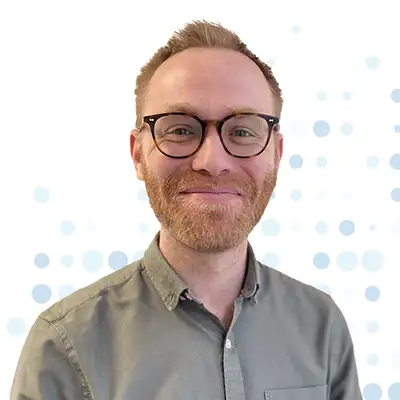
Hello and welcome back to the Hydrocarbon Engineering Podcast. Today we are taking a closer look at some of the technical challenges and opportunities that are shaping the midstream sector. From emissions management and gas quality to digitalization, engineering standards and workforce development, we're going to be exploring how the sector is evolving. Joining me is Dave Curtis, vice president of technical services at GPA Midstream. With experience across the entire spectrum of oil and gas, Dave brings a broad perspective on the issues facing the sector today.
Advert:This episode of the Hydrocarbon Engineering Podcast is sponsored by Sherwin Williams Protective and Marine. Sherwin Williams Protective and Marine delivers world class industry subject matter expertise, unparalleled technical and specification service, and unmatched regional commercial team support to customers around the globe, including in the energy market. The company's broad portfolio of high performance coatings and systems, including protected liquid and powder coatings as well as fire protection coatings, excel at combating corrosion and help customers achieve smarter, time tested asset protection. For more information, visit protective.sherwin.com.
Callum O'Reilly:Welcome Dave and thanks so much for joining us. Now you've worked across upstream, midstream and downstream operations before joining GPA Midstream as Vice President of Technical Services. So how has that breadth of experience shaped your perspective on the technical challenges facing the midstream industry today?
Dave Curtis:Yeah, you bet. Thank you, Callum. Getting to work in all segments of the industry and getting to witness the full life cycle of the hydrocarbon products as they go through has really given me a good perspective on how the entire industry works together. Each segment has its own challenges to be sure, but those challenges are interrelated and a lot of them are the same from group to group. Safety, emissions, measurement, human capital, those are all challenges that all three segments are facing.
Dave Curtis:What I really love about midstream and being part of GPA midstream in particular is that midstream bridges that gap. I don't think a lot of people realize how far upstream Midstream goes and how far downstream it goes. It really does touch all three. So having had that background and perspective and seeing how all three work, I think helps me to find a way to help our members in attacking the challenges and how they work with their customers and their producers and that type of thing. And then of course, when you look at the products that we develop at GPA Midstream, our technical standards aren't just used in midstream.
Dave Curtis:Our technical standards, our measurement and analysis standards, they're used by the upstream community. It's how they trade their products as well. They're used by the downstream industry. It's how we measure what goes into the pipelines to go to the various processing plants, whether that's a refinery, whether that's a chemical processing plant. And so we have the opportunity to see what's going on and being able to be a part of all those helps our members know which direction and what they need to work on, if that makes sense.
Callum O'Reilly:So to expand on that a little bit more Dave, for listeners who may be less familiar with GPA Midstream, what is the Association's role and why have its technical standards, committees and publications, particularly the GPSA Engineering Data Book, become such important resources in the industry?
Dave Curtis:For those of your listeners that don't know, GPA Midstream is over 100 years old. When the industry experts at the time got together, they realized that there was a need for standardization, a need for technical standards, a need to establish a common language that everybody uses across the industry, a need for product measurement and an equitable way to transfer product from one group to another. And so that's where our roots were and that's what we base everything in. Our committees today, we have multiple committees: analysis, measurement, pipeline, facilities, integrity, emissions, a research group, which we can talk about later. And all of those groups provide ongoing work of developing best practices, research, or technical standards, technical publications, those type of things to be able to attack the different challenges from our group.
Dave Curtis:Our Engineering Data Book in particular, the Engineering Data Book is the definitive document for designing, building, maintaining, and operating midstream processing facilities. That book alone is 90 years old. We are on our nineteenth revision. Our fourteenth revision was our last time where we did it on printed publication. Now it's all online.
Dave Curtis:We update it at least twice a year and that document is available to all our folks, but that is the main document for building those facilities and operating them.
Callum O'Reilly:I was wondering, GPA Midstream brings together competing companies and you've talked about this. So these companies work together to solve technical problems and develop industry standards. So why has that collaborative approach been so successful and what kinds of challenges are your members working on today?
Dave Curtis:Yeah, you bet. Thank you for that question. This is one of my favorite things about working with GPA Midstream, both when I was a member and now that I'm staff is we are by nature a group of competitors, whether it's our operators who they are competing on their side or our service providers and instrument manufacturers are absolutely competing with one another. But everybody recognizes that there are challenges that are common within the industry that they all need to solve. And so when we get into that room, everybody understands we're there for the betterment of the industry, not to specifically promote a given product, but to develop standards and best practices that help the entirety of the industry.
Dave Curtis:What we do at GPA Midstream is We provide that place for everybody to come together to be able to discuss the common challenges and find the right answer. It's so much fun to watch these group of experts get in the room and to bat around an issue, all coming at it from their perspectives and their ideas until they come up with first the right question and then the right solution to whatever that challenge is. A ton of fun. Enjoy every minute of it.
Callum O'Reilly:So Dave, I've been doing a little bit of digging into your background and I can see that measurement, gas quality and emissions management have been recurring themes throughout your career. So where do you see the biggest technical opportunities to improve performance, reliability and environmental outcomes over the next several years?
Dave Curtis:First I do want to say just as you said, measurement, gas quality, emissions. They have been my entire career. I fell into it quite by accident. As I tell people whenever I give talks, nobody ever said, Hey, when I grow up, I want to be a measurement professional. But those of us that fall into it find it is a fun, exciting, both industry and the people that are in it are a ton of fun.
Dave Curtis:So I just wanted to start out with that. But the things that I see coming down the pipe over the next few years that are going to help improve performance and reliability and such is, I hate to be cliche because everybody's talking about it, but AI. I know everybody says AI is going to solve the world's problems. That's not my point. I think it has some very specific applications within our segment that will help things go better.
Dave Curtis:So for instance, plant optimization. When you're operating that plant, you're looking at a ton of different parameters from your various measurement devices and sensors that are around the plant, and then you're tuning that plant to get the best product possible based on whatever the value is you're going to tweak your product so that you're maximizing its value for all your shareholders. If you've got AI that's watching that system, filling in gaps where you're missing data by looking at historical information and making near real time tweaks to that plant's operation, can optimize how it's working, the products that you're building, all of that. I think there's a huge opportunity for that. It was the holy grail of the engineering teams that I've worked with over the years, and I think AI is going help us get there.
Dave Curtis:It can also help in system balancing, which is a big portion of leak detection. So system balancing is a tough one to do just manually because, as I mentioned with plant optimization, you've always got to fill in data gaps. Some of that data doesn't come in till the end of the month. Sometimes you have gaps in data that you have to fill in, and an AI system that can in real time look at trends, look at history, fill in those gaps, you can have better, more solid system balances at your fingertips, and that helps with leak detections and emissions. If suddenly something goes wrong, that AI is going to be able to better pinpoint where the issue is and help find that.
Dave Curtis:A couple other areas where I see some advances coming is improved measurement techniques. Obviously measurements in my blood, we have new and exciting stuff coming down the line to improve measurement as it goes. Wet gas, for instance, is a problem throughout the industry that we've been trying to solve for decades. I think we have some techniques that can get us there. And then finally, improved destruction removal devices.
Dave Curtis:When we're talking about emissions, obviously we want to stop all leaks, we want to stop any gas that's being emitted from valve changes, that type of thing, but there will always be gas that we need to release and we try and destroy any of the hydrocarbons in that before it's released to atmosphere. A lot of that is through flaring, we know there's a lot of problems in flaring there but there are other destruction removal devices that can remove those hydrocarbons from the emissions before it's emitted, either by recovery or by destruction. I think there's some new stuff coming down the pipe in the next several years that I'm excited about that will help us. Our operators are striving every day to operate as cleanly and as efficiently as possible, and so seeing these new technologies to help them improve even from where they are today, that's exciting to me.
Callum O'Reilly:So Dave, I'm going to dive a little bit deeper into a couple of those points that Let's you start with emissions, and obviously the industry continues to face evolving methane regulations and emissions reporting requirements. So how can operators balance compliance with operational efficiency, and what role does GPA Midstream play in helping members navigate some of those challenges?
Dave Curtis:Yeah, you're hitting things right on the head right there. As we mentioned a moment ago, every operator out there wants to operate in an environmentally sound manner. But there is a balance. How can we do that, still be operationally efficient and economically feasible? Our power demands are growing rapidly, especially with the data centers and that type of thing that's going on.
Dave Curtis:And so trying to move power, trying to get it when it's needed, where it's needed, to ensure that humanity can thrive. One of the reasons why in the Western world we are doing so well is because we have access to affordable and clean energy. You mentioned it yourself earlier before we came online facing major heat waves right now in places of the world without the energy to help us with air conditioning and such it becomes a harder world to live in. With GPA we're helping our members find a way through that by developing standards, best practices. Through our consensus bodies of our members, we find efficient operations that meet the environmental goals that we all have, while still doing it in a way that's technically sound, and I say that because there have been some things that aren't technically sound.
Dave Curtis:You look at some of our quad O regulations that are out there, and when they built them, and it was no fault of their own, they just didn't understand, they were built around EPA style standards and best practices which don't fit our industry. So GPA and our members, we started working directly with our Environmental Protection Agency to adjust those standards to use our best practices, our analytical techniques and such to ensure that it is something that can be done and provide the best data possible so that we understand the emissions better so that we can reduce the emissions better. We at GPA are deeply involved with the legislature and the regulatory bodies to ensure that when they are writing standards they have the best information possible so that they can make the right decisions. And what they're trying to solve is achievable.
Callum O'Reilly:Just coming back to another topic that you mentioned earlier, and I could hear your enthusiasm and excitement for the potential that AI offers our sector. And alongside digital technologies and automation, it's going to rapidly change industrial operations. So I was wondering which emerging technologies you believe will have the greatest on midstream engineering over the next five to ten years? And where do you think expectations may be getting ahead of reality?
Dave Curtis:Again, and I apologize, and the reason why I apologize is again, because everybody's talking about AI, so I hate to be that person. But I think when we talk about the advances that AI is going to bring, that's the area where I think the expectations may be getting ahead of reality. What I mean by that is, as I mentioned, there's massive power needs that they're saying are needed for these data centers. Well the ability to provide the natural gas to these facilities in order to A) get the volumes they're saying they're needed, and B) they want triple redundancy so that this data center never goes down. Well, trying to get that much gas to a given location, it's not that it's not doable, it's just that takes time and effort that I don't think a lot of people understand.
Dave Curtis:There's regulations involved in there. When you're installing pipeline, when you're putting all of this together, there's governmental hurdles you have to go through in order to make that happen. We all know government. That takes time in order for that stuff to happen. One of the things that's happened is because the massive amount of dollars that people are talking about involved in developing these data centers, have a bunch of developers that are getting involved and they don't truly understand the landscape and the stuff that goes into making that happen.
Dave Curtis:This is where midstream operators thrive. For decades we at midstream have been providing natural gas when and where it's needed to generate power, whether that's on a large scale or whether that's on a small scale. Our teams know how to get that done and so we at GPA Midstream have a group that's looking into that to help our members understand and to help the developers and the end users understand what it takes. A quick example, one of our members, one of the big operators, they were approached for a big data center in Louisiana and they spent $2,000,000 out of pocket getting the information together, building the specs for the project and all of that, only to find out that the developer that was in charge never actually talked to the parish where this was going to happen. And when they did that, the parish went, Oh no, no, you're not putting that data center here.
Dave Curtis:Which is yet another problem, is we're getting a lot of areas that are now putting moratoriums on data centers, they're stopping them from being installed, and all of that. So again, we're ahead of our skis because we're not talking to the right people up front. There's a pathway that you have to follow in order to build massive projects like that. And I think that's where expectations are ahead of reality, and that's one of the things we're hoping to try and help solve with our members here at GPA Midstream. And then the last thing I want to say on that is the availability of infrastructure.
Dave Curtis:The equipment that goes into building these data centers, there's a finite amount of production for each one of those. It's my understanding today that if you were to order a turbine genset to produce the power for these, you would have to bequeath it to your children because you're going to be long dead by the time it arrives. That's how far out they are. So understanding what needs to be purchased, what the lead times are, and making sure you get ahead of that game is a whole another issue in and of itself. So there's a lot that goes in, I think this is one of the biggest areas where I don't think people really understand what it's going to take to make this happen.
Callum O'Reilly:So Dave, I know that one of GPA Midstream's core missions is also developing technical talent. So how is the association helping to transfer knowledge from experienced engineers who may be leaving the workforce to the next generation through its committees, schools, and training programs?
Dave Curtis:Yeah, we talk about this a lot at every one of our meetings, whether it's board meetings, whether it's our GPA convention, our technical conference, it's one of the biggest challenge facing all of our members. Developing new talent and retaining the talent that we do have is critical to our industry. It's hard to replace knowledgeable folks rapidly. There's a lot of years of experience, so how do you get that back down to these new folks that are coming in? So at GPA, we have several training courses to help fill those gaps.
Dave Curtis:We've got an Introduction to Midstream course, which this is a course that provides a big picture overview of what happens in the midstream process, where we take the gas or hydrocarbon liquid, how it's processed through our facilities, and then how it's sold downstream to the various end users. This is a three day course that we put on a few times a year. We mentioned earlier our GPA Engineering Data Book. Well, we have a training that we put on twice a year. This is a week long class that helps train primarily engineers but also operators and other folks on how to utilize that data book.
Dave Curtis:As I mentioned, it is the definitive document for designing, building, operating, and maintaining midstream processing facilities. So there's a lot of information in there. So understanding how to use it, where to find it, get what you need at your fingertips as rapidly as possible, that's what this training course is about. And then we have our GPA midstream school of gas chromatography. Gas chromatography, the analysis of natural gas and hydrocarbon liquids, is a big part of how we trade our products, and gas chromatography is the primary way of how we do that.
Dave Curtis:I just came off of one of our classes, this is a week long class with a combination of both lectures and hands on with the equipment. Our students get to learn about the theory all the way through troubleshooting and advanced calculations of what you do with these analyses, and they also get to put their hands on various pieces of equipment and actually run analyses and see how that happens. A great class. It's a one of a kind in the industry. We also offer training and continuing education at our annual convention and at our technical conference.
Dave Curtis:We have technical forums that help folks understand the areas that they're interested in. We have several tracks and we have talks that are going on at the same time because there's so much information we're putting out in these. We're in the process of developing additional courses that our members have come to us and said, Listen, we need to have more classes on X. And so we're in the process of developing those to meet the needs of our members and their incoming workforce. And then of course there's the retention of knowledge.
Dave Curtis:We do have a lot of folks that are retiring from the industry and so then we have what we call our midstream technical veterans program and what this does is a lot of folks when they retire they still want to be part of things. They still want to contribute. So we provide this that helps them with the financial expenses of attending our training courses, our convention, our conference, so that they can be there and help be those subject matter experts and help pass their information on to the next generation that's coming up to ensure that they're learning from all those experiences that these folks have had. There's one thing to be in a class and to learn things, it's another thing to understand it because you've made the mistakes, you've been there, you've seen the challenges. So the more we can do to get that knowledge transfer from our subject matter experts to our incoming new talent, the better we're off we're going to be throughout the industry.
Callum O'Reilly:I also wanted to ask you Dave about the importance of alignment between industry developed standards and government regulations. Now that I know that you've worked closely with standards organisations and regulatory agencies throughout your career, so you'll have some intel and some insight on this. So where do you see the greatest opportunities for collaboration?
Dave Curtis:Yeah, as I kind of mentioned earlier when I was talking about the Quado things, one of the important things is that our policymakers and our regulatory bodies, that we work together with them so they understand the standards that we have, the processes that we have, and all of that when they are developing their rules. The more collaborative we can be with them, the more we can be in lockstep with them, the better off we're all going to be. I'm not sure if everybody that's listening understands, but when you look at the regulations that are out there, most of them will incorporate by reference industry standards, many of which come from GPA Midstream. Well not only is that important to make sure they understand what standards we have so that they're utilizing those so that they get the best information possible from our members, but there have been many times where they said listen, here's the problem we need to solve and we've taken that back to our members and then we've either A, developed standards from scratch or augmented our current standards so that it's the industry that's developing the ways to comply with whatever it is the government wants to set a regulation on.
Dave Curtis:That's good for them, that's good for us. And so getting together, we've had actual opportunities where we've had workshops, where we've brought together groups of our subject matter experts to actually sit in a room with the regulatory body to talk about the concerns, how to attack them, and give them language to help them in writing those standards so once again when it comes out it's easier for our members to ensure they're complying with those regulations. As I mentioned, we've got a great team back in Washington that's continually talking to the legislature and talking to the regulators to make sure that collaboration continues. When you look at it, a lot of our members are engineers and engineers are by nature problem solvers. And so when one of our regulatory bodies or the legislature has a problem they want to solve, the best way to do it is to get our team, our members, integrated into the process so they can collaborate to help find a way to solve that issue, and when that happens, great things come out
Callum O'Reilly:of Now at the time of recording Dave, I know that you and your team are gearing up for the annual GPA Midstream Convention, which brings together operators, suppliers, engineers and technical experts from across the industry. But from a technical perspective, what makes the event valuable, and what conversations are you most looking forward to this September?
Dave Curtis:Our convention is Midstream's biggest and most important event. We've got continuing education going on there. We've got talks on the latest innovations and emerging technologies. We have our board meetings there and some great networking opportunities. But from a technical side, every single one of our committees get together and have a committee meeting for all of that committee's members and any interested parties that want to sit in.
Dave Curtis:And in that, we talk about the things that we've been working on, and we talk about the concerns that are facing the industry. That is what I look forward to the most at our convention and at our conference as well, is because we get in there and we have those talks. When you ask me what my favorite things we're looking at, the things I'm excited about are the things I haven't even heard about yet. The question hasn't been asked. So when we get in those meetings, it's great to hear the perspective of each one of our members and hear the issues that they're facing, and then have the entire committee attack it.
Dave Curtis:So the thing I'm looking forward to the most is just that conversation that goes on to help address the various challenges that our industry is facing on a daily basis. And like I said, it's from all different perspectives. Yes, we talked about measurement analysis because that's my background, but like I mentioned, we have our pipeline, our facility, our missions, our integrity, and our research groups. And so each one has its own pieces of the pie that it's working on, but a lot of times it's interconnected between those committees. So we bring the groups together afterwards when we find issues that are interlinked between our different committees.
Dave Curtis:And that to me is just a ton of fun.
Callum O'Reilly:So to conclude today, let's look ahead five to ten years, and I was wondering what gives you the greatest confidence in the midstream industry's ability to continue delivering safe, reliable and increasingly efficient energy infrastructure. And where do you think engineering innovation will make the biggest difference?
Dave Curtis:Yeah, the thing that gives me the most confidence again is the collaborative nature of our industry. The willingness of all these folks to come together and to bring up problems that they're facing and talking to others. Because a lot of times if I'm facing a problem, this person over here has faced it as well and found ways to solve it or at least has started on that. And so getting to talk to peers about how we solve those problems and that type of thing gives me a lot of confidence because we all work together to solve a problem. But you can't solve a problem until you find the right question.
Dave Curtis:And so a lot of times people are seeing an issue but not really knowing why they have that issue. And again, the collaborative nature of how these teams come together and they bat around the problem until they come up with the right question. Then once they have the right question, then they can go about finding a solution to that question. So that's always very exciting to me and where I have great confidence in that we can continue to evolve as an industry. When we look at the engineering innovations, there's a lot of unique and fun stuff coming out, and every generation sees their innovation as unique, and they are.
Dave Curtis:But the cool thing is that we continue to build on the innovations of the folks that came before us. And I think that the innovations that are going to be the coolest and the greatest things that come out is something that we don't even see right now. As we get together, we start to talk about these things, someone's going to come up with a new cool way to attack a given problem. And it's fun to watch that evolve, and I'm excited about that process. At GPA, again, I've said it several times in this, but I think that's our greatest strength, is we facilitate those conversations, where those innovations can start to come about, where folks can get to the question that helps them develop something new to solve the problem.
Dave Curtis:It's an exciting time in our industry. Things are moving at light speed, and so helping to wrangle that and make sure that it's focused in the right direction is what we're all about at GPA Midstream.
Callum O'Reilly:Dave, thank you so much for your time today. We're really grateful for you taking some time out of your really busy schedule to explore some of the intricacies, shall we say, of midstream developments with us today. It's obviously a really exciting time for the sector, obviously full of challenges of course, but it will be really fascinating to see how the industry continues to evolve and meet these challenges head on. So once again Dave, really appreciate your time today and all of the work that GBAM Midstream is doing for our sector, so thank you very much.
Dave Curtis:Thank you, appreciate the time, the opportunity, and I look forward to speaking with you in the future.
Callum O'Reilly:My thanks once again to Dave Curtis for joining us and sharing his insights into the technical challenges and opportunities facing the midstream sector. Now if you'd like to learn more about the GPA's upcoming midstream convention you can head over to their website gpa.midstream.org and if you're attending the show you'll be able to pick up a free copy of Hydrocarbon Engineering magazine and we're also offering all listeners a free subscription to the magazine today. You can sign up by simply heading over to hydrocarbonengineering.com forward / magazine and following the simple on screen instructions. Thanks for listening, and see you again soon.
Advert:This episode of the Hydrocarbon Engineering Podcast is sponsored by Sherwin Williams Protective and Marine. Sherwin Williams Protective and Marine delivers world class industry subject matter expertise, unparalleled technical and specification service, and unmatched regional commercial team support to customers around the globe, including in the energy market. The company's broad portfolio of high performance coatings and systems, including protected liquid and powder coatings as well as fire protection coatings, excel at combating corrosion and help customers achieve smarter, time tested asset protection. For more information, visit protective.sherwin.com.