Subscribe
Share
Share
Embed
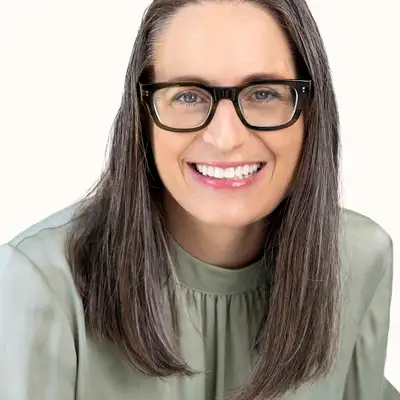
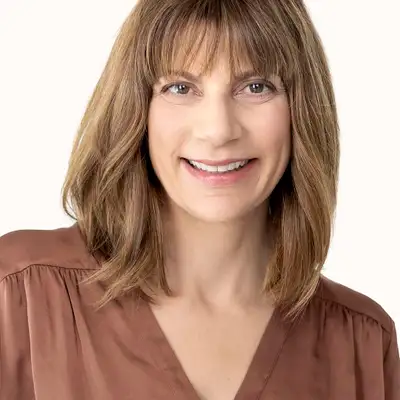
Born from 20 years of friendship, during which they navigated the trenches of autism parenting and advocacy, the Refrigerator Moms is Kelley Jensen and Julianna Scott’s way of reaching out to parents waging the same battles they were. Their purpose with this podcast is to clear the fog, silence the noise, and find a path through neurodivergence for parents that are stuck between bad choices. They tackle parenting topics such as mom guilt, tantrums, pathological demand avoidance, siblings, medication, comorbidities, social media, and much more.
Julianna Scott 00:00
Our guest today helped turn animal scientist and autism advocate Dr. Temple Grandin into a documentary subject that's now played over 70 film festivals, won more than 20 awards, and reached tens of millions of people worldwide. Today, we're asking him what door he opened to get here.
Julianna Scott 00:22
Hi. Welcome to Refrigerator Moms. So let me introduce you. So this is John Festervand. He has spent the past 20 years working in higher education.
Julianna Scott 00:32
He started out in college athletics and then spent the last 15 years working in philanthropy, helping philanthropists connect their passions with opportunities where they can make a real difference. John is also a filmmaker and storyteller. He was an executive producer of An Open Door Temple Grandin, a documentary about Temple's life, work and impact. And these days, John works closely with Temple, helping advise her on speaking engagements, media and interview requests, publishing projects, external activities, and, as he likes to say, whatever else comes across the desk. John is passionate about agriculture, philanthropy, storytelling, and finding the people and ideas that can make a difference.
Julianna Scott 01:09
So welcome. Welcome, John. Thank you very much. I appreciate it. Why don't you start by telling us how you made acquaintance with Temple and how it all came to be.
Julianna Scott 01:18
Give us the whole backstory.
John Festervand 01:18
Yeah. So I started working at Colorado State in 2015, and then I moved into the College of Agricultural Sciences in 2019. And the week that I sort of made that transition, they were doing the opening for the Temple Grandin Equine Center here in Fort Collins. And I, if I'm just totally transparent, I didn't really know a lot about Temple.
1:44.200
I knew the name, but just not a lot about her story. And so when I went to this groundbreaking event, this ribbon cutting event, I am seeing a lot of visitors and guests. And then the doors open and this woman walks in with this bolo and a western apparel, very different looking than others, but sort of everybody sort of turned and had attention to her and she was very gracious and visited with. Everybody was shaking, everybody saying, thank you for coming. And I was sitting here thinking, gosh, that's.
2:13.610
That's awesome that she works in agriculture and she's here at Colorado State. I should really do my homework more and understand more of her impact in the world. Again, this is my first week in ag, not having much exposure to agriculture. And so when I came home, I did the Google search and I saw her movie and then everything else, right? The books, the lectures, the YouTubes, the everything done.
2:35.830
I just started becoming a real big fan of interest in her and how she's impacting the world. And that was in the fall of 19. And then what really kind of helped our relationship grow was unfortunately, when Covid happened, everybody had to stay home. And she's a neighbor of mine.
2:53.030
She's just a few blocks away from me. And I really wanted to get to know her more and sort of like how you all do it, just the. You want to hear their story and how you can connect with them. And that was really our first time sort of getting to know each other a little bit more was over Covid and having her understand my background and asking her questions, and the relationship kind of just grew from there.
Julianna Scott 03:13
So, and when, when did it occur to the two of you that this documentary should take place and that you should tell that story? It's a fascinating part of her story.
John Festervand 03:23
Yeah, yeah, yeah. So I did what most folks have done, and they watched that beautiful HBO movie that came out in 2010, that it just was a global success. And, you know, hats off to those folks that made that with Claire and with everybody, that phenomenal movie. And I was a big fan of radio broadcasting when I was younger. That was my major in college. And I loved Paul Harvey, and I always kept Paul Harvey in the back of my mind with the rest of the story.
3:52.190
I always thought that that was kind of one of those, you know, you're going to tell me something nobody else has told you. What's the rest of the story? So when I watched her HBO movie, I had a, you mentioned I have a background in athletics. I watched her movie, and I wrote down a lot of notes.
4:05.310
You know, where are the rabbit holes? Did this really happen? I know you can take some creative liberties and stuff, but so great with walking through the movie and what liberties it did take, what was factual and what she enjoyed about it. And then the idea was starting there of, well, you're about to turn 75, and this movie ended when you were 27 or 28, I believe, to go work on your PhD. And after that, I don't really know what's happened to you up until now, until other than what I see on YouTube and I can read in your books and articles.
4:38.010
But in terms of what's happening out there, in terms of movies and documentary work, nothing was out there telling the rest of the story. And so if I could just backtrack a little bit, I actually met our director one year before I met Temple, and it was in meeting John, our director, you know, I would assume probably like you two, whenever you meet, you know, there's good synergy, like, hey, well, I don't know what we're going to do, but we're going to do something together.
Kelley Jensen 05:03
Yeah.
John Festervand 05:03
And John and I were very similar to that. John Barnhart, an Emmy award winning cinematographer and director. He was living in South Carolina. He's a Colorado State grad. And so that was a real big interest in mine was finding the right talent to come in and tell this story.
5:18.470
And so John, I met first, then Temple, and then it just took me a second to figure out that I needed to get the two together. And John was actually working on some works with a group called Surfers Healing in South Carolina that takes autistic kids surfing all over the country. It's awesome. So he was already working in that space already and was so excited to come back to his alma mater to work with Temple, to work with me and students. So, yeah, that's a little bit of that background story.
Julianna Scott 05:47
Fantastic. So what was your role in the ag department when you first arrived?
John Festervand 06:06
Yeah, so my job in the College of Ag was to raise philanthropic funds for the university and for the College of Ag. The Temple Grandin Equine Center falls into the College of Ag. Temple obviously is a distinguished professor in the animal sciences department.
6:06.370
And so her work, you know, I got to touch all of that. And so our team did. Yeah, it was great. So I actually connected a philanthropist with the idea of doing this film. It's a very entrepreneurial idea.
6:20.030
Right. I mean, I have a job to do. I was doing my job well. I had a little bit of flexibility to pursue this as well because it fit into our strategic plan. We wanted to educate more into agriculture, ag for everybody.
6:34.030
And so we need to create more space for that. And so doing that and having it produced by Colorado State, produced by an alum, we hired 10 students that worked with us for nine months on this film. John and I did the traveling outside of the state to do the interviews, but anything that was done in the state of Colorado, we had our students there. If you go on the website, templegrandindocumentary.com you'll be able to see some of the photos from a lot of the sets that we were shooting and interviews for. And so it was a real hands on approach.
7:05.450
I have never seen a group of students, I mean, come in on Saturdays, on Sundays, I mean, not paid, stay late. I mean, they were so committed to doing this. It really is a complete circle. And so whenever you ask people, people that download the movie, that buy the film, proceeds from that film come back to Colorado State and to Temple's legacy. And so it's a complete circle of philanthropic investments, getting people involved, your alumni, your students, talking about driving impact to branding for a university, lifting up Temple's legacy. All the things just. It was a huge check mark for us. So we had about 30 million in advertising when this came out, because a lot of people were interested.
Julianna Scott 07:49
Wow.
John Festervand 07:49
Yeah, it got pretty big, pretty quick. I had people in Australia asking me when it was going to come out and if we could bring it there. No, not quite yet.
Kelley Jensen 07:59
Now, were the people that were expressing interest like that, were they from the autism community or ag community?
John Festervand 08:21
A little bit of both. I would say probably 70, 30. The autism community to ag. So the Australian organization was an autistic organization, but we had just released the trailer, and it only took about a week for international people to be reaching out.
8:22.410
But at that point in time, we did not have a distribution strategy. We were mindful and wanting to participate in film festivals. I think if there's anybody that's making films, there is the quick and easy. Let's just put it on YouTube and see how much we can make money on ads and whatnot, or upload it ourself to Amazon. We wanted to find a distributor that would get this out into the world. Hey, I'm not a distributor. I've never done that work in my life.
8:47.530
I can only, my limits are only so far. Right. But I was very purposeful and intentional about reaching out to the right type of distributors that would want to partner with us. And I found it, and it was great. And so after we did our film festival runs, which was phenomenal, we went full distribution, which was great. And so we're now on several platforms, and the response has been great.
Julianna Scott 09:17
This episode of the Refrigerator Moms is brought to you by Brain Performance Technologies.
9:18.230
Brain Performance Technologies is a specialty mental health clinic that offers magnetic e resonance therapy, or MeRT, for autistic people aged 3 or older. MeRT is a transcranial magnetic stimulation protocol that utilizes an EEG diagnostic to deliver personalized magnetic pulses to stimulate the brain and build neural pathways effective in managing autistic symptoms.
Kelley Jensen 09:47
So when you approached Temple with this idea, what was her initial reaction to that?
John Festervand 09:48
Well, I met with a couple of other folks. I met with our department head first to say, is this okay that I'm working with this faculty in this manner? And yeah, of course, it's her time. You know, just, you know, make it work. So we brought her in and made sure it was okay, and she thought she was in trouble.
Julianna Scott 10:03
What are we talking about here?
John Festervand 10:03
So, well, John thinks he wants to make this documentary and have students and alumni involved. And is that something you'd be okay with? And well, yeah. Do you think anybody's going to want to watch it? And yeah, Temple, we're going to do a good job with it. We're going to bring in the right talent, and we're going to tell the right story.
10:20.130
I think that's another part of this as well. Temple's assistant, Cheryl Miller, played such a big part in this for me because, you know, before my role and helping Temple, it was Cheryl, and Cheryl's been in that seat for a long time. And so when I asked about sort of starting the framework around who do you select, who do you start grabbing interviews with, and we probably interviewed probably 30 people for this, and we only had about seven or eight that are actually in the film. So not everybody we interviewed made the cut, so to speak.
10:49.630
But that was only for time purposes. We wanted to keep it within an hour because films get made now that are just way too dang long. Right. My attention span's not more than an hour.
10:58.750
So let's make it good and cinematic and to the point and not overdraw it out. But Cheryl was so great in telling me who were the people that Temple had worked with since coming to Colorado State in 1990, who were the people that were the big players with her and have helped her in her career.
11:15.170
And who are the ones that we want to talk to and who are the ones that maybe we should move on? And so what is the, what is the biggest thing you learned, biggest lesson learned making the film?
John Festervand 11:26
Oh, gosh, I've learned so many lessons from that. I have a lot of experience working with autistic people.
Julianna Scott 11:36
Do you know anything about autism before you started?
John Festervand 11:36
Not a lot, no. My exposure with this is working with Temple, so I've gained a lot of experience. And so whether it's management from doing the contracts and the hirings to distributions and accounting and all of the stuff that comes with the producer role, but also the talent side of things, making sure that your lights are, I mean, John and the team, they were the talent of this.
12:00.560
In terms of the lighting, the questions, the interviews. My job was just to make sure the right people were in place and the right story was getting told. And John and I had a very, we had the right vision. And so it was a matter of getting the right people in place to talk about her impact and her legacy and what that looks like from lots of different lenses, right. From the autism lens, from the agricultural lens, from a corporate lens, just the whole gamut. She's touched so many lives. She has so many different sectors. And so to give each of those some space was really important.
Kelley Jensen 12:30
That's what really drew me to An Open Door, is I've read her books, I've seen the HBO movie, I've done those things. But I know that from what I've read that she's written that she puts her animal scientist label front and center or at the top of the list. And that obviously in our world, in the autism community, that comes second least. So it was really interesting to see that side of her and really the impact on that community, regardless of her autism. So I thought that was very interesting.
13:16.520
And really the focus on her legacy and helping the students, that was really impactful to hear that she donates so much of her time and money to helping those students. So when we spoke with her, just that she really seems to feel like she has a duty to give back and to share what she knows and is very, very giving. Can you talk a little bit about what you learned about Temple from this experience, personally, professionally, about her legacy and what it means to her and kind of how she's operating like that?
John Festervand 14:08
Yeah, just talking about her legacy, I think that she wants, we mentioned this in the movie, it's one of the quotes. If I die tomorrow, make sure my website keeps going, make sure my books are still out there. That's what I believe to be, that's what she wants her legacy to be, is the knowledge that she's leaving.
14:22.320
Right. So she is such a scholar. I mean, she, in the animal science world, she is publishing papers all the time, reviewing things.
14:32.000
I mean, she wants to make animal welfare better in the world. And so, I mean, in the most literal sense, I'm emailing people from Beijing, in Australia, in Brazil, in Nebraska, all the time, like everywhere about animal welfare, animal transportation, well being, how do we improve efficiencies? And then I get emails from people that are, hey, my autistic daughter is struggling, she's 19, she needs help, we've gone through this.
15:02.630
I really think that you would benefit if you could call her. And she says, give her my number, have her call me tonight or text me tomorrow. That's so amazing. And so, yes, what I've learned from her, she will take the time to talk to anybody. I've been in so many car rides with her, which is one of my favorite things is the windshield time.
15:24.040
But she gets so many calls from people that have just everything from animal welfare to education to autism to anything. She helps her students. She loves coming. She never misses her class on Tuesday. So out of all the days that she's traveling, I guarantee she's here Monday night because she will not miss her Tuesday class.
15:44.880
Now, she might run to the airport Tuesday afternoon, but she never misses her class. Her number one priority is her students. Always puts them first. If you were to talk to them and ask them what they enjoy working with her, they would probably say their family dinners that they have either on Sundays or Mondays. She always wants to make sure that the research is going okay, that they're enjoying school. What can I do to help you? So I just find that she is so giving with her time, her efforts and energy. I mean, that is real as real can be.
Kelley Jensen 16:14
And I get authentic. That is the most authentic thing I love about her.
Julianna Scott 16:14
Yeah, I would say that was our experience with her. And she was obviously fascinating to talk to, but a whole lot of fun too.
Kelley Jensen 16:31
We were giggling that three of us, it was, she's, there's nobody quite like her from what I am told and what I experienced.
Julianna Scott 16:39
Right. It definitely seems like she is not slowing down. I feel like she's got so many things, and you're just going through her schedule like that. Does she ever just chill out?
John Festervand 16:51
What is she doing when she's just relaxing occasionally. I know her and John went to go watch a movie that came out just a couple of days ago. I don't remember the name of it. It's probably three hours long. She's like, I really need to read the bios and the log lines of what these movies are before I go watch it. But she loves going to the movies. We love talking movies. We really do.
Kelley Jensen 17:10
Old movies, new movies.
John Festervand 17:10
She loves sci fi.
Julianna Scott 17:16
So what's our favorite movie? What is her favorite movie?
John Festervand 17:16
Well, I don't know about her favorite movie. Star Trek was her favorite show.
Julianna Scott 17:22
Okay, that's, that's a. She loves Spock.
John Festervand 17:23
Yes.
Kelley Jensen 17:23
I remember reading something about like, she related to Spock.
John Festervand 17:30
Yeah. And she reads so much. I mean, she's an assessing reader at so many magazines. She gets an article she wants to review. She just, it's like Google Scholar up here. She references Google Scholar a lot, but she can pull out, no, you need to do 2006, 7, this animal science book and that chapter. I mean, she pulls it out. It's crazy.
Julianna Scott 17:49
That is incredible. We talked to her a little bit about her mother, and I know that her mother was on the lecture circuit with her a lot for a long time, and I know that she just turned 100. So I, you know, I know that she's not active, and I know they have a foundation together. Do you know if she's still working with her mother on anything on the foundation that has both of their names on it?
John Festervand 18:19
I don't. Not that I'm aware of. No, not that I'm aware of.
18:19.790
I know they talk a lot, but I don't know, being 100, I think she's pretty limited to the things that she can do. And, yeah, I'm not sure.
Kelley Jensen 18:41
Her legacy is cemented, for sure. So the impact of the film, I mean, everything she does on the autism community is impactful, every contribution that she makes, rightfully so. Talk a little bit about the ag community and her impact on that and what they thought of the film and her legacy with animals and to the industry.
John Festervand 19:00
Yeah, I mean, she gets approached from agricultural folks all the time.
19:00.360
She gets people coming up to her all the time, whether it's inviting her out to a ranch or, hey, I contracted with you 20 years ago, you helped redesign this for me. I've met a lot of people that have said, we've contracted with her, and we've helped her design our facilities at our ranch. And, you know, she, tell me what year that was.
Julianna Scott 19:17
That was in Arizona in 98.
John Festervand 19:17
Okay, yep, I know exactly what that was. How are those horses doing? It's, you know, she'll remember the dimensions.
19:24.980
She gets approached by a lot of folks, agricultural folks. People in the ag community love her so much. She works a lot with the 4H kids whenever we go, whenever she goes through talks.
19:39.790
They're so good about reaching out to FFA and 4H and ag community kids to have them come. They're always sitting front row. They're always polite. They always stay. They always want to ask her questions.
Kelley Jensen 19:50
How do you handle this animal? What do you do in this?
John Festervand 19:50
I mean, just, she loves connecting with the youth and loves that agricultural community.
19:58.670
So, yeah, that's a big part of her identity, for sure.
Julianna Scott 20:08
Fantastic, fantastic. So is there anything that kind of got left on the cutting room floor? Something about Temple that, or something that didn't quite capture something about Temple that, you know, that you've witnessed? Is there a part two in the work?
John Festervand 20:10
Well, we've talked about that. We've talked about that.
20:23.170
Yeah, there were a lot of things that we left on the cutting room floor. I mean, it was, John and his team did such a phenomenal job. I think this is the role where the producer needs to go park it somewhere else and have the professional do it. So when, so I had a complete trust in John in how he was cutting this film and what he was leaving out, what he was leaving in. And, you know, there were some great interviews that we had, but ultimately it was, that was the hardest part, is just paring it down to an hour. We listened a lot to Rick Rubin, at the time he talked, his book was, I think it was called The Ruthless Cut was the name of that came out. And he and I both listened to it. I mean, for context, we had about eight hours of cattle footage that we needed.
21:07.230
We had something, I think it was the week before we did our friends and family, it was at like three hours long. And so we really had to do some cuts. John was cutting the film up until, I want to say, two hours prior to the friends and family screening.
21:22.410
Just, he had to make sure he was getting it right. But I also want to mention in there the music, the music's original. We had a couple of songwriters local, and then we had an artist in Washington do some music.
21:36.010
So it was that, we won a lot of awards for the music too, as well. So the cinematography was John and the team and the music was just phenomenal.
Julianna Scott 21:47
Just the whole thing. What was her reaction when she first saw it?
John Festervand 21:54
She loved it. We were pretty, we were pretty nervous because usually you ask somebody like Temple, hey, do you want your own private, like, do you want to sit in the room with us and write your notes so we can go back and talk and cut it up. And we've got about a week to do this, two weeks. She said, no, I'll just watch with everybody else. It'd be fun.
Julianna Scott 22:09
Fine, okay, sounds great.
John Festervand 22:09
John was really excited to hear that because he was under the gun, but he, you know, that was great.
Julianna Scott 22:19
That just, did she give you any sort of directives at the beginning, like, you know, I want this to be something for my legacy? And did she give any notes beforehand about what she wanted it to be?
John Festervand 22:19
I want you to show my drawings and I want you to talk to the people that I've worked with, with that have meant a lot to me, you know, so talk to Cheryl, ask her. But, you know, I've worked with McDonald's for 20 years and worked for Costco for a long time.
22:46.610
And, you know, I do a lot of work in animal welfare for poultry and beef and pork and lots of different sectors. And so, you know, try to be all encompassing and not just one. So, yeah, we wanted to make sure we were touching lots of different folks.
Kelley Jensen 23:15
So do you feel like in the ag community, autism is part of her story? Do people, or do you think that it's a non factor in the ag industry? Or do people come at it like either wanting to know more or are affected some way, or do they just like, Temple is Temple and it's in her ag world, autism doesn't really play a part?
John Festervand 23:15
Yeah, I think that the agricultural community is incredibly welcoming to her because of what she's proven to the industry, how much she's contributed.
24:13.480
And I also think that a lot of folks that work in agriculture are probably also maybe a little misunderstood, that people don't quite understand how much farmers and ranchers are land conservationists, are people that care about their animals. They care about their animals more than anybody. And so they have a great deal of respect for her as to her background and what experience and what she brings uniquely to the agricultural space.
24:13.720
I think they welcome that because again, ag needs everybody, it really does. And we need to think about agriculture differently. Who better to think about things differently than Temple? I mean, whether it's not just animal handling, I mean, whether it's solar panels or whether it's grazing or whether it's water issues, I mean, she's got a lot of layers in her experience and knowledge and so she's sort of an open book in agriculture to a lot of space, a lot of folks.
24:45.540
And she'll tell you if she doesn't know, I mean, whether it's something that's digestive, she's, that's really not my expertise, but here's the person to talk to, but she's always willing to listen. And again, she loves going to Google Scholar, she loves finding research.
Kelley Jensen 25:04
We love that.
Julianna Scott 25:04
Yeah, we're all about research.
Kelley Jensen 25:04
Yeah, very, very interested in the research.
John Festervand 25:04
Show me how you got there. Can we duplicate your research? She calls herself the methodology police. She needs to see how you got there.
Julianna Scott 25:15
Yeah, true scientist, show your work.
Kelley Jensen 25:15
Yes, yes. And I think that's really important because you're right about how the HBO movie drops off, and we don't see the journey of where she's gained all the resources, respect. She's kind of at the beginning of that journey, and now here we just see the result of all of that hard work and the respect that she has gained. And I think that that's really a really lovely thing to celebrate in this documentary, because in the movie you see all of the, and in her books too, there's, it wasn't easy being a woman even more than being autistic in that male dominated field.
26:02.430
And then now seeing her as this premier animal scientist, it's really extraordinary.
Julianna Scott 26:16
Are you taking care of your brain? You've tried medication, you've gone to therapy, but has anyone talked to you about brain care? It is the mental health treatment. No one has told you about. Brain Performance Technology, we help with depression, PTSD, autism and many other mental health conditions. Our treatments are drug free and non invasive. Reach out to us about insurance options. Brainperformancetechnologies.com
Kelley Jensen 26:35
What we love too is, you know, and I know that one of her big talking points these days is for children on the spectrum to really nurture their special interest and find careers or jobs that are very satisfying because they lean into these special interests. And she's such a wonderful example of that. So do you, you know, what have you, do you consider yourself a Temple expert or an autism expert or somewhere where after being in such close proximity with her?
John Festervand 27:18
Now I've learned a lot about autism in being around her. I asked her a lot of straight questions, and I don't know if they're bad questions or not.
27:18.950
I don't know. She has created a space for me to feel comfortable for asking any type of question I can about, to understand her better, for her to understand me better in being around her, and being around, not to the autistic community, the people that come to her with the questions. I hear a lot of them repeated, you know, throughout different conferences and whatnot. But yeah, I've sort of absorbed some of that. I can tell you where I could say where I see people really, you know, it's, it's after the microphone's off and somebody else has come on and they're over here having their little 15 minute side chat is when they're talking about what medications over her lifetime have changed, what's worked for her.
28:01.790
That's where I'm starting to see, you know, it's not the 30,000 foot questions. You're really getting into the gut health, right, which is so critical and so important for all of us, but especially our youth.
28:16.280
And yeah, she had a very sensitive diet. And so just walking through that, I want to sit here and talk about her diet, but just walking through her experiences and what that's been like for her, I think has been, I see those conversations happening and the light bulbs come on so many times.
Kelley Jensen 28:35
You know, they do, they do, when you have the 10,000 people asking questions as well. But the side conversations, right, that's where you really get down to some of the, hey, I didn't feel like asking this in front of everybody, but here's the one I really wanted to ask.
John Festervand 28:47
Well, she's so no nonsense. And so, you know, she will tell you straight, and she will tell you honestly. And she did talk a little bit about what has helped her in her life. And that was this information that we aim to provide for everybody.
29:01.900
So it's very refreshing. It's not, everybody does it.
Julianna Scott 29:01
And she talked a lot about an organization for children that she supports. Have you gone there with her?
Kelley Jensen 29:13
I can't remember what the name of it was, but it was some sort of an outdoor organization with horses. I think it was a horse farm or something that she supports for kids with autism. She was so passionate about it. And it kind of really demonstrates not only her advocacy, but how much she just really believes in what she's doing and what she's doing for people who have autism.
John Festervand 29:40
Yeah, it's a horse. It's like a therapeutic horse organization.
Kelley Jensen 29:51
Yes.
Julianna Scott 29:51
Yeah, yes.
John Festervand 29:51
That's what we have at Colorado State in honor of her as well, the Temple Grandin Equine Center in Fort Collins.
29:51.550
Then we have one in Denver as well, and they're advancing research in equine therapy more than any other institution in the world. And I mean that in publishable articles, not just brochures. Right. We know that the animal human bond is there.
30:07.240
Right, but what is the science behind it? And that's what's needing to get caught up on, which is what we're doing and what the folks down there are doing.
30:14.760
So that's a fantastic program. She's involved in a lot of programs. She talks a lot about another organization called TACT that I'll talk about, Teaching Autistic Community Trades. Danny Combs runs that organization or helps start that organization.
30:33.170
They've just done a fantastic job, whether it's welding, whether it's cooking, whether it's plumbing, whether it's electrical work. They provide certifications. They get people jobs. I mean, it's about that employment pipeline. So going back to what you're talking about, Temple likes to see people graduate from those legos to tools.
Julianna Scott 30:51
Great.
John Festervand 30:51
Now we want to get you out in the job world, so let's have a career, let's have something we're looking forward to and waking up to, and we're being productive members of society. So I just love how she leans into various organizations.
31:05.130
But yeah, another thing that I really enjoyed about, and, you know, we all put whatever we care about onto things, but one of the things I got from the documentary too is all these people around her that really care about her and spend time with her. And one of our fears for our kids who are on the spectrum is loneliness. And we're always worried that they will be lonely.
31:29.370
And Temple does not seem lonely.
Kelley Jensen 31:29
Well, she had really great suggestions. We asked her about that because it is a concern, a valid concern. And she had great suggestions for people and leaning into those special interests and encouraging people to get out and do what they love, and that talking about what you love is a great way to connect with people. I mean, just common sense, right?
John Festervand 31:50
Yeah, yeah, that's right.
Julianna Scott 31:50
Get out and do something, get busy, get your hands dirty.
John Festervand 31:56
I think we're at a point in our culture where there's not enough people saying all that kind of stuff. And she is a true statesman for all of us on every level.
Kelley Jensen 32:21
It sounds like of all of the awards and recognition that the movie has received, what means the most to you and what means the most to her?
John Festervand 32:21
So we won Best Documentary at the Beaufort Film Festival in South Carolina.
32:21.180
And that was, that's a really big festival. And that was where John Barnhart was living and was from and had made movies there. And so that was very special to him. But what made it maybe a little more special was one of the students that was working on the film with us. His family had a home in South Carolina, and he just happened to be there. And we couldn't be there to accept the award, but he was there to accept the award. He and I were in Washington, D.C. at a D.C. film festival.
32:48.160
But we were watching on our phones live, and we got to watch Jacob walk up and give a speech as a student on behalf of this film and talk about what it meant for him, really. That's what John and I wanted to put into place. You know, I don't know if you think about your college experience, we do, and there were great teachers that we worked with. There were great experiences that we had. We love cameras, we love film, right.
33:11.630
That's a really cool, unique experience that we were to create. We created for these 10 students, and all of them said that was the best thing they were ever a part of in college. And so seeing that and seeing them grow, I mean, we've placed several of them in jobs, jobs in film. You know, we had one working with Red Bull.
33:29.040
We had one that we just got hired in an ag commodities group. We have another one for Red Bull. I mean, we've got, we're a really interesting little boutique shop that John's working on.
33:39.480
We've got students that are not even at Colorado State coming up here from the school down south to get knowledge and information from him. So he's a great teacher.
Julianna Scott 33:50
So, yeah, that's awesome. What about Temple, what did she, yeah, well, what meant the most to her?
John Festervand 33:53
I don't really know if I can pinpoint one thing that meant the most. She's enjoyed adding this to a lot of her talks, so it just adds another layer for folks that want to come see her that they can watch this. It allows a little more personal connection for those that have just read the books. You feel a little bit more connected to her when you watch our film. And I think that's what the audience has told her.
34:17.840
I didn't see that side of you before. Most people never see her belly laugh. Like, I was really excited to get a good belly, that was our, got a belly laugh.
Julianna Scott 34:25
We got one, we got one.
John Festervand 34:25
It was very special.
Kelley Jensen 34:25
Delightful.
John Festervand 34:29
Yes, right. Isn't that the best thing? So that's the, that's our film, to get a good belly laugh out of her, you know.
Julianna Scott 34:38
Oh, the best. Yeah, it's great.
John Festervand 34:38
I know a few jokes to get her going early, but, you know, it's nice just how it comes up organically.
Julianna Scott 34:48
Oh, fantastic, that's fantastic. So what's next, what's next for the team?
John Festervand 34:49
Yeah, what's next for Temple, who doesn't stop? So we know there's nothing there, she's not stopping. You know, John and the team have done some, they're still doing great work as part of his team.
35:01.690
They actually, so they focus on agricultural stories. We have the C.P. Gillette Museum at Colorado State, and it's got 10,000 bugs and specimens down there. When I think about that, I think there's 10 million stories to tell down there. So their team has been doing stories on different students and bugs and why that's such of interest to them. And they just won a regional Emmy for the stories that they put together. So they're doing great work and telling some really great stories. So John and his team are doing great work still.
35:33.790
So Temple and I have kicked around a few ideas. We're still talking about some things, but, yeah, we really need to do that.
Julianna Scott 35:41
I tell you what, I'll make you a promise, whenever we do, we'll make you all the way first.
John Festervand 35:46
That's awesome, all we can ask for.
Kelley Jensen 35:46
So where can people watch the documentary?
John Festervand 35:55
A lot of places for, I mean, that's a great thing. It's on, let's see, Canopy, it's on Apple TV.
36:01.360
It's on Amazon Prime, YouTube Movies, Hulu, probably missing one, but that's, that's hoopla for the most part.
Julianna Scott 36:12
To be.
John Festervand 36:12
Oh, to be.
Julianna Scott 36:12
Okay. Yeah, that's exactly right. Thank you. Well, we encourage everybody to go and watch, it is fascinating. Temple is fascinating and just sounds like just getting started. So we are always fascinated with what she's gonna come up with next.
Kelley Jensen 36:39
A force of nature. We appreciate you opening the door a little bit on your life and the journey to get the documentary out, and it is really.
36:39.640
As parents of autistic children, Temple has really been quite a beacon, as I'm sure you've seen, and a lot of common sense, which we really appreciate. And I love to see her so active and really are grateful to what she's done and to you for highlighting it through the documentary. So I really encourage everyone to watch that documentary, it is fantastic and a real tribute. So thanks for coming home.
John Festervand 37:12
Thank you so much. Could I leave with one, I want to tell one last compliment that we got.
37:23.930
So we did a lot of screenings, various size groups. One of the best screenings we did was for a specific, it was an autistic youth group in Denver, and there was only about 15 that were there in the theater. Totally fine. One young man gave us a compliment that just sort of stopped everything for us. He said, I really want to be a filmmaker when I grow up, and I love documentaries.
37:44.650
And what I loved about the documentary is it was really great cinematography, but I don't like it when scenes cut or make really jarring sounds when they transition. And all of your transition seams were really smooth and they really flowed well.
38:02.310
I said, holy cow, this is a 12 year old that just told us this, like that was an awesome answer.
Julianna Scott 38:11
How sensitive that their sense or their hearing is. And this, you know, my son's hearing, sometimes you swear it's bionic. So, and I.
John Festervand 38:18
It's a high compliment, but I have no doubt that he will be a filmmaker.
Julianna Scott 38:25
Yeah, exactly, yeah, he already is.
Kelley Jensen 38:25
Yeah, right, right. Take the note.
John Festervand 38:29
Working on this film and doing this was without a doubt the most exciting and most gratifying and satisfying professional and personal thing I've probably ever done outside of my family.
38:43.750
To have something that can be attached to her legacy, I, you know, that's.
Julianna Scott 38:52
How long did it take you to make this? Might blow you.
John Festervand 38:53
It took us nine months.
Julianna Scott 38:53
Oh, wow.
John Festervand 39:00
It takes like two years, two to three years to do this. We did it in nine months.
Julianna Scott 39:00
And that is unheard of. Don't do that.
John Festervand 39:03
I'll tell you why we did that. We did that for a reason, is that, so we hired students in the fall, and they were graduating in the spring.
Julianna Scott 39:08
Oh, okay.
John Festervand 39:08
You do not leave a project undone. You need a deadline. Our deadline was by the end of the year, so we met the deadline.
39:19.170
So we were very purposeful in making sure that we hit that. We also wanted to make sure that the students that were graduating, that their families, when they came back to graduate, that they could see their accomplishments. We packed the theater, there was three or four hundred people in for our friends and family screening. It was great. We had a red carpet and popcorn and candies and just, it was awesome.
Julianna Scott 39:43
It was great. Well, I hope this really shines a light, of course, not only on Temple, but on Colorado State University at Fort Collins and the ag department. She's done so much for CSU, and for CSU and the College of Ag, and just in general. And I'm really grateful for Colorado State for allowing me to make this.
John Festervand 40:09
And again, philanthropy is what made this possible. I don't want to forget that a seed of generosity, somebody with an idea made this possible.
40:09.410
Wasn't just John's idea, you had to put the resources together. And so somebody had to put that together, believe in what I wanted to do, believe in Temple, and in making that happen.
40:19.290
And so I'm grateful for that. And so, you know, if somebody needs seed funding, consider philanthropy and how you can help somebody else. It doesn't take a lot of zeros, it just takes some encouraging words sometimes.
Julianna Scott 40:33
Fabulous. Awesome. Thanks again for.
Kelley Jensen 40:41
Thank you so much.
John Festervand 40:41
Yeah, thank you both very much for not only for having me on, but your platform as well and all what you're doing. Appreciate it.
Julianna Scott 40:42
We appreciate it. We appreciate it. Well, thank you for listening. And if you like what you heard, please go to refrigeratormoms.com and from there you will see all of the different ways you can connect with us. So thanks for listening. Have a great day.
Kelley Jensen 40:56
Thank you for listening to this episode of Refrigerator Moms. Don't forget to subscribe so you never miss an episode. You can also find episode notes, resources and any Refrigerator Paper connected to today's discussion on our website at refrigeratormoms.com where you can sign up for our newsletter. We'd love to hear your questions and future episode ideas.
41:16.340
Reach out to us on social media or through our website. The information shared in this podcast is meant for informational and educational purposes only. It shouldn't be taken as medical, psychological, therapeutic, legal, or professional advice. If you have questions about a diagnosis, treatment, intervention, or any medical or developmental concerns, please consult a qualified healthcare or service provider. Don't rely on this podcast in place of professional guidance, and don't delay getting help because of something you heard here.
41:44.910
The views and experiences we talk about are our own and those of our guests. They're not meant to serve as personalized recommendations for any individual or family. Listening to this podcast does not create any kind of professional relationship between you and the hosts and or guests. Any choices you make based on the information here are completely your own, and we are not responsible for any outcomes that result from them. If this episode includes a Refrigerator Paper, you can find all sources and citations along with additional notes on our website at refrigeratormoms.com.