Subscribe
Share
Share
Embed
What’s Up, Wake covers the people, places, restaurants, and events of Wake County, North Carolina. Through conversations with local personalities from business owners to town staff and influencers to volunteers, we’ll take a closer look at what makes Wake County an outstanding place to live. Presented by Cherokee Media Group, the publishers of local lifestyle magazines Cary Magazine, Wake Living, and Main & Broad, What’s Up, Wake covers news and happenings in Raleigh, Cary, Morrisville, Apex, Holly Springs, Fuquay-Varina, and Wake Forest.
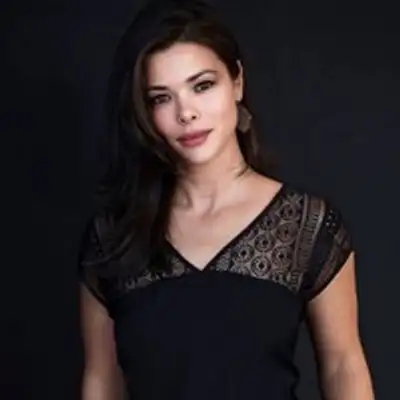
Welcome to What's Up Wake? I'm Melissa Wistehof, and this episode is sponsored by Bloomin' Blinds Raleigh.
What if every morning, one click open the shades, and every night, one click close them? Yes, your blinds can do that. I'm Chris, local owner of Bloom & Blinds in Raleigh. We install custom shades, blinds, shutters, drapery, motorization. Basically, if it's happening around your windows, we're your people. And the best part?
We bring the entire showroom to you. You see everything in your home in your light. We help you figure out what actually works, measure it, and then we install it. You pick what you love, we handle the rest. So book your in-home consultation with Bloom & Blinds of Raleigh today by scanning the QR code on the screen, visiting bloomandblinds.com, or just give us a call, 919-980-9815.
Rescue Wood Rehab in Fuquay-Varina is proud to be your local custom woodworking shop for furniture, home decor, and more. Visit us and maybe spend some time with our shop dog, Amber. Rescue Wood Rehab is more than wood, it's an experience. rwrnc.com
[00:01:30] Speaker: On today's episode, from shrimp and devil crab to fried flounder and sauteed scallops, North Carolina has no shortage of goodness coming out of the water, but there's a lot more to our seafood industry than what ends up on our plates, and today we're diving right in.
North Carolina's commercial fishing industry is a huge part of our coastal and state culture, our economy, and of course, what ends up on our dinner tables. But these days, there's a lot more to it than fish in the net. from the debate surrounding House Bill 442 and shrimp trawling to the work being done to support our fishermen and promote local seafood, there's plenty to unpack.
And who better to help us navigate those waters than Amy McCullough, marketing and communications manager for NC Catch, an organization dedicated to promoting North Carolina seafood and the fishing families who bring it from the water to our tables.
We're also talking about one of the biggest celebrations of that industry, the North Carolina Seafood Festival in Morehead City. So grab your tartar sauce, bring your appetite, and let's cast a line into the world of North Carolina seafood
[00:02:39] Speaker 2: Go for it. Welcome, Amy.
[00:02:40] Speaker 3: Thank you. Thank- Thanks for having
[00:02:41] Speaker 2: me ... thank you so much for being here. It, it really is one of my favorite topics, because I spend a lot of time at the coast.
Mm-hmm. And we, we like to go to the Morehead City area, which is- Mm-hmm ... a fishing area. Yes, it is. A fishing town. For people who aren't familiar- Mm-hmm ... with NC Catch, what are you guys? What do you do? What's your mission?
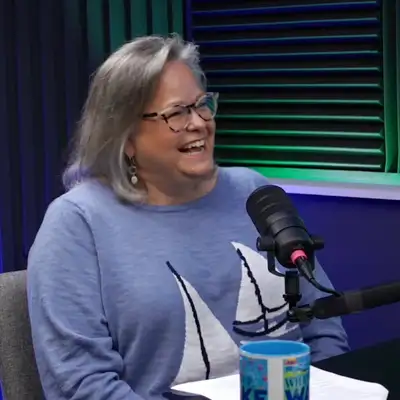
[00:03:01] Speaker 3: So we are a grassroots funded nonprofit 501[c][3] in North Carolina, and our main mission is to educate consumers about North Carolina seafood.
But we also are there to support the small local fishermen, commercial fishermen in North Carolina. again, focusing mostly on education. We're not a lobby group. we reach out to consumers. We have a group of 19 chef ambassadors all throughout the state from the coast to the mountains.
[00:03:32] Speaker 2: I saw that Ashley Christensen is
[00:03:34] Speaker 3: one of those.
Yes, she is.
[00:03:34] Speaker 2: Yes.
[00:03:35] Speaker 3: And so they- Our
[00:03:35] Speaker 2: local rock star
[00:03:36] Speaker 3: here ... that's right. And Ricky Moore in Durham, um, and Taylor Halley in Durham, and, but they're all throughout the state. Mm-hmm. Mostly concentrated at the coast. We're trying to get more- inland because actually the farther inland you go, the more education consumers need about seafood.
That's
[00:03:52] Speaker 2: very true.
[00:03:53] Speaker 3: But they act as our kind of brand ambassadors, and by having local seafood on their menus and telling people about the catch and providing different things, not always the most popular things for people to try, it's, they're like our educational outreach. And it's a great group of chefs, and we're very, um, thrilled to have them be part of us.
But we try wherever we go, whether it's festivals or events, um, we do a lot of fundraising events, we're there to educate people and let them know about what is available in North Carolina and what's at stake in North Carolina, so.
[00:04:30] Speaker 2: Okay, so when you talk about real local seafood- Mm-hmm ... I know that this has been a topic of conversation that I, that I have been seeing.
What does real local seafood actually mean? I know this is a duh question.
[00:04:44] Speaker 3: Mm-hmm.
[00:04:45] Speaker 2: No. But I'm asking because we also have farmed seafood. Mm-hmm,
[00:04:50] Speaker 3: mm-hmm.
[00:04:51] Speaker 2: Plenty of imported seafood. Mm-hmm. Um, that is of course not local. Right. But if, if I were to walk into a restaurant and say, "Order shrimp"-
[00:04:57] Speaker 3: Mm-hmm ...
[00:04:58] Speaker 2: how do I even know that it's local?
[00:05:01] Speaker 3: Okay.
[00:05:01] Speaker 2: Just because they tell me it's local? Mm-hmm. I, you know, I, I
[00:05:03] Speaker 3: just, Not always. Not always.
[00:05:04] Speaker 2: Exactly, yeah. Right.
[00:05:05] Speaker 3: So real local seafood, it's part of our tagline, and what we're trying to say is we want people eating North Carolina seafood. And if not North Carolina seafood, domestic seafood-
[00:05:15] Speaker 2: Mm-hmm ...
[00:05:16] Speaker 3: would be the preference.
Um, so what it really means is just we are trying to promote local fishermen and what is inherent to our coast. Um, you know, salmon is probably one of the most popular fish in the world for consumers, um, but it's not from North Carolina. Mm-hmm. But you go in a lot of restaurants and it's there. That's fine.
I mean, we're not saying don't eat it. Yeah. We're just saying that we want you to try what's local in North Carolina. The issue about if you go in a restaurant and, or even a seafood market, I always tell consumers ask questions and try to educate yourself or let us help you educate you- yourself about what is available.
I will say I can tell, but I've had a lot of experience eating shrimp Mm-hmm ... um, but I can tell if it's not local by the taste. A lot of people can't. Um, but North Carolina shrimp is unique. We have three varieties here in North Carolina, and we're able to harvest, um, shrimp fresh April through December. It starts in the spring with pink shrimp, goes to brown shrimp in the summer, and right now we're changing over to white shrimp or what they call green tails, which are a lot of people's favorites.
They all vary in taste, but they just have a, a freshness and a sweetness that you're never gonna get with something imported that's traveled thousands and thousands of miles to get here.
[00:06:47] Speaker 2: And been frozen for a long time. Frozen. And then refrozen and thaw- yeah.
[00:06:49] Speaker 3: Right, and held in Who knows what conditions.
Yeah And, and it's questionable where it came from, like what quality it is in the first place. Mm-hmm. So, um, I always te- tell people, you know, ask questions. So if you go to a restaurant, some of the clues are what's it tell you on the menu or in the specials? Are they saying, "Hey, North Carolina shrimp," or local shrimp or wild-caught?
You know, ask those questions. Like, where's it from? Who caught it? Like, did it come from the Pamlico Sound or- Mm-hmm ... you know, things like that. Um, chefs and restaurants that are using, truly using local seafood, they want you to know because it is a premium superior product.
[00:07:30] Speaker 2: A point of pride for them.
[00:07:31] Speaker 3: Right.
[00:07:31] Speaker 2: Yeah.
[00:07:32] Speaker 3: And which makes it, it is more expensive. Mm-hmm. I mean, that's why import, especially imported shrimp is really killing the industry because, well, there's not enough shrimp to feed everybody that wants shrimp- Mm. Yeah ... because shrimp is, you know, one of the top seafoods. But, um, again, the, those restaurants that are, that are serving it, they, they want you to know.
So don't feel embarrassed or intimidated to ask questions. And what I tell people, if you get the kind of, "Well..." you know, or, "I don't know," or, "Let me check"- Then
[00:08:04] Speaker 2: that's the answer.
[00:08:05] Speaker 3: That's pretty much, not always, but- Mm ... pretty much that's your answer.
[00:08:09] Speaker 2: Yeah, yeah.
[00:08:10] Speaker 3: Um, because more and more restaurants are starting to put more information, like even down to who the captain of the boat is that caught the shrimp or the f- the fish or whatever.
[00:08:21] Speaker 2: Okay.
[00:08:21] Speaker 3: Just like naming oyster farms and where they're from.
[00:08:24] Speaker 2: Yeah, and speaking of o- Mm-hmm ... oyster farms, that could be a, a whole different topic- Right ... because I, I've been to an oyster farm- Mm-hmm ... before. It is fascinating. It
[00:08:32] Speaker 3: is, and every one is different.
[00:08:33] Speaker 2: So much fun. Mm-hmm. This was in, um, on Harkers Island.
Uh-huh. And, um, I don't even like oysters.
[00:08:40] Speaker 3: Mm-hmm.
[00:08:41] Speaker 2: Loved those oysters.
[00:08:42] Speaker 3: Yes.
[00:08:42] Speaker 2: So it just showed me, well, maybe the oysters I was having before weren't local. Right. And certainly not s- you know, grab it straight out of the ocean- Right, right ... and eat it right then. Um-
[00:08:52] Speaker 3: Right ...
[00:08:53] Speaker 2: Okay. I wanna talk about the, the, the strong fishing heritage- Mm-hmm
of North Carolina- Right ... and what it means to the people and communities, especially on our coast. Right. How c- what, can you speak to that?
[00:09:04] Speaker 3: Well, it really means everything, especially the counties that rely so heavily on the fishing and the industry. You know, it's not just the commercial fishermen. It's the boat makers and the ice, you know, the ice houses and the fish houses and the packing houses.
[00:09:20] Speaker 2: All the things you don't really think about.
[00:09:21] Speaker 3: Right. It's all connected to the diesel, you know fuel and the, um, boat repairmen, everything. Mm-hmm. It is interconnected. And, um, we have a strong heritage. It's the oldest industry in North Carolina. Um, and a lot of these fishing families, these small commercial fishermen that we talk about- have been doing this for generations.
I mean, like, four, five, six generations. Yeah, hundreds
[00:09:48] Speaker 2: of years.
[00:09:48] Speaker 3: Yeah. Mm-hmm. They can go back and, you know, great, great, great-granddaddy, whoever, was a fisherman or a crabber or whatever. Um, so it is vital to the people and the heritage and our culture, but it's also economically vital. You know, if- Yeah ... if, if things were to make certain parts of the commercial fishing industry go away, shrimpers or whatever, due to regulations or whatever the, the case may be, um, these, some of these towns would just cease to exist- Yeah
because there would be nothing left there-
[00:10:24] Speaker 2: Because they are- ... for them ... truly fishing
[00:10:25] Speaker 3: towns. Mm-hmm. They are.
[00:10:27] Speaker 2: Yeah.
[00:10:27] Speaker 3: They are.
[00:10:28] Speaker 2: Speaking of regulations, let's get into the trawling debate.
[00:10:31] Speaker 3: Okay.
[00:10:32] Speaker 2: This was such a, a big, hot issue- Mm-hmm ... that for many of us came on very suddenly last year. Mm-hmm. But I know that this is something that comes up so often- Mm-hmm
for the fishing communities. Right. But for us, or f- I, I'll just speak for myself- Mm-hmm ... I remember when it came up, it, it was just kind of a, like, "Whoa, whoa, whoa. Why so sudden?" Right. Right. "Why is this, you know, such a, a big news?" Um, because it really, it, it came out of left field as far as what I, I could tell.
Mm-hmm. Um, in spring of last year, House Bill 442 was introduced to our state legislature. Mm-hmm. The debate centered on whether shrimp trawling should be more heavily restricted to protect coastal ecosystems- Mm-hmm ... and other fisheries, while commercial fishermen argue that tighter restrictions would threaten their livelihoods.
[00:11:21] Speaker 3: Mm-hmm.
[00:11:22] Speaker 2: And I have all this written down because it is all so confusing and I do not speak legislature. Mm-hmm. So. None of us
[00:11:30] Speaker 3: do. House-
[00:11:32] Speaker 2: And you, when you came in today, we were, correct me on something because Google was, um, steering me in the wrong direction- Mm-hmm ... of, about one of these, um, facts that I'm mentioning.
House Bill 442 would have prohibited shrimp trawling in North Carolina's inshore waters- Mm-hmm ... within a half a mile of shore.
[00:11:49] Speaker 3: Right.
[00:11:49] Speaker 2: But that's exactly where two-thirds of our shrimp is caught- Mm-hmm ... is in that area.
[00:11:53] Speaker 3: Yes.
[00:11:54] Speaker 2: All right, so that's the background. Let's talk about NC Catch. You guys have been vocal in, um, teaming up- Mm-hmm
with the, the, the fisheries, the- Right ... the the, the local fishermen. What do you believe lawmakers have gotten wrong about this?
[00:12:13] Speaker 3: Well, I don't know that lawmakers have gotten it wrong necessarily, but they've been, they've been given the wrong information. Basically, i- in a nutshell, there's a fundamental, um, disagreement about what is fact and what is science, and they've cherry-picked facts.
Um, because- In reality, the state of North Carolina has regulated trawling over the last, say, 10 or 15 years, um, to address conservation issues. And every thing that has been asked of the fishermen to do, they have done really at their own expense to include new trawling devices, things that exclude certain fish that get caught, um-
[00:13:01] Speaker 2: So yeah, that's, that's one of the big issues that- Right
people have, is that other things get caught in the net- Right, right ... that they're not trying to catch. If a, if a shrimp fisherman is out trying to catch- Mm-hmm ... shrimp, other byproducts might get caught in the net.
[00:13:14] Speaker 3: Right, right.
[00:13:14] Speaker 2: Yeah.
[00:13:15] Speaker 3: That, it, it can happen. Mm-hmm. And, um, but if you, we've done a lot of filming and gone out with shrimpers, if you see what comes in, it's very, very little.
There are, there was a fact thrown out probably 15 years ago about the percentage of bycatch, which was incorrect, and it has stuck as fact. And, um, but there's, there's really no scientific evidence, and we have proven this there have been many, many studies about this, that demonstrates that shrimp trawling is diminishing fish populations.
Um, North Carolina has the most estuarine waterways and coastlines. Over 50% of that, which is over a million acres, has been closed to shrimp trawling forever. And you're right, most of the shrimp come from those waters, but the fish nurseries and specific areas have been protected and closed, um- As a state, this is another fact that never comes out, North Carolina has the most stringent laws about trawling.
Um, since 2019, all shrimp trawlers have to have one of four different types of, um, of, um Sorry, I lost my train of thought The, is
[00:14:40] Speaker 2: that equipment ...
[00:14:41] Speaker 3: gear- Yeah, yeah ... combination. Mm-hmm. Depending on what, where they are, I mean, it varies, like the size of the holes in the, in the nets to let things go. There's the- Mm-hmm
there's things called TEDs, which are turtle exclusion devices, if you're in an area where turtles are. I mean, a- a- and one argument is, well, the, the commercial fishermen don't, don't care about the environment and conserving- The
[00:15:05] Speaker 2: ones that I do, that I have met- And that's- ... absolutely
[00:15:07] Speaker 3: do ... it's w- why, of course they do.
Yeah. That's their livelihood.
[00:15:11] Speaker 2: Yeah.
[00:15:12] Speaker 3: And so-
[00:15:13] Speaker 2: It's their livelihood, but this is also their hometown.
[00:15:17] Speaker 3: Yeah, and
[00:15:18] Speaker 2: they- Of course they want- Right ... to keep it nice and, and protected.
[00:15:21] Speaker 3: Right. And, and some argued that, you know, the trawling was all coming from out of state and these big boats. Well, that's not true.
Mm-hmm. These are small commercial fishermen, most of who are trawling in their own backyards.
[00:15:34] Speaker 2: Yeah.
[00:15:34] Speaker 3: And so they are not out to, to destroy the environment. There are other factors that are never talked about, like water quality and pollution and overdevelopment, things like that that can affect our waters- Mm-hmm
um, and change fish populations. So, um-
[00:15:54] Speaker 2: Well, and you talked also about, um, how we have more regulations- Mm-hmm ... in North Carolina- Mm-hmm ... than any other state or most other states Mm-hmm. And I will just speak as a I'm, not that I'm a recreational- Right ... fisherman. I will have a pole in my hand occasionally.
Mm-hmm. But I know that when we are at the coast and we are trying to fish, say, for flounder-
[00:16:17] Speaker 3: Mm-hmm. ...
[00:16:17] Speaker 2: there are two weeks-
[00:16:19] Speaker 3: Right ...
[00:16:19] Speaker 2: out of the entire- Right ... year- Right ... in the month of September-
[00:16:23] Speaker 3: Mm-hmm ...
[00:16:23] Speaker 2: two weeks that we are allowed to fish- Right ... for flounder.
[00:16:26] Speaker 3: When commercial fishermen don't have much more- No ... and sometimes have less than recreational.
[00:16:31] Speaker 2: But go across the border in South Carolina, there's no regulation- Right ... for flounder-
[00:16:35] Speaker 3: Right ...
[00:16:36] Speaker 2: fishing.
[00:16:37] Speaker 3: And those fish don't know the borders either.
[00:16:38] Speaker 2: Yes. And, and so it, it shocks me to, to hear that we would have a House Bill 442- Mm-hmm ... with this type of, um, restrictions- Right ... which would have really been detrimental to our fishing industry.
It
[00:16:53] Speaker 3: would've killed the shrimping
[00:16:56] Speaker 2: industry. It, it, it would've been done.
[00:16:56] Speaker 3: And- Yeah ... and then that means we are at the mercy of if, if all of a sudden North Carolina shrimp isn't available, what's available?
[00:17:05] Speaker 2: We would have to get our, our shrimp from, from China.
[00:17:08] Speaker 3: It's import- I mean, yeah ... it's imported unless you go Gulf shrimp or something like that.
Yeah, yeah. But yeah, the, the, the point is we, our education and our mission and our, our, our gut is we wanna keep North Carolina seafood on the plate of North Carolinians and, of course, visitors as well, but, you know, it, with these types of regulations, that's what's always at risk, is that going away. And I wanna tell you, I don't wanna eat imported shrimp.
[00:17:35] Speaker 2: Yeah.
[00:17:36] Speaker 3: I don't. I make a conscious effort. And I'm, I won't do it, and it is a favorite of mine. I love shrimp.
[00:17:43] Speaker 2: Well, and this, this topic seems to have died down.
[00:17:48] Speaker 3: For now.
[00:17:48] Speaker 2: For now. Mm. What, what are you guys thinking is next? Are you, are you waiting for another curtain to drop?
[00:17:57] Speaker 3: There's always- What do you think is gonna be-
another curtain to drop, unfortunately ... okay. There are other things right now that are coming up, um, you know, just like what this happened, this got tacked on to a different bill.
[00:18:07] Speaker 2: Mm-hmm.
[00:18:07] Speaker 3: This was not coming up as a bill. It was done kind of cloak and dagger- That, that's
[00:18:14] Speaker 2: why- ... and tacked on ... it was so surprising.
[00:18:15] Speaker 3: Right,
[00:18:15] Speaker 2: right. Yeah, and people didn't have a lot of time to plan- No ... to go talk to the, the legislatures and, and, and try to, try to- Mm-hmm ... reason with- Right ... with the lawmakers. But,
[00:18:24] Speaker 3: but in like a 36-hour period, we had probably, um, on that day in June, there was probably no commercial fisherman fishing because they were in Raleigh.
[00:18:33] Speaker 2: Yeah.
[00:18:34] Speaker 3: And we were at the State House, and there were about 50 18-wheelers from all different, you know, fish houses and things- Mm-hmm ... circling the ca- the Capitol Building, the legislative building, um, for about eight hours and honking horns and-
[00:18:49] Speaker 2: Yeah ...
[00:18:49] Speaker 3: people downtown got, got a little tired of it, but we- Yeah, what the heck
[00:18:52] Speaker 2: happened?
[00:18:53] Speaker 3: Yeah. Right. But, you know, we came and, and, a- and said, "You know, this can't happen." And so we were very pleased when, when, um, it was a bipartisan effort and that we were able to stop it from happening.
[00:19:05] Speaker 2: I will tell you, though, kudos to everybody that did show up that day. Mm-hmm. Because it showed me that you can make a difference.
[00:19:15] Speaker 3: Right, right. You
[00:19:16] Speaker 2: guys- It was- ... made a, it, it was- It
[00:19:17] Speaker 3: was inspiring
[00:19:18] Speaker 2: and- It, it truly turned the tables- Mm-hmm ... of it looked like this was going to pass. Right. And then after the big turnout-
[00:19:25] Speaker 3: Right ...
[00:19:25] Speaker 2: and the uproar over it- Mm-hmm ... and the rallying around the issue- Mm-hmm ... it completely turned it around.
[00:19:30] Speaker 3: Right. You know, and, and commercial fishermen in North Carolina now is so small.
I mean, it's less than 2,500 commercial fishermen, and a lot of those don't even fish full time anymore because they can't make enough of a living.
[00:19:44] Speaker 2: Mm-hmm.
[00:19:44] Speaker 3: Um, so it's f- it's really a small dedicated group versus, you mentioned recreational fishermen. I mean, there's millions of recreational fishing licenses in North Carolina.
[00:19:54] Speaker 2: Mm-hmm.
[00:19:55] Speaker 3: And that's a constant struggle because, you know, there's a lot of fishermen who think commercial's taking everything and vice versa, and it's like, no, no, no, we can all play in the same waters.
[00:20:07] Speaker 2: Mm-hmm.
[00:20:08] Speaker 3: Um, a lot of commercial fishermen are recreational fishermen, too. I mean, everybody wants to go fishing, so.
[00:20:14] Speaker 2: For, for the fun of it.
[00:20:15] Speaker 3: Right.
[00:20:15] Speaker 2: Yeah.
[00:20:15] Speaker 3: Right. So, and, and should be able to. These are, these are public waters, and it, it's available to everyone.
[00:20:23] Speaker 2: I am about to talk to Nick Eatman. Okay. He is the executive director of the North Carolina Seafood Festival- Mm-hmm ... which is held in Morehead City- Right ... every first weekend of October.
[00:20:33] Speaker 3: Mm-hmm.
[00:20:34] Speaker 2: Um, from your perspective-
[00:20:37] Speaker 3: Mm-hmm ...
[00:20:37] Speaker 2: how important are things like this seafood festival- Mm-hmm ... not only for Morehead City, but for the industry as a whole?
[00:20:46] Speaker 3: Well, again, from our mission of education, it's great because it gets a lot of people that may, um... A lot of people come to that festival. It's huge.
It's one of the largest seafood festivals, I believe, in the country. Um, and so people can come, and a lot of people that may not be, don't live at the coast or don't get the opportunity to go a lot, come and learn about North Carolina seafood. There are, um, always boats docked. They can take tours. They can learn from us.
Um, again, our chef ambassadors are there doing cooking demos, which is great because, um, people love seafood. People love to eat seafood, but there's still a, um, kind of a mystique to cooking it for a lot of people. They're afraid to ruin it. Mm-hmm. So as part of our education, our chefs help us teach people it's really- Um, not difficult, not to be intimidated, and keeping things really simple and let the, the just the goodness and, and the flavor of fresh, local seafood shine.
You know, just very simple seasonings. Um, and so that's kind of our part at the, at the Seafood Festival. But, um, there's many other organizations that are there providing a lot of education and, and it's just a lot of fun, and people eat tons of seafood, so. I
[00:22:05] Speaker 2: mean, heck, it's a, it's a festival.
[00:22:07] Speaker 3: It is.
[00:22:07] Speaker 2: It, it is- It's fun
it is definitely a lot of fun. It is. And one of my favorite, um, parts of it, I think, is what you're talking about. Mm-hmm. It's the tent, um- Right,
[00:22:15] Speaker 3: the
[00:22:16] Speaker 2: demo tent ... that, that, yeah, that has- Right ... a chef in there, and you're literally, it's like you're watching a cooking show.
[00:22:21] Speaker 3: Right. Uh-huh. It is. It's, um, so those are all, all day Saturday, excuse me, and Sunday.
And then there is going to be... They did it last year. They're doing it again this year. There's a ticketed dinner Friday night with, um, there's six chefs doing this dinner, five of which are, are our chef ambassadors, so that's a- Oh,
[00:22:41] Speaker 2: nice ...
[00:22:42] Speaker 3: a sit-down, like, six course dinner. So that'll be fun- Oh, yeah ... featuring a lot of, of lot of great seafood.
[00:22:48] Speaker 2: That sounds like right up my alley.
[00:22:50] Speaker 3: Well, get your tickets.
[00:22:51] Speaker 2: I know. I need to l- I need to look at that, for sure. Yeah. Okay. Let- let's round this out- Mm-hmm ... by talking about what you personally love to eat. I know we've talked a lot about shrimp and our love for shrimp.
[00:23:03] Speaker 3: Yes.
[00:23:03] Speaker 2: Um, but if you have one favorite piece of, or dish- Yeah
of North Carolina seafood, what would, what would it be?
[00:23:11] Speaker 3: See, it's-
[00:23:12] Speaker 2: In other words, what are you gonna head to when you get to the festival?
[00:23:14] Speaker 3: Yeah. Well, um, like I said, I love shrimp. I grew up in South Florida, and from the age of about five, I was in charge, and I ordered my dinner, and it would be, "I'd like..." I'd look at the waitress and very precocious, and say, "I'd like a Shirley Temple and a shrimp cocktail, please."
So now- I love it ... I'm a little older than five. Yes. And my, my choice of, of, of beverages has changed a bit. Mm-hmm.
[00:23:43] Speaker 2: Mm-hmm.
[00:23:43] Speaker 3: Um, shrimp is still one of my favorites. I love shrimp. I love... I cook sh- with shrimp a lot. Um, you know, the old standard, I love shrimp and grits. Really good, shrimp and grits. But lately I've challenged myself to go, um, I go to Locals here, local seafood in Raleigh.
[00:24:02] Speaker 2: I interviewed- ... The Locals guy-
[00:24:04] Speaker 3: Yeah ...
[00:24:04] Speaker 2: Lee- Uh-huh ... about a year ago. Right. Yes. We love them.
[00:24:07] Speaker 3: And so I, I live in Wake Forest, and their East Raleigh headquarters- Mm-hmm ... and that's a fish house where they actually, you know, filet and pack out things for their, all their locations. Uh-huh. Um, I have a, a favorite fishmonger there, and so every time I go in I say, "Okay, what am I trying today?"
And I've gotten into doing whole fish. I was intimidated. Oh. And I'm a fairly decent cook. I- Mm-hmm ... I experiment a lot. And, um, but I was always scared to like do a whole fish, and he's like, "We've done the work for you. Just stuff it with some good aromatics, bake it," and it makes... You can't even compare. It's so moist- Mm
and delicious. So I've been on a whole fish kick. I've been doing like golden tilefish and, um, a sea bass and porgy and all kinds of fish, all of which I'd never had before. And so I said, "Okay, I gotta take a piece from our own playbook- Hmm ... educating people and getting people to try- Yeah ... different species."
[00:25:08] Speaker 2: Yeah, you're inspiring me- Right ... 'cause I've never made a whole fish before.
[00:25:10] Speaker 3: Right. It was so easy, and it was so fun. Yeah. And, um- And
[00:25:14] Speaker 2: that's the thing about seafood. It, it really is way easier to make really than- Right ... any other protein. It cooks a lot faster. I think
[00:25:21] Speaker 3: people are just in-
[00:25:21] Speaker 2: It doesn't need as much seasoning
[00:25:22] Speaker 3: right, intimidated because they may have not grown up eating- Yeah ... a lot of fish- Yeah ... or maybe their mom didn't do it. But again, I say try it. You really can't mess up too bad. Um, just don't- And if you
[00:25:33] Speaker 2: do, just-
[00:25:34] Speaker 3: Yeah ... try it
[00:25:34] Speaker 2: again.
[00:25:35] Speaker 3: Yeah. Yeah. And you know, really, um, you know, the other favorite, I love scallops.
Not always easy to get in North Carolina- Mm-hmm ... but you know, all they need to do is skip through the pan. Don't overdo them, you know?
[00:25:48] Speaker 2: Yes.
[00:25:48] Speaker 3: Very easy, so.
[00:25:50] Speaker 2: I love scallops. Go
[00:25:51] Speaker 3: out there and try.
[00:25:51] Speaker 2: I think if I had to name one, it would be- Yeah ... it would be scallops for me.
[00:25:54] Speaker 3: I actually, I tried to ask myself the question like what seafood don't I like, and I don't know of any, so that's why it makes it hard- Okay
to say.
[00:26:03] Speaker 2: Well, I- You know? ... again, I would've said oysters- Mm-hmm ... until I had them- Yeah ... straight out of- Well, that's- ... out of the sea, and it was a totally- That's
[00:26:12] Speaker 3: another passion ... different, yeah ... is oysters. It- I love oysters. Yeah. And that's another thing that's really incredible from- North Carolina has a lot of oyster farms.
Mm-hmm. And you can go from one farm to the next, even in the same body of water, and they will taste different. And it's- Isn't that
[00:26:25] Speaker 2: just crazy?
[00:26:26] Speaker 3: It is amazing. Yeah. And when you start, if you like oysters or you're trying oysters, you know, go t- go somewhere in North Carolina that they're serving a lot of great fresh oysters, and they usually will have multiple kinds.
Get a couple from each, and then compare 'em, and it's just, it's just really interesting. Um, and then of course, oysters from different states and different countries too are, are vastly different, so. We don't want those, though. No, not unless you're there.
[00:26:53] Speaker 2: No, exactly. Yes. So. Gotta be especially with oysters, gotta be- Right
straight, straight out of the water- Yeah ... is best. Mm-hmm. Well, thank you so much for being here today. Oh, thank you. Thank you for educating us- Sure ... especially about this House Bill 442- Mm-hmm ... because I, I think it is so nuanced- Mm-hmm ... and, and it can be a little bit confusing. Right. Um, but just about our fishing industry as a whole.
Mm-hmm. I, I find the whole thing fascinating, so thank
[00:27:14] Speaker 3: you. It is fascinating, and there'll be more topics, so I'll, I'll come back and we'll do it again. Please
[00:27:19] Speaker 2: do. Yes,
[00:27:19] Speaker 3: please
[00:27:20] Speaker 2: do. Um,
[00:27:20] Speaker 3: the one thing just to say is if you're interested in learning more about us, we do have a website. Mm-hmm. Nccatch.org, and then follow us on social media.
We're very active on Instagram and Facebook, and you can find out about all of our fundraising dinners and different events that way, too.
[00:27:36] Speaker 2: I'm gonna be looking up- Okay ... that Friday night dinner.
[00:27:38] Speaker 3: Please do.
[00:27:39] Speaker 2: Yeah. Thank you so much, Amy.
[00:27:40] Speaker 3: Thanks. Uh-huh.
[00:27:41] Speaker 2: Now we are going to talk to Nick Eatman live from Morehead City.
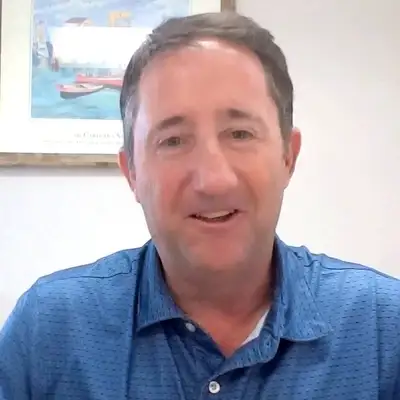
[00:29:24] Melissa: I am joined now by Nick Eatman. He is the executive director of the North Carolina Seafood Festival based in Morehead City on our, on our coast. Nick is joining us from Morehead City.
Thank you so much for coming in. I know this is a crazy, crazy busy week for you. Um, we're heading into the festival the first weekend of October, and it is the largest, I read this, the largest three-day festival in North Carolina. Is that correct?
[00:29:54] Nick Eatmon: That is correct. So, you know, cross your fingers for good weather, but, you know, we expect over 150,000 people over three days
[00:30:04] Melissa: That's, that's a lot of people, especially for a town like Morehead City being able to cram everybody in. But it really, it goes very smoothly. I've been several times and, um, it's a, it's a very well-run event. So kudos to you and your team. I'm wondering if you can tell us a little bit about what makes this festival special.
[00:30:26] Nick Eatmon: So this year is the 40th festival. And, um, by the way, I appreciate you saying how well run it's been over the years, but I can't really take any credit for that. So I'm a newbie. I, I started, um, I started last May, and we have a board of directors that's fantastic. And there's board of directors that have been working, volunteering, it's all volunteer for, heck, twen- some of them over 20 years, some of them close to 30.
Um, so, you know, the effort that they've put in over the years they should be commended for sure
[00:31:04] Melissa: Yeah, they, they certainly know what they're doing. And y- you mentioned that this is your 40th year. It's really a, a festival that is celebrating our seafood industry, and it's become a, a very important, um, way to celebrate our seafood industry as well in these 40 years. How has it changed, at least since you've been attending?
I'm not sure. I know you just, um, you know, c- came onto the team, but how, how have you seen it change in recent years?
[00:31:38] Nick Eatmon: You know what I would say, it is a very important celebration for multiple reasons. Um, I've actually lived in Morehead since 1998, and my office, if, if you're familiar with the waterfront, I'm right across the street from the sanitary. So like I can look out and, and see boats going back and forth. So I, I have it pretty, I have it pretty good
[00:32:02] Melissa: Yeah, yeah. You cannot complain about your
[00:32:04] Nick Eatmon: no, I cannot complain at all. So it's easy, you know, you, you see how beautiful it is. You see these boats going back and forth. Um, you know, and we wanna, we want people to see Morehead City. But to me, what makes the waterfront so special, you have all these businesses and restaurants, and I really wanna highlight the restaurants in specific.
You know, all these owners, they work together. They're, they're great. And, um, if you have not been to downtown Morehead City recently or ever, you know, we, we wanna kinda open the doors and get you here. I mean, of course, we're having a festival where vendors and all kinds of food vendors and arts and crafts and, you know, kinda something for everybody.
But, you know, stop into these restaurants. Um, you know, stop into these restaurants as well.
[00:32:56] Melissa: Yeah, y- this is a festival that you have to go hungry
[00:33:00] Nick Eatmon: That's right. You know what? That's, you're stealing one of my taglines. But, but, but yes,
[00:33:06] Melissa: Hey, it's because I've learned the hard way. You do not snack in, in the, the, the hours leading up to when you are going to the festival
[00:33:14] Nick Eatmon: So very good point. You know, but when you get to the deeper meaning of the festival, the... You know, we're here to provide a platform for the commercial fishing industry. You know, obviously we're gonna highlight seafood, and we're pushing every vendor to bring North Carolina seafood. We actually do some cashback incentives.
Um, definitely no imported seafood. That's a, that's a, that's a big, I guess you would say, no-no. Um, so the vendors, the vendors know that. We we go by and, um, we check receipts and do what we can to make sure no imported seafood. But getting back to the commercial fishing industry, you know, we want to provide an area where, yes, you come and get a great shrimp burger or try other seafood, but, you know, go to the chef's tent.
Um, they're talking about seafood there. Go to the Arrow Mark tent. They're doing the same thing. They're doing ki- cooking demonstrations and and doing samplings. But, um, in fact, Department of Ag does our chef's tent. You know, if, if you follow Department of Ag at all, you know it's, it's gotta be North Carolina.
So that's a huge... They're a huge partner of the festival, and literally we can't do it without them. Um, but then you get into other areas like Fisherman's Village, which Carter at Catch is they, they put that together. If you come to the festival, you need, you need to do that. Y-
[00:34:50] Melissa: I, I agree with you with that because they, and I don't know if they do this year, but in years past they have a, um, shrimp trawling boat out there that you get to tour. I was just in, in town, my, my family and I spend a lot of time in, in your neck of the woods, and a, a shrimp boat came by over the weekend, and I asked my son, "Hey, is that the shrimp boat we toured back at the seafood festival last year?"
I highly recommend
going and, and checking out. And I, I, today I wanted to wear my Carteret Catch red T-shirt that I own,
and I
[00:35:22] Nick Eatmon: on. Yeah.
[00:35:23] Melissa: Oh yeah, I left, I left it at the beach. I was like, "Man, I could've worn that today."
[00:35:27] Nick Eatmon: So, so speaking of that trawler, um, like I said, it's a, it's a big deal. Brent Fulcher is the one that brings his trawler, and recently he was actually in Washington, DC and met with President Trump on behalf of the commercial fishing industry. So how often are you gonna have a chance to tour a trawler and learn about the industry from somebody like Brent Fulcher and others?
You know, so, um, you've got to do that. And then really the heart and the soul of the festival, um, it happens... You know, you, you get into the festival and you have your rides and your music and, you know, all of it's great, but when you get to the heart and the soul of the festival, it's Blessing of the Fleet, which is actually on Radio Island 10 o'clock on Sunday.
And gosh, it's so many, it's so many vessels that come through there. Again, Carteret Catch is a, they, they do a lot to put that together, and it's a memorial for all of the, of the fishermen that have lost their lives working the industry. And i- if, I promise if you go to that, you will come away thinking about the industry in a different way.
Um, so I, I encourage everybody to do that. Um
[00:37:01] Melissa: glad you're mentioning that because that, it, it is a very, a very poignant moment to, to stand out there and, and think about this in a, in a different way because festivals are fun. We wanna go, like I said, and, and, you know, eat our hearts out and, and we wanna ride the rides and listen to the music, but that is a different moment that s- that sets itself apart
[00:37:22] Nick Eatmon: Yeah. So y- you know, when you, when you purchase or eat local seafood, you know, you're, you're not only getting great food that is, that is really good for you. I mean, mind you, I guess I do a lot of fried seafood, so maybe that's not as good for you. But, you know, you're supporting, you're supporting families.
You're... I mean, those families have generations, many of them have generations of experience and have worked the waters for years. And, you know, I always say that those families, they're not only the backbone of this area today, they, they've been... They're what Carteret County is all about. They, they're, they're the backbone of, of the area for, gosh, forever.
I mean, you know, what else could you say? Um, and I think you, y- you know, I, I kind of skipped over one of your, your questions about maybe what makes this festival or, you know, different over those 40 years. Like I said, I'm a little bit of a newbie, so I, I don't know, I don't know everything about the festival.
I, I have tried to, to learn, but again, with the commercial fishing industry 40 years ago, I, I don't, I don't think they could have imagined what today would, would hold for them. Um, you know, let's not even talk about imported seafood, but, you know, it's obviously a, a competitor. Um, but then the rules and regulations that these fishermen face day in and day out, um, you know, it's just a different...
It, it's a tough, it's a tough working environment to work in. I'm sorry, my phone's ringing. I think it rings all day at this point, but
[00:39:20] Melissa: I'm sure this week it is ringing
[00:39:22] Nick Eatmon: oh my gosh, it's tough, and I feel bad about not keeping up with those calls
like I
[00:39:26] Melissa: hey, I'm, I'm gonna let you go anyway. I just, I'm so thrilled that I had the chance to talk to you today. I know you guys are so busy. I'm excited to be there for the festival. It, it is really such a fun weekend celebrating, honoring such an important industry for our state and along our coast, and I, I just can't thank you so much.
[00:39:49] Nick Eatmon: I appreciate your time and
[00:39:51] Melissa: Yes.
[00:39:51] Nick Eatmon: see you at the festival
[00:39:53] Melissa: Yes, I'll, I'll try to find you, and if, if I don't find you, I'll, I'll come and knock on your beautiful window with your view on, right there on, on the front street of, of Morehead City. What is that street called? I was gonna call it Fr- it's not Front Street
[00:40:07] Nick Eatmon: So Evans. We're on
[00:40:09] Melissa: Evans.
yes. I was, yeah, I'm mixing it up with Beaufort Front Street, but I'm gonna come and, and knock on you and say hi one day.
[00:40:17] Nick Eatmon: Please do.
[00:40:17] Melissa: one of my walking areas. That's
[00:40:19] Nick Eatmon: Please do. Well, like I said, it is a beautiful, it's a beautiful spot
[00:40:24] Melissa: It, it sure is. Well, thank you so much for being here, Nick, and,
[00:40:27] Nick Eatmon: Thank you.
[00:40:27] Melissa: luck with the festival.
[00:40:29] Nick Eatmon: Thank you.
[00:40:30] Melissa: All right, bye-bye.
[00:40:31] Nick Eatmon: hope to see you
[00:40:32] Melissa: Yes, yes.