Subscribe
Share
Share
Embed
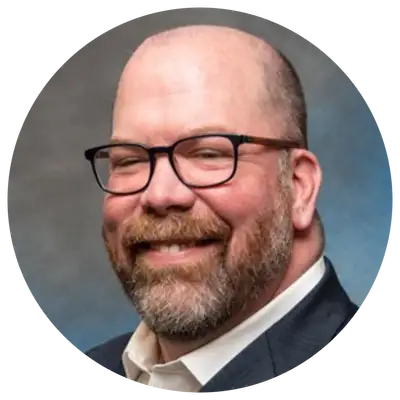
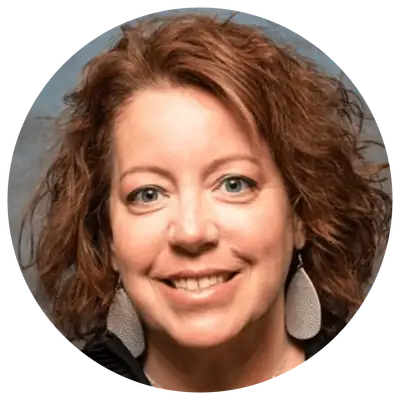
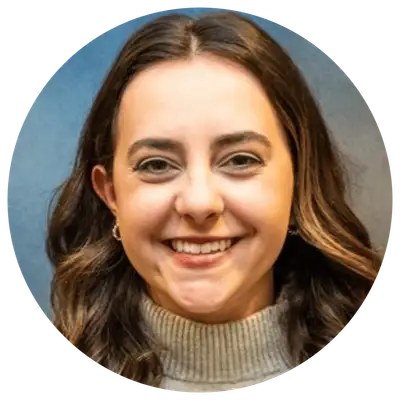
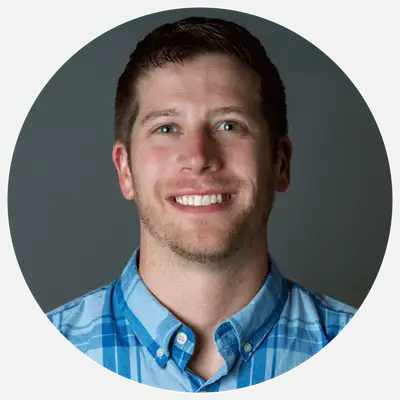
Welcome to "The Conversation", the ESC of Central Ohio's podcast! Join podcast hosts John Hambrick and Rachel Daniels every month as they explore a variety of topics featuring voices in education, helping to ignite ideas and inspire change. Want to be part of "The Conversation"? Email us: brenna.schoen@escco.org
Mason Farr:
... Be good ancestors. How are we going to know what it was like now in 250 years? It starts with us.
Speaker 2:
That was Mason Farr, education and outreach manager at the National Veterans Memorial and Museum in Columbus, Ohio. On this episode of The Conversation, Rachel and John explore how the museum takes visitors on a powerful narrative journey, sharing the individual stories and collective experiences of veterans throughout history and how listeners can get involved in honoring and supporting their legacy. Let's dive in.
John Hambrick:
Hello and welcome back to The Conversation. Ohio Voices in Education, Igniting Ideas, Inspiring Change. Rachel Daniels, what a conversation we have in store this morning.
Rachel Daniels:
Agree. I'm so excited to welcome Mason Farr to the pod.
John Hambrick:
I know, this is great. And how timely as we are about to drop this episode celebrating Memorial Day. Mason is the education and outreach manager at Columbus's very own National Veterans Memorial and Museum. And that space has had some incredible transformation over the last many years and really excited to have Mason here on The Conversation. So let's get into it. Hey, Mason, can you tell us a bit about yourself and your background and what led you to be a part of the National Veterans Memorial and Museum?
Mason Farr:
Yeah, definitely. First of all, thanks for having me. I appreciate the opportunity to share a little bit about the museum because we are still relatively new. The museum's been there for about seven and a half years. But what brought me to the museum as an education manager kind of goes back to my time. I used to live in DC where I went to get a master's in American history, but I knew I wanted to educate in ways outside of the classroom. So I've worked at historic houses, historical research companies and libraries in museums doing collections. But I found my way into the US Army as a civilian. So I'm not a veteran myself and actually many of the people who work at the Veterans Museum are not veterans, which is kind of a purpose of the space is to bring together non-veterans and veterans through shared understanding.
So when I was working for the Army, I worked what's called the Center of Military History, and I worked in the Pentagon and was essentially, they have a mini museum in there and I was the curator of art and artifacts there and I really enjoyed, one, that experience, but getting to work alongside both veterans and active duty service members at the time was pretty special and just really rewarding, but wasn't going to stay in DC long-term. Family connections back in Columbus, like so many people have. So my wife and I moved back here and I started working at the Supreme Court of Ohio, which is right across the river from the National Veterans Memorial Museum. And I was working there in the Civic Ed office, so doing the K-12 programming, field trips, tying in both Ohio history with that building, but then also how the court operates, the judicial branch.
But across the river, I could see the NVMM was new at the time. I actually heard about it when I was still in DC. I was like, that would be a great place to work given what I've been doing with the Army. And eventually the right job opened up, the education manager position and it was opportunity for me to change what I was doing from the court. And thankfully I applied at the right time. So I've been there for about four years and I do all sorts of student programming, adult programming, but it's all about connecting individuals to the veteran experience. And when we talk about the veteran experience, first and foremost, we're talking about individuals who have served our country's military from 1775 through today, but that experience goes wider than that. So also bringing the stories of the family members, the military connected students seems that everyone has a veteran in their family or in their community.
So I do a lot with the field trips to the museum, what those look like, activities that go out. We do a lot of outreach schools as well as with libraries. So I'm happy to jump into all of that, but that's what brought me here and I'm really, really grateful to be here.
John Hambrick:
Well, fantastic. It seems like your work in DC and then at this Ohio State Supreme Court has really culminated those experiences to be right here today with us. So thanks for joining us. Rachel?
Rachel Daniels:
Mason, I had the pleasure of visiting NVM for the first time several months ago and I brought a group of educators with me. And on the outset, I knew they had no idea what they were in for. But as you remember at the end of our time together, there was such excitement and immediate future planning to bring school groups back, because it is an inspiring place that, as I heard you say before, it's not filled with stuff, it's filled with stories. And what strikes me is that as visitors to the museum come up, they are immediately greeted with striking larger than life banners that feel like they're telling a story before you even step into an exhibit. So how do those images and the museum as a whole set the stage for this kind of storytelling that you want people to experience in your unique museum?
Mason Farr:
Yeah. So to start, the mission of the NVM is to honor all veterans, elevate their stories and amplify the power of service for everyone everywhere. So that goes into any type of program we do, whether it's for adults or what I do a lot with the K-12 students. And so, like you said, you step into the museum, it's a beautiful space and it's not a typical military museum. Sometimes you hear the term veteran and everyone has their own connotations around what that means, depends on how familiar they are with the military and with what it means to be a veteran. But you step into it and we don't have any tanks, we don't have trucks, we don't have planes. We're not filled with the stuff like that. There are other museums who have that purpose and tell stories that way. We are focused on the stories of the individuals who built the runways, who loaded the trucks, who fixed the tanks.
So we also want to go beyond the typical stories that we hear from movies and TV shows, video games that tend to focus on combat. It's a place to explore all of those stories of individuals who served and we go back to 1775. So I know we're celebrating America 250 this year. The Army, the Navy, the Marine Corps have been celebrating 250 for the past year since they were all founded in 1775. So those banners you mentioned though, as you step into the museum, there's a big open space up above, you see pictures of veterans and most of them were taken around 2010 or so, but they're on one side, it's that individual as they were then. On the other side, a really important part is you go to the other side of that picture, you see that same individual is a photo they provided of their time and service.
So for some, it was 10 years ago. For some, it was 70 years ago and you see that physical change occur and it helps people make that connection right up front. So the first thing we do with any group that visits is we get them to connect, make that personal connection to a veteran by asking them if anyone in the group is a veteran, sometimes there are teachers or administrators with us and yeah, they're in the Air Force for four years so they raise their hand. If they're not a veteran, someone in their family, I would say 75% of hands go up, whether it's a mom or a dad, aunt, uncle, grandparents, somebody served and they start thinking about that. And if not in your family, in your community, in your school, by that point we realize every hand is up. So it makes that personal connection.
And then the museum, I mean, it's really an American history museum, but it's told through that lens of the individuals who serve. So that's what we try to do is get people connecting to the veterans they know and the family members of veterans they know and then you go through this history and it makes it I think a little bit more accessible that way.
Rachel Daniels:
And I have to note too that I want our listeners to understand that though the overriding purpose of this museum is to tell stories, there are still such rich exhibits and visual displays, whether it's those banners that honestly gave me such a striking emotional reaction that it still gives me goosebumps when you started talking about it again. It is such a powerful thing. So I'm curious, Mason, what your favorite spot in the museum is?
Mason Farr:
I think for me, my favorite spot, well, I love a lot of them, obviously. It all depends on what you want to do because like you mentioned, there are some spaces where you're listening to someone tell a story because that's what they did when they created the museum, rather than collecting a lot of artifacts, collected stories of veterans from at the time there were five branches of service, now we have Space Force, but you can hear those stories. And then there are places you can pick up a ruck sack, you can try on a vest and feel heavy it is, what it looks like. But for me, I think what I think I find most gravitated towards is as you're going through the core part of the museum, so those are permanent exhibits. On one side, you have a historical timeline, which like I said, goes from 1775 through today.
So you're getting stories that maybe you've heard before of George Washington, but you're also hearing stories of Deborah Sampson, a woman who served in the American Revolution when women couldn't serve at all. And you follow those stories mixed with the more recent stories of the individuals talking about their service. And as you go, I mean, we are the Veterans Museum, so it's not just focused on military service. That's a big component to it, but the veteran piece comes in when you separate from service and for everyone that's different. So as you go along at one point about halfway through the exhibits, you make a turn. It's a complete 180, pretty sure the architects had that in mind with how it was designed, that when you do that complete turn, you're now going into the veteran stories. So it's less the focus on what did you do or what were you doing in the military?
Now it's what lessons did you learn from that? What service do you continue to do? And right in that space, there's also a letter writing space. So we have a pause point which we put in a couple years ago because we saw a lot of people, they want to do something. You're inspired as you're hearing these stories and you're thinking of the individuals you know who served and you just want to be able to do something however small it might be. So we put in a couple tables and we have letter templates there that anyone can just write a note of gratitude. Or if it's a younger student, they can draw a picture to bring brightness to someone's day, to a veteran's day. And then we partner with groups like Honor Flight Columbus, the Columbus VA and some other organizations. So we collect thousands of those letters every year and then we can distribute them out.
So for me, that space, because it makes that connection between thinking about some of the challenges and the successes of when you transition out of service, but then also giving you something to do in the moment.
John Hambrick:
The theme throughout this conversation has been stories, capturing stories. How are you capturing stories at NVM and how is that being cataloged and then shared?
Mason Farr:
It's a great question. So yeah, just like any museum, you can donate things to a museum, depends on the artifacts or what they're collecting. For us, we're collecting stories. So we're not going to take in ... We have a small collection of education materials, things you can touch and try on, but really we're focused on, like you said, collecting more of those stories because really they're infinite. There's so many that are out there and they all matter because they all help fill in this larger puzzle of what it means to serve.
So the way we do that is we have what's called the NVMM Story Collection and it is through a partnership with an organization called StoryCorps. Some of your listeners may be familiar with. They're another nonprofit. They're based in New York City. But what's wonderful about StoryCorps is their mission, it really just matched up with what we're about as well and it's the importance of conversation and the importance of stories. And StoryCorps, they have a connection or a partnership with the Library of Congress. So when you record an audio conversation, you can put in a couple photos with that as well. It goes through StoryCorps to the Library of Congress where it's preserved indefinitely. So our partnership in creating the NVMM Story Collection is an opportunity for anyone to share their story. It can be a three-minute conversation, it can be a 30-minute conversation. It can be about your time in the military, your time after the military, both. If you're part of a military connected family, that experience.
So we want all of those stories and you can record them from your phone, tablet, whatever it might be, then you can actually submit it through, we have a spot on our website, you can actually upload it. It comes to our education team, clean up the audio and then we will upload it in any photos you provide as well as a description of what the conversation's about and it goes into our digital archive. And then when that happens, that's when it's also getting over to the Library of Congress. So you're preserving that legacy and then we're also continuing to add to our collection.
And then what we do with that, and we're in the process on the backend of that now is turn those into educator resources. So say you're studying the Vietnam War era. We just recognized Vietnam War Veterans Day the other day on March 29th. Maybe you're studying that in school and you want to give more of that personal connection to it to actually hear from someone what their experience was like when they came home for many, it was very difficult. And why is that to be able to hear from someone? So we're going to start putting these recordings that we're getting now that we've kind of hit, I believe we have over a hundred in our archive, we want to start putting them into collection.
So it's easier for a teacher to say, oh, let me pull from those and then we're going to have educator ... Well, educator guides, there's a template for here's what this conversation's about, here's the age level it's pretty good for, and here are some of the key points that they talk about to make it easier than just scrolling through hundreds of conversations. So we're going to start putting those out on our website here shortly on our educator page just to make it easier for those stories once they are received, how do you access them?
John Hambrick:
And thank goodness you're capturing those because isn't that how we continue to thrive as a community, as a civilization is through storytelling. If not for stories, holy cow. And so you mentioned how you're cataloging that and how you're having that as a resource. Mason, how else can our listeners and our educators and our community connectors utilize and engage with the museum and the resources available?
Mason Farr:
Yeah. Well, first and foremost, we'd love for you to schedule a field trip to the museum because that really sets up everything you can do afterwards. Because like Rachel said, when you come into the museum, you're just surrounded by these stories. And then if you do that on a field trip, myself or our education coordinator, Justin, will give your group a guided tour. And it can be for kindergartners, it can be for high schoolers, we cater it to the age and get them making those connections.
And as you go through the museum, it's really framed around questions to ask and to consider that maybe, especially younger generation, hasn't thought of before because sometimes jump straight to thinking of a Call of Duty or combat, things like that. Once you go through the museum, hopefully you've made these personal connections and you're thinking about your aunt who served in the Marine Corps or your dad who is in the National Guard. And you now are like, "Wait, I never asked where did they go?" Or, "What was bootcamp like? What were some of their favorite places? What did they do?" I think is a big one. "What types of jobs?" Because there's so many.
So a visit there, we get the students really thinking about that and then we tie in other activities. But the goal is that once you visited, it doesn't end there. Now you are hopefully, you could contribute to the story collection. You could go home and talk to those individuals you know, record their story. It becomes part of our national museum here. Our digital archive gets over to the Library of Congress. Your family, they now have that they can share in that individual's voice for the next 250 years. We're thinking a lot about history with America 250. This is a great opportunity to be, I've heard someone say, be good ancestors. How are we going to know what it was like now in 250 years?
It starts with us. And so there's a great opportunity if you come visit us in person, we set that up and then hopefully we start inspiring the next generation of storytellers through that. If you can't come into the museum, that's okay. Again, we're not based on needing to be here to necessarily climb into the cockpit of a plane or get into a tank. It's about the stories. So we do virtual field trips. So I have a cart that I push and it's got a 360 camera and you'll see me and you'll see what I'm seeing and I can do that with a classroom all one. Students can join individually and I can take questions in the moment. So it's meant to be a very engaging as if you're in the museum with us. And then the other component of all of this with that story collection is whether you're adding to it or you are using it in your classrooms because that's what it's there for.
We want to be able to spread that experience and help more people understand how unique every experience is. So those are some of the major ways to do it. We even have a new, I'd be remiss if I didn't mention our new partnership with the Columbus Metropolitan Library. So we have what's called service and action nooks. So we have one at the museum, we have one at the main library and then we have a rotating one that goes to different branches. And the whole idea is when you hear these stories of individuals who served, you're inspired and we're not saying now go join the military, we're saying, now go serve in some way. And if you're a third-grader, what can you do in your community right now? How can you help your parents at home? How can you help kids in your classroom?
So we have different service activities from writing letters to veterans and the impact that that has. Or for April, the month of the military child, writing kindness cards that then can be distributed to those kids who are moving around a bit and it helps make them feel welcome. So one, you've got kids writing, so practicing that and getting their thoughts down and thinking of others. And then there's that impact of other students receiving these letters from their peers. And then we even have just creating bookmarks and inspiring others to read. So again, like I mentioned, the letter writing space, it's a simple action, but it has a big impact. So those are some of the main ways that we do that and it can be through either physically visiting the museum, seeing us out in the community or engaging with us virtually.
John Hambrick:
I really appreciate you sharing about that partnership with the Columbus Metropolitan Library and then braiding in service learning as that experience, what a treasure we have with NVMM. So thanks, Mason.
Rachel Daniels:
Of course. Well, John, I'm so glad that you share the same sentiments that I have about this special place. Mason, as we wrap up, what is the one takeaway or feeling that you hope to inspire folks to come and visit, whether they come in person or connect with your resources from afar? What do you imagine that folks would carry away from them with a visit to the National Veterans Memorial and Museum?
Mason Farr:
I think it really is expanding perspectives and considering others who serve specifically, but not just veterans, but their family members. And I think it just helps build community when you do visit the museum because certainly we're framed around sharing these stories in particular of individuals who have served and their family members. Well, what I take away and what I hope most people take away when doing that is that it doesn't have to be within this museum.
This can be the starting point of something that goes beyond that, whether it's even if you're not recording it, but now you're sitting down and you're saying, "Well, I don't think I ever talked to my grandmother about what she did in the Army in the 1970s." And that spark is what I hope everyone takes away. And sometimes we take for granted stories that we hear them. My grandfather served the Navy in World War II, heard his stories for years and years. We did not think to record it because we all knew it, all the cousins, we knew his stories really well, but when he passed away, I have kids of my own now. They can't hear it in his words.
So just taking time to pause and record it can go a long way in just preserving a family's legacy. So I hope that. And then also just being inspired to, what can you do when you hear these stories rather than just listen and reflect taking that next step? And that's where that service and action piece comes. So hoping that anyone who visits, whether they're again, a kindergarten, eighth grade, adult, that they feel a sense of inspiration and want to go do something to make our community stronger.
Rachel Daniels:
Well, I know I was inspired by that notion of being a good ancestor by sharing the stories. I think that's such a powerful thought. So we hope to encourage folks to consider recording a story with a veteran you know or writing letters to veterans, particularly as we approach this Memorial Day sort of season, it just strikes me that people have lots of ways that they can support veterans. So Mason, we want to thank you for spending time with us today and introducing our listeners to the National Veterans Memorial and Museum. It is an incredible place and we hope that your visitor count skyrockets because of our podcast today. So with that, I'll say for John, this is Rachel. Stay curious and keep up with the conversation.