Subscribe
Share
Share
Embed
In this episode of the Maffeo Drinks Podcast, Chris Maffeo discusses the dynamic nature of the drinks industry with guest Philip Duff.
The conversation highlights the challenges large companies face in adapting to market demands and the agility of smaller brands to innovate.
The discussion delves into the importance of grassroots brand building and understanding consumer behavior, using examples like Peroni's success in Scandinavia and Mezcal's rise.
Maffeo and Duff critique the reliance on standard research reports and emphasize the value of unconventional insights.
The episode concludes with insights into risk-taking in large firms and the significance of sustaining brand relevance through continuous market engagement.
00:00 Introduction and Welcome
00:28 Big Companies vs. Small Brands
02:38 Case Study: Peroni's Success in Scandinavia
05:40 The Impact of Mexican Cuisine on Agave Spirits
07:46 Challenges in Big Firms and Market Research
13:14 The Art of Brand Building
24:00 The Mezcal Trend and Luxury Marketing
26:39 Understanding Consumer Trends
31:38 Conclusion and Farewell
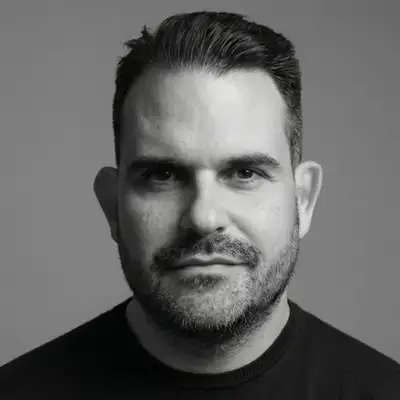
About The Host: Chris Maffeo
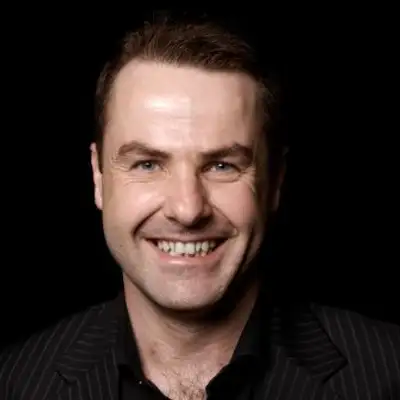
About The Guest: Phillip Duff
In this episode of the Maffeo Drinks Podcast, Chris Maffeo discusses the dynamic nature of the drinks industry with guest Philip Duff.
The conversation highlights the challenges large companies face in adapting to market demands and the agility of smaller brands to innovate.
The discussion delves into the importance of grassroots brand building and understanding consumer behavior, using examples like Peroni's success in Scandinavia and Mezcal's rise.
Maffeo and Duff critique the reliance on standard research reports and emphasize the value of unconventional insights.
The episode concludes with insights into risk-taking in large firms and the significance of sustaining brand relevance through continuous market engagement.
00:00 Introduction and Welcome
00:28 Big Companies vs. Small Brands
02:38 Case Study: Peroni's Success in Scandinavia
05:40 The Impact of Mexican Cuisine on Agave Spirits
07:46 Challenges in Big Firms and Market Research
13:14 The Art of Brand Building
24:00 The Mezcal Trend and Luxury Marketing
26:39 Understanding Consumer Trends
31:38 Conclusion and Farewell
About The Host: Chris Maffeo
About The Guest: Phillip Duff
The MAFFEO DRINKS Podcast is a leading drinks business podcast delivering actionable insights for drinks leadership.
For founders, directors, distributor MDs, and hospitality leaders navigating the tension between bottom-up reality and top-down expectations.
20+ years building brands across 30+ markets. Each episode features drinks builders: founders, distributors, commercial directors, sharing how the drinks industry actually works. Not the conference version. Honest conversations.
Insights come from sitting at the bar.
Beyond episodes: advisory for leadership teams, subscription with episode deep dives and principles to navigate your own reality.
Beer, wine, spirits, Low and non-alcoholic.
Bottom-up Insights & Episode Deep Dives at https://maffeodrinks.com
Welcome to the Maffei drinks podcast. I'm Chris Maffeiro, your host and fellow drinks builder. I'm really honored to have you as one of our listeners from 111 countries. A small ask, if you enjoy the show, please leave a review and share it with others in the industry. Visit mafelldrinks.com for free resources, premium content, and episode transcripts.
Chris Maffeo:Now let's dive into today's episode.
Philip Duff:Like, companies are like cruise ships or like container ship. They can ship so much, but they can't turn. They're not agile. They can't invent stuff. Little brands are more like speedboats.
Chris Maffeo:The thing with big companies is that they want to be sure. You know? Like, they all say, you know, nobody was fired for hiring McKinsey, you know, like, or for buying IBM or whatever that was. That is the thing that, you know, like when they, you know, they do focus groups and then they go directly at scale. They spam.
Chris Maffeo:I call it spam in the market, you know, like one bottle in every single buy you ever know in that city will hash that bottle. You know, the thing is that then it may be too late because you can only do a first impression once, you know. So if that bottle becomes the dusty bottle on the shelf, then you basically fucked, you know? So instead of like doing kind of like small movement and say, you know, let's try different things and let's do let's send this war team first in the in the market and then let's get the army. And this is the thing that, you know, mess things up a lot of time because all of a sudden it becomes like, okay, it doesn't work because I want it to work in within six months or a year.
Chris Maffeo:And you cannot, you simply cannot do that in the, in this business because it's a little bit like the stock exchange, no, you know, past performance doesn't tell anything about future performance of stock. You know, it's the same thing. Sometimes I'm asked by people on LinkedIn and so on, you know, I put in more case studies, you know, what is a successful brand? And I'm always reluctant to say that, you know, because I've been in big companies. I know the power of, you know, BS PowerPoint presentations.
Chris Maffeo:You know, you never really get the real story, you know, when there is like a press release or anything, you know, there's always some detail and it's it doesn't have to be like a lie or anything that people want to hide. It's just like a bias elements that you don't find in in a PowerPoint presentation. I always bring the example of my past experience in Peroni, for example. I used to sell Peroni and market Peroni in Scandinavia, you know? It it was a success.
Chris Maffeo:It was a real success. So not to diminish what I've done or what the team has done, but it was the perfect storm because we launched in 2010 and it was exactly like after the two two thousand and eight credit crunch. So a lot of the scandi bankers, as I called them, were moving back home. They were fleeing London after 2008, you know, so 2009, 2010, they were going back to Stockholm, Oslo, Helsinki, Copenhagen and you name it. So, you know, without knowing that, you know, we were just implementing a normal strategy, which is like, you know, you go to the right places in the right cities.
Chris Maffeo:So it wasn't thoughtful, but we were doing the exact same thing. I was doing it in Paris. I was doing it in Barcelona, in Istanbul, in Athens and in Dubai. Some countries, you know, boomed much faster than others. But we were doing exactly the same thing.
Chris Maffeo:It was always me. It was the same guy. So of course, there's distributors, you know, that are better than others and so on. But my speculation, and this is only my speculation, so you will not find in any PowerPoint presentation, is that the scandi bankers, you know, were used to drink Peroni in London because the brand was huge there. We just have to make it available in the five bars around the financial districts of Oslo, Stockholm, Helsinki and so on.
Chris Maffeo:And all of a sudden there was instant demand because the brand had been built, the building demand in London. So you just had to capture that demand. So you were skipping one phase, which is building demand in Stockholm because you don't have to build it because it's already there. And then with the bankers drinking it, then all of a sudden, you know, all the other people are kind of like following. But you will never find it in a PowerPoint presentation because it's not an official I mean, I don't have evidence for this.
Chris Maffeo:You know, it's my love for history and geopolitics and the the kind of conversation we always have with you that ticks to me the same thing for Dubai, you know, like lots of Brits move to Dubai, perfect storm, you know, they know the brand from the homeland. And that's why I always talk about win in your home for home serve before venturing overseas, you know, like win in one market and then capitalize on those people because there will be, you know, you win in Italy, then you win, you know, you move to whatever London or Britain. And then when you make it big there, then you have Italians and Brits to play with that know your brands, you know, rather than spamming like to 55 markets from the second year. And basically you have to start all over again in each market. So this is these are the kind of things that are so fascinating for me in the industry now.
Chris Maffeo:And another point is that I'm having a bit of back and forth on LinkedIn on on some points. Like, I don't know if you notice, like there's a lot of stats nowadays with Mezcal and Agave and explaining how agave is booming and so on. And everybody talks about celebrity tequilas, you know. But for me, there is another element to that, which is the traditional and social element. Mexican cuisine has been booming.
Chris Maffeo:Mexican chefs have been traveling and going everywhere. Mexican bartenders have been traveling everywhere and working everywhere. You know, a lot of the Americans were during COVID where everything was on lockdown, they went to Mexico. You know, they were going to
Philip Duff:the camp
Chris Maffeo:and to all those places and to Mexico cities, and they were renting flats there, living there, drinking there and so on. So all of a sudden, there is this element of kind of like demand creation that nobody thinks about because it's not written in any book. It's like what you see on a PDF. It's just like an hockey stick of agave. And then you see all the celebrity tequilas and then you say, you see what what celebrity does to the to the category?
Chris Maffeo:It makes it boom. But for me, of course, there is an element, but it's not only that. It's like, let's look at it from a counterintuitive perspective. And there is a big element of places that it doesn't matter if there's no Mexican places in a certain city. There will be American tourists, people who have gone to Mexico and live in that city.
Chris Maffeo:You know, maybe there will not be so many Mexicans working in kitchens or in bars. So it's super fascinating, you know, like what what you see about these kind of categories and how to really dig in and even with some speculation sometimes like I do, you know, but gives you another element, another layer of complexity to put in and to analyze.
Philip Duff:Well, I mean, your point about Ghandi bankers moving back is as valid as any $50,000 research report. My friend David Duckman, who wrote the excellent book, That Shit Will Never Sell, and he's the ideas man behind Bailey's, Hanker A. Ten, the Fingleton. He says, you know, these research reports cost so much money, but if you follow their recommendation and the brand's not a success, they won't give you a refund. As you know, in Europe, we don't have majors and minors in university degrees as they do in America.
Philip Duff:But if we did, my minor of my marketing degree would be market research and market research has limitation. It's much better to have mall gorilla like insight, like your one about the scandi bankers, right? Because it costs nothing to test it out. It costs nothing to push the brand in five bars and see what happens. And that's literally where this starts from.
Philip Duff:You essentially are looking for people to create bandwagons and jump on them. You shouldn't have gear guardrails about what your brand is and what it isn't, But those clear guardrails give you a whole lot to play. And if you don't have a brand book, if you don't have definitions of what you are, what you're not, you'll spend every day making a million decisions that are unnecessary, using up your brain power. When you could just be looking at the brand book or saying, our bullseye customer is a non binary lady who drives an Audi in Bushwick and she wears a tag, not her Rolex. She vacations in Goa, not Bali.
Philip Duff:What would she think of this or they? Right? That your insight is as valid as anything else. The real problem would be firms is that they're not, you're not allowed to take risks. Everything is listed on the stock market.
Philip Duff:All the big decision makers are publicly listed officers. You know, they have to have codes of on the regular medical, etcetera, etcetera, etcetera. And the industry used to be a little bit more rock and roll than I did. You'd have a CEO. The last great true rock and roll CEO was Paul Walsh at the AI show.
Philip Duff:And he would say, we're going premium, and we're going tequila. All of Diageo's success with Agathe is because of decisions Paul Walsh made in some cases almost twenty years ago. And everybody shit all over him for those decisions. He got his ass handed to him for eight years in shareholder meetings until Diageo really began growing to be the mega company that it is now. And, you know, the most successful drink company the world's ever seen.
Philip Duff:But for years, everybody said, oh, why don't you go more into beer? Why don't you go more into wine? And he sold off almost their entire assets there. He gambled everything on super premium liquor and especially agave. It had paid off incredibly well.
Philip Duff:We don't have a lot of Paul Walsh's anymore. A Paul Walsh would understand. He's gotta make a few gamble. It kind of like investing. If you have a €100,000 and you can invest this in 10 funds, one of them should be risky.
Philip Duff:Three of them should be very safe. Four of them should be somewhere in the middle. That's actually how you get the best returns. One of my, well, it's not my favorite statistic because I wish it didn't exist is if you read the drinks international millionaires call, the data isn't completely objective because the brands submitted themselves.
Chris Maffeo:Oh.
Philip Duff:But it's the 143 liquor brands in the world that sell more than a million nine meter cases every year. Of those 143, only three were created in the last fifty or sixty years. One of his berries. One of them is Malibu, another brand that David Bluchman was involved with. And the third one, all credit to a family owned business, Brown Foreman, Woodford Reserve.
Philip Duff:Other million case brand was acquired, not built by a big company. And that's, I guess it's just the way that people do business now, but it's a massive inefficiency on their part because big firms have both the asset and in some cases, the people can take lots of risks and do so As well as selling an extra 3% of Johnny Walker every year. I'm not suggesting they go completely into new product development, but to sort of set up structures whereby people can take risks. You do see that the big firms now have incubators, like the Agios got to Stil Ventures and Pronghorn. Pernod used to have new brands ventures.
Philip Duff:They don't have it anymore. And those are theoretically ways in which you can experiment and innovate. But a lot of the time in the incubator, you've got Diageo or Perno people advising entrepreneurs. And here's another hard truth. You can be the best brand manager in the world running a million case brand and growing it by 10% a year and not have any idea how to sell the first 100 cases of a new brand.
Chris Maffeo:This is the biggest problem that I bring the example of the gym often, I should do a little bit more of. It's, you know, like you either grow up fit, you know, as a kid, so you do sport as a kid. So you grow with a muscular body or you are, you know, skipping exercise until you are 20 and then you have to go and get fit. But the thing is that either you do it and you grow sustainably, which I call bottom up brand building, or you are a huge brand and then you have to go back to square one, like on the monopoly table game, you know, you go back to square one and you have to start all over again because if you have bypassed, you know, the on trade or whatever, you know, and you are huge and scale and you are declining year on year, there is something, you know, you haven't spoken to those. Let's call it the first 100, the first 1,000 cases in a city Jeb enables you to to grow.
Chris Maffeo:And those first 1,000 cases are happening every year. You know, if you're selling 1,000 cases, those are the ones. But then when you sell 10,000, you still have to take care of the 1,000, the core 1,000. And then when you sell 1,000,000, you still have to take care in each city of those first 1,000 because those are the ones that, you know, the Bushwick kind of people, you know, like the people that keep the brand relevant because they are the people that that do more dinners out than average. They go out more than average and they change because the Bushfic person, you know, that you highlighted before, all of a sudden starts to be like 50, 55, 60.
Chris Maffeo:So there would be somebody else that will be now on their twenties and you have to appeal to those people. But it's not by revolutionizing what you're doing. This is like part of the presentation that I did on Gen Z at Convent last year. I brought that example of the gates at Barconvent in Berlin. You know, when you enter and you batch the the scan, you are one of those gates, you know, with a brand.
Chris Maffeo:You need to patch people entering through your gate. But there's, I don't know, 20 gates or how many how many there are like there, you know, like it's not that everybody will pass through your gate, but you have to enable people to actually understand what you are standing for. It's useless that you either catch them at the entrance or you kinda like walk around trying to hunt them in Bark Convent, which is good luck, you know, to try to find someone in in Bark Convent that's there, but, you know, you haven't seen them coming in. So this is the thing like with, you know, new generations coming into the game, you have to stick to it. And I bring the example of the Hendrix chain with cucumber or the margarita with control, whatever, you know, like all these kind of examples that I always bring because those are the one is not that all of a sudden Gen Z, I don't know, whatever, like the trend would be on a some random report that they don't drink margarita anymore.
Chris Maffeo:And then all of a sudden you start doing a non alc control because the Gen Z are drinking less. And it's like, fuck it. You know, it's just like you are sticking to what works. And then you have to recruit those people anyway, you know, then you can do other things with other brands, accommodating different needs to the earlier point about growth opportunities. But it's not that you revolutionize your brand.
Chris Maffeo:And this is what happens in most companies. Now managers are leaving the company. Knowledge is lost. You know, huge knowledge is lost. There's there's a huge knowledge gap in generation.
Chris Maffeo:And I've been through so many handovers in my career, either I did it or people did it to me. They usually last like a day or two, you know, like they give you a, you know, a drive with five gig of PowerPoint presentation as I like, good luck. It's all there. I'm leaving for competition. Ciao.
Chris Maffeo:Ciao. If you are we go back to the beginning of the conversation. If you are not into the game challenging yourself, learning, studying, talking to people, talking to bartenders, talking to other people in the industry, learning this, reading books, newsletters, you name it, listen to podcasts by the way, you miss out all this information.
Philip Duff:Well, I think one of the problems with the larger companies is that if they're doing new product development or repositioning, the first thing you've got to do is benchmark. You've gotta look at other things people have done. So you're already starting by being derivative. You're copying other people. Sometimes it can be useful if you copy people in other segments.
Philip Duff:So if you're in spirits and you look at beer or if you're in wine and you look at spirits, and then you commission a research report, you spend 10,000 or 50,000 or a $100,000 on that. The function of the first two is really just to cover your arse. And the problem in that you've got people creating brands who have to get everything signed off by their boss. And that is the kiss of death. If you're not able to create a brand from scratch, even if the budget's only €50,000, you might as well not do it at all.
Philip Duff:Because what tends to happen at big companies is everybody wants to have an idea or a suggestion. They want their fingerprints on this project just in case it's a success. Right? So before the product ever gets out in the market, it's already, frankly, had its balls cut off. It has no chance.
Philip Duff:Like I agree. In 2022, there was a brand of lower alcohol, flowery botanical vodkas from Bacardi called Petal and Plume. I don't know if you remember this.
Chris Maffeo:No. No. I don't.
Philip Duff:And the whole press release was like, we have a female team of scientists and just fillers who develop petrol and plume for the female pal. It was so it is soul singly sexist that the brand, as far as I can tell, died off almost before it was ever launched. But it should never have got to that stage. I guarantee you, there were 10 meetings where they presented this idea. And in every one of their meeting, were several people who thought, well, this is bullshit, but they just didn't speak up because why should they?
Philip Duff:It's not their project. Doesn't matter if it fails. Like in the Diageo company, they rotate you every eighteen months. So it's only important to start project benchmark, get some research and follow procedure. The brand doesn't actually need to be a success or sell, just full honesty, follow the process.
Philip Duff:And eventually, if you do that right, you'll get to work on a brand like Smirnoff or Johnny Walker, which are so big, it's practically impossible to fuck them up anymore. And you'll retire working for that branch. That's it. That's a trip. I
Chris Maffeo:love that. But that's but that's
Philip Duff:so sweet. Only three big firms have created million case brands in the last sixty years.
Chris Maffeo:You know, I I wrote a post some time ago. I should I should re re re post it that, you know, it was about people should incentivize doing PowerPoint presentations with fuck ups. You know, like tell me your fuck ups on this project so that people will avoid them in the future instead of swiping it under the carpet now because that would make them save so much money, you know, like incentivize that, you know, say, okay, Philippe, thanks to you and your fuckups of that brand last time, you know, he's managed to launch successfully because he avoided those exact mistakes that he would have done. Thanks to you. So you actually partly owner of the success of Chris's launch.
Chris Maffeo:But instead, you know, your presentation would be like all polished and beautiful and let's not say that, let's not say that kind of thing. And then basically I end up doing exactly the same mistake over and over again. And my my inbox is full of corporate people that subscribe to the newsletter, you know, read my post and so on and write me privately saying like, I 100% agree with what you're saying, but maybe you will never see a like on those posts from them because there's too much at stake by liking the post on LinkedIn when I say something like this. But that's at the same time is the curse and the beauty of the industry because it keeps reshuffling things and you cannot copy. I always joke now because I say even if people stole like that, there is this thing with big companies now that they catch you off the network and, you know, like they take your laptop when you're leaving and so on.
Chris Maffeo:It's like, honestly, even if I took all those giga of data, I wouldn't be able to do anything with it because that is so specific to those years and to that industry that I cannot just take the success story of Jack Daniels or Hendrick or Tanqueray, whatever, and replicate it because that's not how it works. Because in the meantime, the countries are different, people are different, generations are different, competitors are different and you cannot have like one size fits all. It's not that you've got the recipe book that will save you for the future, you know? And this is what is often misunderstood is like, oh, let's hire Philly because he's the guy who launched blah blah blah. You know?
Chris Maffeo:So he will do it again. He will do it again. It's like hiring a footballer, you know, just because he scored 100 goals in Bundesliga, and then you bring them to Premier League and you expect them to to score another 100 goals.
Philip Duff:No. I think that's accurate. And like you say, this drinks industry, it looks like a science, but it's actually an art. Right? And essentially, it's because it comes down to people.
Philip Duff:And working out what people want is difficult. And the best way to be successful is to try lots of different thing. Like be small, agile, nimble, and I mean, think about the the values that a trend might represent. I'll give you an example. I remember when bartenders didn't give a shit about Mezcal.
Philip Duff:Right? Not in The UK, not in The US, not in Mexico. One guy, an artist, in fact, Ron Cooper, to Oaxaca and he started doing his art. He was painting and sculpting and doing things with fabrics. And he would work really, really hard for like three days.
Philip Duff:And then he would get in his truck and he would drive into the most remote countryside, even by Oaxaca standards. And he would just ask the first person he saw, Donde Estelle Mejor, where's the best stuff? So he's drinking this amazing mezcal, starts taping it back to America, failing it, eventually began importing it, and that was Del McGay. In the beginning, it was incredibly expensive. 100, 200, $300 a bottle.
Philip Duff:It was introduced to bartenders by spirits educators and fans like, oh my god. You must try this. Oh, it's from a single village. Oh, this family three hours away from Oaxaca. Oh, the boxing's three hundred dollars.
Philip Duff:So this is actually classic luxury marketing. If you think about it, it was just being marketed to hairy tattooed bartenders at tales of the cocktail and bar convent and stuff. And then a few years down the road, brands like Delmigay and Thumbra came out with cocktail menu speed rail price variance in the case of Delmigay, Vida, in the case of Sombra, Sombra itself, and suddenly bartenders could put Mezcal in all their cocktails. And that's when we really saw that uptick happening. But if you had said to somebody, I'm selling $300 bottles of mezcal to hairy tattoo bartenders in Brooklyn and Silver Lake and East London, West Berlin, they would have laughed at you.
Philip Duff:Right? But those values of that mezcal that it's connected to a single family who have this almost unchanged rural life, though far from an urban lifestyle of a rock and roll bartender, that that's what brings the bartenders back to a sense of childlike wonder, and it incorporates other factors like sustainability and connection to our history, indigenous food ways, all those things. So once you are reasonably well read and you're also out in the bars all the time and you're checking out what's happening on Instagram or whatnot, you can spot trend and then sit down with a mezcal and say to yourself, alright, is there something behind this? Like, the gluten free vodka say is a wellness trend. Right?
Philip Duff:Dog friendly vodka thing could be said to be a reflection of urban living because people aren't having babies anymore. Instead, they're having dogs. Right? And the dog is it becomes their baby. So not just have I identified a trend, but what's really driving that?
Philip Duff:And what it's powerful things like sustainability, or wellness, then you've really got something. Yeah. And this was not something that research reports will be able to quantify. A research report is either telling you things that aren't true or things that everybody already knows.
Chris Maffeo:And to be honest, like, to add the layer to what you're saying is what I I I wrote, one of my mini guides online that I I call it the selling ring roads, like the ring road on, you know, London or Rome or Milan. Know, it's mainly European, I I must say, you know, like, I think US cities have have got like them to to an extent, but I use this traffic example. No, you know, you want to reach that customer and you know where they are, but first of all, you don't know where they wanna get them. They may move during the city, you know, during the day, you you know, like they, you see their location in the morning, but they may go elsewhere in the afternoon. And you have like, I don't know, five or six streets, you know, routes that you can take to to reach them.
Chris Maffeo:And one is the sustainability. One is the dog. One is the, you know, through your previous example about Tito's. No. So it could be that I don't care about dogs.
Chris Maffeo:So it's useless that you talk to me about being dog friendly because it's a little bit like an equalizer. No. You have to be able to downplay, you know, first of all, shut up and listen to that bartender, bar owner, consumer and then understand what is ticking with them. So is it the gluten? Maybe it's not the dog.
Chris Maffeo:Maybe it's both. Or is it the sustainability? Is it the ingredients? Is it that it's vodka? Is it that it's the drink?
Chris Maffeo:Maybe it's the vodka soda that maybe that person is bored with the historical vodkas that he has been drinking. And those are the things that you have to be able to play with, you know, but what a lot of people do wrong is that they've got this kind of like six routes and they want to sneak them all in regardless, you know, and it's like, you know, okay, Philip hates dogs, but I'm still gonna say, I don't know because I haven't, you know, asked him and I haven't listened to him what he was saying. So I'm gonna sneak in the the pet friendly and the dog friendly kind of thing, which is basically pushing you off in that example. So it's this kind of elements that I think we we forget to to play with because when we get a report, we get all these things, the gluten free, the dogs and all these kind of things. And then it's like, let's do a minestrone of a brand.
Chris Maffeo:Let's sneak everything in, but not in an it doesn't come out in an authentic way. You know, it becomes kind of like a Frankenstein with bits and pieces that don't connect to each other. And people are busily saying like, what the hell is this? You know, this is the biggest mistake that I see brands do in that terms, just like sticking everything together, not listening. And then it's like, just like go my own way with a one size fits all kind of kind of approach.
Philip Duff:Well, they've covered their arse, right? They they benchmarked, they hired the research company, and they're just proceeding on the basis of that. So their arse is covered and their bosses, arse is covered and their bosses, bosses, arse is covered. Everyone's happy. And eventually what it is is a complete contempt for the consumer.
Philip Duff:Right? They've, they've built this Frankenstein's monster of a consumer that doesn't seize this. At, at best, what this approach creates is a brand where everyone says, nice, which is the kiss of death. If somebody says that brand is complete shit, At least they have an opinion. And if they say, this is the most amazing brand, I'm gonna pay $50 to get it shipped from California because it's not available here.
Philip Duff:That's how good this brand is. Then you have something, but if you're just like, right, that's it. You should probably scrap the brand right away. You don't have a powerful emotional reaction and you won't get it with this frightened die monster approach. Your arse will be covered.
Philip Duff:You'll do lots of power points in boardrooms and your boss will be happy and you'll get your bonus, but the brand won't actually work.
Chris Maffeo:So this is super, it's been super interesting as usual. I really look forward to, to meet you again, probably at Barconvent if you are if you're going to be there. Will? Fantastic. So we'll
Philip Duff:Baltic bar show in Vilnius and Perfect Serve bar show in Amsterdam.
Chris Maffeo:Fantastic. So unfortunately, cannot make you to those, but Berlin come in and hopefully we will release this before that date so that we manage to get some traction on that and have some friends and, you know, coming in and visit. Philippe Lyssof, those five people that don't know you out of my listeners, Can you tell them where they can find you and meet you and, you know, work with you?
Philip Duff:Indeed. So for the older listeners, you can find me on Ek, formerly known as Twitter. I'm at philipduff. That's p h I l I p d u f f. On Instagram, I'm at philipduff.
Philip Duff:That's s for Steven. So p h I l I p s for Steven, d u f f. And on LinkedIn and Facebook, I am Philip Duff. So you can find me, send me a message. You can tune into my show, which features an interview with Chris and Vealth, the Philip Dove Show podcast, which you can find on Spotify and Apple and maybe a few more.
Philip Duff:And you'll generally see me knocking around at fails the cocktail, bar convent Brooklyn, bar convent Berlin, Bar Convent Bar Show, which is a Baltic Bar Show, Perfect Serve, Amsterdam, that Oldeuf Geneva is sold or where my clients' brands are available.
Chris Maffeo:Fantastic. Thanks a lot, Philippe. It's been a pleasure as usual. Like finally, we were on the same time zone for once. Yeah.
Chris Maffeo:I'll see you soon in Barcomer Berlin. Deal. That's all for today's Mafel Drinks podcast. If you found value in this episode, please leave a review and share it with others. Don't forget to check mafeldrinks.com for all our resources, including episode transcripts.
Chris Maffeo:This is Chris Mafel, and remember that brands are built bottom up.