Subscribe
Share
Share
Embed
Mark Simon and Bob Marks are joined by Julie Lind, Executive Secretary-Treasurer of the San Mateo County Central Labor Council, representing 105 unions and more than 95,000 workers and their families.Julie explains how labor endorsements are earned, how political resources are allocated, and what labor sees as the biggest challenges facing working families in 2026 — from wages and housing costs to public budgets. The conversation also tackles artificial intelligence and automation, and how emerging technologies may reshape the workforce.After the interview, Mark and Bob discuss the crowded California governor’s race and what it means for Democrats statewide, along with the evolving political landscape in San Mateo County.⏱ Episode Chapters00:00 – Opening00:31 – Labor’s role in county politics06:11 – Inside the endorsement process14:43 – Campaign support from labor22:48 – AI & automation impacts30:58 – Governor’s race dynamics38:15 – Post-game analysis45:12 – Wrap-up
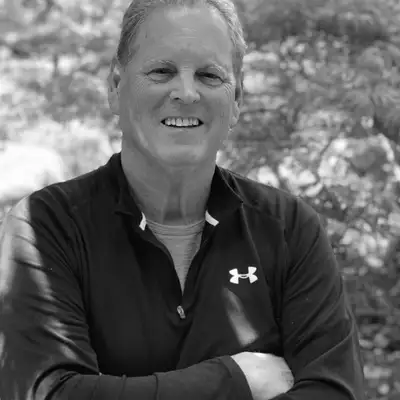
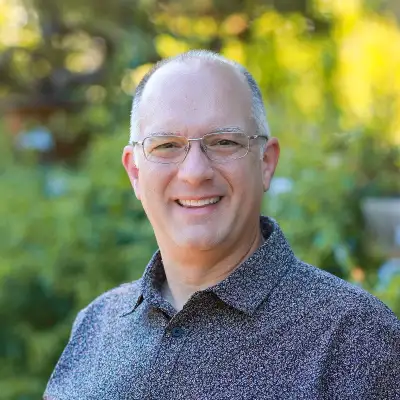
Mark Simon and Bob Marks revive their long-running cable TV show The Game, where they interview local leaders and talk widely about politics, business and sports.
Produced by Frank Bravo, BravoITC.com
00;00;26;16 - 00;00;55;29
Speaker 1
Welcome to another edition of the game. I'm Mark Simon and I'm Bob marks. We are happy to be joined by Julie Lynn, the head of the San Mateo County Central Labor Council, to represents 105 affiliated unions with over 95,000 workers who are members and their families. We don't want to overlook them. Julie started as a political director at the Labor Council in 2010, became the head of the CLC in 2016.
00;00;56;01 - 00;01;19;17
Speaker 1
After being supported unanimously by our delegate body. So welcome. Happy to have you here. Thank you. Well, let's just start with an overview. What is the role of labor in county politics? You're very involved and very engaged politically on behalf of your membership. So it's not like you're a sole proprietorship. But what do you think is the role of labor in county politics in particular?
00;01;19;17 - 00;01;22;07
Speaker 1
Because that's all Bob and I really care about anyway.
00;01;22;10 - 00;01;57;22
Speaker 2
I mean, same in a lot of ways. So I get that. So we work hard to your point as nothing to do with me. It's the 95,000 workers and their family is represented by 105 different unions that are standing next to me that you just can't see. So I think the role of labor and county politics is to work together, to do our best to elevate candidates or see that ballot measures are passed, that are going to lift up working families, that are going to invest in our community, that are going to invest in strong families, strong neighborhoods, a strong economy.
00;01;57;26 - 00;02;37;24
Speaker 2
And we are working people standing together, trying to create economic opportunity, which is something that everybody would like to be a part of. So I think it again, comes back to whom our members decide to support what those folks values are, how deeply they align with ours, and in the belief that everyone deserves an opportunity to live where they work, and to be able to make enough money that allows them to care for themselves and their families will also be able, or while also rather providing them health care and hopefully something that will allow them to retire someday, which theoretically is so at what everyone would like to have an opportunity to take advantage of.
00;02;37;26 - 00;02;40;02
Speaker 1
Julie, what's what are the most.
00;02;40;02 - 00;02;47;25
Speaker 3
Critical issues that the Labor Council is facing in hearing 2026?
00;02;47;27 - 00;02;55;09
Speaker 2
Critical issues is a very broad topic. So could you. Could you expand on that a bit like be able to tailor it?
00;02;55;14 - 00;03;04;24
Speaker 1
Well, you talked a little bit about working families. How does that manifest itself. Is it about wages. Is it about benefits. Is it about even making sure people remain employed?
00;03;04;26 - 00;03;29;04
Speaker 2
Everything for us comes down to really wages hours on working conditions. So you have all of these different federal attacks. You have widespread economic insecurity. You're looking at the budgets of our different public agencies. So many of them are running at deficits. We have the threat to potentially not receive the vehicle license fee reimbursement, despite the fact that it is our money which is owed to us by the state.
00;03;29;05 - 00;04;08;14
Speaker 2
Yet, inexplicably, we keep having to fight for every single year. So looking at how to navigate the uncertainty of the future, while still holding strong with our membership and reminding folks of our shared values at the core, and looking at all of the past successes that the unified labor movement has had in standing up to adversity. So challenges economic and security, some diminished capacity for economic growth or opportunities, looking at where new jobs are coming in, where they are going out, what is required for folks to be competitive for those jobs, but just cost.
00;04;08;14 - 00;04;20;15
Speaker 2
So I think I saw an article that that was a while back. The average home price in San Mateo County is $1.9 million. Anybody have $1.9 million on Mark?
00;04;20;18 - 00;04;21;26
Speaker 3
Mark those. Yeah.
00;04;21;28 - 00;04;27;26
Speaker 2
So Mark I'm gonna. It's LIND when you fill out the check LIND so you can. I'll pick it up from you next week.
00;04;28;03 - 00;04;30;15
Speaker 1
I'll adopt you after the show is over.
00;04;30;17 - 00;04;37;15
Speaker 2
Oh, God. Oh, my problems have been solved. Bob or dad? So go ahead.
00;04;37;21 - 00;04;58;13
Speaker 1
Well, so politically, what kind of county is this? Is it conservative? Is it moderate? Is it progressive? I mean, there's a there's an aggressive core group of progressives who make a lot of noise, but is often the case may make your noise and they really represent, what's your take on the political profile of the county?
00;04;58;15 - 00;05;20;10
Speaker 2
I think making a lot of noise does not necessarily translate into making a lot of change, nor is it always positive or beneficial. I respect that a lot of folks are very passionate about their views. So our our people and we look to utilize that passion in ways that are strategic and beneficial for the goals that we're trying to achieve.
00;05;20;15 - 00;05;42;08
Speaker 2
And so as it pertains to the county, are we moderate or progressive? I think we're more that practically progressive. You gave me a made up term mark. So it's left of center, but it's not the Uber left like the group of folks that you're referring to. So we're obviously we're a blue county, but it's not a San Francisco blue.
00;05;42;10 - 00;05;47;29
Speaker 2
I'd put you like, here's the middle, here's the city. We're about between the middle and the city.
00;05;48;01 - 00;05;51;10
Speaker 1
So it's almost an element of pragmatism to what.
00;05;51;10 - 00;05;57;10
Speaker 2
You're for, all of it. You have to approach politics with realism and a really thick skin.
00;05;57;12 - 00;05;58;02
Speaker 1
Okay.
00;05;58;05 - 00;06;11;09
Speaker 3
I'm a candidate, and I want a labor endorsement. God forbid. Yeah. Tell me, what do I need to do? Talk about the process of somebody getting the endorsement of labor.
00;06;11;11 - 00;06;42;26
Speaker 2
Sure. So it's a multi-step process. We, as it pertains to races we choose to take up. Since there are 950 million on the ballot every two years, it'll be what our membership tells me. They like to prioritize, which typically ends up being the majority of the city councils. It usually is not going to be like a Hillsborough or an Atherton or Portola, because we represent very few individuals in those cities, just given the average income of the folks that reside there.
00;06;42;29 - 00;07;09;29
Speaker 2
By our members will tell me these are the races that we care about and where caring about them translates into them wanting to dedicate resources, whether those be human resources, people on the phones, people on the streets, finances. And so when I know what they want to focus on, either candidates will come to us, approach the Labor Council asking for an endorsement that will be, when it's kind of early for the process.
00;07;10;02 - 00;07;38;15
Speaker 2
So, for example, I've been approached by candidates for the three San Mateo City Council seats. So we're going to run that process earlier than we typically would. Usually we for our endorsement process, we'll wait for filing to close. So a candidate pool is finite. We will send out our questionnaires that are definitely not exhaustive or intensive. People in no way complain about them ever, send up questionnaires, give them two weeks to fill them out.
00;07;38;17 - 00;07;58;04
Speaker 2
Completion of a questionnaire is required for anybody seeking the Labor Council endorsement, no matter how much they whine about it. You have to fill out the questionnaire if you want to be considered, because it also goes to accountability. If you assert a position and you flip on it, please believe I'm going to remember what you put in writing and I'm going to help you remember as well.
00;07;58;06 - 00;08;27;10
Speaker 2
So fill out a questionnaire. We'll come through our interview process. We don't interview in every race because then we would spend the entire two years between elections interviewing candidates. So interview we always interview as a panel. We don't do one by one because again, you'd be interviewing until you die. The interview body, which is comprised of any of the members of an affiliated union that are interested in participating, will make a recommendation in a race that goes to our executive board.
00;08;27;15 - 00;08;46;20
Speaker 2
The executive board will vet out that recommendation and turn around their own that they send to our delegate body. And the delegates are the ultimate decider. It takes a two thirds vote to earn the endorsement of the Labor Council, and I frame it as urn deliberately because folks will come that we may not have supported and complain about.
00;08;46;20 - 00;09;09;13
Speaker 2
Oh well, I didn't get the endorsement. It's not candy on Halloween. We don't hand it out. An endorsement has to be earned in candidates. Sometimes you don't earn it. So there in the regular process, I will go and approach every candidate that has filed for a particular race. Something to top line for candidates. When you're doing your filing, make sure you include your contact information.
00;09;09;15 - 00;09;21;01
Speaker 2
If you don't put your contact information in your filing, nobody's going to work that hard to find you so you don't get to complain. We didn't reach out to you because you didn't list your stinkin contact info. So regular order.
00;09;21;03 - 00;09;27;05
Speaker 1
It was a surprise to me when you're reading the filings, how many people don't list an email or a phone number to reach them?
00;09;27;07 - 00;09;30;29
Speaker 2
Yeah, and those will be the ones that call and go. Why didn't I get a questionnaire?
00;09;31;02 - 00;09;38;16
Speaker 1
Yeah. Well, we. So what's on the questionnaire? What kind of questions are you asking? Are they proprietary?
00;09;38;18 - 00;10;06;08
Speaker 2
We ask we ask a lot on the questionnaire. We try to cover all bases, but we will look to get folks position. On what local ballot measures do you support or not even local. What measures on the particular ballot do you support? Because we want to see. How do you feel about taxes? Just going back to facts that people have a lot of budget deficits, school bonds, bonds often mean construction work because you are building things.
00;10;06;08 - 00;10;33;05
Speaker 2
We would like to be the ones building things. Do you like a school bond? Parcel taxes. We represent the teachers and enjoy having properly funded public education systems that allow the people teaching our kids to be able to make a living and take care of their own children as well. We will ask them their thoughts on project labor agreements, their understandings of apprenticeship programs, what their history has been with working people, with their current elected.
00;10;33;07 - 00;10;50;28
Speaker 2
What do you feel that your relationship has been with the union members within your jurisdiction? We will ask viability questions. Show me why you feel you are the one that's going to win. And then we will ask them to explain their vision. So show me how you're going to win and then show me how you deserve to.
00;10;51;00 - 00;11;05;01
Speaker 1
Well, that's interesting because somebody may align up perfectly with your issues, but if they can't demonstrate they can raise enough money and win enough support, you're not going to just throw your endorsement as somebody who can't win. It sounds like.
00;11;05;03 - 00;11;24;04
Speaker 2
Yes and no. Sometimes it's sometimes you are surprised, right? We've seen a couple of races that did not end up quite where any of us thought they would, but typically, yeah, he wants it because we have finite resources. You want to back a campaign that's going to be successful, especially because the Labor Council support, we don't become your campaign.
00;11;24;04 - 00;11;47;27
Speaker 2
We are a part of your effort to win. But we are not your campaign. But sometimes there will be a candidate that is inspirational and is really reflective of our values. So, hey, we might go up for somebody knowing that we're not going to be successful, but we feel that it's worth it to take that stand. So yeah, typically we do try to figure out, okay, if you're running, do you have a chance because that's another conversation.
00;11;47;27 - 00;12;16;07
Speaker 2
If you're not approaching a race with a lens of reality, that's that's a challenge for a couple of different reasons. But it doesn't necessarily have to just start with filing his clothes. Individuals have theoretically included their contact information. And then I call them and ask if they'd like a 15 page questionnaire. Candidates can approach us beforehand. I won't go to if I hear somebody who's running for office, I'm not going to go to them and ask to meet.
00;12;16;08 - 00;12;55;19
Speaker 2
But if they come and they reach out to me, I meet with anybody who calls. So I've met with the, The two competitors for the San Mateo incumbents had been approached by an individual that's running for two individuals running for a Daly City City Council. So folks are welcome to reach out. Come in. I can talk them through our process, ask them about our top line issues, get a better understanding of their candidacy, and if they do come in to meet with me, their goodie bag for the negative experience of spending time in my presence is I give them information as to how to contact our most active affiliates.
00;12;55;19 - 00;13;17;10
Speaker 2
That will include what we call the primary interest unions in their jurisdiction, meeting the people that will have to work for them if they win. So in a city council race, what is the public employee union that represents their folks? It's going to be asked me, the SEIU or the Teamsters. I'll send them through the building trades. I'll send them to Teamsters 350, which are sanitation workers.
00;13;17;13 - 00;13;37;07
Speaker 2
I'll send them to fire because fire touches everyone. So that is what we also ask people when they come to meet with us. Who are you? What do you care about? What do you want to do? And also, are you going to take the time to go out and meet with our people and understand the needs of the folks that keep your jurisdiction running once?
00;13;37;10 - 00;13;47;12
Speaker 3
Excuse me? Once you make an endorsement. What are you sorry? What do you bring to the campaign for a candidate?
00;13;47;14 - 00;14;13;24
Speaker 2
Charm and snark. Outside of that, it. See, Mark told you, Mark. And so it really varies. It depends on the timing. So like, resources are different. For example, for the June primary, there's not a ton on the ballot. The statewide stuff. Those endorsement decisions are made state and federal by the entirety of the California Labor Federation delegate body.
00;14;14;00 - 00;14;43;11
Speaker 2
We have a on county and down. So the dedication of resources going to depend on how many places where we have taken a position, the investment of our delegates in those races. So how what are they going to put like where do they see putting skin in the game? What do they want to focus on. So we always do a slate mailer that goes to all union households in the county, which is about 48,000 households.
00;14;43;13 - 00;15;11;00
Speaker 2
We got about 48,000 union households, 95,000 members. So we are approximately 21% of the electorate. So just little fun facts out there, but we do a slate mailer that goes to everyone. We also, I've been doing a lot more general public outreach over the last few years. So we will do, targeted outreach, usually in the form of an eye mailer to the general public.
00;15;11;04 - 00;15;39;10
Speaker 2
We'll do text blasts, we'll do social media postings. When we set up our field game in our target races, we will put people out on the doors. We will put people on the phones. So it depends on the candidate, the race, the timing and then the degree of investment our people have in a particular, candidates success. So I tell them, if you tell me what your priority is, tell me how you are going to prioritize that, because we get a lot of, well, we should do.
00;15;39;13 - 00;15;48;28
Speaker 2
So. I tell them, okay, cool, cool. We is usually me and me can't do that. So tell me again, what are we going to do? So it ebbs and flows.
00;15;49;00 - 00;15;59;01
Speaker 1
Let's talk a little bit about some of the measures the the billionaire tax that's still in circulation. Does the Labor Council, do you have a view on that?
00;15;59;04 - 00;16;26;24
Speaker 2
So I'm the endorsement decision on statewide measures is up to the labor federation. We don't weigh in on anything independently on that level. But for the billionaire tax tax, the rich, the tax on the highest wage earners that can be utilized for public services, for access to childcare, to health care, for people's ability to maybe someday thrive instead of trying to just eke out survival.
00;16;27;01 - 00;16;35;18
Speaker 2
Sounds like a pretty good idea to me, but as I said, we have no official position and will not do so until the California Labor Federation takes one late next later in the year.
00;16;35;20 - 00;16;39;12
Speaker 3
Do you think you have do you have any concern about.
00;16;39;14 - 00;16;43;17
Speaker 1
Kind of. Well, it's kind of show up in your questionnaire.
00;16;43;20 - 00;17;00;21
Speaker 2
The billionaire tax. No, I'm not going to ask about the billionaire tax on the questionnaire. I'm more interested in their thoughts on local tax measures like City of San Mateo. They have a large budget deficit. I'm going to ask you, do you support the tax? And if you don't, how are you going to close that budget gap without laying out a but laying off a bunch of our people?
00;17;00;23 - 00;17;02;28
Speaker 2
Yeah. We'll wait more stuff like that.
00;17;03;06 - 00;17;04;06
Speaker 1
Sorry, Bob.
00;17;04;08 - 00;17;27;04
Speaker 3
It's okay. Do you have any concern? You know, and this is more philosophically, than from your role that we may be driving wealth and business out of California, and that's going to have a negative impact down the road in terms of everybody else having to pay more to make this state work.
00;17;27;06 - 00;17;55;04
Speaker 2
I think at this time, not I honestly, I haven't delved into that extensively, but we also see a lot of large companies and large employers making threats that they're going to take their toys and go home like you've seen it with United Airlines. United Airlines is often a very problematic employer. Pretty much every set of contract negotiations with our unionized employees are problematic.
00;17;55;08 - 00;18;16;19
Speaker 2
And then you will get narrative from the hometown folks. Well, what if United what if United were to leave United not going to go anywhere. They're not going to leave SFO. Uber. What if Uber leaves California? Subaru's not going to leave California. They get I think these folks, they don't want to pay because they enjoy just hoarding the wealth at the top.
00;18;16;23 - 00;18;42;00
Speaker 2
But it it could happen. I don't want to borrow trouble. But also I'm a lot more interested in the extreme poverty by comparison of the exponential majority of our population. So it's the long term. You can't really predict it. Some people may leave, they may continue to just try to do that as a flex, because they don't want to have to pay their fair share.
00;18;42;02 - 00;18;51;15
Speaker 2
But this billionaire tax isn't even their fair share. And let's be honest, you're not going to notice it because you are a billionaire. Yeah.
00;18;51;18 - 00;19;12;25
Speaker 1
So let's talk a little bit about what is the Central Labor Council. How does it work? And your actual title, we just introduce you as the head of the Central Labor Council, but your actual title is executive secretary treasurer, which labors unions always seem to do. And it always worries me that it doesn't really reflect the job.
00;19;12;27 - 00;19;20;04
Speaker 1
So I guess the question is, what is the Labor Council and how did you get the job?
00;19;20;07 - 00;19;42;13
Speaker 2
If my title reflected all of the pieces of the job, it would be even longer than assessor, clerk, recorder, chief elections officer. And there's already plenty of words in that. So you see why I go with a more brief one. So executive secretary, treasurer. And the way you see that in the different Labor Council leadership, that is an indicator that you are an elected leader.
00;19;42;13 - 00;20;01;28
Speaker 2
So if you were an s t, you were elected by the body. If you're an executive director, you were hired. So to own this job, I had to be elected into leadership by our membership, which I was back in 2016. And so the Labor Council is an umbrella organization for all of the labor unions in San Mateo County.
00;20;02;02 - 00;20;32;09
Speaker 2
As we've discussed, 105 affiliated unions, over 95,000 workers and their families. And we at the clock, we coordinate our legislative advocacy and activism. We do the political field plan and execute the field program. And we do strike support. We support our affiliates during negotiations, whatever that may look like. As it change changes. We do hardship assistance and information and referral services for union members in crisis.
00;20;32;14 - 00;20;58;23
Speaker 2
We have a 501 c three nonprofit that's part of the Labor Council. So we also look to earn grant money that supports the financial assistance that we're able to provide and also helps us deliver our trades deduction program, which is a state certified apprenticeship readiness program that's designed to connect individuals interested in a career in the construction trades that aren't really sure which trade they want, or how to go about it.
00;20;58;24 - 00;21;30;29
Speaker 2
With an opportunity to learn about the union difference, learn about the construction trades, get, labor history. They achieve OSHA ten certification, CPR first aid. They have job coaching. They get in some ways they get a bit of a leg up with some of our apprenticeships for having completed the MC three program. MC three is multi Craft core curriculum, this educational program, this curriculum was created by the North American, North American Building trades unions.
00;21;31;01 - 00;22;05;07
Speaker 2
And so we've been delivering the program since 2014, and we're one of the first entities in the nation to start utilizing the curriculum. So we have the C three site. We also do event planning. So we put on our annual our two annual fundraisers, are representing labor on a variety of different boards and commissions and in different community spaces, looking to expand partnership opportunities with like minded folks in the county, infrastructure, and many other things that I am forgetting at this time because I find them mildly exhausting.
00;22;05;07 - 00;22;22;29
Speaker 2
If I tried to really lay out what it is because I think I just added like five more things to my lengthy to do list, which is already rather healthy. So I would like to not reflect a much, much further on what is encompassed by my job.
00;22;23;03 - 00;22;24;17
Speaker 1
That's fine, that's fine.
00;22;24;20 - 00;22;48;04
Speaker 3
You know, we're inundated these days, are hearing about AI, artificial intelligence. How how is that going to impact labor? Does labor how the strategy in terms of how to deal with what what's coming, it's already here to to some extent, but it's coming. Give us your thoughts on that.
00;22;48;09 - 00;23;22;15
Speaker 2
So AI, automation, autonomous vehicles don't just impact labor. It impacts everyone. Labor, everyone's work. So yes, it is already here. It is continuing to permeate into more spaces. And it's really concerning. AI is supposed to make your job easier to help create efficiencies, to make workers more successful, and make public experiences go more smoothly. It is not supposed to displace workers.
00;23;22;19 - 00;23;45;26
Speaker 2
And so this technology, just going back to Avi so looking spoke earlier about Waymo looking at autonomous vehicles. So there has been a bill that has gone through the legislature, twice now. Or maybe we're running it for the second time. That would have mandated keeping a human operator on long haul trucking vehicles that the governor has visas.
00;23;45;29 - 00;24;07;15
Speaker 2
So if you have a large long haul truck you are spending down the interstate through goodness knows where, what's on that truck, what happens if something runs out in front of it? Or if there's a system glitch, there's no person there. So then if you happen to be around that truck, then what? What's going to happen to you?
00;24;07;19 - 00;24;37;03
Speaker 2
Because there's nobody there to course. Correct. But there's also there's nowhere for that person that used to be in that truck to go. I think trucking is, if I remember correctly, trucking is the, like the I'm blanking on the verbiage. But there are a lot of folks nationwide in the trucking industry. And if I'm somebody that drives for a living and now I am 55 years old, you've taken me out of my truck.
00;24;37;09 - 00;25;01;28
Speaker 2
I can't retire yet. Where am I supposed to go? I'm a driver. I'm not going to immediately just transition to whatever the back end technological piece is of the new technology. How am I supposed to take care of myself and my family? You have AI continuing to expand even further into how closely it is monitoring people. It's already very creepy.
00;25;02;03 - 00;25;24;13
Speaker 2
You. I'm sure Alexa is listening now and is reporting on the negative commentary I am making to the powers that be that are probably also creepy robots, but I saw an article today too, that now Burger King is going to be using AI to monitor the friendliness of their employees. So this will be through their little headphones to make sure.
00;25;24;14 - 00;25;57;17
Speaker 2
Are you using words like please and thank you? Are you telling people to have a nice day? Or you have AI that's monitoring people in the bathroom? How often do you go to the bathroom? How long do you spend in the bathroom? What is your temperature while you are at work? This is nutty to me that this is an employer that is focused so closely on every aspect of you and making determinations about your behavior and creepily following you to the toilet.
00;25;57;22 - 00;26;28;24
Speaker 2
You have AI expanding into like the healthcare industry and into mental health. And these are, again, these computer systems that have no human oversight, have no human operator. Folks are taking this information as gospel with potentially catastrophic, catastrophic consequences on the back end. AI is looking to push into everywhere because these employers are looking to build on profit and build on profit by displacing people.
00;26;28;29 - 00;26;42;23
Speaker 2
So again, I was never supposed to take away humans, take away people's ability to earn a living. It was supposed to make it easier to do your job. It was supposed to enhance your work, not take it away.
00;26;42;28 - 00;26;48;24
Speaker 1
But one of the criticisms of labor over over decades offensive. I'm sorry.
00;26;49;00 - 00;26;51;10
Speaker 2
I said offensive. Whatever it is, it's offensive.
00;26;51;17 - 00;27;14;19
Speaker 1
One of the biggest systems of labor over decades has been that you protect positions that are no longer needed. You know, Bart is an automated system. There's an operator on the Bart trains. Even though it's fully automated in the railroad industry, there are positions that are still on trains for jobs like like firemen, for jobs that no longer exist.
00;27;14;21 - 00;27;25;04
Speaker 1
Shouldn't shouldn't these sort of technologies advance the ability of an employer to find efficiencies, to not necessarily need to hire people?
00;27;25;06 - 00;27;50;25
Speaker 2
So it depends on how this employer defines efficiencies. And what the with the impact is on the employee that was removed. So yeah, I'm not saying every job ever until the end of time will inherently need to be held by a human, but also things need to be approached responsibly. There is such a race to turn out each piece of this technology.
00;27;50;26 - 00;28;07;20
Speaker 2
It gets shiny and new. We're going to implement it, send it out there, and then you have again, going back to Waymo. You have a power outage and their creepy little no person cars just stop all over San Francisco. You have a Waymo that hits a kid in the school crosswalk. And then I see an article in response.
00;28;07;20 - 00;28;40;24
Speaker 2
Well, if it was a human driver, it would have been way worse. Great. So a human driver might have killed this child, but since the Waymo only hit them, it's cool. So it's just a lot of problematic lenses. So not every job is going to stay doing the same thing forever. Technology evolves, people evolve and needs evolve. It's more about the rushed implementation, the resulting displacement, the lack of a transition plan for the people that lose their jobs.
00;28;40;26 - 00;29;03;11
Speaker 2
But even going back to like a Bart train or a bus, okay, maybe it's driving itself. What if somebody has a heart attack on the bus? Who do you have? A you're hoping a passenger picks up a phone and calls 911. What if there something runs out in front and it's below whatever creepy little sensor the vehicle uses?
00;29;03;11 - 00;29;29;26
Speaker 2
There's no way to have this vehicle be able to respond. And what if something happens and you have the writers on the vehicle start panicking? Who is there to help, to calm and control the situation and make sure people are able to exit this vehicle safely. So you got to look at it practically, but you also have to look at it intelligently because again, so much is rushed.
00;29;30;02 - 00;29;49;18
Speaker 2
Folks get so excited about the shiny and new oh AI it's amazing. Yes, people folks love to be using the chat GPT nifty you. Yeah, well we'll just leave that. We'll leave that aside for a second. But it's it's here. We understand that. We're not saying we want everything to go away because again, there are some places. Yeah.
00;29;49;18 - 00;30;11;04
Speaker 2
It could make your job easier if part of my position is I have to scan through, like, reams and reams and reams of data, and that could go through a digitized system that frees up my time to focus more on something else. It expands my ability to be an effective employee and to deliver quality service.
00;30;11;06 - 00;30;43;02
Speaker 3
We shifting gears a little bit to the governor's race, and I know that's another statewide, decision. That'll be made. But we've got a very unique race going on out there. We've seen consistency consistently on early polls that there's a Republican leading by a small margin. In some polls. There's second place is also Republican. The problem is nine Democrats versus two Republicans.
00;30;43;04 - 00;30;57;29
Speaker 3
Do you see a role for labor to try to shrink that field? To really make sure that the Democrats and people who support labor emerge in that race.
00;30;58;01 - 00;31;33;12
Speaker 2
So those conversations, that's not something that is happening on my level, but those conversations are occurring. I am a statewide vice president of the California Federation of Labor Unions. It's our California at the CLC for the state of California. So we spent Monday and Monday, Tuesday and Wednesday in Sacramento interviewing all of the statewide candidates, including the candidates for governor and those that have been performing on the lower end in the polls or have raised less money, each of them.
00;31;33;12 - 00;32;01;13
Speaker 2
And I'm not going to disclose their answers, but each of them was asked, would you consider stepping out? Because this is a very saturated pool of Democrats. You candidate X, you have $50,000 in the bank that does not a competitive gubernatorial candidate make. So would you consider stepping aside? So those conversations are happening above me, which I love because pretty awkward conversation to have.
00;32;01;17 - 00;32;25;04
Speaker 2
But there are various parties for the reasons that you just mentioned, talking to folks who are probably not going to make it through to see if the individuals share that assessment and if they're willing to just not file. And then we shrink the dem side pool so we don't end up with a Republican governor, because again, 2 to 9, it's some really challenging math.
00;32;25;04 - 00;32;47;08
Speaker 2
And then you have the ones at the bottom picking off different portions of an electorate. You also have like geographical saturations. So a lot of factors in play, a lot of conversations happening. And I will be very interested to see whose name is still headed to the ballot after the closure of filing. Yeah, a lot of concerns.
00;32;47;11 - 00;32;54;26
Speaker 1
Than any of the candidates you have to tell us which was in any of them say, yeah, you're right. I may be needing to think about dropping out.
00;32;55;01 - 00;32;56;01
Speaker 2
A couple of them.
00;32;56;03 - 00;32;59;01
Speaker 1
Yeah. That's that's opposed to.
00;32;59;04 - 00;33;00;12
Speaker 2
Their, their.
00;33;00;15 - 00;33;12;07
Speaker 1
Let me ask you, is understanding that it's not your endorsement that you're part of a process. Did any of them really make make you go. Well, I mean, any of them really impress you?
00;33;12;09 - 00;33;47;01
Speaker 2
That nobody was a, like, standalone blow it out of the water candidate? So there wasn't the folks that were better. And again, it's an internal interview so I don't want to disclose. But there was no like, oh my God, I just saw the next governor of California. There were a few and I thought, I'm sad you're running. But yeah, but that and it's again, going back to folks that are in the same geographies, a lot of people that have known each other for a long time.
00;33;47;06 - 00;34;08;17
Speaker 2
Look at like Betty, Eric and Tony, everybody came up in the Bay area. Everybody knows everyone else ran a gap, ran around, is what I call baby dem activists together. So it's the the personal piece, the geographical piece. Everybody has their own different poll questions. And my poll says this as we're all going, okay, what did you ask?
00;34;08;24 - 00;34;30;16
Speaker 2
Whom did you poll and tell us more information. Because everybody loves the poll I'm ahead here. Yeah. Did you ask 5000 people? Did you ask like, did you call your mom? Like who was in the poll? Yeah. No, no. Standout candidate. Some definitely that did better than others. Some that. Again, I wondered, why are you running?
00;34;30;16 - 00;34;42;07
Speaker 2
And I wish you would stop doing so. Probably the same question the electorate is facing. There are some good ones, but there's nobody who's like, blow them out of the water. Fantastic.
00;34;42;10 - 00;34;48;24
Speaker 1
As you know, a recent local columnist named you the most influential person in San Mateo County.
00;34;48;26 - 00;34;49;20
Speaker 2
What?
00;34;49;23 - 00;34;52;11
Speaker 1
Politics? Yeah, I know soccer,
00;34;52;13 - 00;34;53;23
Speaker 2
Was actually.
00;34;53;26 - 00;35;05;12
Speaker 1
In the fact as it was, you know, I interviewed over two dozen people, and. And they all named you. They didn't necessarily all name you one, but they all named you. What was your how do you feel about that?
00;35;05;20 - 00;35;31;24
Speaker 2
Yeah, I, I honestly started laughing. And that's why I texted you like I need to know who you spoke to. In my point earlier, it highlighted that you and I clearly have more friends in common than I thought. And as we again discuss before the show, probably many friends in common as well. But that's a different interview. It's it's nice to be recognized, I don't think.
00;35;31;26 - 00;35;57;24
Speaker 2
I don't think I deserve it because none of this, like I said earlier, nobody gives a crap about me. This is it's not Julie is influential or whatever. I'll take I'll take respected and feared that that one made me giggle. This doesn't have anything to do with me. This is the labor movement and I'm glad that people are respecting what we have worked really hard to build.
00;35;58;01 - 00;36;27;02
Speaker 2
Because this is the San Mateo Labor Council, our 95,000 workers and their families, our 105 affiliated unions that are working really hard to run policy and to advocate for issues and opportunities to ensure folks have the ability to live and work and raise their families and hopefully someday retire with dignity instead of, as I said earlier, trying to just eke out survival every day by working multiple jobs.
00;36;27;02 - 00;36;49;00
Speaker 2
That leaves them barely time to sleep, let alone to be with their families. So it's for me. It was weird and awkward because I don't think it has anything to do with me. But for the labor movement, I felt really proud that people look at what we've done and who we are and find it meaningful and impactful, but again, now feared and respected.
00;36;49;00 - 00;36;59;25
Speaker 2
I thought that was funny. So I'll just run around being like respectively terrifying. And then it makes me giggle. But I would like to know who said they were scared of me because I that I'm going to use that I'm gonna double down on that.
00;37;00;02 - 00;37;00;29
Speaker 1
Oh, yeah.
00;37;01;01 - 00;37;06;14
Speaker 2
Oh. Okay. I have no problem with that. Carry on.
00;37;06;16 - 00;37;09;26
Speaker 1
Bob, anything else? Are we. Have we exhausted the list of questions?
00;37;10;02 - 00;37;13;22
Speaker 3
I think we've we've covered the the landscape for sure.
00;37;13;25 - 00;37;23;28
Speaker 1
Julie. Linda, the central Labor Council, thank you so much for being with us today. Bob and I are going to stick around and do a little post-game analysis, but thanks very much for being with us.
00;37;24;05 - 00;37;27;12
Speaker 2
So you want to kick me out of the room so you could talk about me behind my back?
00;37;27;15 - 00;37;29;00
Speaker 1
No, we're too scared of you.
00;37;29;02 - 00;37;30;25
Speaker 2
I'd prefer you did it to my face.
00;37;30;28 - 00;37;36;07
Speaker 1
No, no, no, it's it's. We like to talk about other stuff. Besides what? Our guests.
00;37;36;09 - 00;37;38;01
Speaker 2
Oh, okay. That's fine.
00;37;38;07 - 00;37;38;23
Speaker 1
And Julius.
00;37;38;23 - 00;37;39;03
Speaker 3
Is Frank.
00;37;39;03 - 00;37;46;06
Speaker 4
Bravo. Just off to the side here. You know, this is live. So you could go online and see what he's talking about. You live and then come back and comment.
00;37;46;12 - 00;37;46;21
Speaker 1
Yeah.
00;37;46;28 - 00;37;47;19
Speaker 4
He's talking.
00;37;47;25 - 00;38;05;05
Speaker 2
It's probably it's I should probably not come back and comment. I don't think that might make good TV, but it's probably not the best. So I will go ahead and jump off. But thank you both so much for your time. Thank you for the opportunity to be with you this morning. Thanks for the amazing work both of you do.
00;38;05;05 - 00;38;15;07
Speaker 2
It's always great having to have this conversation, getting to chat back and forth. And Mark Simon, I will catch you on the texts, okay? Okay. Hi, friends.
00;38;15;09 - 00;38;32;13
Speaker 1
All right. Bye bye. Bob, I think you were referencing the newest of I see poll. Yeah. Show. At least it shows one Democrat in second place, Katie Porter. She's a point, but they're all. I mean, you could lay a blanket over all of them.
00;38;32;16 - 00;38;35;12
Speaker 3
They're all within the margin of error.
00;38;35;15 - 00;38;57;03
Speaker 1
Some of them, I mean, you've been involved behind the scenes in politics and countless ways. You must have had to have the conversation with a candidate to tell them, look, this this isn't here for you. You know, maybe next time, but you need to think about, I mean, Julie's writing. Some of these people have virtually no money in the bank.
00;38;57;05 - 00;39;05;18
Speaker 1
In a state where that's so critical to whether or not you're even going to be able to talk to people. This race has got to clean out at some point, right?
00;39;05;20 - 00;39;32;08
Speaker 3
Well, you would think, but I think, as you pointed out last week. We're not far away from ballots being sent out. Yeah. You know, this is we're we're pretty late in the process to have this kind of mishmash that's, that's out there right now. My experience with candidates is they all tend to be a little deluded, delusional about their chances.
00;39;32;10 - 00;40;00;13
Speaker 3
And so it's hard. Yeah, you really do. And so it's hard to convince somebody, somebody who may hold a statewide office or may have, you know, been a mayor or of a large city like Los Angeles. It's hard to get people out of the race. You really have to hope that you can get to people around them.
00;40;00;15 - 00;40;32;06
Speaker 3
And lay out the case. See what? You know, their interest is, you know, not to say that your people are going to be offering people jobs, things like that, but that does happen in politics. But I would be concerned at this point, and obviously, the fact that labor had a meeting this week and focused very hard on this, it's going on throughout Democratic politics, throughout the state right now.
00;40;32;08 - 00;40;41;08
Speaker 1
Yeah. The billionaire tax is still going forward, or is there any doubt in your mind is going to pass?
00;40;41;10 - 00;41;11;17
Speaker 3
Oh, no. I think it's going to pass. I think what's interesting is, you know, obviously Bernie Sanders, AOC, they are playing a large role. And I'm wondering if they're going to come into California and endorse a Katie Porter who seems to be the progressive favorite. Because Bernie won the California primary, I think, a couple of times.
00;41;11;20 - 00;41;18;15
Speaker 3
So they do have a lot of clout with a significant segment of the Democratic Party.
00;41;18;17 - 00;41;40;01
Speaker 1
Yeah. You know, we we asked Julie about San Mateo County. I'd like to get your take on it, too. You know, there are progressives who will always push, try to push the envelope, and sometimes they get people elected. Sometimes they get an issue that moves forward because they're just more assertive. In a landscape where everybody else thinks they have other things to do.
00;41;40;03 - 00;41;44;09
Speaker 1
But this really is not an AOC, Bernie Sanders County, is it?
00;41;44;16 - 00;42;10;16
Speaker 3
No, it isn't, but I think there may be a trend line that's heading in that direction. Obviously people for years have talked about not wanting San Mateo County politics to be like San Francisco politics. Yeah. And, I think there's a quiet battle going on. Maybe. Maybe not so quiet. By a number of leaders to try to keep us.
00;42;10;19 - 00;42;26;08
Speaker 3
Along with the tradition that we have of being a kind of a stable place. And certainly progressive politics run through it. But they're not 100% people. They're people. I think, as Julie mentioned, that are practical.
00;42;26;10 - 00;42;53;20
Speaker 1
Yeah. You know, it's interesting. There's a long history of elected officials in this county. Leo Ryan really being prominent in this area, essentially telling San Francisco, stay out, keep out. And one of the challenges to that is, is they've redrawn districts as population has shifted more of San Francisco. Elected officials have more of San Mateo County, mostly at the north end, than you would think, and same in southern San Mateo County.
00;42;53;22 - 00;43;14;14
Speaker 1
There are people who are more identified with Santa Clara County, but they have a portion of San Mateo County. Sam Liccardo being the more notable example as a bizarre district that goes all the way from East San Jose to Pacifica. So it'll be interesting to see if that tradition continues of, you know, hands off San Francisco. We're our own entity.
00;43;14;17 - 00;43;29;08
Speaker 1
The politics here are different. There are more consensus. Some of that is because there's not a dominant figure or dominant city in the county. And that probably helps in some ways, because it means you really do have to get a consensus.
00;43;29;12 - 00;43;52;08
Speaker 3
Yeah. You know, and I think that feeling I had the opportunity to talk to David Bohanon, senior, the founder of Hillsdale Shopping Center and a lot of interest in the county. And he was opposed to Bart coming into this county. And in the discussion that I had with him that what we're talking about played a huge role.
00;43;52;11 - 00;44;14;04
Speaker 3
Yeah. Even back in, you know, the 1960s and 70s. So I agree that's there. We're just going to have to see how this plays out as we see more and more progressive candidates on city councils, on the Board of Supervisors. It's an evolving situation.
00;44;14;06 - 00;44;20;26
Speaker 1
Well, there's always the risk. And it newly elected people tend to be more.
00;44;20;29 - 00;44;42;14
Speaker 1
More likely to risk this, which is to overreach. And it's you know, you want to tell people that from the day they get elected to the day they're sworn in, that's as good as it's going to get. Yeah. You know, within a week after they take off, if someone will come up to them and say, you know, I voted for you and I wish I never had, it's the worst decision I ever made.
00;44;42;16 - 00;45;05;21
Speaker 1
Because you all you do after that is, is, is disappointing when somebody once said leadership is disappointing, people are right. They can tolerate. So that's the interesting challenge is overreaching. And then there's a backlash. So we'll see what happens. It's going to be an interesting year. We didn't ask about the assessor's race. We'll get into that in more detail in the in the coming weeks, I suspect.
00;45;05;23 - 00;45;16;11
Speaker 1
Next week we have Roseanne Faust of the San Mateo County Economic Development Association who will be on our show. And in the meantime, thanks for watching the game. I'm Mark Simon.
00;45;16;17 - 00;45;17;23
Speaker 3
And I'm Bob marks.
00;45;17;26 - 00;45;21;08
Speaker 1
And thanks to Frank Bravo. We'll see you soon. Thanks for being with us.