Subscribe
Share
Share
Embed
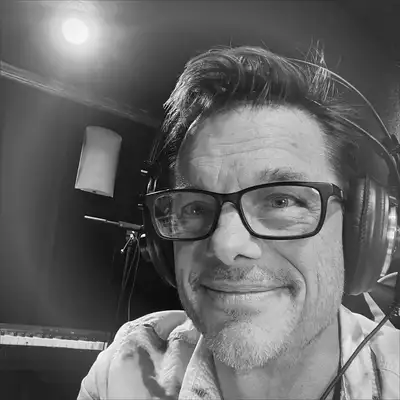
Reframe is the podcast about building sustainability.
Commercial and public buildings are among the biggest producers of carbon emissions. It’s a problem of massive scale. But, for building owners, engineers and contractors, solving it may actually be more of an opportunity than a challenge. That’s what the “Reframe” podcast is all about. Join host Jeff Nichols on an exploration of the forces driving sustainability in our built environment. And meet the people who are leading the charge.
Reframe Pod - Ep16 Vincent Martinez
Announcer: [00:00:00] Before we start the show, we want to tell our listeners in the Pacific Northwest about the Vision Awards hosted by the 2030 districts of Seattle and Bellevue, Washington. The Vision Awards is a celebration of leadership, innovation, and progress toward a more sustainable future. This Year's Vision Awards will be held the evening of April 8th at the Seattle Convention Center.
Get your tickets at 2030districts.org/seattle. Now here's the show.
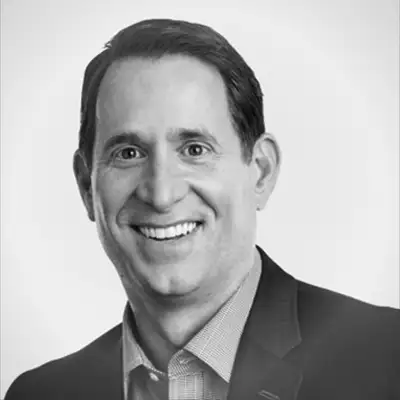
Jeff: Welcome to Reframe. I'm Jeff Nichols. This episode is gonna be a little different because in many ways it will take us back to the beginning. Today I'm joined by Vincent Martinez, CEO of Architecture 2030 and nearly 20 years ago. The 2030 Challenge fundamentally reshaped how the design and building industry thought about building's role in climate change.
It put a timeline on emissions and it shifted the conversation from being green to measurable performance. In this conversation, I wanna revisit the origins of that movement, why it started, what problem was it trying to solve, and how the framing has evolved from efficiency to full decarbonization. If you wanna understand where this movement began and where it needs to go next, I can think of no better person than Vince Martinez, CEO of architecture 2030 to walk us through the history and what we can expect in the future. Vince, welcome to Reframe.
Vincent: Thanks, Jeff. Thanks for having me here.
Jeff: So [00:02:00] you've done something that actually people don't kind of do, uh, very often, which is a stay with an organization for like decades. Tell us about how did you go from research to CEO? Tell us about that journey and how did you get to here?
Vincent: Yeah, this year is actually, uh, year 19. Yeah, almost 20 years. Um, and you know, I think it comes down to the fact that I've just been extremely passionate about our mission, what we've been able to do. And certainly a lot of people feel that way about their work and their organizations that they work for, but I also had a lot of room, uh, to grow and, and flexibility and how we approached our mission.
We've sort of changed and morphed and evolved over the last two decades. So. I've never felt stagnated. My community has always changed. I feel like, I don't know if you know this, uh, idea that you have a new friend group every seven years. I feel like it's, that for me with a work colleague group across the world is I get to work with a certain faction of folks working on the built environment and decarbonization, and I've, I've made tons of friends and networks and so it always feels new.
It always feels interesting. We're always constantly evolving. I think that's one of the main reasons that I've stuck with the organization for so long.
Jeff: What drew you to the organization in the first place?
Vincent: It was one of those things, sort of right time, right place. I was recently graduated from the University of Washington with a civil and environmental engineering degree, and I was back in New Mexico, which is where, you know, I went to high school and where I was from.
And in Santa Fe I got a job as a local structural engineering firm. You know, doing basic stuff, uh, that you would expect for a small, relatively smaller city and. I came across in the Santa Fe, new Mexican, our local paper that this architect, local architect, Edward Mazria, was shutting down his architecture firm and starting this nonprofit called Architecture 2030.
And, um, I credit my mother, she was the one that showed me the article and she said, you know, I think you'd be interested in this. You're always [00:04:00] talking about environmental issues and your, your, your backgrounds in engineering and the built building space. You know, this is kind of what you've been thinking about doing, isn't it?
And I said, yeah, that absolutely is right up my alley. And so I reached out. I was able to connect with Ed in Santa Fe, have a meeting with him and he was, you know, literally his other principals in his architecture firm were taking boxes out of the office to go take on all the project work. And he was starting the nonprofit.
And I think he thought, oh, I could help him find another structural engineering job. I know everybody in town. So he was just saying, oh, um, you know what's going on? I hear you're interested in doing other things. And I said, yeah, I wanna work with you. And he said, he started kind of laughed and he is like, well, we don't know what we're doing.
And I said, well, that's okay. And he said, well, we, we don't have any money. And I said, that's all right too. So, um, I volunteered, I quit my job the next day and I volunteered, uh, teaching math and science at the high school to kind of pay the bills as an intern. Um. And then I started volunteering at Architecture 2030 and was one of the first employees.
We found a grant from a local foundation to cover my time and just sort of help build the whole organization from the scratch with Ed and a couple of the other, um, early employees.
Jeff: Wow. That's fascinating. So I've heard the myth of Ed, but like. How, why did he start architecture 2030? Like what, what was the genesis that he says, I'm done?
You know, with kind of my, my just doing architecture, like I wanna start this not-for-profit.
Vincent: Yeah, so at the time that Ed started Architecture 2030 and, and really it came out as a pro bono effort out of his architecture firm, he was in his early sixties. At the time, the impetus of the organizational focus was that in the 2000 timeframe.
Again, architect 2030 started in around 2005, 2006, but in around 2000, ed was asked by a lot of, uh, younger people, particularly in his [00:06:00] practice, about a lot of the work that he did back in the seventies and eighties. And so, if you don't know Edward Mazria, he is an architect, author, and educator. And in 1979, he wrote a really pivotal book called The Passive Solar Energy Book, which really tried to bring passive design, daylighting and, and, uh, passive heating particularly.
Not just to other designers in a really simplified way, but also to the public. He used to teach at the University of New Mexico and then he got a job teaching at the University of Oregon and they said, oh, well you're from New Mexico. You must know all the solar stuff. And he didn't really, at the time, he was like, well, I, you know, I know of it, but I don't, I haven't done a lot of research.
Let me work on this. And that research that he did at the University of Oregon and then working back with people in New Mexico, even including scientists at Los Alamos National Lab, taught him. All sorts of information about how to quantify the benefits of passive design, uh, through the scientific methods.
Um, but anyway, he did all that work in the seventies and eighties and so back in 2000, uh, fast forward, they, some of these people are like, Hey, well what about all that energy efficient design stuff you did and passive design? And you, you come and mark up all of our drawings and tell us to do all these things and we don't really know why.
Can you explain that? And also when we're looking at this environmental stuff. You were dealing with the energy crisis back in the seventies, that was sort of what kicked everybody off. But now we're dealing with this thing called climate change. You know, at that time everybody was talking about SUVs being a big issue and tailpipe emissions and like, what's, what's our responsibility?
They asked him these questions and Ed's a, a deep thinker and an investigator. So he said, that's a good question. Lemme go back and look at it. So he pulled out all his old books from the seventies, like the limits to growth and. He was struck by one particular graph in the limits to growth that showed, uh, exponential growth of greenhouse gas emissions, CO2 emissions in the atmosphere that they had projected back then in the seventies.
And he said, well, that's really interesting. This is 30 years later. I wonder where we're at. And sure enough, he looked on NASA's website and there we were right in line with that trajectory if we continued to [00:08:00] emission. So you presented all that back to the office and said, looks like. This is a big deal and, and they said, well, okay, well what's our responsibility?
And then he started investigating that and he put together in a pivotal article called Turning Up the Global Thermostat in 2003, all of this research, he put together all of the building sector, building operations from onsite emissions and from electricity emissions, which were its own particular piece at the time, and called it architecture.
At the time, it was about 40 plus percent of US annual emissions was going into the building sector, and that was the first time that was ever really viewed, and that then kicked off, okay, great, there's the problem. What's the solution? And that architecture, 2030 was founded a few years later to work on the solutions.
Jeff: I love learning the history because if you don't know where you've been right or where you are, it's hard to truly navigate where you're going. So I'm, I'm hoping to unpack some of that. Even just 10 years ago, it seemed like the conversation was really around green buildings. Today we talk a lot more about decarbonization, so I'm curious in your opinion, you know, what's fundamentally changed in the problem or in how willing we are to be honest about it?
Like what, what do you think's changed in the last 10 years for how we frame the problem?
Vincent: Well, what's changed between 2006 and 2016? Let's look at that period of time. Same time we were starting Architecture 2030, which was primarily focused on building operations. Uh, so we had done that pie chart and we saw the lion's share was building operations, heating, lighting, cooling, plug load, hot water, and there we did have this wedge of our pie chart that was devoted to.
Building materials and construction, but it just didn't look like that big of a piece. And so we focused on the operation pieces. That's our first and foremost effort. That was also a big portion of work that had continued since the 1970s with the first energy crisis, uh, and energy efficiency. Right. Sort of evolved.
That got conversation evolved over [00:10:00] time and efficiency was thought to be the primary solution to dealing with the emissions factor. We should just. Use these things more effectively and reduce our emissions. Really simple, simple concept, and we could apply all the same lessons that we learned from.
Seventies to 2005 and apply those to how we designed buildings around building operations. At the same time you mentioned, uh, green buildings and the green building movement was also in its infancy at that time, but that actually started in the nineties as well. Predominantly led by the American Institute of Architects Committee on the environment.
And then that, or or effort sort of spun off and then the US Green Building Council created was, was formed at that time. Heavily manufacturer led as well and, and created the lead green building certification, which is now we can talk more about how that's evolved over time. But green building was really different than just focusing on energy efficiency or even operations, which even at the time it wasn't focused on emissions, it was focused just on energy efficiency metrics.
Again, sort of. Leading up to what happened from the seventies to the two thousands. But green building also encompassed a lot of other things. It included water conservation, it included healthy materials, uh, storm water runoff, sometimes transportation emissions and, and amenities for bike storage and things like that.
Right? It was meant to be a more of a holistic, encompassing standard of. All of the impacts that affect the environment and people that buildings contribute to, and how could we actually make those positives rather than negatives? That's what the green building movement was set to off to achieve, but energy efficiency was only one component of that, and yet.
Energy efficiency was our proxy for reducing operating emissions and operating emissions. For the first time in any sort of green building or building sector outcome had a particular timeline and that was told by the scientific community about climate change, [00:12:00] how much we needed to reduce emissions and by when, if we were gonna stabilize the climate and not.
Exceed all of these planetary boundaries and thresholds within climate change. So I think what's different about the green building movement from the decarbonization movement, which again evolved into that term. Was that green building was trying to encompass everything, but it didn't have a specific timeline by when.
When do we want healthy building materials? When do we want better equity within our built environment? When do we want, now we talk about resilience 'cause climate change is, is real and on the ground, and how do we be become more resilient? But when that. Reductions. The mitigation side of climate change required a timeline, and that's what we provided with the 2030 challenge, which was our namesake and initial launch.
But it had to do specifically with emissions and it dealt with operating emissions, which was the lion's share of the problem at the time.
Jeff: So 2030, you know, that takes me to kinda, where are we right now? If someone asked you, are we on track? What's the answer you wish you could give? And then what's the answer you actually give?
Vincent: So I would say those are one and the same for me and, and perhaps it's the optimist in me, but it's also depends on the scope. So maybe the what, what answer I wish I could give was that we had more information about a larger scope, but I will say that we are on track for what we set out to do 20 years ago.
So we have to think about. How that has changed is what we try to do now. What we tried to do 20 years ago. No, we've taken on more, we understand issues a lot more clearly, and the scope is a lot larger. So I'll, I'll break that apart a little bit, Jeff. So what we set out to do 20 years ago was we had a challenge called the 2030 Challenge that set up incremental reduction targets for new construction and major renovation to reduce their fossil fuel energy consumption.
Inline, rash it down every five years and become carbon [00:14:00] neutral, which we defined as highly efficient building design that uses no fossil fuels onsite and uses renewable energy to operate. That's the definition back then 20 years ago. But a couple things that are really important here is we said that that was for new buildings and major renovations.
And that that was a fossil fuel energy reduction that we were targeting to remove out of the building sector. So that is the scope right there. We didn't say every building, existing buildings and new buildings, the whole entire building sector was gonna be carbon neutral by 2030. We didn't say that all existing buildings were gonna be renovated to be carbon neutral.
We just said new buildings and, and major construction should have a path to zero emissions on operations by 2030. So how do we do on that goal? Pretty dang good actually. If you look at macro data in the us, uh, build building stock, we have added to our building stock over the last 20 years. Something were like 72 billion square feet equivalent of 44 cities.
The size of Chicago added all those new buildings to add up all of their energy consumption and all of their operating emissions. And we have actually lowered energy consumption for the whole building stock. That includes that large portion of new buildings by 8%, and we have reduced emissions by over 30%.
And that's because designers and policies and building codes have kept buildings to be more and more efficient as they come online. Existing buildings have been renovated to be more efficient, and their electricity grid is rapidly decarbonizing and moving to renewables like solar and wind, and that allows us to reduce the emissions while we kept energy consumption level.
So that's a tremendous success story right there, that in 20 years we can change the trajectory of what they were projecting we would be using. More buildings, more energy, more emissions. We've decoupled that growth and showed that we can actually add more [00:16:00] buildings while keeping energy consumption flat, if not lowered a little bit and reducing emissions.
Huge success story.
Jeff: I, I think so often we get focused on the latest headlines or, you know, uh, especially just in this environment, it just seems like negative news after negative news. But when you do zoom back. Uh, that is, I mean, a huge accomplishment, which I think gives us a lot of hope. We can move the needle even when there isn't leadership at a federal level.
I think is, is the main message
Vincent: I'd add, Jeff, that that trend happened immediately in 2006, happened to coincide with when we launched the 2030 challenge, but of course, it happened to do with awareness of the issue. And then when we had awareness of the issue, then we could implement solutions to that issue.
And we did so immediately. It wasn't that it took a slow curve, it was an immediate trajectory starting to go down because we took action right away. I think the difficult part is that we don't have the data to show if we're making progress on some of the larger scope metrics that we've evolved into over the last 20 years.
So when you asked what do I wish we could say that I can't say is that we had more information about whether or not we are dealing with the embodied carbon issue with the materials and construction, uh, emissions themselves. Which I talked about was a small piece of the pie chart back 20 years ago, but we recognize is a huge piece of the time value of carbon.
Those are emissions that go up right now. Uh, every time we build new buildings or infrastructure, we release all of that emissions. When we create the materials, it's not something we can change over time like we can with building operations where we can make them more efficient over time or retrofit them or change the systems out.
These are one and done things, so there is a time value of that and we really don't have a lot of data yet. We're sort of building the plane while flying it in terms of how do we measure these things? How do we measure the emissions for thousands and thousands of building materials? Obviously there are high impact ones, ones like concrete, [00:18:00] steel, aluminum, um, that we know are are pretty heavy emission providers, but we still don't have a lot of data on whether or not we're seeing trends of reduction on.
Those emissions, which we are responsible for in the built environment. And so we need more information about all the materials. We need to see how we can apply those same types of levers and strategies that we did on operating emissions, like efficiency first principles, rather than just focusing on the supply side and think that all of a sudden we're gonna have zero carbon steel and zero carbon concrete, and it's gonna be able to feed the beast of all of the growth that we're projecting across the globe.
So. Those are the things I wish we could say we're making more progress on. I think there are some positive signs of change in those sectors, but we just don't have enough data to really tell. So we have to kind of go by our gut and make good decisions with directional accuracy that we know will work, like using less of things in the design while still getting the same levels of outcomes.
Jeff: As you look back, has the industry gotten better at reducing emissions or just sounding like we're reducing emissions? Like do you think we're, we're walking the talk.
Vincent: I think we have on operating emissions and we're understanding these embodied carbon emissions, but let's take them each one at a time.
On the operational side, macro data, again, we have that data. We can see. Yes, we are making progress on a macro scale. I will say that many design firms, again, this was a new construction and major innovation target that we set 20 years ago. We also care about existing buildings and we can talk a lot more about strategies there.
But the design firms really understand how to squeeze energy out of buildings, and we see that in building codes that get more and more efficient every year. They need to be adopted and implemented, but we know how to make buildings very, very efficient. But that's only the first piece of the puzzle. If we could have, there's a limit, a maximum technical limit to how efficient something can be.
It's, they're loft thermodynamics. You know, they're, they, right? Yeah. We'll need, we will always need energy in these buildings. [00:20:00] The next step, and I believe many more, more firms and policies now are starting to move in this direction, is recognizing it's not just about energy efficiency, it's about the source of that energy.
And so that's where we get into policies and practices that promote removing combustion and fossil fuel emissions from buildings themselves. Instead of having, uh, fossil fuels being used to create heat for space and water heating on building sites, replacing those with electric systems that can be powered by.
A rapidly renewable and low emission grid, and those two components have different levels of, uh, influence by designers. So designers can help. Specify the mechanical systems that go into buildings. They can help electrify those fossil fuel driven systems for heating water and spaces, but they can't really, uh, change the grid all by themselves.
They can work to put more solar on the roof of that building within limitations. Sometimes there's limitations by. The utility, you just not allowed to put it on. Um, or there's no net metering policies that are gonna make it financially applicable for you to do that and are, uh, beneficial. And so those things are outside of the designer's control.
There are mechanisms for the client, the owner to. Purchase renewable energy from a dedicated renewable energy system, and designers can support those decisions, but it's leading a horse to water. You can't make it drink. It's not their decision about how they, what electricity that they use. So I think this is where we get into the nuances of.
Do they understand it is was your question? They do, but they're only able to influence a certain portion of that larger emission perspective. So we've gotten huge gains, but those huge gains have been typically from the energy efficiency portion, the first lever. We pulled a lot of that. We're doing really well on that front.
We'll continue to drive it down further and further, but there will be a limit. So we need to focus on this electrification piece, getting fossil [00:22:00] fuels, combustion and emissions out of the building. Replace them with electric systems, and then work to support the greening of the grid as rapidly as possible through onsite generation and through guiding owners about understanding how.
Renewable energy procurement works and getting involved in policy making. That includes things like renewable portfolio standards at the local and state level. Uh, that's how these things will change. And, and we are seeing great trajectories in the renewable proliferation of the grid, and that's pure economics.
I mean, it's just cheaper. The majority of capacity of new electricity generation has been renewable for many years now in the US and globally. Nobody wants to build a new coal plant. It's just too expensive. Some of those coal plants got retired? Yes. In the last couple decades we built, um, new gas plants for electricity production that replaced them that were efficient, but right now it's mostly solar.
Um, and, and high amount of wind is, is cost competitive and it's beating out gas plants too.
Jeff: I was talking to a CEO of a major, um, mechanical contractor, and we were just talking about the role of utilities, and he was talking about, you know, think about a marketplace where supply is really blind to demand.
You know, utilities deliver electricity to buildings, but they really don't understand how it's being consumed. Like, it just kind of, it goes to like, you know, the wall. And then after that. Utilities do not have a great idea of how it's being used. And so you've talked about, we pulled one lever. Knowing what you know now, if you could wave your magic wand, what's the other lever that if you could just have your way you think would make a big difference?
Vincent: I am gonna stay within the subject that we started about talking about, which is building operations and, and emissions associated with those. I mean, the easy magic wand is, let's stop digging the hole. Let's, let's move in, let's make sure that designers don't add more fossil fuel emitting systems to their buildings designs.
Let's stop adding natural gas heating for [00:24:00] space heating and water heating. And that would, that would be a huge win. That's one of the more difficult things to do. Especially retrofitting it out of buildings. Like if I had a magic wand and I could just say, we can just convert every building that has a gas furnace and a gas water heater and move them to electric heat pumps, that would be my magic wand because that's the hardest thing for us to get out.
We haven't spoken a lot about existing buildings in retrofit, but it's the scale of that problem. It's, it's a significant portion of the emissions. It's about 20% of building operating emissions across. The, the country is onsite combustion of gas and it's really difficult to pull it out, um, because of just the scale, how many buildings it's in.
So we talk, in our work, we've done investigations of leveraging what we call building intervention points. So there are times in a building's lifecycle when it makes sense to pull these things out and to make these. What we called energy upgrades, and those are things that some people are familiar with, like the end of life of a system, right?
Like instead of replacing it with a similar system that is, again, emitting emissions is replace it with a non emitting emission system, you know, and you have to pay for the new system anyway. So if there is any incremental cost, it's small. So that's an easy one. That's the the fail safe. That's how we got rid of the incandescent light bulb.
You know, we just couldn't buy 'em anymore. We replaced 'em and now everybody's happy to use LEDs. They use how, you know, tents of the energy that we did and they don't produce the heat and all these other things like we just got rid of them when we're done with them. But a lot of these systems are like old cars.
As long as you maintain them, they can last forever. So there's not really a lot of end of life that happens very regularly in terms of turnover. That's that. We should have that for sure. But we need to go in and pull them out over time. If you just think about it, let, let's set 2050 as a threshold for when we need to be completely zero emissions, [00:26:00] which is part of the decarbonization, removing carbon emissions from the M.
So, which is different than just efficiency, is like, okay, 30 years and let's say we need to tackle a hundred percent of the buildings that have those. Just divide that up. It's like 3% plus a year. You know, if we wanna. Conservative, let's say say four and will be done a little earlier. That's a lot of buildings every year to have to go renovate and pull these systems out.
So what we actually said is, rather than just end of life, there are these other intervention points like uh, time of sale. Um, when we sell buildings, when we transact buildings, that's a really in key intervention point because there's financing available, somebody's buying it, there's money exchanging hands.
In a lot of cases, there's a lot of work being done between the exchange. So think about it, just from a residential, single family home perspective. Uh, you're selling your house, the new buyer is gonna buy it, and at some point you're, you might decide, well, I'm gonna. Uh, spice up the kitchen or I'm gonna redo the bathroom and make it more enticing for the sale.
You're doing some work on that property. Maybe you're required to do some of that kind of work because the systems are shot. There are precedents of this. Like if you have a. A, a building on a septic system in Massachusetts and something's wrong with that septic system. You have to fix it before you sell it.
So yeah, so these are time of sale precedents. And guess what? We sell a lot of buildings. There's a lot of transaction going on and there's low interest rate financing for your mortgage. Throw in the renovation into that work, if there's any incremental, uh, costs that you have to swap out those systems.
Those are the kinds of policies we have not seen perpetuate. The way we have energy codes, or even now electrification policies for new buildings. So my magic wand would be on implementing intervention points. Again, we're not, I'm not asking anybody to stomach the cost of this in one. Blink of an eye with my magic wand.
These are using market-based incentives to say, we're gonna spread [00:28:00] this cost over time. And guess what? These systems are very efficient too. So you're gonna save money on your energy bill that you can apply back to any small premium that you're paying per month on this additional cost that you again, have financed over 30 years on that sale.
So these are the kind kinds of, uh, market based incentives that I think can work. We just haven't seen as many of them being applied, even though there is a precedent.
Jeff: Yeah, new buildings, uh, uh, don't really intrigue me all that much because I, I do think it's, it's a matter of. You know, policy aligning, you know, to our values kind of thing.
Like actually with the stroke of a pen, we really can fundamentally change that overnight. The harder part is existing built environment, 80% of the buildings that are gonna be around in 2050, like they've already been built, so mm-hmm. All of that capital's already been invested and so how do we do this?
It's, it's why building performance standards to me make a lot of sense. And even if I were to kind of take your time of sale. You know, Washington State, first state in the nation to have a clean building performance standard. And I think it would have even more teeth besides there being financial penalties if you don't comply.
It would be interesting if insurers or whatnot demanded at the time of a transaction, have you actually complied with the clean buildings or not? I actually, I think that would have more teeth to it than the fines. 'cause I think a third of the market will just be like, this is yet another thing. We're just gonna pay the fines.
We don't care. Right. Versus. Ooh, now it's gonna make it a lot tougher for me to sell. Uh, if I haven't done that, I think we would see much greater adoption. So. To kind of the 2030 challenge. So as we kinda look, you know, now we're in 2026, so it's not five years away, right? Uh, we have, uh, you know, four years.
What do you think most people misunderstand about the 2030 challenge today and where is the market used it as permission [00:30:00] instead of pressure.
Vincent: Well, I think we covered a couple of the baden, um, misconceptions with the 23 challenge already, which is that it was applied to new buildings and major innovations, those targets, and that those targets were fossil fuel energy reductions.
So this is probably worth noting and, um, that the. 2030 Challenge was adopted by many, many organizations in 2005 and 2006 when it was adopted. Um, not all of them have moved forward to implement that adoption, but one that has is the American Institute of Architects now, uh, over a hundred thousand member organization.
And a few years later after adopting the challenge, they developed a program called the 2030 Commitment, uh, which was supported by a large volunteer group of firms that are tracking their progress on meeting those goals. That program has been going on now for, let's see, 13 years almost. Um, there's a lot of data.
There's at least a decade's worth of reporting. And what is very interesting, every year the AI produces this report. They have a report called 2030 by the numbers, and we see how the industry is doing in their reporting of progress. And what is fascinating is that that reporting does not seem to align well with the macro data that I shared with you earlier, that success story of re keep.
Adding all these new buildings, but keeping energy consumption flat, lowering it a little bit, and reducing emissions. It's hard to kind of tell that macro story from project specific story, but the project specific story that we see in the reporting is that we're kind of reaching a plateau or a threshold here in the reporting that says, you know, we've usually around the 50% reduction mark of our.
We're supposed to be at 80 or 90, like we're, we're not hitting those targets. And so we took it upon ourselves to investigate why is this what's actually happening? And we're actually producing a, a companion report called 2030 beyond the numbers in collaboration with a i a. And we interviewed [00:32:00] dozens of design professionals and leading practices and firms about their progress and what they're doing.
And what I think is very, very clear is that those numbers. Represent that first lever that I talked about before. They mostly represent energy efficiency. How well are we doing in bringing projects to be more energy efficient? And their metric is very connected to that. It's a predicted energy use intensity.
It's an energy metric. There are ways to demonstrate if you used onsite renewables to lower that, that would be net. Predicted energy use intensity. And then if you have procurement, very few projects that are reported have any idea whether or not their clients will procure green power. So that's really not used.
So we have this sort of last mile problem and it's the, again, back to that who has influence is the designers can. Make it so efficient as they possibly can, but it's up to the lead, the horse to water. We have to power with the renewable sector and we can't really document that well, and it's not, not always the designer's decision.
So I think I wanna be clear about that. When you see those numbers from the AI report, and you're gonna see our 2030 beyond the numbers report, talking about this in great detail, do not be discouraged because that represents one. Very important lever, but only one of the three that we were going to apply.
If you wanna know how we're doing, look at the macro data and I can I go back to that? So, um, we are doing well towards that, but the misconception is, is that, that this is an energy reduction target that we're somehow gonna use zero energy in new buildings in 2030. We never said that we said zero fossil fuel energy, but this is where we get into, make sure there's no combustion on site, make sure it's powered with renewables.
Do what you can on those realms if it's outside of your capability. So I think there, that's the main misconception is don't confuse the two. Their energy efficiency is a really important first metric, but it is not the end all, be all of decarbonization. It is a huge win. It gets us 50, 60, maybe 70% of the way there, but we have that last mile [00:34:00] of ensuring we don't add more fossil fuels to the building and making sure we power 'em with renewables.
Jeff: We're in a moment where climate ambition is colliding with both affordability, but also political backlash. How, how do we keep momentum without triggering a full stop?
Vincent: So momentum happens at least on the data that we're showing, on, on building operations despite any political headwinds or incentives. So those trajectories that I shared about.
Adding 44 cities, the size of Chicago, reducing energy consumption by 8%, and emissions by 30 have gone on for almost 20 years. Various levels of federal administrations and local pol because most of this work happens at the local level. Number one, we're, we're not, we don't have a federal mandates on how we design buildings.
Building codes, for example, are adopted at local jurisdictions. Uh, and so are other existing building policies. And we have a, a tremendous amount of design freedom and how we meet the objectives of clients and deliver buildings on time and on budget. Again, you asked the economic piece. This is like, is this gonna cost more?
Design has tremendous amounts of trade-offs and opportunities about what you decide to value. And yeah. Ed Rio, I brought up earlier was a very successful designer for over 30 years. He had a award-winning career, did tons of different types of projects, and he always talks about, you know, I, I have tons of decisions.
I don't talk to the client about, do I do three coats of paint? Do I sand in between coats or do I not have any paint at all? Do I have an exposed surface? Do what kind of baseboard am I using? Like how no owner's really gonna get into that level of detail. The ar, that's the architect's job, that's the designer's job to figure out how to get the project on time and on budget.
And yes, I'm not saying these things don't cost money, that some of these systems are not more expensive, but you have a series of decisions that you can make in how you deliver the project, and you can make trade-offs about. The [00:36:00] size of the project to still meet the objectives where what you're gonna do on the system choices, which really fascinating in our research when we're talking to more design firms.
Um, many of them are worried that things were gonna get value engineered out, and the joke is that value engineering is neither valuable nor engineering. I dunno if you've heard that joke, uh, or if you share that sentiment. Um, but it's, that comes when people are stressed about costs when they're, they weren't thinking about the total budget and like, where can we cut something?
But when you have a fully integrated design that has components of passive systems and envelope affects the mechanical. All of a sudden everything's connected and you pull one string and the whole thing falls apart. There's no value engineering anymore because the whole thing falls apart if you pull one of those.
So that's where we see the most successful projects. Whereas they're integrated and they're multidisciplinary. It's we're bringing the mechanical engineers, the building owners, the contractors, and even now the structural engineers, as we talk about em, body carbon into the process upfront, and they all understand their benefit and their roles and their values.
That's how we get to, we are not adding additional cost. It's when we don't do that integration. We have a problem when people are sort of fighting their choices and, oh, I didn't think about the mechanical equipment going here, or the pipes or the ventilations going here. Now we need to adjust the design.
All those cost overs, all if you do all of that up front, that's how you get to these synergies and you make sure that we meet the economics that are required. That's on new buildings. Existing buildings are a lot more complicated, actually, surprisingly so. Like we talked about, uh, that's where we're gonna spend more time and effort and.
There are financial incentives to making your building more efficient. Um, the energy service company model ESCOs have, this is their bread and butter. This is how they've operated for, you know, 50 years. Uh, and, and, but mostly they work really well on making buildings more efficient by evaluating their systems and getting back paid back from the energy savings.
But that requires a specific type of [00:38:00] market for those. Uh, energy efficiency companies, they target what is known as the mush market. Municipal, yeah. University, uh, schools and hospitals. Right. Long-term owners. Yeah. Ones that can see the, the, those investments pay off over time. It's the, the flip. The developer build and sell models that are really difficult for those energy service people to come in if they're, if they're the new owners.
So that's why you have these financing models like PACE financing as an example, or on bill repayment that are supposed to help elongate the payback period to allow for a lot of these very economic driven if improvements to pencil. In a way that they wouldn't, if we were selling it tomorrow, why would we make the investment?
Yeah. So that, that's, there are solutions there. There's um, there's the issue on the split incentive, which I'm sure you've talked about in this podcast, where, you know, it's not, it's not the building owner. Paying for the utility bills, it's the tenants and there are solutions there, there are green leases.
I know you had my colleague Alex Des on from IMT. They, they do a lot of great work on green leases. There are ways to deal with some of these things on bill repayment is another way to deal with that split incentive. Um, so I think we're finding solutions, but again, that's only about half of the issue is the energy efficiency side.
The other side, getting the gas outta the buildings, that's an intervention point piece. Time of sale, time of retrofit, time of equipment replacement. That's how you pull those suckers out. I mean, there is an efficiency component to moving to heat pumps. They're three times more efficient than the most efficient gas system like they are energy efficiency systems so that that exists.
And then the renewables require. Sometimes working with the utility and sometimes those just need to happen at the utility scale. Uh, grid modernization. Like you can't even put renewables on certain building projects 'cause the grids can't even up intake it at all, let alone at, you know, not even at a building scale or even at the district scale.
The utility's gotta up their game and figure that out. And they are because they know that they have to meet the demand.
Jeff: Vince, can we go back to Embodied [00:40:00] Carbon because you talked about a second infrastructure lever. I'm curious about that.
Vincent: Yeah, well, embodied carbon is that small piece of the pie chart that we identified 20 years ago is actually pretty big.
And I talked about the time value of carbon and the emissions that we put up now. And I also shared that we have data on the really high impact materials that we use a lot of like concrete and steel and aluminum. And what we found out in some recent research we did a couple years ago is that where do we use these building materials?
And we've been primarily focused on buildings. And we know that buildings are built out of concrete and steel, and we see that happening, especially mid-rise and high-rise buildings. That's the predominant building material that we've chosen. Uh, and yet we found, and we looked at the, the, the end results of where these materials end up and the same amount of concrete that goes into buildings.
About half of the concrete goes into infrastructure, roads and bridges. Infrastructure,
Jeff: yeah.
Vincent: Roads, bridges, rails, tunnels, everything. Sidewalks, right. You add it all up and you get this same equivalent amount of concrete that we're pouring as we're pouring in the vertical environment. We pour in the horizontal environment steel.
Similarly, uh, about a third of the steel goes into buildings. A third of the steel goes into infrastructure. The other third goes into, you know, cars and other products and things like that. And actually more aluminum. I think it's similar around, uh, a third of aluminum goes into infrastructure and it's only a quarter of aluminum that goes into buildings.
So, and yet we've isolated these conversations. These are designed by the same large firms. That do buildings, do infrastructure projects. The finances are a little bit different. Like who, who's actually doing this? This is regional development and we're talking about light rail systems and roads and bridges.
These are regional governments and government organizations. These are not private developers for the most part, building bridges and roads, but, but we pour a lot of sidewalks. I mean, anybody does a lot of sidewalk in certain jurisdictions. You're required to do your own sidewalk. So those add up over time.
And my point is to say that infrastructure's just [00:42:00] as big of a deal. As buildings, and yet we've spent very, very little time talking about it. There are great initiatives that are happening focusing on infrastructure. The American Society of Civil Engineers has a voluntary led initiative called Infrastructure 2050, a voluntary measuring, how do we measure, embody carbon per linear mile of bridge or linear mile of tunnel, like, do we even know what that looks like?
It's totally different. Uh, in different places, depending on the mixes. What are the standards that need to change? How does that get affected? Um, there are policies that focus on this. Uh, if you've heard of buy clean policies, which, uh, are now at state level, but also at local government levels, leveraging the procurement arm, uh, of the local government as they're just deciding who they're gonna work with and just can we look at the embodied carbon associated with the concrete or the steel and choose a lower one from a different supplier.
Those are all really important. I think what it is missing of the embodied carbon infrastructure conversation, which again, is only emerging. It's like where we were 20 years ago with green building and we talked about that, how long that took, um, is that these are very much supply side solutions. It's again, back to we think we're just gonna get a low carbon concrete or a zero carbon concrete and a zero carbon steel, and we're good.
You know, and, and that's good. That's important. We need that. That's like the renewable energy on the operation side. We need that supply to be clean, but we also need to do our job on the efficiency side. On the demand side, how do we use these systems? How do we design to use less material and reuse what we already have?
And this is where things we get into different scopes about this, including urban planning, think about urban infill or growth boundaries all of a sudden, instead of a transportation. Outcome, a low carbon transportation outcome where we're not driving so much all the time and our, all the emissions come outta our tailpipe.
We now have an embodied carbon reason for doing that because we're not adding all this new material that we don't, didn't need to have to do new infrastructure to a new greenfield development. All of the underground utilities, all the roadways, [00:44:00] any bridges or tunnels that were required to get to that new development said we use what we already have.
The built environment that's around us, we already have invested tremendously in our infrastructure. Can we leverage that and use significantly less material and less embodied carbon associated with those materials through smart urban planning process and design decisions. So that's my magic wand on the other big pieces.
Yeah. Let's, let's be aware of this and let's start using these solutions to not have to do so much screen field development and smart urban planning and info.
Jeff: I appreciate you bringing that up because I, I think you're right. We. Sometimes we wanna look at a particular asset or we think about a problem in a particular silo.
But it really, some of the big unlocks, I think, come when you look at it as a system. Like we have buildings, but people have to get transported there to the building. And so when you neglect the infrastructure and that element, you're missing what could be a big part of the unlock or the solution. I'm actually very encouraged in that regard.
'cause to your point. Building code happens locally, like we talked to the city of Bellevue and for a lot of their development, I would say the way that they are thinking about the Bellevue of the future is, is very encouraging and how they promote creating these different urban spaces that like how do all of these things intermingle?
But I think Bellevue is a little bit of an outlier. They're kind of like leading in many regards, whereas like we need every city government to kind of take that approach.
Vincent: But I think what's really interesting, and you brought this up a little bit earlier about affordability, is that, um, I actually think that decarbonization won't be the primary driver for people's decision making.
Things like affordability and livability. Will be the primary driver. What really matters to people is you're still gonna get a decarbonized outcome from those solution sets. So this, this idea that you're talking about, Bix use communities is like, look at what they could have had if they didn't pursue that.
Right. More [00:46:00] traffic, more time in cars. And we saw what it was like in COVID not to have to be stuck in a car for two hours a day, at minimum, for a lot of people or more. We can live better, more productive lives. We can spend more time with our loved ones. We can walk down the street and go to a nice restaurant.
That's not anything to do with emissions or decarbonization, that's just about having a better quality of life. And things like mixed use development, um, support that. And they also support low carbon outcomes. So I think this is, this is a, a spectrum of different people's values, but the outcomes can still have the same sets of solutions.
Jeff: People don't do projects for, just for efficiency's sake. It's always efficiency or cost savings plus something else. Right? And, and the reality is there's a lot of reasons for why people do things beyond just, uh, a spreadsheet exercise, right. So, okay, here's, we, we end with the lightning round. Uh, so these are kind of short questions, short answers.
So what is one thing that architects overestimate?
Vincent: I think a lot of designers and people in general think that policy is done to them. That they are not active members of policy development. And if they don't wanna have things done to them, they need to be involved in the development of those policies.
And they're the ones that should be, because they're the ones that have to implement them. So I would say we. Underestimate our, uh, our need to be involved in policymaking and maybe we overestimate our abilities if we just apply good design.
Jeff: Yeah. I love it. No, you, you're absolutely free. This is a non-scientific question, so,
but my next question was gonna be, what's one thing that owners underestimate?
Vincent: I think owners underestimate. The decisions that they make now aren't gonna come back and bite 'em later. They're like, oh, I, [00:48:00] I won't deal with this now. I'll, I'll, I'll just pick the cheaper option. I won't worry about the policy that's coming down on me that requires me to do this. I'll just pay the fee.
And then all of a sudden they're in hot water a couple years later because the hammer came down and the, the fine. Twice or four times as much, and they already made an investment in their system. That's, I think the biggest thing that they're underestimating is the power of policy and that these things are gonna come and get them if they don't have some foresight about what's coming.
Jeff: Okay. Last question. One lever. That matters more than people think.
Vincent: I think that we undervalue good design for sufficiency, and sufficiency is different than efficiency. Efficiency is how much do we get out of the energy that we put in Sufficiency is how do we reduce the demand for energy, materials, critical resources, water, land?
How can we do more with less? And that is the power of design. I'll give you one short example is there was a project in in Arizona that a, a firm was doing where they. The client wanted this cooled atrium space between like this kind of a Hacienda style building, so it's like kind of a donut shaped building.
They wanted the middle to be glass enclosed and therefore it would need to be climate controlled 'cause it gets super hot. Well, the designers convinced them. That space can be just as productive of a space without enclosing it. And let's leave it open to the elements and we'll do all this amazing shading with the building to keep it cool.
And we'll put vegetation to keep it cool. And guess what? It's a highly used space. People love it. And they didn't have to add all that glass and they didn't have to do all that air conditioning. That's sufficiency. That's a great story.
Jeff: The reality with climate change is there is no one thing. You actually have to do a lot of things, but that also gives me a lot of hope [00:50:00] because we're not all banking just on this one thing happening.
But I think that's important to kind of recognize, right? There's, there is no silver bullet. We really have to pull a lot of different levers if we're gonna get there. Well, Vince, it was an absolute pleasure to have this conversation. Thank you. So much for joining and for your insights. I do think the role that architects play is gonna be absolutely essential for, uh, continued progress.
So appreciate your time, your insights, and uh, the conversation. Thank you.
Vincent: Thank you, Jeff. I was extremely happy to be here and share my experiences.
Jeff: What a fascinating conversation with Vince. Here are my three takeaways. First, we've actually made real progress on building operational emissions. Over the last two decades, we've added a massive amount of new building space, yet the overall usage has stayed relatively flat and emissions have dropped.
That's better designed, stronger building codes, and a cleaner grid Design and efficiency has worked. But now we're entering the harder phase, which leads me to the second takeaway. Existing buildings are the real battleground. We've already harvested the low hanging fruit with new buildings, and now we have to make existing buildings lower their emissions.
It's how do we intervene at scale when equipment needs to be replaced at the time of a building sale, when we're gonna do a major renovation? Those decision points are where real change can happen. Third, embodied carbon in materials is bigger than most people realize, and we need to think about that, not just in buildings.
Infrastructure consumes just as much concrete and steel as buildings do. And because material emissions happen upfront, we don't get to just fix them later. And that forces a broader systems level view that needs to include planning and smarter growth. [00:52:00] And here's my reframe. I used to think compliance with building performance standards would naturally drive improvement in existing buildings.
Vince helped me to see that the real change doesn't happen in the reporting cycle. It happens in trigger points, refinancing major retrofits, ownership transitions policy, and industry leaders must concentrate more on those pressure moments with building owners or progress will stall. That's where the leverage is.
That's where meaningful change is decided, and that's where we need to step up. Decisively. Thanks for listening to Reframe. Until next time.
Announcer: Hey, quick reminder here. Tickets are now available for the 2026 Vision Awards hosted by the 2030 districts of Seattle and Bellevue, Washington. It's the evening of April 8th at the Seattle Convention Center, so get your tickets at 2030districts.org/seattle.
Now let's get back to the credits and other show business
Announcer: You've been listening to Reframe, the show about building sustainability, presented by PilotLight opinions shared by the reframe guests aren't necessarily the views of their companies. If you'd like to learn more about the podcast, the show's host, guests, or topics, check out this episode's show notes, or visit pilotlight.ai/podcast.
Got a question for the Reframe team. Drop us a note at reframe@pilotlight.ai. The reframe podcast features original music by Dyaphonic. The show's produced by Robert Haskitt with Eric Opel and the show's host Jeff Nichols. Before you go, this would be a great place to hit pause in your podcast app and then hit that little plus sign up in the corner to follow the show. That way you'll never miss an episode. Thanks for joining [00:54:00] us.