Subscribe
Share
Share
Embed
This is Impactful Breakthroughs, the podcast where we highlight top leaders driving breakthroughs in clinical research and life sciences.
Each episode features candid and inspiring conversations with the people who have dedicated their lives to shaping the future of healthcare. You'll hear stories from the physicians who've run hundreds of clinical trials, biotech founders chasing the next cure, surgeons pioneering new techniques, and patient advocates who turned their own diagnoses into a mission to help others.
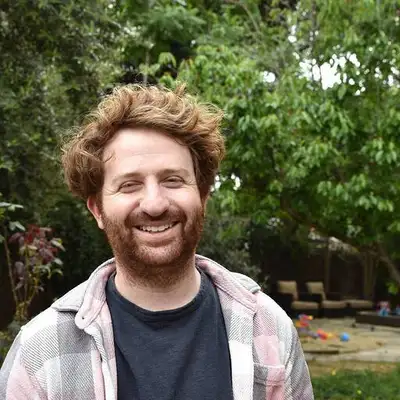
Hosted by Zach Gobst, who has spent his career working alongside clinical trial teams and patient communities, be sure to subscribe on Apple Podcasts, Spotify, or wherever else you listen.
There's a lot of extenuating circumstances and external environments that impact the delivery of a trial and the execution of something. But what we sometimes forget to lean on is the culture. So I think that I spend a lot of time, and I think a lot of other leaders do as well, we spend a lot of time on culture. Because our teams, that's where everything begins and ends. Everything else can be taught, but culture takes time to be groomed.
Karen Correa:You know, I think we sometimes fear to show our vulnerability of like, don't really know this or I don't really understand this. You're not gonna know everything. Actually, don't wanna know everything. I wanna know everyone. Put myself in circles with people that are brighter than me so that I can grow, and then I'll contribute what I know to the circle.
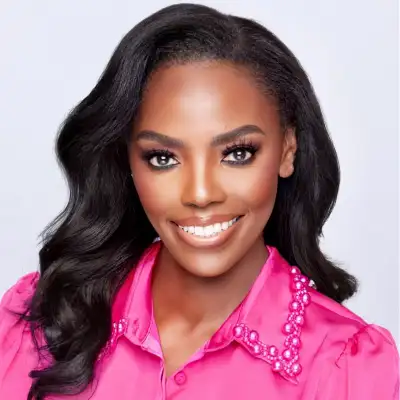
Producer:Welcome to Impactful Breakthroughs, the podcast dedicated to the incredible individuals who are shaping the future of medicine. You just heard a snippet from today's guest, Doctor Karen Correa, VP of Clinical Development Operations at Boehringer Ingelheim, one of the world's largest pharmaceutical companies. A pillar in the clinical research community, Karen has held every seat there is in the clinical trial, from the bench to CROs to leading operations across the industry. Today, you'll hear about the people and motivations driving Karen's work, the gratitude she holds for her entire community, and how a strong team culture can make all the difference when it comes to serving patients. And now, your host, Zach Gobst, founder and CEO of Leapcure.
Zach Gobst:Really honored to share your story today. Karen, welcome to the show.
Karen Correa:Thank you so much for having me. I'm looking forward to the discussion today.
Zach Gobst:I want to start with, like, when was the first time the idea of clinical research came to you? Where did it come from? Where did it start?
Karen Correa:That's a long journey. It happened a while ago, actually. So my career started really at bench work, you know. You graduate from college and you're trying to figure out what you're gonna do, and I had the greatest opportunity to really see things as a laboratory technician. And then I moved on to become a clinical research study coordinator, which gave me a really strong appreciation for the discipline and the precision and the care required to execute studies successfully.
Karen Correa:But those early experiences also reinforced the importance of engaging with participants, families, and research sites in a very thoughtful and respectful way. So as my career progressed, I had the opportunity to move on to doing clinical monitoring, project leadership, clinical operations, executive levels, like roles I have today, across the CRO industry, pharmaceutical, and small biotech environments. Each step taught me that successful clinical development requires more than strong science than some sound processes. This also depends on us building some high performing teams, which I really love doing, and anticipating operational challenges and designing approaches that support both the study timelines as well as the participant experience. So as you can see, that journey started three decades ago, and it has had a long process in my learning.
Zach Gobst:What's super fascinating is just yeah, and you spoke to it the breadth of areas you've kind of been involved in, you know, when you think about why you've stayed in this space all this time and why you've kind of continued to take on kind of different lenses in the space. You know, what do you think it is that kind of drives you to kind of work in clinical research?
Karen Correa:I think I'm driven by the perspective of the patient. I think that at any time, we all can become a patient. You know, we see patients, we are part of that process as ourselves, maybe as a family member. And just knowing that at the end, what we do is being able to meet unmet needs of patients, that drives for us to make sure that we deliver safe and effective treatments for patients.
Zach Gobst:Yeah. And in terms of like the experiences you've had working with patients, what have been kind of the more impactful moments that you've seen in terms of being able to influence patient populations in clinical research?
Karen Correa:I think what has influenced my working with patient populations is just having to understand the patient experience, being able to understand the patient's needs and understanding the site's needs to be able to treat patients. And I think that all of those different lessons that we've learned along the way has been very impactful. And there are areas that we all use as opportunities to drive our decisions and help us make better decisions as we continue to develop treatments for patients and design trials.
Zach Gobst:Curious, like what do people at the executive levels of kind of pharma today, what do they usually like need more perspective on, you know, from your breadth of experiences, you've seen it all and you're working with a lot of folks that have different strengths, whether it's medical, whether it's kind of understanding how to finance operations. What are the things that you spend most of your time kind of educating, you know, other leaders, in the space on based on what you've seen?
Karen Correa:You know what's very interesting? We think that we spend a lot of time on educating people on the technical side, but actually we spend more time on the culture side. I think that is, as I say, an unmet need in the patient population. It's an unmet need in our world to get things done. There's a lot of extenuating circumstances and external environments that impact the delivery of a trial and the execution of something.
Karen Correa:But what we sometimes forget to lean on is the culture. So I think that I spend a lot of time, and I think a lot of other leaders do as well, we spend a lot of time on culture. Because our teams is what the success really matters. That's where everything begins and ends. And so being able to develop teams and being able to support your teams throughout the different stages of the process is the most important piece.
Karen Correa:And I think that as we work in that space, that's where a lot of my time is spent, because I think everything else can be taught. A culture takes time to be groomed.
Zach Gobst:Yeah, that makes sense. And I'm curious, like, when you say culture in different organizations, that's probably a very different scenario, very different type of challenge. You're working in a pharma versus biotech versus an event like a DIA or camcare. These are all organizations that probably have different areas of focus, whether that's kind of starting up or creating awareness or preserving. And, and in some of these older pharma companies, they've had a legacy for years and years and and a way of doing things.
Zach Gobst:And you've seemed to kind of thrive in each of these cultures somehow. So, like, I'm kind of curious how you think of culture in different types of organizations because, yeah, I'm really fascinated by your lens.
Karen Correa:So I've seen different types of cultures throughout my career in different organizations, and I've seen some that I've had opportunities to learn from, and I've seen some that I've had opportunities to not really mimic, but it's good. We learn from all types of environments that we're put in, and we figure out what spaces and places that we can thrive in. And then we try to mimic and repeat that when we go to our next environment as to maybe to mimic that so that we can help our teams thrive. But I think that what has helped me in all those spaces is just really thinking about why I'm doing what I'm doing, stay focused on what I'm doing, staying true to myself, and delivering to the best of my abilities. I always think with good intent.
Karen Correa:I always come from a place of focusing on trying to communicate with candor, having integrity, all of those foundational things that we learn. As they say, everything you learned, you learned in kindergarten, how to play and share and all of those things. Believe it or not, you have to do all of those things when you grow up and in your career. So you have to learn to listen. It's not about you, it's about the team.
Karen Correa:There's no I in team. So when you take all of those life lessons and bring them to your career as a leader, it really helps the foundation of the organization.
Zach Gobst:Yeah. I like that a lot. I think in my company, if I were to reflect on like how I try to contribute to culture, it is introspective. Like you said, it's, you know, being genuine about who you are and leading by example and kind of, know, you doing things that are intrinsically aligned. That's what helps build culture, guess in each of those situations that you described too.
Karen Correa:So yeah.
Zach Gobst:Curious about like any of like the pivotal things that you've learned, maybe start kind of early in your career that have helped shape your impact?
Karen Correa:You know, so let's talk about the people. How about that? Let's talk about the mentors that I've seen and have been privy to be a part of my life and my career, because I think that's where it all started. So some of the leaders who have shaped me didn't just influence my career, but they shaped my character, my courage, and the way I show up for others. And I carry those lessons with me every day.
Karen Correa:I think back with one of my managers I had when I worked at a CRO, Doctor. DeNoble. She's now retired. She taught me one of the most powerful leadership principles I've ever learned, as I mentioned earlier, keep your truth. She showed me that integrity isn't situational, it's constant.
Karen Correa:Her guidance helped me understand that real leadership begins with knowing who you are and refusing to compromise that foundation. So that was pivotal for me. And then if you think about someone else that I really focused on was Christina Cecil. She was a young lady that I reported to when I was at a pharma company. And she modeled compassion in a way that changed how I lead.
Karen Correa:She taught me that empathy isn't a soft skill. It's a strategic advantage. Watching her navigate difficult moments with grace reminded me that people don't remember your title. They remember how you made them feel, which is actually one of my favorite quotes by Maya Angelou. And then also, like, Brian Meltzer, another great leader.
Karen Correa:He influenced me in a different way, you know, as a physician and a doctor, very knowledgeable. But from him, I learned that leaders are always learning. He showed me that curiosity is a form of humility and that the best leaders never assume that they've arrived. They stay open, stay hungry, and they stay teachable, which is sometimes hard for some people. And then someone recently in my career was a gentleman by the name of Jeremy Chadwick.
Karen Correa:Now he pushed me outside my comfort zone, sometimes further than I thought I could go. He challenged me to stretch, to take risk, and to trust my own capabilities. His belief in my potential helped me to step into opportunities I might have otherwise talked myself out of. So what you see throughout this journey in my career over thirty plus years, and I've had many more people and as well as peers, but each individual has poured into me something different, truth, compassion, curiosity, courage. And together, they have helped mold me into the leader I hope that I am today, and I hope to continue exhibiting as a leader.
Karen Correa:Their influence reminds me that leadership is never a solo journey. It's a collection of people who saw something in you before you saw it in yourself, and I think that's important. So that's kind of how I got here.
Zach Gobst:That's awesome. Yeah. Just reflecting on what you said, keeping your truth. I love that. Your points on compassion, empathy, always learning.
Zach Gobst:And then I think it really is important that you, you mentioned the person that's also kind of helping push you because I think like there is something to when we can see issues as opportunities and not be afraid to kind of take them on.
Karen Correa:Absolutely.
Zach Gobst:Which I think as an entrepreneur for me, was like necessary for survival at a stage and so I just kind of like kept building on that, but
Karen Correa:I
Zach Gobst:it's so important. It's, and it's great that someone has kind of helped you through that. And you know, I'm sure it explains how despite the demands of your day to day job, you're still kind of reaching out and being involved in the community and going above and beyond, which is really inspiring.
Karen Correa:Absolutely.
Zach Gobst:I'm, you know, also kind of curious in terms of some of the biggest challenges you've faced. I think that sometimes, at the time, they might have felt bigger than what they are today. But to you, you're curious over your career, what's felt like some of the biggest challenges you've had to overcome?
Karen Correa:I think that we've all have some of the same challenges. They just look different, you know? They have different masks. Maybe it's a challenge with me having to make a decision, not having all of the answers or all the information. So making a decision with that gray space, that's a challenge because you want to make the right decision, you know?
Karen Correa:And making no decision is a decision. I think some other challenges is people always talk about the work life balance. So being able to prioritize your work, that can be a challenge, and being able to know how to prioritize and how to know when to say no. Because sometimes we want to do everything, but we can't. So I think that is something I've had to learn how to navigate my way through.
Karen Correa:I think I had to navigate my way through you know, as you've seen, I've been in different organizations. When you're new to an organization, learning the norms, learning the people, learning the processes, and staying afloat all at the same time, I think that you have to be nimble, you have to be flexible, and you have to be kind to yourself. It is okay to make a mistake because I think you also will get upset. Oh my gosh, I made a mistake. But I think when we appreciate, those are life lessons because you know never to make that mistake again.
Karen Correa:So I think when we take all of these challenges that we've gone through, as long as we take the time to reflect and then redirect ourselves and sometimes know that sometimes a delay is not a denial, It doesn't mean you're never going to go. It just means it's a redirection. You might have to go a different path, a different process. Keep knocking. That no's going to become a yes someday.
Karen Correa:And so I think that I have seen, as you used the word perfect, I see challenges as opportunities and opportunities for me to grow, for me to learn, for me to develop, and then last but not least, for me to pass it on to the next person.
Zach Gobst:Yeah. That approach is so wonderful. So, yeah, thanks for sharing because I think when you jump into a new organization, if you had success elsewhere, there's still going to be that learning curve. And when you said the part about being kind to yourself, I think that's so important because I think it's connected to the point that you made around kind of creating that space to kind of reflect or that you said time to reflect because that's really what it is. Sometimes if you try to kind of repeat what works somewhere to another place and it doesn't fall right into place, you kind of are in a really tough spot to kind of process what's going on here, why did this happen?
Zach Gobst:And usually there's some awesome opportunities for growth, but like, I think the approach that you take is the way to get there because it can be really tough.
Karen Correa:It can be very tough. And then you find your circle. You find your circle so that you can have someone to lean on. You know, I always say, I need a litmus test. I need someone so I can ask.
Karen Correa:You know, I think we sometimes, we fear to show our vulnerability of, like, I don't I don't really know this, or I don't really understand this. I think there is just a way to let people know, like and be okay with that. You're not gonna know everything. Actually, I don't wanna know everything. I wanna know everyone.
Karen Correa:So put myself in circles with people that are brighter than me so that I can grow, and then I'll contribute what I know to the circle.
Zach Gobst:Curious also in terms of like where you're headed now, like where are you kind of focused in terms of your own growth and what's next. You had these mentors that kind of gave you a great foundation for taking on more and more. What are you thinking about now with your personal growth?
Karen Correa:Honestly, I'm trying to be intentional about my growth, and that's intentional about me as a person. I want to continue to grow as a leader. I want to lead by example. Like, again, I reflect every day. Was that the right approach?
Karen Correa:Was that a right conversation? Was that the right response? I always do that because if we're not constantly doing that, then we're not growing. And then there's so much to learn. There's AI and all of this new innovation.
Karen Correa:There's so much. It's just so evolving, our whole environment, our ecosystem. So I think I'm trying to just focus on me and then allowing when the next door opens that I'm prepared so that whatever comes that I have set myself up for success. So I think that's what it is. And not that I'm looking for something else.
Karen Correa:I'm just looking to be the best me so that whenever the next thing comes, that I am given the best at that.
Zach Gobst:That's great. I think that's really grounding to hear from someone in your seat that it's really focused on, like, how do I grow myself and, you know, be the leader I wanna be? And and you're doing it, which is which is great. When you mentioned AI, you know, it's hard to just move past that as a topic. How are you using AI or how are you thinking about AI today?
Karen Correa:Well, I think every organization has their own tools that they have internally that they can leverage and use for AI. And so I'm utilizing the tools that our organization has put into play, and I'm trying to take advantage of all the trainings that they have and tips that they have so that I could be more efficient and more effective. I'm trying to learn the verbiage. I'm trying to be more comfortable and let it be second nature to the way I conduct a search, the way I prepare a document, the way I do my research, the way I channel my approach. I always look at, can this be replaced?
Karen Correa:Am I doing this the most effective and efficient way? And I ask people around me to challenge me. So I think that's kind of what I'm doing. Is it everything? No.
Karen Correa:But I definitely think I need to double click on it a little bit more and look at some more trainings because it is different for different generations as we learn. You know, it's all new. I remember, you know, I tell people, we laugh, have been in this industry long. I remember when I started out on a typewriter. I remember learning the keys on a typewriter in high school.
Karen Correa:When was that middle school? So that's all when you date yourself like that, you're like, wow, this is we have evolved as a world, and so we've come a long way, I'm just trying to enjoy the journey and not be left behind.
Zach Gobst:Yeah. We've been through similar waves before, like you said, from typewriter to, you know, the start of the internet, etcetera.
Karen Correa:Yeah. I right. I remember when there was no internet, like, not when I was in school, I was the Dewey decimal system.
Zach Gobst:Yeah. That's right. That's right.
Karen Correa:Doing a research
Zach Gobst:for Going through encyclopedias. Yeah.
Karen Correa:I had a set at home.
Zach Gobst:Yep. That's right. And what I liked about what you said too, which I think is important to know is like different kinds of people are going to interact with AI in different ways. People are going to have different levels, different things they focus on with it, different levels of literacy with it. I find it really fascinating.
Zach Gobst:It feels like so many things have the ability to change. It sounds like you're using it to like take an honest look at like, how am I doing things? Is there a better way to do things? How do I, you know, collect information from other people that are seeing things? And so I think that's a great place to start.
Zach Gobst:Karen, this has been a great conversation. Is there anything else you'd like to leave us with?
Karen Correa:I mean, I just want to you know, this is a great industry, and, you know, as we look across this industry, I think we're all, like, energized or excited about different things. And I want to kind of close with some of the things that it is energizing me and probably some others. Most importantly across this industry, there's a growing recognition that clinical development must be both scientifically rigorous and more connected to the people and communities we ultimately serve, which is so important. And I feel like there's a real shift toward designing our trials with greater intentionality. You know, thinking earlier about access and representation and sight burden and participation experience, and how we can make research more practical and meaningful for patients, caregivers, investigators, and communities.
Karen Correa:And so in my role, I'm especially encouraged by the momentum around operational innovation, community engagement, and cross functional collaboration. So for example, we are seeing, as we were talking about AI, we're looking at data driven site selection to identify where eligible and representative patient populations are actually located, that we can have more patient friendly trial models, such as decentralized trials that we've talked about and hybrid visits in the past, and then more thoughtful approaches to reducing the site burden through streamlined startup, simplified workflows, and stronger study support, because that's what we all need. We need more support. Sites need them as well. But more importantly, these innovations are not simply about speed, and I think that's something we want to make sure that everybody's thinking about, that we are about making trials easier to access and easier to execute and more reflective of the real world patients that we see and that the site needs are.
Karen Correa:And then I think if I was to close with something that's meaningful or important to me, is that I am also energized by the number of leaders, and I've been around many, and teams and partners across the ecosystem who are leaning into this work with urgency and purpose. And the future of clinical research will depend on our ability to bring strong execution together with empathy, as we talked about earlier, collaboration, and more importantly, accountability. And I believe that we are all moving in that direction together, and I'm excited about being in this industry and have been in this industry for over three decades.
Zach Gobst:I love everything you said. Yeah. Thanks for adding that. Yeah. Karen, it's absolute pleasure having you on.
Zach Gobst:Thanks for taking the time to do this.
Karen Correa:No. Absolutely. Thank you for having me. It was such a great conversation.
Producer:That's a wrap on this episode of Impactful Breakthroughs. A heartfelt thank you to Doctor Karen Correa for sharing her story with us today. In an industry full of intelligent, empathetic individuals, Karen reminds us all that it's less critical to know everything and much more important to know everyone. Don't be afraid to lean on your network in times of vulnerability. Sooner or later, you'll have the opportunity to pass it forward.
Producer:If today's conversation sparked something in you, be sure to subscribe, share, and connect with us for future episodes. Until next time, stay informed, stay engaged, and keep pushing for better health outcomes for all.