Subscribe
Share
Share
Embed
In Ep. 60, I had an incredible chat with Nick Gillett, Managing Director of Mangrove Global. We spoke about all the aspects of bringing Drinks Brands to market from start to scale, including distributors, Wholesalers, and all the links in the Drinks Ecosystem. I hope you will enjoy our chat.
Time Stamps
0:00 Intro
1:20 Brand or Liquid Marketing Foundation
1:58 Nick Gillett Intro
6:58 Wholesalers & Importers Differences
12:50 The Game of Share of Mind
16:53 The Diversity of Wholesale
25:58 Has Wholesale Changed?
28:53 The Value of Relationships
32:10 Outro
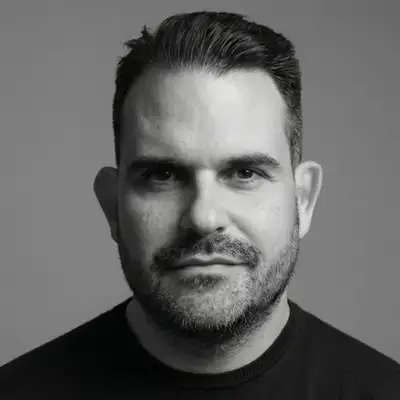
About The Host: Chris Maffeo
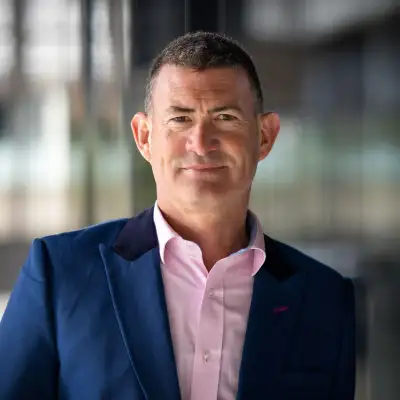
About The Guest: Nick Gillett
In Ep. 60, I had an incredible chat with Nick Gillett, Managing Director of Mangrove Global. We spoke about all the aspects of bringing Drinks Brands to market from start to scale, including distributors, Wholesalers, and all the links in the Drinks Ecosystem. I hope you will enjoy our chat.
Time Stamps
0:00 Intro
1:20 Brand or Liquid Marketing Foundation
1:58 Nick Gillett Intro
6:58 Wholesalers & Importers Differences
12:50 The Game of Share of Mind
16:53 The Diversity of Wholesale
25:58 Has Wholesale Changed?
28:53 The Value of Relationships
32:10 Outro
About The Host: Chris Maffeo
About The Guest: Nick Gillett
The MAFFEO DRINKS Podcast is a leading drinks business podcast delivering actionable insights for drinks leadership.
For founders, directors, distributor MDs, and hospitality leaders navigating the tension between bottom-up reality and top-down expectations.
20+ years building brands across 30+ markets. Each episode features drinks builders: founders, distributors, commercial directors, sharing how the drinks industry actually works. Not the conference version. Honest conversations.
Insights come from sitting at the bar.
Beyond episodes: advisory for leadership teams, subscription with episode deep dives and principles to navigate your own reality.
Beer, wine, spirits, Low and non-alcoholic.
Bottom-up Insights & Episode Deep Dives at https://maffeodrinks.com
Welcome to the Maffeo Drinks Podcast, I'm your host Chris Maffeo. In episode 60 I had an incredible chat with Nick Gillett, Managing Director of Mangrove Global. We spoke about all the aspects of bringing drinks brands to market from start to scale: distributors, wholesalers and all the links of the drinks ecosystem. I hope you will enjoy our chat. One last thing: if you enjoy this podcast, you will also like the Mafeo drinks guides, where you'll find all you need to build a brand bottom up.
Chris Maffeo:You can subscribe free or paid on mafurdrinks.com. Hi, Nick. How are doing?
Nick Gillett:I'm good, Chris. Thanks very much.
Chris Maffeo:So welcome to the Maffur Drinks podcast. It's an honor to have you. You know, I've been following your journey for quite some years, I think. I think you were one of the first people that I started reading, you know, posts on LinkedIn and commenting on and reading articles. And we finally met and we recognized each other at BarConvent a couple of years ago at, at a stand.
Chris Maffeo:And I said, I think we know each other virtually.
Nick Gillett:That's very kind that you've taken the time to read some of my rantings on on LinkedIn. You're never quite sure if anyone does. And I've been listening to a number of your podcasts. To me, your great guests are quite interesting and every day is a school day. We can always all learn.
Chris Maffeo:Fantastic. Fantastic. So let's start. I mean, you know, one of my starting question is always, does it start with the brand or the liquids? That's one of my favorite question to ask.
Chris Maffeo:What what's your take on that one?
Nick Gillett:For us at Mangrove, actually, it's a pretty simple answer. It always starts with the liquid. When we first started the company and, and to this day, any potential brand, we always taste blind against its competitive set. You can always change packaging and branding. Often, you know, we, we get said it's, liquids in different bottles and various things.
Nick Gillett:So it's always starts with the liquid and then every other layer comes on top. Nice. I, I, I agree.
Chris Maffeo:Let's start with a bit of an intro about you, like for, for those who don't know you, like just give us a one minute kind of overview of who you are and your experience in the industry.
Nick Gillett:I'm Nick Gillett. I'm the founder of Mangroves, a importer and distributor of spirits within The UK market. We handle sales and marketing for brands, both within The UK and around the world who want to achieve their potential in the, in, in The UK. I've been in the industry a long time. I'm reminded of that every day when I go out.
Nick Gillett:And now when I talk to my team and sort of recent recruits, I realized I'm probably one of the older people in the industry these days. I started out working for a wholesaler in London. So I was just an account manager working for CoVenters who were to my mind, one of the best wholesalers back, back then in the day, spirit specialist, premium spirit specialist as account manager in Central London. Then I moved into a marketing role for them as a business. Got lucky, went and launched, was part the team that launched Sagateba Koshasa, which was just an amazing experience.
Nick Gillett:And between those two roles and jobs, had this idea for a company that can represent premium spirit brands who needed stories told. And it's, it's very difficult. Most of your listeners won't remember, but cocktails were just becoming a thing. Right. It didn't really exist.
Nick Gillett:Think we, we probably only had 10 gin brands back then, you know, it feels like a very long time ago, but we built a portfolio for many years. Started in 2,006 as a independent part of the wholesaler. And then 2013, were out in market on our own. And then in 2023, my partner and I decided we would join group Bernard Hire who operate around the world as Spirabam, a French conglomerate, who, who owns some spirit brands. And we've been one year as one of their companies.
Chris Maffeo:Wow. That's a bit of a journey. So you are, so you're one of those people that experienced this, the stone age where there were 10 brands in The UK market.
Nick Gillett:I was trying to explain to my team. We, we probably as a wholesaler had, I mean, maybe 10 gym brands, but two of those would have been magnums that went on optics in pubs. It was a very different, very different time. On one hand, the competition and number of brands has grown exponentially since then. But on the other hand, the leading lights of hospitality, there were groups who were just amazing and were so different match through with one that I was fortunate enough to look after and their bartenders.
Nick Gillett:I think they were still bartenders back then, not even mixologists, but their, their drinks professionals just had this encyclopedic knowledge that set the bar for me as a salesman to talk to them and actually were part of the blueprint for Mangrove going forward, probably five years after I first met him.
Chris Maffeo:Nice. Nice. I love the story. And it's a, it's a very bottom up story.
Nick Gillett:Yeah. It all starts with bottom up. One of the foundation building blocks for Mangrove was to understand all about the liquid because we were taking liquids to customers and they wouldn't have heard of the brands necessarily. And my first experience as a salesman was walking into a match group with a bottle of tequila and being asked to deliver. I think I'd been a salesman for three days in the drinks industry and yeah, sliding doors moment.
Nick Gillett:I got lucky. The person I delivered to said, what do you know about it? I said, absolutely nothing. I was told never darken their door again, without knowing something about the brand. And they invited me to a training session and I watched 10 people analyze, dissect liquids in a category I knew absolutely nothing about other than, you know, as a student, I didn't like it very much.
Nick Gillett:And I was amazed. I was amazed with the depths of their knowledge, their passion, and absolutely intimidated about trying to then sell. I assumed everybody in the industry was like that at that point. I suddenly thought, well, I better know some stuff here. I better read up and learn some stuff about our brands and how they compete in the marketplace, so.
Chris Maffeo:That sounds very, very interesting. I'm a big fan of the, you know, the British entree because I I used to come to to England to learn English, you know, since I was 15. And I remember, you know, going to the pubs and, you know, it was a totally different culture for me coming from Rome. And, you know, going to pubs just, you know, like as as a restaurant, I mean, just like to have dinner or lunch and this whole culture was so different to me that that has played a big role in my love for for entree that then got me into into what I'm what I'm doing now. So I'm I'm totally interested in that.
Chris Maffeo:And and especially like one of the things that I explain when people ask me how to explain the difference between an importer and distributor and a wholesaler is I always say the importer goes horizontal and the wholesaler goes vertical. The importer goes nationwide and the wholesaler, the distributor goes vertical, you know, really deep down into the, the nitty gritty of the sales. So like building on what she was saying about, you know, getting the knowledge and how to move that one bottle, you know, how to make it a case, how to how to grow the rotation, and how to move Yeah. Into into that. Would you would you agree with with that definition?
Nick Gillett:It's a relatively simple split between the two. When you're a wholesaler, you walk into any outlet, you want a 100% of their products. You want to supply them with everything. That's how you make your money and pay your, pay your bills. So the more you can do, the reality is to my mind, a good wholesaler is one who could provide a range of products at competitive price, but backs it up with service.
Nick Gillett:When you're an importer and you're working, you walk into that venue, but paying your mortgage depends on you selling and activating a small number of brands, a finite number of brands that you represent. And that slight difference in focus and emphasis, it should both be working for your ultimate consumer. You're right in the, an importer of my sales team, getting a product listed is only part of the job. They need to then get the rotation and try and gain market share from their competitive sets. Whereas a wholesaler can just sit back and let all the brands compete because they will be taking a margin on every case.
Nick Gillett:Yeah. I think it's a question of focus and wholesalers. There's only a few that have national coverage. So for a brand, you need to work with lots of wholesalers, if you want true national coverage and wholesalers can specialize in a particular area if they want. So they can become specialists and know their customers in inside out.
Chris Maffeo:Yeah. Yeah. I agree. And also I think there's another element to what you were saying that I feel the importer is always more on the brand owner side of things. Let's, let's call it pleasing them or let's, let's say understanding them and, you know, like taking that kind of side while the wholesalers, I think would take much more of a customer side.
Chris Maffeo:They need to deliver to the ultimate outlets, you know, to the outlet owner, you know, their relationship is with, is with the outlet owner. And to your point is like, they can play with a much wider selection of items. So that the challenge is actually exactly on that relationship between importer and distributor wholesaler, because that's where, you know, the two worlds meet and, and you need to ensure that that conversation is happening in a, in a proper manner. Otherwise importer level stays very top line and, you know, at brand side and at wholesaler level becomes a little bit too tactical on, you know, kickbacks and discounts and shipments and, and not brand.
Nick Gillett:There's a wide variety of solutions within the industry, but I think the very best wholesalers have a pretty knowledgeable sales team who are aware of brands and options out there for their customer base and understand their customers. The most efficient, the best logistics, next day or same day ordering is very important for clients. You know, ultimately it's about satisfying the demand of their consumers they have in the premises at one point. As a brand importer or distributor, we only make money if our brands are successful. So there's quite a lot of emphasis on that.
Nick Gillett:So yeah, we work very closely with our brand owners. At mangrove. And there's other people do the same as us. We will, if you, if you wish design and execute a marketing plan for The UK amend something you've got globally, so specific to the market And we'll deliver that at outlet level.
Chris Maffeo:But
Nick Gillett:wholesalers for us are key. You know, if the wholesalers won't list our products, then they won't delay it. We try to make sure that there's a margin in there for them, for that vital service they provide. We try to work with their sales teams to provide stuff that's interesting, but at the same time, we're obviously trying to deliver against a set of criteria, distribution or sales numbers, whatever it might be for our brand owners. And it's a complex, balanced, trying to be balanced relationship.
Nick Gillett:Some brands have decided that they can't make that work until they go direct. Some wholesalers are currently building their own brand portfolios. So that makes that harder for us necessarily to work hand in hand with them. The distribution model is changing all the time. You can see, if you look to The US, you know, you've got one or two very dominant players there with thousands of thousands of SKUs, very difficult for brands emerging to gain any traction.
Nick Gillett:I think we need a strong wholesale sector in The UK. Otherwise I'd have to spend a whole heap of time and money on logistics, but equally we can't rely on them. They're busy. They have things to do and a wide range of products. So I have a sales team generating marketing, explaining my brands to our ultimate consumers.
Nick Gillett:It's the model we have. It's the one I believe works. I can't expect anyone else to sell my brands is, is I get what it was then.
Chris Maffeo:Yeah. I mean, ultimately, I always say it's a game of, it's a game of share of mind, you know, and that, you know, regardless at which link of the value chain or, or at the drink system it is, it's still about share of mind, you know. And then I think when to your point about going direct, I think there is also an element of, you know, trying to blame the system in a way that in the end is just like, you're just postponing the problem. No. Because if you don't work with share of mind, you know, of mind happens at, you know, importers level, at wholesalers level, that, you know, like whether you have to explain it to the sales team of a wholesaler, to the sales team of the importer, to the bartender, to the bar manager, you know, like it's still about really having a story to be told as you said at the beginning, you so that, you know, it you you have more chances to win that battle, so to say, know?
Chris Maffeo:And then if you just cut one of the elements, you know, you could think you're a little bit further down in the journey, but then you still have to do that thing that you probably skipped at, you know, the previous link of the chain.
Nick Gillett:We talk about building brands and building brand equity and, and, and that tends to be a long term plan. If you say there's a 100,000 plus licensed outlets in The UK, they will have many customers at any moment in time having to make a choice, often looking at a back bar, often trying to remember what advert they saw last or what brand they want to choose. It's difficult to read label from a, you know, a distance. So we rely ultimately, we rely on the bartender, the sommelier, the independent retailer, shelf space, promotional activities to try and engage with the end user, the consumer. And this is where bartenders and training provide for new brands or smaller brands provide such a key service because otherwise you need a brand representative in every outlet all the time to stand the best chance of getting your product served.
Nick Gillett:When you work with wholesalers, it's about trying to get a share of voice. So they remember to mention your brands and have you spoken to Nick from Mangrove? You know, he's got great staff. He's a great guy. I got really good support because that makes them potentially look better or maybe they can make some margin or whatever the reason may be.
Nick Gillett:It's quite a complex ecosystem. And if you don't do those things, so, you know, if you're going to miss out the wholesaler network, you need to deliver efficiently and you need a big sales team. And what, what mangrove do, what a lot of importers do is they scale what a brand could do on their own using local knowledge. So brands could absolutely set up in The UK, build a huge sales team, selling one brand and some brands do that, but it's very expensive. Even with one brand, you will struggle to get some accounts open because it's another delivery.
Nick Gillett:It's another person the buyer's got to talk to. And so being part of a portfolio of like minded brands helps a lot of brands in The UK. So I'd like to think that mangroves are present in most conversations because of one or other brand we've got in a portfolio. And it allows us to talk to about other brands. I guess the compromise is we're not solely focused on delivering one brand the whole time.
Nick Gillett:It's much more of a portfolio approach, but I think the strength in numbers, and I think the strength in working with like minded brands and for my salespeople have a big advantage is they can walk in and say to an account, I'd like to talk to you about gin. And they say, well, we don't want to talk about gin. Well, we can talk about anything else from Arab to whiskey.
Chris Maffeo:Yeah. I can imagine. When I started writing about it and digging into the thing, like during my home days, during COVID, I always felt when I was having conversation with brand owners or with people in the industry that the wholesaler is a big bit of a kind of like a black hole that nobody knows. Nobody really cracks in the sense of understanding whether you have been in the industry as a marketing director or sales director for twenty years or fifteen years or twenty five years, you still don't actually understand exactly the nitty gritty of the wholesale business. And there is an element for me, it's a bit of a the old story of the the fox and the grape.
Chris Maffeo:Like the fox can't reach the grape and then it says the grape is is bad. You know, that's nothing special. I don't like grapes. So there is that element also because like many brands, especially the smaller one don't manage to gain that kind of like place at the table, sit at the table and having that conversation. It's like the kind of thing like Nick doesn't answer my email kind of thing.
Chris Maffeo:Like I don't manage, you know, I'd love to go with Mangrove, but I never get a reply because they have other brands, other priorities. So then I'll go on my own kind of thing. And then the other element is actually, don't understand exactly, you know, most of the people get lost into the, no, but I've got a distributor yet, but that's an importer. No, no, but that's a distributor. You know, the word distributor sometimes gets applied to wholesalers, sometimes gets applied to branding agencies that do some deliveries.
Chris Maffeo:Sometimes it's it's an importer that is just having a license for the country, but doesn't have any boots on the ground kind of thing. So what is your opinion on, on that one?
Nick Gillett:I absolutely agree. It's very confusing because importers distribute as wholesalers, sometimes the boundaries aren't clear and there's a blurring of lines because people do a bit of everything. If you look at The UK as a whole, in global terms, it's a relatively small drinks market in terms of case sales. It's an incredibly competitive market. It's had open borders and up until recently, a relatively small national drinks trade in there.
Nick Gillett:We've been very good at beer. We have a history in, in gin. We've got a great new history coming in wine, but generally we've been open to things from around the world for a long, for a long time. And we're very multicultural. We've taken trends that we've loved food in, in itch, new food trends and, and chefs and various things.
Nick Gillett:What, what that means for brands is very difficult to reach that scale and satisfy everybody at once. What wholesalers and what I believe, and and listen, I'm totally biased because I worked for one who I thought were excellent. And I, and I look at some of the colleagues and the teams I was in there, and I, I'm not sure we realized quite how good our model was, but a wholesaler provides a delivery mechanic for the brands. It's the way that your boxes arrive at your end consumer. Good wholesalers are very, very good at that.
Nick Gillett:There are people doing same day deliveries and guys who, you know, walk it around the corner and all of those sorts of things. And that service element, they do the credit control. They do all of those, all of those tasks people forget about that has a value. And wholesalers take that in margin. The simple equation is look at what they're charging and look at what it would cost you to do and look at the coverage that you get with them compared to what you could do yourself.
Nick Gillett:Is it worth it? Right? And if you don't think it's worth it, go ahead and do it yourself. For me, wholesalers offer quite often local knowledge. They will guide you as to accounts that are worth time and money and investment.
Nick Gillett:Maybe those who aren't, they will have experience. They will know the characters and they can offer scale, you know, it's one delivery for me to a wholesaler who can then service 50 accounts for me. And that to me has a, has a absolutely has a value. I think where it becomes difficult is some wholesalers will say to brands, yep, we'll be your reporter. We'll be your distributor.
Nick Gillett:We'll, we'll be your brand representative. And initially that's a great model. They can guarantee some sales. They can push it through. They can substitute product.
Nick Gillett:They can do all of that, but most accounts in The UK have more than one wholesaler. And I don't know a wholesaler has a 100% distribution in The UK. So there's always gaps and wholesale dealers typically don't want to buy off each other. Why would they? Your competitor has brands and they'll be retaining a margin and they'll have access to information.
Nick Gillett:Social brands, that's a difficult model. It seems great initially, but it becomes very difficult to get to the next scale. Equally, as I said earlier, wholesale, I mean, fundamentally it's about volume of trade. When push comes to shove, they're probably not gonna walk away from an account because they, you don't take a particular gin or a vodka. So as a brand owner, you know, and there's plenty of different models out there, but we only, main growth only make money on each case we sell.
Nick Gillett:That focuses the mind a lot into doing the best for those brand owners. So, you know, I understand the frustration of distributors and there's a number of good distributors in The UK, but pretty much we all have quite big portfolios or full portfolios and we can't take every brand. There are other companies. And I look at somebody like Duffy share who who've been through a journey of distributors and they used a logistics back office tool, Kugar. I know, I know Jack mentioned it when, when you were chatting to him.
Nick Gillett:And I think the brands often is not one size fits all. And often it may be different steps at different times in their brand life cycle. So if you're very focused on one geographical area,
Chris Maffeo:you can
Nick Gillett:work exclusively with one wholesaler who hits all of those accounts. And then you might need to branch out. These days, there's different people, there's sales agencies who don't buy your stock, who just charge you a retainer. There's, there's, there's a number of different solutions, but it isn't easy.
Chris Maffeo:I can imagine. And, and, and this is what, like, you were talking, like I, it was bringing me back to my old days as a sales guy in Rome. One of the things like of I I just realized, like, when you were talking that one of the reasons why I've been so focusing on the details and I I like to deep dive into the details of things and not just stay on the surface is because when I was a sales guy, I used to get paid on, I mean, the, let's say the fixed salary was like marginal. It was on commission, but the commission was on, on the actual money that I was getting paid by the customer. So it wasn't on the invoice.
Chris Maffeo:It was on actually getting the money back. So my attention was always on this kind of like level of brand building or what, you know, we would need a good outlet, but then we would also need a good outlet that would pay, which is often very misunderstood by brand owners when they stay at top level. No. It's like, oh, we want to be in X, Y, Z kind of bar, but you know, like there is something that you're paying on a wholesaler level, like the risk of insolvency, you know, the risk of breakage or whatever, you know, And, and very often it's easy to look at an Excel sheet from a corporate headquarter without knowing what actually goes into the basics of, of the business. No.
Chris Maffeo:And it's, it's something that is very dear to me because I mean, if you see like the the photo that I've got over there, like there's, my grandfather sitting in front of his shop and he was a wholesaler in the South Of Italy. And I can't remember if I told you about this and and that the business was open for one hundred years. You know, his father had opened this. And then, you know, nobody wanted to continue that business in the family. And then he died when I was only six years old.
Chris Maffeo:So I wasn't in down the line of continuation. I was just this is the best I can do from that, from that angle. But, like, what makes me think, like, I've always had that in the back of my mind. And what's interesting and what I'd like to know from you is that do you think, the actual wholesale business, has it changed? Like, with all this news and things and digitalization and Google maps and all these things, do you think that the actual essence of wholesale business has changed?
Nick Gillett:I have this conversation a lot. So what am I twenty, twenty five years, maybe a few more years in that out out of wholesale, I not being one. The rules we operated and learned back then, we, we walked away from a business, which was too tight to market because it wasn't worth it. We didn't do very many beers and waters and and mixes and things like that because they were heavy and they took up space on the truck and we'd rather sell champagne and and and magnums of vodka because the margins were better. We were a 100% focused on getting paid.
Nick Gillett:It's funny you mentioned that. It's a key element and, you know, brands working with wholesalers and it spreads your risk or concentration risk into one person going bust, but you don't have to spend all your time chasing, chasing money and hospitality. He's got a track record of business failure because it's just the sheer nature of it. It's hard. So I think when you look at what's happened, technology has come in, it's streamlined the ordering process.
Nick Gillett:There's lots of automated systems to make it easier at bar level. Everyone has Google, right? I mean, you can all, you can all go and search this software around to help map routes and, you know, maximize vehicle loads. But the fundamental process, and we'll caveat it slightly, but the fundamental process of service, looking after your customers, making sure product arrives on time, the right orders and wholesalers when they do it properly, add a real layer of knowledge and experience. I don't think that's changed.
Nick Gillett:I don't think where it's done well, I think it's even more valuable at the moment, to be honest, because COVID saw a big change in staffing and expertise. I think what has changed to a certain extent, and it's driven by staffing, it's driven by other business considerations, such as high overheads and, you know, taxation and energy costs and COVID loans and various things is where the venues value wholesalers as much as they used to. And there has been a certain in the market, was a race for market share. People trying to get every last penny off the bottle, which I understand on one hand, but on the other hand, if you need someone to deliver to you on Sunday or you need an emergency order or whatever else, then there's always a compromise to be, to be met. And I think some of the biggest brand owners, I think they've forgotten the role that wholesalers can play in distribution, seeding new brands, getting, getting things out there.
Nick Gillett:So, while, whilst I don't think the good practice has changed, and I think technology may have enhanced parts of it and various things, I'm not sure people value it as much, but I, but I think that's the same across society as a bit wider. People have forgotten values of relationships and personal things. Know, when I was a wholesaler, my phone was on for my customers pretty much around the clock because that's how I earned my living. And so if I could respond and look after them and everything else, I would, it's a service orientated business, but we we've seen people be focused on other things recently for bigger business reasons.
Chris Maffeo:I can imagine. I can imagine. And, and I mean, and that's in a way, like, that's the beauty of it that, you know, as much as we can digitalize and make things efficient, effective, and, you know, doing all this kind of like economies of scale, like it is, like there is this human element that is still, you know, driving things. It's just that, you know, you need to top it up with the system of of habits, of good habits and good practices that, you know, otherwise it becomes like a bit of a band of rock and rollers going around the city.
Nick Gillett:You can meet your needs for, you know, a particular spirit in a number of ways and you frankly could choose some actually quite good products, low price with no branding. Certainly in The UK, you know, we have a lack of brand calling as a culture, but what you're going to get drinking get served if you don't brand call probably won't, you know, it's not going to kill you. You know, it may not be the best drink ever, but it's not going to be the worst. I just think people are missing out so much. Hospitality for me is all about the people and all about the occasion.
Nick Gillett:And I extend that to our, you know, I'm really lucky with some of our brand partners we have and some of the ones I've worked with over the years. I'm friends with a lot of those. I'm friends with competitors in the industry. It's unusual for that. You don't, you don't get that in a lot of industries.
Nick Gillett:Mangrove is in the brand representation business. We do that through stories. We do that through explanations. We do that through training, but we've just got some amazingly interesting people and brand owners that, you know, I would love to take every consumer to visit some of our distilleries, you know, that would be the easiest mechanic to sell our brands because once you're there, when you've done and you feel the love, the dedication that goes into making some of these products. It's great.
Nick Gillett:And the same thing happens with chefs and farmers and mixologists.
Chris Maffeo:Right?
Nick Gillett:I mean, just go into a good quality bar and, you know, ask the bartender, what does he recommend? What's there? What's interesting? And there's a good chance you're going to learn something. You're going to find a brand or a drink you haven't tried before or a slant on it.
Nick Gillett:It's a living, breathing thing. There are a lot of people out there who do really, really worthwhile jobs and, you know, save lives and do, and do everything like that. Hospitality doesn't do that, but it does bring a feel good factor to people. That human connection is the part that technology can't replace. I don't want my drink served by a robot.
Nick Gillett:I don't particularly want it out of a vending machine. I like human interaction and the conversation.
Chris Maffeo:That's all for today. Remember that this is a two part episode sixty and sixty one. If you enjoyed it, I have a small ask. Please rate it, comment, and share it with friends, and come back next week for more insights about building brands from the bottom up. One last thing.
Chris Maffeo:If you enjoy this podcast, you will also like the Maffei drinks guides where you will find all you need to build a brand bottom up. You can subscribe free or paid on mafayerdrains.com.