Subscribe
Share
Share
Embed
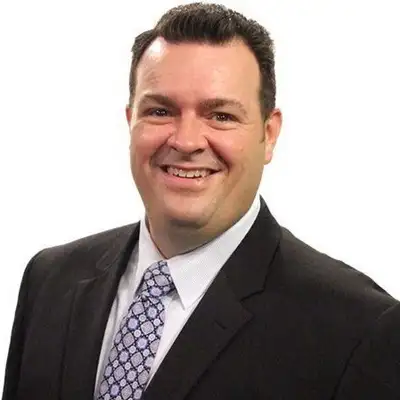
Rev. Dr. Amy Peeler joins Dan Ehrman on The Church Around the World to share practical insights for Christians on how to engage in respectful disagreements regarding gender roles in ministry without breaking fellowship. They discuss navigating faith as both a Baptist and an Anglican, as well as how Dr. Peeler perceives God's work in both the Academy and the local church. Dr. Peeler is the Kenneth T. Wessner Professor of New Testament at Wheaton College and Associate Rector at St. Mark’s Episcopal Church. She is the author of several books and has a particular expertise in the book of Hebrews. Dr. Peeler holds degrees from Oklahoma Baptist University and Princeton Theological Seminary, and she has served as a Senior Research Fellow with the Logos Institute at the University of St. Andrews. Church Connect https://Church-Connect.com - Connect your church to resources from trusted publishers working to unify all people in our faith and knowledge of Jesus Christ. Receive bulk discounts up to 45% off, free shipping on orders over $50, and more. Profits from each purchase go to https://Tyndale.Foundation to award grants to Christian ministries and global mission organizations. Episode Links: Dr. Amy Peeler: https://amypeeler.com/ Wheaton College: https://www.wheaton.edu/academics/faculty/amy-peeler/ Instagram: https://www.instagram.com/amy.peeler/ More The Church Around the World: Get email updates: https://church-connect.com/newsletter Listen to more of the Church Around the World: https://church-connect.com/podcast
Host Dan Ehrman from Tyndale House Ministries invites you to join him for The Church Around the World podcast for important and impactful conversations with church and ministry leaders. They'll share stories about God at work, His people, and what's happening in faith and culture that's shaping the local and global church today. From your neighborhood to the ends of the earth, listen to these powerful and timely testimonies of blessings and challenges directly from the people that are helping build up the church around the world.
The church around the world in conversation
with influential church leaders, sharing how God is at work and equipping you with practical insights and applications for your ministry today. From every tribe, language, and nation.
God is calling people to himself. So join us as
we look out to the fields already ripe for harvest.
From your doorstep to the ends of the earth.
Here is your host for the church around the world.
Dan Ehrman, Dr. Ehrman, pleased to be on the
road today and in the office of Doctor Amy Peeler at Wheaton College.
Doctor Peeler, thank you for graciously meeting
me here on your sabbatical. Oh, I'm so glad to.
And truly sabbatical gives you the chance to
make decisions. Is this life giving?
And I already can tell. This is going to be a
life giving conversation.
Well, I'm excited to speak with you. You have
such a unique background where, you have been at the pinnacle of the academy with multiple degrees and, from Princeton Seminary and, but went to a Baptist school studying languages before that.
And have just a really dynamic story. And I
think you cut against the grain of so much of what we sort of make assumptions about in the church.
And so I'm excited for people to hear from you
in a way, building a bridge between where I think the church has unnecessarily put up fences and divides. So thank you for joining me.
Oh that's lovely. Thank you for the chance to.
On paper, I acknowledge that I can be
threatening to a wide spectrum of people and a lot of levels too. And so just the chance to sit down and, to share what God has done and that my aim is to be faithful certainly don't always hit that aim, but that's my heart.
So thank you for this chance. Well, anytime an
academic puts CrossFit in your bio, I'm a little bit like, oh, no. And that's why my hair is wet this morning because I'm straight from the gym.
So. Oh that's awesome. Well, Doctor Peeler, you
know, to you're here at Wheaton college and, you're a professor and you teach a lot of, New Testament books and theology and books of the Bible.
But my initial connection with who you are and
what you do is through the New Living translation with Tyndale, and you've just stepped into kind of reexamining the translation and are kind of embarking on a multi-year project with us on that. So thank you.
Oh, I was absolutely thrilled when the
invitation came. I've known people connected to Tyndale, even to the Bible project.
One of my friends and former students is on the
editorial team, and so I was totally honored to be asked. And now that the work has begun, I see the fruit of it.
Sitting through and going through the text and
preparation for this summer was such a delight. I mean, this is kind of my job to study God's Word closely, but this was a different level.
And to do it with this team of amazing people,
I really look forward to what the Lord is going to do in and through us. I was struck when I first started working at Tyndale and met with some of the leaders internally of.
I started thinking about the project and what
it is to translate the Bible into a language, and I realized very quickly, these are deep waters and like we sort of create rules, but it's a little bit like swimming in the ocean where like you're a little bit at like, these are deep things.
Yes, yes. It, it must be a dependence upon the
spirit, and that constant recognition that we see through a glass dimly.
That we aim to do our most excellent work, but
that another group will come along. Decades in front of us and improve.
And that's just the nature of God's Word being.
Translated like it's not calcified at one time, but it is, as Hebrews says, living and active.
And that takes a group of people whom God has
raised up to keep that work going. And we're just one part of that story, and we know that we're building on the legacy of those behind us.
And then hopefully we'll hand off to those in
front. A lot of brick in the wall kind of analogy.
Absolutely right. So right. Well, I want to
turn a little bit to your story and kind of the making of Doctor Amy Peeler and you.
You went to Oklahoma Baptist University. I have
to confess, I didn't know about it before I saw your bio, so I started looking it up.
And I was like, how do you go from Oklahoma?
Baptist. Oklahoma to Princeton.
And like now you serve as an Episcopal priest.
Priest. Is that the right word?
That's correct. Yes, yes.
There's many good stories there. I had a
fantastic experience at OBU.
It really was the first place that started to
shape me into a person who could see God's call on my life. I'm a massive believer in Christian liberal arts, and this is where I first caught the vision.
So yes, you might not have heard about it
because the faculty there at OBU, most of them teach many, many, many classes and so don't have an opportunity to write. And so they are probably not names.
Well, this was true in my generation. The
younger faculty now are writing quite a bit, but these were men and they I did have a number of male faculty in the Bible and theology department.
I was very positively influenced by a wide
variety of faculty and other departments, but being a Bible language major, they were the most influential and they poured into us. And so you might not have heard about it, but many of the alum have gone on to serve in amazing places.
Ivy League and beyond. And so their influence
is quiet, but it's broad and deep.
And I think that's such a beautiful picture of
a faithfulness that doesn't accrue to them, maybe the worldly success or fame, but they have made such an impact in the kingdom of God. And I'm so grateful for my time there at OBU.
And it was there that they said I was planning
maybe to go to a local seminary and, my dean of students who was there for just a while, he said, you know, you could look other places. That's possible.
He was kind of a hotshot. Young PhD had done
his work at Penn.
And he said, why don't you check out Duke or
Princeton? And that spark, that kind of.
Why not? Caused me to go and look. And then I
found Tess to be an incredibly faithful place, stretching.
It was broader, as you might imagine, than
Oklahoma Baptist university, but found their people who were committed to the beautiful complexity of God's Word and the excellence needed to study it, and deeply committed to the church. And so I was formed there for eight years, the M.Div. and the
PhD by people who I not only wanted to emulate
their scholarship, I wanted to emulate their life of faith. So I had an amazing experience there at Princeton as well.
I think that cuts against what the
fundamentalist world would perceive of Princeton.
And, that's exciting to hear that you're seeing
the Lord in the midst of that. And I think that transition actually taught me that.
And my conviction is that we can find the Lord
in all places. God's sovereignty is broad.
And so if we trust God's sovereignty and the
goodness the imago de. In all people, the image of God in all.
I am just not afraid to walk into any space and
hopefully carry an attitude of inquisitiveness. Who are you?
What are you doing? What could you teach me
that I haven't seen?
And that would include within it that, there
are, there were things that people held to at BTS that I didn't agree with and that's okay. And I changed over those eight years.
Like that would be really sad if I entered in
exactly the same person as I exited, but was able to hold on to deep convictions that God is good and that the Bible is trustworthy. And that's that's what I hold with me.
Well that's huge. Well, it kind of coupled in
with this too. I think my intrigue with kind of your background and who you are and that you serve as an Episcopal priest.
today, in addition to your work in faculty and
raising kids and family and everything else, you have a lot on your plate.
It's true. Thank you again for meeting with me.
but, in looking at all those things and, I think when you hear Episcopal priest and a woman like that immediately flags like totally a whole like laundry list of concerns.
And then I started peeking at your bio in your
church website and looking at it. And I was like, oh, this is like within the realm of normal orthodoxy in a church.
And it was like, oh, okay, that's good. It kind
of blew up those like ingrained suspicions of the, that we build up in a church and sometimes unnecessarily.
like that's a big journey to from a Baptist, of
course, college to being Episcopal. Talk a little bit about that personally in your ministry side.
And I appreciate you naming those red flags
that come up as they come from somewhere, right? There are stories within my denomination that I grieve.
I think all of us could say that statement
though, right? There's a quick glance in social media anytime in the last decade might do that.
So there's there's a beautiful humility there
that all parts of the body of Christ offer gifts and have some deep brokenness. So that journey is a little bit of a distinct one from the Princeton journey.
We didn't become I say we my husband and I
weren't confirmed in the Episcopal Church until my postdoc at Indiana Wesleyan. And so at Princeton, I was vice president of the Baptist Student association.
I was committed to my Baptist identity. And I
think even being in a place that wasn't Baptist allowed me to ask the questions, why is this important to me?
Whereas when you're in a Baptist college,
Baptist college, well, everybody's Baptist. So that identity was important.
But over time, I found myself longing for a
connection to the wider church, both in time and geographically. And I want to be careful.
I think that can exist in Baptist churches and
in the Baptist faith, but in my own maybe how I appropriated things, it had felt very individualistic to me. And again, that could have been my mistake and not the denominations as a whole.
But when we were invited and walked into an
Episcopal church early on in our postdoc, both of our feelings were, oh, this is home. This is what we've been looking for.
Which is crazy, because I had never had
anything to do with the Episcopal Church. But their attention to beauty, their attention to, the whole church worships together geographically this global communion, their attention to church history, and in that particular parish, we were impressed that they were
preaching God's Word faithfully, and they were
serving the poor. They had not chosen to kind of move out to the suburbs where things were more lovely.
They stayed in a downtown area where they had a
significant ministry among the homeless population. It just felt like they were doing the full orbed commitment to kingdom work.
And so we said, we want to keep coming. We were
just hungry. We would go multiple times a week.
and that's also where I started asking
questions about ordination. I had been committed to being an academic.
I even at Princeton in my M.Div., they would
talk about, well, when you're in the church and I would kind of roll my eyes and I'll never be in the church.
I'm an academic. I mean, I had an ugly
attitude, but God had been kind of knocking on the door of my heart for a while.
And so I went to that priest and said, hey, I'm
having questions. And he was so gracious to meet with me sometimes twice a month, sometimes once a week for a year to say, let me help you explore these questions.
And then he set up a discernment committee,
which is how the process works in the Episcopal Church. And this group of seven and or eight people met with me monthly for another year.
And so I so appreciated that the discernment
was not left to me alone, but the whole kind of group of Christians in this church walked alongside of me. And then the process goes to the diocese and it's big.
And so by the time you finish, there have been
hundreds of people who have prayerfully discerned your call. And I found that really meaningful because inevitably you come to periods of self doubt.
Did I make the was I doing this for the right
reasons? And I think that's good to ask those questions.
But then I can say, there are tons of people.
Did God mislead all of them?
And that communal support was really important.
And of course, as you progress in ministry, the doubts maybe alleviate or at least change because you start to see fruit and then that becomes something that you can be grateful for.
Well, you have a unique position as well in
that you are in the academic world and you're an author, you've written several books and you're involved in I mean, I'm sitting here with a book where you were one of the editors that just came out this week. This week.
The New Testament in color, multi-ethnic Bible
commentary. And, I think that's such a gift to the church, for this season.
It's always excited to see that. It's like, oh,
I got to pick it up.
And then I saw your name on it. I was like, I'm
bringing it. Oh that's fun.
but, you have this tension, I think where so
often we kind of Talk about the ivory tower of the Academy.
And it's separated from the church. And there's
an incarnational dynamic to doing life ministry.
And you were talking about just dealing with
the health thing in your congregation. Just this week and navigating kind of boots on the ground ministry and walking with people.
How have you found that tension between the
practical everyday of parish ministry with the academic? And like, you're going deep into the history of the church and theology and all the rest languages?
I feel so privileged that I even get to ask
this question, that I have been afforded open doors to write, to teach, to serve a church. I know that there are many people who would long to do any one of those things, and that I get to do them all.
I'm just overwhelmed at God's goodness in that.
But this is an ongoing question, and I think maybe it will be for my whole life, my whole working life of each day and kind of looking globally at a week or a month or a year.
Lord, where are you calling me? There's there's
a piece of learning.
You can't do all things one hundred percent
because you're human. You have limitations.
I so appreciate being in the Gospels every day
and seeing how Jesus and His humanity navigated his limitations and and yet saying, is what I'm doing today, serving God's kingdom. And I've seen that in my classroom so powerfully again, Christian liberal arts, you get to know these students and
they're at such a pivotal time of life. And now
I get to teach all the way from freshman to PhD students and to navigate how they're growing in their education is such a gift.
I've only recently begun to see how the joy of
discovery in research and writing can bear fruit in people's lives. It's, amazing to kind of meet someone who said, I read your work and God used it.
I mean, that is awesome. So I want to continue
to be faithful in that.
And then I've been a part of my parish now for
twelve years. There's lots of ups and downs there, and they are people who are seeking to be faithful.
And the rhythm of worshiping each week
together, the rhythm of preaching. And in our setting, we don't get to just choose our text.
It's the lectionary. So I love that I can't
just preach Hebrews all the time or preach.
Luke, I've heard you have a bit of a, an
aptitude or, interest in Hebrews. In Hebrews?
That's kind of that's my disciplinary home. but
I love just being saying, here's the text for the week.
How are you going to both execute it well, and
to give people that encouragement that they need for the week. That's probably where I need to grow the most.
Dan, is that I'm very comfortable as an
academic, and we have some new leadership, a new pastor at our church, and he's been awesome to say you're really good at that. You need to grow in the practical because I'm, I could just live in my head all of the time.
And it really is the church and the people that
I've gotten to know that are pressing me into, how is God's work happening in the mundane, in the simple and so much. It's just about presence and navigating life together.
Well, so maybe check it back in with me in ten
or twenty years and I might have a better answer. But now it's kind of, how do I be faithful today, Lord?
and then wonder at the opportunities that have
been placed before me. I feel that way about so much of life of like, give me another decade or two and I might have an idea of it's like so much of like you try to scramble after knowing and, at a certain point of knowing, you realize
there really isn't full knowledge attainable
this side of, and you start to appreciate the person of God and that he does know all these things and fully beyond what we can comprehend. And yet he delights in inviting us into getting little spoonfuls of the ocean.
Oh, that's beautiful. So encouraging. And maybe
this is what the kingdom is for.
I firmly believe that in the kingdom we will
continue to grow and grow in perfection. If this was true of Christ, it will be true of us.
So there will be opportunity for us to. And
because the ocean of God is inexhaustible.
We'll get to pressed into that, really not just
in our lifetimes here, but for eternity. That as a as an educator, that's exciting.
I get to keep learning. I love that, and then
keep contributing.
And that's God inviting us to be co-creators.
That's really how I've come to see writing my younger brother as an artist, like drawing.
He's amazing. And I always said, oh, I have no
artistic ability.
He got it all. But I've come to see that
crafting good words and writing speaking.
Well, that can be an art. And that's exciting
that God has said, hey, I want you to co-create, the story of my goodness with me, with your husband, working as a music director.
And, I imagine that has opened up some unique
perspectives for you.
From being someone who's word oriented. Yes,
exactly. Academic in that, what has been that dynamic in your relationship together and how you feed off of each other in that?
Oh, I love that question. And we go way back.
We met when we were fourteen and married when we were nineteen.
So I tend to talk in we's because we really
have shared more of life than not. And he is so good for me in that he does have a deep concern for aesthetic and God's beauty.
And I'm so utilitarian and like, I think if I
were not with him, I'd be like, well, are we just getting it done? It doesn't matter if it's done well or beautiful.
Is it done? I'm very listy, but being with him
has helped me to see how worship and the beauty of it and the excellence of it, is a way to draw people into God.
He practices faithfully, many hours every day.
And sometimes I'm like, oh, if you played on Sunday, it would be fine.
Like, you're a good you're a good organist. It
would be fine.
but for him that is an act of faithfulness,
that he wants to be the most excellent. And then I've seen that bear fruit and that people will come to our church and say, I was so moved, drawn into God because of the excellence of the worship.
We're actually freshly returned from England
like day before yesterday, where he was playing in the cathedral and led a choir. Our daughter sings in that choir to get to participate in worship in a place where Christians have been worshiping since a thousand.
The year one thousand was awesome. And so I'm
so glad for me, being stretched in that way to see that truth is a part of God.
Goodness is a part of God, and so too is
beauty. And it's not all just.
This reminds me of John ten, and I teach on
this. But Jesus didn't just come so that we survive.
He came that we might have abundant life. His.
His creating of the wine at the wedding is not necessary.
No, but it's abundant and that I think the arts
allow me to see that abundance and to live with and do ministry with a practitioner is, is my greatest gift in this, in this earth.
That's got to be a fun dynamic for you guys to
feed off of each other and compliment each other. Yet the moments when, he is playing and I am serving and leading in Eucharist, and then especially if our daughter happens to be singing, but as a couple, those moments where he's playing and I'm serving Eucharist, I just not every
week, but many times I've had a sense this is
what we were created to do. This is our one flesh contribution to the church.
This is who we are meant to be as a couple, to
serve God's church in this way, and to be able to do it together is awesome. MM. Well, you brought up eucharist just now, and that, reminded me of a video I saw of you talking about giving eucharist in chapel and oh, right, just on the heels of your
father passing. And that's that dynamic. And
and how close that has been to, that physical, tangible, of the bread and the cup and, that dynamic and just how close that has been to, your connection with God and hearing you even talk about it again now.
And I think when we first, or maybe I should
say when I was in college, I thought, oh, people who have Lord's Supper every week, that must get boring. and maybe it's not for everyone, right?
Like, I wouldn't say that our forms of worship
are demanded for all, but for us, that physical encounter is is almost. I can't articulate quite what is meant.
And it's different things in different seasons.
But this quirky thing that we do, we eat these little crackers and drink this little sip of wine.
And yet it is because Jesus has said, I'm going
to share my full self with you. I because I tend to live in my head the forms of worship in which I stand and sit and move and wear particular clothes and consume these things into my body has been very grounding for me, and I think the mysteries there are quite inexhaustible.
My husband's PhD is in liturgy, so he took
courses on thinking about all of this, but it is that kind of weekly encountering the Lord there that has been incredibly sustaining. And I have multiple stories of rather miraculous ways in which the Lord has spoke to my heart there.
I want to flip back again to your sort of
Baptist roots. You become an Episcopal priest?
were there difficult dynamics relationally? Oh,
that's an interesting question.
With that transition for you kind of in where
you came from and in that actually not not many. And I felt like in some ways I was shielded from that.
I most immediately, our parents were
supportive. My parents, are and were my father has passed the kind of people where, if I had decided to be a trapeze artist, they would have joined the trapeze club.
They just are so incredibly supportive and so
they loved it. My mom just came with us to england because she so loves the worship.
my husband's parents, my my father in law is a
pastor and, and of a Bible church. And so very, I think maybe he would say he's a fundamentalist, but he's the most nice person.
He's not mean, theologically, fundamentally.
There you go.
Not not dispensational.
so we were nervous in communicating, my call to
them, but when we did so we kind of prepared a big speech and sat down there like, oh, we kind of knew this would happen because they had known me since high school, since I was a freshman. especially my mother in law at least articulated it to me in
some clear ways of I knew God's hand was on
you. It wasn't a surprise.
And that was so affirming. Now, I don't think
they would were my father in law probably wouldn't worship at our church, and that's fine.
But they've never been anything but supportive.
And then my faculty at OBU just, are such big champions for me.
So no, there were really no relational breaks,
which is, I know not everyone's story. Well, and that's encouraging to hear really, because that is not everyone's story.
And you hear the horror stories that are out
there.
is you look, having been in kind of two big
parts of the church and trying to move forward as a church and to bridge trust where where we can. What are what are some of those bridge builders that you have seen, whether it be in the academy or in the church?
Excellent. I don't think there's any
replacement for relational connection.
I mean, that is not rocket science, but those
events in which the conveners intentionally bring together wide groups of people are so life giving. And then if there is a space created where there's clarity of, hey, we have some different convictions about things, we don't have to suppress those or pretend they don't exist.
We can speak with honesty, but we're also going
to speak with respect have been amazing. So I've become friends with some of the current faculty at OBU.
I have deep respect for them. They're amazing
scholars. They wouldn't worship at my church.
That's okay. Like we can disagree about that,
but I can appreciate their work.
And we can see almost in a way, I don't know
that I can like boil this down to a rubric, but I can say, I know God is working through you and they too. I mean, often people will say, I don't believe in women in ministry, but I can't deny that God is working through you.
Like, okay, let's hold that tension. Let's keep
actually, if the friendship allows, let's press in to some of the nuts and bolts.
And that's where you do such learning. So on
the alternative side, the Episcopal Church, of course, has had its own split.
Way back in two thousand and three, Anglican
Church in north America. I love places like Duke or Communion Partners where you're bringing together a C, A and Episcopal Church people.
And there's some deep hurt back there. We
weren't part of the church then, so that's not our story or our pain.
I respect those who have gone through it, but
to say the generation of those of us who are coming up in leadership to say, how can we work together? The American church is not growing by leaps and bounds.
And so those few of us who are left can't kind
of focus on the miners. We've got to focus on the majors and come together.
That's a good word. And I think that's
encouraging for a lot of leaders to, to hear that.
being a woman who is a priest who's in the
academy in an evangelical institution here at Wheaton College, . Even talking about gender in ministry.
Like that's part of the air that you breathe in
that do you get sick of people like me asking a question like this? No, not at all.
Dan? No, I have this conviction that at least
for this time in my life, and this may change, but for this time in my life, we're all called to glorify God.
I'm called to be all of these things. But like,
my role in the body of Christ is to talk about this.
That's what I'm here to do for right now. And
that conviction has only grown, and I delight in it.
I think there is such beauty in God's word. I
think there's such fruitful opportunity.
So it is my joy. Now, I love Hebrews, as I
said, and I'm so grateful.
That's kind of like my like bread and butter.
Like I finished the commentary.
It's awesome. I love teaching on Hebrews, but
like you can see it on my face.
What gets me energized is to say that God loves
us all. and, I speak very passionately and I say to my students, like, I'm not good at poker.
I'm not good at like hiding my passions. But I
want to say, I'm going to share my passions with you as an act of generosity so that you know fully where I'm coming from.
And if you don't agree, awesome. I want to hear
your passion.
So the Lord placing me here at Wheaton has been
such a gift to me and the Lord placing me in the Episcopal Church. Because I pivot to my right, I pivot to my left and make people uncomfortable in both directions.
And I love having to have a reason for the hope
that is within me. And I mean that both generally for Christ and His cross and resurrection, but particularly in what I've discovered in God's word and in God's coming of the valuing of men and women, that is good news.
And I don't know that I'll ever get tired of
talking about it. That's huge.
That's such a good word. And your your passion
for Hebrews, you couldn't pick a more like Hebrew centric, book of the Bible in the New Testament.
And, it also is a book that pulls on so much of
the whole canon of Scripture. Exactly, exactly.
I mean, it's it's a mountain to try to wrap
your head around. It is so.
And I'm so grateful that kind of the Lord
opened my steps to kind of moving there. I was interested in Paul.
I was interested in the epistles, but for a
variety of reasons, kind of found my way to Hebrews. And I'm so grateful for that.
and I've realized as my scholarship has
broadened in the last five or seven years, that actually a lot of people who work on Hebrews throughout church history then also turn to a deep study of the incarnation. And so while I think the kind of sides of my scholarly life might appear unusual, there's a well-trodden path here that that
I really delight in, and that Hebrews keeping
me honest in the scope of God's Word, Israel's scriptures to the New Testament. I can't think really of a better book that keeps your face turned to the whole than Hebrews.
Well, yeah. In preparation for meeting with
you, I, like I said, I got to refamiliarize.
I listened to Hebrews while I was mowing the
lawn. I was like, oh, that's so good.
I went through it again and I was like, yeah,
like, there's like individual verses in here that you could spend a lifetime trying to figure out. Let alone the whole of, of Hebrews.
It's a monster of a book. And I was so grateful
for the commentary series for which I wrote commentaries for Christian formation.
it's kind of a revived series that allowed me
to ask those very central questions. Who does this book reveal God to be, and how do we live in light of that revelation?
I didn't, I didn't feel like I have to get lost
in the weeds of what everyone has said about every word for the last two thousand years. I really focused on the so what and what a gift that was.
And now, as reviews are starting to come out, I
mean, I'll be honest, that was long and hard work as commentary writing is. And I wasn't confident that I had done a very good job to be really frank, and especially the ending was in a period of life that was incredibly difficult.
And I just kind of was like, I got to get this
done. In fact, my husband and I pulled an all nighter in this office the night before it was due.
We were just like laying across that finish
line. But to see that even in truly what felt like an act of my own weakness, thus far people have said, this is going to help me preach, and I can think of no better accolade than that.
That's good. That's a monster of a project
again. that's, it's really a lot there.
So thank you for your diligence for your
scholarship And, you know, that's work that can be a gift for the church. And so yeah, commentaries are something where there is something of like a slow burn.
That's right. You're not going to hit the
bestseller list of.
But it's something that sometimes it takes
twenty years for the scholarship to really be appreciated. Sometimes it takes a hundred years.
Exactly, exactly. And that that kind of legacy
project. What what a delight.
I'm kind of alternating between monographs,
which probably will. What's a monograph?
Oh, sorry. Just a book, a fancy word for a book
that's focused on one topic.
and then in between the publication of
monographs, I'll have these commentaries. I'll next do the pastoral epistles.
And so I'll have many years to embed myself in
that literature and I'm really excited about that. That's fantastic.
Well, then one last thing on the practical
side, I've kind of inundated you on the, women in ministry in the academy, but there may be, there may be men who are pastors that have young women in the church.
And maybe they're in a tradition where they're
like, we don't believe it should be in ministry, right? Both for them.
How would you advise them to be counseling
young women who may have a sense of a call to that, or to the young women who may be growing up in a Baptist context and having a sense of call and like navigating that? how would how would you encourage them as they journey through that?
And maybe it's not to be exactly who you are
and become, but how, how can you encourage them to be discerning to how God is speaking and not just holding to kind of our cultural identities?
Oh, that's such an important question. I think
my admonition to those two groups that you mentioned, male pastors and women in congregations, first and foremost would be to to read.
And by this I mean to read God's word
primarily, and not just the passages that are kind of the lightning bolt passages. I think one of the most formative classes I ever took was a class on, Paul and gender.
But we did this. Hey, where are all the places
that Paul doesn't talk about men and women specifically, but that have applications to our current questions.
So read with those questions in mind. But we
broadly and then of course, take advantage of the scholarship that exists.
And here I'll return to that point about fear.
If you're only reading people who agree with you, to the, to the female person, the girl who's considering maybe I'm called, you're not going to have the opportunity to really test your call and you will be tested and you will need to be able to
say, I've done the hard work for myself and I
stand confident. Now you can take a lot of time.
It took me a good fifteen years and I'm still
growing in that. So you don't have to rush, but you have to graciously, listen to the voices of a wide spectrum and to the male pastor.
And I've met so many gentlemen who in embody
this commitment. this may not feel like your issue, but if you are the shepherd of a community, I guarantee you, you have young women who are thinking about this and older women and young men.
Your typical church, it's fifty three, fifty
four percent of the church.
So, if you this needs to become your issue. I
that's a bold thing to say.
And I recognize you need to read about race and
diversity. You need to read about economics.
so again, as your time allows, but you cannot
say to a young woman, oh, here's what God's word says unless you too have tried to read as widely as possible, and that means reading people who agree with you wherever you stand and reading people who don't. And there are many ways to find good resources.
Email me. I'm happy to give you a list. And
then once you have.
I think then the second thing is, in addition
to reading, to read in community, to the young women, find people who. You can process this with both people who are going to say, yes, God can call women.
If you want to talk to someone, you just find
me because I firmly believe that. and maybe find women who or men who will say, there is an order to things.
So, to the male pastor too, I would say,
listen, listen to the young women who are expressing, I know you love me and I know you love this congregation, but if I never am able to see a woman do particular things, there is a disadvantage there. There is an inequality.
and here that you may not agree. but here it
and so and often I think for the male pastor, I would hope there would be an openness to say, hey, if you are experiencing a call, my congregation may not be the place to do it.
So that release of I bless you to go somewhere
else. Our parish is not affirming of same sex relationships.
That is my conviction as I read Scripture. But
I can say to people, if that's not where you are, you can go somewhere else.
And I want to remain in relationship. so I
would hope that that would be true.
How is that received when you were at
Princeton? Oh, that's an interesting question.
in that era and I've been gone from Princeton
now for fifteen to twenty years. it was growing as an issue, but I don't think it was quite as central as I have heard it is now I, and I was forming my own ideas, so I think I was more quiet, and listened.
And I think that's actually good for that
season of development. and I'm still have a lot to learn.
I mean, I readily admit that I, I am still
learning about men and women's relationships, but I have a lot to learn about, about all of the issues related to gender that aren't about kind of roles. and so I have my convictions and I've done some work, but I'm still working.
and I think maybe even the pastor could say
that of like, hey, I really think only men can be pastors, but I'm willing to keep learning. that because we all, we don't know this side of the kingdom and that all of our convictions are held with, truth, but also a humility of, I'm open to the Lord
showing me that maybe I'm wrong. I mean, I take
that position like, as I teach classes.
Maybe I should not be a pastor. Okay, Lord, I'm
going to sit before these passages.
And if I'm wrong, I'll change my life.
Thus far, I have only been confirmed that this
is good and beautiful, but I am open to being corrected. Yeah, I recognize there's a whole lot of psychology and what's going on there, but as much as I can within my own mind, and I think that could be a posture for all of us, here's
my conviction. Where it stands now, it may
change, but I'm going to be faithful with the work that I've done now.
How do you hold that then in tension with sort
of creedal faith? Oh, I love that Creed or Apostle's Creed.
And at a certain point, right. There is truth.
And exactly. So how do you how do you say or
not you, but not in an accusatory way.
Oh, no. No more. From the angle of like, how do
we genuinely look to discern and be open to how do we see God moving, but also holding to there is like foundational truths.
And thank you for articulating the creed. And
that's another thing that has drawn me to a historic denomination.
We say the Creed each week, and that's what I
say to my students. Like, we can disagree about anything.
I'm not like, not the creed. God is creator.
Jesus is the Son of God.
He died and rose again like it. And in the
Creed I recognize it was shaped in its own political moment.
but it has stood the test of time. There is,
there is a sense in which I'm going to learn from the generations of Christians behind me.
So those are not squishy. Like, I might not
decide one day, oh, I'm a Unitarian, not a trinitarian.
Firmly committed to. And that's that's an act
of I'm going to adopt and accept and submit myself to a revealed truth.
Now, I'll be honest, Dan, there has been a
recent death in our community and I have been grieving and asking questions of is, what do we do with death that is unsettling? And in a sermon that I preached just a few weeks ago, I was focusing on the resurrection and I said, Maybe I'm wrong.
Maybe we all just are going to nothingness. But
I followed my next sentence was, and this is my true conviction.
I have seen too much evidence of the risen Lord
Jesus Christ at work in the world to think that that's true. So I think there might be times in which we are allowed to, or maybe even asked to ask really hard questions, even about the fundamentals, because God's big enough for our questions.
But I want to come to a place, and I have, in
my study of scripture and church history of the Creed, that's that's that's the hill I will die on. And then all of these other issues, which are vitally important.
I don't even know what language is right there.
but but I'm willing to be in fellowship and in relationship with those who disagree.
Now I can be friends with someone who's not a
Trinitarian, but but I couldn't worship in the same kind of way.
That's that's a good word. And we'll look to
you to find the words on that going forward.
Because if you can't find them, the rest of us
are in trouble. Oh, I believe my next project is really pressing me to kind of, both own a conviction and a graciousness in deeply held beliefs that are secondary.
So hopefully in about a year, I'll have some
better words for you. That's excellent.
Well, doctor Amy Peeler, it's really an honor
to speak with you today, to see the work that you're continuing as the associate professor, professor of New Testament at Wheaton College. holding the Kenneth T. Wessner professor of New Testament chair and, then also is the associate rector at
Saint Mark's Episcopal Church. you've authored
several books already.
You've got it sounds like a whole lot more. It
sounds like you have a lifetime's worth of scholarship.
I'm not worried about boredom. This is not
something I struggle with.
No. Oh, and, excited to see to, how your
partnership with the New Living Translation will take shape in the years ahead, and how the Lord will take that and use it for the church.
I think that is a gift that God has planned.
And I'm only beginning to start to see the fruit of it.
That's fun. Thank you for making this time. Oh
thank you. What a joy to speak with you.
You've been hearing Doctor Peeler here on the
church around the world. I'm Dan Ehrman.
And be sure to check out the show notes and the
links below, with some links to some of Doctor Peeler's scholarship and her site and some other resources that way. So God bless you and we pray that this conversation will be good for the church.
So thank you for joining us today. You've been
listening to the church around the world with Dan Ehrman.
Discovering how God is working in and through
the church. Practical takeaways and insights from this conversation equip church leaders like you to carry out great commission work in your local community to help expand the impact of this show.
Make sure you subscribe, review, and share the
church around the world on your favorite platform to learn more. Hear previous episodes or contact Dan.
Visit us at church around world dot com. That's
church around world dot com.