Subscribe
Share
Share
Embed
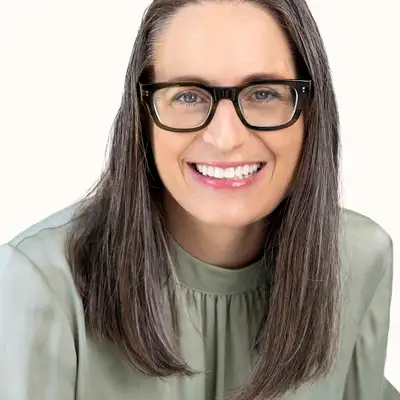
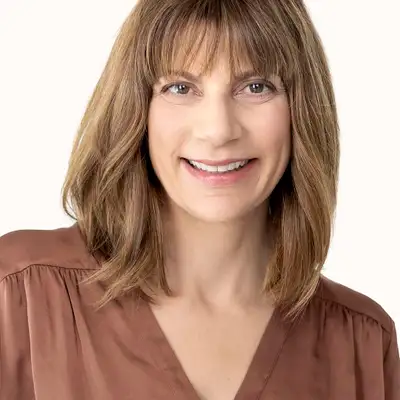
Born from 20 years of friendship, during which they navigated the trenches of autism parenting and advocacy, the Refrigerator Moms is Kelley Jensen and Julianna Scott’s way of reaching out to parents waging the same battles they were. Their purpose with this podcast is to clear the fog, silence the noise, and find a path through neurodivergence for parents that are stuck between bad choices. They tackle parenting topics such as mom guilt, tantrums, pathological demand avoidance, siblings, medication, comorbidities, social media, and much more.
Julianna Scott 00:00
Hi, I'm Julianna Scott, and I'm here with Kelley Jensen, and together we are the Refrigerator Moms. And today we are joined by a special guest, Tash Dillmon. She is one of the co-hosts of Moms Talk Autism, a great podcast that we listen to. And so Tash lives in Portland, Oregon, that area, with her husband and two children. She volunteers with KultureCity to support sensory inclusive events, and she's also involved in her church's children's ministry.
Julianna Scott 00:30
So welcome, Tash. Hi, Tash.
Tash Dillmon 00:32
Hi, ladies. Thanks for having me.
Kelley Jensen 00:35
This is exciting. I feel like I'm always on the other end, so I like this.
Julianna Scott 00:45
Well, we are really excited to talk about everything, autism, moms, and KultureCity. We want to hear all about your work with KultureCity. Tell us about sensory inclusive events and what that means and what that looks like, because I feel like it's something that's finally gaining traction, right?
Tash Dillmon 01:03
Yeah. I'm always actually surprised when I meet people and they still have not heard about KultureCity, especially people that are, we were, two of them.
Kelley Jensen 01:12
Community. Yeah, not, I'm not pointing you out, Kelley. We called ourselves.
Julianna Scott 01:17
We were dating ourselves. That's because we're so old, right? We were, you know, when there was a dearth of services, so we never had anything like sensory inclusive events. But, oh my gosh.
Tash Dillmon 01:28
And now we have them. So congratulations. And I love that people are actually taking, so for any of the listeners out there, KultureCity is a nonprofit, sensory inclusive group who goes around and makes events sensory inclusive. And not even just events, I should say, it's everything from your church, could be sensory inclusive. A bar could be sensory inclusive. Anything you can think of, it could be KultureCity certified. And just what they've done is they've taken just basic ideas of what we all have, right? We all have a sensory diet. Some of us like it darker, some of us like it more bright. Some of us can't handle loud noises, et cetera. And then especially when you get onto the medical side of things and you look at the statistics of those with traumatic brain injuries, PTSD, those on the autism spectrum, there's just so many people that this caters to, right, even those that don't have a diagnosis. So I met them back at least five years, I met them through my twin sister, which is such a blessing. My sister is in entertainment and does production work, and she worked with them at a Super Bowl back in Miami many years ago. And just since then, their nonprofit has become a partnership with NFL. And so now every NFL stadium is KultureCity certified. If you go anywhere, I mean anywhere in any state, you can go and find any major arena is probably going to have KultureCity certification.
Kelley Jensen 03:11
What does that look like? Is it a room? Is it a series of rooms?
Tash Dillmon 03:13
Yeah. So depending on the business or the stadium, a lot of them will try to have a couple sensory rooms, you know, because we're talking stadium huge, right? So yeah, got to have something on maybe one side, east side and west side, if you will, that just, it just looks like a sensory room essentially. So think of lower lights, sensory tactile things on the wall, visual stuff like the cool little water things that have the lights running through it. Just anything that can help somebody come back into their body and their space and bring them down a notch. But also along with that, for those people who don't necessarily need to go into a room, they want to be at that concert or that basketball game or whatever the event might be, but they still need a little bit of support. So you can check in with services at an establishment and they can give you a KultureCity bag, certified bag. And in that bag it has noise reducing headphones, it has fidget tools, toys, if you will, sunglasses. It has, for those who are non-speaking, it has a little cue card, basically a temperature card where you can share with somebody how you're feeling, where you're at, if you're in distress. And then also they've created an app so anybody can download this app. You can find anywhere in the United States or abroad where KultureCity has certified locations. And then even cooler, within that app they have the Koji system, and that is basically a talker device for those who are non-speaking to be able to communicate with people at the event, the services people, whoever.
Kelley Jensen 05:14
Oh, this is so timely too, because I have a 26 year old severely autistic son who loves live music, and it is my goal one day to get him to be able to go to a concert. So this is exactly what I need to hear. I need to get information on that and start working on that. So pretend I'm Kelley. I download the app.
Tash Dillmon 05:32
Yeah.
Kelley Jensen 05:33
And let's say there's a concert at a stadium. Do I download the app, find out if the concert or that venue has a room or?
Tash Dillmon 05:41
Yep, absolutely. Yeah, so you just basically upload that app, you get on there and you can type in your city, state, city, and it will tell you exactly all of the locations of businesses that are certified.
Kelley Jensen 05:58
Do I do that beforehand? How much notice do I need to give the stadium that we're coming?
Tash Dillmon 06:06
You don't have to, you don't have to give the stadium any, you don't have to tell them you're coming, you don't have to preset a calendar invite, nothing like that. It is already there. The people at the establishment, they have to have at least 50% of the staff who is knowledgeable in the KultureCity foundation and how to work with people who come in and need the accessibility. And that is just it. So you walk in and you say, hey, my son here is autistic and he has some sensory stuff that may need to deal with, and then that's it.
Kelley Jensen 06:47
Wow, that is really amazing.
Julianna Scott 06:49
Incredible. Thank you.
Kelley Jensen 06:51
Yeah. So, and you got to go to the Super Bowl last year or this year, right?
Tash Dillmon 06:57
Yes, I've been the last four years.
Julianna Scott 06:59
That's so awesome. Can you tell me, the airports, I know that many airports now are having sensory friendly rooms. Is that affiliated with KultureCity as well?
Tash Dillmon 07:10
I'm not going to tell you every single airport, but yes, most likely, if there is an airport out there that has that set up, then it's probably KultureCity certified. And again, you can get onto their website and see. And here's the great thing, KultureCity loves to work with people. So if you have something that you want to do, you want to push that initiative, like, I want my airport, my airport needs to be certified. You know, like we do in every realm of our lives, right, we have to take charge, we have to be the ones to pave the way for the most part. So yeah, you walk in there and say, I want to get something going. But again, most any of your major airports are going to have something set up. And again, it's most the time with KultureCity.
Julianna Scott 08:09
Are you taking care of your brain? You've tried medication, you've gone to therapy, but has anyone talked to you about brain care? It is the mental health treatment no one has told you about. At Brain Performance Technologies, we help with depression, PTSD, autism and many other mental health conditions. Our treatments are drug free and non-invasive. Reach out to us about insurance options. brainperformancetechnologies.com.
Kelley Jensen 08:22
I, all I want to know now about the bars, tell me about the bars that are KultureCity. I know I did clock that. Wow. Tell me more.
Tash Dillmon 08:30
When I first heard about this, I was like, wait, what? But it's like, you think about it, anybody, just because you're autistic or just because you have PTSD or a traumatic brain injury doesn't mean that you're not out living your life, right? And there are tons of people who are jumping on the bandwagon, they want to be inclusive to everybody, right? And so many businesses are doing this, and yeah, why would you not want to have a sensory friendly bar?
Julianna Scott 08:57
I think that's amazing. I mean, it's great. Well, like I said, my son loves live music, and sneaking into a bar with a cover band very early in the evening is something that we are tiptoeing into trying out for him, because he does love it, but he does get exhausted very quickly, and it would be nice to have a break, or wait for the performer he wants to see or whatever.
Tash Dillmon 09:17
So, yeah. And again, just those bags, just having the utilization of those bags to be able to give to guests is great.
Kelley Jensen 09:30
Yeah, that's amazing.
Julianna Scott 09:32
So Tash, we mentioned you have a son and a daughter, tell us a little bit about who is in your household.
Tash Dillmon 09:40
All the crazies are in my household, you guys. No, I'm kidding. So it is myself and then my husband Tyler, who is a fire captain for the city next door to where we live. And then we have our kiddo Jack, he's our neuro spicy. He is 12, sixth grade, just finishing, getting close to the end of the sixth grade, first year into middle school. That has been fun. And then we have our typical daughter, Sloan, and she is 10, but I'm not going to say she's totally typical because I'm pretty sure the girl's got ADHD. So we are all neurodivergent in this house of varying diagnoses and levels.
Julianna Scott 10:03
So we talked a little bit before about this. So you said, I think, to us that Jack was sort of level one, and that even though he's kind of in middle school now, the intensity, do you think you've peaked with intensity and it's dying down a little bit, or?
Tash Dillmon 10:46
You know, we think it goes in waves. Oh, I think so. I think it goes in waves. And, oh my gosh, we actually just did an episode on this where we talked about the levels, because I think that they are so necessary for access, et cetera, for re-upping on maybe state benefits, all of that kind of thing. But I do laugh, because I'm like, we're not playing a video game here, right? And it's like my level one sometimes into level two child is not any less than a situation than somebody caring for a level three. Are they different? Absolutely. But it's not less. We all just have our different things, right? That's why I think every autistic individual is just, they're an individual, they have their own strengths or abilities or inabilities, et cetera. So Jack, yes, Jack is what's considered a level one. He at a younger age definitely was, I would say, more of a level two, like around diagnosis, because of the high amounts of supports that he needed, from inside school supports to outside therapies, et cetera. But yeah, we are doing good. We are in an integrated program, Jack has always been in an integrated academic program. So, support of SPED classroom, spent, you know, a certain amount of time in there, I think it's like 60%, and then 40% in the gen-ed setting. That obviously looks slightly different now that we're in middle school and we have like, what, six or seven different classes, I don't even know what it is. Yeah, and so, but he is less support in that region. But also he has an intellectual disability. So Jack is a sixth grader sitting at essentially a second grade level academically. But, though we don't have the outbursts and the really rigorous up and down of energy and focus and all of that, our executive functioning has become better as he's gotten older. But we are definitely diving into the mental health side of things, if you will.
Kelley Jensen 13:47
Yeah, no, absolutely. Things that are not as obviously observable, I would say, moving from behaviors to maybe some more mental health issues, in terms of, I know for my son, who sounds like it could be similar, that's when you've managed the behaviors, the outbursts, the aggression, if that's an issue, and then moving into maybe the more anxiety, depression, OCD, things that are, you know, you've got to approach those obviously very differently. And you need to get some sort of sense or feedback, and especially when you're in that middle school range, they don't really have the vocabulary to share with you, like, I'm feeling X, Y and Z. So you have to use those observational skills, but also you kind of get, give them the vocabulary to tell you a little bit how they're feeling. And maybe if you throw medication into the mix to try to see how that's working, I mean, is that what you're?
Tash Dillmon 14:26
Yeah.
Kelley Jensen 14:27
All of the above.
Tash Dillmon 14:28
Can we check all those boxes? Yeah. I am a huge advocate for mental health just because I've had my own struggles through growing up, especially in adolescence and teenage years, much before I knew how to handle my business, if you will. But yeah, Jack is kind of into that early pubescent where he is just feeling all the feels, right, those hormones are just changing. And the hard thing with Jack is that Jack, he is expressive, right. Him and I can have, for the most part, a pragmatic conversation, and he can share with me to a degree, maybe not super in depth, but he is also very aware. He's very aware of who he is in his autism and what sets him apart from those typical kiddos that he's around, even what sets him apart from the other kids in his SPED class who also have an autism diagnosis, but they're all very different.
Kelley Jensen 16:04
Yes, I know my son had a lot of opinions about the other kids in his special ed class.
Tash Dillmon 16:06
Yes. One, that is my son Jack. But yet what I have noticed over the last year or two, especially in the last year, is just that increased level of, I don't want to use the word depression loosely because I don't want to call it that, but much more anxiety, where he does share and express that he is different, the things that he's worried about, am I ever going to be able to learn how to read? Why am I so different than other people? So though it's a blessing to be able to have Jack where he's at in his autism, and be able to have that expressive language and whatnot, it's also really hard too to hear him say these things and to know that he's completely aware of his differences, and then me, as the mom, not know how to, this is my first rodeo. Where do you turn to?
Julianna Scott 16:47
We've talked a lot about, we're 25, 26 years into this journey, and when we started, there were certainly not message groups or Marco Polo or the other ways to connect to other moms, for sure. And fewer resources, and that comes with its benefits and downsides, but how do you navigate that?
Tash Dillmon 17:13
Well, I don't know, how am I going to navigate this, ladies? That's why I'm coming to you. No, I'm just kidding.
Julianna Scott 17:22
Well, we can tell you what we do. I mean, the first thing I think that you have to do is, it's great that he's asking you all those questions, it's great that he's expressing all those things. The time is right for him to ask a therapist, to experiment with mental health resources and normalize therapy, because therapy, or maybe medication, maybe TMS, you and I have had conversations about TMS, maybe all of those things are going to be part of his mental health journey and tools in his toolkit. So this is a time for you to start having a conversation about, here's what's in your toolkit, and it's less about having to be normal, it's less about having to be like everybody else. It's more about managing yourself, and then you will rise to the occasion when you have the tools to manage yourself. And those are, that's where you need to start, right?
Kelley Jensen 17:59
Yeah, yeah. And feeling comfortable in your own skin and who you are as a person. And what modalities of therapy would work for you, what you will try this, I mean, we are always putting kids in front of sports, but we need to put kids in front of mental health too. There's a million different therapies, there's a million different apps on a phone to help you check in with yourself, and this is the time where he should start exploring all those things and what sticks, what feels good, what increases his comfort level. And the thing is, it's repetitive exposure to these things, because I know for my son who has depression, anxiety and OCD, the things that we were introducing at certain times wouldn't stick, or it would, and then it would run its course. There was a period where he was actually really into meditation and meditation apps, and that really helped him, and then now there's no way, he doesn't do that at all. Actually, the most recent thing he did was TMS, brain stimulation, and it's crazy, it pretty much erased his depression. So that was kind of mind blowing. His anxiety is still there, his autism is still there, his OCD, you can't get rid of OCD, you just manage the symptoms.
Tash Dillmon 19:30
So, you know, as much as you can and as much as they can kind of take in.
Kelley Jensen 19:32
I think you're constantly introducing the language around it, I think that that was really important for my conversations, my husband and I talking to him. It was a mystery sort of what he was going through, and I know that sometimes parents will struggle with, how much do I reveal to them, they seem really depressed about this anyway, if I tell them that they're different or they have this diagnosis, is that going to be upsetting to them? It's like, we just never did that, first of all, we couldn't hide a lot of this stuff, so it was just always part of the conversation. So that wasn't an issue in our household, but of course, at 12, they're going to have a different understanding of what anxiety and depression is from that time to when they're 20. But as much as you can, and I also experience anxiety and depression, I don't have OCD, but I have those other two, and so I could relate a little bit, but again, as you know, it manifests in very different ways with different people, and although I could relate, he wasn't sleeping in and having trouble getting from, typical. But his depression definitely was demotivating for a lot of things, and so we could see that, right. So I think just being really open and talking about it and trying different things, it's, and being honest about, hey, this is a chronic condition, what you have is a chronic condition, doesn't mean you can't live a normal life, but it's a chronic condition. If you had diabetes, we would be managing it as a chronic condition, and this is the good news, is there's lots of tools, we're just going to experiment with all of them and make a list of which ones we like, which ones we're going to come back to, which ones we're not. And it's a journey, we were just talking to your colleague about, the more progress you make, the more the line moves, right, and that's progress, right, that's moving forward, right, but it doesn't feel that way because you feel like you're constantly starting over, but you're not, you're just moving forward.
Tash Dillmon 22:00
Yeah, yeah. And, you know, I love all of this, because my husband and I are definitely those parents, probably much like both of you ladies, where everything is open, out in the open. Jack has known about his autism diagnosis since, in the, you know, talking to him in the right context and right age. But if there's anything that's so huge for my husband and I in our family, it is doing better than we did, doing better than our parents did with us. And I love my mom and dad and my in-laws, but we have, we're at different times and we have different resources now. And then also, taking from my own experience, like I said, I started out at 12 years old with trying to commit suicide, not because I wanted to die, but because I didn't have the tools to express to my parents what was going on with me. And so if there's anything for me, as a mom who's already walked that journey, and who still manages her depression and her OCD and ADHD and all of that through medication, I want to be very open and visible with my children, and I want to honor what it is that they are feeling and going through emotionally, even if they can't necessarily name it.
Julianna Scott 23:32
Yeah, and then again, I love this, because it's like, you might age out of ABA therapy or you might age out of this or that or whatever therapies that they were able to do when they were younger, but there still are those tools, right?
Tash Dillmon 23:36
Yeah, absolutely, absolutely. We will take him in for, if therapy isn't a thing for him, because he kind of struggles to share, then we're going to do this, try out this therapy that Kelley has recommended to us, and give those same options that we would have if it was when he was little, with some other kind of therapy.
Kelley Jensen 24:09
Yeah, no, it definitely evolves as they get older, we're always looking for something that's more appropriate for someone who might be older, like talk therapy is a big one, very few kids, younger kids, are ready for talk therapy, and that went for my neurotypical kid too, who had all of the issues that a neurotypical kid living with a neurodivergent kid has, that should be addressed with therapy, and we tried and it failed, but it doesn't mean that it's not working for him now. It just, we just always said, made sure that he knew that when he was ready to avail himself of these tools, we were supportive of that. And then also, of course, being the parent and checking in, saying, hey, what do you think about trying this now, and just keep testing and seeing when they're ready for certain things. And then, of course, sometimes with my autistic one, it was a little more directed, it was like, okay, we're going to try this.
Tash Dillmon 25:05
Yeah, we're going to try this, and if it, yeah, but this last one with TMS, we offered it to him, and he's like, yeah, I'm game. And it's that, and we talked a little bit about this before.
Julianna Scott 25:20
What I think is important at this stage with your family is establishing that relationship with him, that you are a trusted resource. And we talked about that, that you're a trusted resource, that you are someone, you don't have to hide or mask, I know you didn't mention that he had OCD, but OCD can be one of those kind of insidious things that they're not even sure what it is or what it's called.
Tash Dillmon 25:54
But if you have that open relationship, like we fortunately do have with my son, he was able to say, like, I'm having these thoughts, and then I'm like, whoa, or I mean, I also observed some stuff, but also it's like, oh, okay, he's telling me this, and that was his way of saying, I need help with this, I'm uncomfortable with this, how can you help me? And really laying that groundwork now, for when, fortunately, one day, he is able to live independently, my son is having that relationship where you are someone that they can call and say, hey, I'm not feeling good, or I don't like my psychiatrist anymore, like, we go through that, can you help me find a psychiatrist, he still is, like, can you help me find a new therapist, can you help me find this, and I do all the upfront work and do all that stuff. So it can become more of a collaborative process instead of, when they are independent.
Julianna Scott 26:55
Yes, and I feel like a lot of times you're in a situation where you can sweep it under the rug now, right, where those behaviors are gone, let's sweep it, no, we don't have autism anymore, we beat that. And I feel like in our work, we've seen a lot of families that have done that, and kudos to them if it works out that way, but it may inadvertently put too much pressure on the child as they age to keep that mask on, to keep it under the rug. And autism does come in waves as you make progress and as life lifes. So I would say for you and with your son, the most important thing is talking about it as a chronic condition and managing it and keeping the dialogue flowing, which I know you're doing.
Kelley Jensen 27:43
It's because I know you, and I know you're doing that.
Julianna Scott 27:47
This episode of the Refrigerator Moms is brought to you by Brain Performance Technologies. Brain Performance Technologies is a specialty mental health clinic that offers Magnetic e-Resonance Therapy, or MeRT, for autistic people aged 3 or older. MeRT is a transcranial magnetic stimulation protocol that utilizes an EEG diagnostic to deliver personalized magnetic pulses to stimulate the brain and build neural pathways, effective in managing autistic symptoms.
Tash Dillmon 28:13
Yes, and that's the, Tyler and I have always said, no matter, for both of our children, for Jack, our neurodivergent, and for Sloan, our neurotypical, it's just that safety, right, that we are their safety net. There's a lot going on outside these doors when you leave, there's a lot going on inside these doors, right, you know, my husband's a first responder, he's home, never home, right. Just our schedule alone is kind of wonky, but when they step outside of these walls of our home, the world is unpredictable to a degree, right, things are changing, they are changing. And so to be at home and to be with us and the four of us together as a team, right, we are each other's safety net, you can be who you are, you can take that mask off, you know, you got to respect us, but we will honor, when you are walking through something and you're having a meltdown where you yell at us and tell us that you hate us, or that we have no idea, or whatever hilarious thing he scripts and then storms off and slams his door, to where he can feel comfortable knowing that we are going to give him his space, but then we are going to come and we are going to check on him, and we can talk about it as much as he wants to, but he knows that it's safe, that he doesn't have to put on that mask here as well.
Julianna Scott 29:54
Yeah, I don't know, we have a whole episode about masking and autistic masking and how putting on and off the mask, how exhausting it is, and those are the conversations you have to have with them. And you need to put a mask on to go out in the world, we all put a mask on, some of us call it makeup, others of us call it pretending, or whatever the autistic accommodation that we try to have that mask be, but yeah, it's what we all do, it's all about being honest about it, right. But I think one of the things that you touched on before, in our previous conversation, was that extreme vigilance that you feel, especially when you have something that you see manifesting in your own kids, and it's just like, oh, how do I mitigate that, or is it the same as mine, is it different than mine, and all of that.
Tash Dillmon 30:36
And I think that we all have that extreme vigilance. Oh gosh, it never really goes away.
Kelley Jensen 30:44
And I mean, yeah, I can't, I don't think we can say that it ever goes away, even when they're technically out of sight, they're not out of mind. No, gosh, no.
Tash Dillmon 30:57
Yeah, and I love, I just love that honesty too, of, you know, this is why we always say on the podcast, the majority population of our following is people who are early on in their child's diagnosis, and it's great to be able to share those things with them, but when you really find, I have no idea, so finding ladies like you who have been, who can give me, this is what it's going to be like for Jack, or this is going to happen, this isn't going to happen, but just to share, just to share that, hey, life still goes on, they're still autistic, there's still struggles, we just deal with what the struggles are now, and we still celebrate in the triumphs and the exciting milestones, or whatever it might be, and I just think that's so great.
Julianna Scott 31:53
It's something to look forward to, right?
Tash Dillmon 31:54
Absolutely.
Julianna Scott 31:56
I'll be in middle school right now, but I know that high school is going to be okay, and I know that young adulthood is going to be okay, and you'll call us when you get, you know.
Tash Dillmon 32:03
Right, and if you're all curious to know what it might look like, you can always ask us.
Kelley Jensen 32:11
Yeah, absolutely, yeah, we're always talking about that, because our generation, we had different experiences, you guys are going through different experiences, we can all learn from each other, we're learning from you guys who are in the trenches of what you guys are facing, and it's really important for us because that's who we are talking to on our podcast, we were talking to the people who are in the middle of it, who have this glut of information, and how do you wade through it all, you're thinking critically and all of that, it's like, it's very different from when we were looking for anything and everything and still coming up short a lot of times, now it's, you are looking, you are paving the way, you were looking, it wasn't there, and then you trailblazed and made it.
Tash Dillmon 33:00
Yeah, that's what you have to do, right, that's what you have to do, because it's what you guys are doing too, with KultureCity and all these things.
Kelley Jensen 33:02
Absolutely.
Tash Dillmon 33:03
I mean, that was lower down on the priority list when you're just trying to get basic things, survive, covered, or, you know, things like that. So I think too, with Jack, that's the one thing that I have learned, and obviously Jack is who he is in his autism again, like I've said, but that when I share with him, when he shares these things with me about, am I ever going to learn how to read, or why am I different than other people, and of course I share positively, like, hey, we're going to get through this, or whatever, but I'm never going to put that, like, oh, you are going to live on your own, it's not like, I don't want that, and I don't say, he's not what, I don't know, if you're going to be reading this by this next school year like you want to be, but we're going to work really hard at it, and I don't know if you're going to have a sleepover finally with a friend in the next year, but we're going to work really hard on figuring that out and finding that and making that a goal for us, because I never want him to expect it to happen and not want to work for it.
Kelley Jensen 34:30
Yeah, I guess that makes sense. You know, it's funny because sometimes I think that there's this tendency to say, I'm his safe person, my child's safe, that's quite the buzzword on social media, and it's true, you are his safe person, but just because you're a safe person doesn't mean that you can't tell them the cold, hard truth. And sometimes, who better than the safe person to tell the cold, hard truth of, well, we don't know what your future holds, but that's okay, because you can work hard, and you will work hard, because I know you have what it takes to do that, and that's a cold, hard truth, right, as opposed to this notion that being a safe person means you just become a human punching bag.
Julianna Scott 35:00
Yes, or, hey Jack, remember when you said you wanted to learn how to read, what if you put down that iPad, right, and what if we read for five minutes.
Tash Dillmon 35:20
Yeah, but I mean, what's great is he is motivated, if he wants those things, he'll be more motivated to do it, and that's the huge thing, and it's not, you're not just picking something out of thin air that you want him to do or you envision, it's like this is something that he wants too, and that's a big thing. But yeah, I mean, you're absolutely right, Kelley, when we hear about, when I say that we're a safe resource, or I say trusted resource, not safe.
Kelley Jensen 35:43
You do say safe, because safe bothers, because it can mean it's a misused word, it just doesn't mean that you can just do anything you want with no consequences or anything.
Tash Dillmon 35:55
It means that you be who you are, but I'm also going to tell you stuff, I get a lot of that. Well, you know, he doesn't do this for my husband, he doesn't have a meltdown for my husband, but I'm his safe person, so he has a meltdown for me, and I'm like, well, you don't have to be that, that doesn't mean that.
Kelley Jensen 36:18
Yeah, you have to take that, like your husband doesn't take it, so why should you.
Tash Dillmon 36:20
Right, those are, yes, these are the conversations that are hard to have, but again, as the safe person, you're the best one to have them, because that's the thing, you have that currency, that's what you want to do, is like, in those years that you're in, you just want to start building your currency so you can cash that in later when you have to tell them the truth about things, and that if they really, truly want to feel better, they need to try to do X, Y and Z, because you cannot, as much as we want to help our kids, especially in these things, like depression, anxiety, OCD, it has to come from them, we can't make them less depressed, we can't make them less anxious, we can't change the OCD thoughts, so it really does have to come from them, and that's really hard work, and we can validate that, but we can't do it.
Julianna Scott 37:24
Yeah, yeah, yeah, and can we just get that for everybody, we can't do it for anybody.
Tash Dillmon 37:32
No, no, no, there's no, that's one thing too that I want to share with moms that are early on, it's like, yes, absolutely, get your child in the therapies that are needed for them or that you think are important, but with that, there is no guarantee, there is no guarantee that that is going to work for you. So don't get stuck on that idea, and also don't get stuck on the idea that it's always just going to be this way, my child's only 4 years old, but they're always going to live with me.
Kelley Jensen 38:03
Well, right, you don't know that.
Tash Dillmon 38:04
You do not know, you really don't.
Julianna Scott 38:15
Yeah, yeah, yeah, anyways, all right, well, we have some speed questions, our final round of questions, we like to speed through answers, we like to get your take.
Tash Dillmon 38:21
Okay, I'm ready.
Julianna Scott 38:22
Okay, speed round of questions, well, and in light of what we were just talking about, Diet Coke, yes or no, are you a Diet Coke girl?
Tash Dillmon 38:31
Yes, with a lime.
Julianna Scott 38:35
Oh, that's good. All right, what is your greatest extravagance?
Tash Dillmon 38:39
My shopping.
Julianna Scott 38:41
Oh, what do you shop for?
Tash Dillmon 38:42
Clothes, everything.
Julianna Scott 38:45
Oh, I love it, I love it. What do you keep all to yourself?
Tash Dillmon 38:52
Probably the candy that I buy.
Julianna Scott 38:54
Do you have a secret candy drawer? What is your favorite candy?
Tash Dillmon 38:57
I just hide it up really high, and I do, I love candy from the UK, toffee.
Julianna Scott 39:05
No, I like kind of the, like, gummy, chewy, you know, like, what would, here would be more of like a Starburst type thing, but not full of crap.
Tash Dillmon 39:13
Oh, I see.
Kelley Jensen 39:13
Or like a gummy peach ring type of thing.
Tash Dillmon 39:18
Oh yeah, I love a gummy peach ring, like gummy, gummy stuff.
Kelley Jensen 39:22
Oh, that's all delicious for me too. What superpower would you give your child if you could?
Tash Dillmon 39:30
I just think the power of being confident without being arrogant.
Kelley Jensen 39:37
Nice. What about you, what superpower would you give yourself?
Tash Dillmon 39:41
The ability to handle stupid people.
Julianna Scott 39:45
Well, you would be a better person than me if I had that.
Tash Dillmon 39:48
I just would be a better person, I would like to clone myself and then go do things and then come back to center, right?
Kelley Jensen 39:58
Well, I'm a little bit of a crackhead because I have ADHD, so if I'm medicated, I tend to get things done. What is the one thing about autism you most deplore?
Tash Dillmon 40:15
I think just probably the division within our own community, who's right, who's wrong, what we should be doing, what we shouldn't be doing, who deserves what, whose parenting situation is harder, all of the things.
Julianna Scott 40:33
You know what, I would agree with you, the autism wars, as they call them, right. What is one thing about autism that you love, you have learned to love, if anybody can learn to love anything?
Tash Dillmon 40:44
I just love that it's changed me, I love that my son's autism has changed who I am as a person, right, it's changed me to be not only a better parent, because I don't know if I'm even a good parent, because this is my first time parenting, but it has changed me and how my outlook on just society and other people and giving others grace in whatever realm that's in, it doesn't even have to be within a disability, right, just being loving and kind to everybody, we just don't know what people are walking through.
Kelley Jensen 41:14
Fantastic. And what is your idea of the perfect holiday?
Tash Dillmon 41:27
By myself.
Julianna Scott 41:29
A holiday that counts.
Kelley Jensen 41:30
Yes, yes please, I have a friend who goes and vacations on her own.
Tash Dillmon 41:34
Yes please, it's necessary, just like a holiday with no expectations, can we just, can we just not.
Julianna Scott 41:41
Yes, can I not have to be the person that has to do everything, and then can I not have to resent everybody because of it, and.
Tash Dillmon 41:56
Yeah, you know.
Julianna Scott 41:56
Yes, I do, I know exactly what you're talking about. And TV show, movie or book that you are enjoying right now.
Tash Dillmon 42:02
Ooh, okay, yes, so I really love Apple TV, I think they do a great job.
Julianna Scott 42:07
On their, husband and I are in a big Apple TV binge phase right now, what are you watching?
Tash Dillmon 42:10
Oh my gosh, what, it's the newest one with the, oh my gosh, the two, the sisters, Dakota Fanning and Elle Fanning, Margo's got a lot of troubles.
Kelley Jensen 42:22
We're watching that, we love it so much.
Tash Dillmon 42:25
So good.
Kelley Jensen 42:26
She's so good in that, isn't she?
Tash Dillmon 42:27
So good, she's so, I love both, I love both those sisters, they're so good.
Julianna Scott 42:33
And we're watching, we just started watching the new season of Love on the Spectrum.
Kelley Jensen 42:39
Yes, we were going to talk, we're going to talk about that, what are, what do you, my husband and I just love it, it just brings us joy, it's a show that just brings us joy.
Tash Dillmon 42:44
One of the kids that's featured this year, this season, he goes to a place called Inclusion Fusion that's in Las Vegas, and my son goes to events there, and it is really as wonderful a place as it is, as you would think it would be, and the gal that runs it is as wonderful as she started it, she's amazing.
Kelley Jensen 43:08
Logan, I love him.
Tash Dillmon 43:10
Yeah.
Kelley Jensen 43:10
Kelley was telling me she saw him with his, like, with his velvet blazer on before the series aired, before the season aired, and I got what card, and I told my husband, some dapper young man is in there and he's just, he's dressed to kill, I love him.
Tash Dillmon 43:26
He, my son Jack, he reminds me of my son Jack, if my son Jack was a little bit older, like some similar things, him and Connor both do, but my son reminds, Connor reminds me a little bit of my son.
Julianna Scott 43:38
Does he?
Tash Dillmon 43:39
Yeah, what I love though is that there is a new girl on the show, the girl he went on a date with, and I love that she embodies, none of us know what, there is no look to autism, there is no set thing, because so many people would look at her and be like, oh, she's autistic, it's like, yeah, because autism doesn't have a look.
Kelley Jensen 43:57
Right, right.
Tash Dillmon 44:00
And so, I love that, I love that they are sharing multiple different people on the spectrum and just who they are as an individual, right.
Julianna Scott 44:07
Yes. Now, have you heard of this book Upward Bound by Woody Brown, have you heard Julianna and I talk about it?
Tash Dillmon 44:20
So that's, okay, I'm going to write that down, Upward Bound by Woody Brown, wait a minute.
Julianna Scott 44:26
Now, it is a book that was purportedly written with the help of facilitated communication, are you familiar with facilitated communication and the pseudoscience that it is?
Tash Dillmon 44:38
Well, there is a young man that is being credited with, wrote, it's a novel, it's a short novel, and he wrote it, but we don't think he wrote it, we think his mother wrote it for him, but we think it's a great story, and it tells a beautiful, it lays out what the autism community, what non-speaking people go through beautifully, we think she's a wonderful writer, right.
Julianna Scott 45:00
Yes, and so we're telling everybody to read it, even though we don't think that he wrote it, and we're bold enough to say it that way, right, because we're cold, hard truth people. This is interesting, we could go down the rabbit hole, I can't remember the documentary I saw, but it was about, tell them you love me.
Kelley Jensen 45:15
Oh, the Anna Stubblefield one.
Julianna Scott 45:19
Yeah, tell them you love me.
Tash Dillmon 45:20
Yeah, yeah, yeah, so yeah, we talk about that and the dangers of, yeah, totally.
Julianna Scott 45:26
But it, none of it should deter you from reading Upward Bound, because it tells such an important, yeah, it's such an important story, and she nails so many things about the experience of non-speaking.
Kelley Jensen 45:37
Yeah, we just wish the conversation were more about the topic of what is lacking in the community for the severely disabled, versus, like, oh wow, this guy wrote this book.
Julianna Scott 45:48
Yeah, because we don't think he did.
Kelley Jensen 45:50
Yeah, yeah, because not just highlighting the.
Julianna Scott 45:53
Right.
Kelley Jensen 45:53
Yeah, the pretty things.
Julianna Scott 45:55
Yeah, yeah, right, anyway, love it, that is our pitch to you, that is it. Well, it's been great talking with you, and people can find Tash at Moms Talk Autism.
Tash Dillmon 46:08
Yes, your wonderful podcast with your three friends, and you guys cover a wide spectrum of experiences, and it's fantastic.
Kelley Jensen 46:15
So we're looking forward to that, more working together, more collaboration.
Tash Dillmon 46:23
More collaborations, we are here for you, ladies, call us anything.
Julianna Scott 46:26
Yeah, call, we will, we will bother you, because that's what we do, and when we call, I hope you answer.
Tash Dillmon 46:39
Yeah, yeah, you go ahead and clap back at us and we will slide, and we will slide into your DMs.
Julianna Scott 46:43
Okay, all right, awesome. Thank you so much, have a great day.
Tash Dillmon 46:44
Oh, good to see you, ladies.
Julianna Scott 46:46
Thank you for listening to this episode of Refrigerator Moms. Don't forget to subscribe so you never miss an episode. You can also find episode notes, related resources, and any refrigerator paper connected to today's discussion on our website at refrigeratormoms.com, where you can sign up for our newsletter. We'd love to hear your questions and future episode ideas. Reach out to us on social media or through our website.
The information shared in this podcast is meant for informational and educational purposes only. It shouldn't be taken as medical, psychological, therapeutic, legal, or professional advice. If you have questions about a diagnosis, treatment, intervention, or any medical or developmental concerns, please consult a qualified healthcare or service provider. Don't rely on this podcast in place of professional guidance, and don't delay getting help because of something you heard here. The views and experiences we talk about are our own and those of our guests, they're not meant to serve as personalized recommendations for any individual or family. Listening to this podcast does not create any kind of professional relationship between you and the hosts or guests. Any choices you make based on the information here are completely your own, and we are not responsible for any outcomes that result from them. If this episode includes a refrigerator paper, you can find all sources and citations along with additional notes on our website at refrigeratormoms.com.